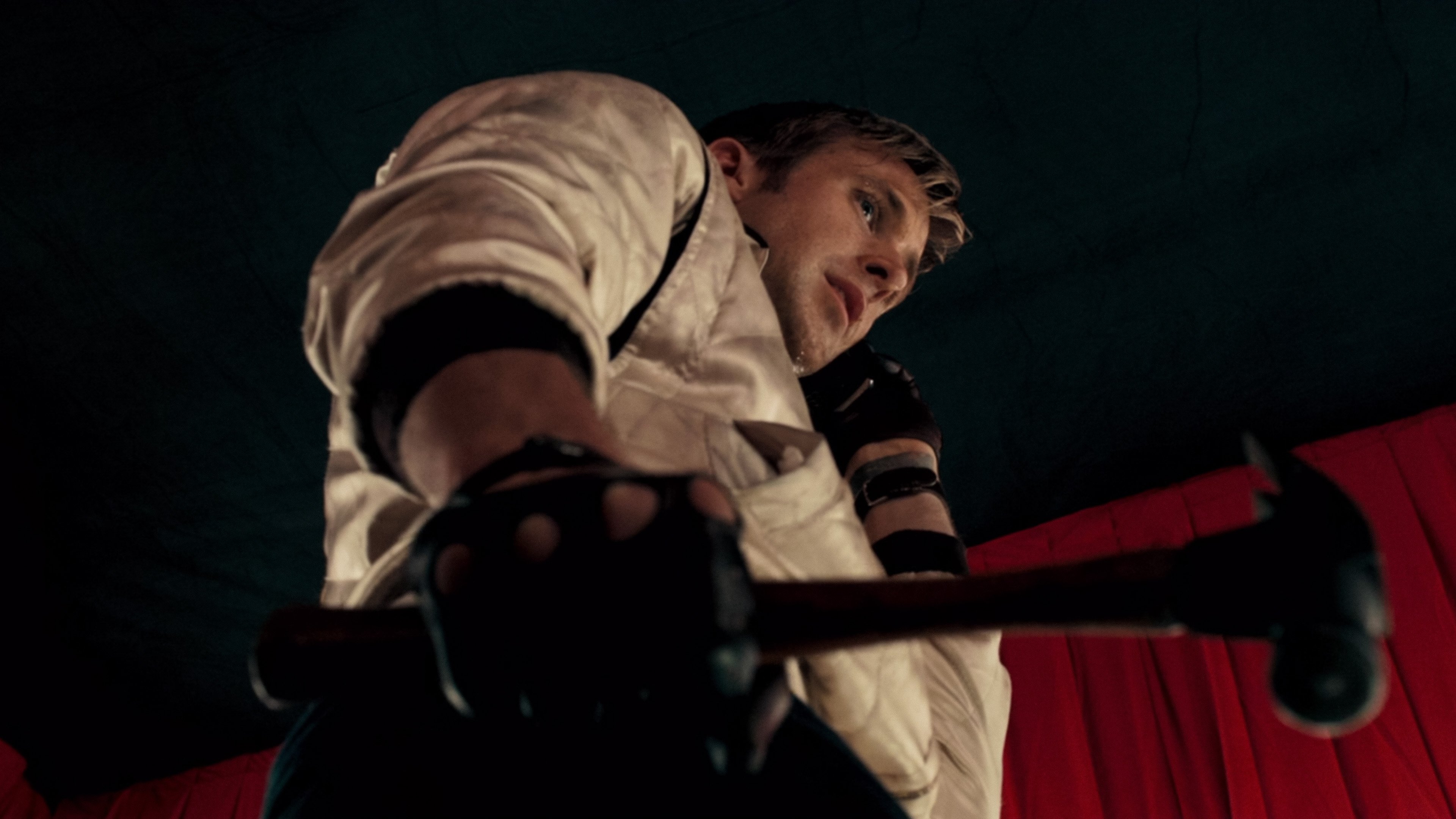

Nicolas Winding Refn makes films that feel less like stories than like moods you cannot shake. The Danish director rose on the raw energy of the Pusher trilogy, then crossed into something stranger: a cinema of silence, neon, and controlled menace. His protagonists rarely talk. They watch. They wait. Then they act with a finality that lingers. Whether it is the laconic Driver, the aging Muay Thai warrior Kham, or the blank-eyed Ryan Gosling stunt man of Only God Forgives, Refn's characters live in a world where image carries what dialogue refuses to. If you love the tension between beauty and brutality, between a synth score and a still face, you are in the right place.
Essential Nicolas Winding Refn
His own films, from early raw crime to late hallucinatory art cinema


Same Frequency: Directors Who Think in Images
Films by auteurs who prioritize atmosphere, silence, and visual language over plot





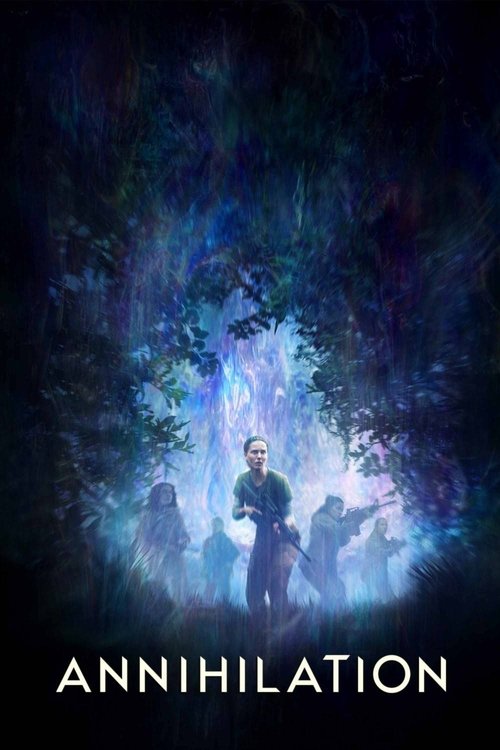
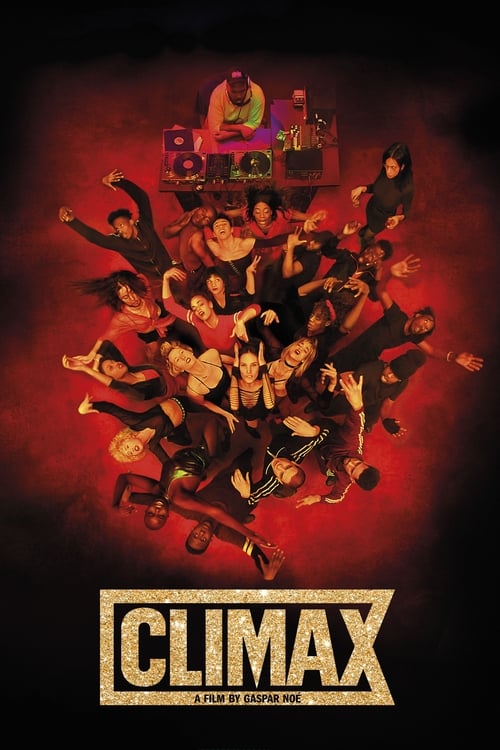
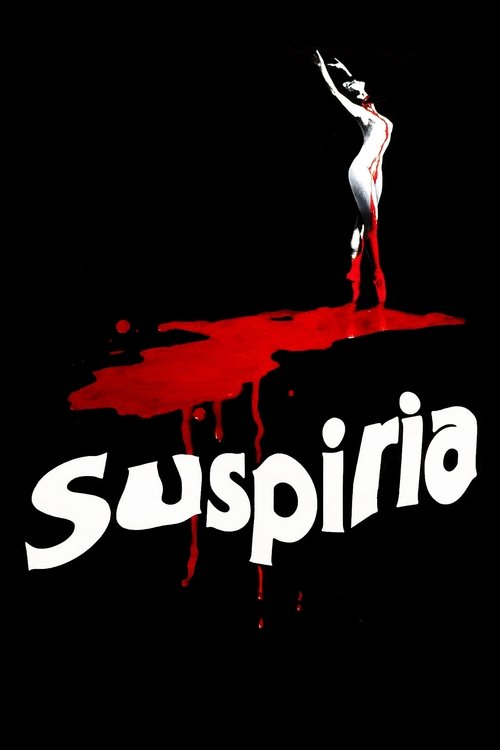
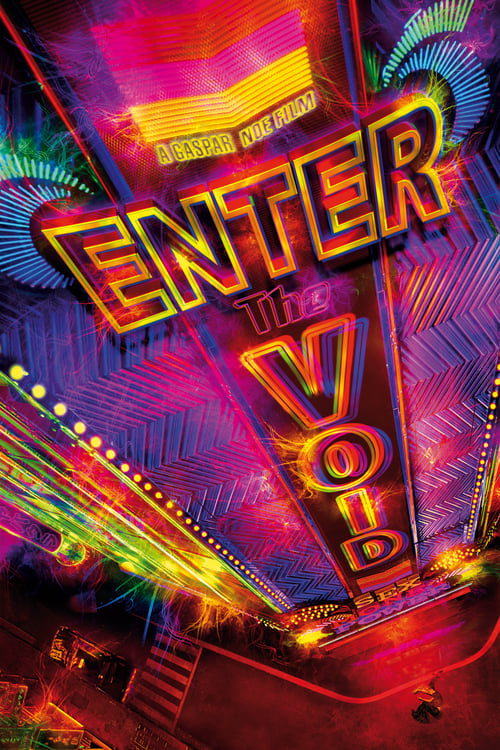
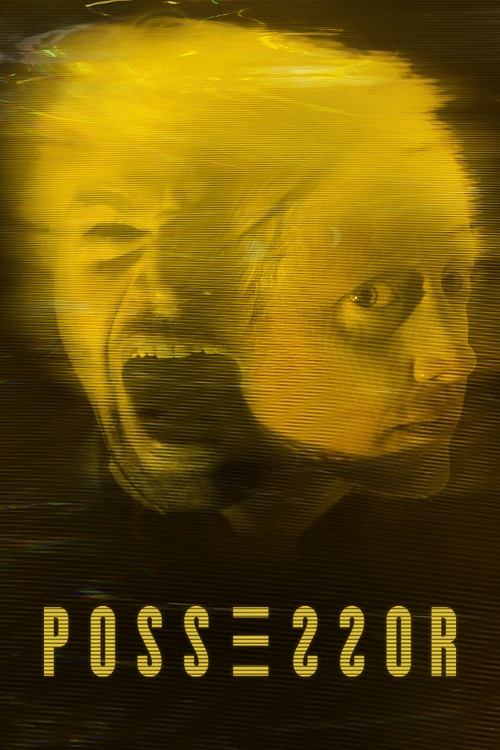
Neon Noir on Screen
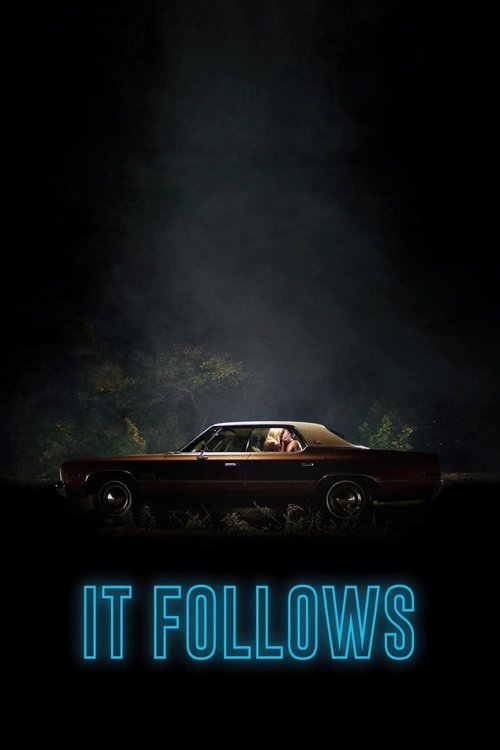
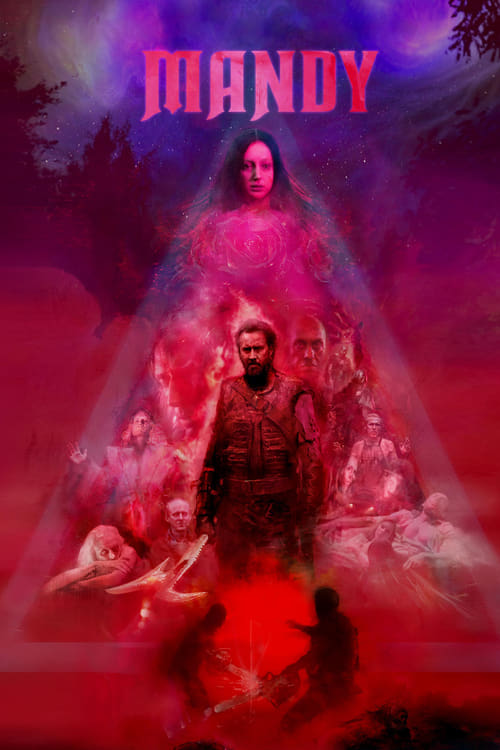
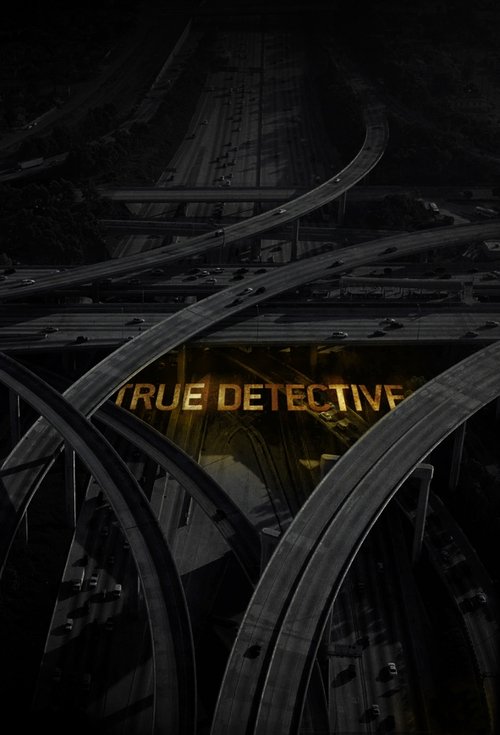
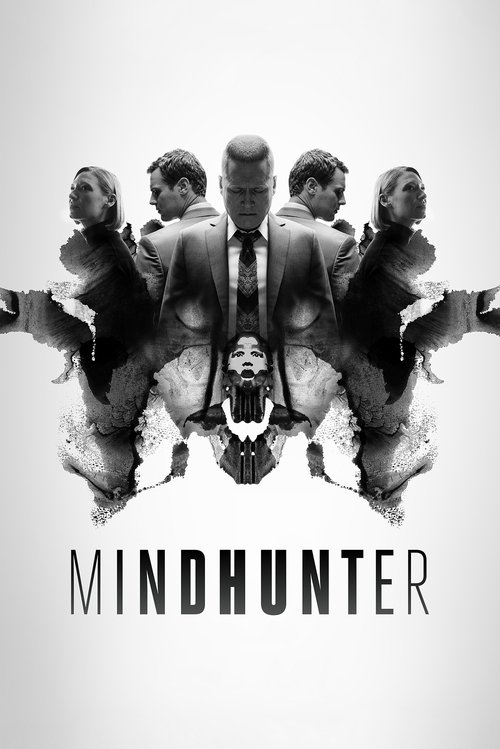
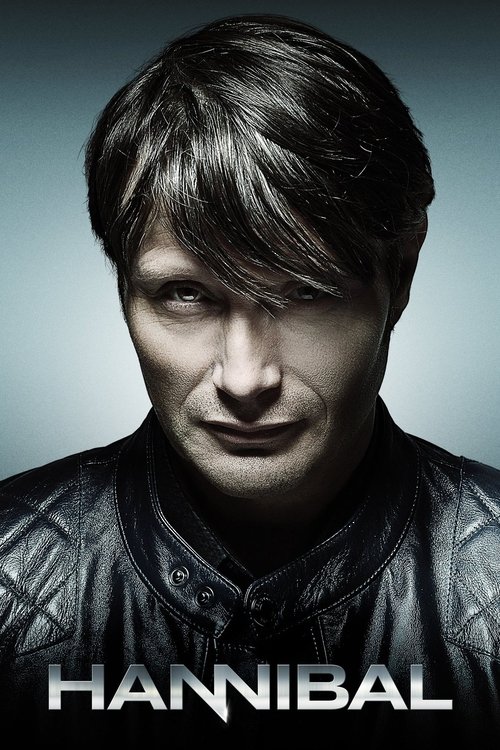
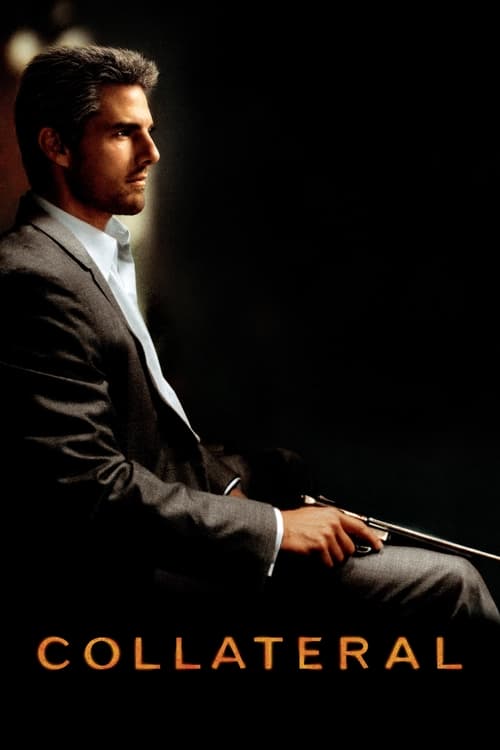
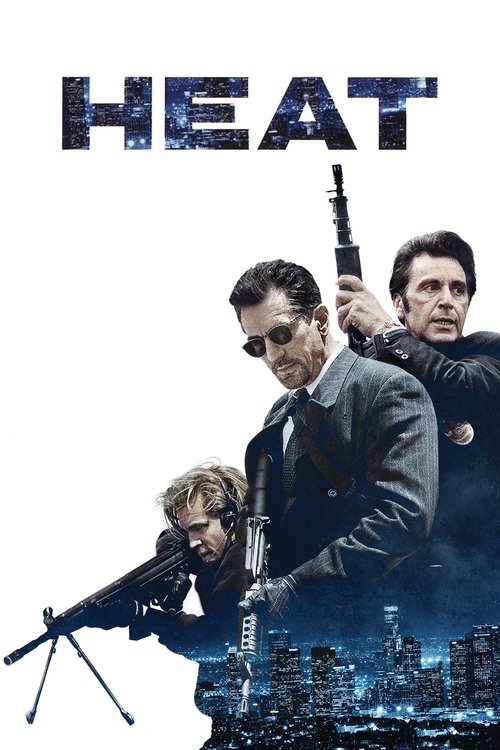
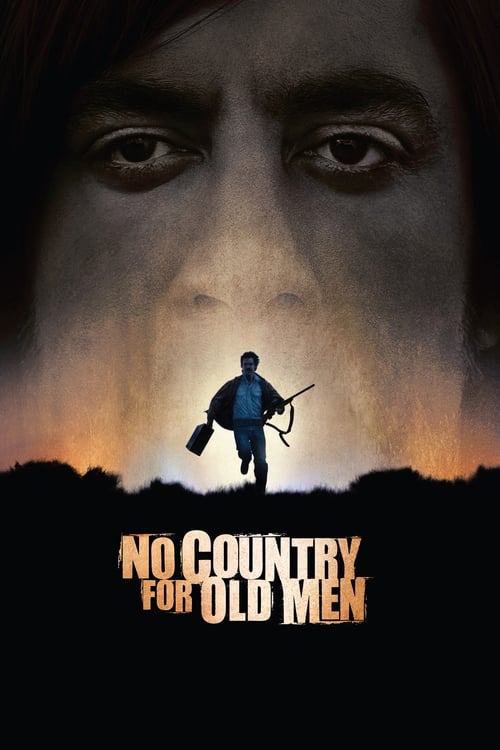
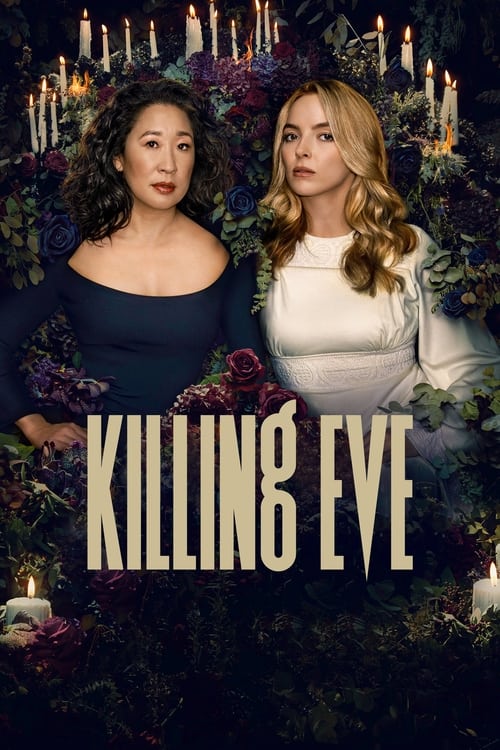
TV series and films that share the slow-burn urban dread and hypnotic style


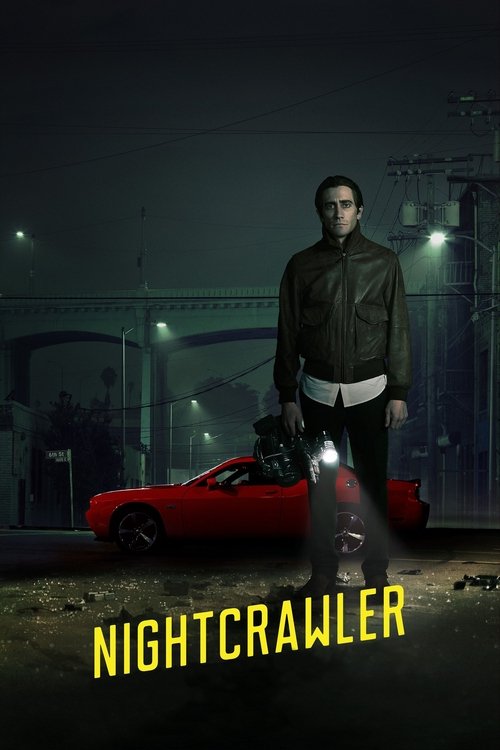
The Books Behind the Silence
Novels that share Refn's obsessions: violence as ritual, masculinity under pressure, image over word
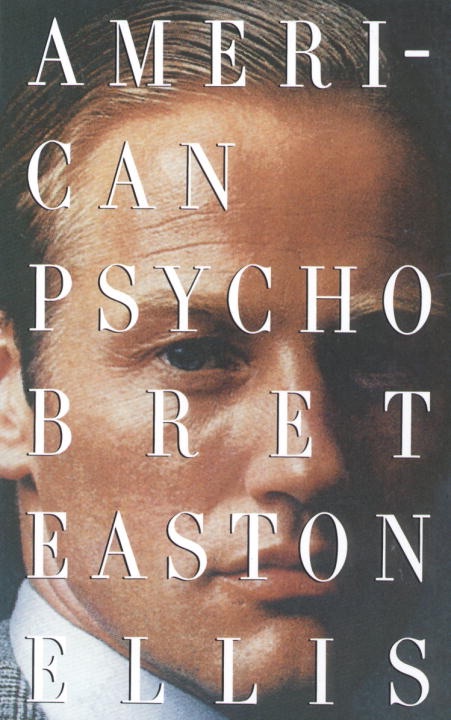


Games That Share the Aesthetic
Slow, stylized, and atmospheric games built on mood, menace, and controlled violence
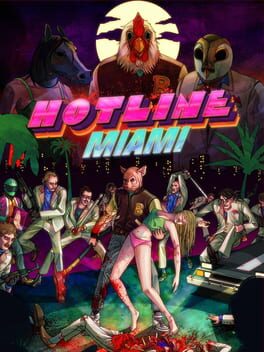
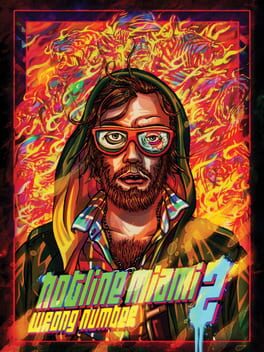

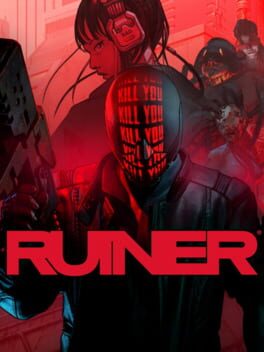
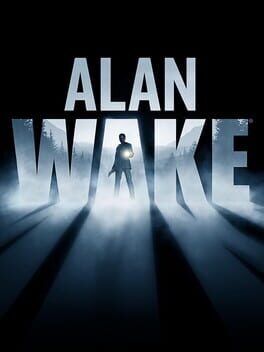
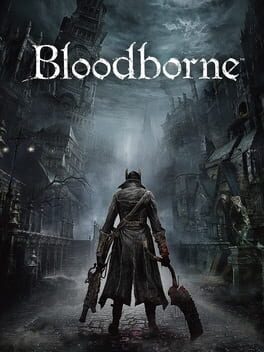
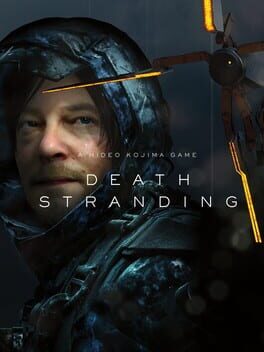

Scores That Define the Silence
Music from and around Refn's films: the synth pulse, the void, the crescendo
Drive Is a Silent Film with a Steering Wheel
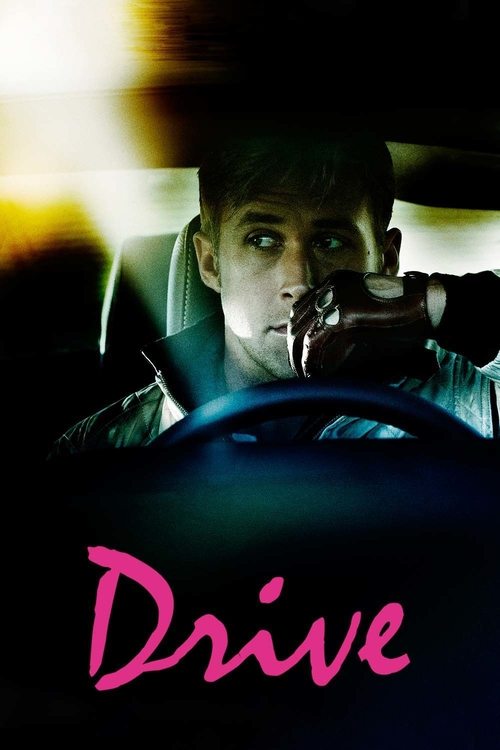
Ryan Gosling's Driver speaks fewer lines than many silent-era protagonists. Refn built the film around what the camera sees when the character says nothing: the angle of a jaw, a reflected streetlight, a scorpion on a jacket. The violence when it arrives is not an action beat. It is a rupture. The film works because of everything it withholds, and that discipline is what separates Refn's genre films from genre films that merely borrow the furniture.
Pusher Showed He Could Do Grit Before He Chose Glamour
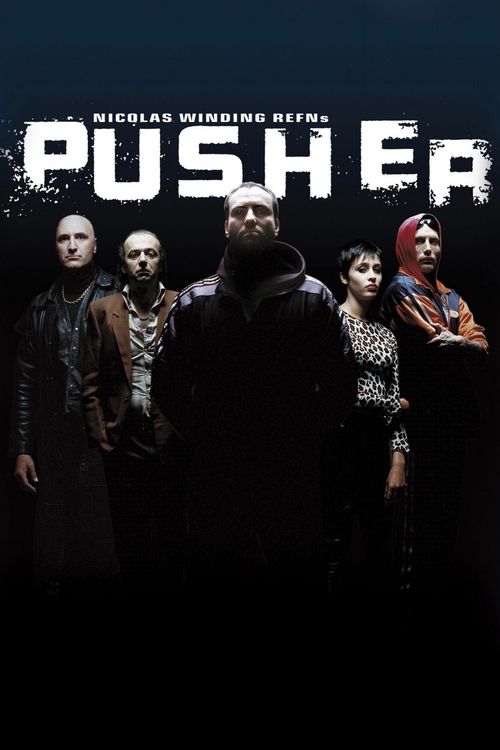
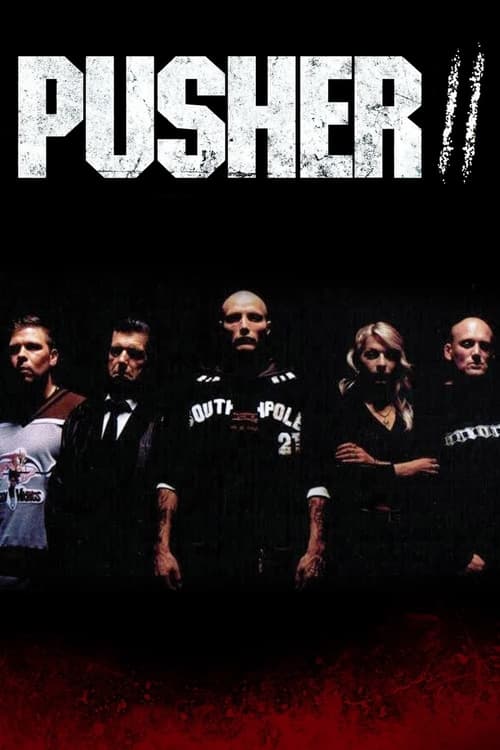
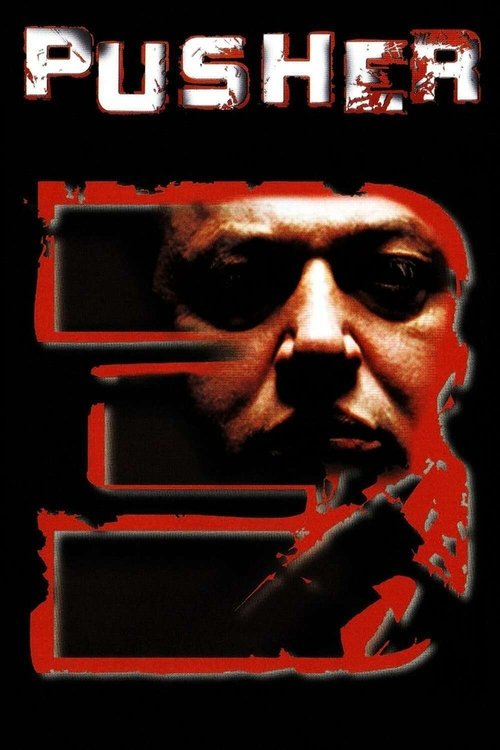
Before the neon and the synth scores, Refn shot a Copenhagen drug runner in punishing handheld verité. The Pusher trilogy is unadorned in a way his later work never is, and that rawness makes it essential viewing. Frank is not a tragic hero or a cool criminal. He is a man who is bad at his job, and that banality makes the spiral feel earned. Knowing where Refn started makes where he went feel like a deliberate choice, not an affectation.
Hotline Miami Is the Game His Films Implied
Hotline Miami arrived the same year as Drive and the two works share more than a synth palette. Both ask the player or viewer to participate in violence that is formally beautiful and morally uncomfortable. The game's roster of anonymous masked killers, its relentless electronic score, and its refusal to contextualize the carnage until the very end feel like the interactive equivalent of a Refn film. It is the only game that captures the specific mood of watching a scene through his lens.
The Neon Demon Is His Most Divisive and Most Honest Film
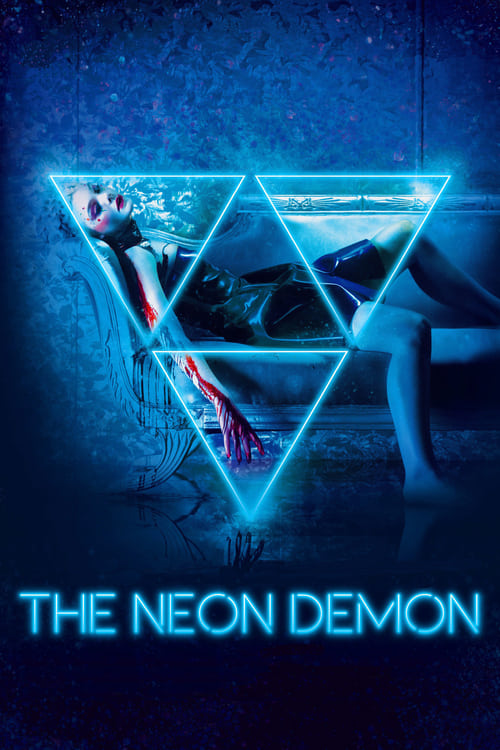
Critics split hard on The Neon Demon, and that split is the point. Refn made a film about the fashion industry that uses the industry's logic against itself: beauty as currency, consumption as consequence, cruelty as aesthetic. It is not subtle. It is not supposed to be. As a horror film it is more interested in what the horror reveals about how we look at women than in delivering conventional dread. Polarizing is the correct response.
A Career in Controlled Excess
- 1996Debut: raw Copenhagen crime Pusher
- 1999Bleeder deepens the world Bleeder
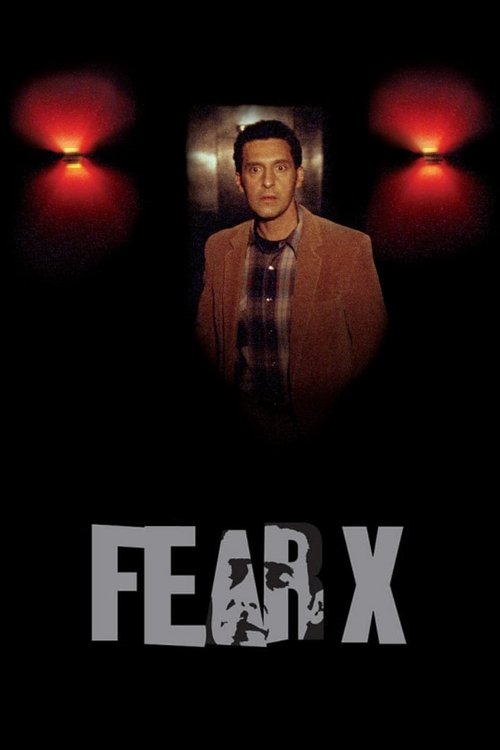
- 2003Fear X: his first English-language feature Fear X
- 2003Pusher completes its trilogy Pusher III
- 2008Bronson: a star is born on both sides of the camera Bronson
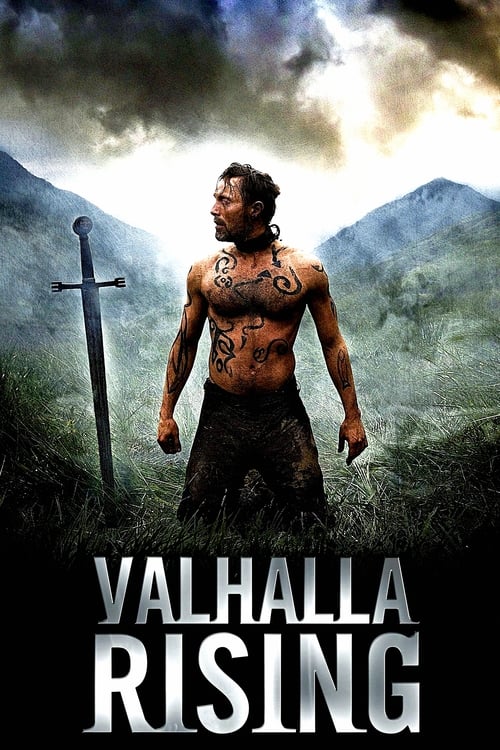
- 2009Valhalla Rising: silence and mythology Valhalla Rising
- 2011Drive makes him a household name Drive
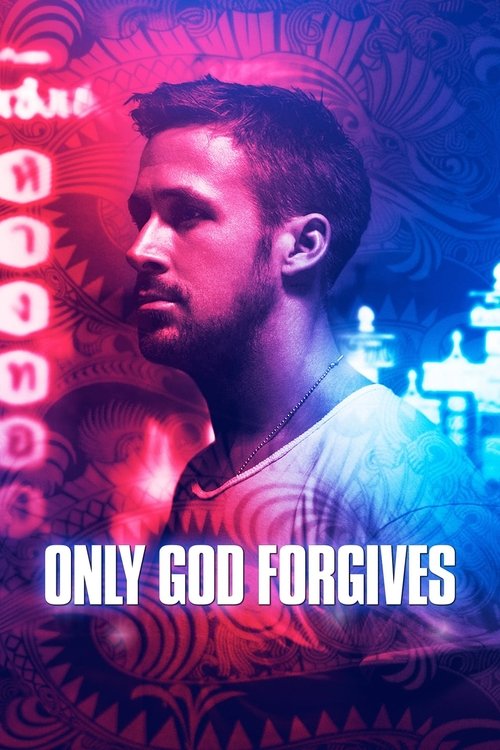
- 2013Only God Forgives divides Cannes Only God Forgives
- 2016The Neon Demon: haute couture horror The Neon Demon
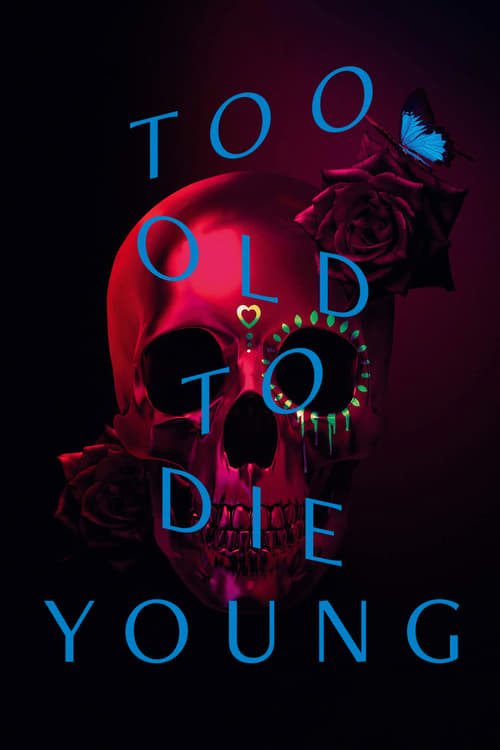
- 2019Too Old to Die Young: 13-hour Amazon series Too Old to Die Young
Neon, violence, and slow cinema
For Fans of Drive
Explore the For Fans of Drive guide →I make films for the eyes. If you need the plot explained, you are watching the wrong director.Nicolas Winding Refn (paraphrased from various interviews)