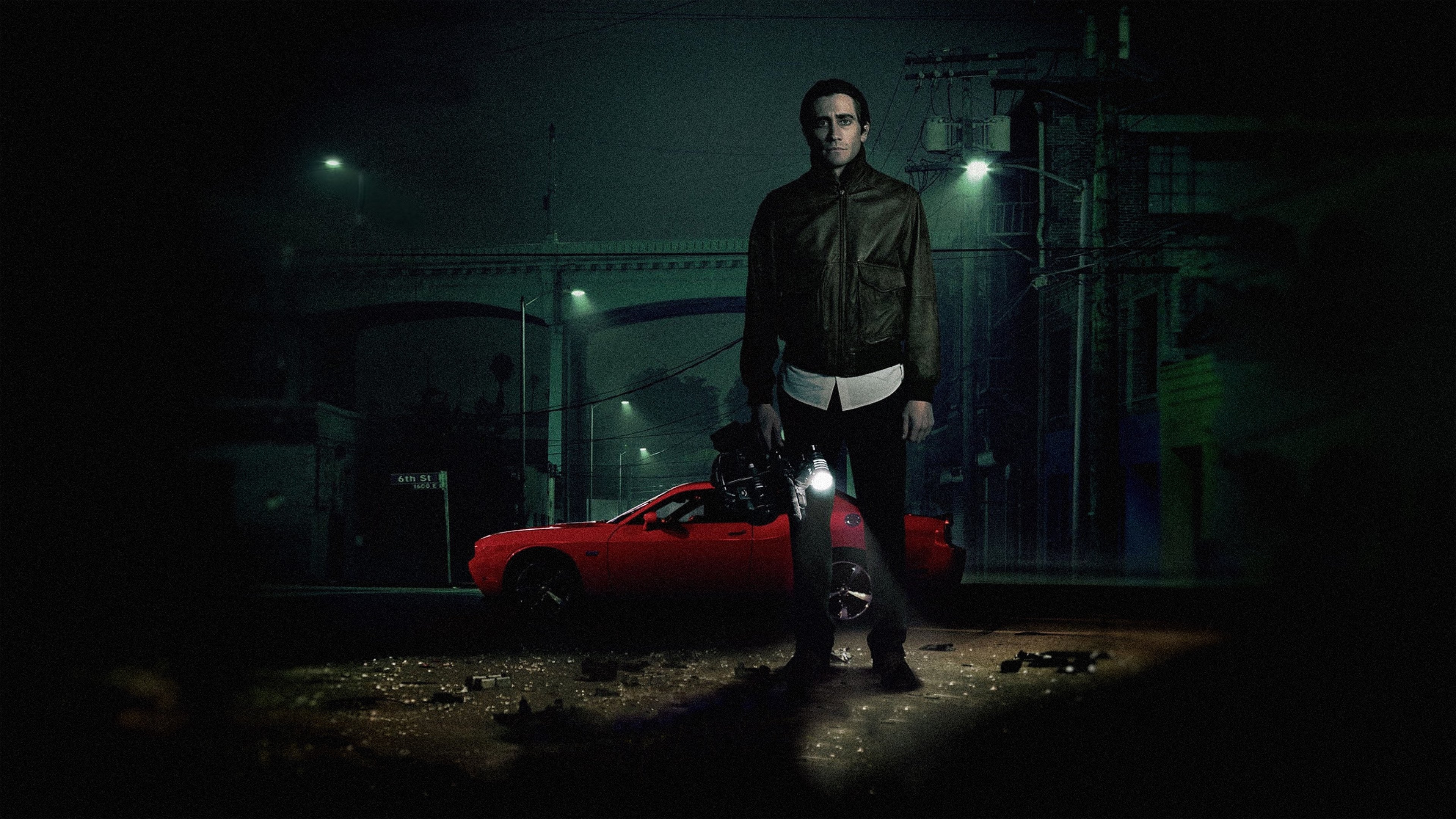

Lou Bloom is not an anti-hero. He is something colder: a man who has absorbed every piece of self-help language about hustle and drive, and applied it with complete sincerity to a sociopathic career shooting crime scenes for local news. Dan Gilroy's 2014 film is a Los Angeles story and a media satire and a character portrait, all running at the same pitch. What fans come back for is the specific feeling of watching competence in service of something morally hollow, the city's nocturnal beauty playing counterpoint to every transaction on screen. If that combination of sleek dread and ambition-gone-wrong is what you are looking for, the works below know exactly where you are coming from.
Same Director, Same Nerve
Dan Gilroy and the films that share Nightcrawler's cold precision

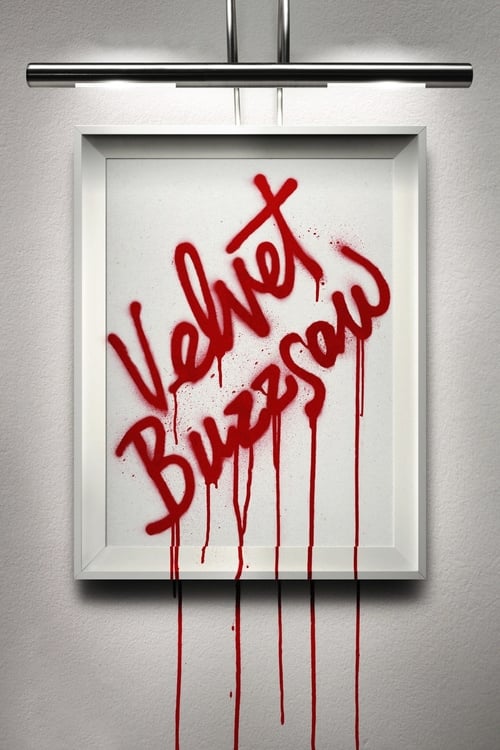
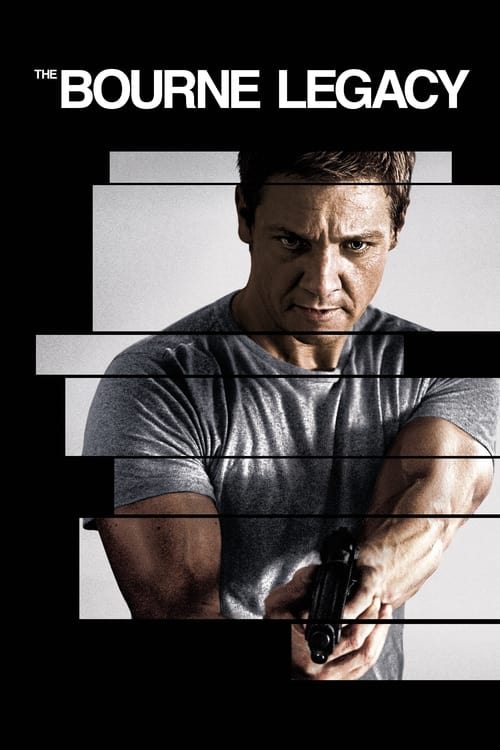
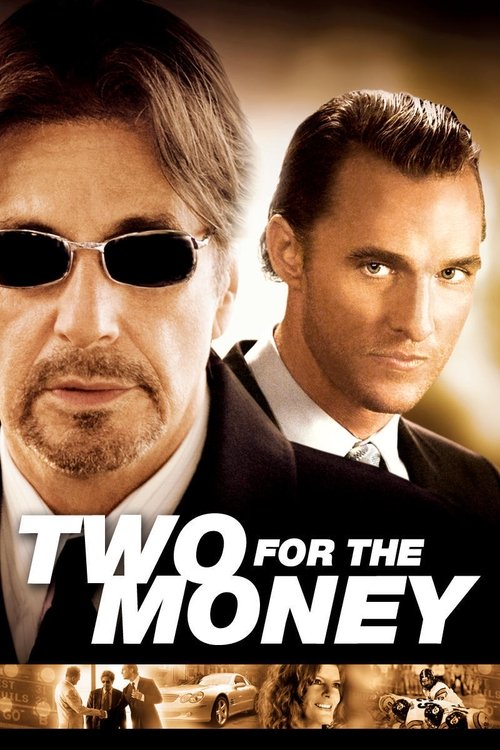
Lone Operators on the Wrong Side of Something
Films where a single driven character moves through morally dubious work with frightening clarity


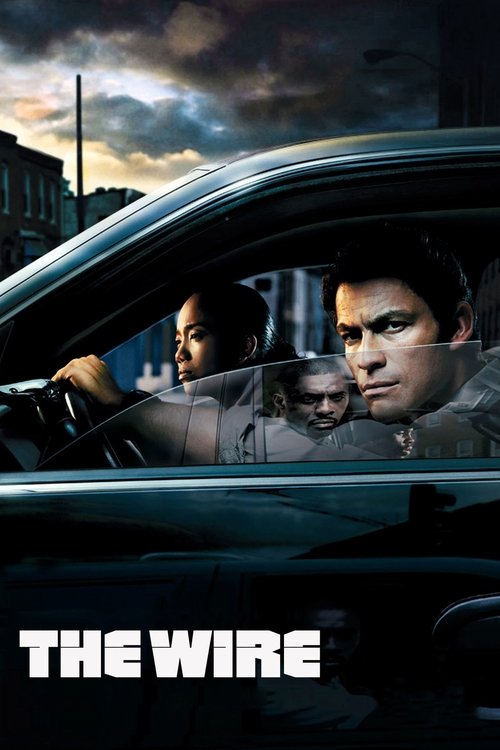
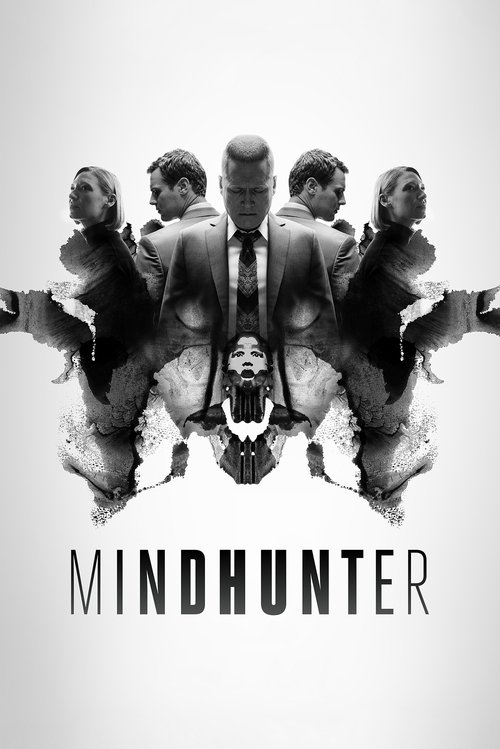
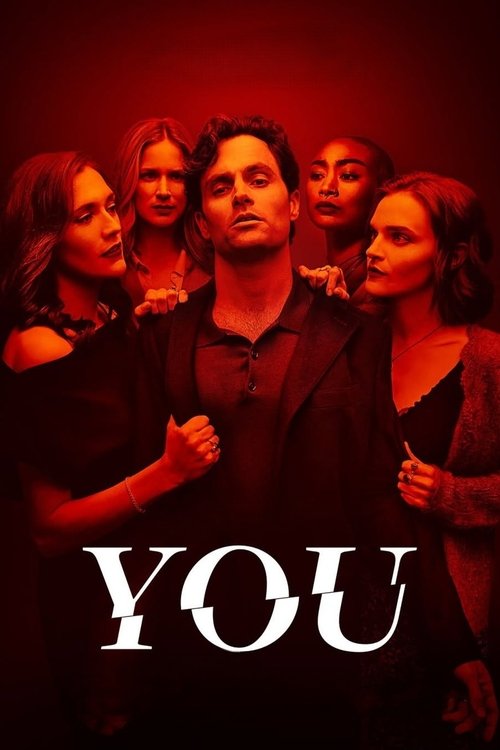
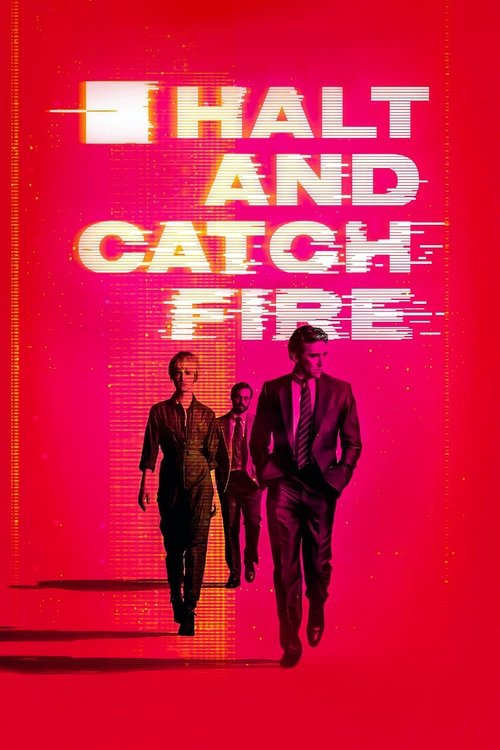
TV: Ambition That Corrodes
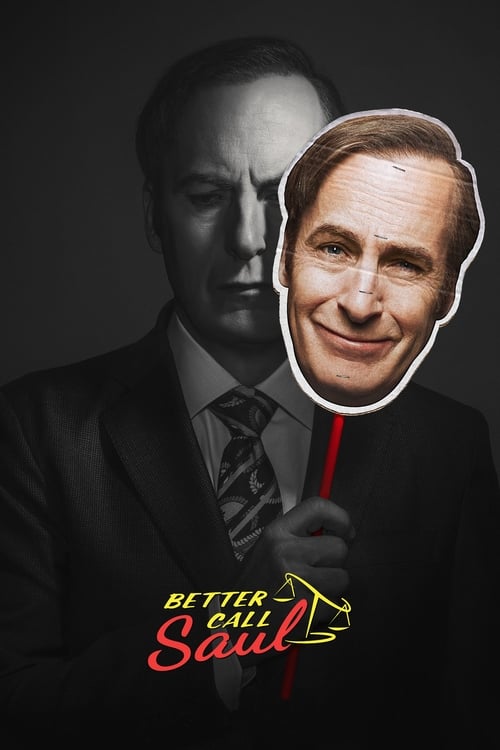
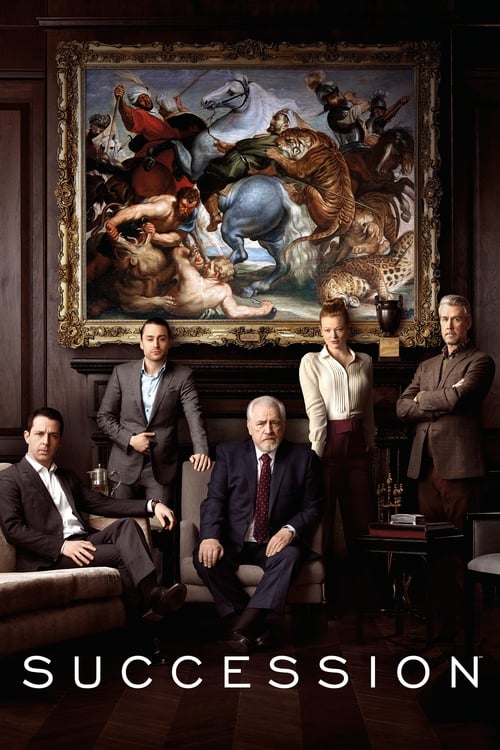
Series that live in the same moral atmosphere, where getting ahead is its own justification


Books: The Sociopath as Entrepreneur
Novels that put a driven, conscience-light protagonist at the center and watch what happens
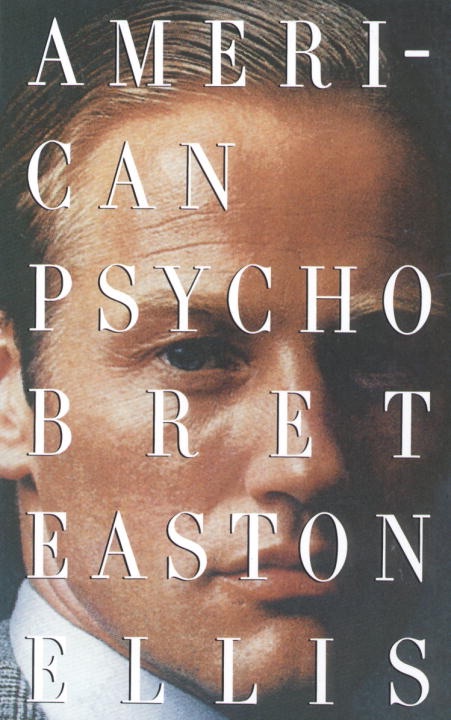


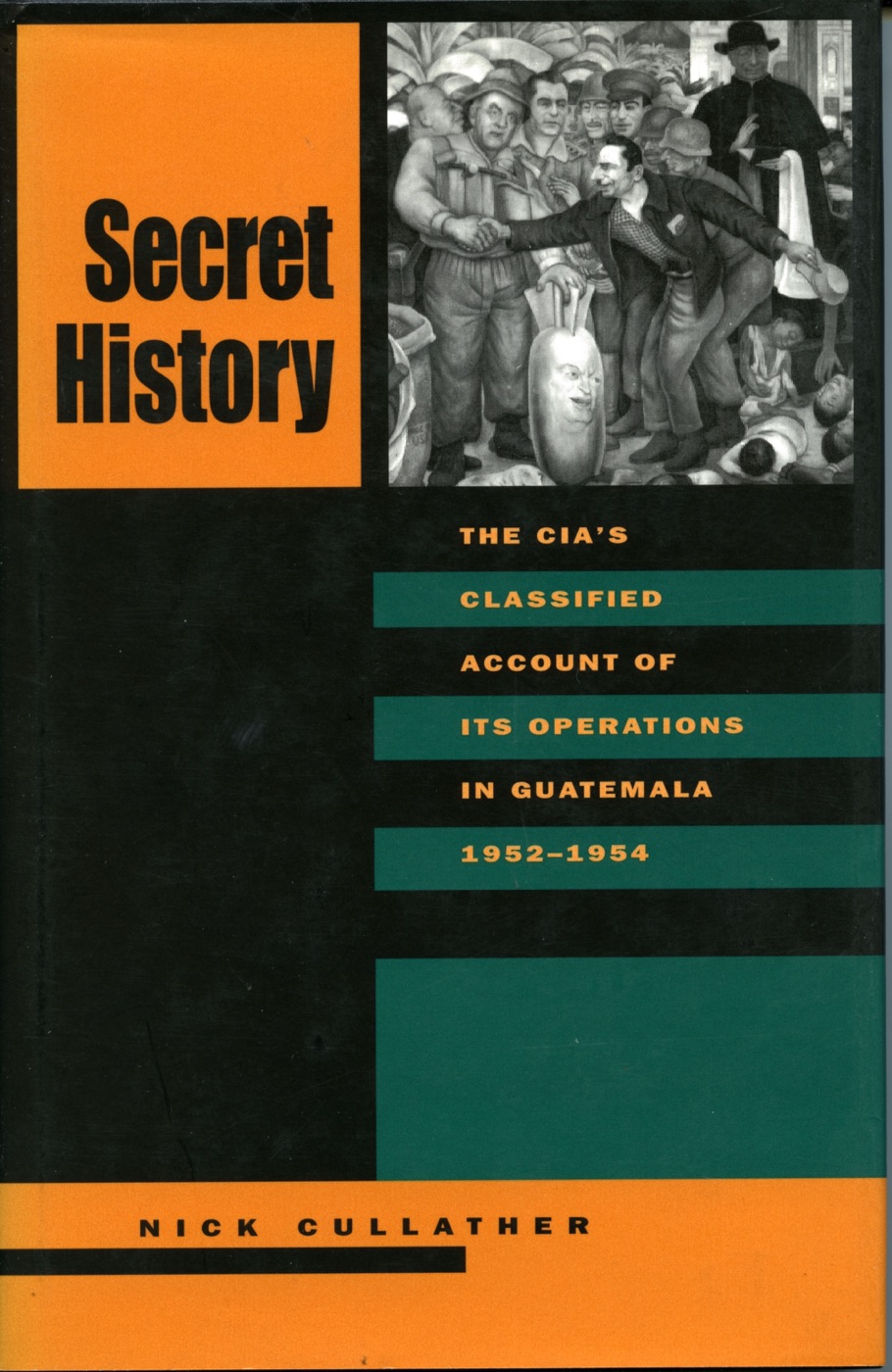

Games: Operate, Observe, Exploit
Games where you play a predatory or morally grey operator navigating systems with cold skill
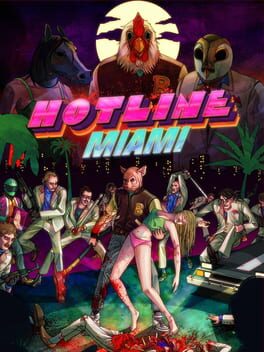
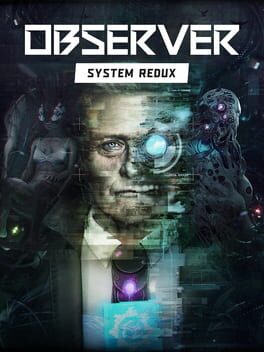
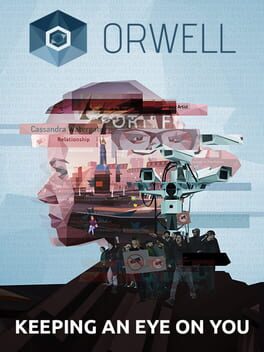

Music: The Score and the City at Night
Albums and soundtracks that carry Nightcrawler's neon-cold nocturnal mood
Jake Gyllenhaal Rewrote What a Leading Man Could Be
Lou Bloom works precisely because Gyllenhaal refuses to soften him. The weight he lost, the unblinking eye contact, the cheerful corporate-speak delivered to people he is about to manipulate: every choice strips away the sympathetic scaffolding that usually makes an anti-hero watchable. The result is closer to a wildlife documentary than a character study. You are not rooting for him. You are watching him.
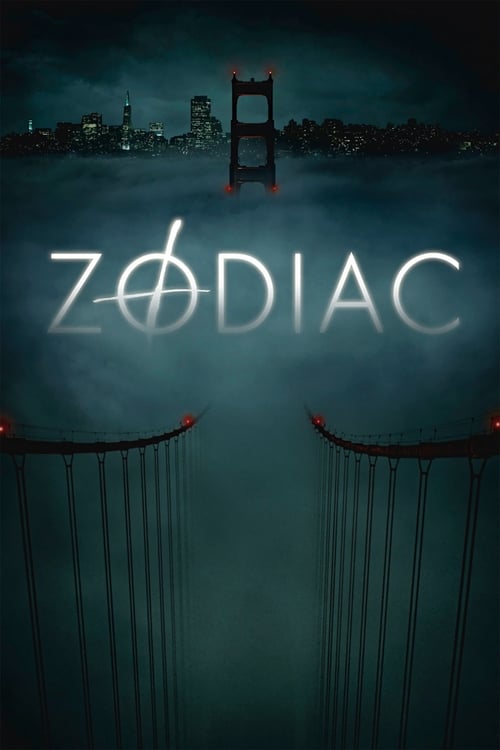
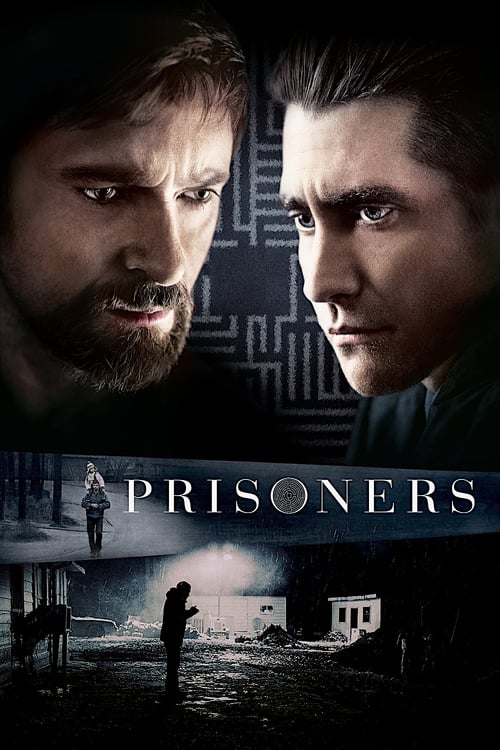
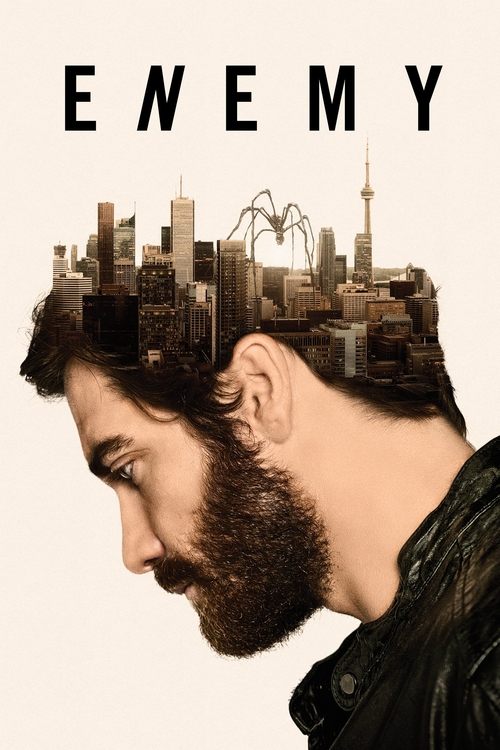
Los Angeles as a Character
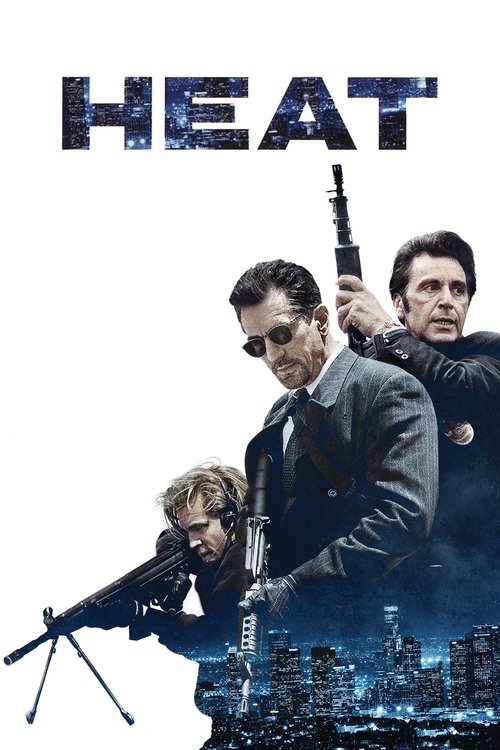
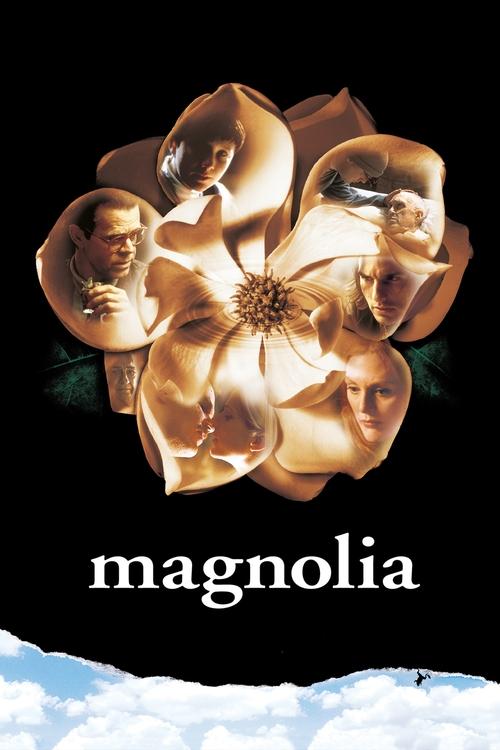
Gilroy and cinematographer Robert Elswit shoot LA the way you do not usually see it: immaculate, nocturnal, almost beautiful. The city becomes complicit. Clean highways and glass towers are the backdrop for human wreckage, and the contrast is the joke. Nightcrawler is one of the best Los Angeles films made in the past two decades, a lineage that includes Heat, Collateral, and Magnolia.
The Media Satire Has Only Sharpened
The news director who buys Lou's footage knows exactly what she is buying. The satire of local TV's appetite for fear-driven content is not subtle, and it does not need to be. Nightcrawler arrived at the precise moment that content-at-any-cost logic was moving from cable news to the wider internet. It has aged into something close to prophecy.

The Gig Economy Gets Its Portrait
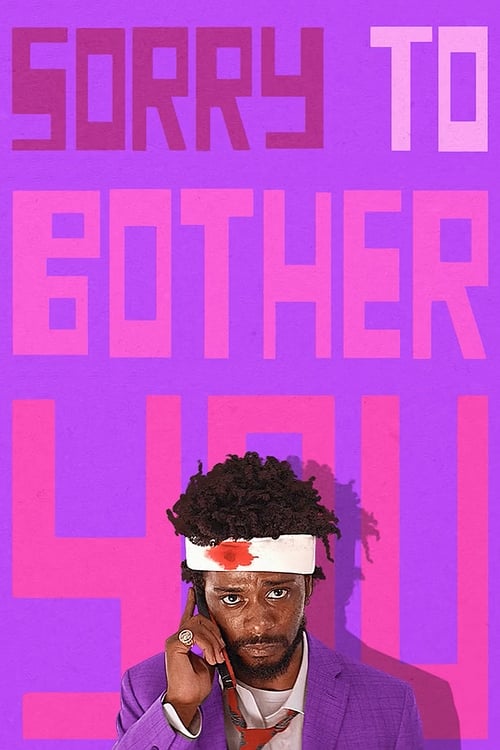
Lou starts as a man who cannot get a legitimate job and pivots into freelance crime footage with no training and a camcorder. The arc from that to managing a crew and negotiating exclusivity contracts is a perfect dark mirror of every startup story. Nightcrawler is the gig economy film that was not marketed as one, which is part of what makes it last.
A Career Built on Other People's Disasters
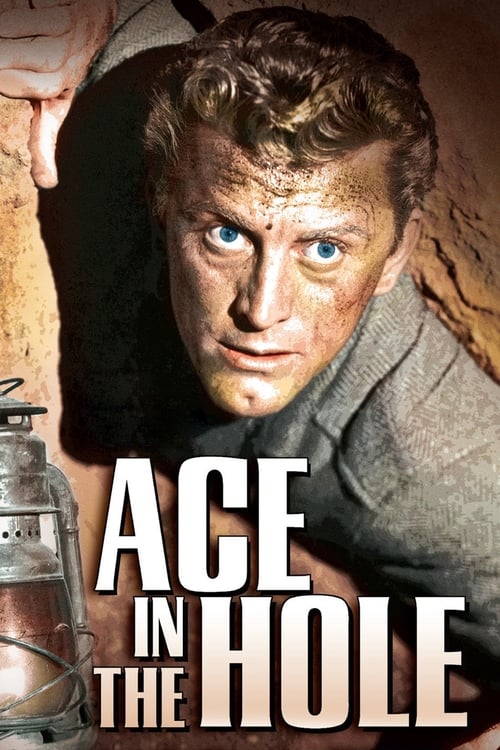
- 1932Ace in the Hole: the template for predatory journalism Ace in the Hole
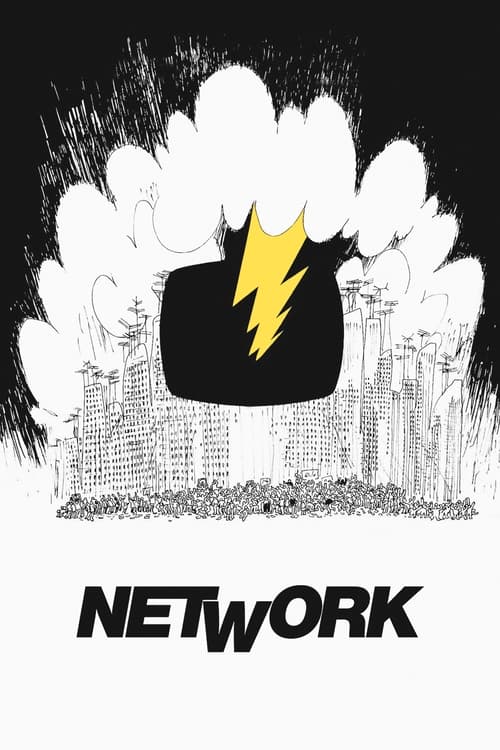
- 1976Network: media institutions as moral vacuum Network
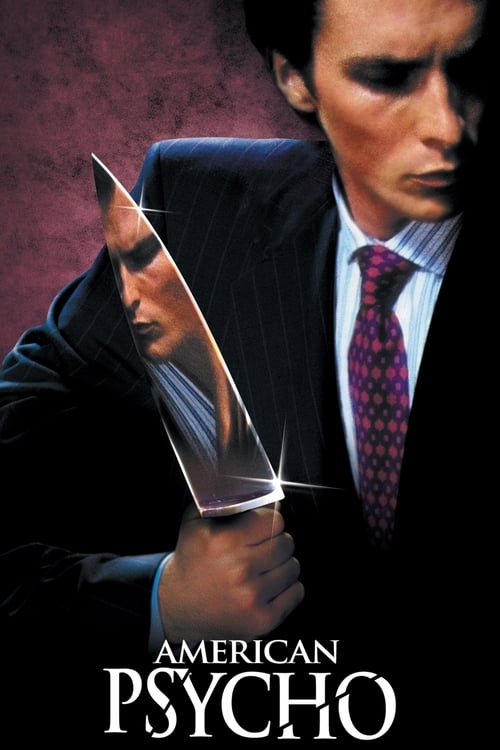
- 1991American Psycho (novel): the self-help sociopath American Psycho
- 1999American Psycho (film): the satirical strand goes to screen American Psycho
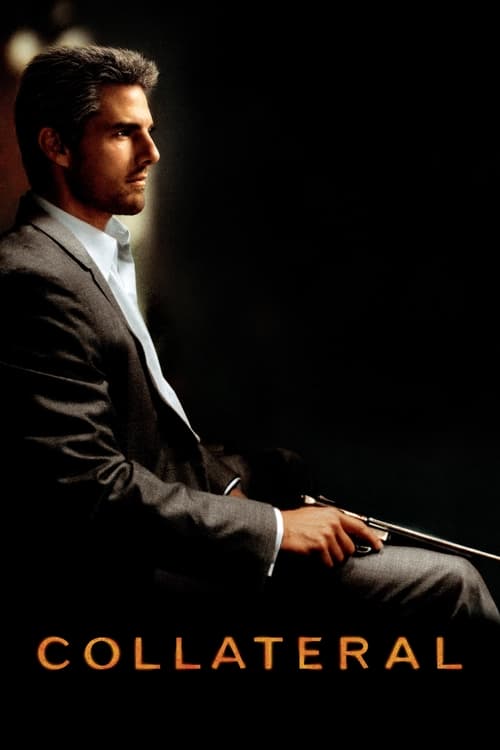
- 2004Collateral: LA at night as a moral arena Collateral
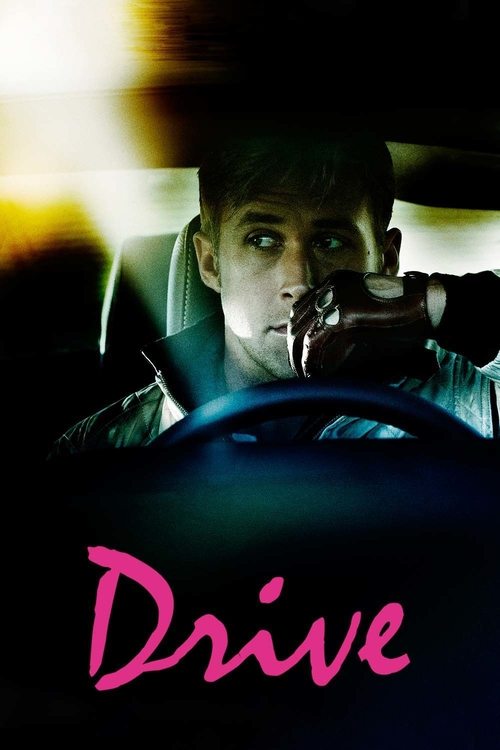
- 2011Drive: the loner in the nocturnal city Drive
- 2014Nightcrawler: the gig-economy monster gets his close-up Nightcrawler
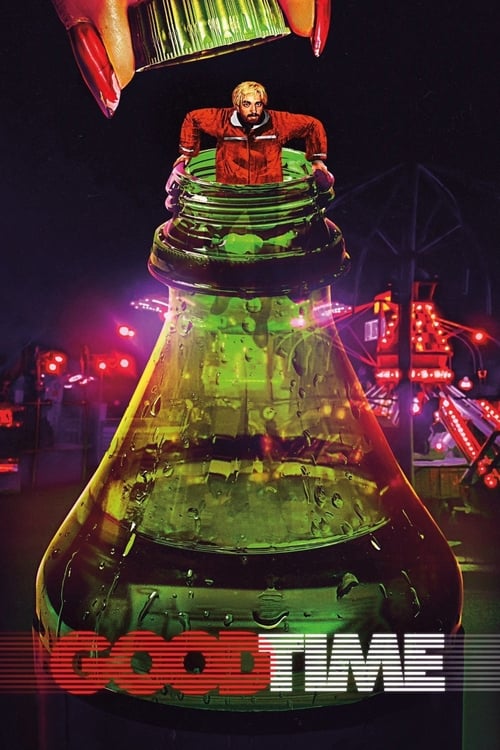
- 2017Good Time: real-time desperation, same nocturnal city feeling Good Time
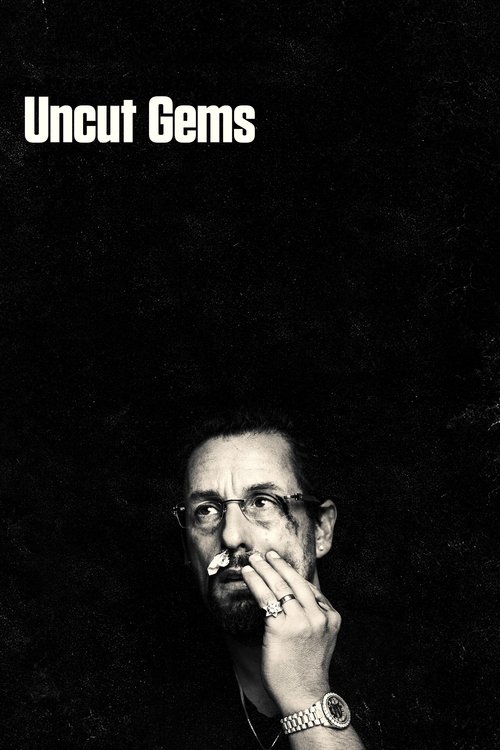
- 2019Uncut Gems: compulsion and hustle at maximum velocity Uncut Gems
Cold ambition under city lights
For Fans of Jake Gyllenhaal
Explore the For Fans of Jake Gyllenhaal guide →A friend is a gift you give yourself. Lou Bloom taught us that every management-speak platitude sounds different coming from the right kind of mouth.Nightcrawler, 2014