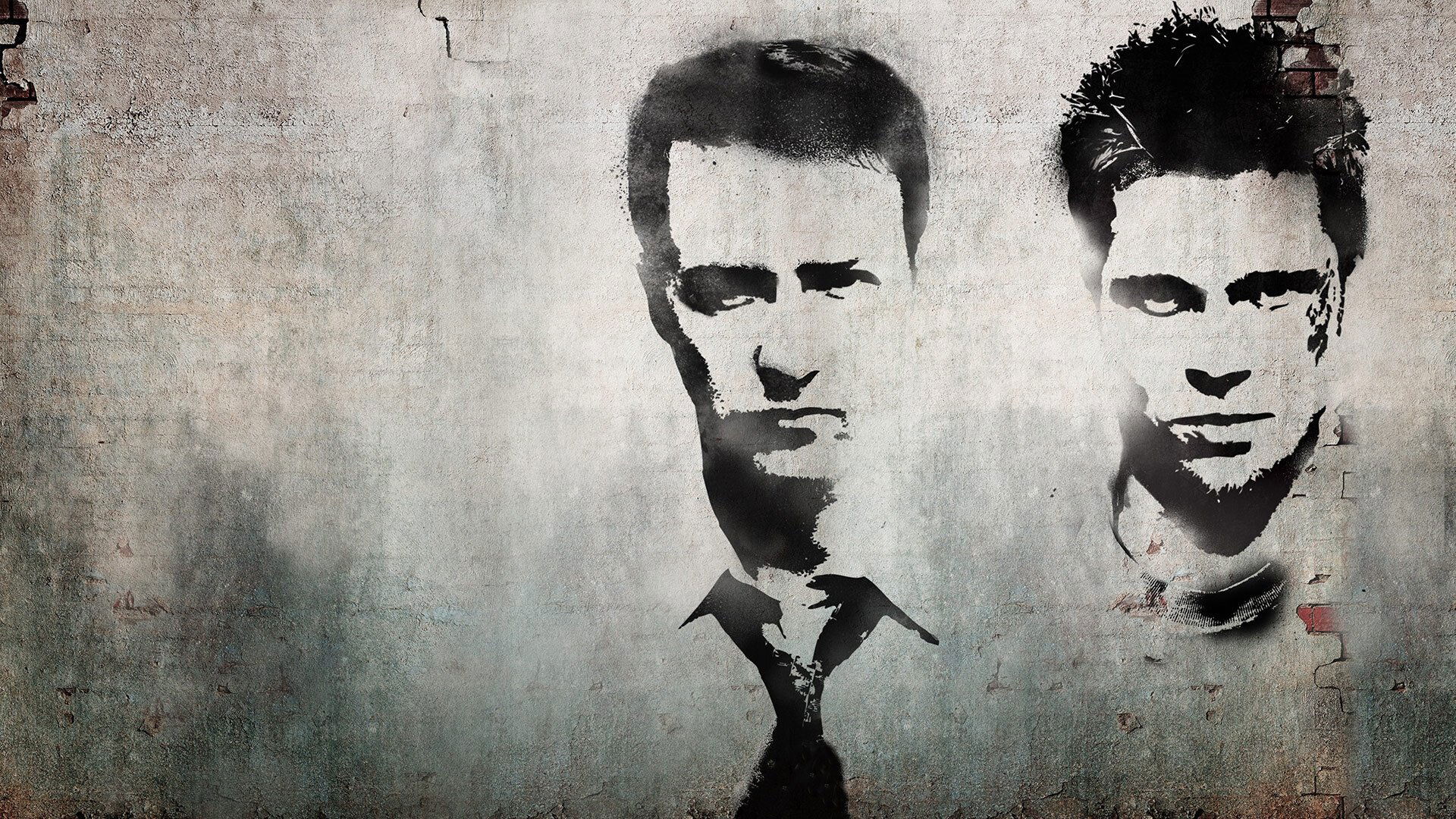

Fight Club (1999) does one specific thing a fan keeps chasing: it makes self-destruction feel like clarity. David Fincher's adaptation of Chuck Palahniuk's novel turns a nameless insomniac's breakdown into a fever dream about consumer identity, male rage, and the strange freedom of having nothing left to lose. The unreliable narrator pulls you in, the twist reframes everything you watched, and the whole film hums with a feeling that the world deserves to be taken apart. If that feeling hooked you, here is every medium that carries it.
Same Director, Same Pressure
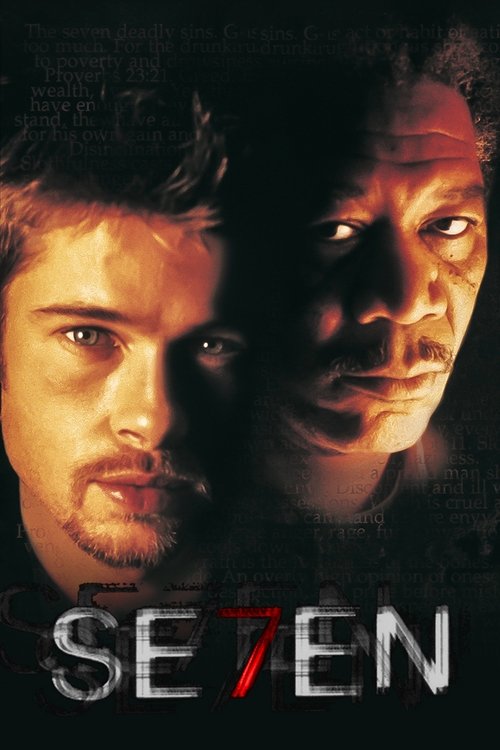
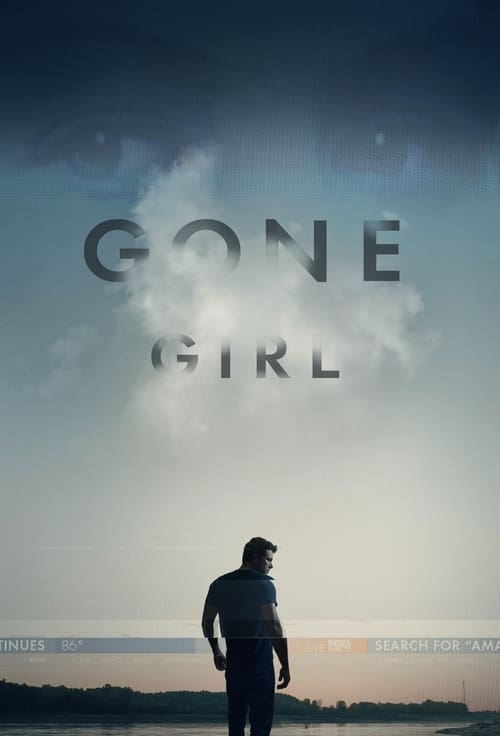
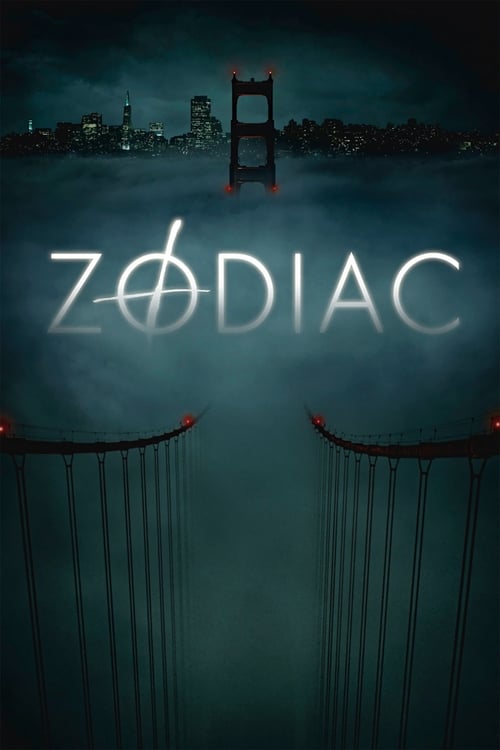
David Fincher films that share the cold obsession and unease

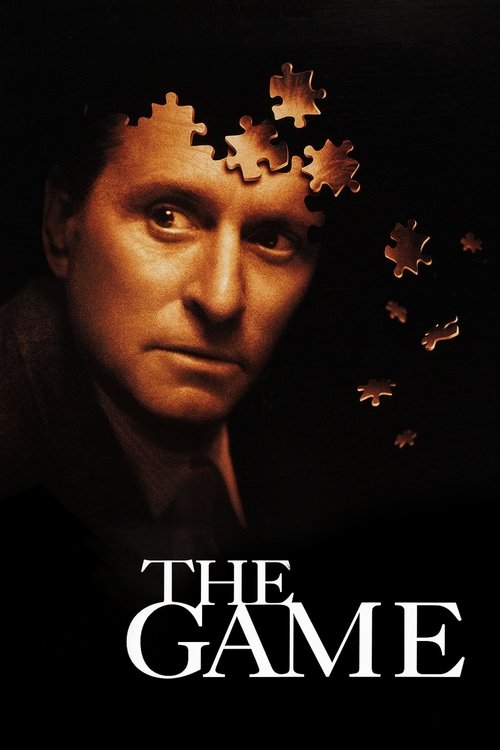

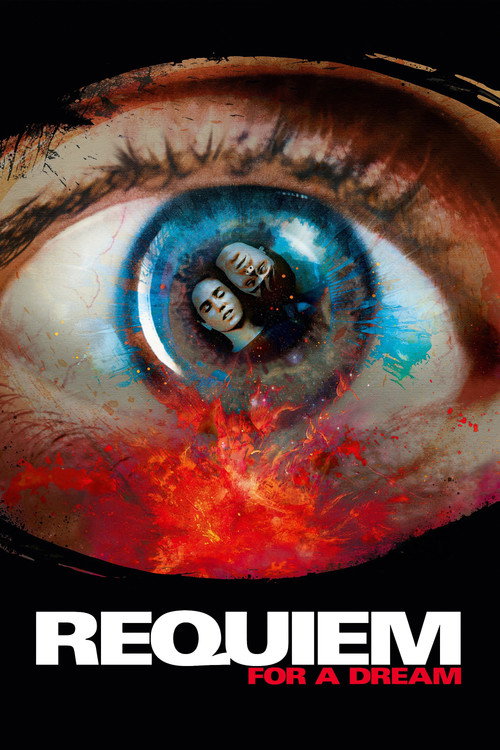
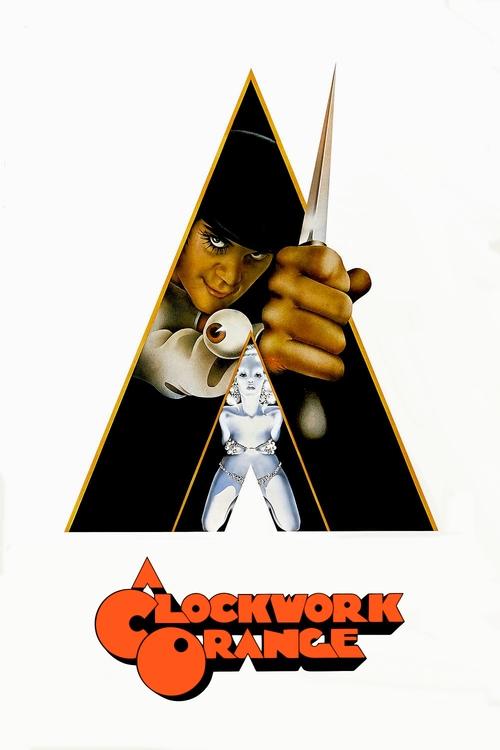
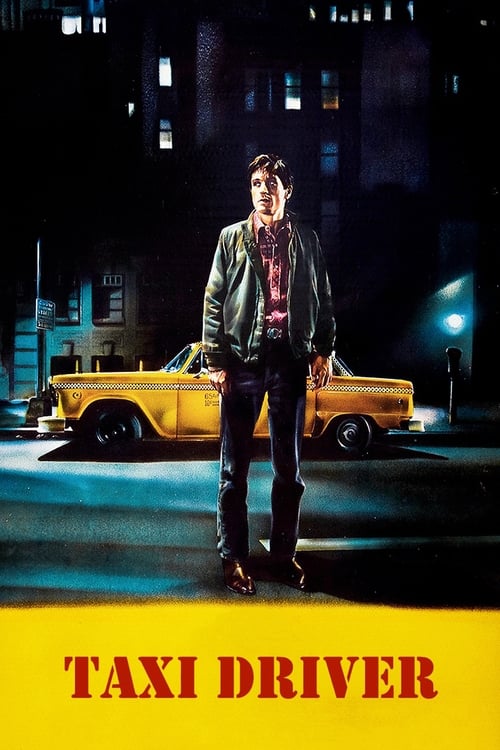
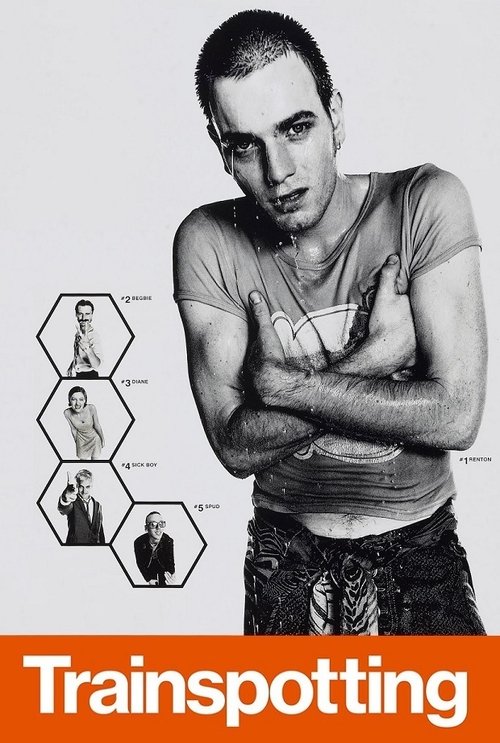
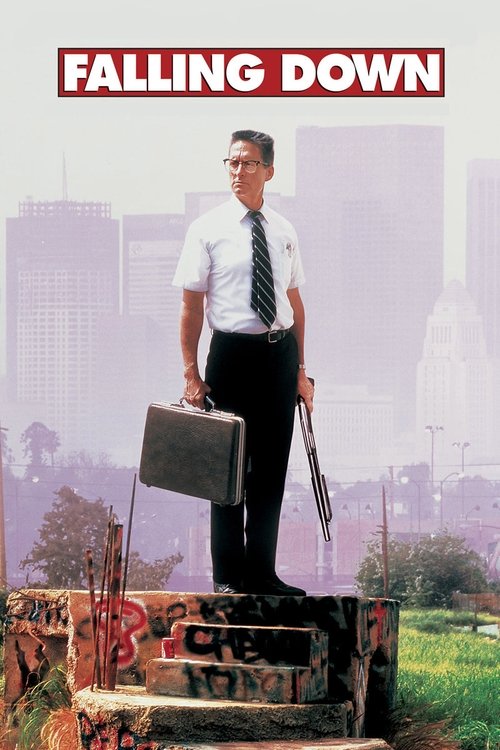
Films That Light the Same Fuse
Standalone movies chasing the same anarchic, identity-shattering energy
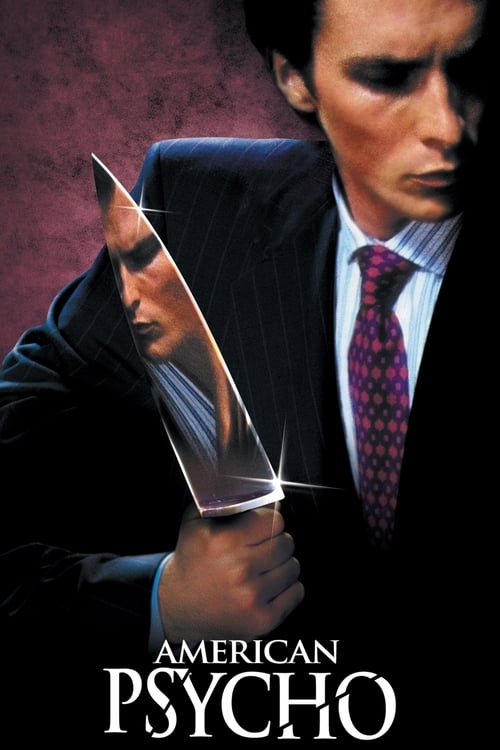
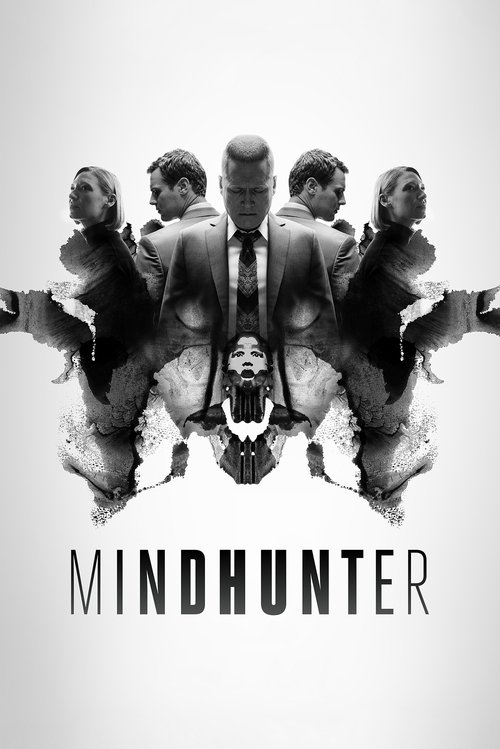
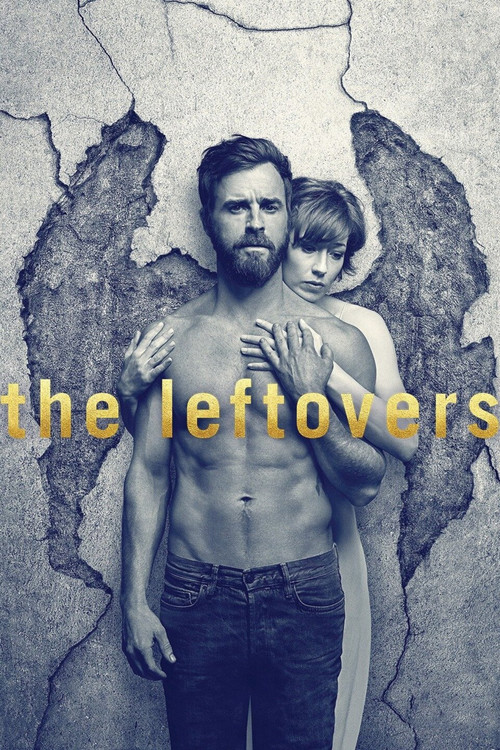
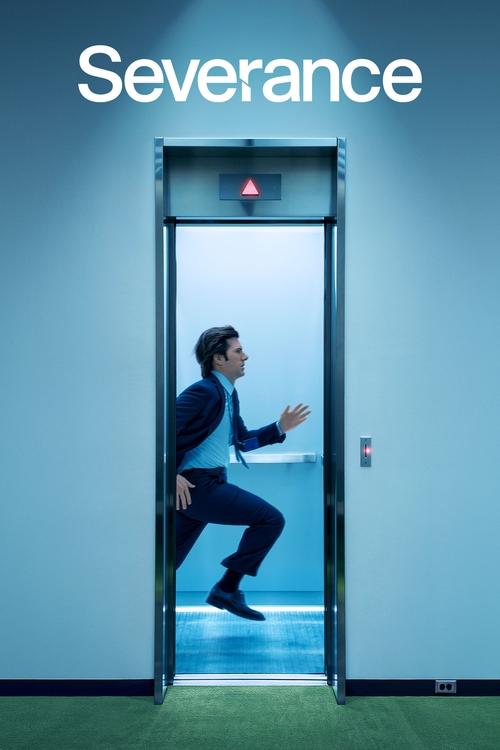
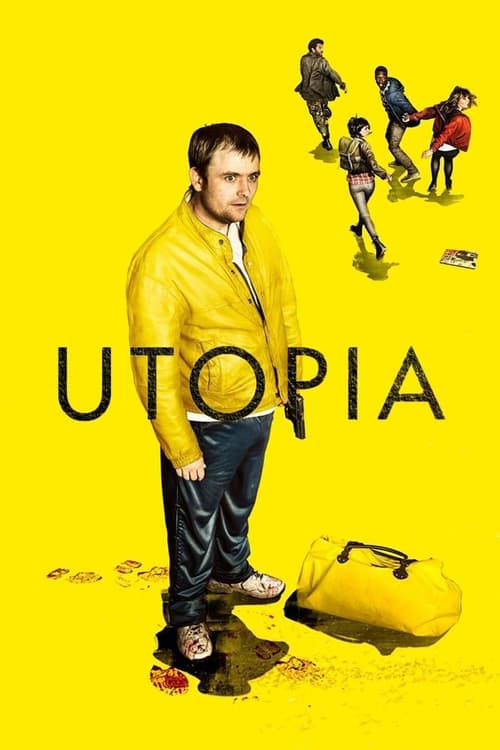
Series for the Same Unease
TV that pulls the rug out or tears at the fabric of ordinary identity


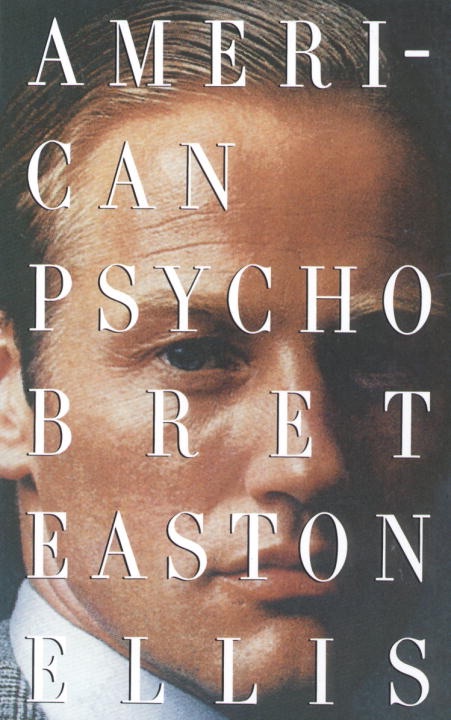
Novels That Crack the Self Open
Books that share Fight Club's unreliable narrators, alienation, and dark wit


Games That Feel Like a Controlled Burn
Games sharing the paranoia, identity collapse, or anti-system fury
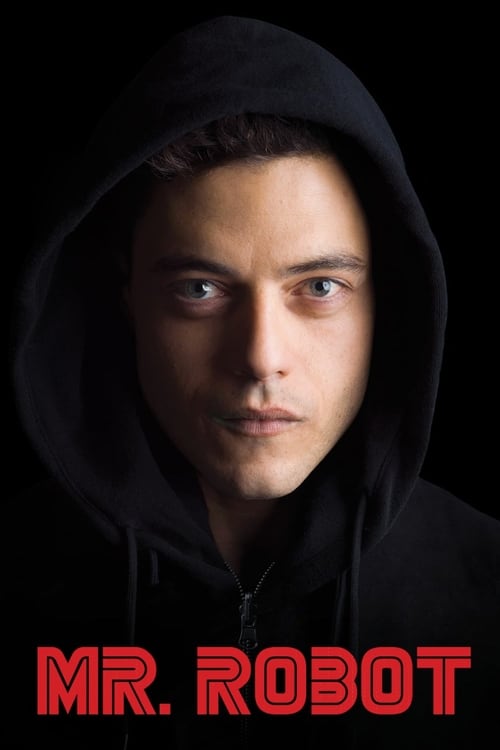
Mr. Robot Picked Up Where Fight Club Left Off
Sam Esmail's series about a dissociative hacker dismantling a corporate empire is the closest thing to a Fight Club sequel that exists. It borrows the unreliable narrator, the split psyche, and the romantic delusion that burning the financial system down might actually free people. It earns every comparison by doing something Fincher's film could not: it has time to show the wreckage.
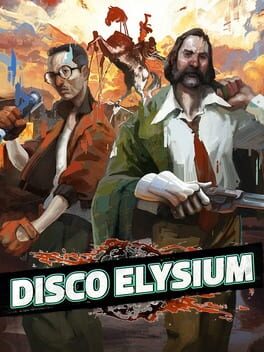
Disco Elysium Is Fight Club as a Role-Playing Game
Disco Elysium puts you inside a man whose identity has shattered completely and makes you rebuild it from scratch. The voices in his head argue, contradict each other, and lie. The politics are raw, the self-pity is played both for laughs and for genuine sadness, and the game never lets you forget that idealism and violence often come from the same wound. It shares Fight Club's grim humor and its refusal to let ideology off the hook.
Chuck Palahniuk's Other Novels Deserve Your Attention
Palahniuk's follow-up novels, Choke and Survivor especially, run on the same engine: a self-destructive narrator using dark comedy to process shame, masculinity, and a society built on performance. Neither is as tightly structured as Fight Club, but both deliver the same gut-punch sentences and the same feeling that the author is daring you to be uncomfortable.
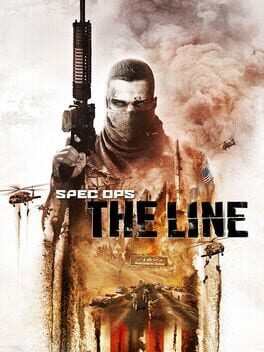
Spec Ops: The Line Puts the Gun in Your Hand
Spec Ops: The Line is the game equivalent of Fight Club's third act. It uses the genre of the military shooter to implicate the player in exactly what they came to enjoy, then holds up a mirror. The unreliable perspective and the slow revelation that the hero is not what he believes himself to be hit the same nerve. It is one of the rare games that earns the comparison to literary fiction.
The Film and Its Echoes
- 1996Chuck Palahniuk publishes the novel
- 1999Fincher's film adaptation released Fight Club
- 1999The Dust Brothers score drops as a standalone album
- 2001Palahniuk follows up with another unreliable narrator
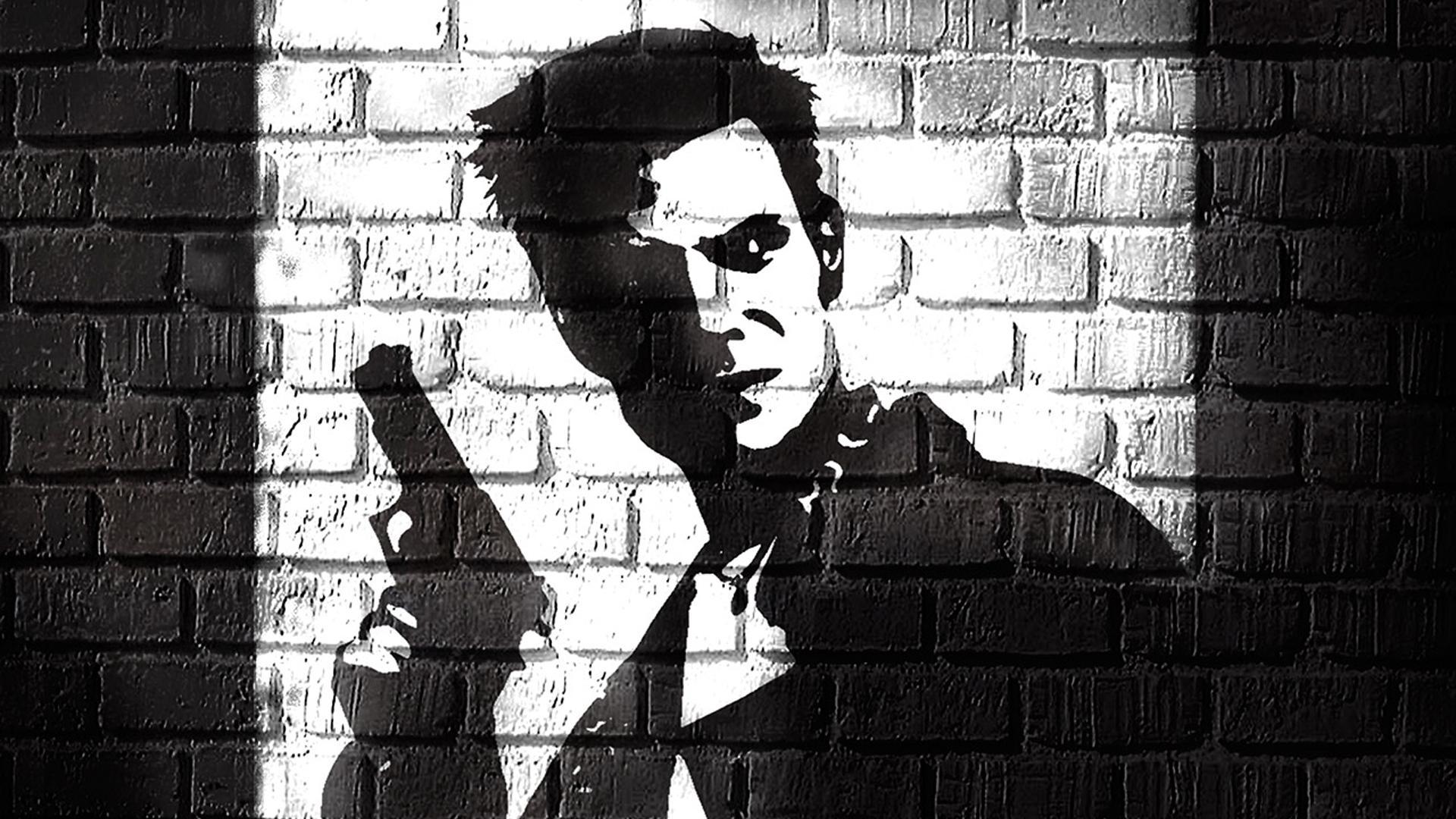
- 2003Max Payne 2 channels the same noir self-destruction Max Payne 2: The Fall of Max Payne
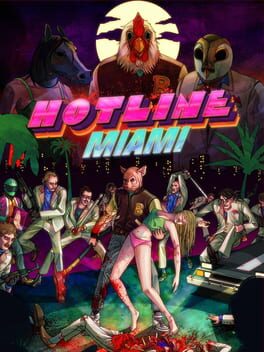
- 2012Hotline Miami brings the controlled burn to arcade form Hotline Miami
- 2015Mr. Robot premieres on USA Network Mr. Robot
- 2019Disco Elysium arrives as literary RPG identity collapse Disco Elysium
Unreliable Narrators and Fincher's Dark Worlds
For Fans of David Fincher
Explore the For Fans of David Fincher guide →The things you own end up owning you.Chuck Palahniuk, Fight Club