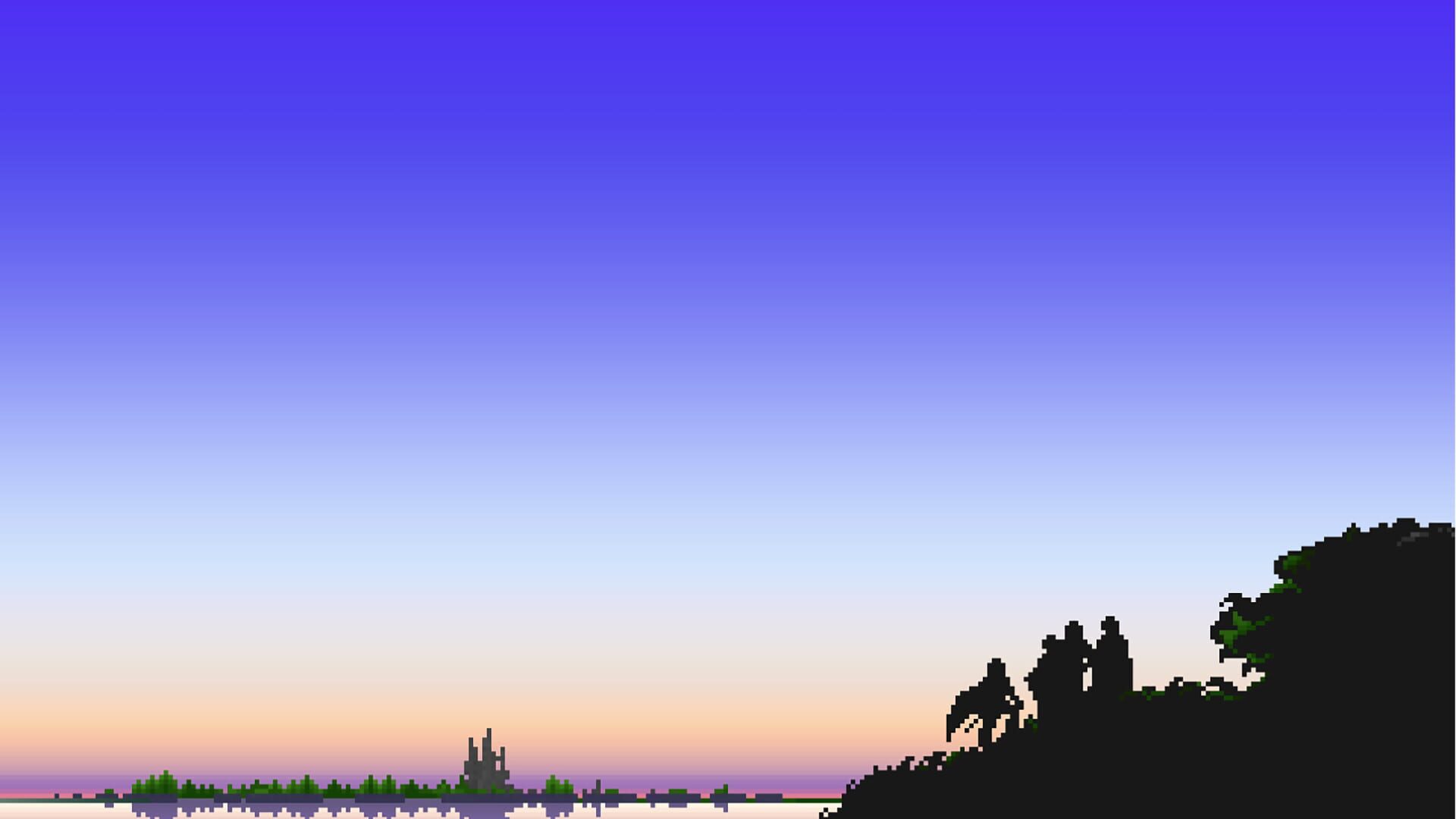

Final Fantasy began in 1987 as a last-ditch swing by a near-bankrupt Squaresoft. It became one of the defining cultural objects of the past four decades. Each numbered entry reinvents the world, the cast, and the combat from scratch -- yet something persists across all of them: an appetite for scale, a willingness to make you feel grief, and a conviction that orchestral music belongs in the same conversation as visual art. The franchise has generated films, anime series, stage concerts, and an entire genre of imitators who have collectively raised the bar for what games are allowed to aspire to. If you love it, you already know the particulars. What follows is a map outward -- to the films, novels, anime, and games that share its frequency.
Essential Final Fantasy
The series at its peaks -- entry points and masterworks
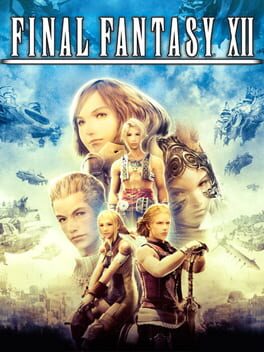
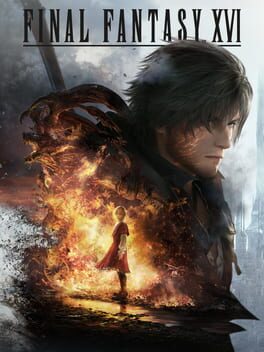
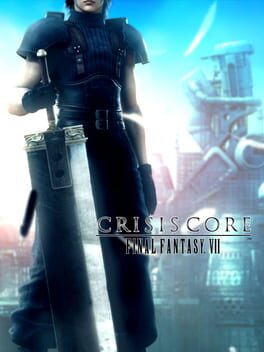
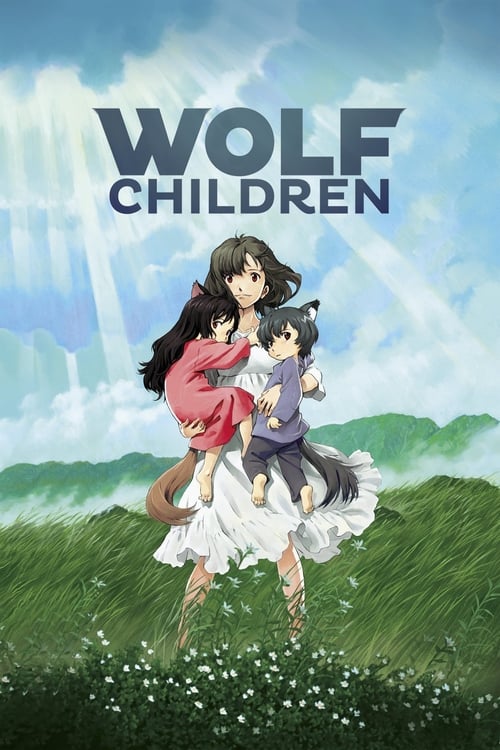
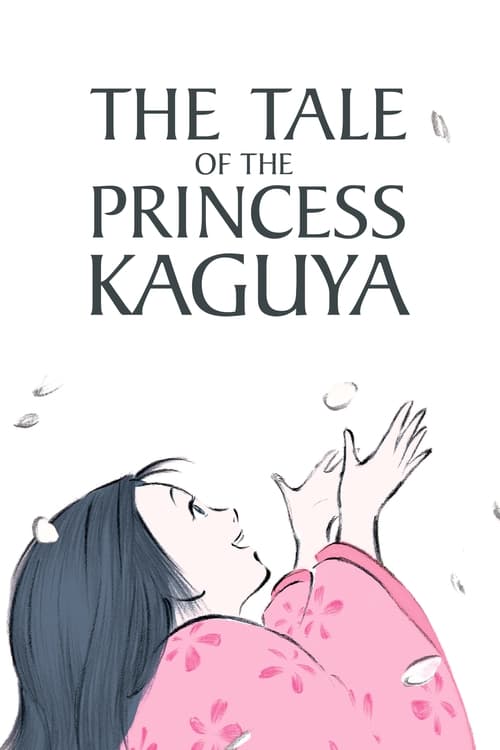
If you love the films and anime
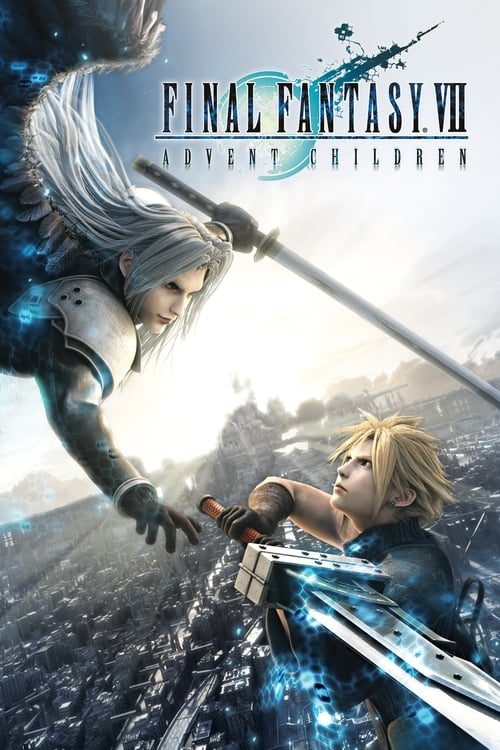
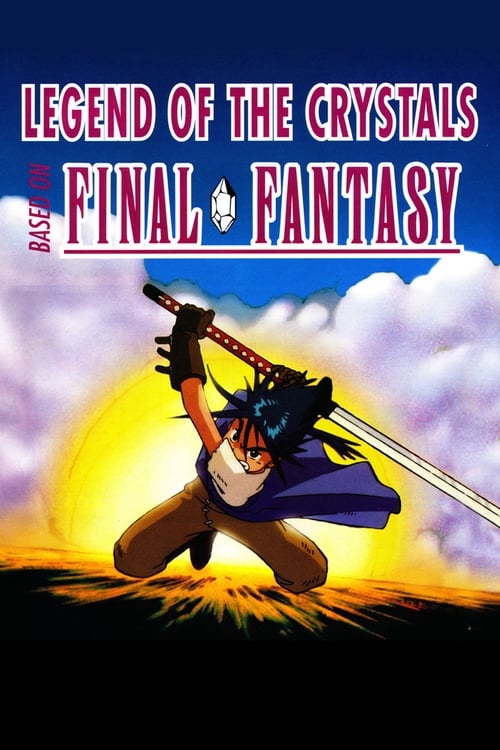
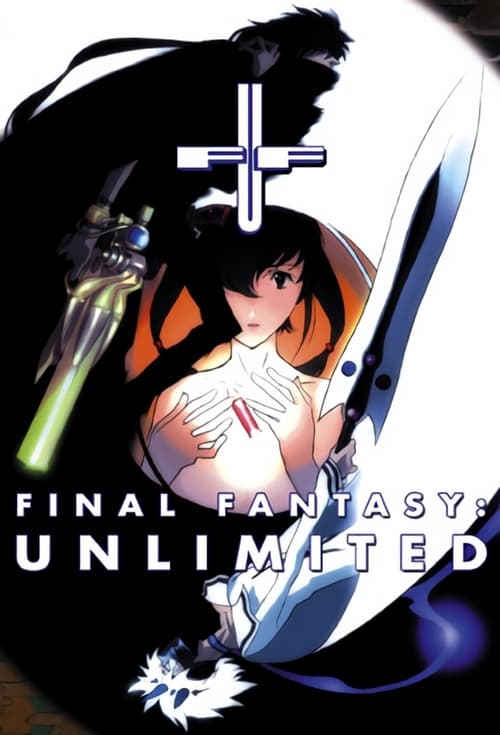
FF's own screen universe -- from CGI epics to beloved OVAs

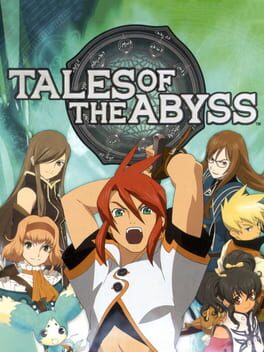
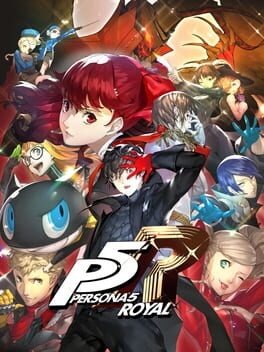
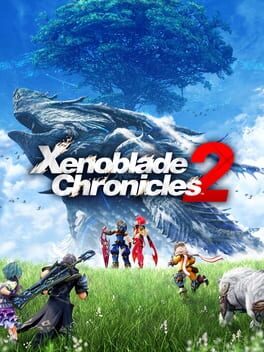
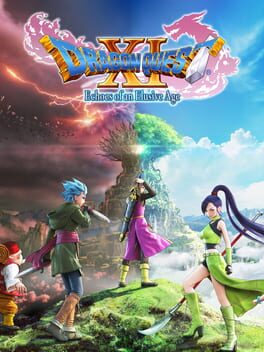
If you love the JRPGs
Games built on the same DNA -- long stories, big feelings, unforgettable parties
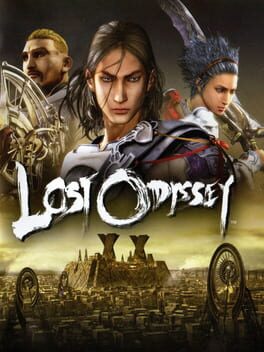
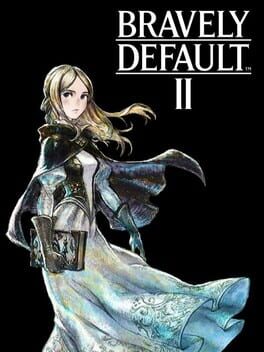
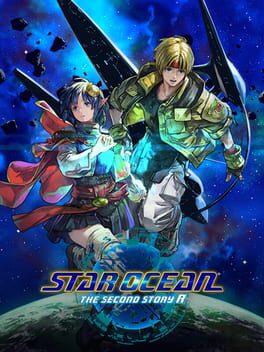
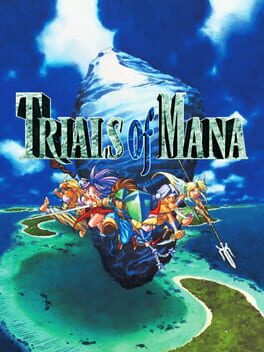
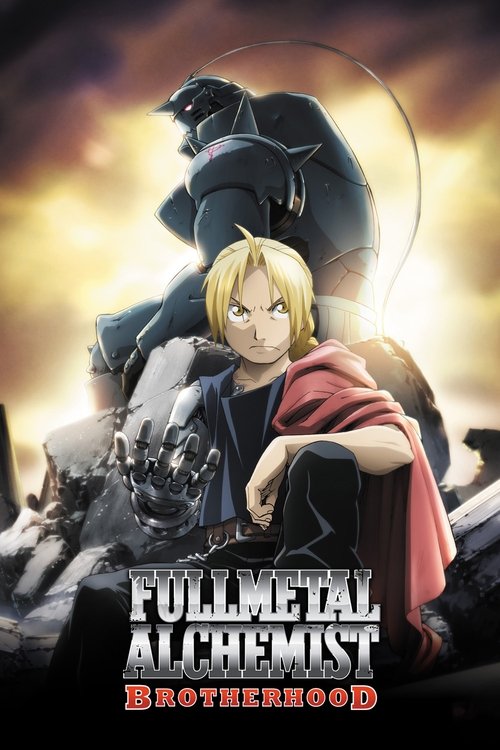
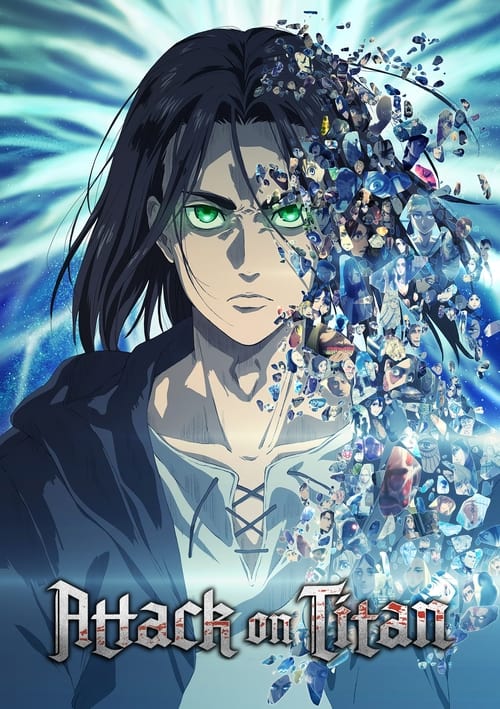
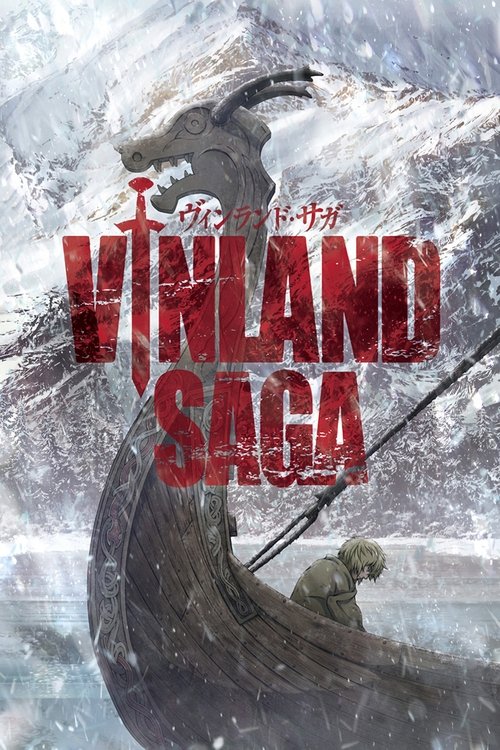
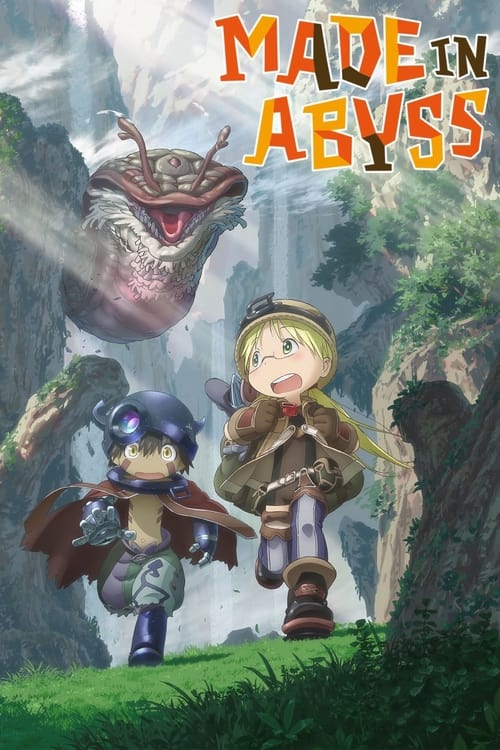
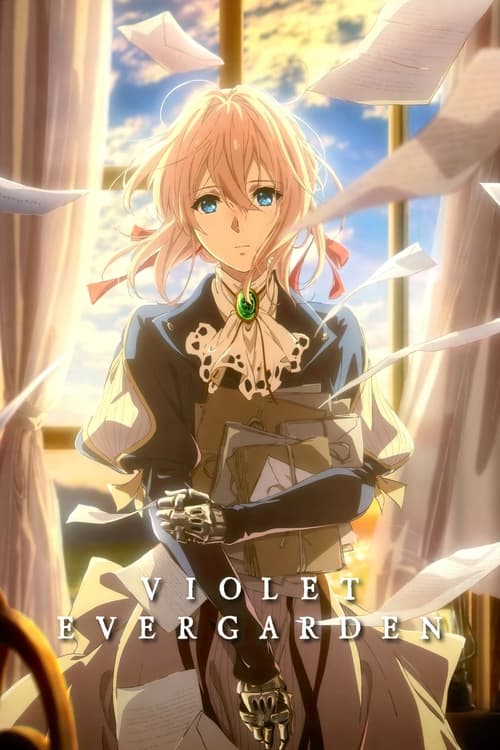
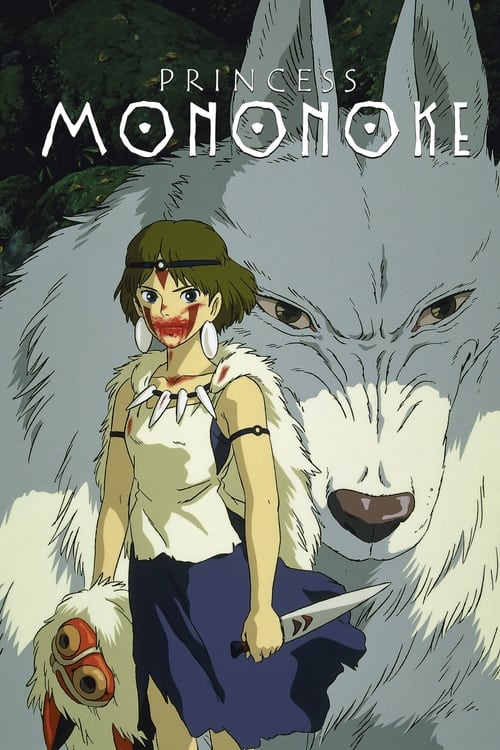
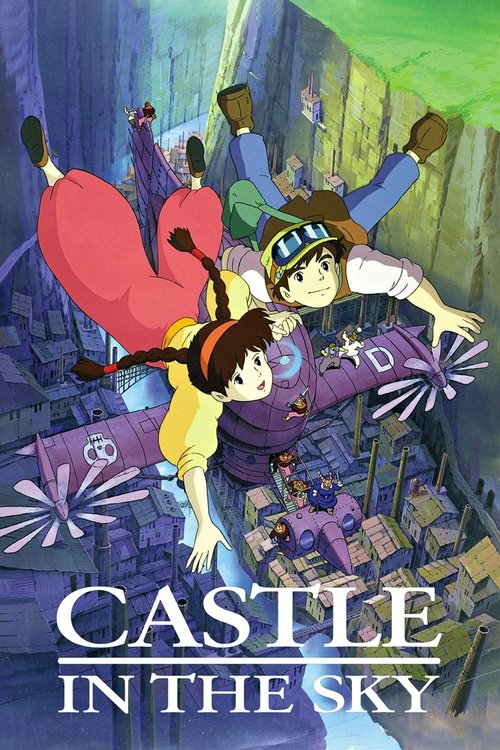
If you love the epic anime series
Long-form animation with the same sweep, mythology, and emotional scale
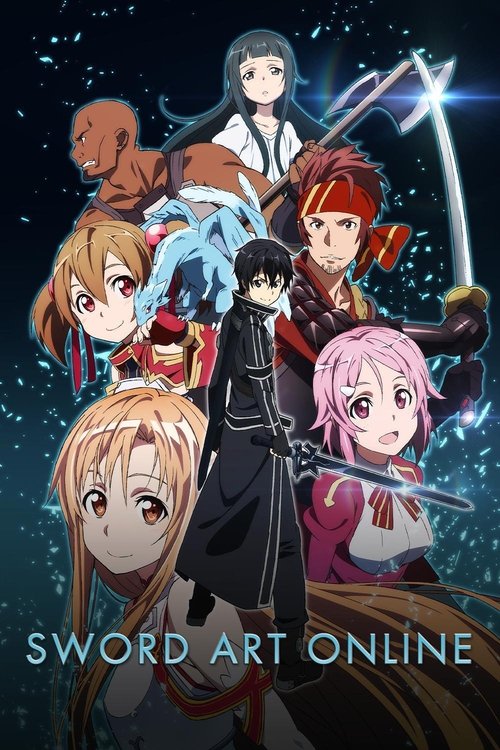
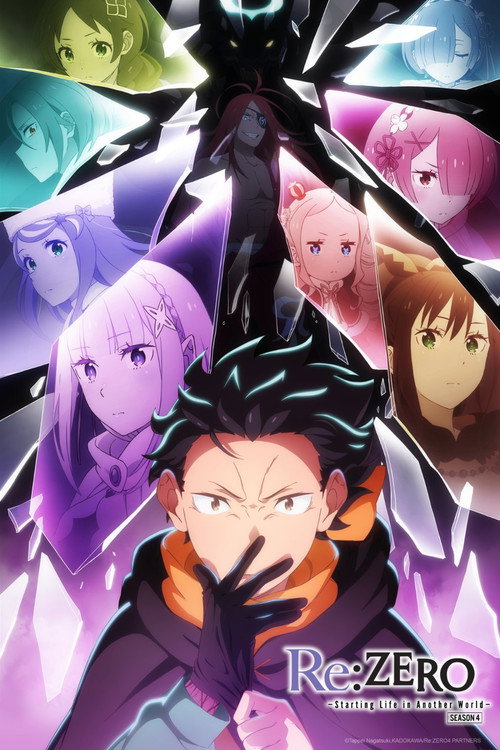
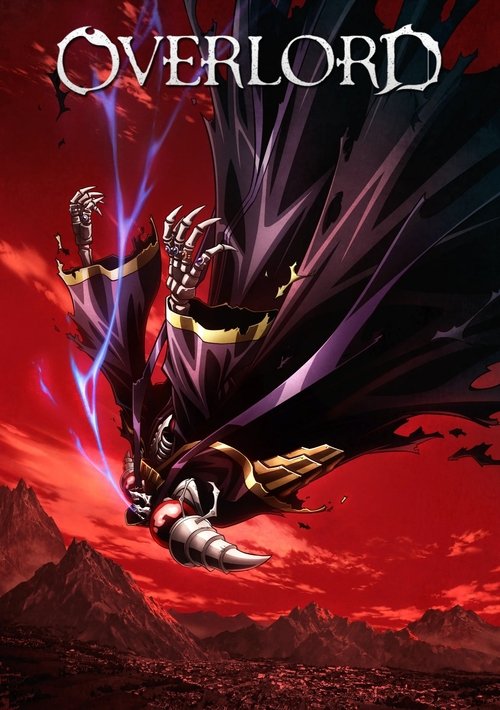
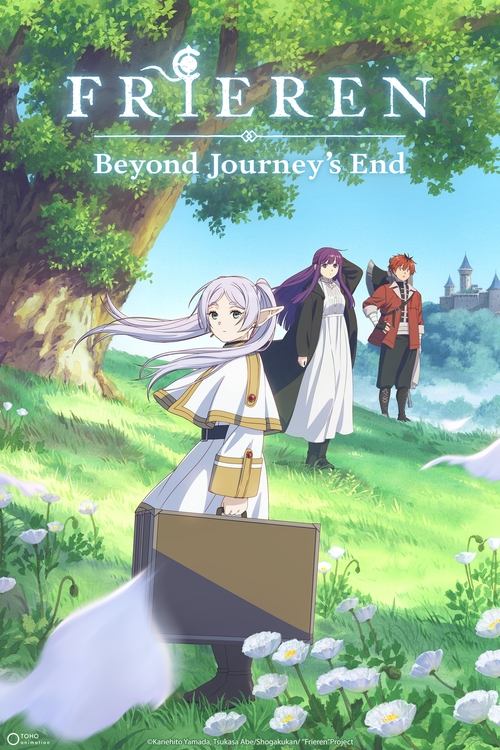

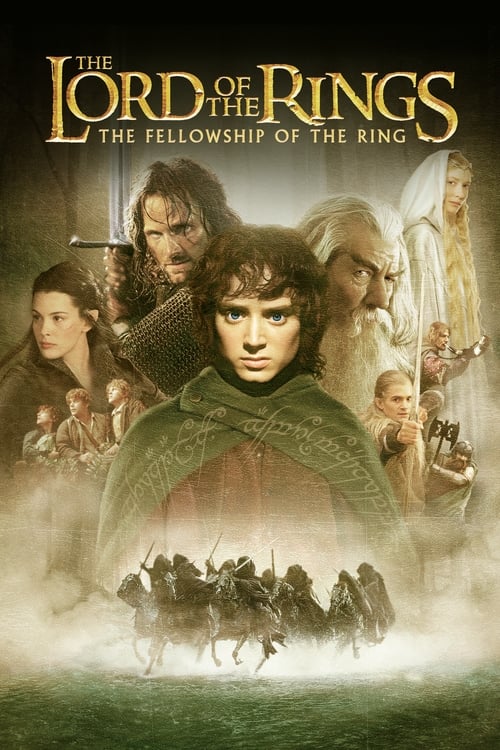
If you love the fantasy films
Cinema that shares FF's sense of wonder and mythological ambition
If you love the soundtracks
Nobuo Uematsu's legacy and the composers who followed in his wake
If you love the fantasy novels
Books that match FF's scope -- world-ending stakes, ensemble casts, and a lyrical vein


Final Fantasy VI is still the high-water mark
Every few years the discourse resets around VII or XIV, and those are worthy arguments. But VI remains the title that proved games could carry genuine tragedy. Kefka actually wins -- the world ends at the midpoint -- and the second half is about survivors picking through the wreckage. That structural choice was audacious in 1994 and has rarely been matched since. The opera scene runs for fifteen minutes on 16-bit hardware and lands harder than most contemporary cutscenes.
Final Fantasy XIV redeemed itself and then some
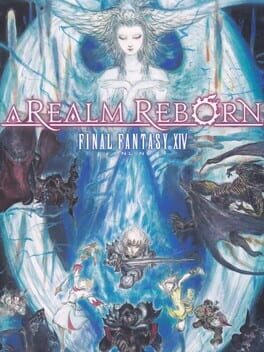
A Realm Reborn is one of the most unlikely second acts in creative history. The original FFXIV launched as a genuine disaster; Square shut it down, rebuilt it from the ground up, and released an expansion -- Shadowbringers -- that many regard as the best story in the entire franchise. The Shadowbringers main scenario pulls off a villain who generates genuine sympathy while never excusing what he does. If you wrote off XIV in 2010, the 2.0+ experience is a different object.
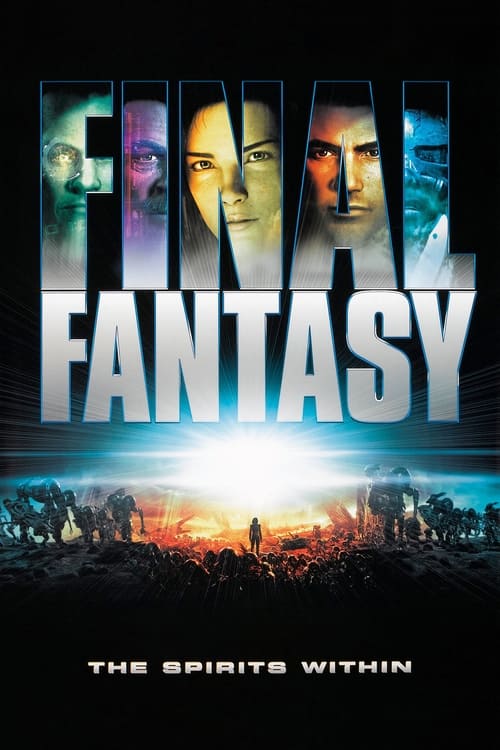
The Spirits Within deserved a better legacy
Commercially it was a catastrophe that nearly destroyed Square. Critically, it has aged into something more interesting: an early photorealistic CGI feature that asked philosophical questions most blockbusters avoid. Its biggest sin was carrying the Final Fantasy name while sharing almost nothing with the games. Taken on its own terms -- as a mid-tier science fiction film with genuine visual ambition -- it holds up better than its reputation suggests.
Nobuo Uematsu changed what game music could be
Before Uematsu, game music was largely functional -- loops that kept time and signaled mood. His scores for the SNES and PlayStation-era FF games introduced thematic development, leitmotif, and outright orchestral ambition to a medium that had barely considered those tools. One-Winged Angel (FFVII) was the first video game piece to use a full choir. Aerith's Theme is studied in composition courses. The touring Distant Worlds concert series sells out arenas. That is a legacy built on craft, not nostalgia.
The franchise across four decades
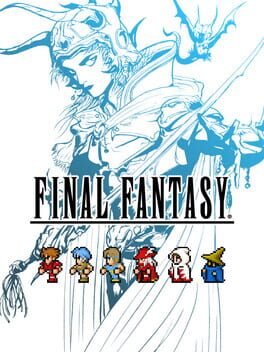
- 1987Final Fantasy launches on the Famicom Final Fantasy
- 1991FF IV introduces the Active Time Battle system Final Fantasy
- 1994VI sets a new bar for narrative and scope Final Fantasy VI
- 1997VII becomes a global cultural phenomenon Final Fantasy VII
- 1999VIII and IX experiment with tone and nostalgia Final Fantasy IX
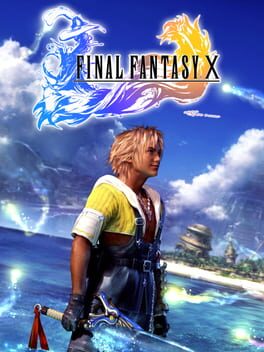
- 2001X premieres full voice acting in the series Final Fantasy X
- 2001The Spirits Within gambles on photorealistic CGI film Final Fantasy: The Spirits Within
- 2006Advent Children expands the FF VII universe on screen Final Fantasy VII: Advent Children
- 2010XIII launches and divides fans sharply Final Fantasy XIII
- 2013A Realm Reborn relaunches XIV after total shutdown Final Fantasy XIV: A Realm Reborn - Collector's Edition
- 2016XV takes the series open-world Final Fantasy XVI
- 2019Shadowbringers expands XIV into franchise-best storytelling Final Fantasy XIV: Shadowbringers
- 2020FF VII Remake begins its episodic reimagining Final Fantasy VII
- 2023XVI takes the series into action-RPG territory Final Fantasy XVI
More epic and portal fantasy worlds
Epic Fantasy
Explore the Epic Fantasy guide →Every Final Fantasy is a promise: we will build you a world worth caring about, fill it with people worth knowing, then break your heart at least once. That promise has survived thirty-five years and every reinvention of what the game even is.CrossBinge editors