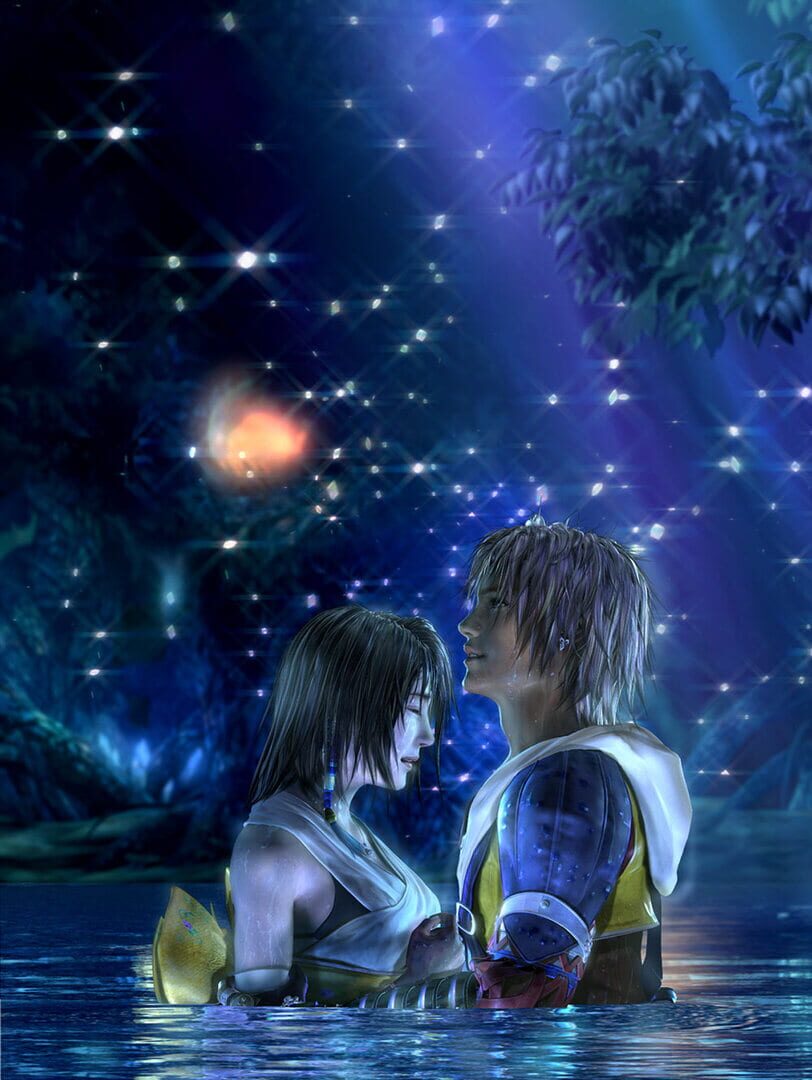

Hironobu Sakaguchi invented himself twice. The first time was in 1987, when he bet his career on a game called Final Fantasy, named for what he assumed would be his last attempt at making it in the industry. It was a desperate wager that paid off spectacularly, and over the next decade he built the defining aesthetic of the Japanese RPG: vast worlds, operatic scores, characters whose deaths actually matter. The second reinvention came after the commercial failure of Final Fantasy: The Spirits Within in 2001, which cost him his position at Square and sent him into a period of quiet reckoning. He emerged as the head of Mistwalker, a boutique studio making intimate, ambitious games, including Lost Odyssey (perhaps the saddest JRPG ever made) and Fantasian (a handcrafted diorama of impossible beauty released decades into his career). What unites both halves of his life is the same through-line: Sakaguchi uses fantasy as a precision instrument for exploring loss, love, and the strange persistence of hope in a world that keeps ending.
Essential Hironobu Sakaguchi
The core works, from the desperate bet to the handcrafted late masterpiece
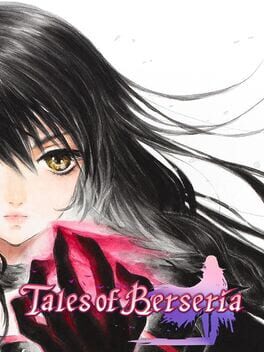
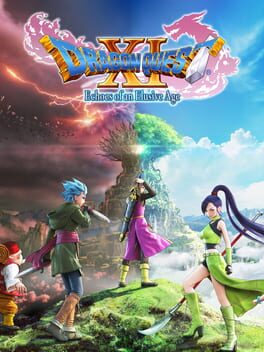
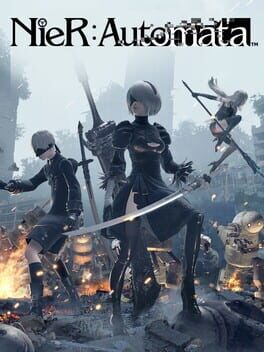
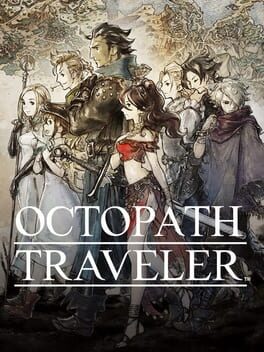
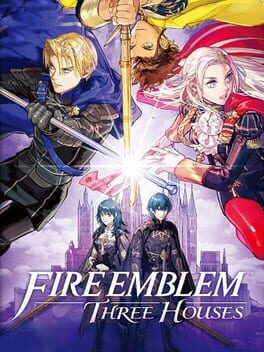
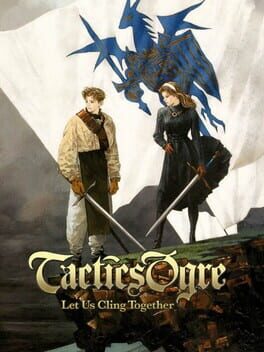
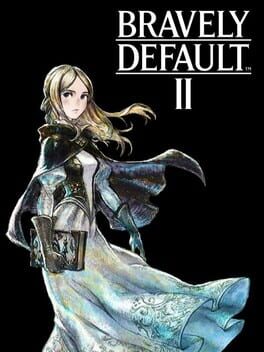
If You Love Final Fantasy: JRPGs That Carry the Same Weight
Games built on the same pillars of epic scope, emotional stakes, and gorgeous world-building
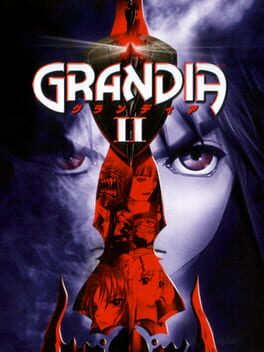
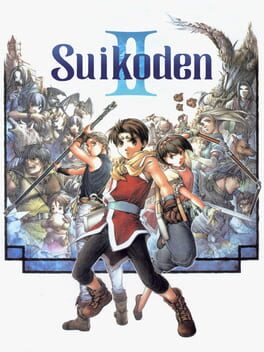
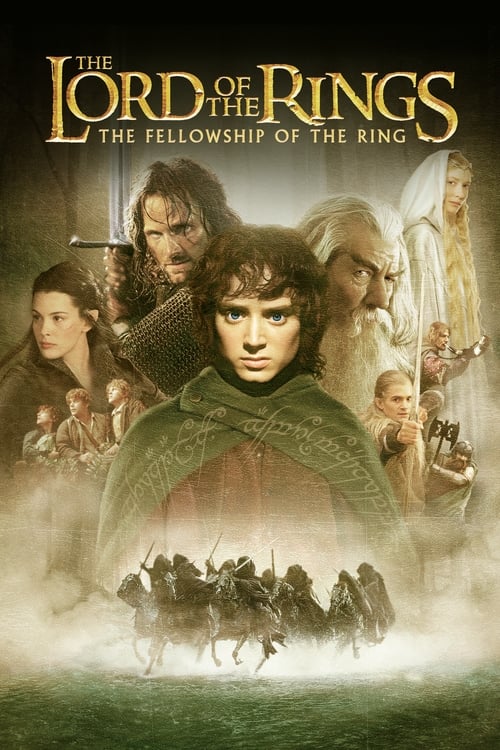
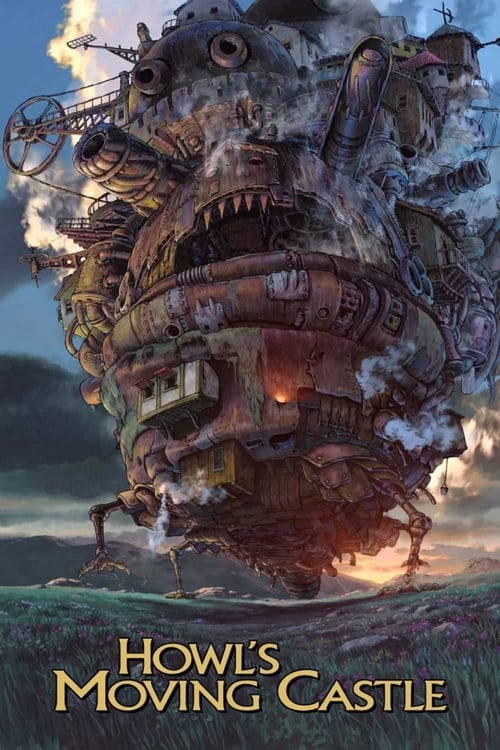
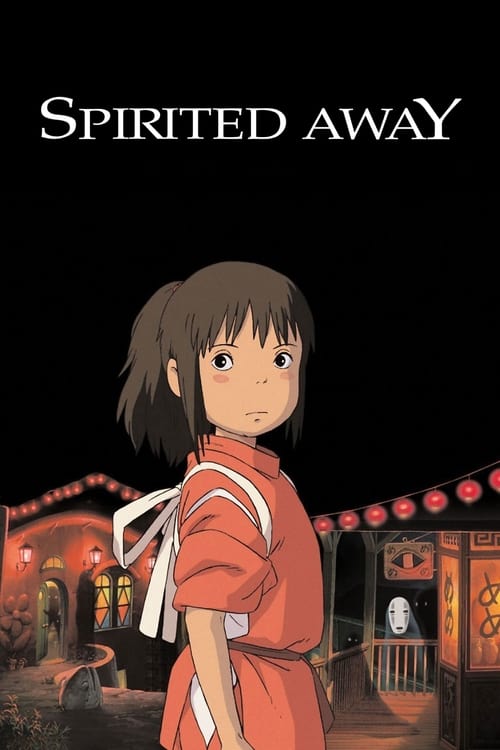
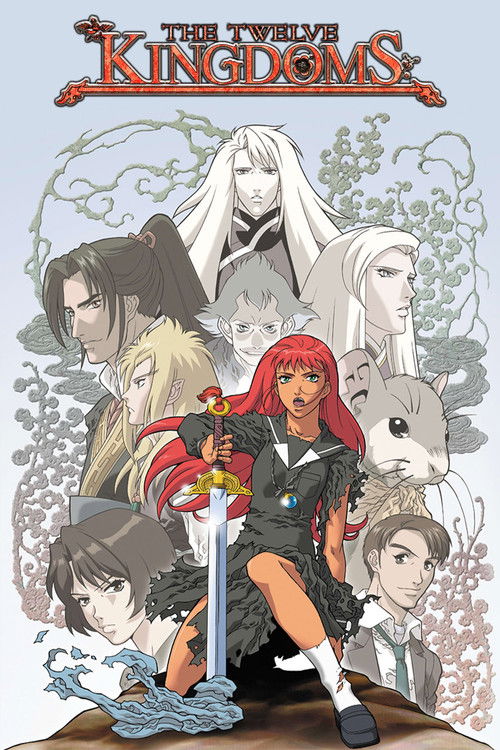
The Fantasy on Screen: Films and Series With the Same Operatic DNA
Cinema and television that share Sakaguchi's love of mythic worlds, chosen destinies, and genuine grief
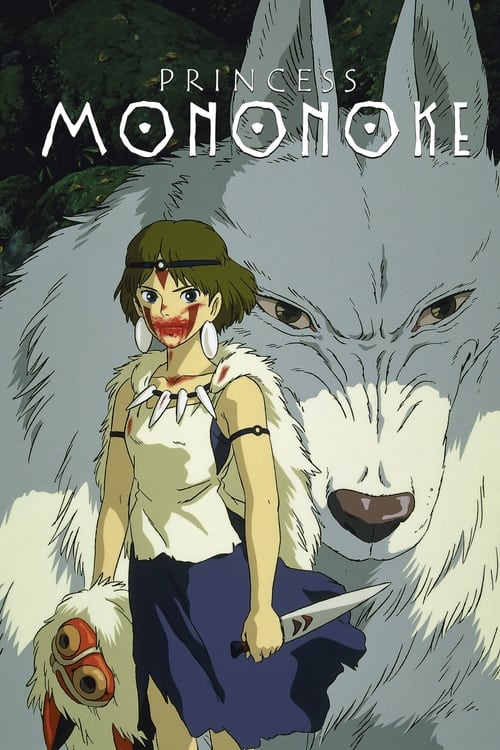
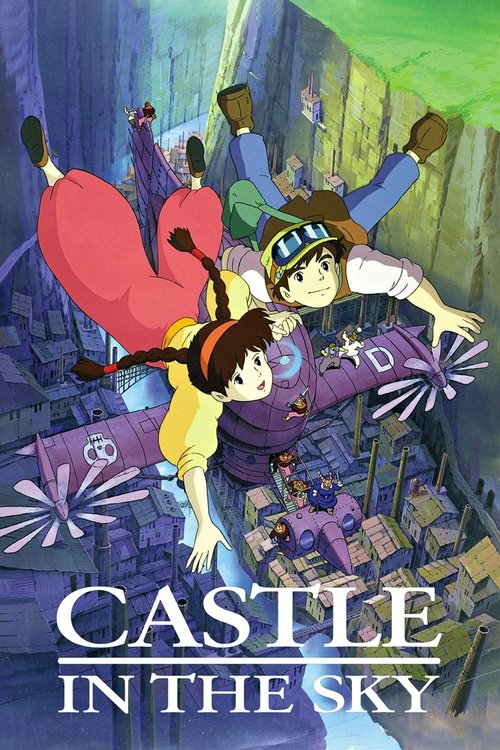
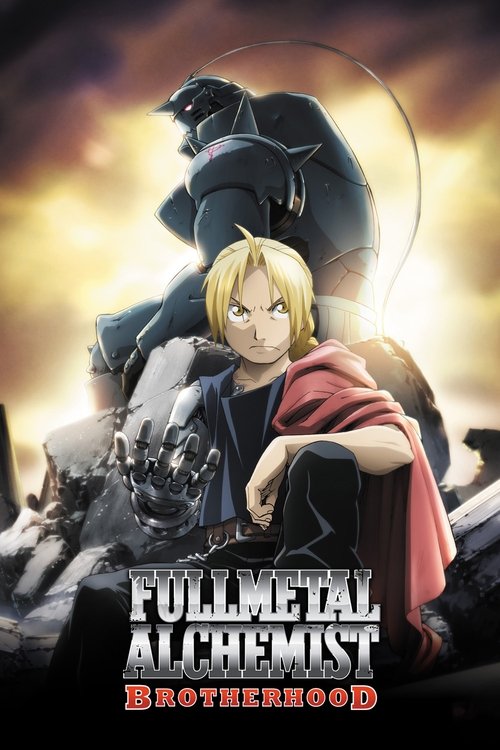
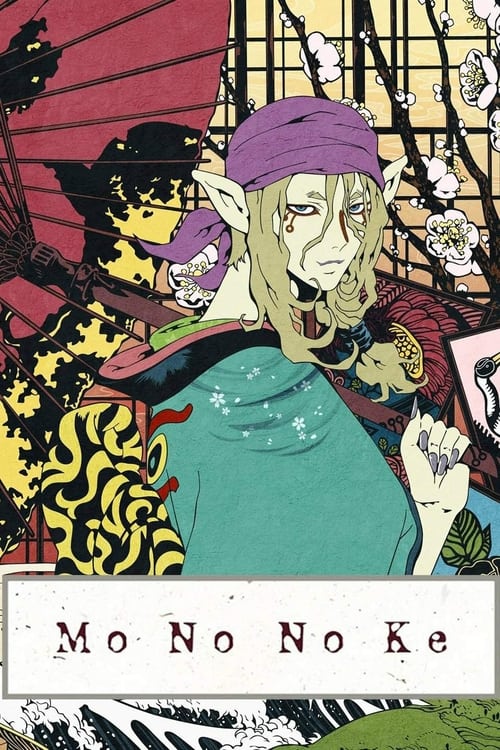
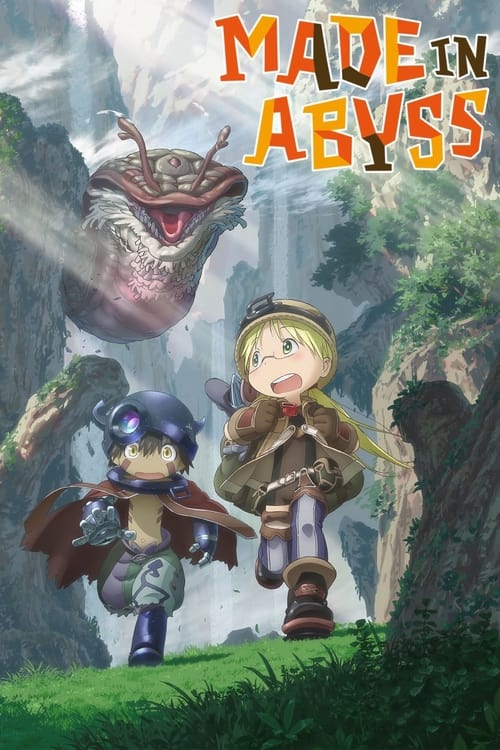
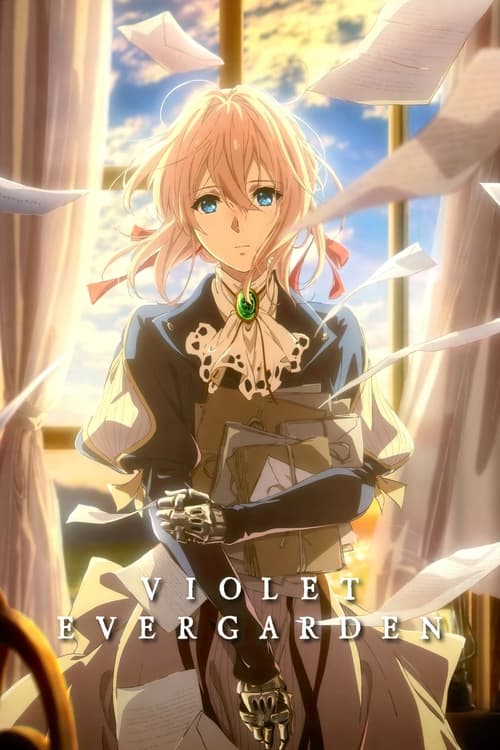

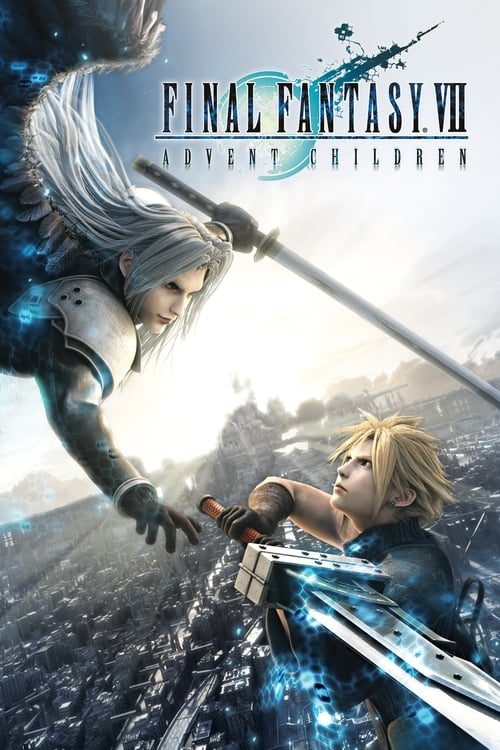
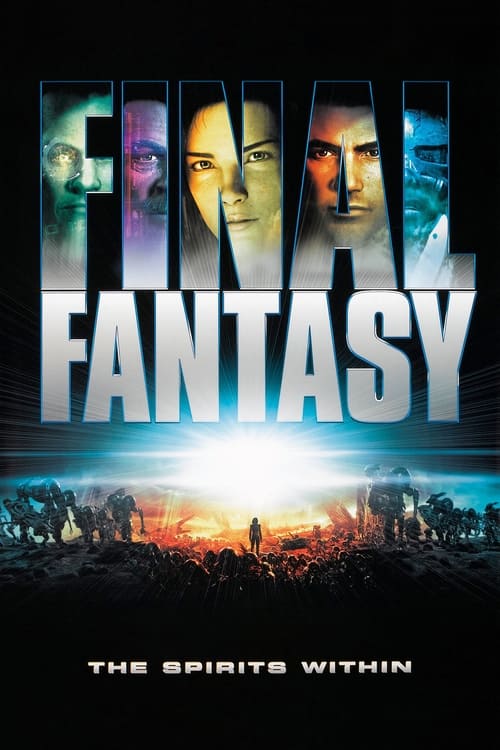
Final Fantasy on Screen: The Adaptations and Adjacent Anime
From the theatrical misfire to the brilliant direct-to-video films, the franchise's screen presence
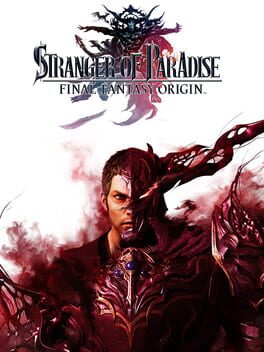
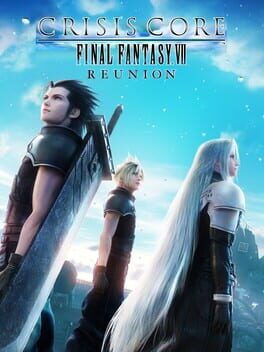
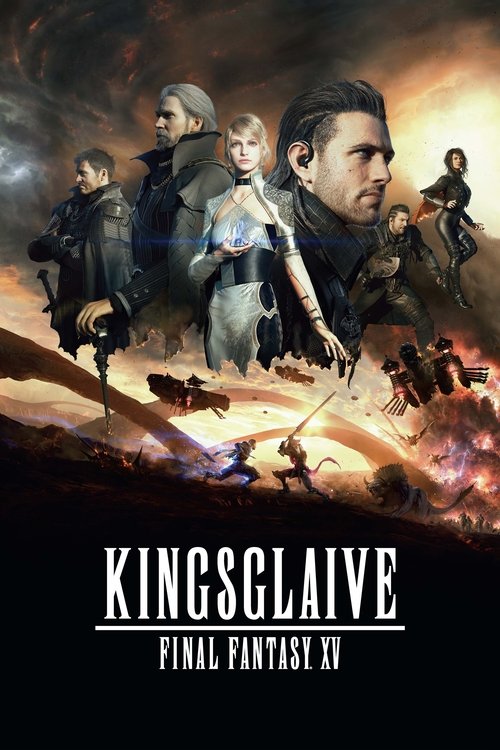
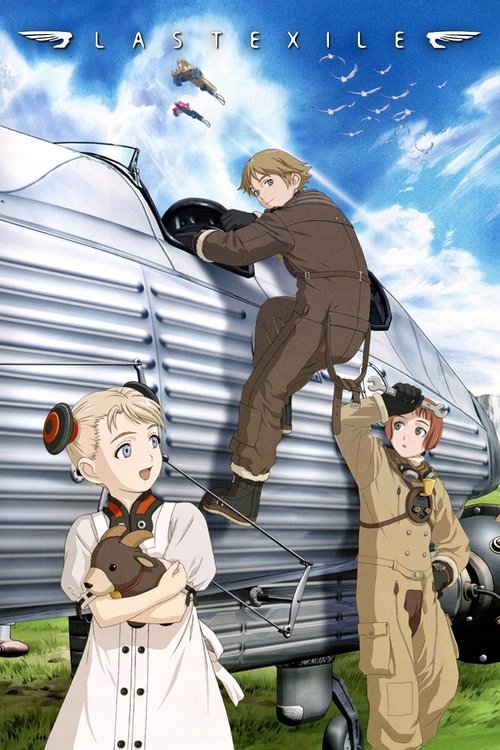
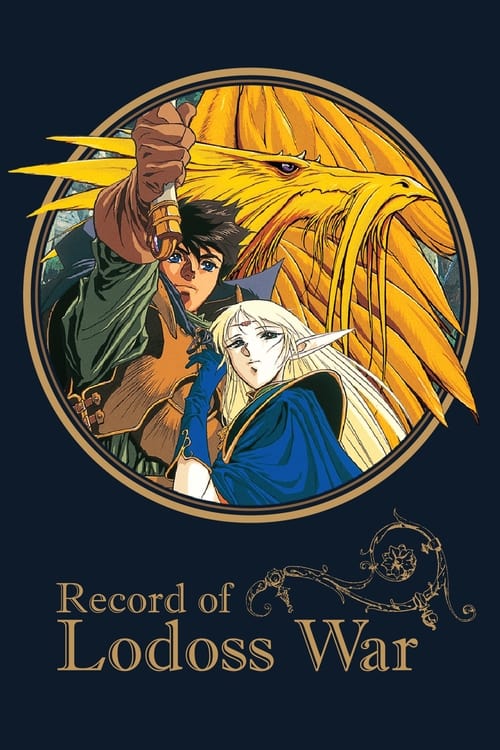
Novels for Fans of the Feeling: Epic Fantasy Built on Loss and Wonder
Books that hit the same register as a Sakaguchi story, where the world is enormous and the grief is personal


Lost Odyssey Is the Purest Sakaguchi Game
When Sakaguchi left Square, he could have made something safe. Instead, Lost Odyssey is a slow, expensive grief. Kaim Argonar has lived for a thousand years and forgotten most of it, and the game reconstructs his past through text-based dream sequences written by novelist Kiyoshi Shigematsu. These passages, read like illustrated short stories, are the most emotionally devastating writing in the medium. The combat is turn-based and unashamed of it. The world is built around the idea that immortality is not a gift. It is the longest goodbye in RPG history, and Sakaguchi funded it himself.

The Nobuo Uematsu Effect: Why the Music Is Half the Experience
No other game composer is as inseparable from a creator as Nobuo Uematsu is from Sakaguchi. The Prelude (those ascending arpeggios), Terra's Theme, One-Winged Angel, Liberi Fatali: these are not incidental music, they are structural. Uematsu scored every mainline Final Fantasy through IX and returned for Lost Odyssey, and his work defines the emotional temperature of every scene. If you have never heard these soundtracks outside the games, go find the orchestrated concert recordings. They hold up without a pixel of context.
Fantasian and the Handcraft Principle
Fantasian is a late-career statement built on a deliberately absurd constraint: every environment is a physical diorama, hand-built by craftspeople, then scanned and used as the game world. The result looks unlike anything else in the medium. It is a refusal of the photorealistic arms race, and a return to the sense that games should feel handmade. The story concerns memory and loss, because of course it does. Released originally as an Apple Arcade exclusive and later widely, it proves Sakaguchi's instincts remain uncommon and precise.
Why Terra Branford Changed Everything
Final Fantasy VI is the moment Sakaguchi understood that the center of an RPG could be a person rather than a quest. Terra does not know what she is, whether she deserves to exist, or whether love is something she is capable of. The villain Kefka actually wins, destroys the world midgame, and the second half is about the survivors deciding whether hope is worth anything. No JRPG before it had dared a structure like that, and very few since have matched the weight of its ensemble cast. It remains the apex of Sakaguchi's thinking about character.
A Life in Worlds
- 1987The desperate bet: Final Fantasy ships on NES and sells enough to save everything Final Fantasy
- 1991Final Fantasy IV introduces cinematic storytelling and a hero with a guilty conscience Final Fantasy
- 1994Final Fantasy VI peaks the SNES era with an ensemble cast and an apocalypse midgame Final Fantasy VI
- 1995Chrono Trigger ships, a cross-studio collaboration with Dragon Quest's Horii and Dragon Ball's Toriyama
- 1997Final Fantasy VII brings the franchise to PlayStation and into global pop culture Final Fantasy VII
- 2000Final Fantasy IX: a love letter to the series' roots, the last mainline game Sakaguchi produced at Square Final Fantasy IX
- 2001The Spirits Within fails at the box office; Sakaguchi steps back from Square Final Fantasy: The Spirits Within
- 2006Mistwalker founded; Blue Dragon and Lost Odyssey signal Sakaguchi's independent return Lost Odyssey
- 2021Fantasian: diorama worlds, Nobuo Uematsu, and a story about a man who lost his memory Fantasia
Epic JRPG Worlds and Operatic Fantasy
For Fans of Final Fantasy
Explore the For Fans of Final Fantasy guide →I wanted to make players cry. I wanted them to feel the way I felt when I was young and something ended and I was not ready for it to end.Hironobu Sakaguchi