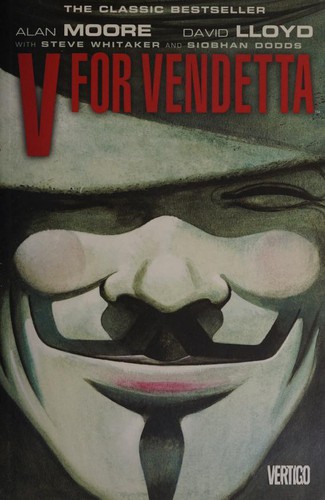

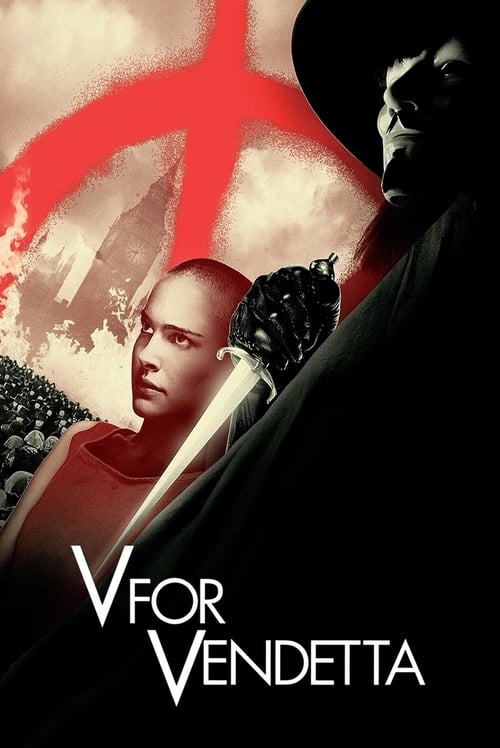
Alan Moore and David Lloyd's V for Vendetta (serialised 1982-1989, collected 1988) is a furious, precise argument: that fascism is not an aberration but a latent possibility in every society that trades freedom for the comfort of order. V, the masked avenger who blows up Parliament and tutors a traumatised young woman named Evey in the philosophy of anarchy, is not a hero in any conventional sense. He is a point of view with a knife. Moore himself was clear that V is not meant to be emulated, but the book's insistence that the state fears the individual who refuses to be afraid has made it the most-quoted graphic novel in protest movements worldwide. James McTeigue's 2005 film, scripted by the Wachowskis, translates the mood faithfully even as it softens some of the book's harder political edges. If you love either version, what you are really chasing is the feeling of a story that takes its politics seriously and refuses to let you look away.
Essential V for Vendetta
The source and its closest adaptations


Graphic Novels That Refuse to Behave
Political comics with the same uncompromising intelligence



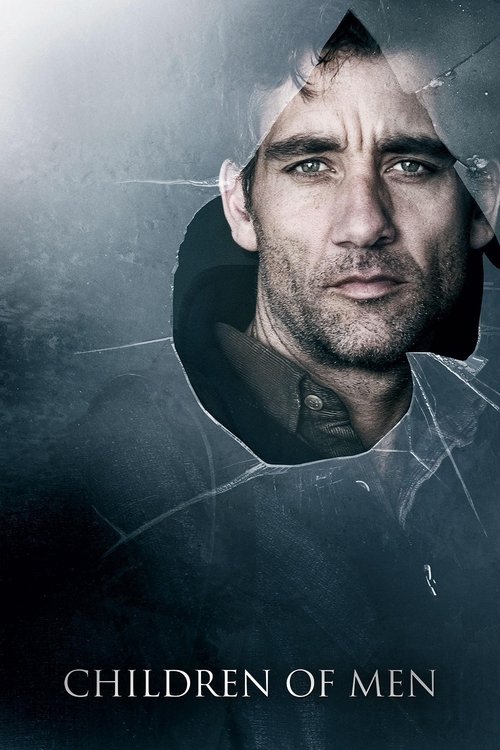
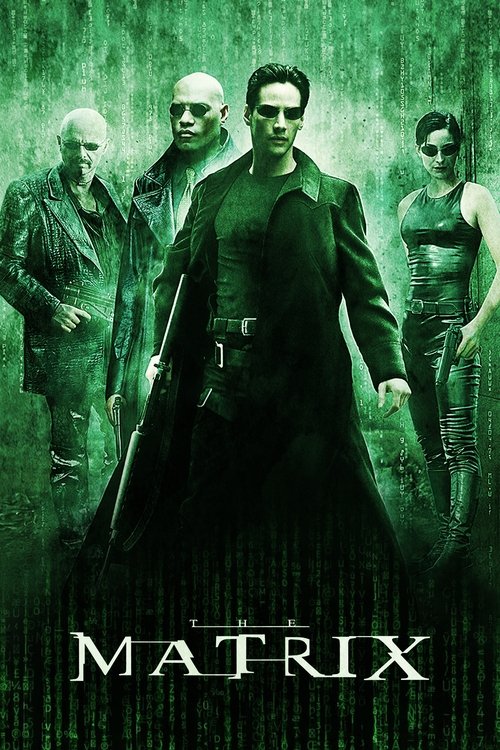
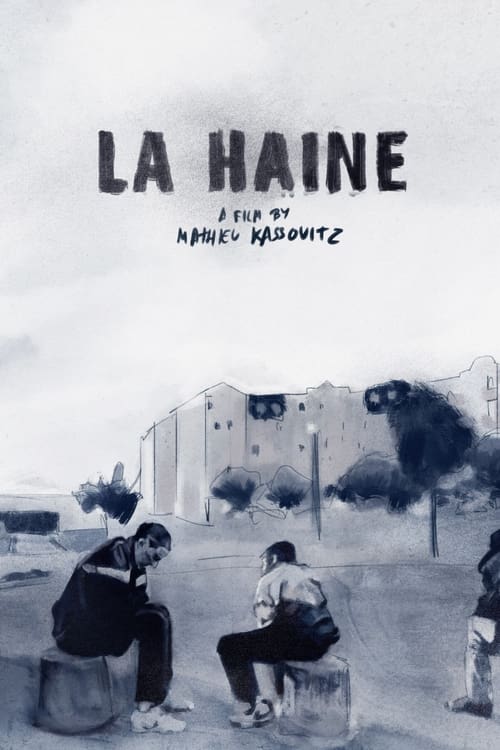
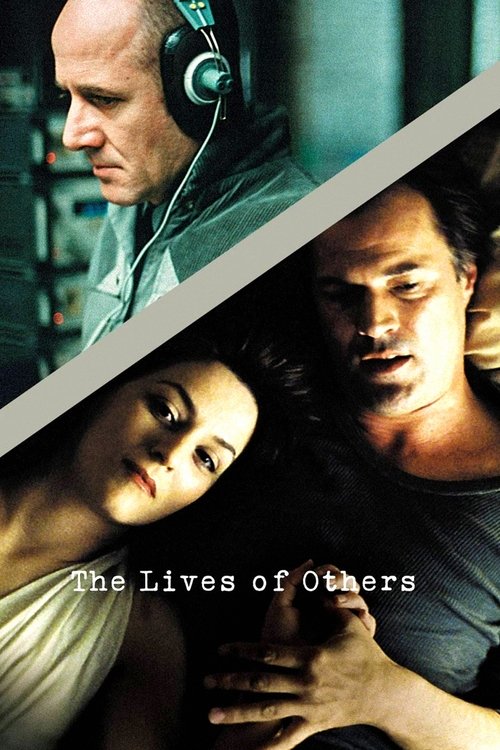
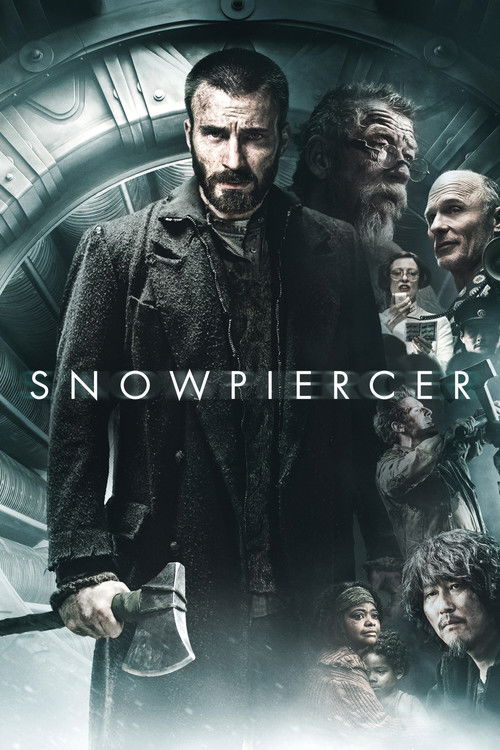
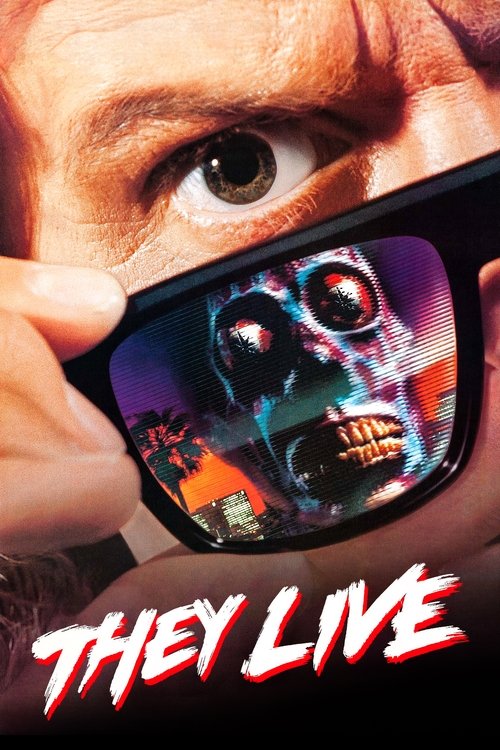
Films That Share the Fire
Cinema about state violence, masks, and the cost of resistance

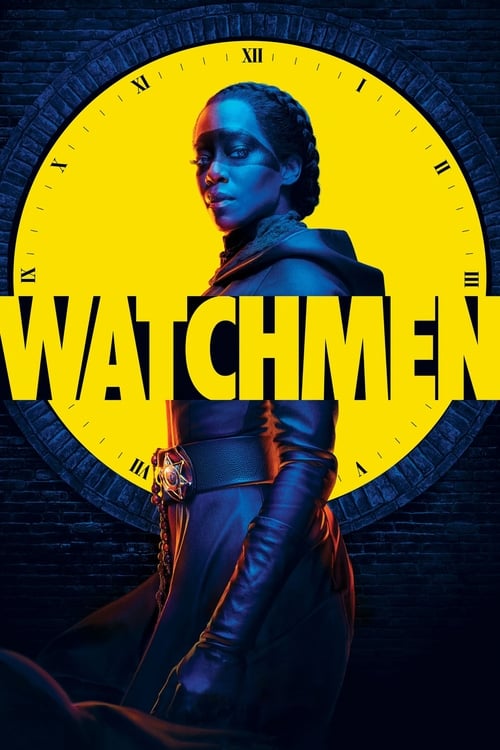
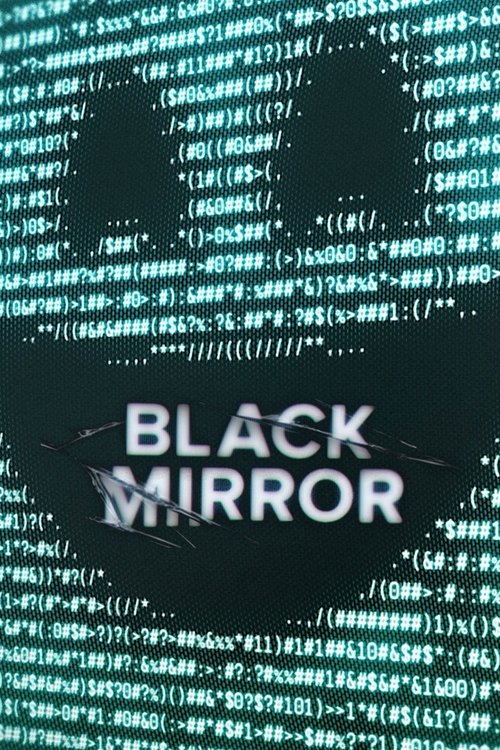
Series With the Same Political Bite
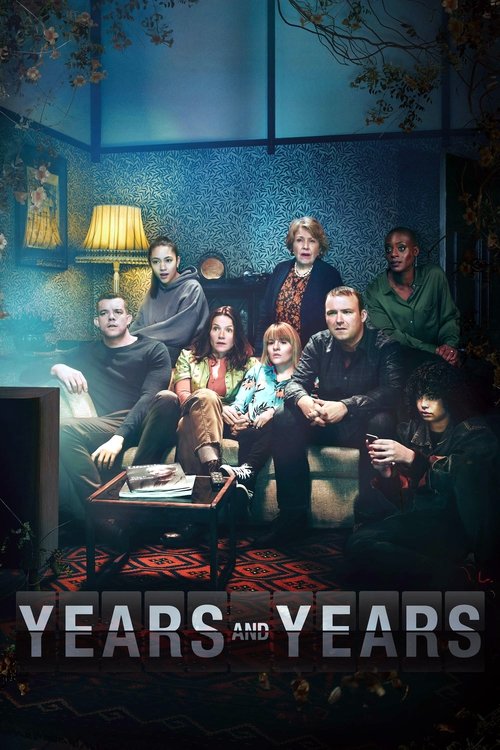
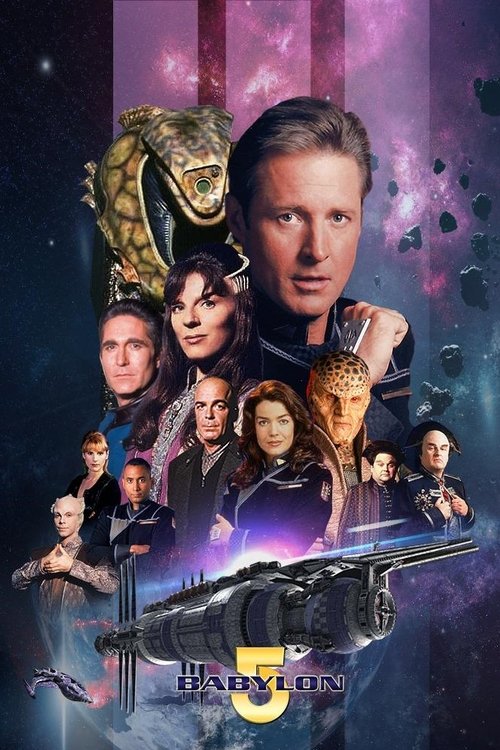
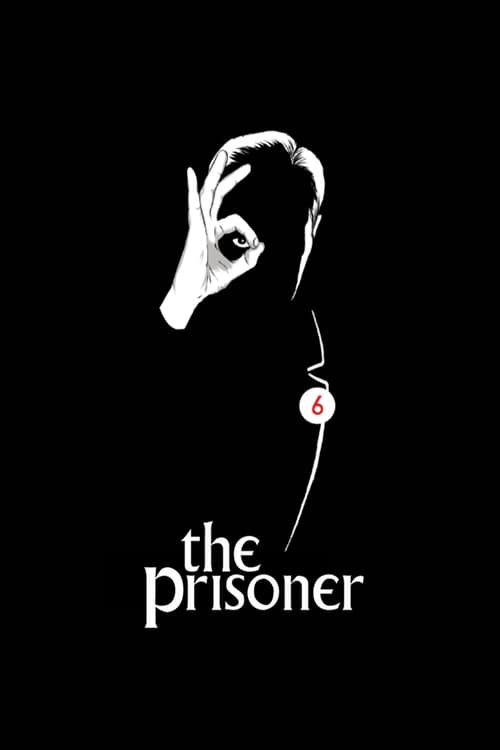
Television that takes power seriously


Novels of Dissent and Dystopia
Fiction that imagines the worst and asks you to stay awake


Games Where the System Is the Enemy
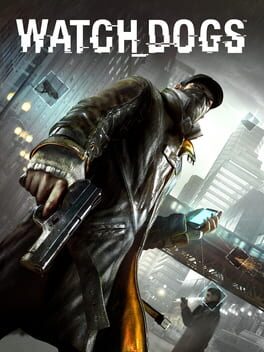
Games about surveillance, authoritarian control, and striking back
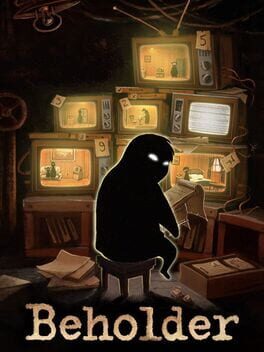
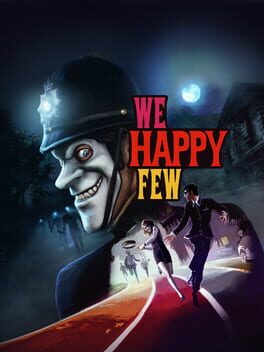
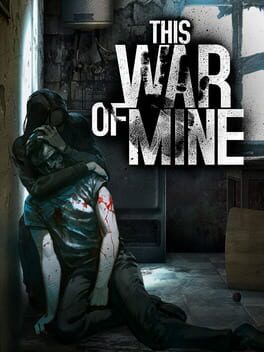
The Mask Is Not a Costume
V for Vendetta is misread every time someone treats the Guy Fawkes mask as a symbol of general rebellion. Moore's point is sharper: V wears it because he has already been destroyed as a person by the state, and the mask is what remains. Anonymity, in his reading, is not cowardice but a refusal to let power have a target. The mask migrated into real-world protest after the film, most visibly with Anonymous and Occupy. Whether that bothers you or delights you probably depends on how closely you read the original argument.
Moore vs the Wachowskis: a Fair Fight
Alan Moore disowned the 2005 film adaptation and refused any credit. His objections were partly personal (his fraught relationship with DC and Warner Bros.) and partly political: he felt the film softened V into a more palatable action hero and stripped out some of the book's anarchist specificity. Both readings are defensible. The film is genuinely good: it preserves the mood, Natalie Portman's Evey transformation is harrowing, and Hugo Weaving does something remarkable with a voice and a mask. But the book's Evey is younger and her journey is darker. Knowing both versions enriches each.
Alan Moore's Singular Career
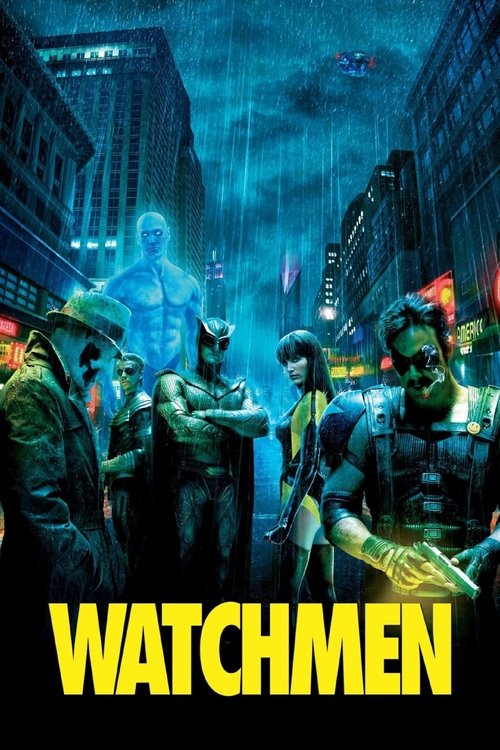
No other writer has produced so many individually important comics as Alan Moore. Swamp Thing reinvented what horror comics could do. Watchmen asked whether superhero stories could carry real moral weight. From Hell spent a decade reconstructing Victorian London and the psychology of institutional violence. The League of Extraordinary Gentlemen is a love letter to pulp fiction rewritten as satire. Moore walked away from the mainstream industry, but the industry has never walked away from him: every ambitious comic published after 1986 is partly a response to what he proved was possible.
V for Vendetta: Key Dates
- 1981Alan Moore and David Lloyd begin V for Vendetta in Warrior magazine, UK
- 1988The complete collected edition published by DC Comics / Vertigo V for Vendetta
- 1988Watchmen wins the Hugo Award, the only graphic novel ever to do so
- 2005James McTeigue's film adaptation released, screenplay by the Wachowskis V for Vendetta
- 2008Anonymous adopts the Guy Fawkes mask as its public symbol
- 2011The mask becomes a fixture at Occupy Wall Street protests worldwide
- 2019The mask appears in Hong Kong protests against the extradition bill
More rebellion and dystopia
Rebellion & Revolution
Explore the Rebellion & Revolution guide →People should not be afraid of their governments. Governments should be afraid of their people.V for Vendetta (2005 film)