

The gladiator never goes away. From the Colosseum to the Thunderdome, from Spartacus rallying slaves to Katniss Everdeen staring down a Capitol audience, the arena fixes the same feeling in you: one person (or a ragged band) stripped of everything except skill, nerve, and the will to survive inside a system designed to grind them to nothing. The appeal is not the violence. It is the clarity. Outside the arena, power is invisible and injustice is diffuse. Inside, the stakes are visible, the enemy has a face, and winning means something real. This is the through-line that connects a Roman epic to a Korean survival thriller to a gladiatorial strategy game.
Essential Arena Cinema
The definitive films that define the gladiator feeling

If You Love Gladiators: TV Series That Deliver the Same Rush
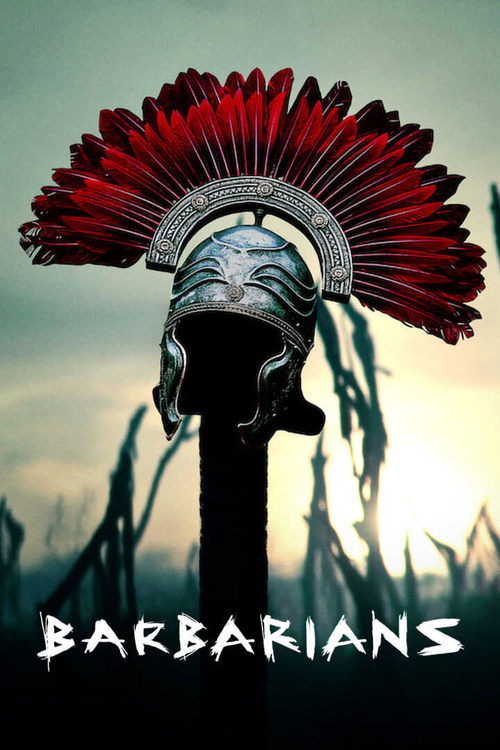
Arena politics, slave uprisings, and survival spectacle on screen


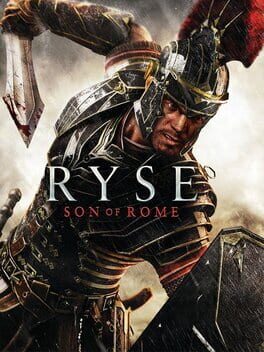
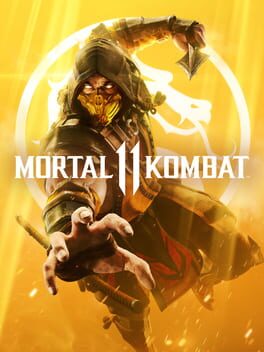
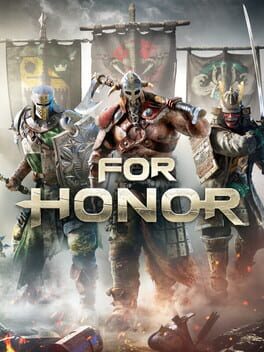
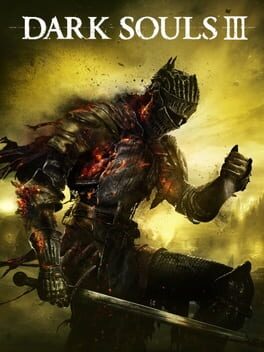
If You Love Gladiators: Games That Put You in the Sand
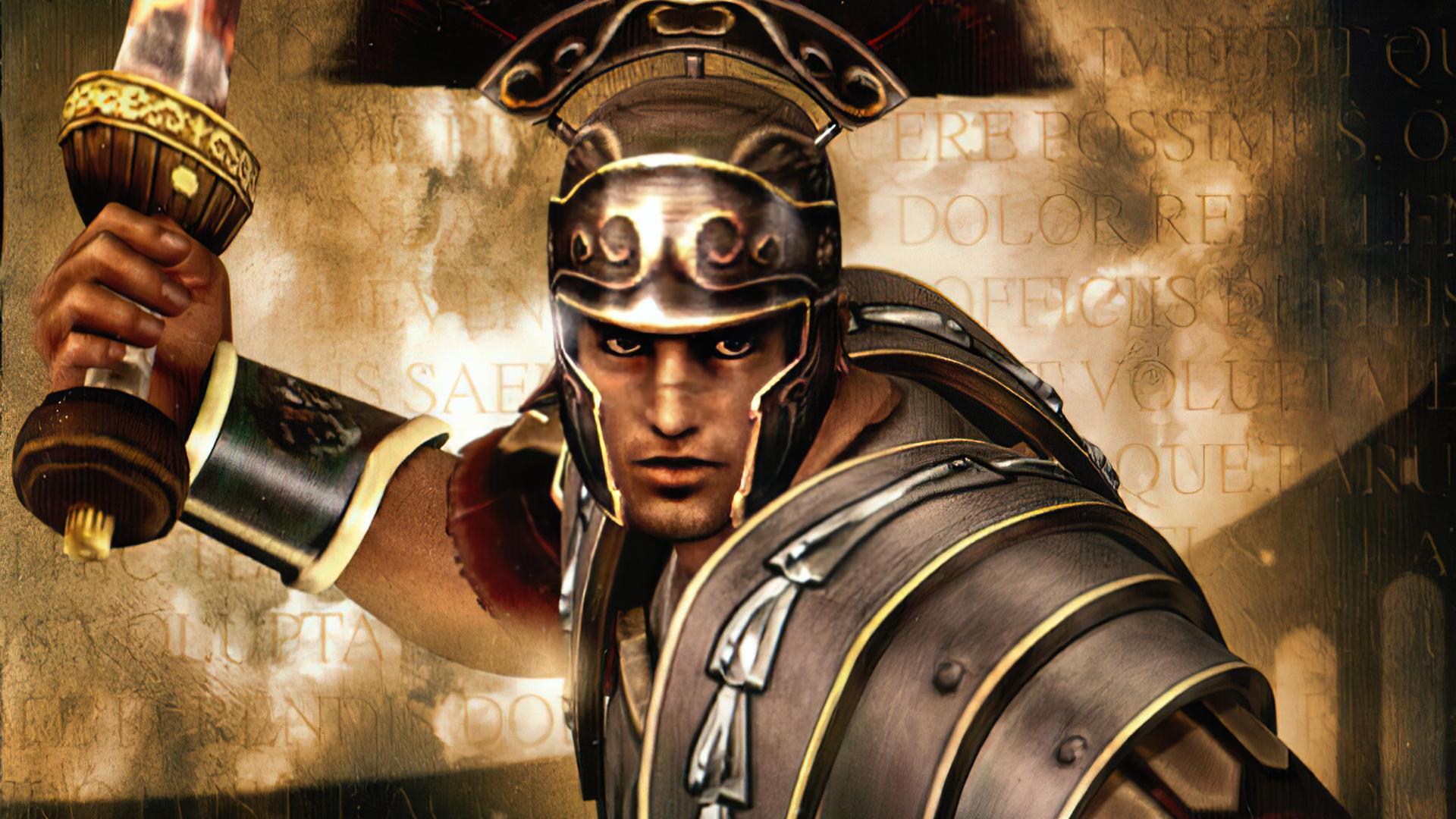
From brutal one-on-one combat to survival arenas and tactical conquest
If You Love Gladiators: Novels That Go Deeper into the Arena
Historical fiction, dystopian survival, and the slave who fought back


If You Love Gladiators: Music That Sounds Like the Arena
Epic scores and percussive power that conjure sand and spectacle
The Arena Is Always Political
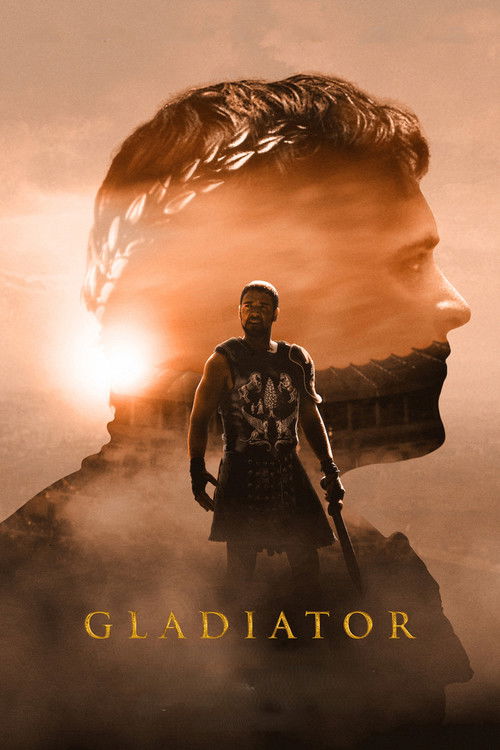
Every gladiator story is also a story about who watches, who profits, and who decides who lives. Ridley Scott's Gladiator makes Commodus the real monster not because he fights but because he controls the game. The Hunger Games makes this even more explicit: the Capitol watches because watching keeps the districts docile. The arena is a machine for manufacturing consent. When Maximus turns to the crowd and asks 'Are you not entertained?', he is indicting the audience as much as the emperor.
Spartacus Changed What the Genre Thought It Could Say
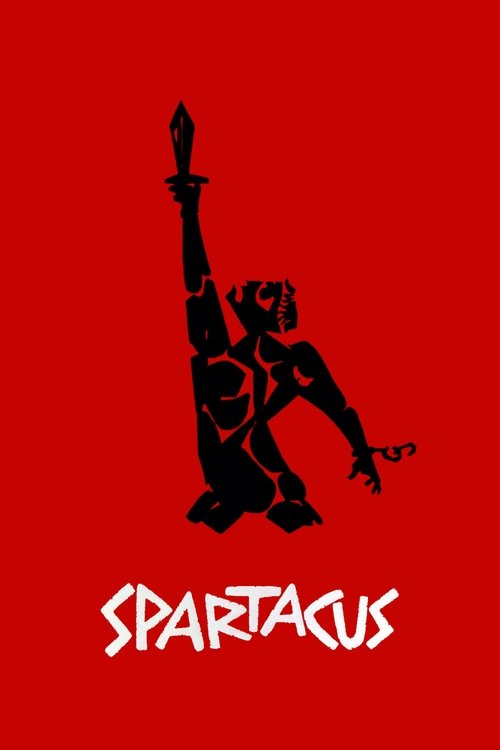
The 1960 Stanley Kubrick film (produced by Kirk Douglas) smuggled a genuinely radical screenplay past the Hollywood blacklist. Dalton Trumbo, writing under his own name after years on the blacklist, structured Spartacus as an explicit argument that collective resistance matters more than individual heroism. The famous 'I am Spartacus' scene is not a trick. It is a thesis statement about solidarity. The Starz series, arriving fifty years later, is more explicit about brutality and sexuality, but both versions understand that the historical Spartacus was not a legend, he was a labor organizer with a sword.
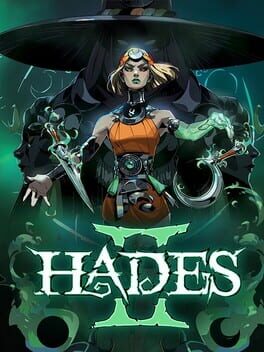
Hades Might Be the Most Faithful Arena Game Ever Made
Supergiant's roguelike sets its combat loop inside the Greek underworld, which means every fight is literally a gladiatorial contest staged for divine entertainment. Zagreus dies, resets, and tries again, and the gods comment on his performance like spectators placing bets. It captures something most arena films miss: the repetition, the incremental skill-building, and the way surviving by inches feels more meaningful than winning by domination. The combat is fast and readable but never cheap. It earns its violence.
The Dystopian Arena Is the Gladiator Film's Logical Heir
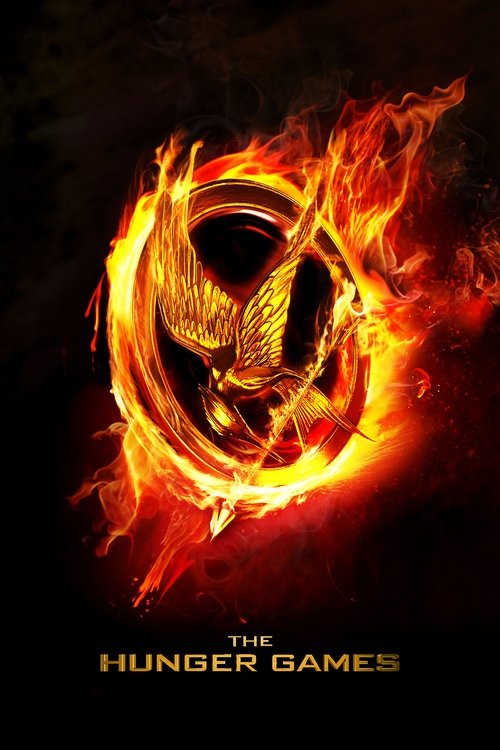
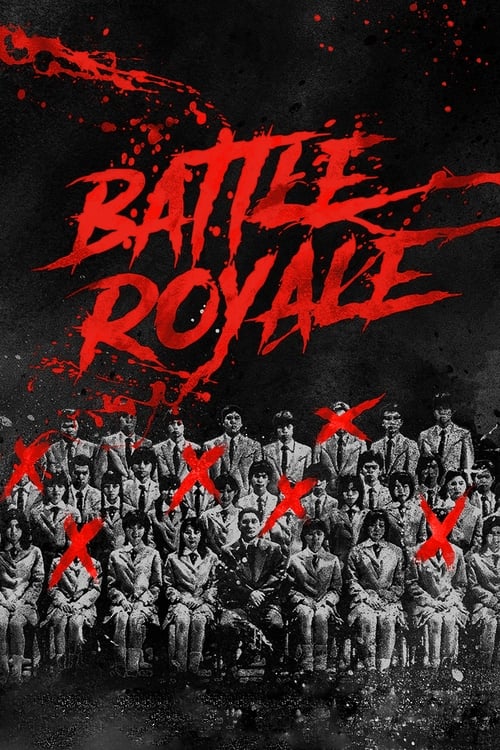
Battle Royale (2000) and The Hunger Games (2012) did not invent the death-sport genre, but they hardened it into something specific: the state forces children to kill each other and televises the result. This is not a metaphor that requires decoding. The connection to Roman spectacle is direct. Both Suzanne Collins and Kinji Fukasaku cited gladiatorial history as source material. What the dystopian branch adds is the media layer: not just the crowd in the stands, but the broadcast, the sponsorship, the influencer-style tributes who understand that likability increases survival odds.
The Arena Through the Ages
- 1960Spartacus Spartacus
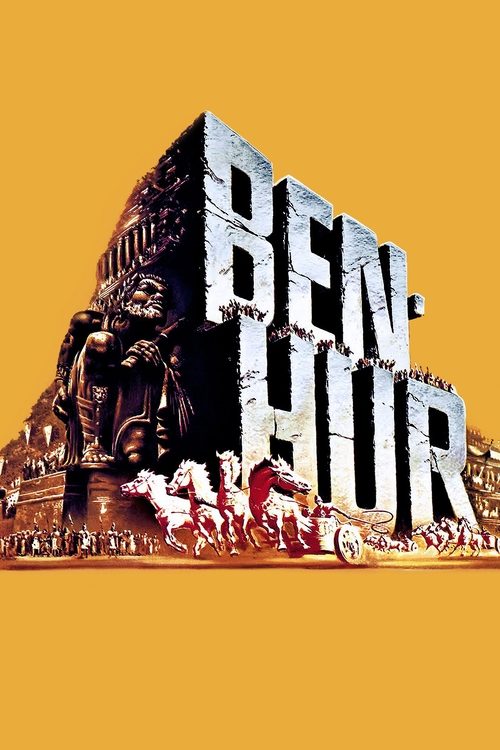
- 1959Ben-Hur wins 11 Oscars Ben-Hur
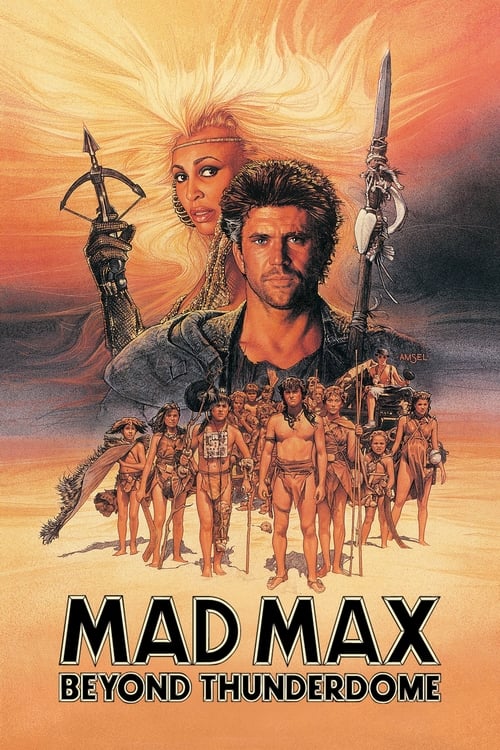
- 1985Thunderdome raises the stakes Mad Max Beyond Thunderdome
- 2000Battle Royale resets the death-sport genre Battle Royale
- 2000Gladiator wins Best Picture Gladiator
- 2004Shadow of Rome brings the arena to games Shadow of Rome
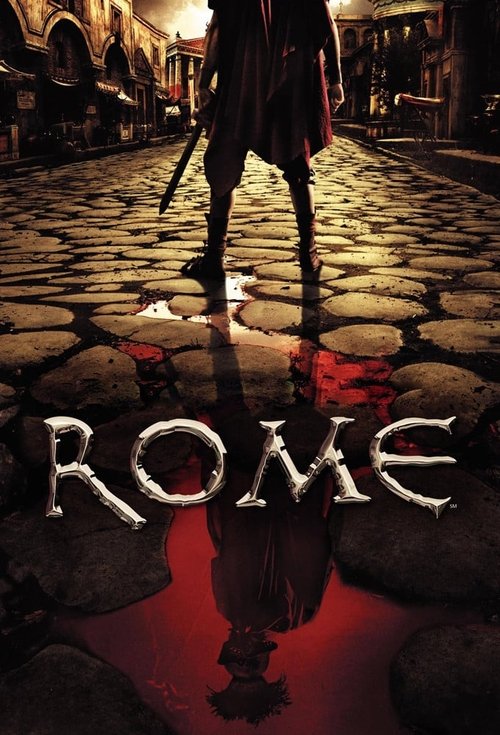
- 2005Rome series premieres on HBO Rome
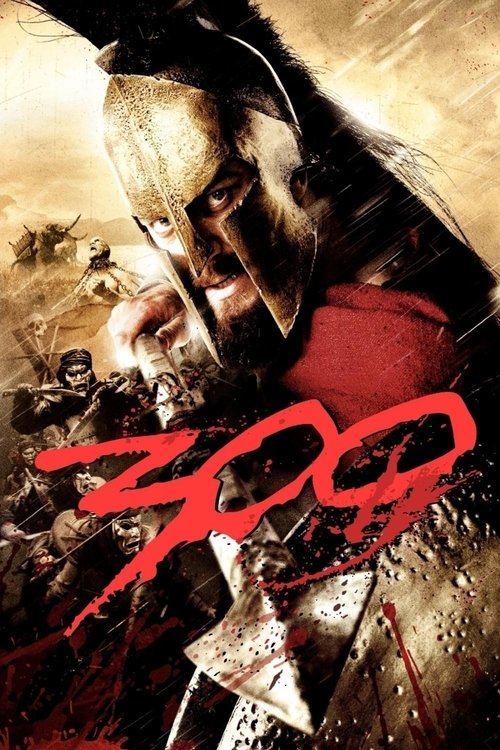
- 2008300 score defines the epic battle sound Titanic: Music From the Motion Picture
- 2010Spartacus: Blood and Sand launches on Starz
- 2012The Hunger Games trilogy opens The Hunger Games
- 2018Assassin's Creed Origins: Discovery Tour brings the arena to life Assassin's Creed Origins
- 2020Hades wins the Hugo Award for best game Hades
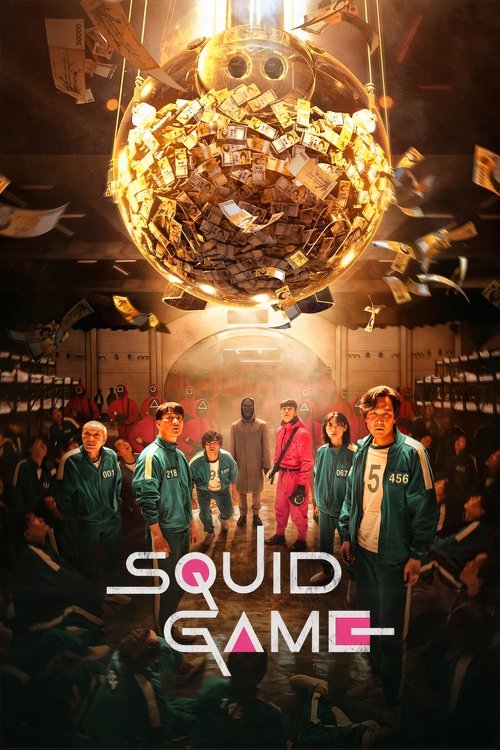
- 2021Squid Game becomes Netflix's biggest debut Squid Game
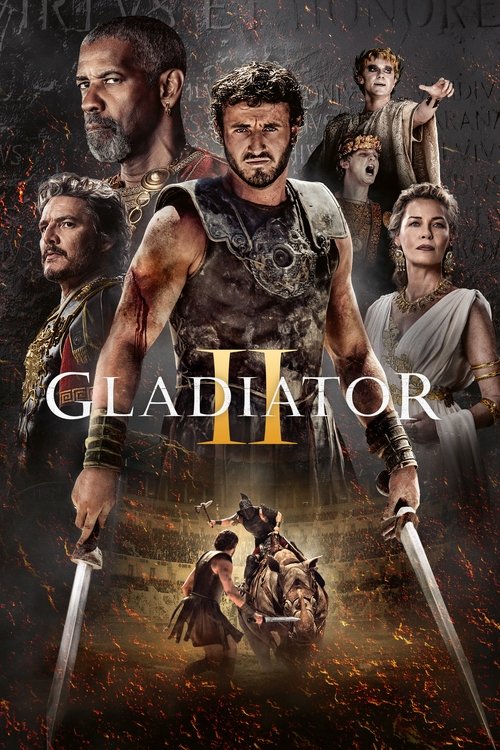
- 2024Gladiator II returns Maximus's world to theaters Gladiator II
More arena combat and ancient Rome
Gladiators & Ancient Rome
Explore the Gladiators & Ancient Rome guide →Are you not entertained? Is this not why you are here?Maximus, Gladiator (2000)