
The man who made mecha cry
Yoshiyuki Tomino created Mobile Suit Gundam in 1979 and, in doing so, broke a genre. Where the super-robot anime of the era treated giant machines as triumphant extensions of heroic will, Tomino made them instruments of atrocity. His war had no clean victories. Soldiers died on both sides for reasons they only half understood. The kids he sent to the front came back changed, or did not come back at all.
Tomino earned the nickname "Kill 'em All Tomino" not as a boast but as a warning label. His casts are large, his affection for them genuine, and his willingness to let them die in service of a point about the human cost of conflict is total. The Zeon forces are not cartoon fascists; they are people with grievances, ideals that curdle, and charismatic leaders who ultimately betray them. Amuro Ray, the original Gundam pilot, is anxious, talented, and frequently unpleasant to be around. Char Aznable, his great rival, is one of anime's most layered antagonists: a man whose revolutionary fury and personal grief have fused into something genuinely dangerous.
Across five decades, from the original 1979 TV run through Zeta Gundam, Char's Counterattack, and into the stranger, more personal late work, Tomino has returned to the same obsessions: the folly of adults sending children to die, the way ideology becomes a mask for grief, the cost of surviving when others did not. What follows is a guide to everything that shares that DNA, across every medium.
Essential Yoshiyuki Tomino
Start here, then go deeper

Real robots, real consequences
Mecha and war anime that refuses to let conflict be cool

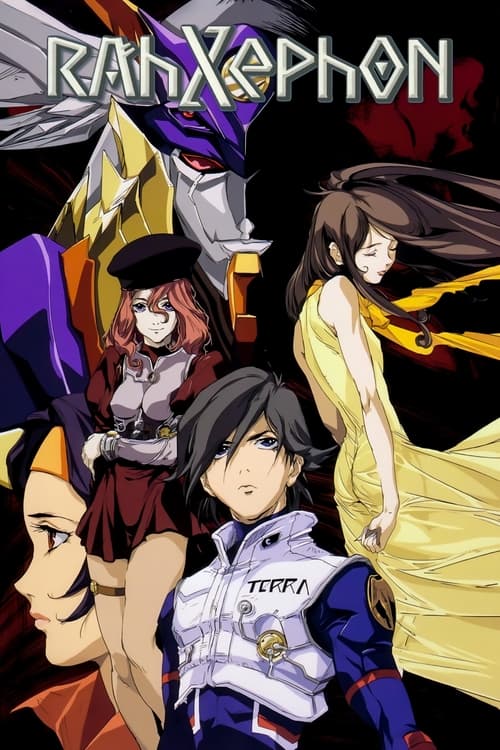
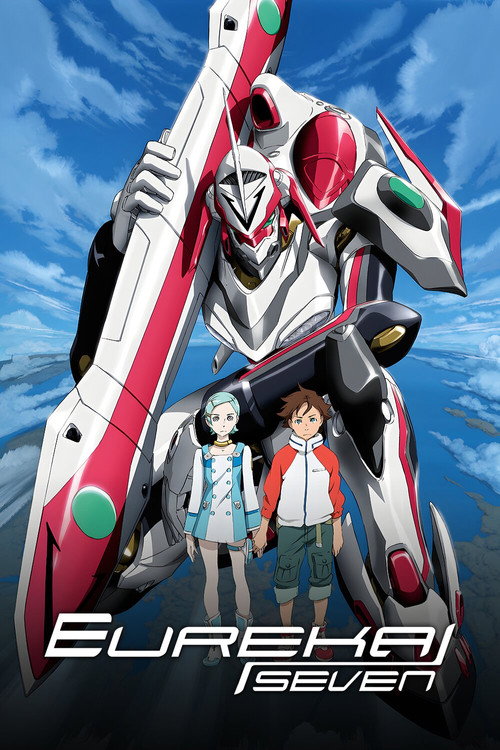
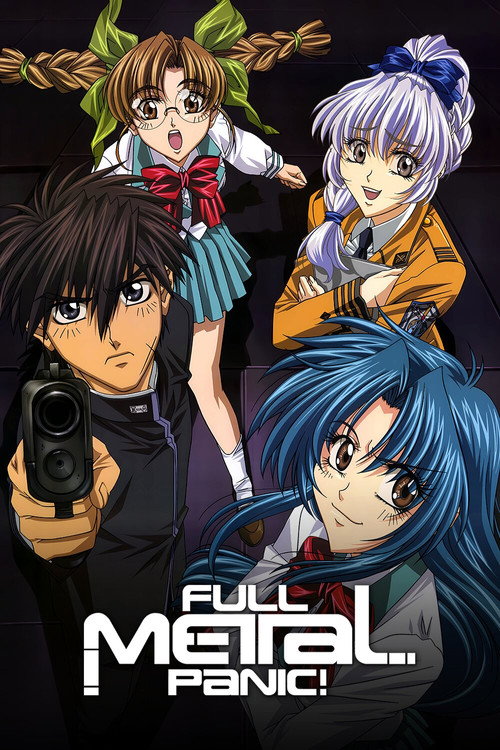
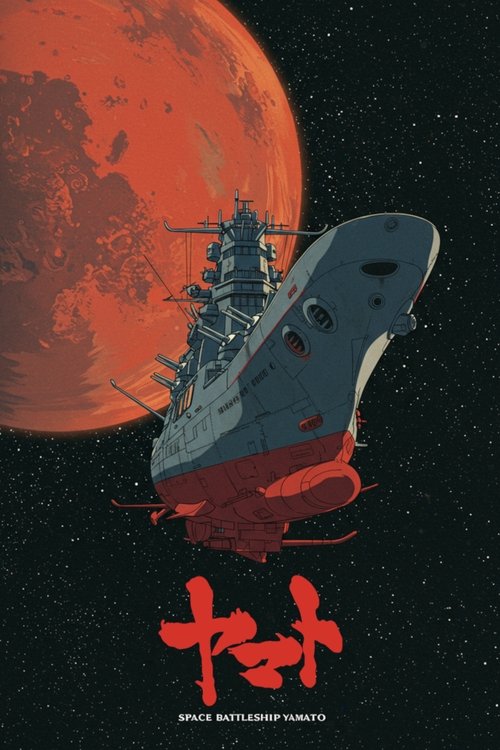

War as tragedy, not spectacle
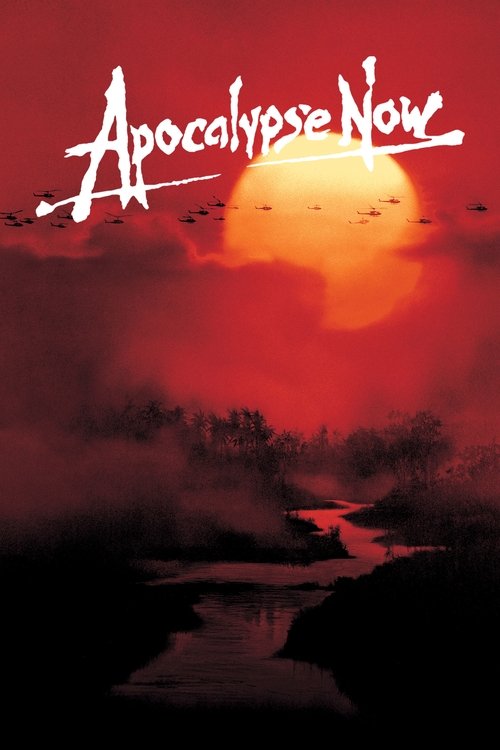
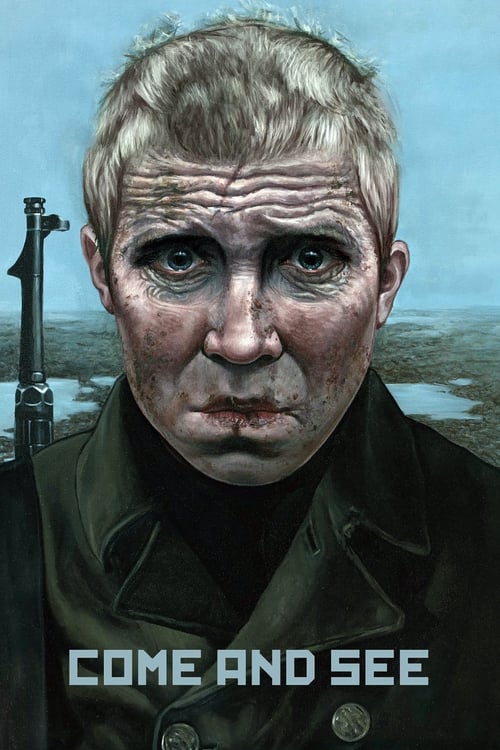
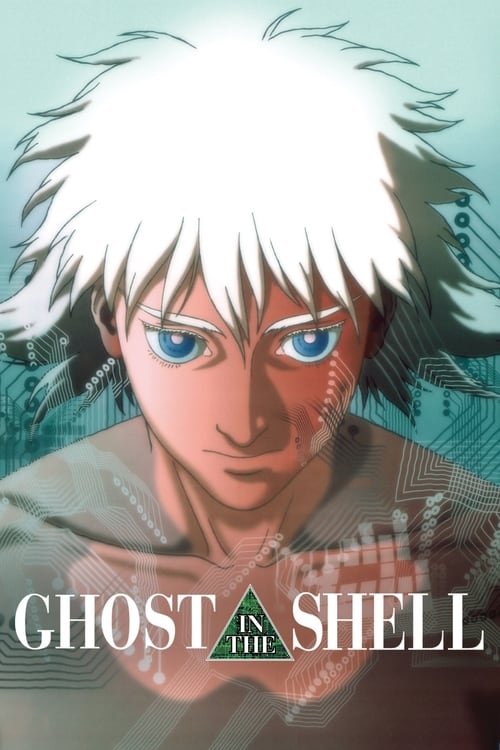
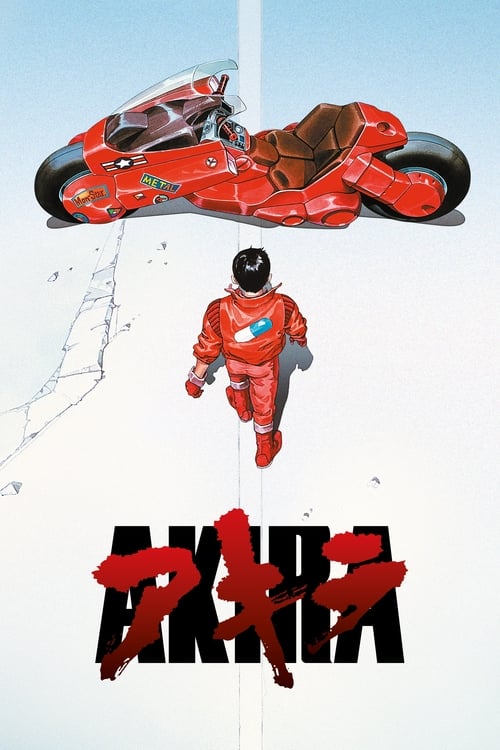
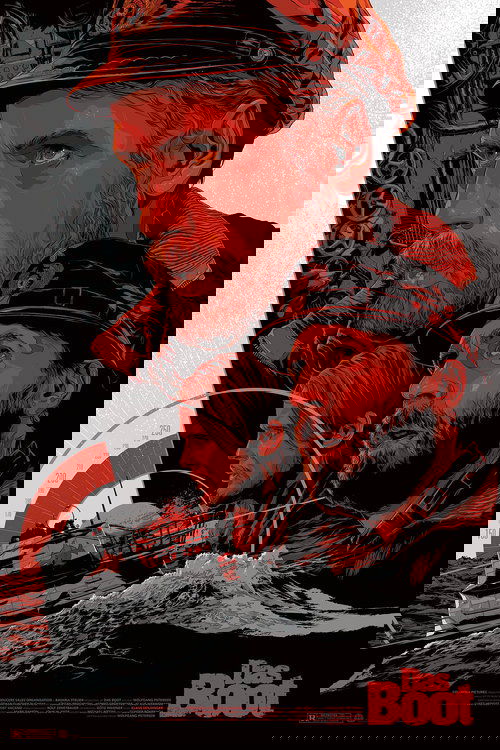
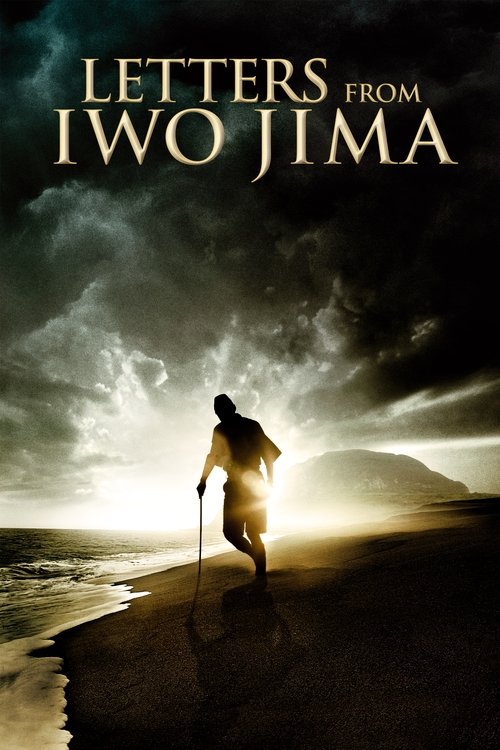
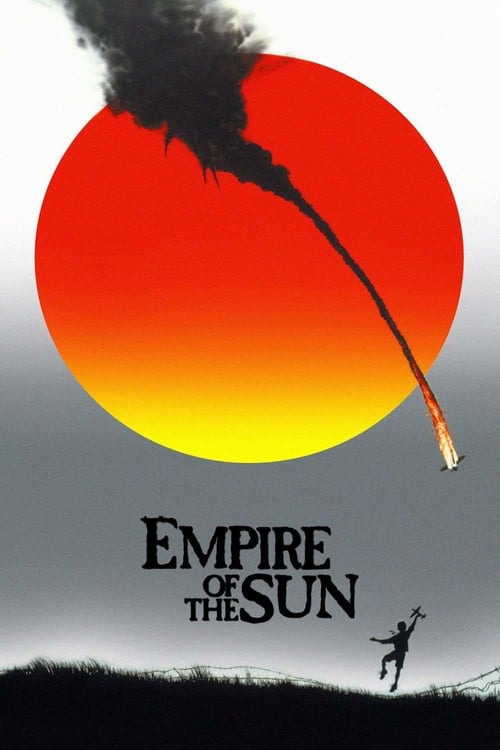
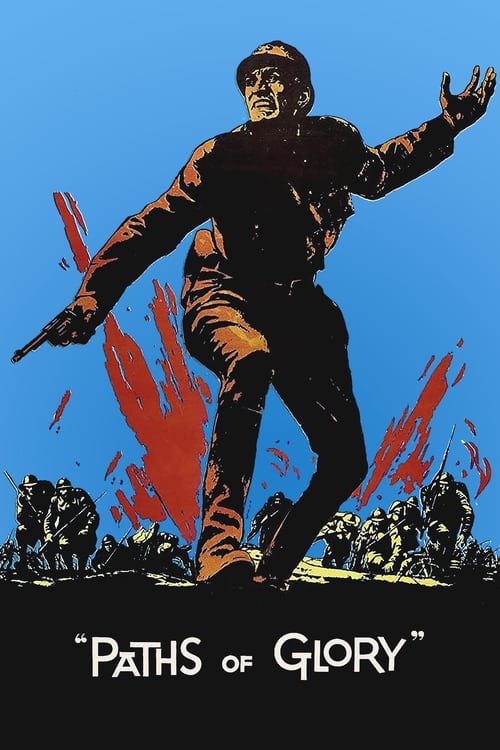
Films where conflict strips away everything comfortable


Machines of war you pilot yourself
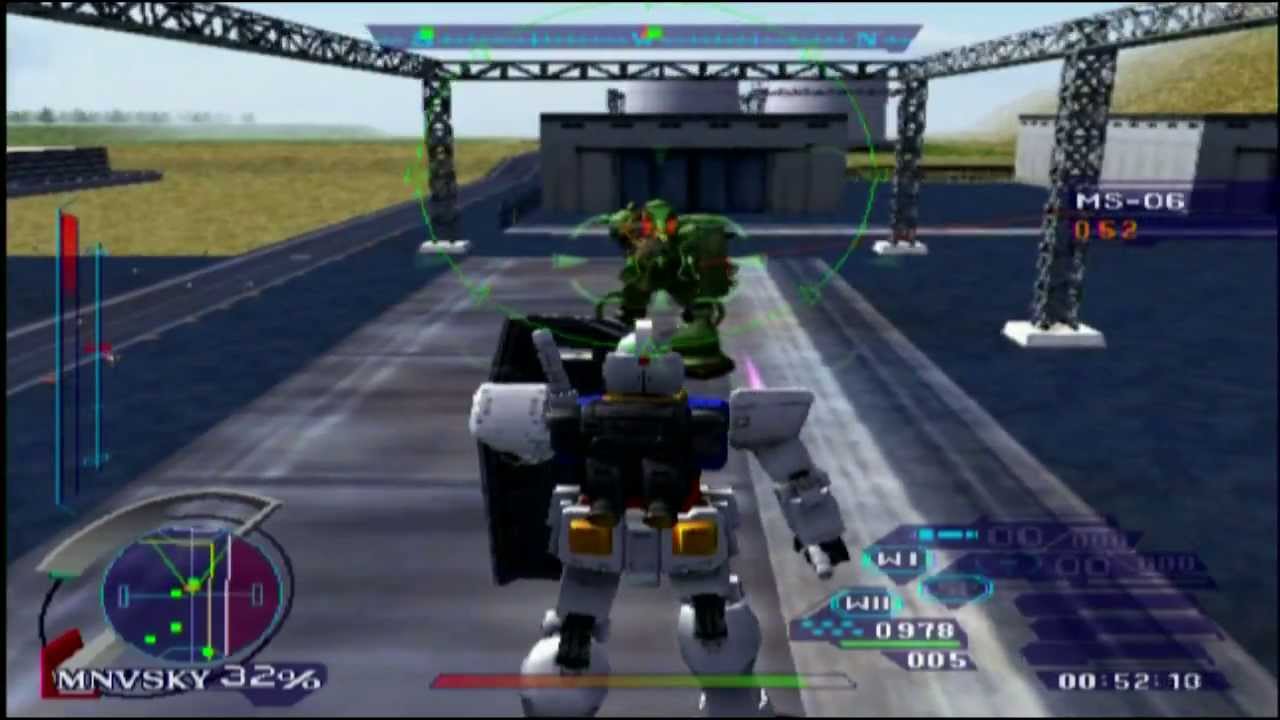
Games that carry Tomino's weight into interactive form

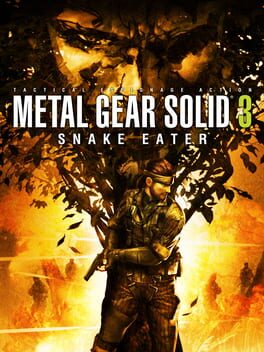
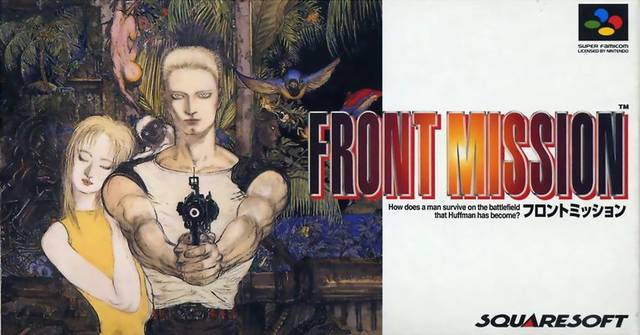
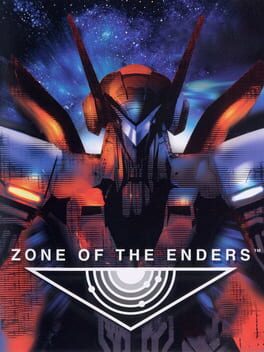
The ideology of conflict, on the page
Books that treat war as a moral argument, not an adventure


Start with the original, even though it shows its age
The 1979 Mobile Suit Gundam TV series has uneven animation, production cuts everywhere, and a finale that was rushed out the door. Watch it anyway. The relationship between Amuro and Char, the way neither is fully right or wrong, the texture of the White Base crew learning to survive together: none of the films or sequels quite replicate it. The roughness is part of what makes the tragedy land. You feel the budget constraints the same way you feel the war's improvised chaos.
Zeta is where Tomino stopped pulling punches entirely
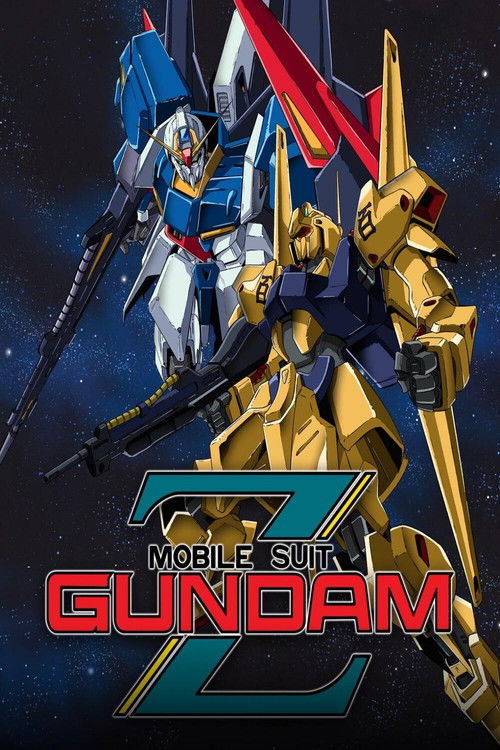
Mobile Suit Zeta Gundam (1985) is the sequel that surpasses the original in every way that matters. The politics are denser, the deaths more brutal, and the ending refuses any comfort. Kamille Bidan is an angrier, more damaged protagonist than Amuro, and the series does not redeem his anger so much as show where it leads. Several major characters end the series in states worse than death. This is Tomino at his most unsparing.
Char's Counterattack is the only ending that was ever coming
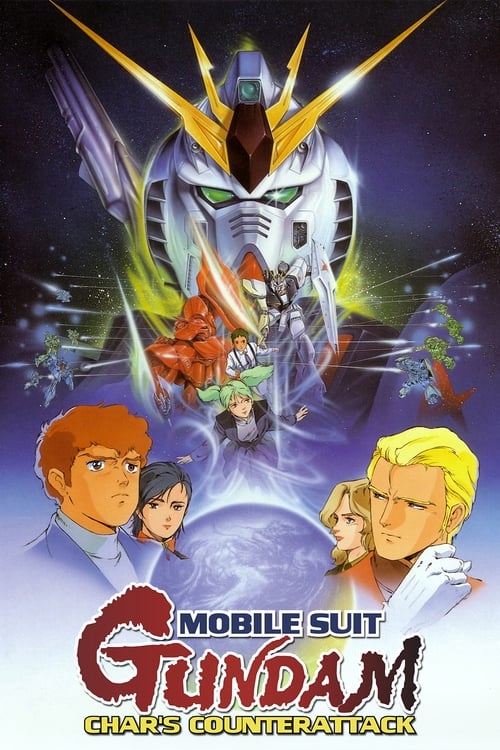
Char's Counterattack (1988) takes a decade of animosity between Amuro and Char and pays it off in a way that is simultaneously inevitable and heartbreaking. Char has completed his transformation from tragic revolutionary to genuine threat, and the film does not flinch from what that means. The fight at the end is one of anime's great confrontations precisely because both men are wrong, and both know it.
The spiritual successor lives in the pages of Dune
Frank Herbert's Dune runs on Tomino frequencies: a charismatic revolutionary whose ideology is correct and whose methods are catastrophic, a hero the narrative refuses to fully endorse, a political landscape where every faction has a genuine argument and everyone loses anyway. Paul Atreides and Char Aznable share more than a flair for dramatic entrances. The novel rewards re-reading after you finish the series it belongs to, when the cost of everything is finally visible.
Yoshiyuki Tomino: five decades of refusing to make war fun
- 1979Mobile Suit Gundam launches, inventing real-robot anime Mobile Suit Gundam
- 1985Zeta Gundam deepens the tragedy with no survivors unharmed Mobile Suit Zeta Gundam
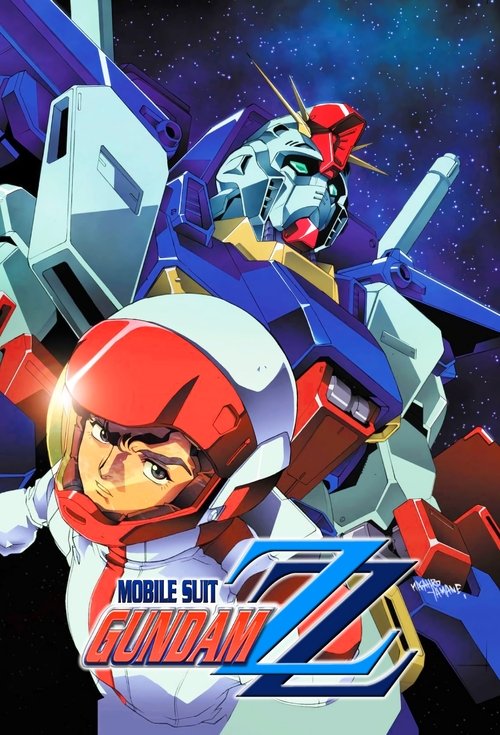
- 1986ZZ Gundam attempts levity before the darkness returns Mobile Suit Gundam ZZ
- 1988Char's Counterattack closes the original saga without mercy Mobile Suit Gundam: Char's Counterattack
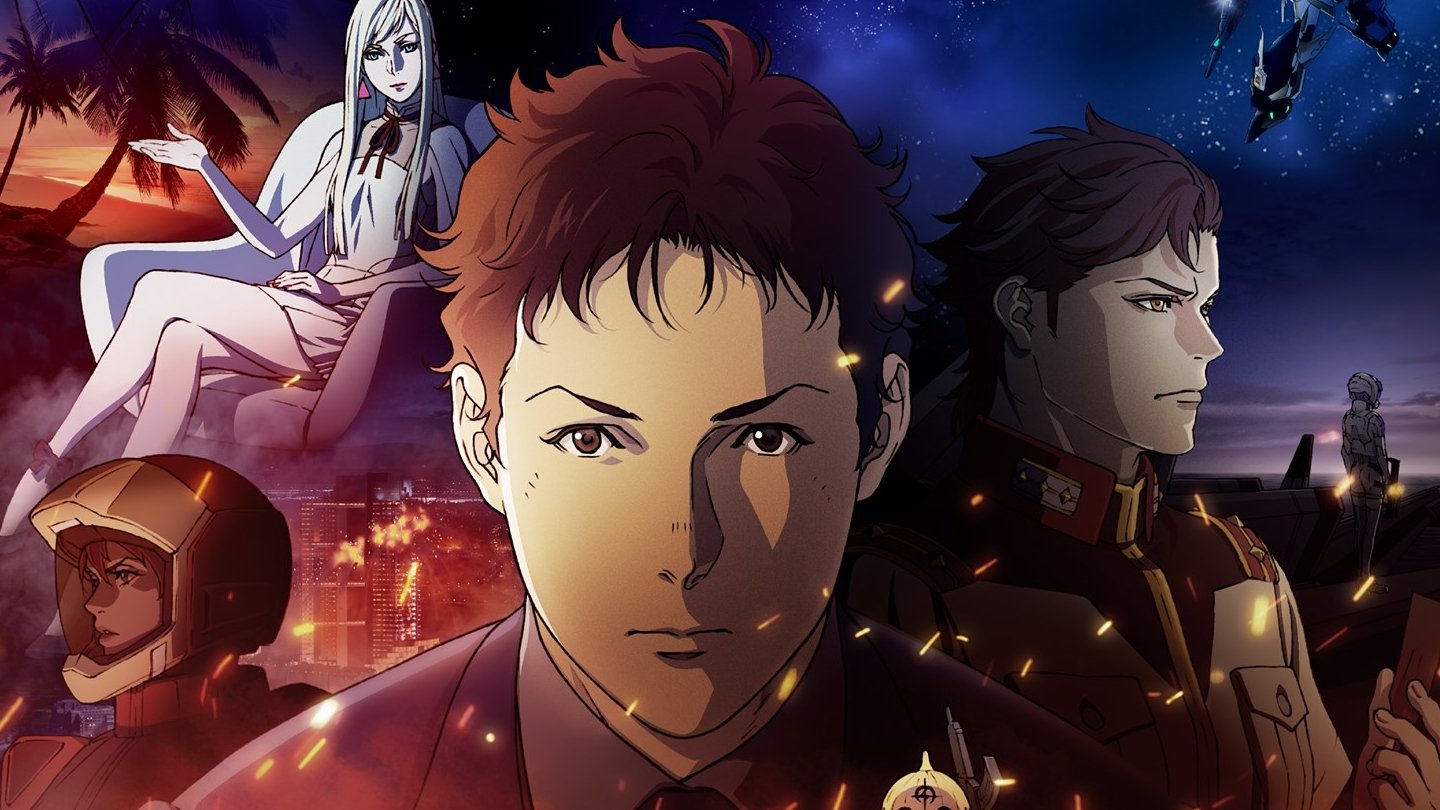
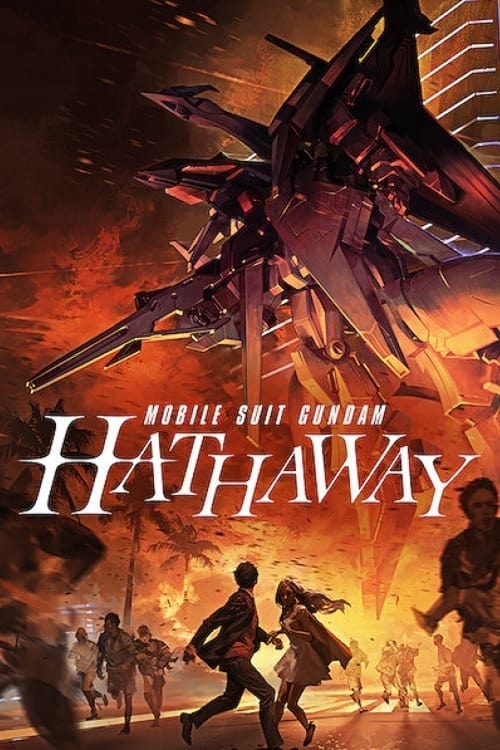
- 2021Hathaway shows a new generation inheriting the same tragedy Mobile Suit Gundam Hathaway
More tragic mecha and space war
For Fans of Gundam
Explore the For Fans of Gundam guide →War is not something human beings should do. I made Gundam to say that, and somehow people fell in love with the robots instead. I have been trying to correct that misunderstanding ever since.Yoshiyuki Tomino