
Half-Life arrived in 1998 and quietly dismantled everything shooters thought they knew about storytelling. No cutscenes. No HUD intrusions explaining the plot. Gordon Freeman, mute physicist, watched the world collapse around him and you were him, entirely, for every panicked second. The Black Mesa Research Facility became one of gaming's great spaces: a plausible, mundane place (chalkboards, vending machines, security checkpoints) that shattered into something genuinely alien. What fans love is not the shooting itself but the specific flavour of dread and discovery underneath it: the sense that you have stumbled into something vast that was always there, indifferent, waiting. Half-Life 2 transferred that feeling to a crumbling Eastern European city under occupation, slowing the pace, adding gravity-gun physics and a cast of companions, somehow making every empty street feel like a statement about power and resistance. Portal folded the same DNA into something wickedly comic and still frightening at its edges. Half-Life: Alyx proved in VR that the series' signature mood, atmosphere so thick you feel the condensation on cold concrete, survived three decades intact. If these games mean something to you, the thread running through all of them is this: a world that makes perfect physical sense right up until the moment it does not, and a lone human trying to stay useful inside it.
Essential Half-Life
The core series and its closest siblings, in order of play
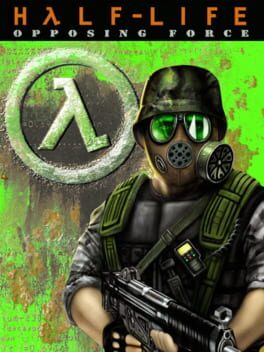
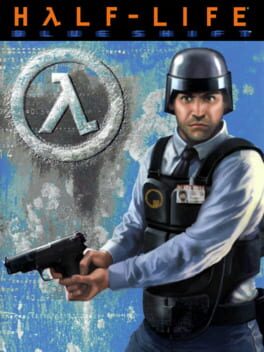
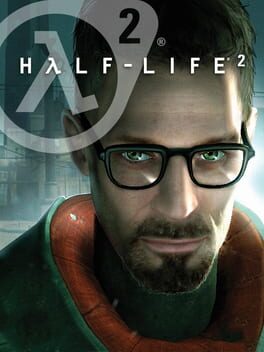

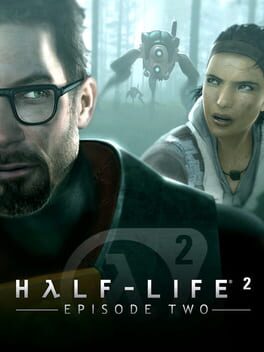


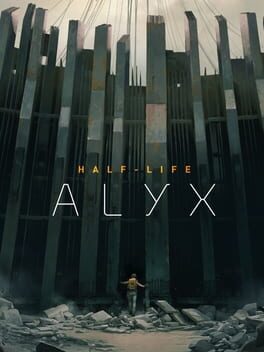
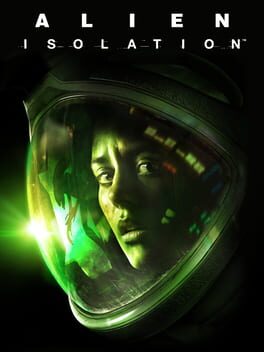
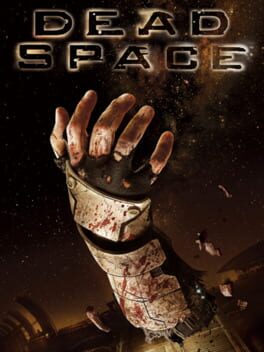
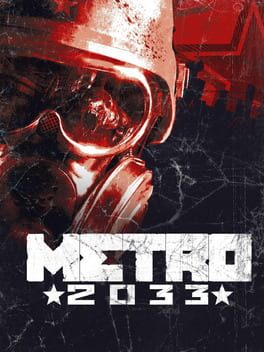
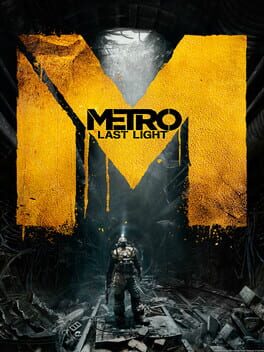
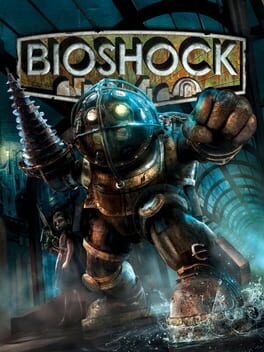
If You Love the Feel: Atmospheric Sci-Fi Shooters
Games with that same slow-burn dread, environmental storytelling, and emergent tension


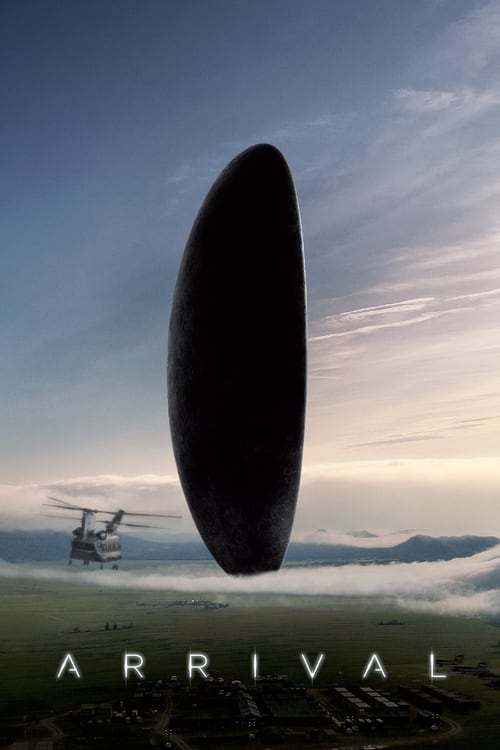
The Same DNA on Screen: Alien Invasion and Occupation Films
The films Half-Life fans reach for when the controllers are down

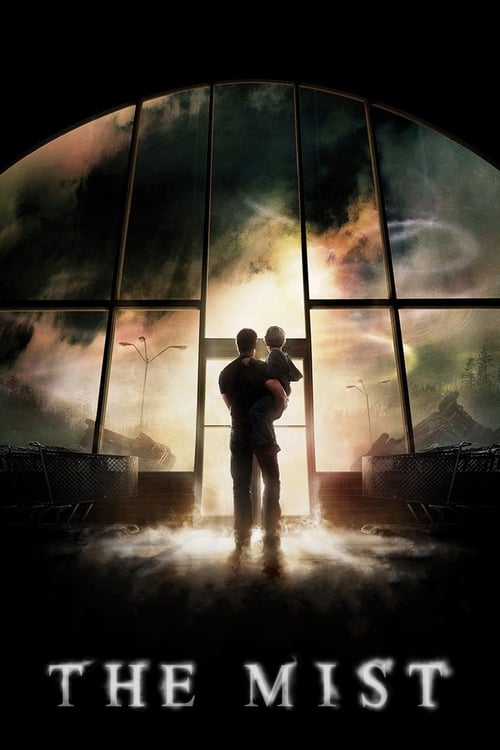

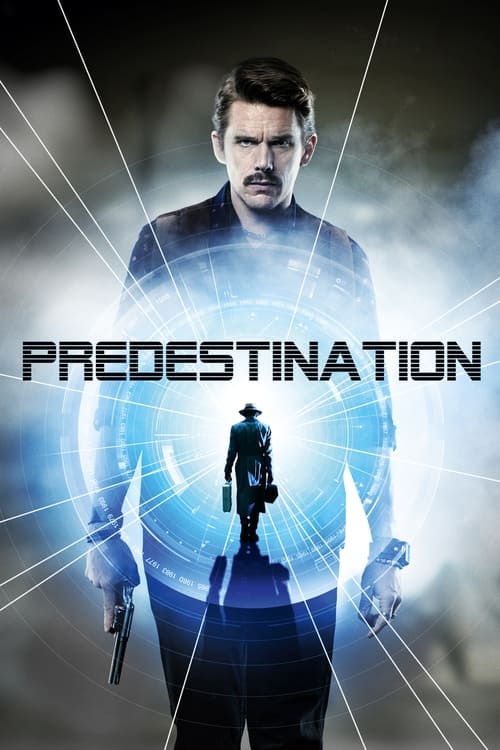
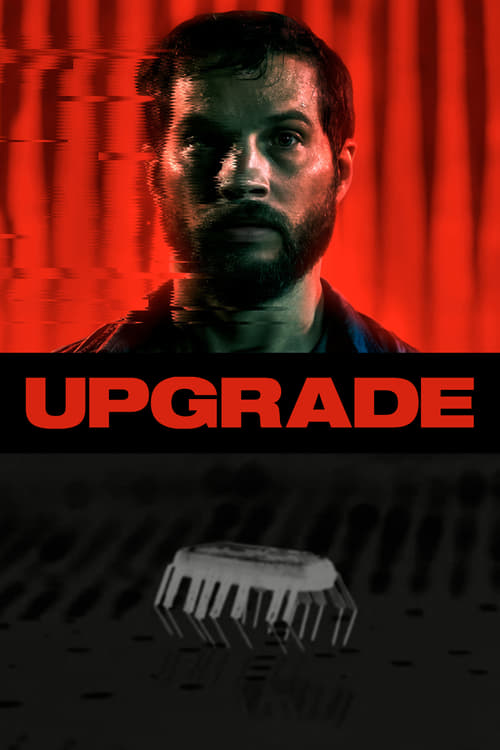
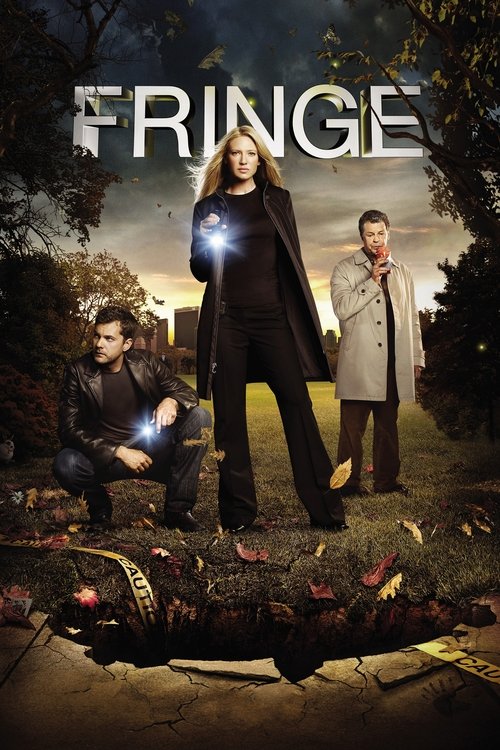
Dystopia on the Small Screen
Series with Half-Life 2's atmosphere of occupied cities and quiet resistance

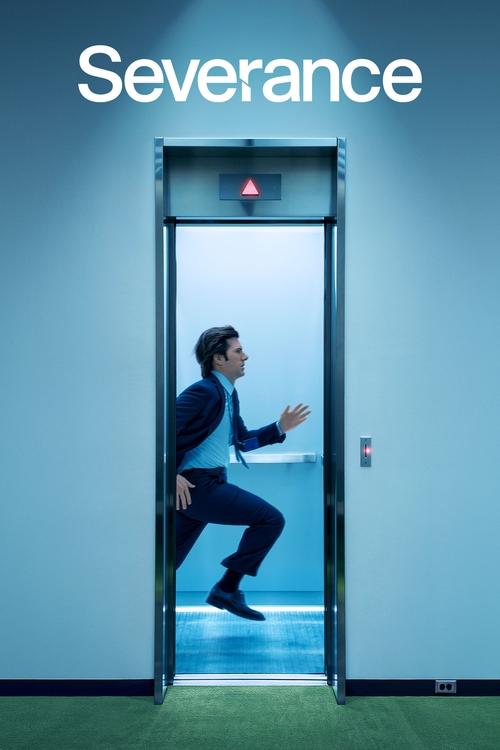

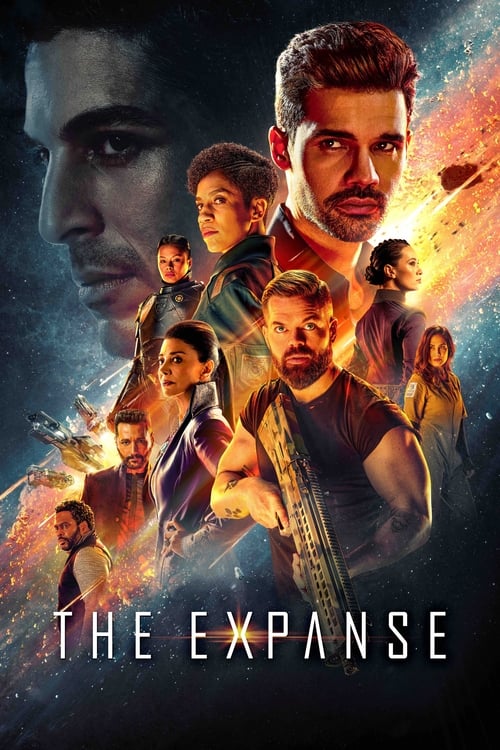

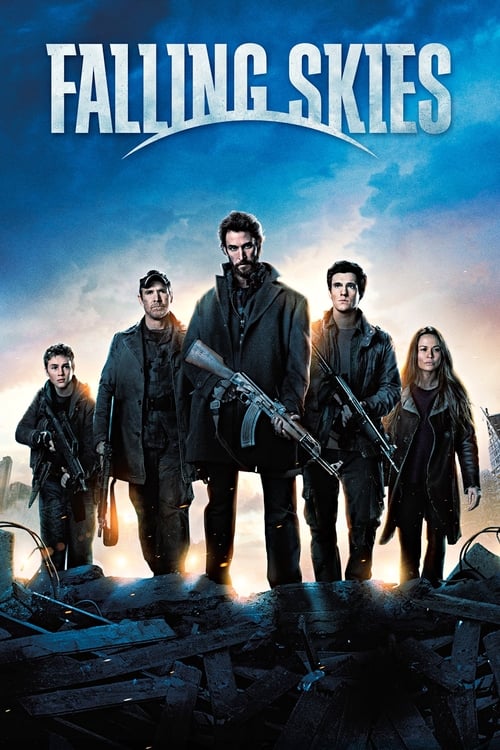
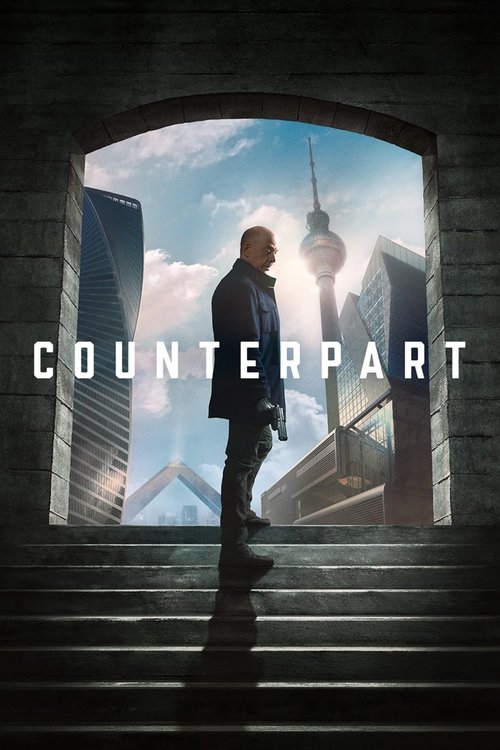
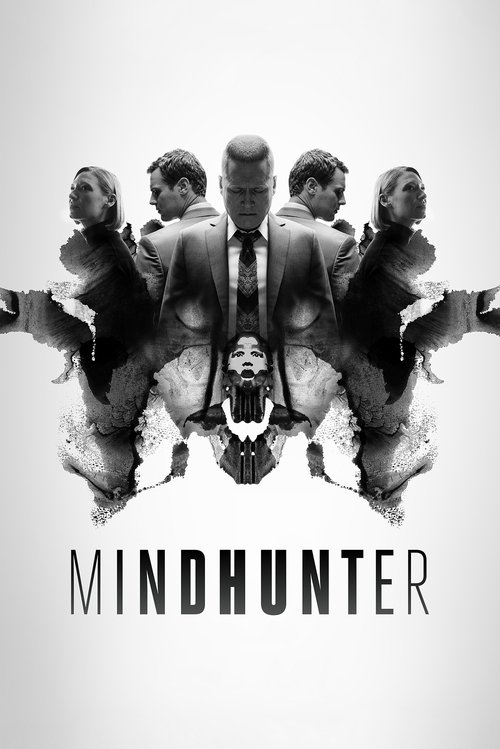
Read This Next: Sci-Fi That Shares the Wavelength
Novels with Half-Life's blend of hard science, alien mystery, and human fragility
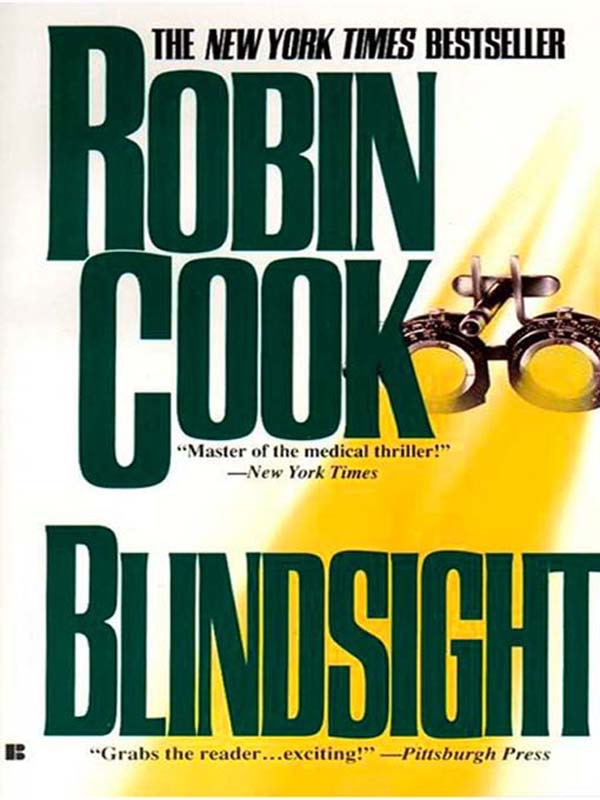


Roadside Picnic Is Half-Life's Literary Blueprint
Arkady and Boris Strugatsky published Roadside Picnic in 1971 and invented a thought that Half-Life later made playable: aliens visited Earth, left their inexplicable debris behind, and departed without explanation. The Zone the Stalkers navigate is Black Mesa's ancestor, a space that obeys rules humans can only partially reverse-engineer. Gordon Freeman is a Stalker who happens to work there. If you want to understand why Half-Life feels so much larger than its corridors, reading Roadside Picnic will show you where the ceiling went.
Prey (2017) Is the Spiritual Sequel Nobody Planned
Arkane's Prey reimagines a space station quarantine using the same first principles Half-Life used for a research facility: give the player a credible built environment, then systematically destroy its logic from within. The mimics echo the Headcrabs' transformation horror, the GLOO cannon has the same satisfying physicality as the gravity gun, and the ending is genuinely interested in the same questions about identity and choice that Half-Life's G-Man always implied. It is not a clone; it is a tribute by people who understood what made the original matter.
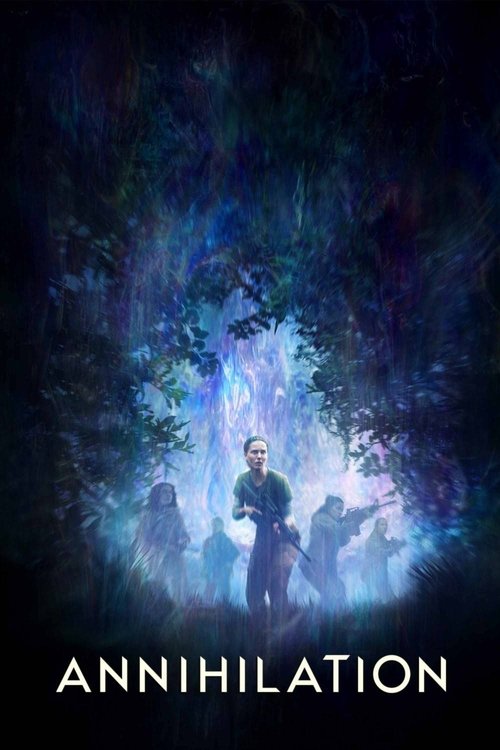
Annihilation Does on Film What Half-Life Does in Games
Alex Garland's Annihilation shares Half-Life's refusal to explain itself to the audience. The Shimmer, like the resonance cascade, is a rupture in the normal world that the protagonists must enter even though entering may be fatal and understanding may be impossible. Both works trust that dread scales with mystery, not with exposition. Watch Annihilation and you will recognise the specific kind of unease Black Mesa generates: not fear of monsters, but fear of a physics that no longer agrees with you.
Half-Life 2 Is a Resistance Story Wearing a Shooter's Clothes
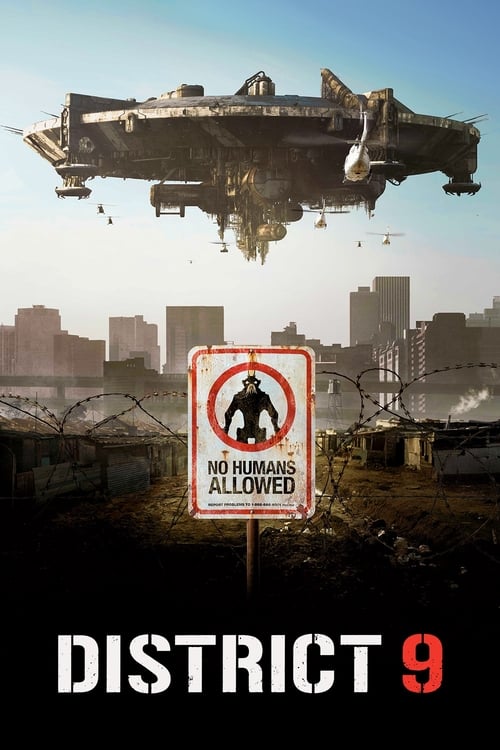
City 17 under the Combine is Valve's most underrated achievement: a living argument about occupation, collaboration, and survival that never stops the game to deliver it as a lecture. The citizens who look at their shoes, the Civil Protection officers who chose the uniform, the Resistance fighters who built a radio station in a ruin, all of it is worldbuilding through object placement and NPC body language. District 9 and Falling Skies mine similar territory on screen, but Half-Life 2 is the rare work where you feel the politics through your hands on the controller.
Half-Life: A Timeline of the Universe
- 1998Black Mesa Incident
- 1999Opposing perspectives at Black Mesa Half-Life: Opposing Force
- 2001Security shift, Blue Shift released Half-Life: Blue Shift
- 2004City 17, 20 years later Half-Life 2
- 2006Gordon and Alyx push deeper into the Combine Half-Life 2: Episode Two
- 2007Portal released alongside The Orange Box Portal
- 2011Portal 2 expands Aperture lore Portal 2
- 2020Alyx Vance centre stage in VR Half-Life: Alyx
Alien invasion and lab experiments gone wrong
Alien Contact
Explore the Alien Contact guide →The crowbar is the most honest weapon in game history: not elegant, not military, just a scientist refusing to be useless.CrossBinge