
Hans Zimmer did not invent film music, but he redefined what it could feel like. Starting in the late 1980s as a synthesizer-savvy collaborator and evolving into the dominant voice in Hollywood scoring, Zimmer built a sound that is immediately recognizable: modular, evolving textures layered over massive orchestral swells, often anchored by a simple melodic cell that repeats and transforms until it becomes something close to religious. His work on films like Gladiator, Inception, Interstellar, The Dark Knight, and Dune proved that a soundtrack could be the emotional backbone of a blockbuster, not mere wallpaper. Fans of Zimmer tend to love that feeling of scale, of something vast and personal at the same time, and that feeling radiates outward into epic games, literary science fiction, and the broader world of orchestral and ambient music.
Essential Hans Zimmer
The scores and albums that define the Zimmer sound
The Films Behind the Music
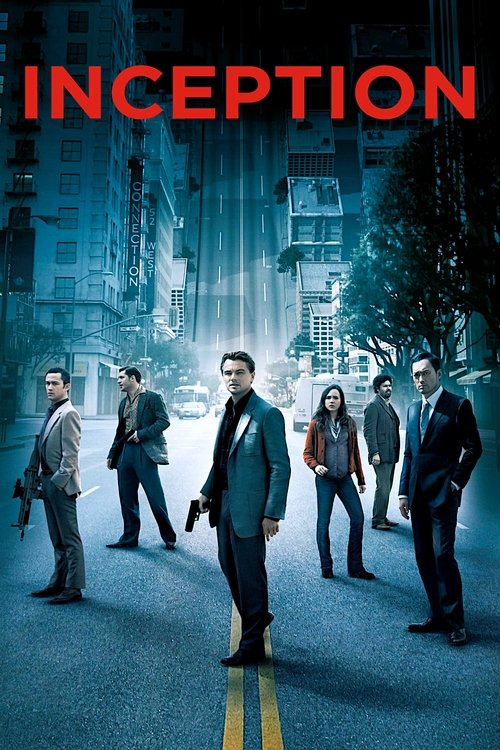
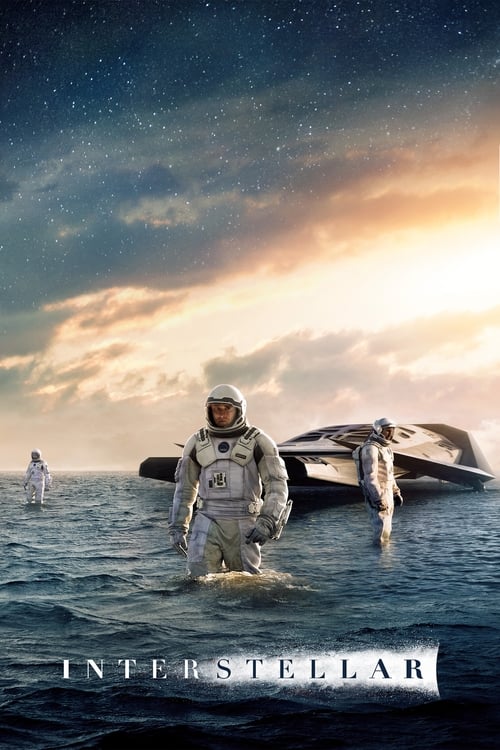
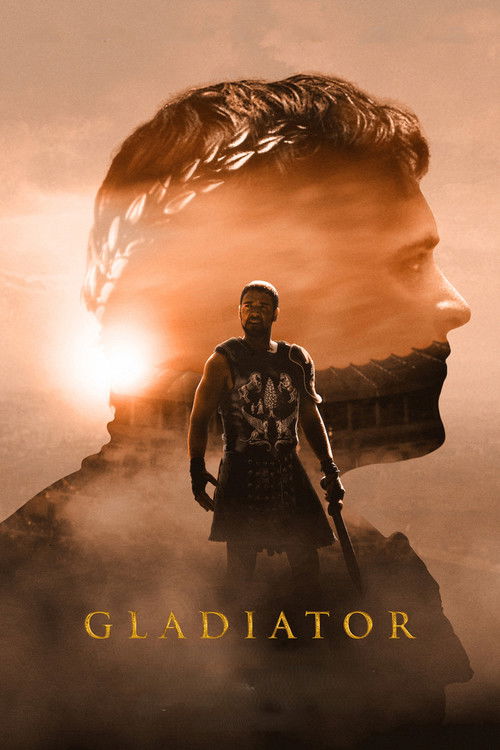
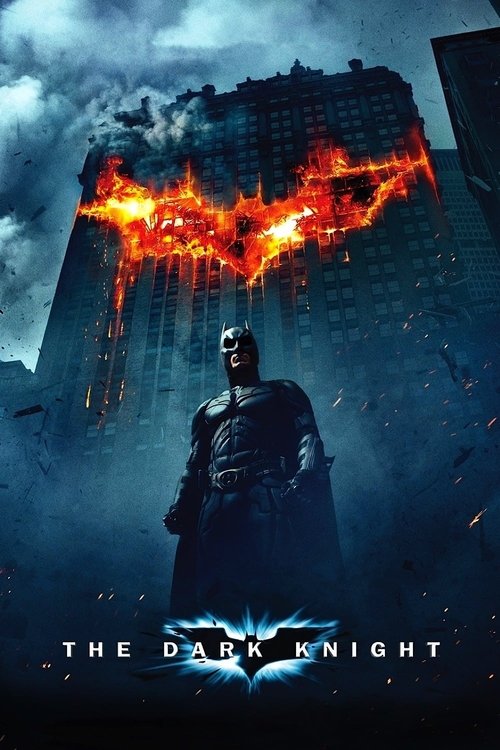
The greatest movies Zimmer scored, worth watching for the sound alone

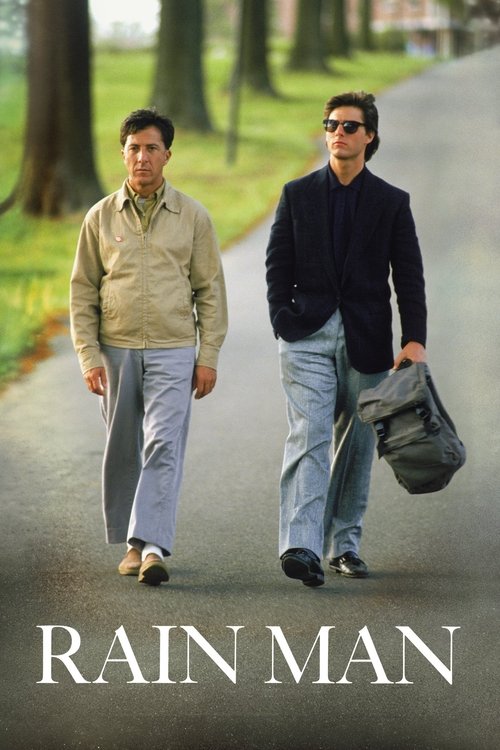
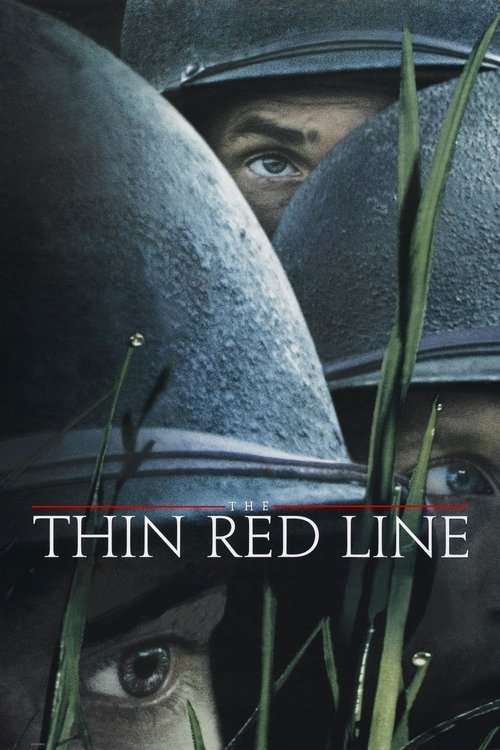
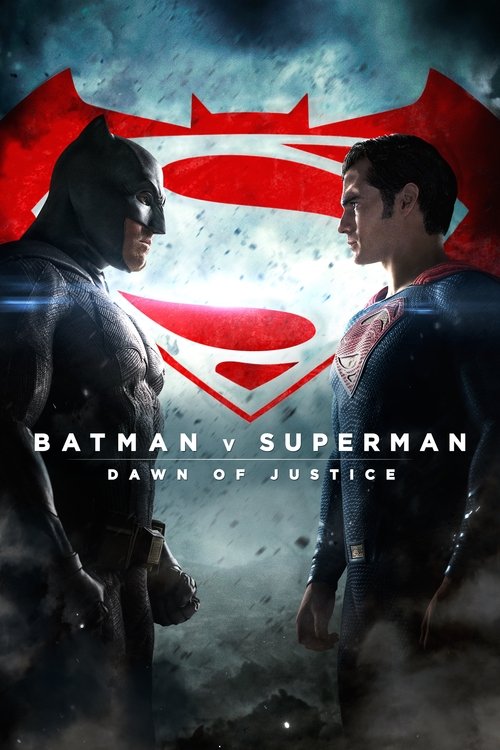
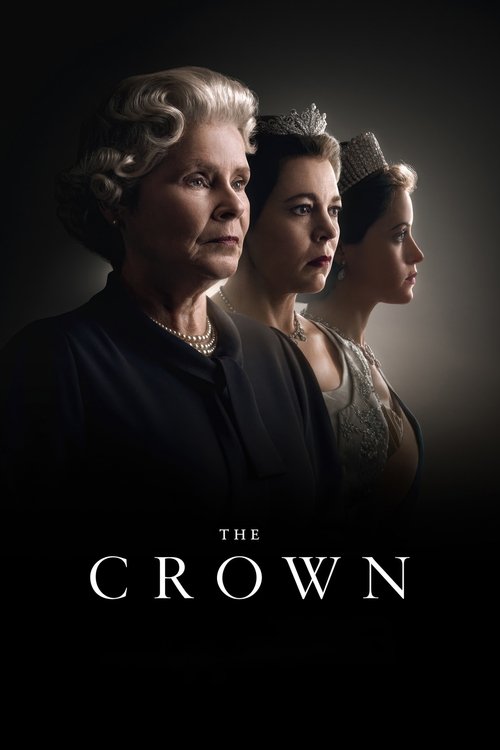
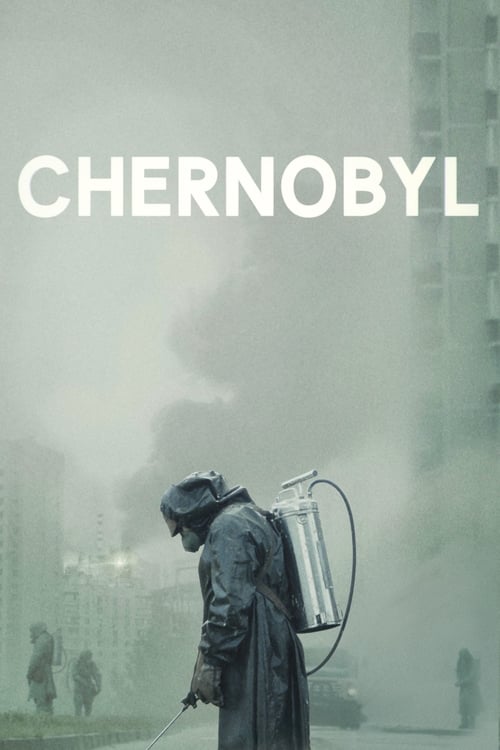
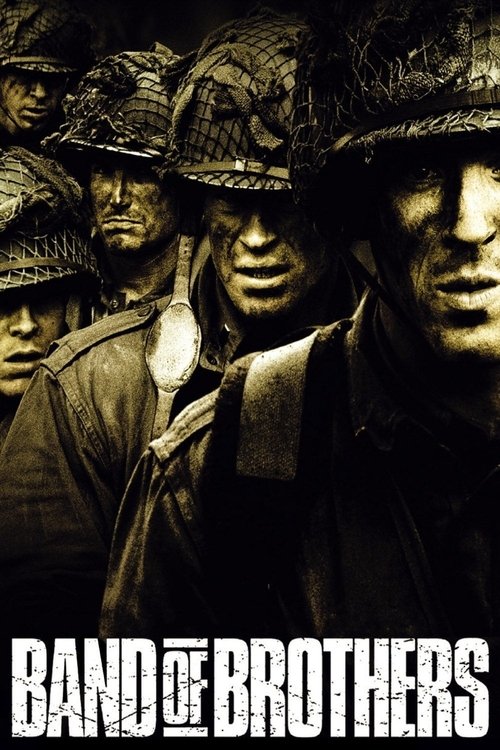
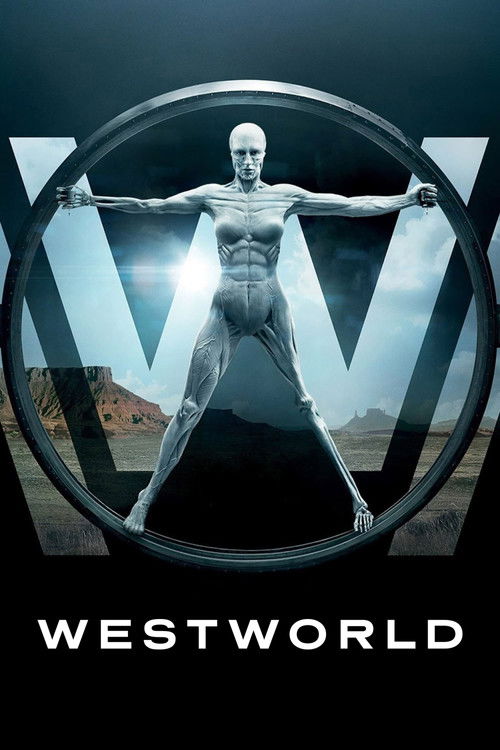
Series Scored to the Same Scale
Television that matches Zimmer's ambition: high stakes, big sound



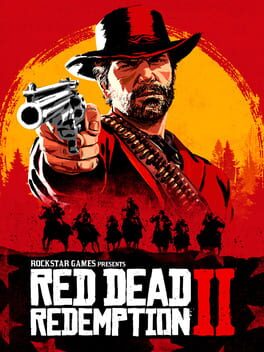
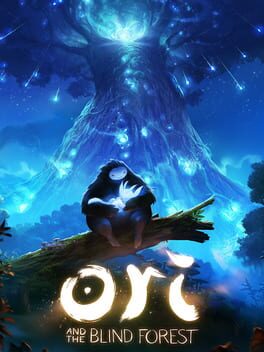
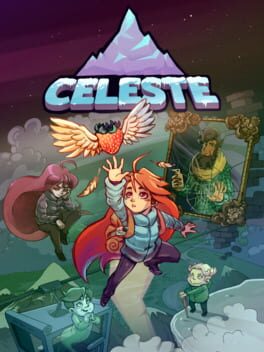
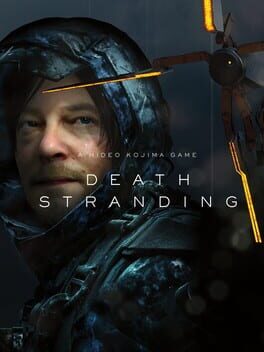
Games Where the Score Is the Soul
Games with soundscapes as immersive and emotionally overwhelming as Zimmer's best




Books for the Epic-Scale Mind
Science fiction, history, and adventure that carries the same sense of vast consequence


Inception Changed How Scores Work
The Inception score introduced a new grammar: the slowed-down vinyl-warp of Edith Piaf as structural DNA, brass hits timed to narrative beats, and the now-iconic BRAAAM that every trailer borrowed for the next decade. It was the moment film music stopped being atmospheric and started being architectural. Zimmer composed not just emotion but perception itself.
Interstellar Is His Quietest Masterpiece
Where most Zimmer scores swell outward, Interstellar reaches inward. The organ tones on tracks like 'Detach' and 'Stay' strip away the bombast entirely, leaving something closer to liturgical music than a blockbuster soundtrack. Christopher Nolan recorded the organ at Temple Church in London, and the result is a score that genuinely sounds like the edge of the universe. No tricks, no synths. Just time and weight.
The Dark Knight Proved a Score Could Be Dread
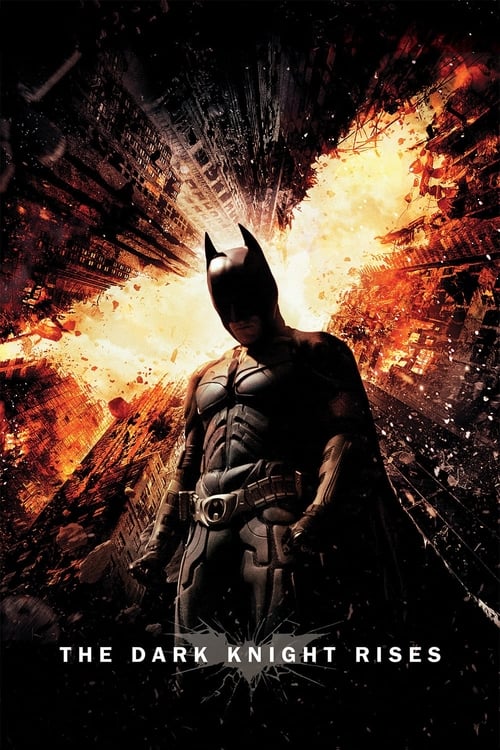
Co-composed with James Newton Howard, The Dark Knight score is built on anxiety more than melody. The Joker's two-note motif, a half-step interval played on prepared strings, is one of cinema's most effective uses of dissonance as character. It never resolves. It just keeps climbing. The score does not tell you how to feel about chaos. It makes you feel it.
Dune Reinvented What Epic Sounds Like
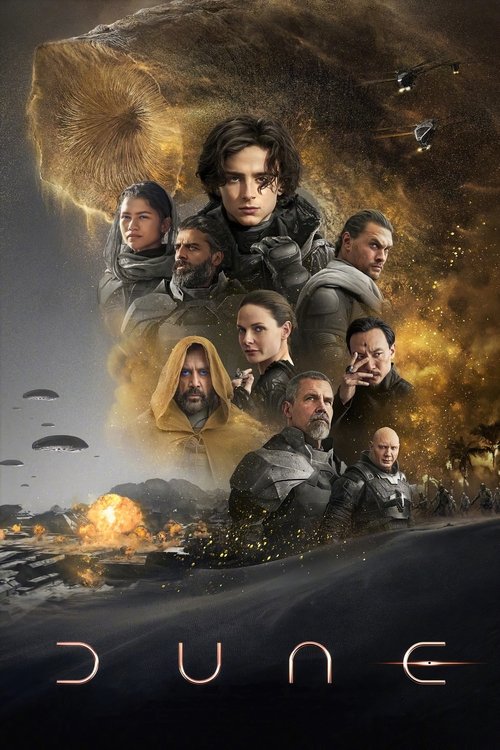
Zimmer's score for Denis Villeneuve's Dune is his most alien: throat singing, hammered dulcimer, custom-built instruments, and female vocals processed into something entirely inhuman. It is not Western orchestral music. It is not ambient. It is its own category, and it makes every frame of the film feel like it is arriving from a civilization we have not yet imagined.
A Career in Cinematic Sound
- 1988Feature debut
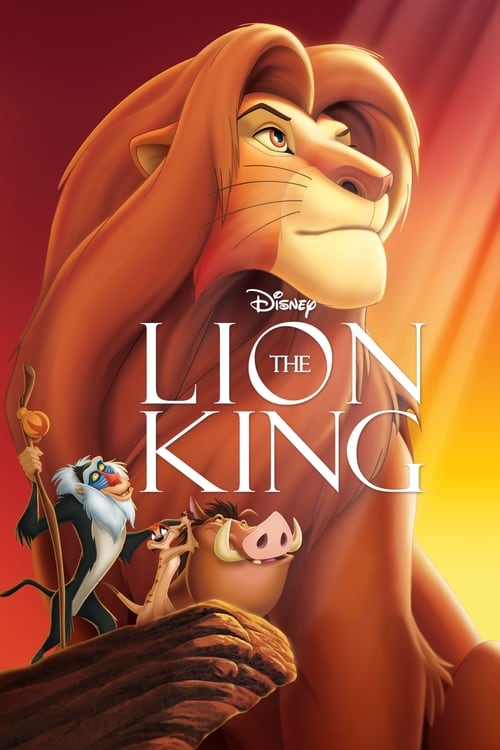
- 1994Academy Award win The Lion King: The Gift
- 2000Roman epics
- 2005Dark superhero era begins Batman Begins
- 2008Dread as melody The Dark Knight
- 2010The BRAAAM heard round the world
- 2014Organ and infinity Stella
- 2017Pure percussion
- 2021A new sonic language
More sweeping cinematic scale
For Fans of John Williams
Explore the For Fans of John Williams guide →Music is the space between the notes. Hans Zimmer has spent four decades making that space feel like everything.CrossBinge