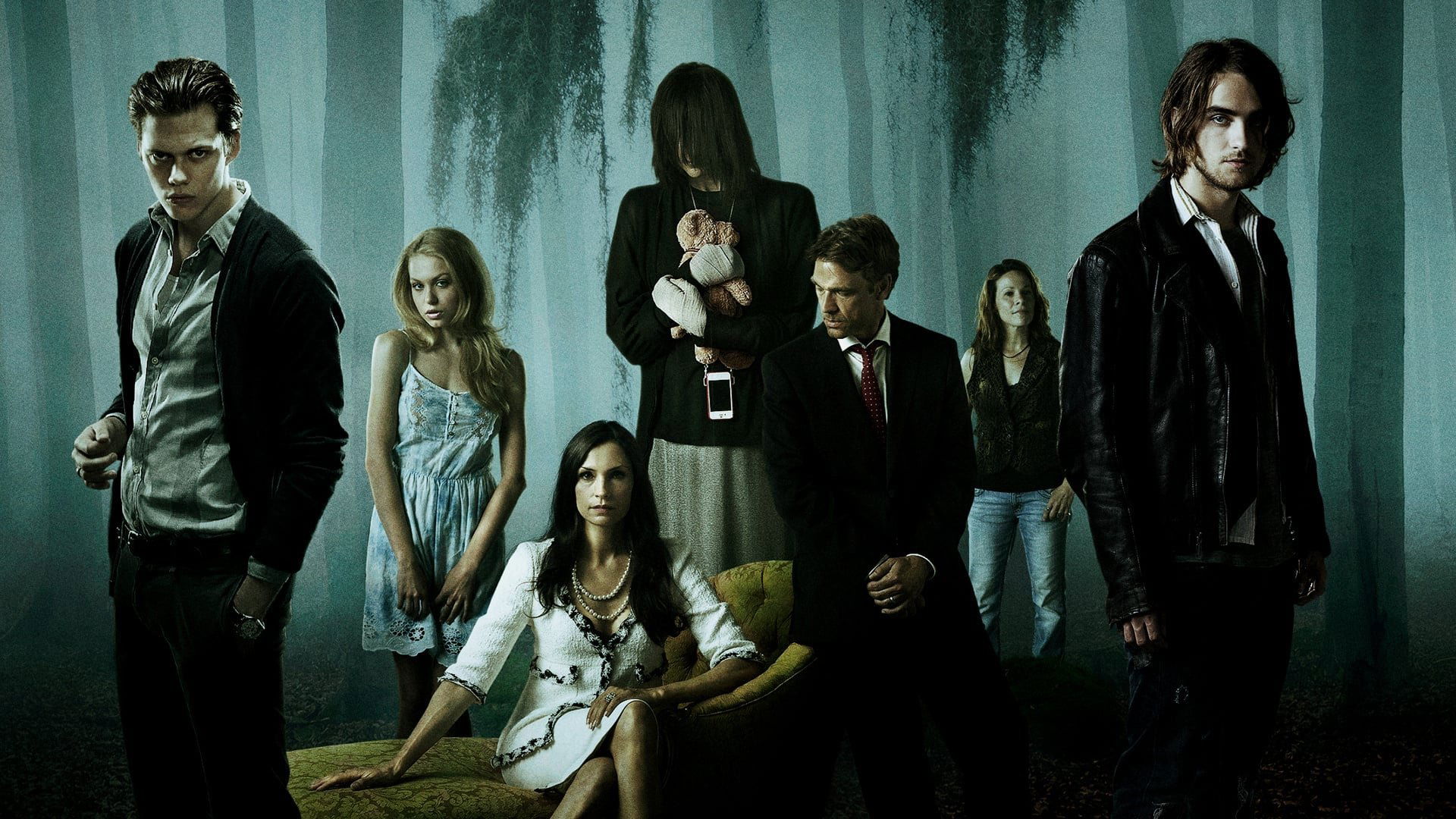

Hemlock Grove ran on Netflix from 2013 to 2015, adapting Brian McGreevy's 2012 novel of the same name. Set in the fictional Pennsylvania town of Hemlock Grove, it blended small-town secrets with werewolf mythology, Frankenstein-tinged science horror, and a genuinely unsettling sense that wealth and poverty can both breed monsters. What fans chase is its particular cocktail: slow-burn dread, grotesque transformation sequences that stay with you, class resentment simmering beneath every polite exchange, and a willingness to let the weird get truly weird. The show never explained too much, and that restraint gave it a cult following long after it ended.
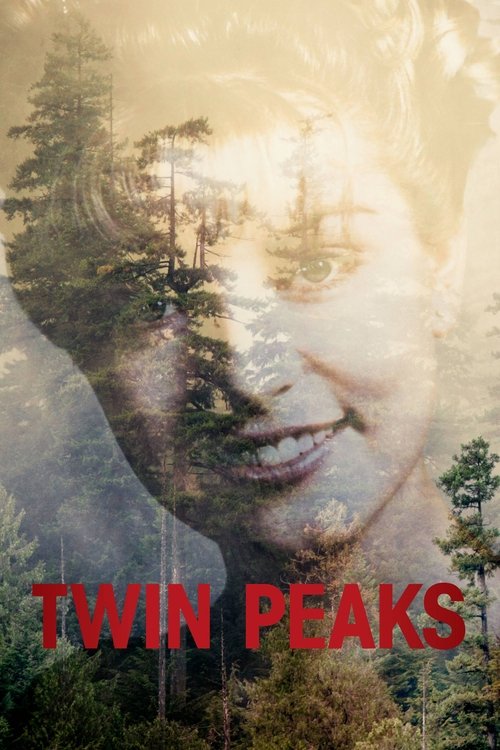
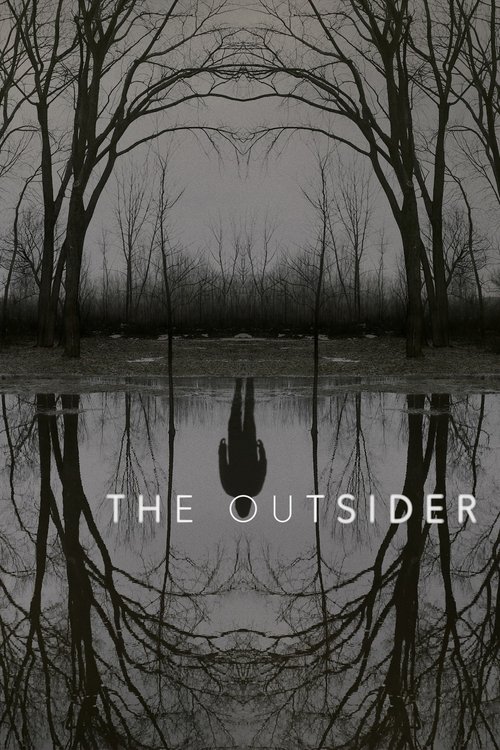
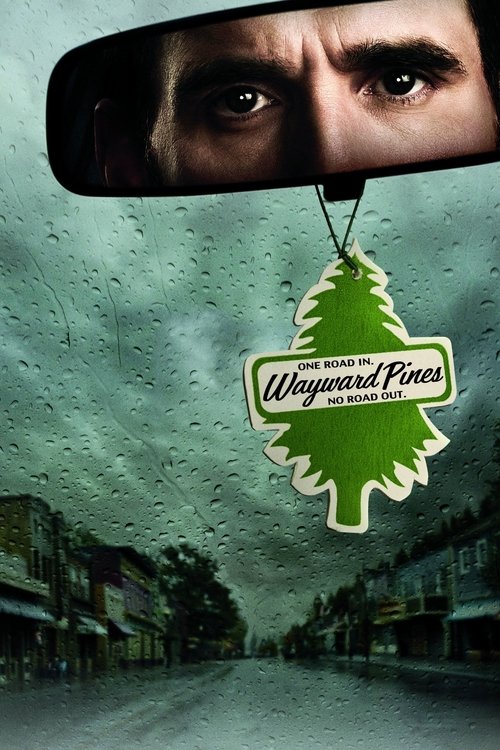
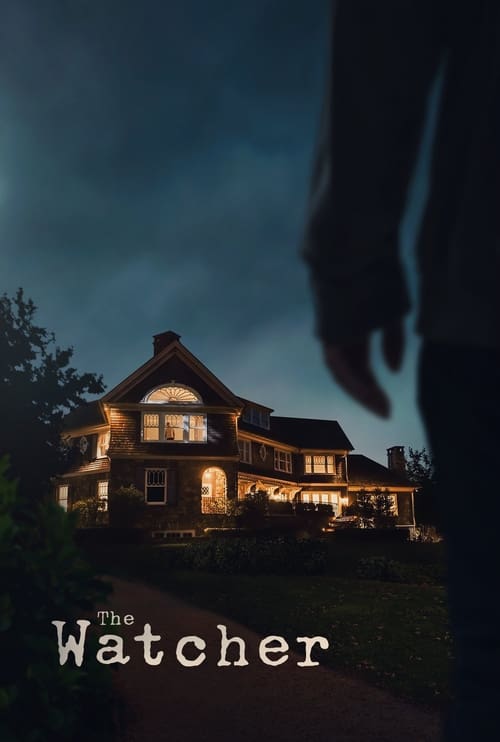
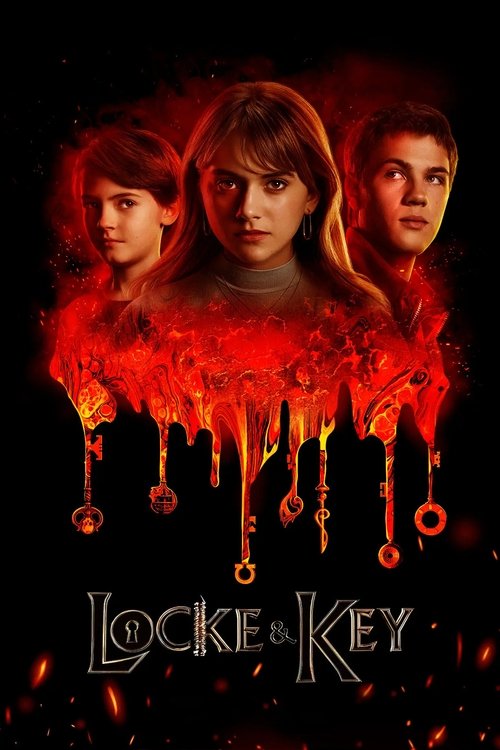
Small-Town Dread: Series That Share the Gothic Zip Code
Shows where the town itself is the monster, secrets rot beneath the surface, and leaving is harder than it looks.
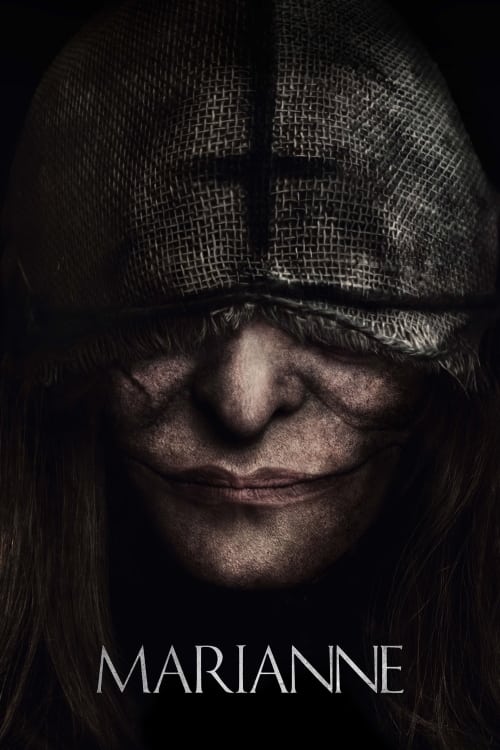
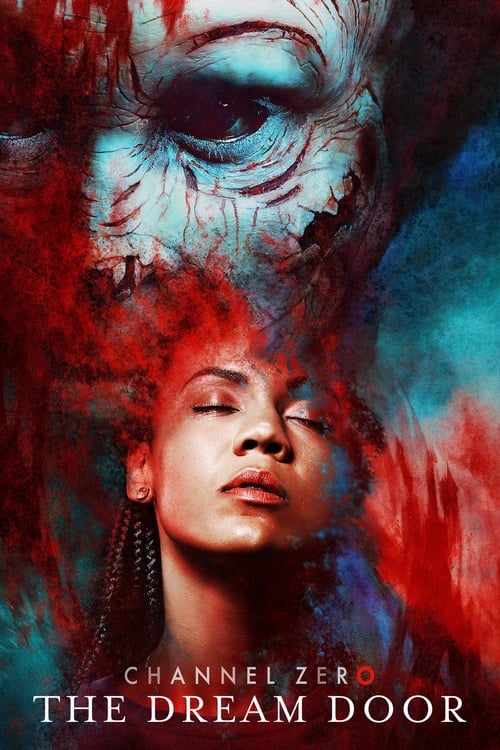
Body Horror and the Beast: Films in the Same Vein
Movies where transformation is visceral, identity is unstable, and the horror is as much about flesh as it is about fear.
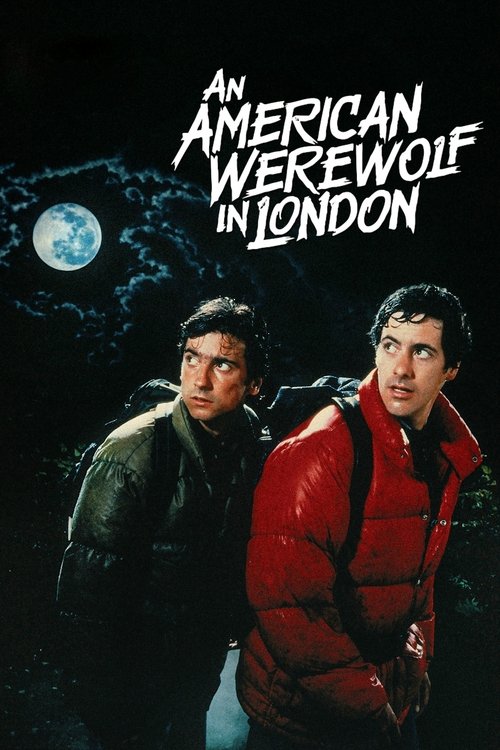
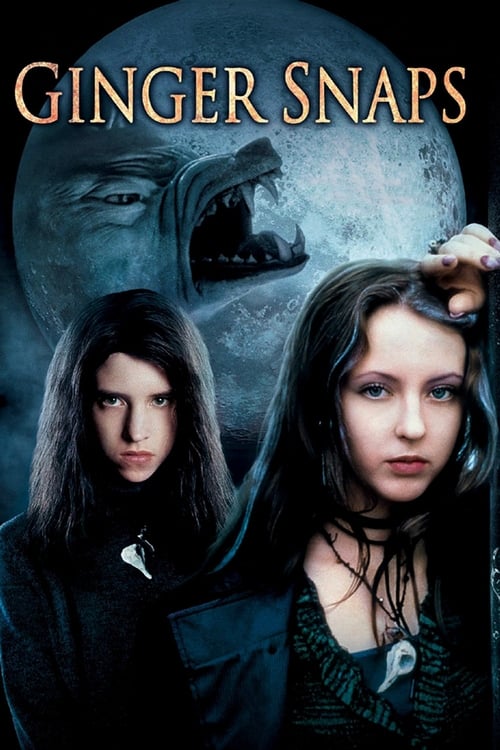

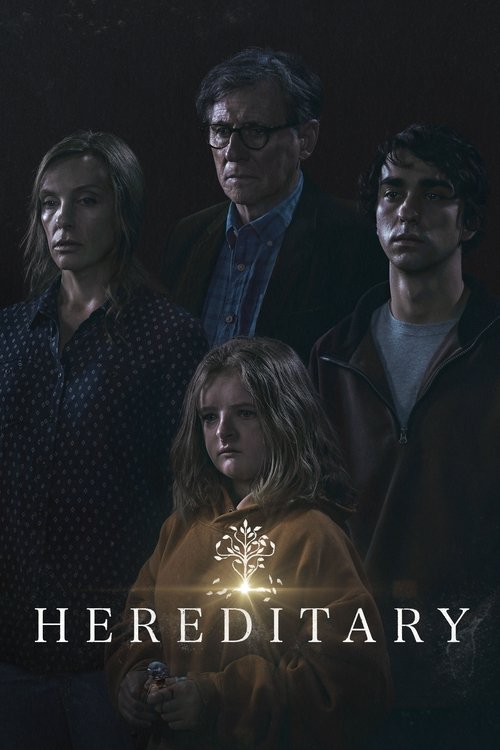
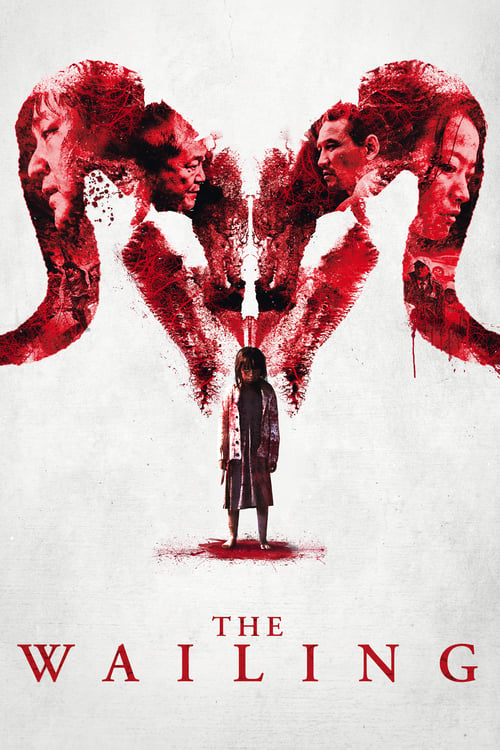

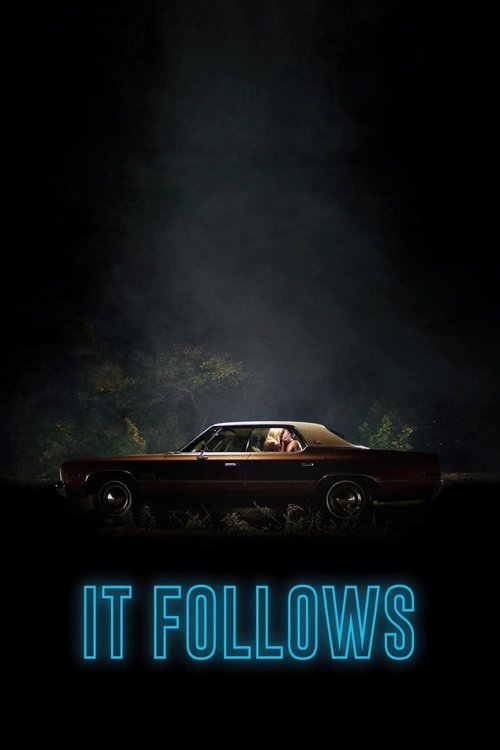
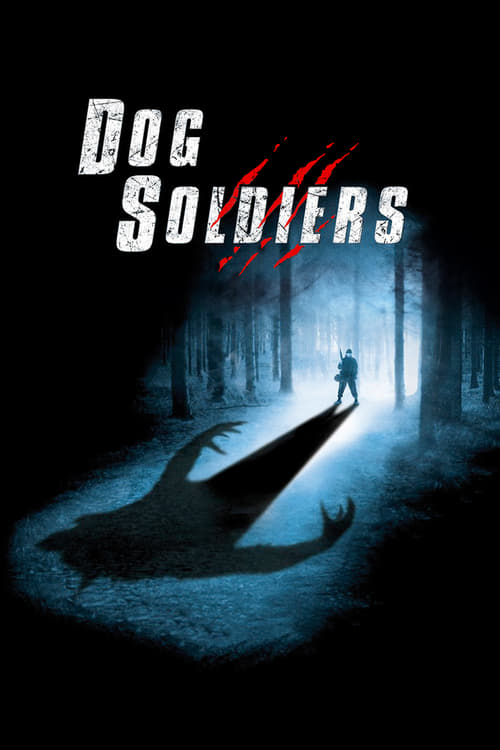
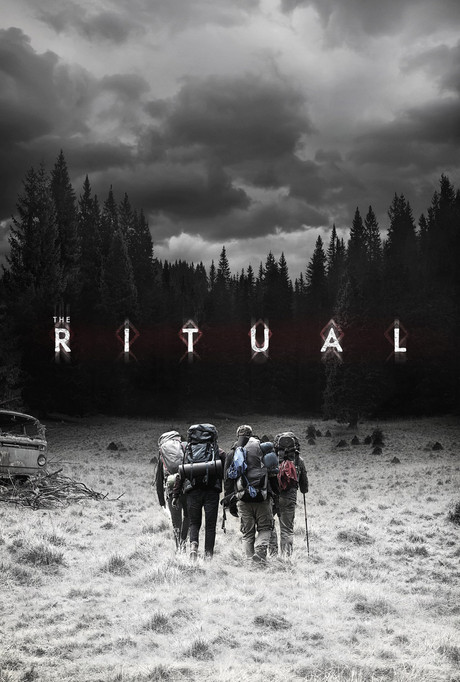
Gothic Fiction and Rural Horror: Books for the Same Itch
Novels that mix class, place, and the supernatural into something that feels authentic and deeply strange at once.


Games That Go Dark and Gothic
Games that share Hemlock Grove's atmosphere: decaying places, shapeshifting threats, and horror rooted in who people really are underneath.
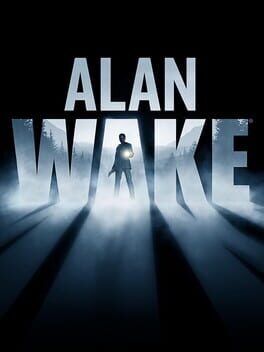
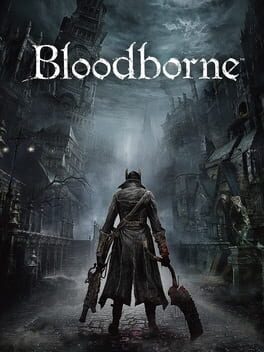
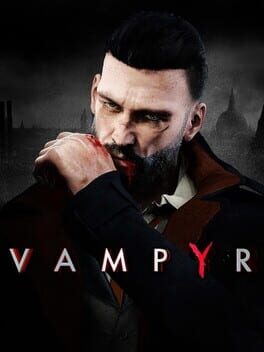
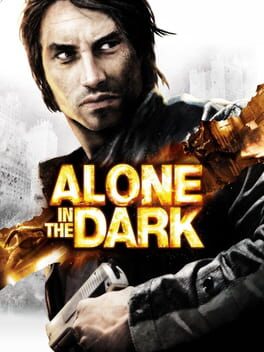
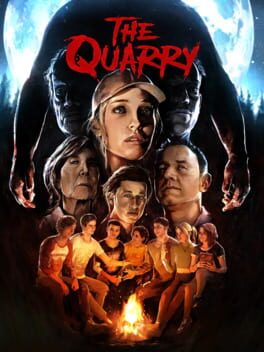
The Werewolf Transformation Is Still the Benchmark
Hemlock Grove's werewolf transformation sequence, which tears the human body inside-out and sheds it like a cocoon, became a reference point for practical-effect body horror in the streaming era. It was not about the monster that emerges. It was about the cost of becoming it. Peter Rumancek's change was ecstatic and awful in equal measure, and the show never let viewers look away. That unflinching quality is what separates the series from friendlier supernatural fare.
Class Is the Real Horror
Hemlock Grove never let you forget that the Godfrey Institute and the Godfrey mansion sat in a town where people lost factory jobs. The resentment between Roman and Peter, between old money and Roma outsider, is not decoration. It is the engine. The supernatural elements work because the social horror underneath them is already real. Shows and films that ignore class produce monsters that feel weightless. Hemlock Grove did not make that mistake.
Shelley Godfrey and the Frankenstein Thread
The Shelley subplot drew directly from Frankenstein, and it was the show's most compassionate thread. A character who could not speak, who radiated a kind of terrible beauty, who was simultaneously the most human person in the cast. The show used her to argue that what we call monstrous is often just difference that makes us uncomfortable. That argument is older than Mary Shelley, but Hemlock Grove found a way to make it land fresh.
Hemlock Grove: From Novel to Netflix
- 2012Brian McGreevy publishes the novel Hemlock Grove, described as a reinvention of the American Gothic.
- 2013Netflix releases all 13 episodes of Season 1 at once, one of the early binge-drops of the streaming era. Hemlock Grove
- 2014Season 2 lands. The mythology deepens, the Godfrey Institute conspiracy expands, and the body count rises. Hemlock Grove
- 2015Season 3, the final run, resolves the core arcs. Netflix cancels the series after the conclusion airs. Hemlock Grove
Small Town Gothic and Body Horror
For Fans of Castle Rock
Explore the For Fans of Castle Rock guide →What Hemlock Grove understood is that the best gothic horror is a class portrait in monster clothing.CrossBinge