
The Man Who Makes Hong Kong Cinema Sweat
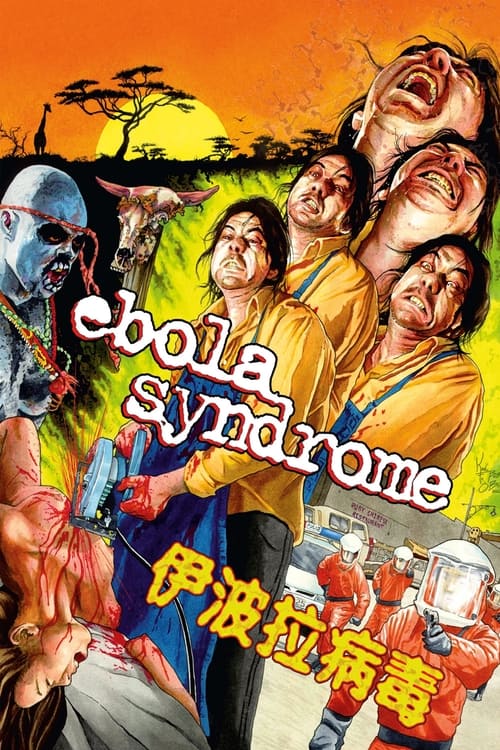
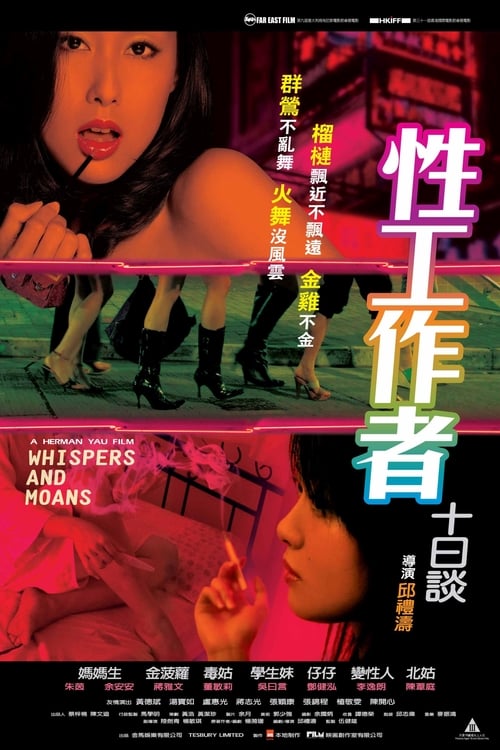
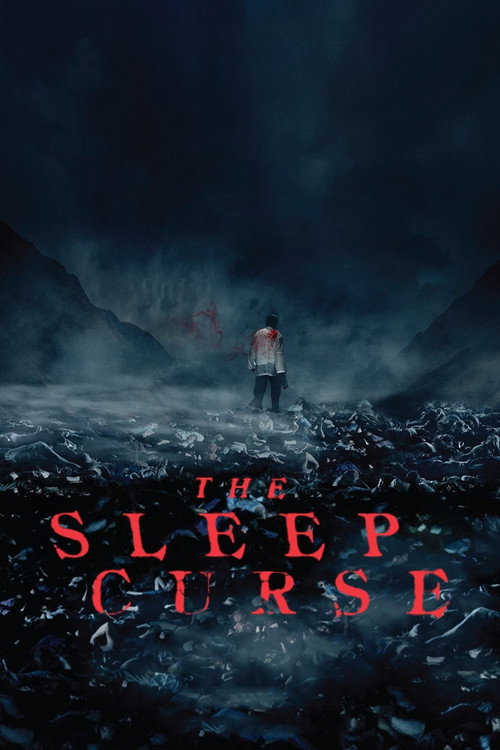
Herman Yau is one of Hong Kong cinema's most versatile and uncompromising directors, a craftsman who can pivot from stomach-churning Category III horror to lean social drama to big-budget action without losing what makes his work distinctive: an unflinching eye for human desperation, an instinct for provocative subject matter, and a collaborator's trust in extreme performance. He is probably best known in the West for the one-two gut-punch of The Untold Story (1993) and Ebola Syndrome (1996), both starring Anthony Wong at his most ferociously unhinged, films that earned their infamy through sheer unblinking commitment rather than mere shock tactics. But reducing Yau to his most notorious work misses a director with genuine range. Whispers and Moans (2007) is a quietly devastating portrait of sex workers that plays more like a social document than exploitation. Ip Man: The Final Fight (2013) is a melancholy, elegiac take on the Wing Chun master's final years. The Sleep Curse (2017) loops back to his horror roots with a WWII-era nightmare. Yau's career is a sustained argument that genre filmmaking can carry real moral weight, especially when it refuses to look away.
Essential Herman Yau
Where to start, where to go deep
Start with The Untold Story, not Ebola Syndrome
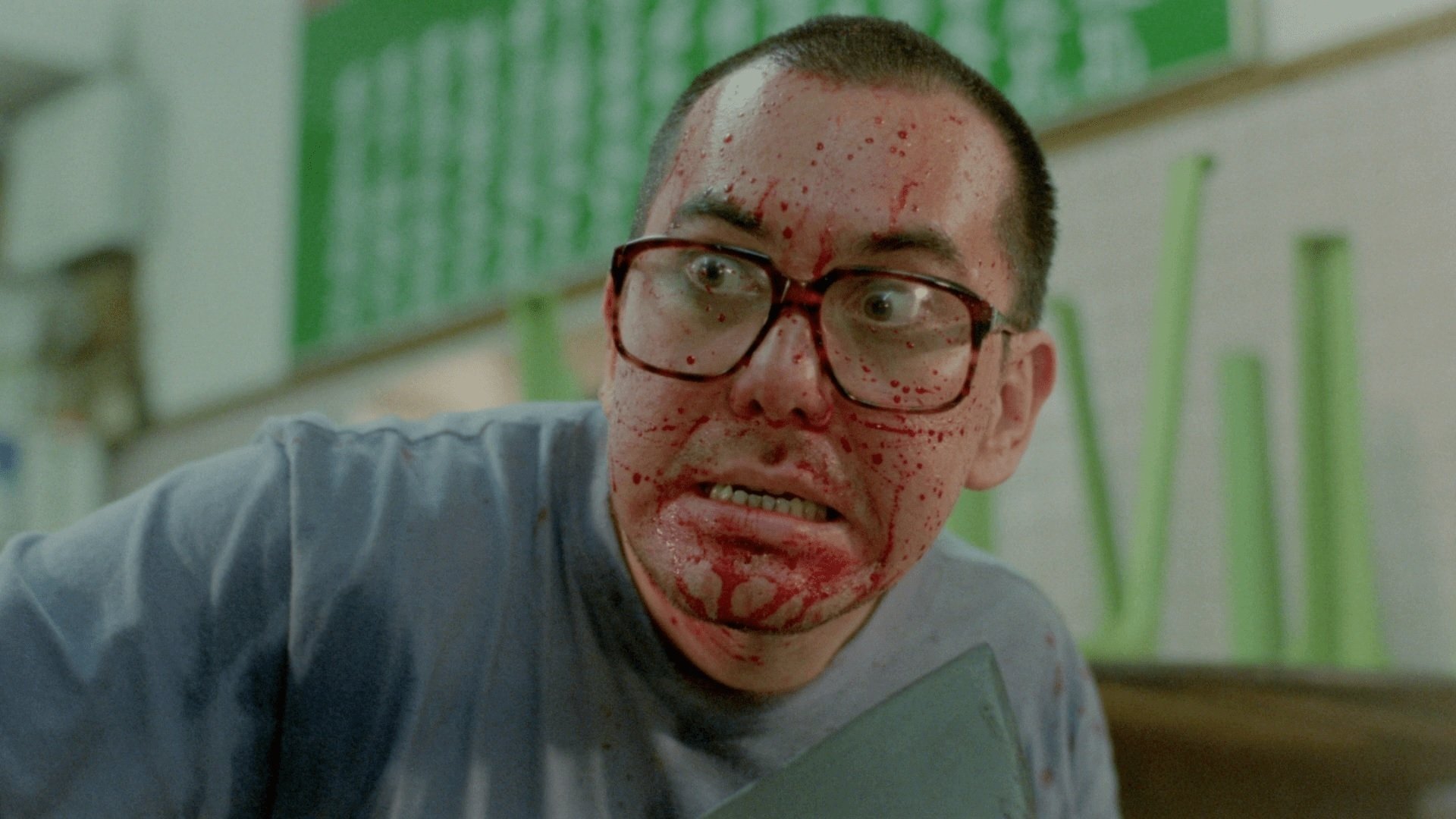
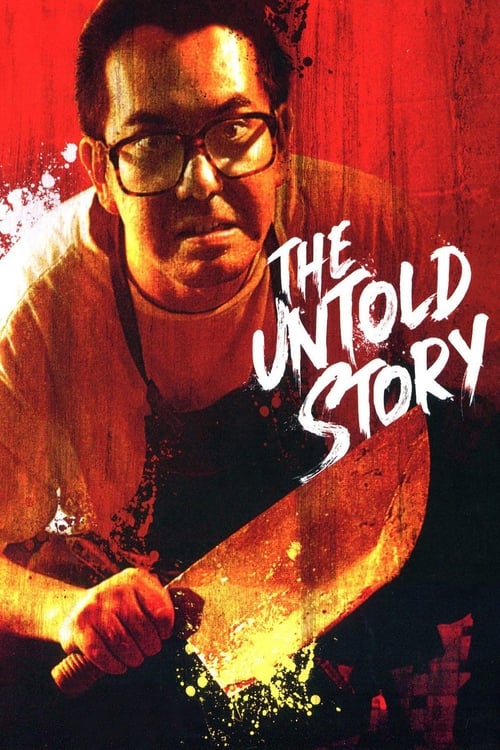
The Untold Story is the entry point because it is genuinely structured as a crime film, not just a provocation machine. The police procedural framing gives the horror somewhere to breathe, and Anthony Wong's performance has layers that Ebola Syndrome deliberately strips away. Start here and you understand what Yau is capable of when he is working with real narrative architecture. Ebola is the wall you hit after.
Hong Kong's Other Extreme Edge
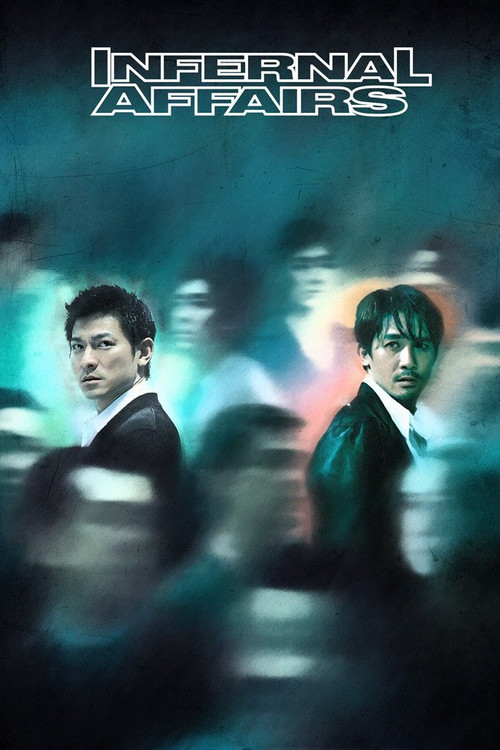
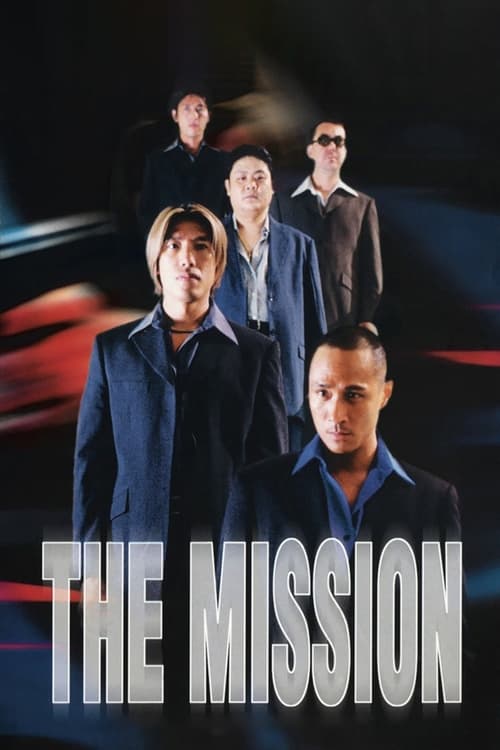
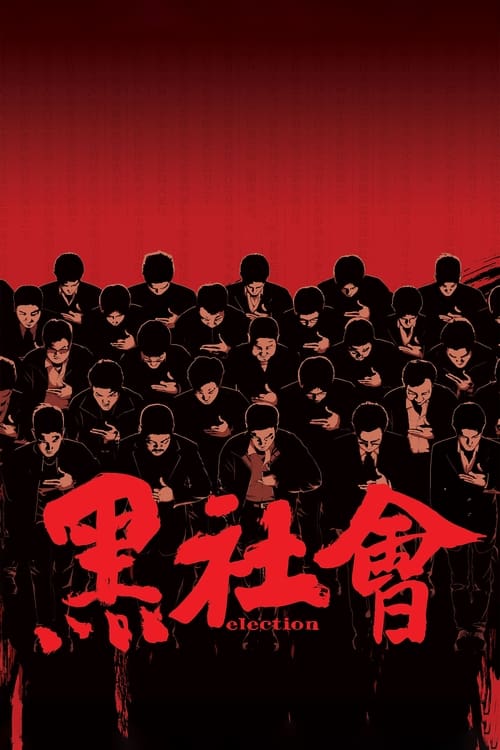
Category III contemporaries and fellow travellers
Social Realism with a Raw Edge
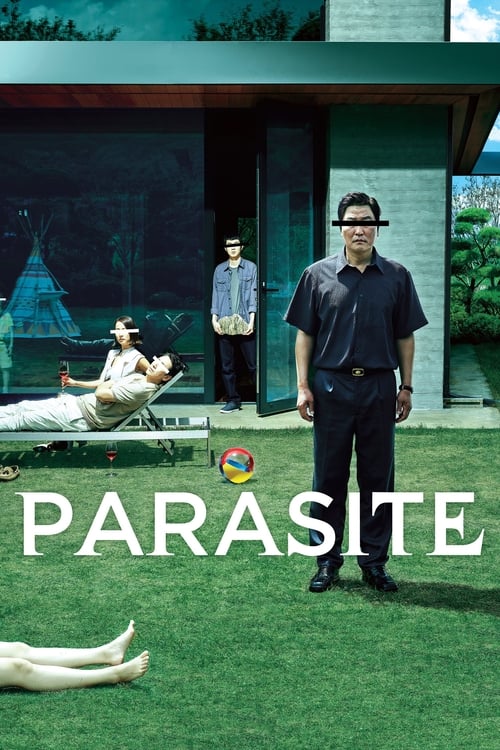
Films that look at lives the camera usually avoids
Whispers and Moans is his most underrated film
Whispers and Moans sits almost entirely outside the conversation around Yau's work, overshadowed by his Category III reputation. That is a shame, because it is a film of genuine empathy, following a group of sex workers through their daily routines with patience and without judgment. It has more in common with the social naturalism of Ann Hui than with the provocation of his more notorious films, and it is the clearest proof that Yau's lens on exploitation was never purely commercial.
Asian Horror That Goes to Dark Places
For fans of The Sleep Curse and the Category III horror lineage



Herman Yau: Career in Outline
- 1989Directorial debut with smaller productions in HK
- 1993The Untold Story breaks through The Untold Story
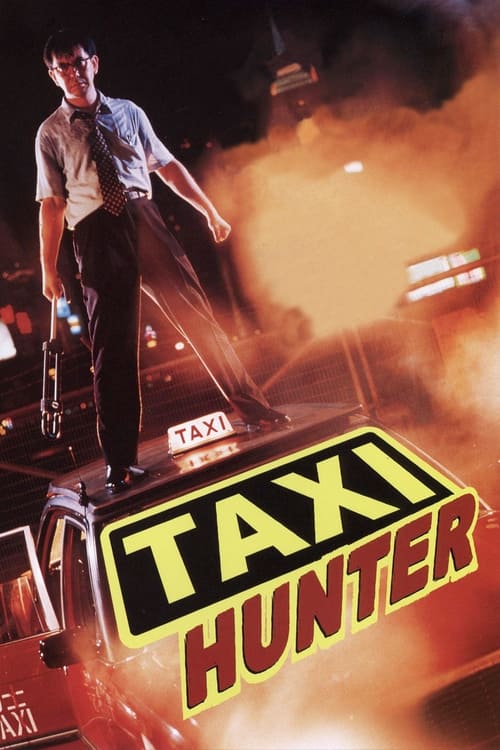
- 1993Taxi Hunter, Anthony Wong as vigilante commuter Taxi Hunter
- 1996Ebola Syndrome cements international notoriety Ebola Syndrome
- 2001From the Queen to the Chief Executive, political turn
- 2007Whispers and Moans, a quieter register Whispers and Moans
- 2013Ip Man: The Final Fight, mainstream martial arts
- 2017The Sleep Curse, WWII horror revival The Sleep Curse
- 2020Shock Wave 2, franchise blockbuster territory Shock Wave 2
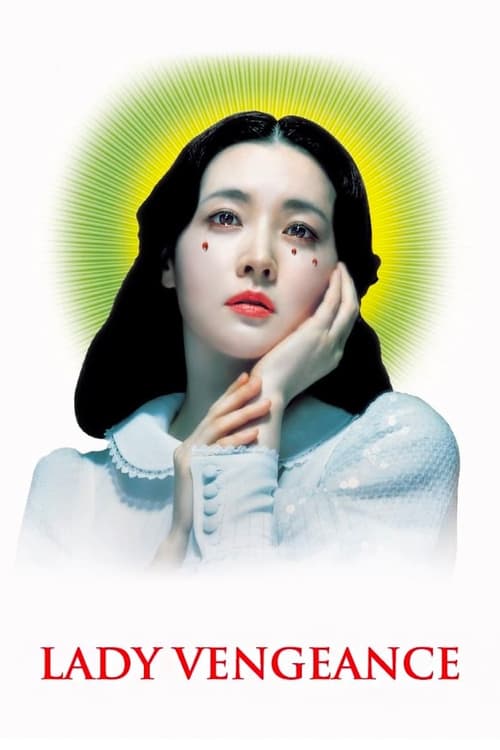
The spiritual successor is Park Chan-wook's Vengeance trilogy
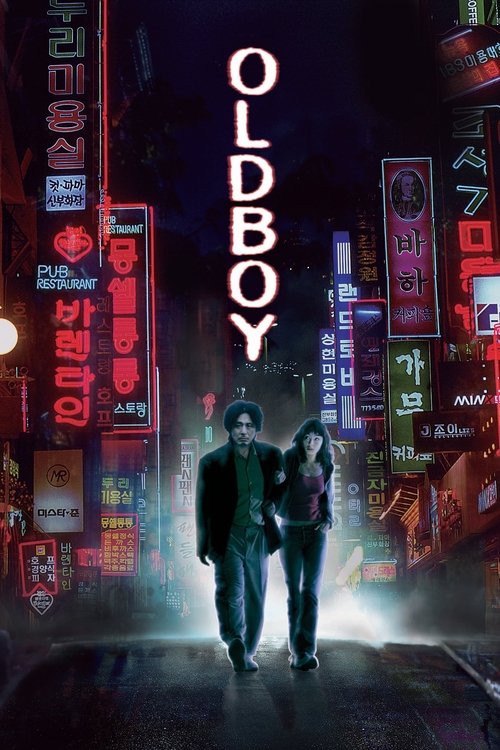
What connects Yau's best work to Park Chan-wook's revenge films is not the violence itself but the moral geometry around it: both directors make you inhabit a perpetrator's logic long enough to understand it without excusing it. Oldboy and Sympathy for Mr. Vengeance operate at a similar pitch to The Untold Story, where the horror comes not from gore but from recognizing the human machinery that produces it. Fans who bounced off Yau for being too transgressive often find Park more palatable without realizing the ethical move is identical.

Books That Share the DNA
Pulpy, moral, unsparing fiction from crime and noir


Yau's camera does not flinch, but it also does not leer. That distinction is everything.CrossBinge editorial
Ip Man: The Final Fight is where the blockbuster machine gets something true
The Final Fight is not the flashiest entry in the Ip Man franchise cycle and that is precisely why it works. Yau brings the same attention to unglamorous reality that he applied in Whispers and Moans, giving Anthony Wong space to play an aging master winding down in a changed Hong Kong rather than a mythic hero ascending. It is a late-career film about late-career life, and it sneaks genuine feeling into a commercial property.