
The Man Who Gave Hong Kong Its Guilty Pleasures
Wong Jing is the most brazenly commercial filmmaker Hong Kong ever produced, and he has never pretended otherwise. From the late 1980s onward he wrote, directed, and produced at a pace that shamed entire studio systems, turning out gambling comedies, Category III exploitation pictures, triad thrillers, and knockabout Stephen Chow vehicles with the same cheerful velocity. Critics spent decades dismissing him; audiences never stopped buying tickets.
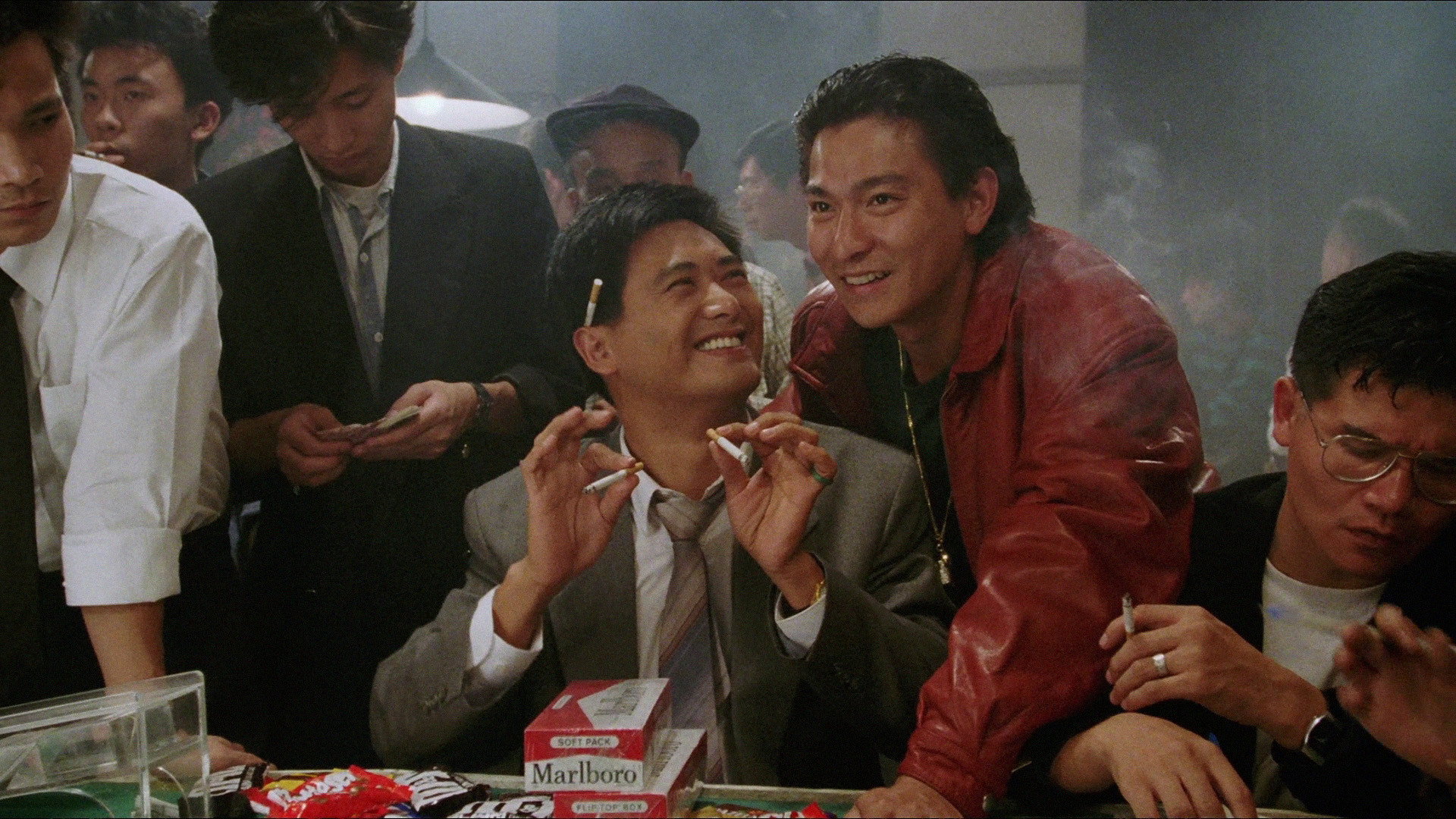
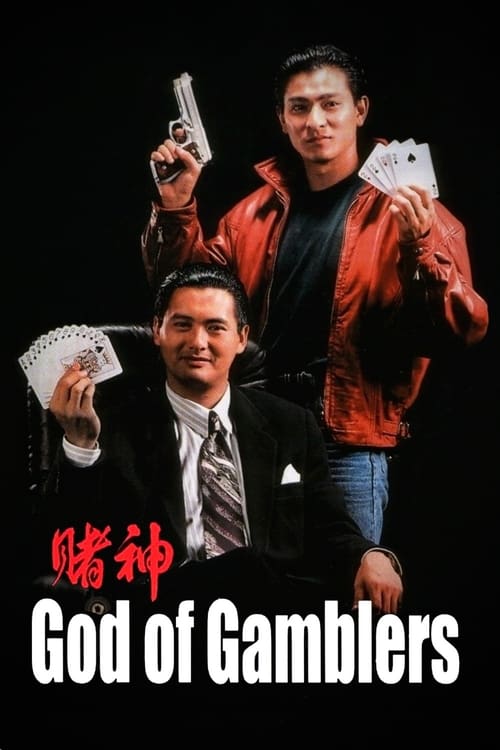
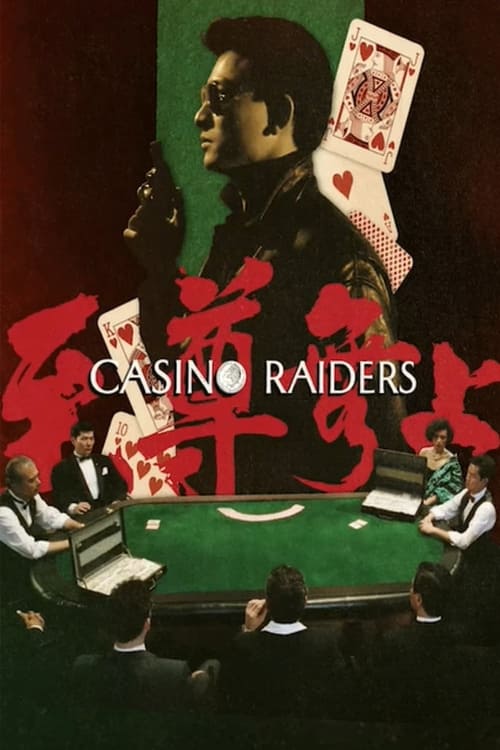
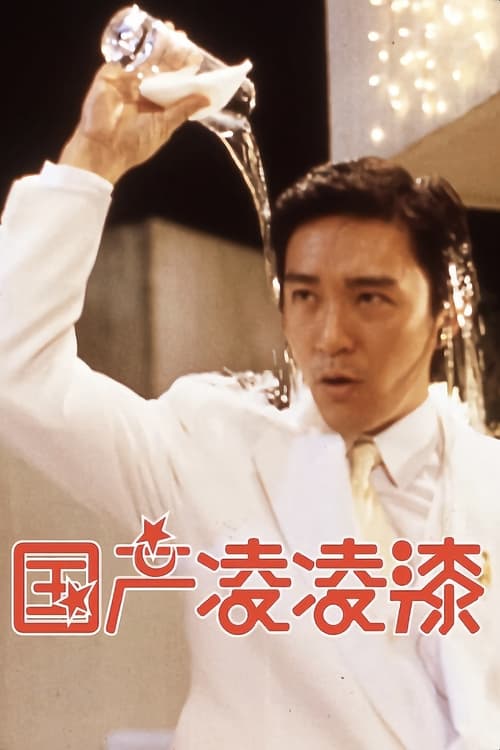
What his fans understand is that Wong Jing operates in a specific register: anarchic, crowd-pleasing, structurally loose but emotionally direct. His best work has a casino-floor energy to it, a sense that anything might happen and that the rules are there to be bent. God of Gamblers (1989) is the template: Chow Yun-fat playing a supernaturally gifted card shark, tonal whiplash between slapstick and melodrama, a climax that is simultaneously absurd and genuinely tense. That combination, irreverence sitting right next to real feeling, is the Wong Jing signature.
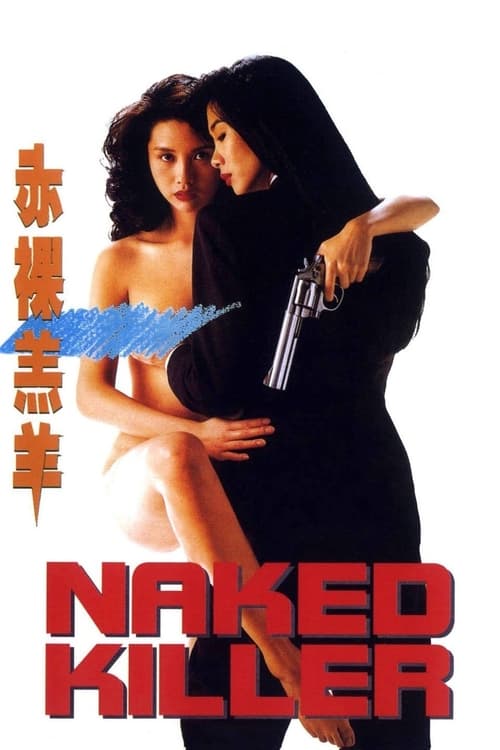
He was also the central figure in the Category III boom, producing Naked Killer and a string of pictures that mixed ultraviolence with black comedy in ways that European exploitation cinema never quite managed. His villains are cartoon grotesques; his heroes are often lazy, venal, or both. The moral universe is bent but it has its own internal logic.
If you love this cinema, you love a particular flavour of excess: genre mechanics pushed to the breaking point, stars doing their finest work inside cheerfully disposable packaging, and a genuine affection for the audience in the cheap seats.
Essential Wong Jing
The works that define his voice, from gambling epics to Category III classics

The Perfect Entry Point Is Also His Most Imitated Film
God of Gamblers from 1989 is the film that defines everything Wong Jing does well: a charismatic star at peak powers, genre mechanics that are simultaneously sincere and self-aware, and a third act that delivers on promises no reasonable filmmaker would have made. It spawned sequels, imitators, and an entire sub-genre of Hong Kong gambling pictures. None of them matched the original, which tells you something about how much of the film lives in the specific chemistry of Chow Yun-fat playing the world's most elegant amnesiac.
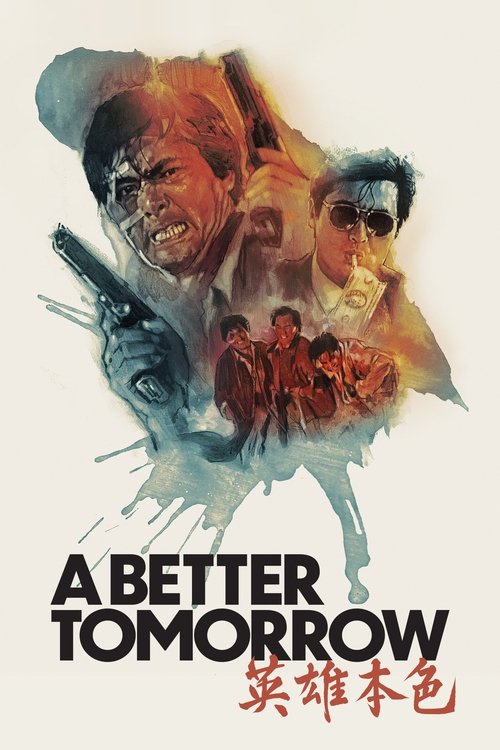
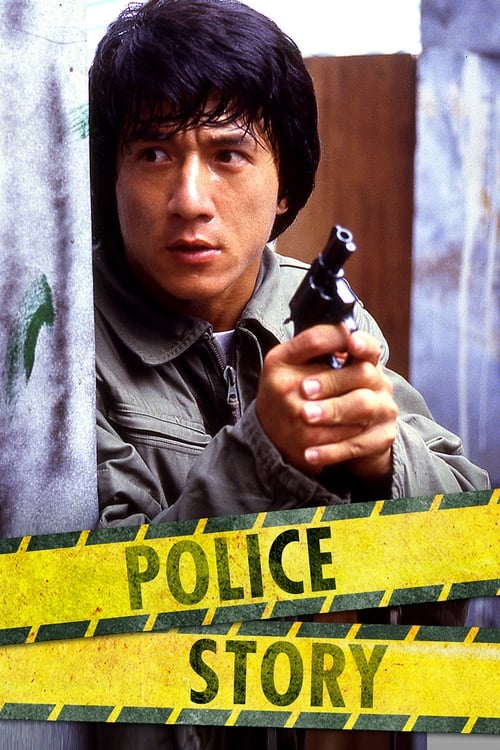
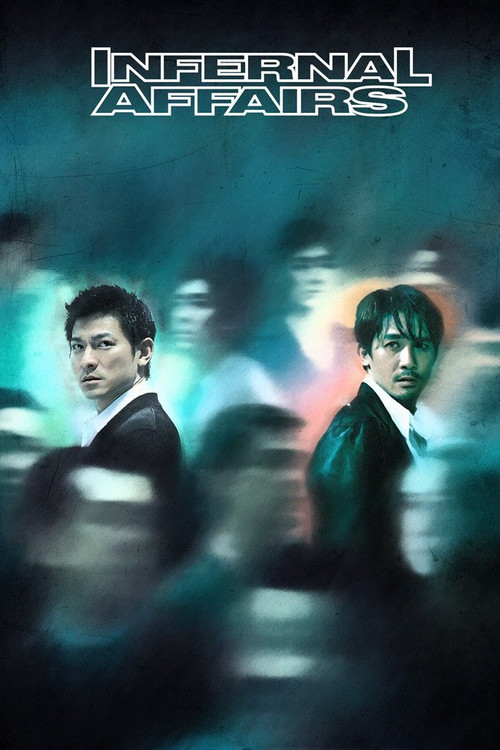
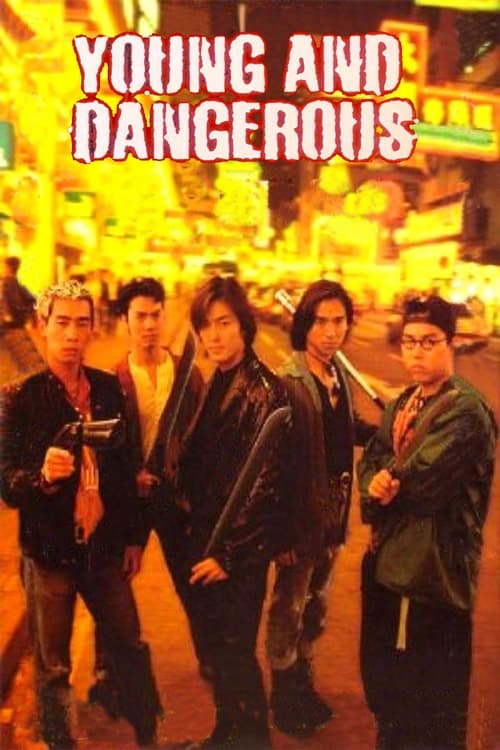
Hong Kong at Its Most Kinetic
The commercial cinema that ran alongside Wong Jing and shares his DNA

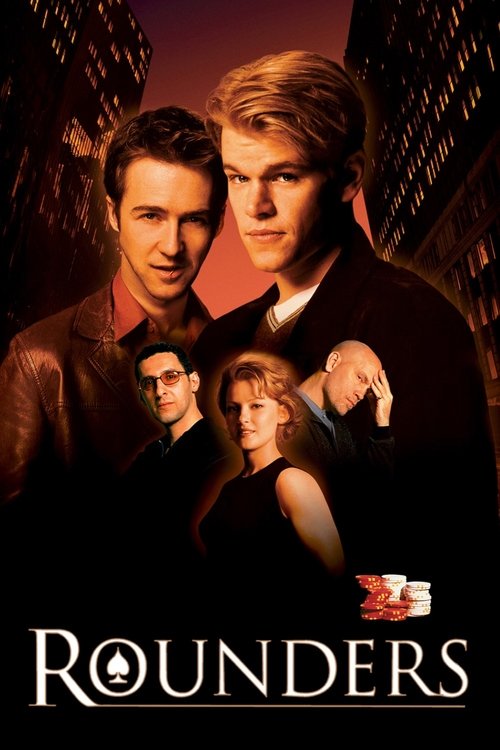
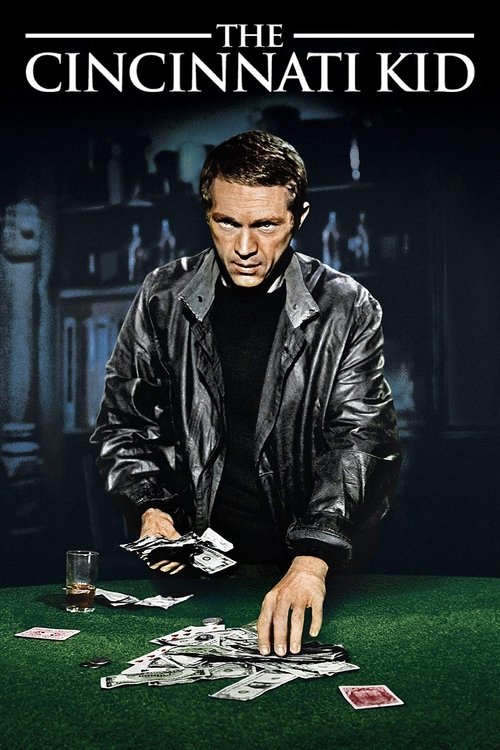
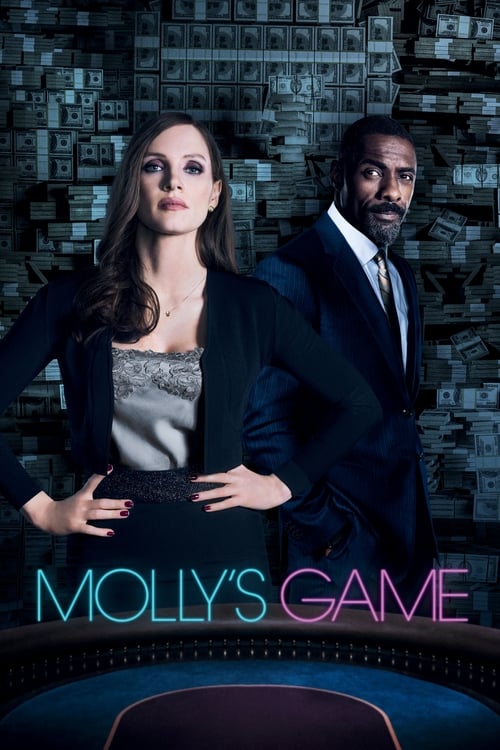
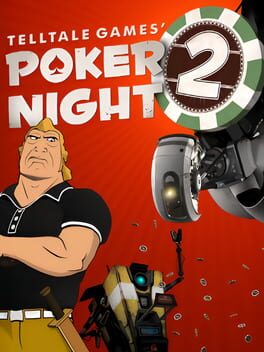
The Gambling Obsession
Cards, dice, and fate across film and fiction
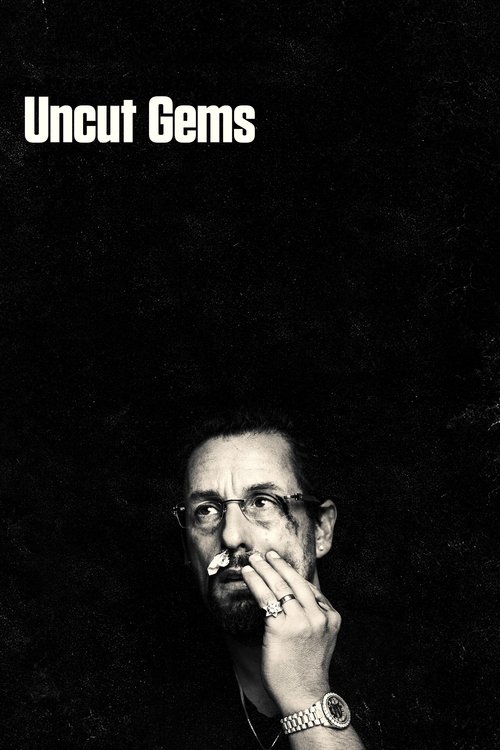
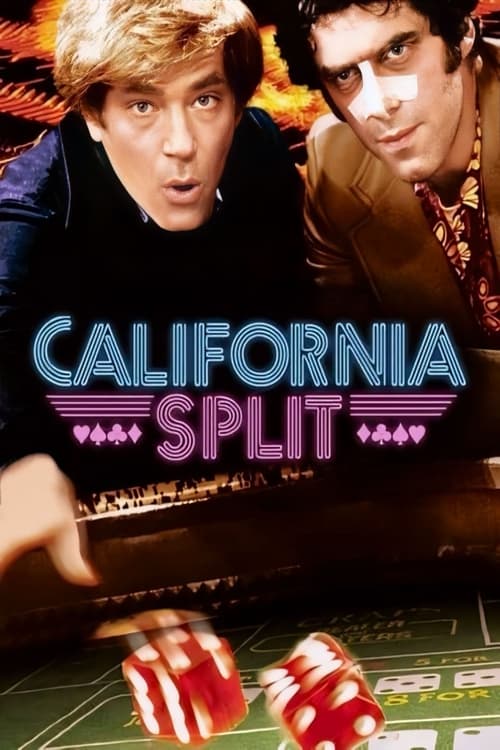
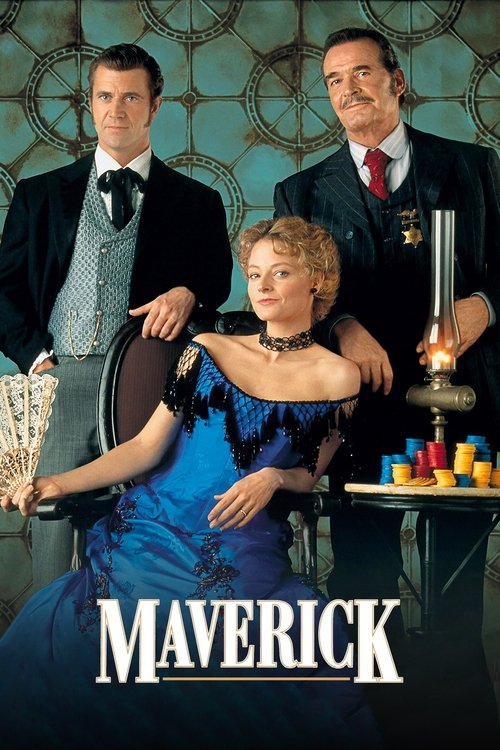
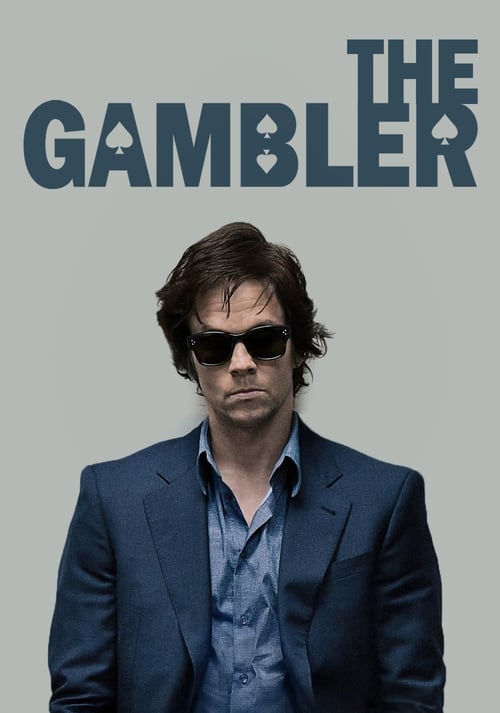
The Underrated One Is the Straight Crime Picture He Made Late
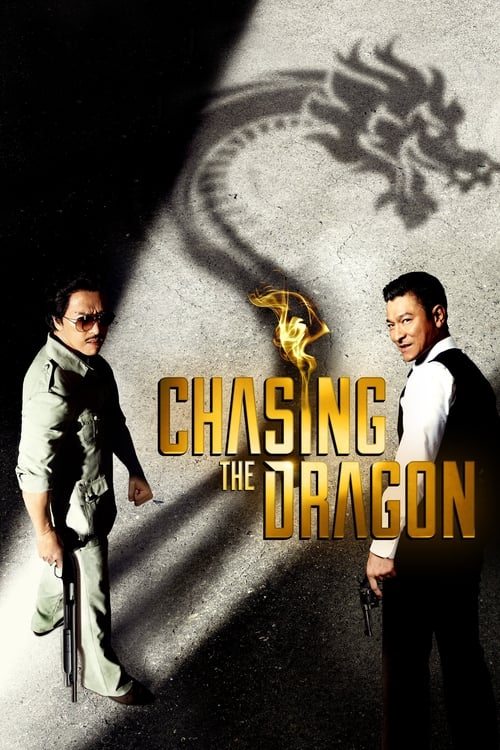
Chasing the Dragon (2017, co-directed with Jason Kwan) is Wong Jing operating at an altitude you might not expect: a methodical, genuinely brutal Hong Kong crime epic tracing a real-life triad boss's rise through the 1960s and 70s. It is the film that reminds you he always understood the genre he was usually playing for laughs. Donnie Yen and Andy Lau are both doing career-quality work, and most Western audiences have never heard of it.
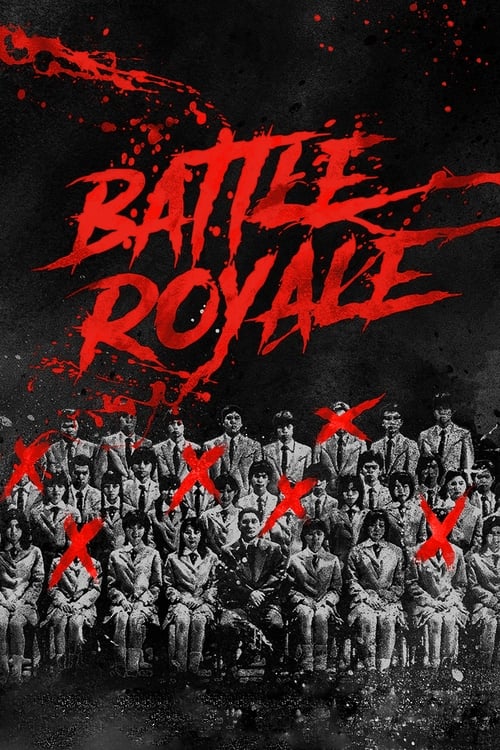
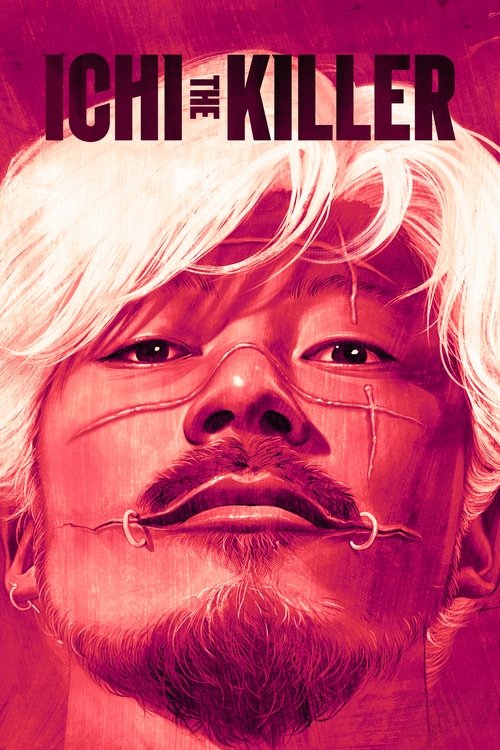
Exploitation Cinema Done with Style
The global tradition of genre filmmaking that refuses to apologise



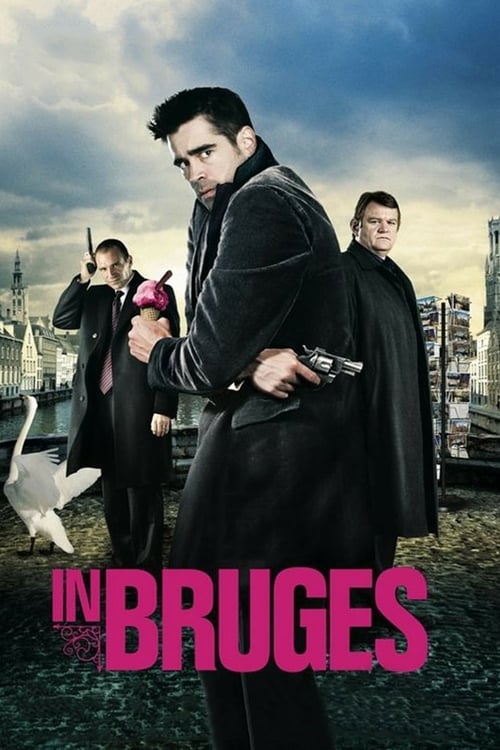
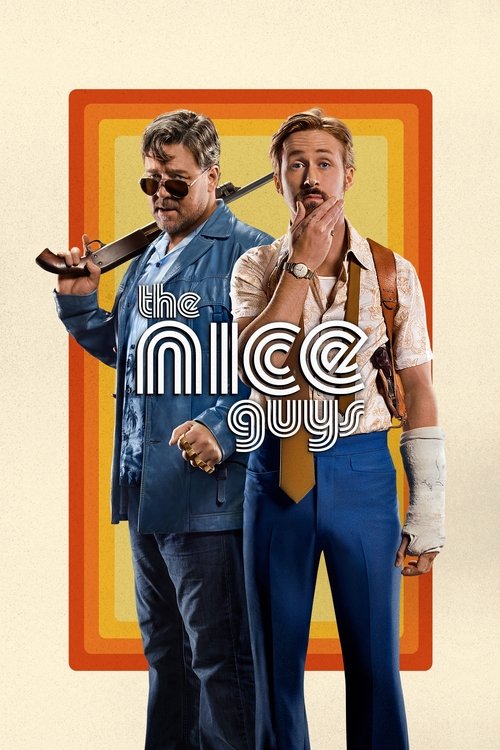
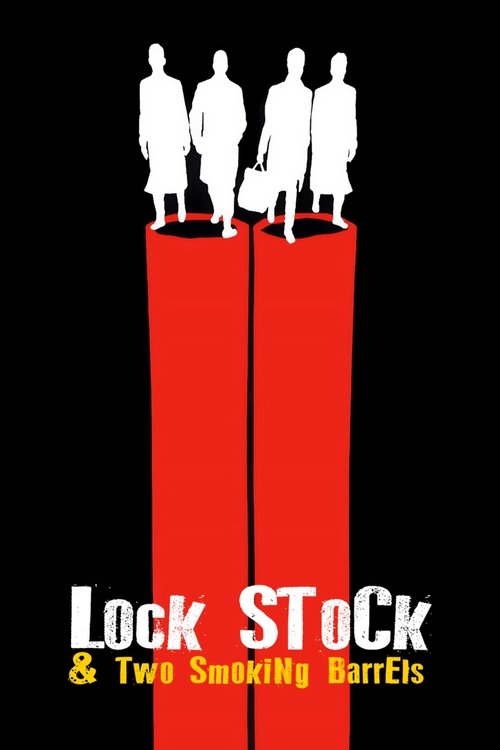
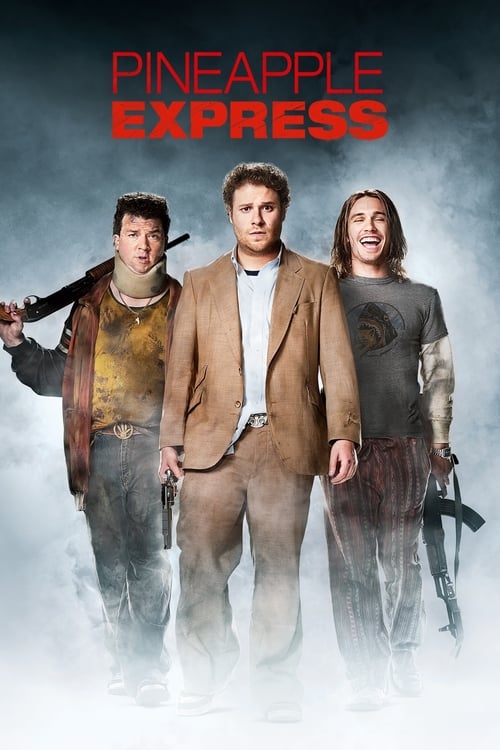
Tonal Anarchy: Comedy Inside the Crime Film
Movies that refuse to pick one genre and are better for it


Stephen Chow Is the Spiritual Heir, Not Just a Collaborator
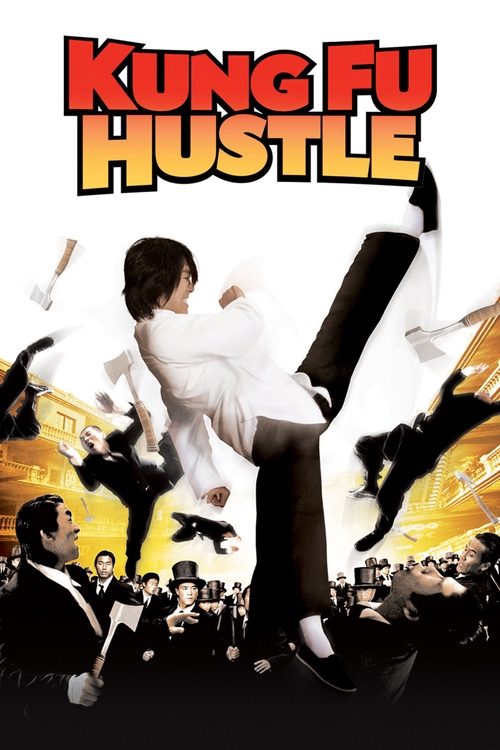
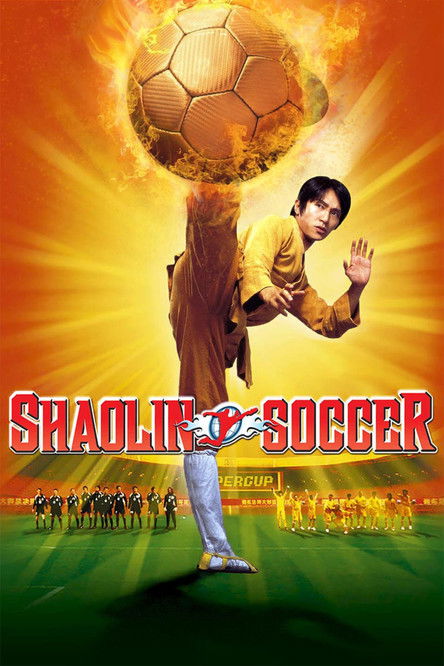
Wong Jing produced and often wrote the early Stephen Chow pictures, but the relationship ended badly. What Chow took from that period and turned into something lasting, in Kung Fu Hustle and Shaolin Soccer, is exactly the formula Wong Jing had been running: slapstick stretched until it hurts, an emotional core buried under so many layers of parody that it lands harder when it finally surfaces. Chow refined and deepened the method. Wong Jing invented it.
The Category III Films Are Not Just Shock Content
Naked Killer has a reputation built entirely on its most extreme moments, and that reputation undersells what it actually is: a slick, stylised noir with two genuinely compelling lead performances and an absurdist logic that holds together more firmly than most straight thrillers of the same period. The Category III rating gave Wong Jing and director Clarence Fok a freedom the mainstream would not have allowed, and they used it for more than exploitation.
Wong Jing Through the Decades
- 1981Directing debut with Challenge of the Lady Ninja The Challenge of the Lady Ninja
- 1987Produces and writes early Stephen Chow collaborations
- 1989God of Gamblers launches the gambling film era God of Gamblers
- 1992Naked Killer defines the Category III peak Naked Killer
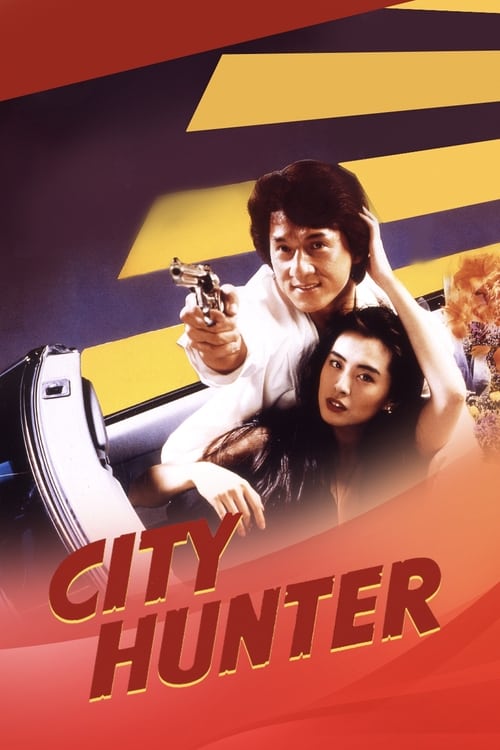
- 1993City Hunter brings manga energy to Hong Kong action City Hunter
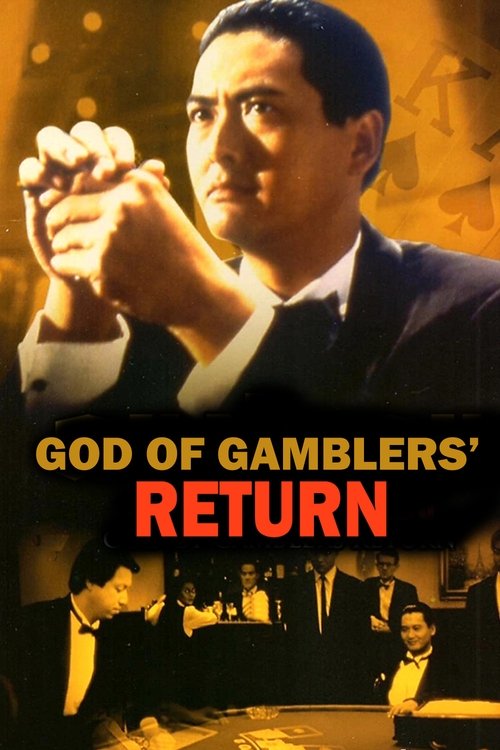
- 1995God of Gamblers Returns continues the franchise God of Gamblers' Return
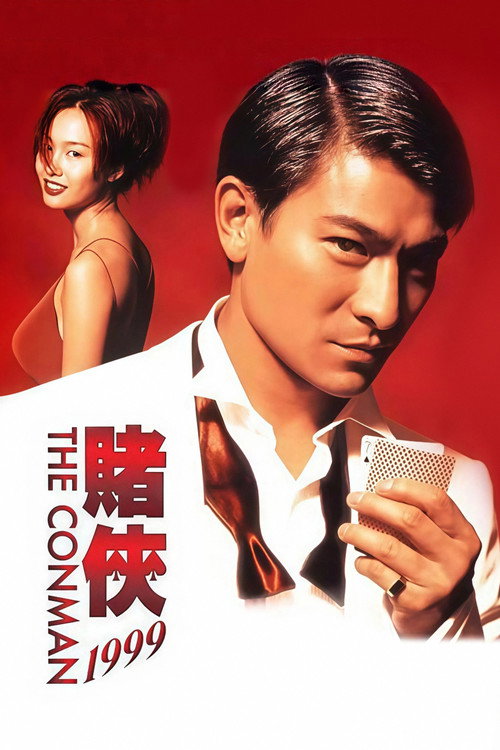
- 1998The Conman revives the gambling format for a new era The Conman
- 2017Chasing the Dragon marks a late-career dramatic peak Chasing the Dragon
More Hong Kong crime and gambling
For Fans of Herman Yau
Explore the For Fans of Herman Yau guide →He understood something the critics never did: the audience for Hong Kong commercial cinema was not asking for respectability. They were asking to be surprised, to laugh, to feel their hearts lurch, all in the same two hours.CrossBinge editors