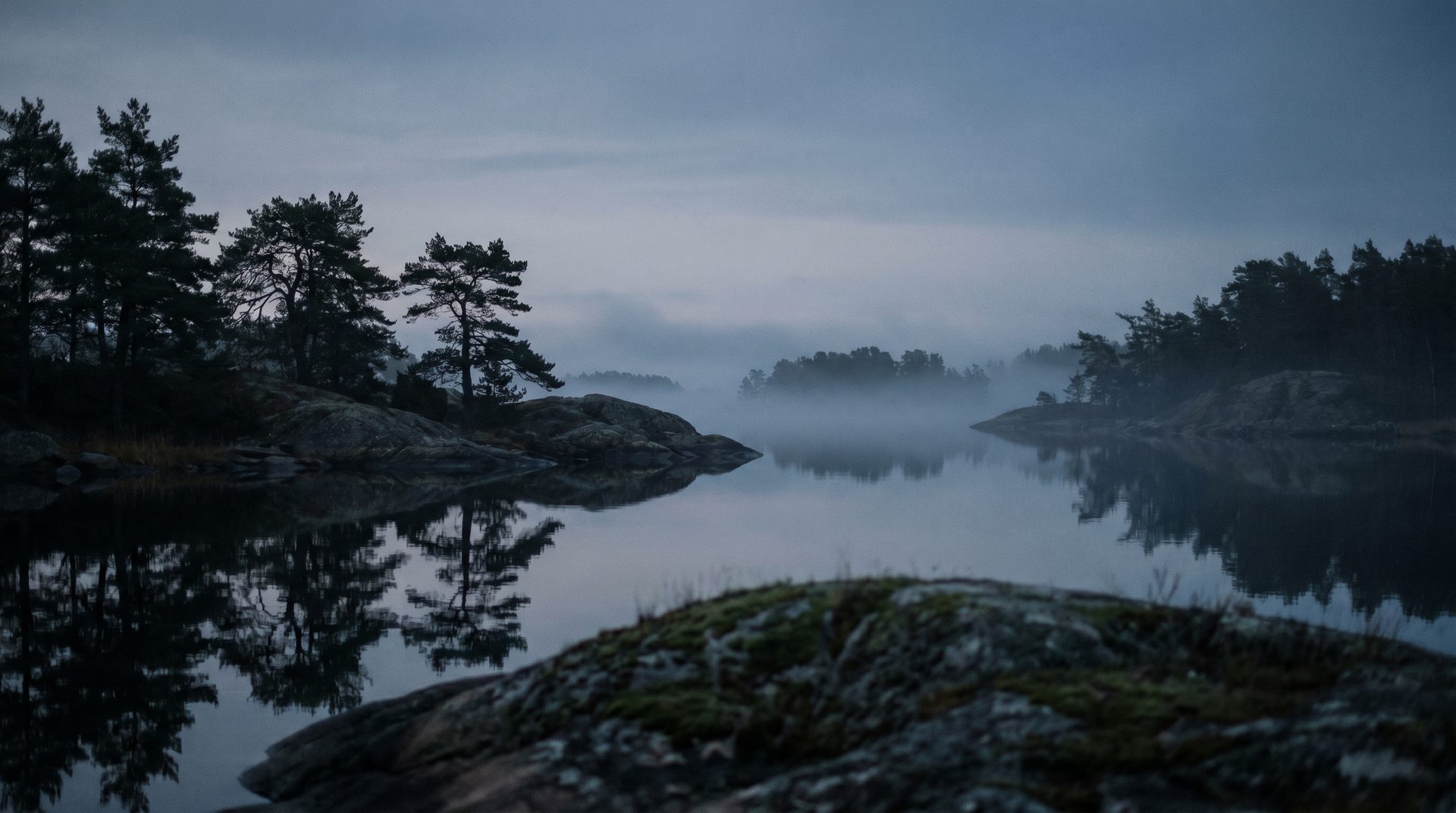

A cinema built on cold and conscience
Sweden occupies a specific psychological geography: a long, narrow country of 450,000 lakes, where the summer sun refuses to set and the winter sun refuses to rise. That physical reality shaped a culture preoccupied with interiority, with the way isolation warps and clarifies human behavior. When Ingmar Bergman set his cameras rolling in the 1950s, he was not inventing a tone from nothing. He was systematizing something already latent in Swedish literary life, in the moralizing weight of Lutheranism, in the social-democratic instinct to examine society rather than celebrate it.
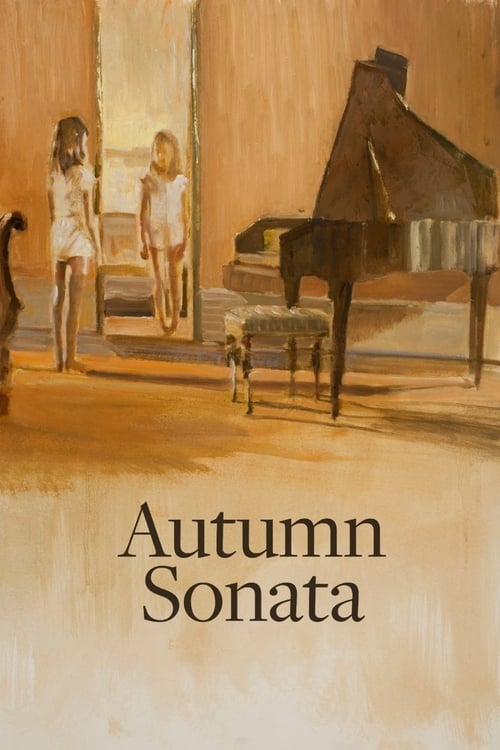
Bergman's dominance was so total that it took decades for Swedish cinema to escape his shadow. The 1960s and 1970s produced a generation of directors who were either working within his orbit or conspicuously fleeing it. Bo Widerberg made films about class and labor with a warmth Bergman rarely permitted himself. Jan Troell documented the Swedish emigration to Minnesota with a patience and physical beauty that remains underappreciated outside Scandinavia.
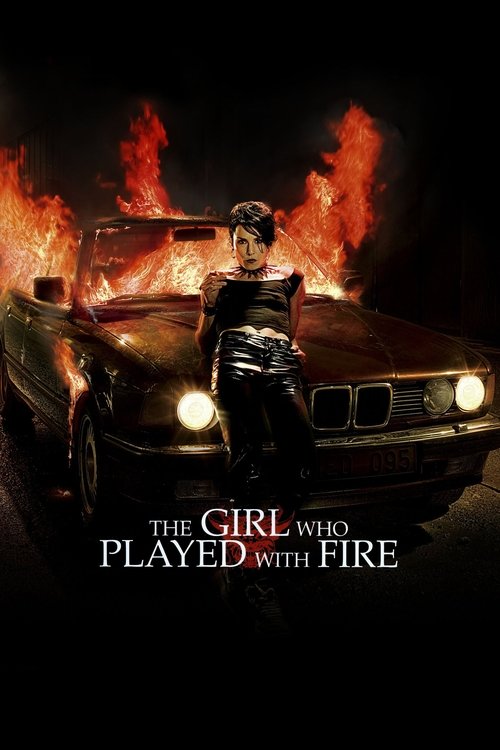
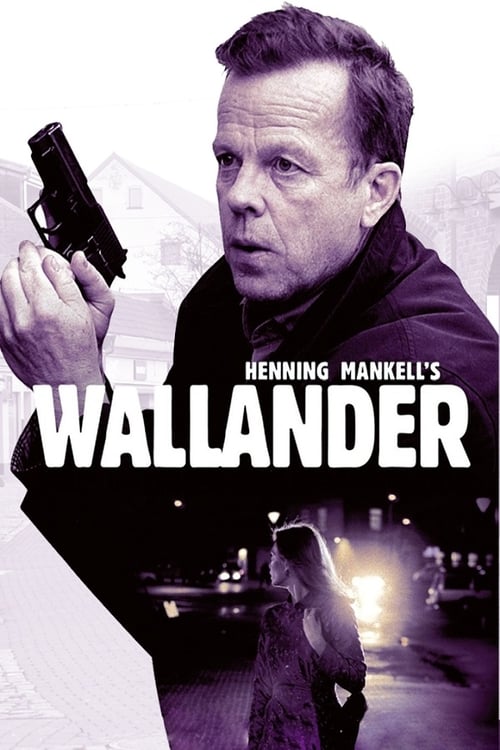
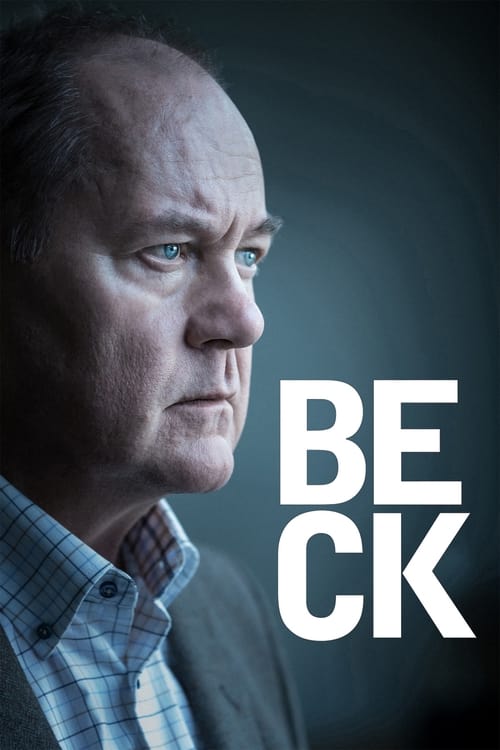
The second great rupture came in the 1990s and 2000s, when Swedish crime fiction, already a powerful literary tradition rooted in the socialist-realist ambitions of Maj Sjowall and Per Wahloo, exploded into film and television. The BBC and Swedish television adaptations of Wallander (both the Swedish-language original and the British remake with Kenneth Branagh) made the cold, windswept landscapes of Skane county a recognizable shorthand for Nordic melancholy. Then Stieg Larsson's Millennium trilogy, adapted into three films with Noomi Rapace as Lisbeth Salander, became a global phenomenon before Larsson had any chance to see it.
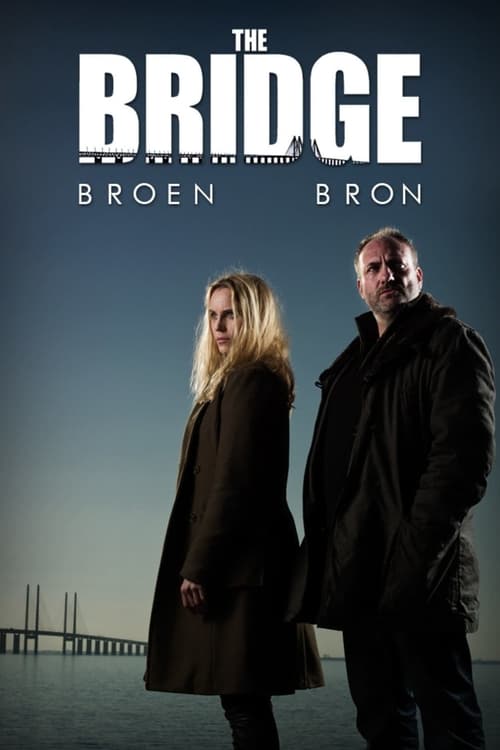
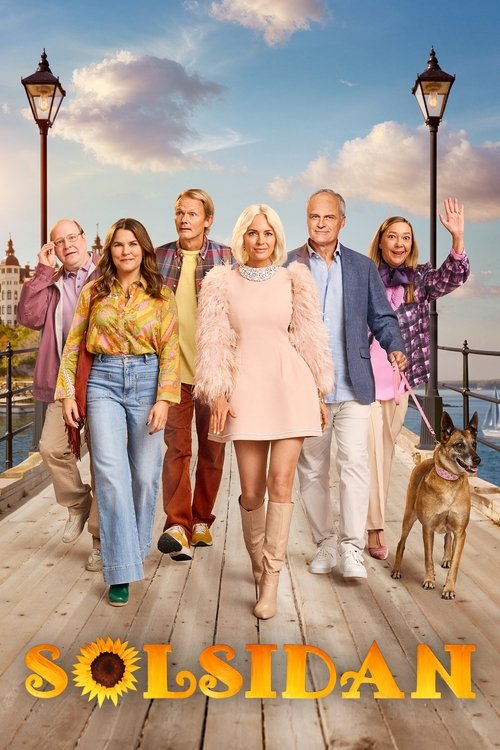
Today Swedish screen culture is more plural than at any point in its history. The Bridge generated a genuine transnational genre. Bonusfamiljen and Solsidan exported a lighter, sharper social comedy. Mindhunter and Succession owe debts, if oblique ones, to the tradition of slow, morally complex television that Swedish public broadcasting developed across decades. The country has roughly ten million people and has produced a disproportionate share of the world's canonical screen work. That ratio still holds.
The Bergman canon
The films that defined what a national cinema could be

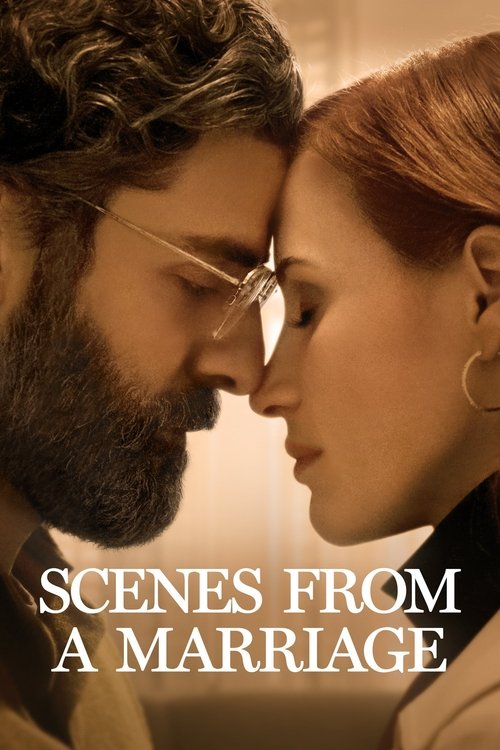
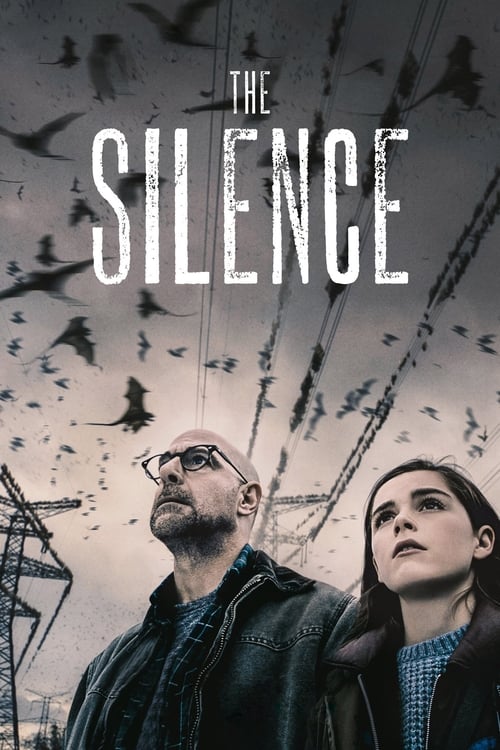

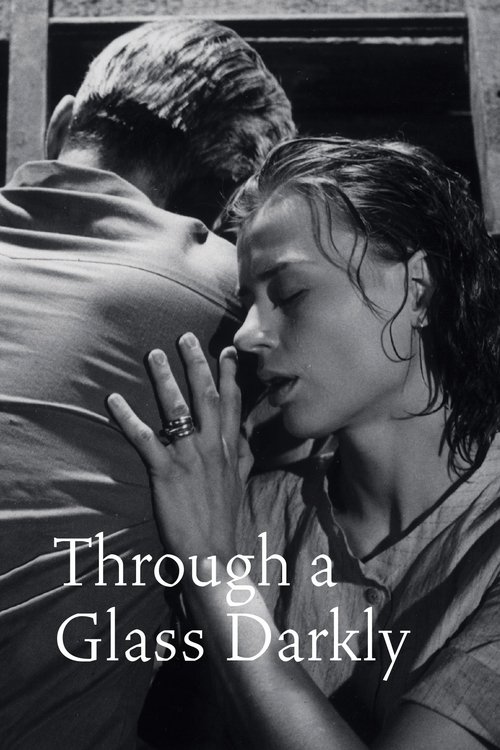
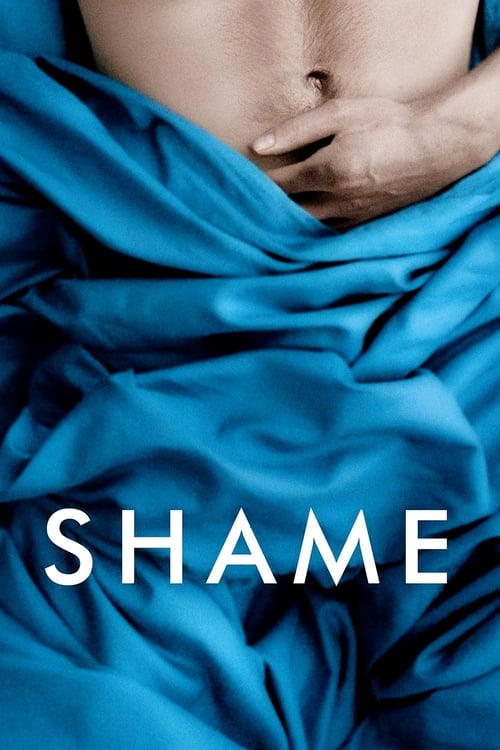
Swedish crime and noir
Forty years of the welfare state interrogating itself on screen


Beyond Bergman: the underappreciated tradition
Directors and films that don't always make the international syllabi


A century of Swedish screen
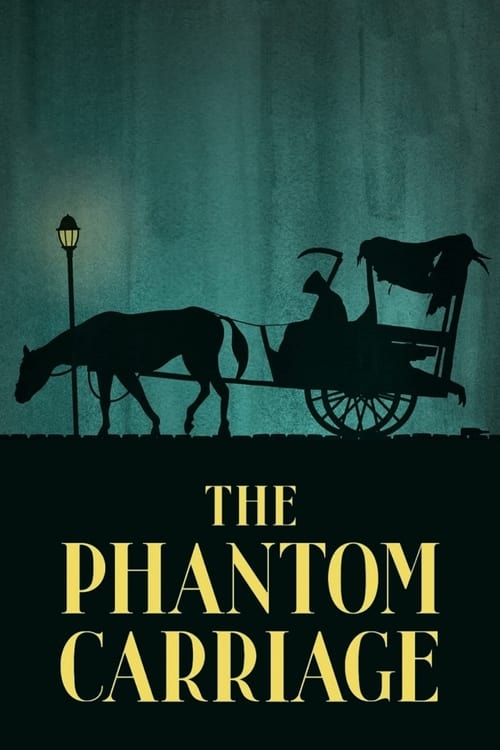
- 1917Victor Sjostrom directs The Phantom Carriage, establishing silent-era Swedish prestige The Phantom Carriage
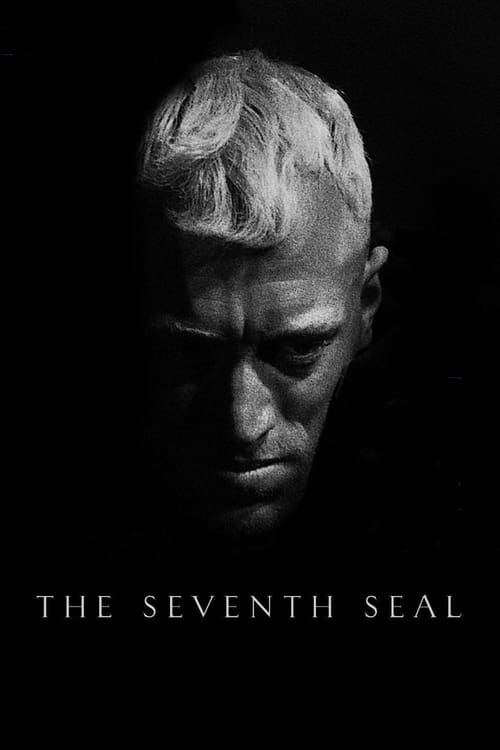
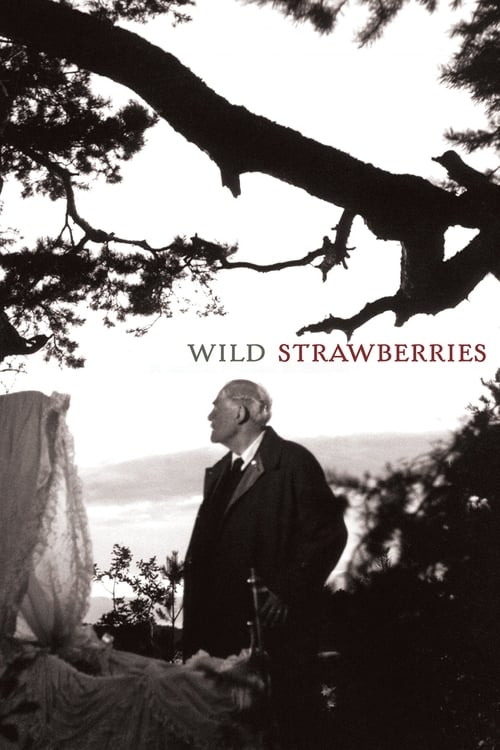
- 1957Bergman releases The Seventh Seal and Wild Strawberries in the same year The Seventh Seal
- 1966Persona redefines what a film can be; Bergman at the height of his formal ambition Persona
- 1971Bo Widerberg's Joe Hill brings Swedish-American labor history to international audiences
- 1982Fanny and Alexander wins four Academy Awards; Bergman announces his retirement from film Fanny and Alexander
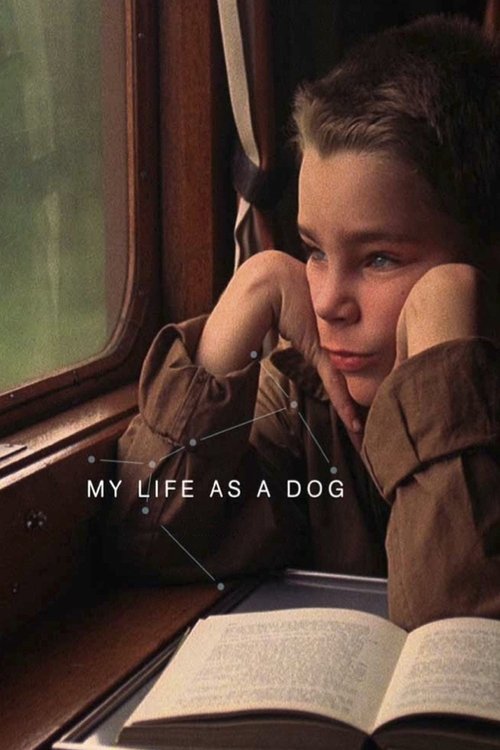
- 1985Lasse Hallstrom's My Life as a Dog becomes a surprise international hit My Life as a Dog
- 1998Show Me Love launches Lukas Moodysson's career and remains the sharpest portrait of provincial Swedish adolescence on film Show Me Love
- 2005The Swedish Wallander series begins its long run on SVT Wallander
- 2009The Swedish Girl with the Dragon Tattoo arrives; Noomi Rapace's Lisbeth becomes iconic The Girl with the Dragon Tattoo
- 2011The Bridge premieres and creates a template for Nordic transnational crime television The Bridge
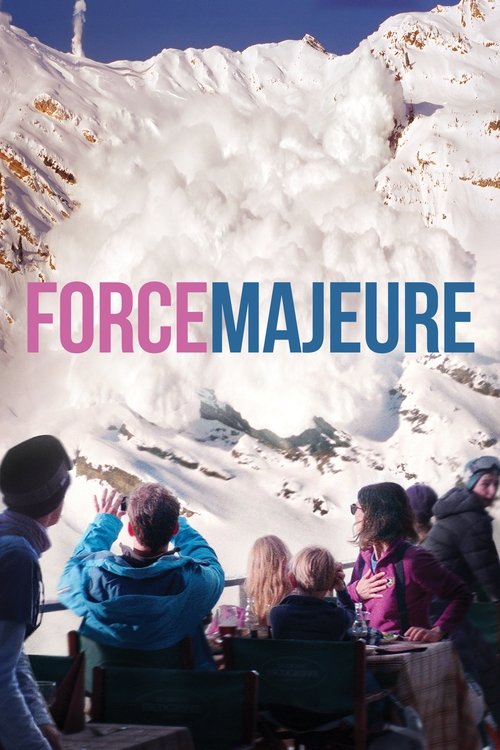
- 2014Force Majeure premieres at Cannes; Ruben Ostlund's international profile begins its rise Force Majeure
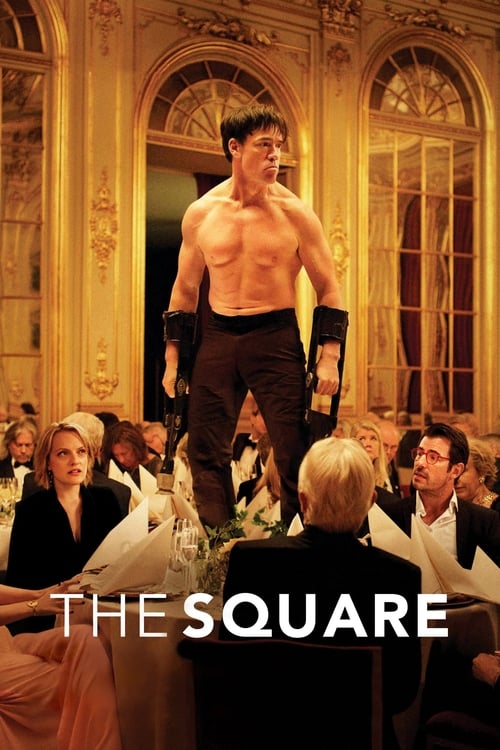
- 2017The Square wins the Palme d'Or; Swedish art cinema reclaims international standing The Square
Modern Swedish television
The streaming and public-broadcast era

Essential Swedish crime fiction (the books behind the screen)
The literary tradition that fed a generation of adaptations


Swedish crime fiction has always been fundamentally about the welfare state. The crime is almost incidental. The real subject is what a society owes its citizens, and what happens when it fails to pay.A working thesis on the Sjowall-Wahloo tradition
Horror, the uncanny, and the Swedish wilderness
Sweden's quietly strong genre tradition
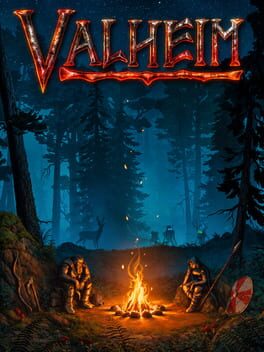
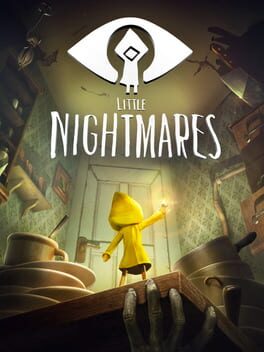
Swedish games: the darker tradition
A small industry with a disproportionate output of haunted, serious work

The geography of Swedish darkness
Skane, the southernmost Swedish county, appears in Swedish crime fiction so frequently it functions almost as a character: flat agricultural land, grey Baltic light, towns that are not quite rural and not quite urban, close enough to Denmark that the Oresund Bridge (the literal subject of The Bridge) is visible from certain points. Kurt Wallander operates out of Ystad. Lisbeth Salander's Stockholm is a different Sweden entirely, urban and tech-saturated, but the films give her a bleakness that belongs to the same northern moral climate.
Bergman's island is Faro, a small limestone island in the Baltic, where he retreated late in life and made some of his most personal work. He is buried there. The island now draws pilgrims of a particular kind, and the biennial Bergman Week is one of the more unusual film festivals in the world: serious, quiet, and aware that it exists at the edge of Europe, geographically and temperamentally.
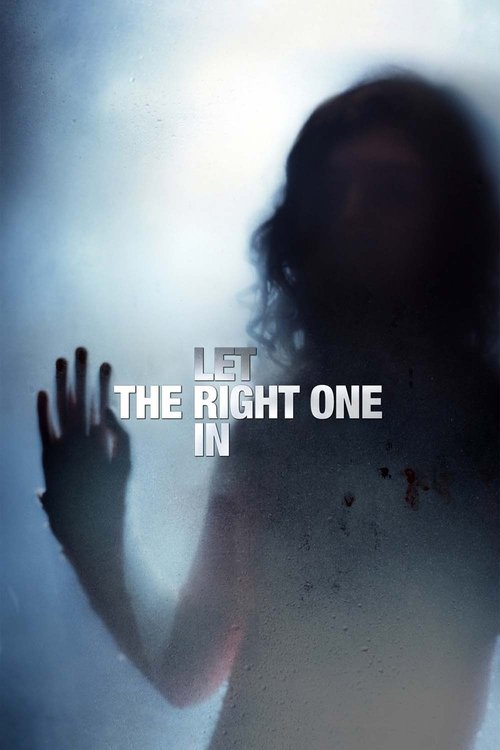
The Swedish landscape in film is never merely backdrop. It carries meaning. The forest in Fanny and Alexander is a genuinely threatening space. The snow in Let the Right One In is not atmospheric decoration; it is the condition of the characters' isolation. This is a cinema that takes seriously the idea that where people live shapes what they are capable of thinking and feeling, and refuses to make those settings interchangeable.
Notable Swedish Books
The most-notable books written in Swedish, from the catalog
 Elvis Karlsson
 Spring Remains
 The King's RingThe Surgeon's Stories
 Life Deluxe
 Populärmusik Från Vittula
 The Quiet Girl
 Jerusalem
 The miracles of Antichrist
 Hundred-Year-Old Man Who Climbed Out of the Window and Disappeared
 Barabbas
 Blackwater
 The hidden child
 Echoes from the Dead
 The Story Of Blanche And Marie
 Jealousy