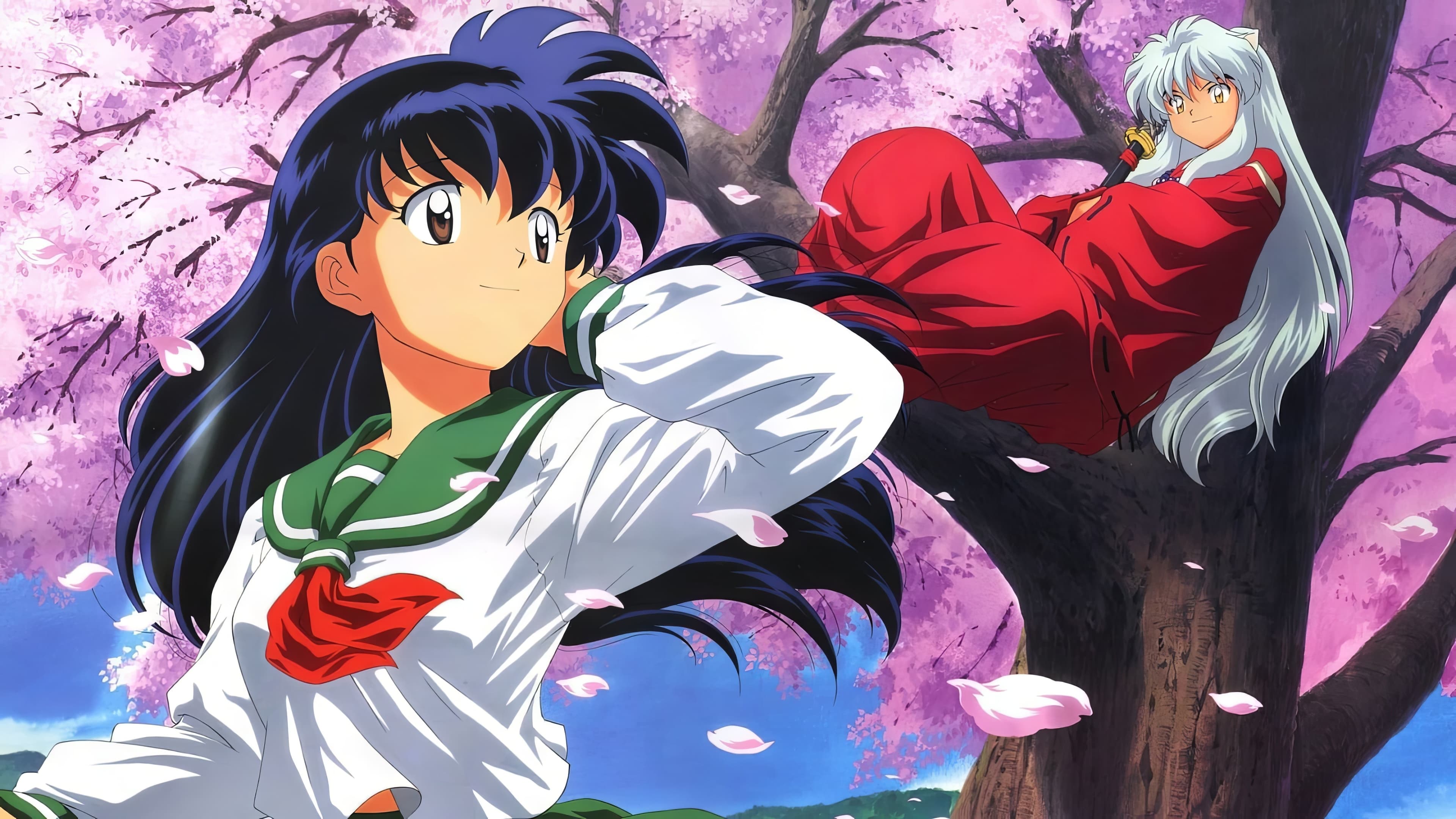

Rumiko Takahashi's Inuyasha ran in Shonen Sunday from 1996 to 2008 and became one of the defining long-form action-romance anime of its era. The premise is deceptively simple: a modern schoolgirl named Kagome falls into a feudal Japan populated by demons, monks, demon-slayers, and a half-demon with silver hair and dog ears who oscillates between fury and tenderness. What hooked millions was not just the demon battles but the slow burn of a relationship built across hundreds of episodes and a fragmented jewel that kept the story in motion. The show earns its devotion through character: Miroku's lecherous charm masking genuine courage, Sango's grief given room to breathe, Shippo's small acts of loyalty. If you love Inuyasha, you love a very specific combination of feudal folklore, ensemble warmth, and a central romance that refuses to be resolved too quickly.
Essential Inuyasha
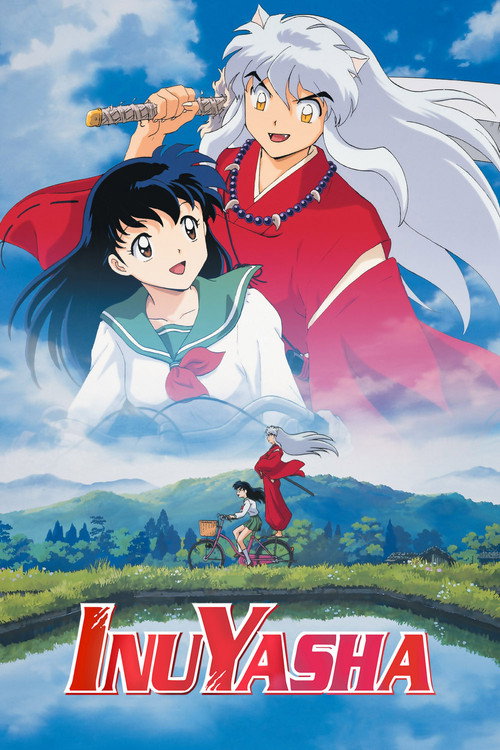
The anime itself, start to finish
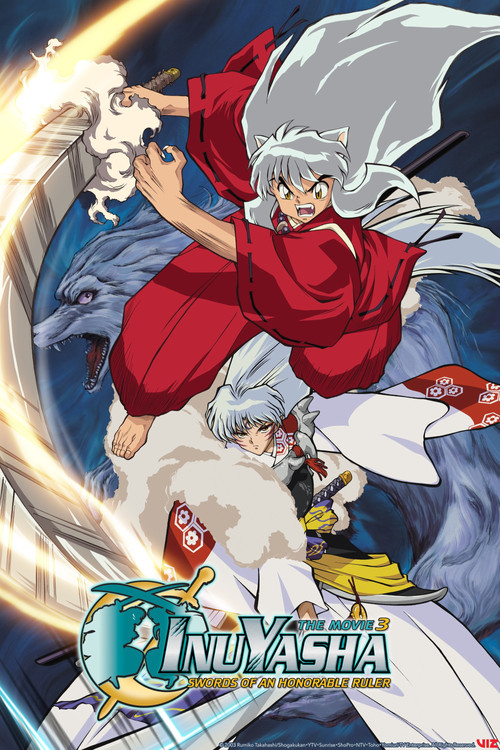
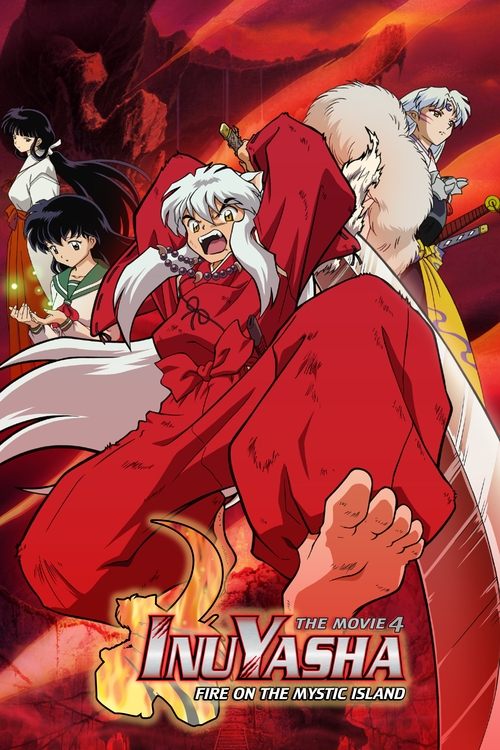
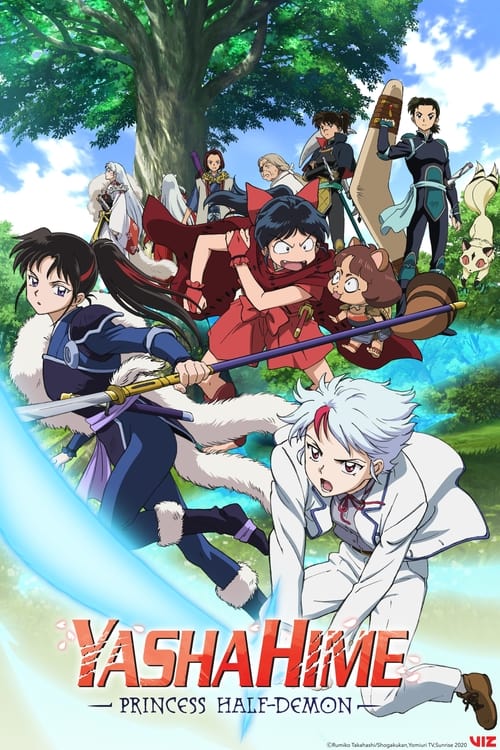

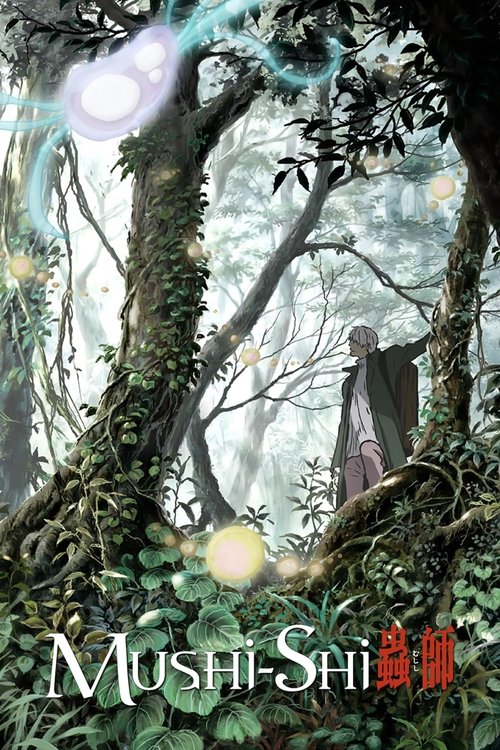
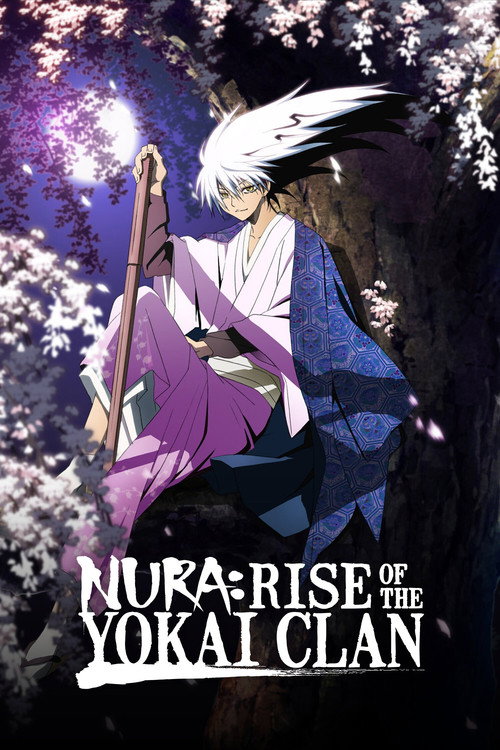
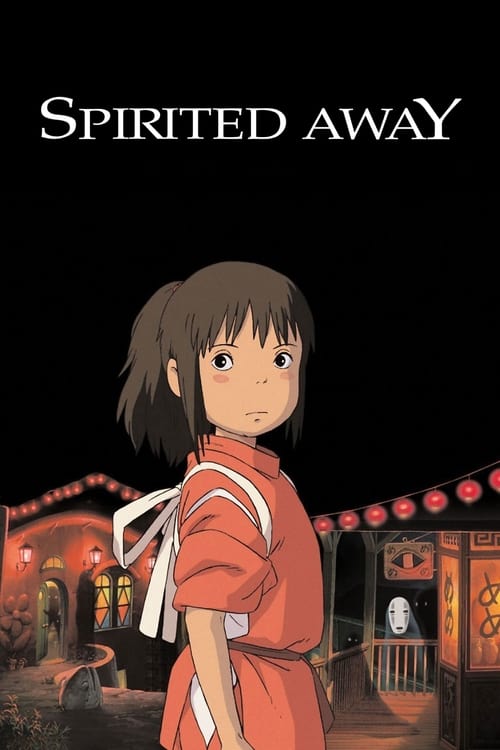
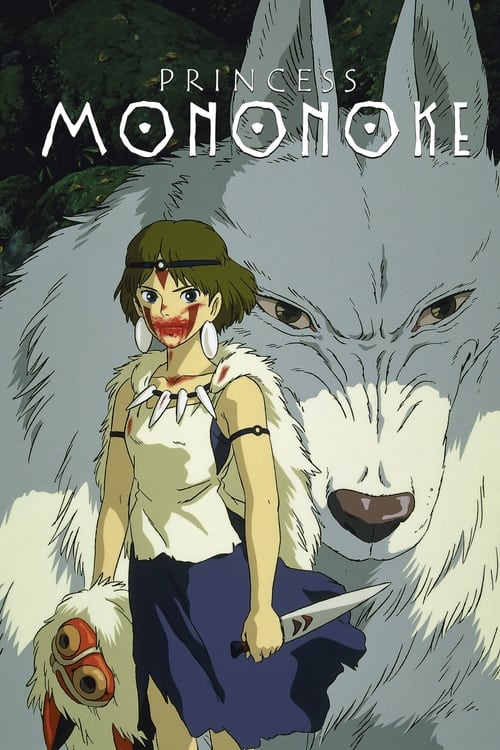
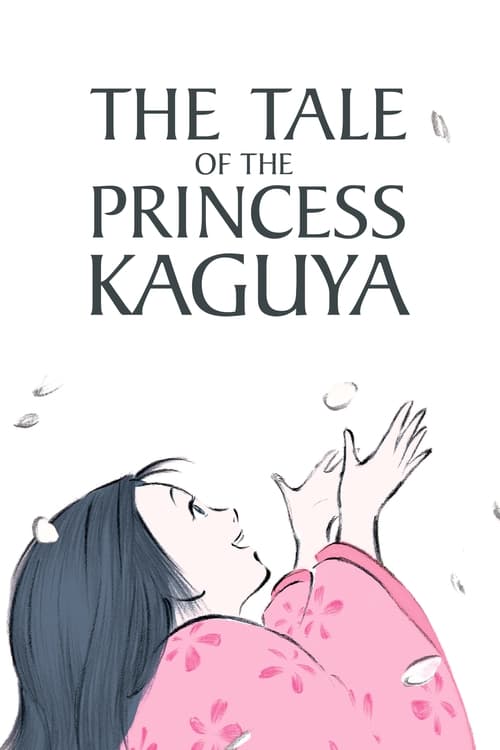
If You Love the Feudal Folklore
Anime and manga rooted in Japanese mythology, spirits, and history
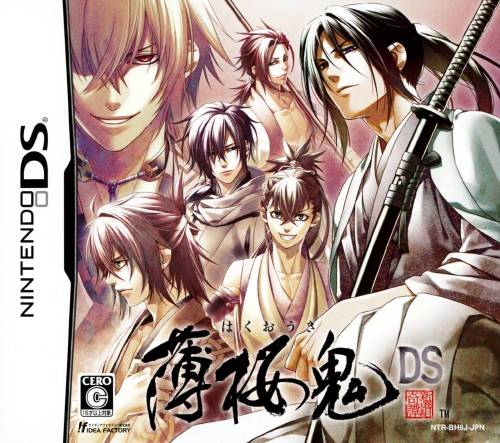
If You Love the Slow-Burn Romance
Action series where the central relationship is as important as the plot
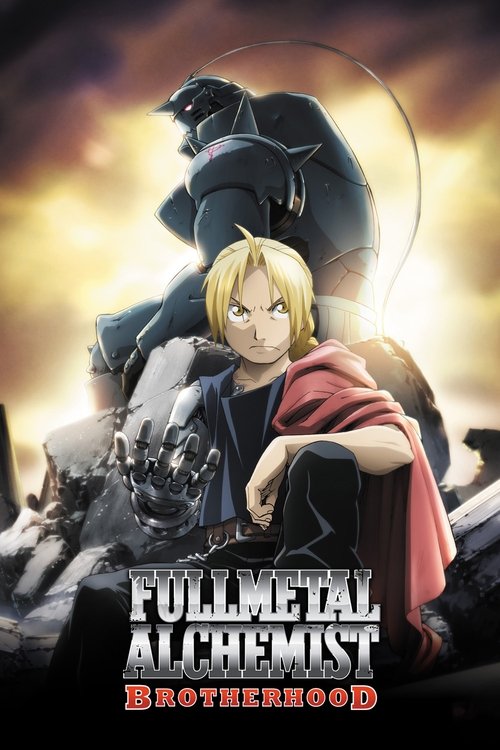
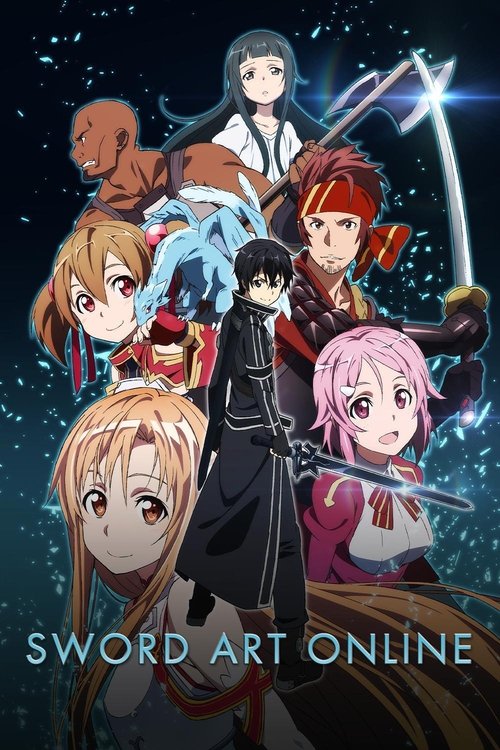
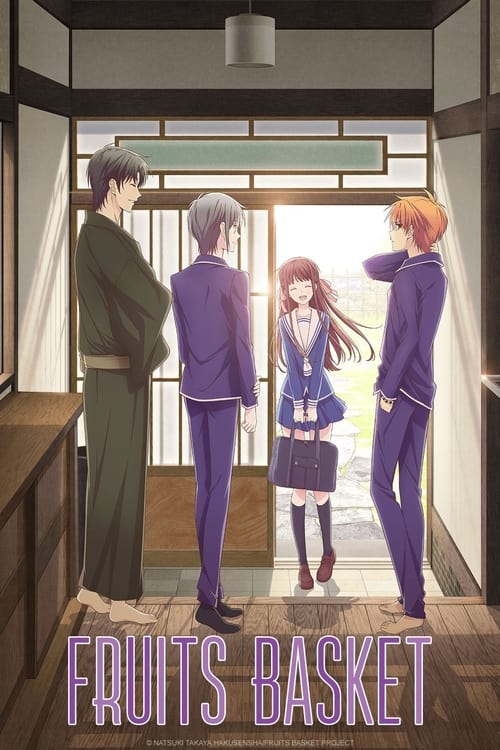
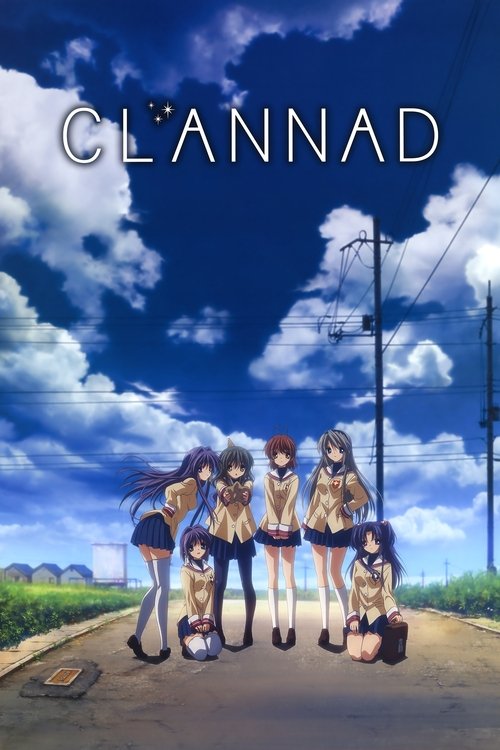
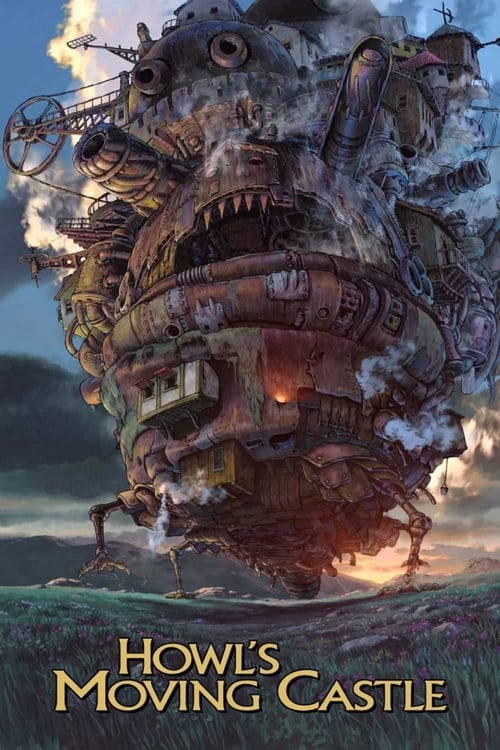
If You Love the Action and Ensemble
Long-form shonen with memorable teams and escalating stakes

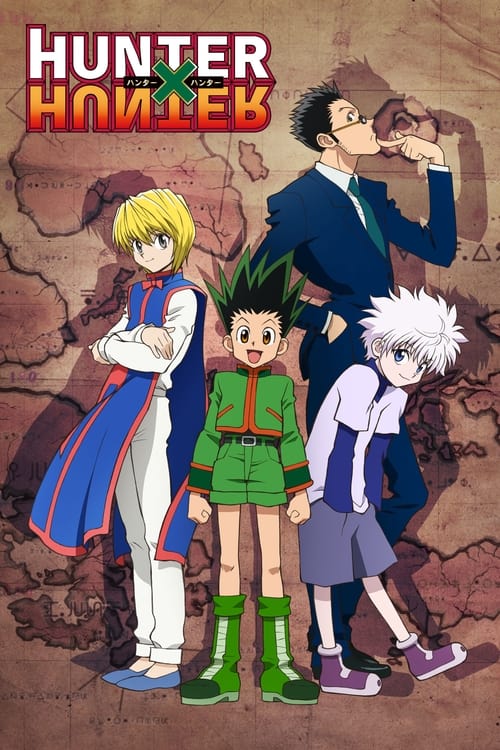

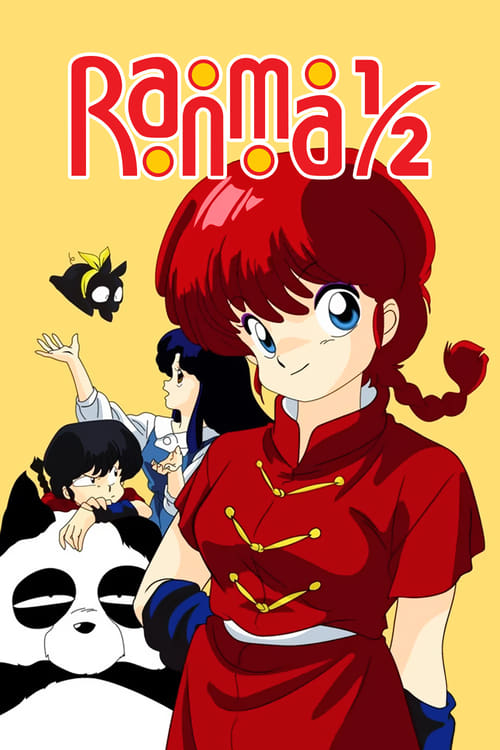
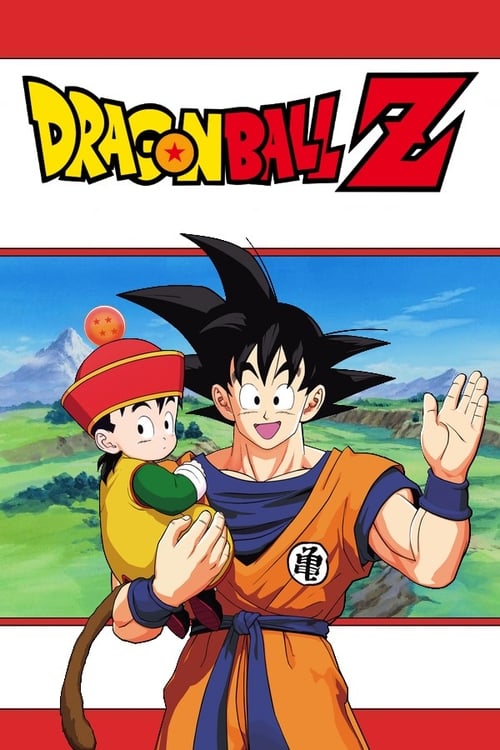
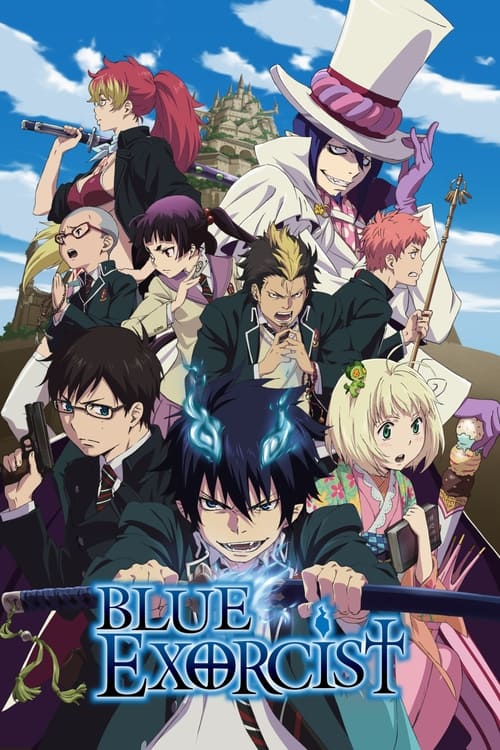
Same DNA in Other Media
Games and books for the Inuyasha-shaped hole in your heart

Rumiko Takahashi's Other Worlds
Other major works from the creator of Inuyasha
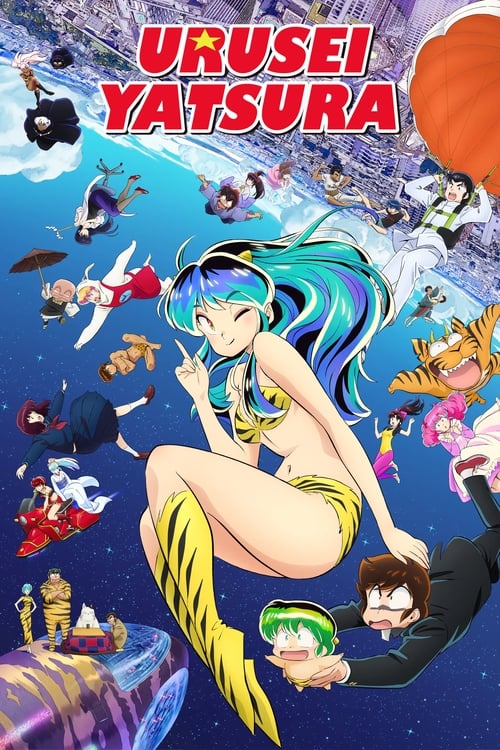
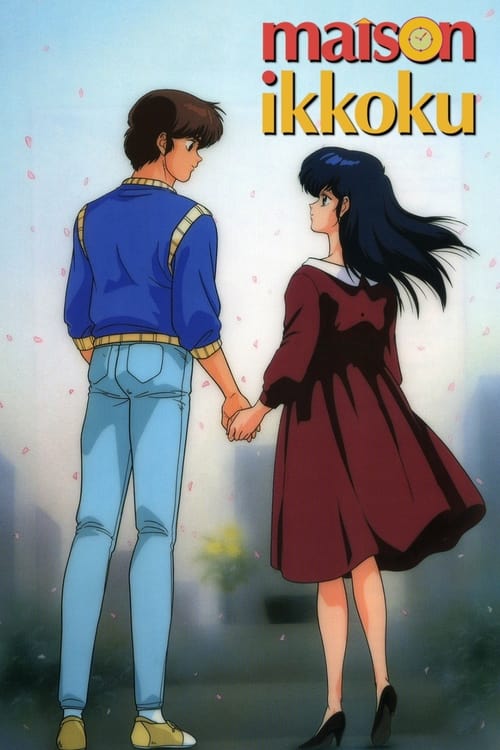
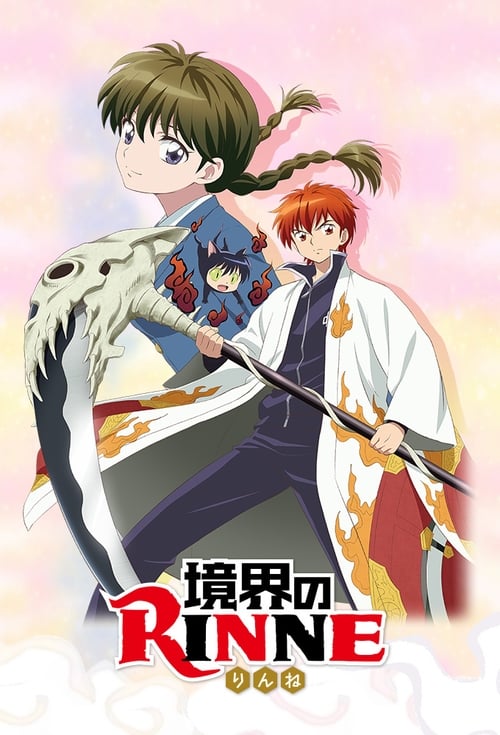
The Long Game Is the Point
Inuyasha's 167-episode run (plus the Final Act) frustrated viewers who wanted resolution quickly. That frustration is actually the show being honest: it is about longing more than arrival. Kagome and Inuyasha's relationship is built on the specific ache of loving someone whose world is not yours. The length is not padding; it is accumulation. By the time the shards come together, you have spent years alongside these people.
Miroku and Sango Are the Better Love Story
The central couple gets the title credits, but Miroku and Sango carry much of the show's emotional weight. Miroku's Wind Tunnel is a countdown to his death, which gives every episode he appears in a low hum of urgency. Sango's grief over her brother Kohaku is depicted with more restraint than most shonen allows. Their romance is built on mutual respect earned through actual hardship, which makes it feel earned in a way that slower-burn romances sometimes do not.
Okami Is Inuyasha as a Game
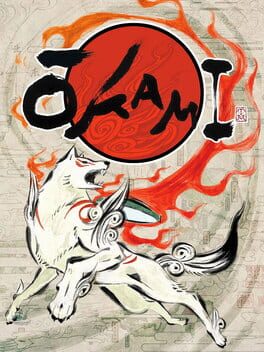
Okami is the best game for Inuyasha fans who want to stay inside that world of Japanese mythology made tactile. You play a sun goddess in wolf form restoring a corrupted Japan, fighting demons with a celestial brush. The art draws on the same woodblock and ukiyo-e tradition Takahashi referenced throughout Inuyasha, and the tone moves fluidly between comedy, folklore, and genuine pathos.
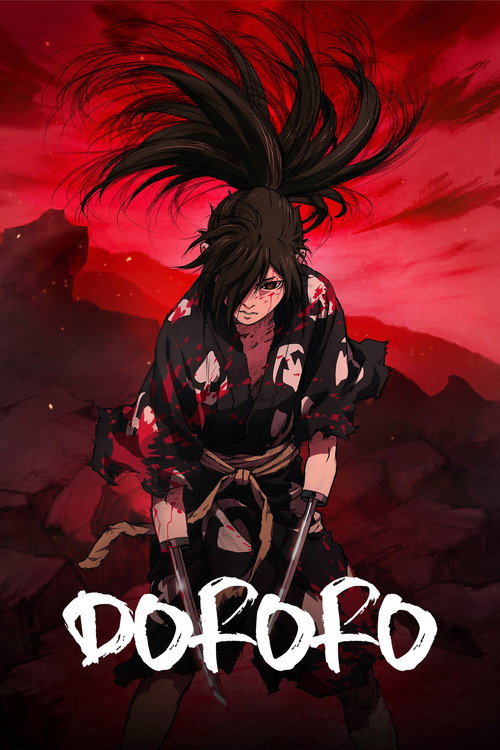
Dororo Offers a Harder Version of the Same World
The 2019 Dororo remake covers much of the same geographic and historical territory as Inuyasha but removes the romantic warmth. Hyakkimaru, born without limbs or senses after his father's pact with demons, reclaims his body one demon at a time. The violence is rawer, the politics darker, and the Buddhism at the center of the story more explicit. For fans who suspect Inuyasha's feudal Japan had more weight to offer, Dororo delivers it.
Inuyasha Across the Years
- 1996Manga begins serialization in Weekly Shonen Sunday Inuyasha
- 2000Anime adaptation premieres on Nippon TV InuYasha
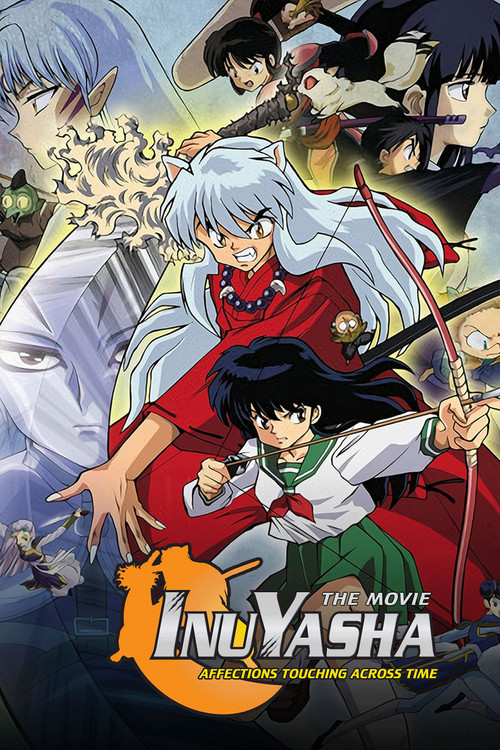
- 2001First theatrical film released Inuyasha the Movie: Affections Touching Across Time
- 2004Anime goes on indefinite hiatus after episode 167
- 2008Manga concludes in Shonen Sunday after 558 chapters
- 2009Final Act anime completes the story InuYasha
- 2020Sequel series starring the daughters of the original cast begins Yashahime: Princess Half-Demon
Feudal Japan, demons, and shonen action
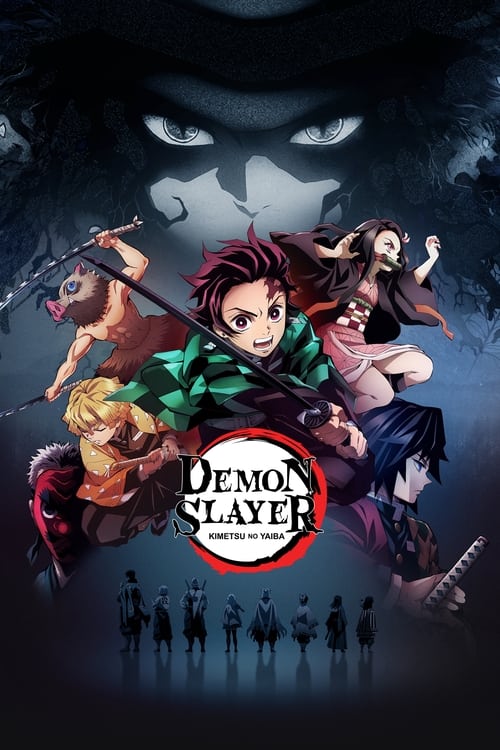
For Fans of Demon Slayer
Explore the For Fans of Demon Slayer guide →The Shikon Jewel cannot grant a wish without leaving a taint. That idea, more than any fight scene, is what Inuyasha is actually about.CrossBinge Editors