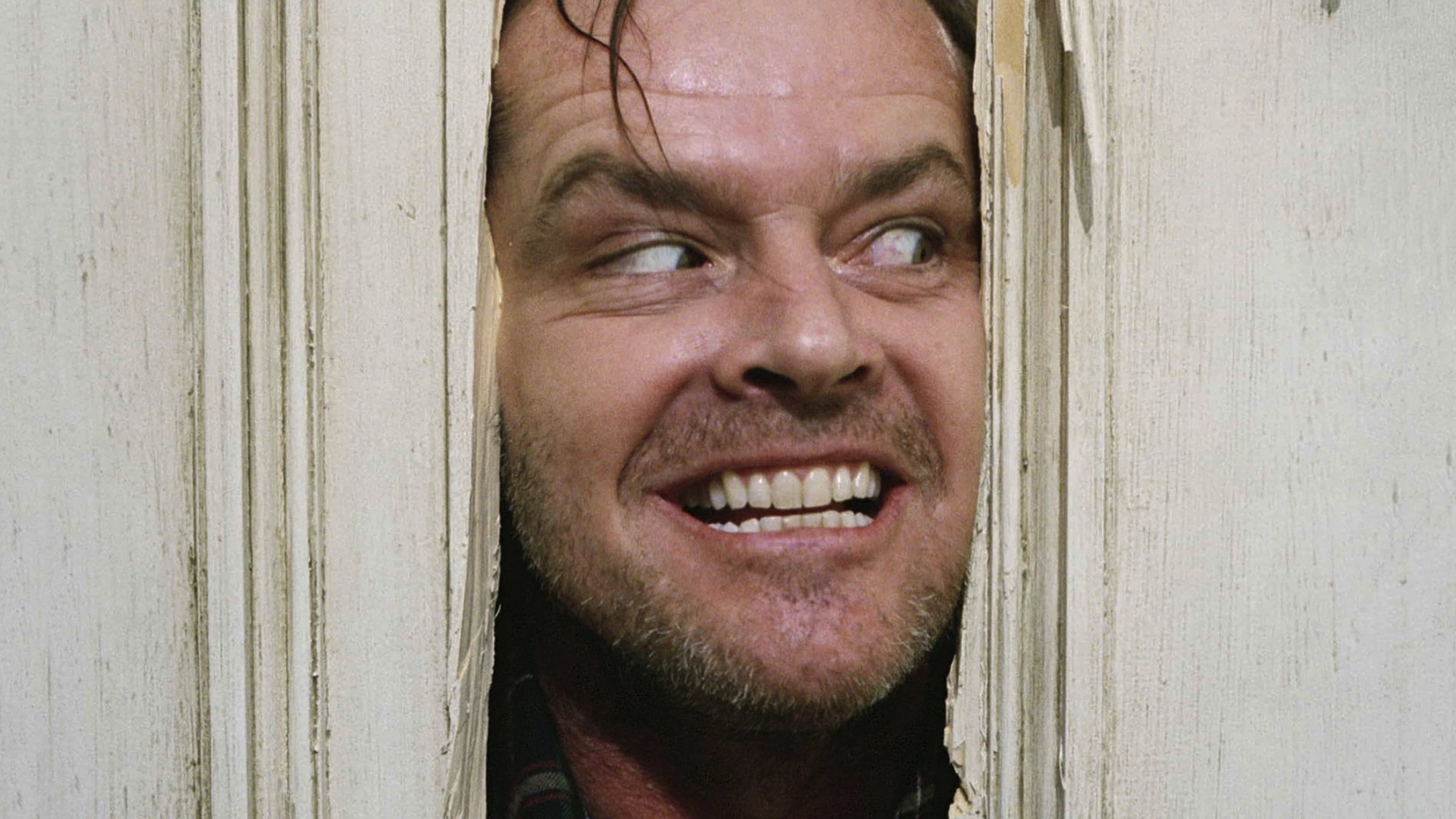

Jack Nicholson spent five decades turning the American screen inside out. From his early Roger Corman B-pictures through the New Hollywood explosion of the 1970s to the blockbuster era and beyond, he gave us characters whose appetites were too large for polite society: Jake Gittes, Randle McMurphy, Jack Torrance, The Joker, Melvin Udall. The through-line is a kind of ferocious aliveness. Nicholson's people want something badly, and the wanting is the performance. If you love that quality, the films, books, and other works below follow the same current.
Essential Jack Nicholson
The films that define the career, in rough order of their ambition



Same Voltage: Actors Who Burn That Bright
Films led by performers with Nicholson's gift for dangerous charisma
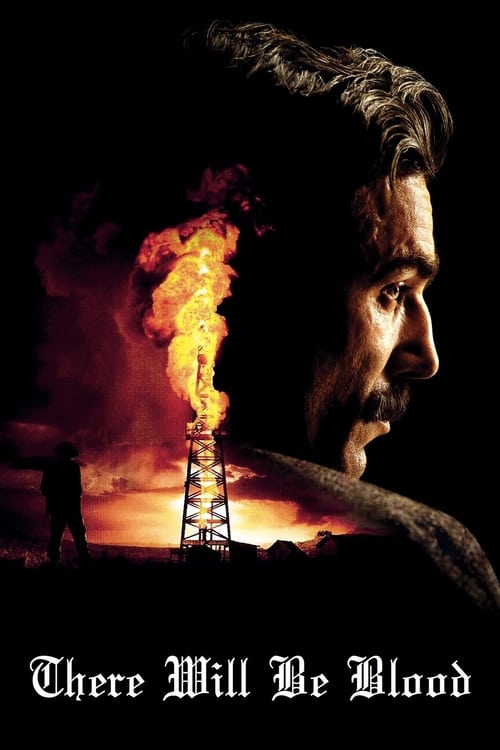
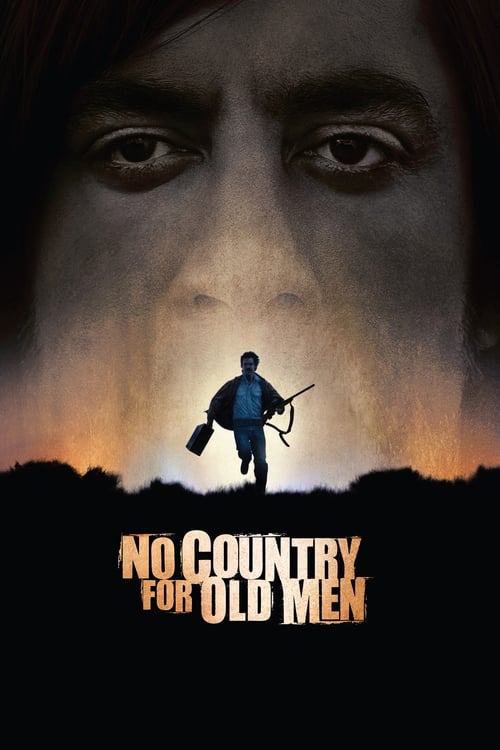
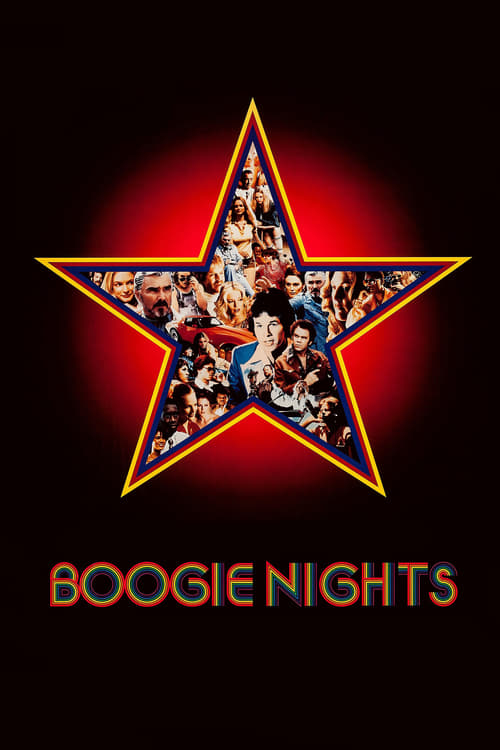
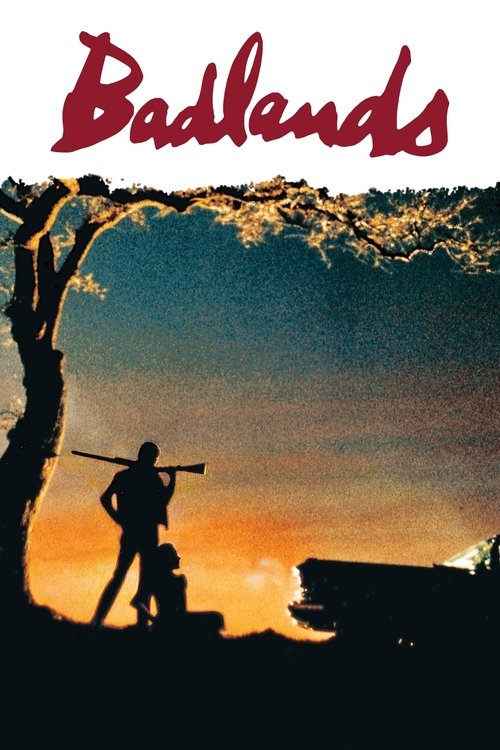
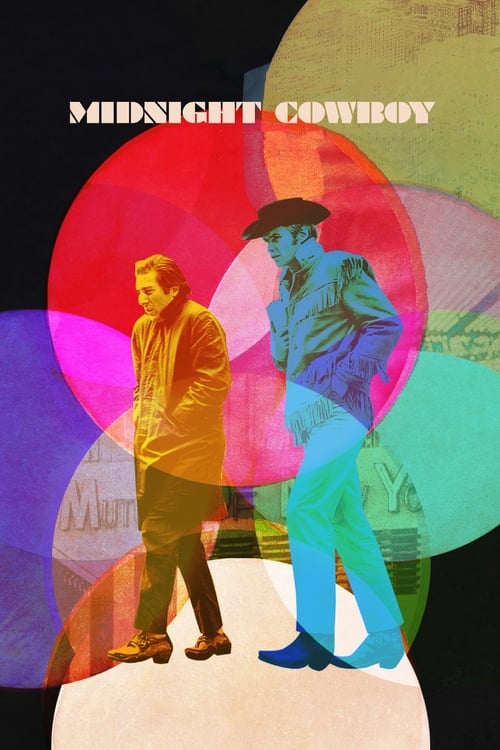
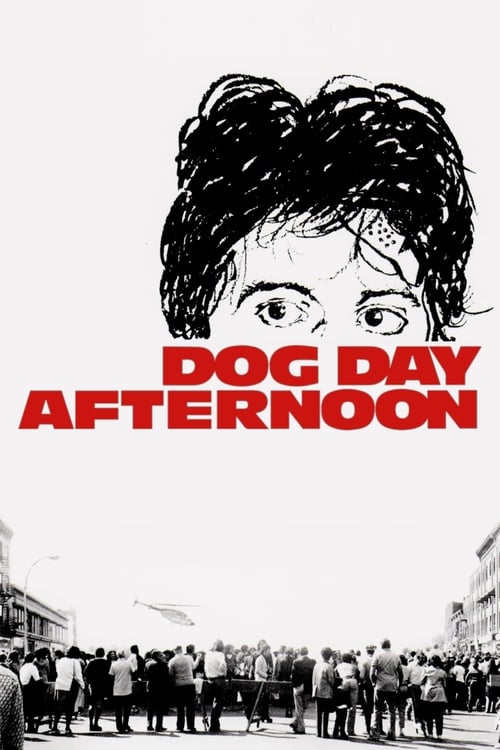
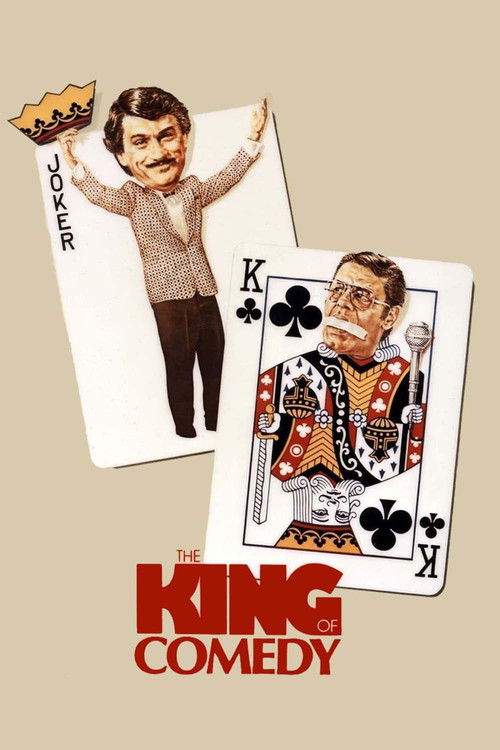
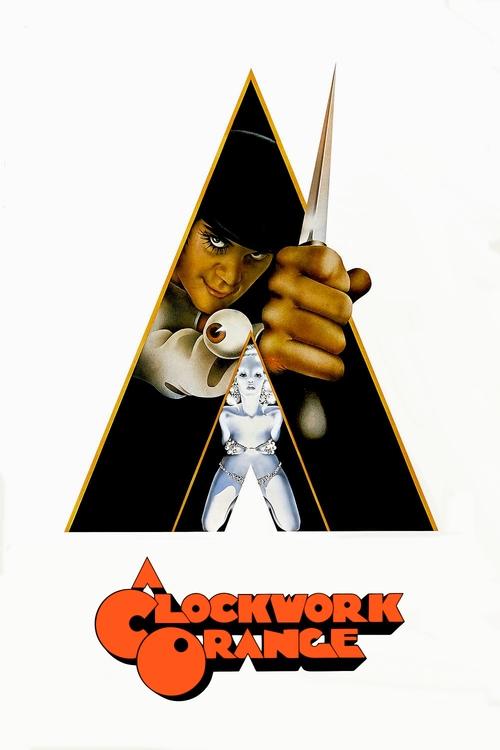
New Hollywood and Its Aftermath (Series)
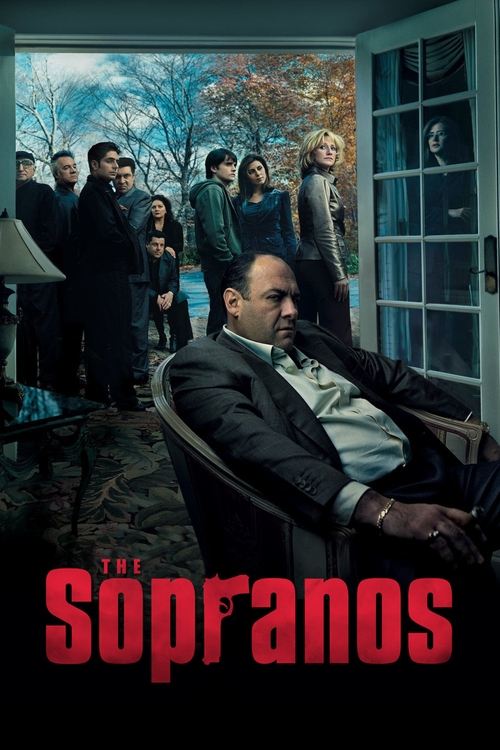
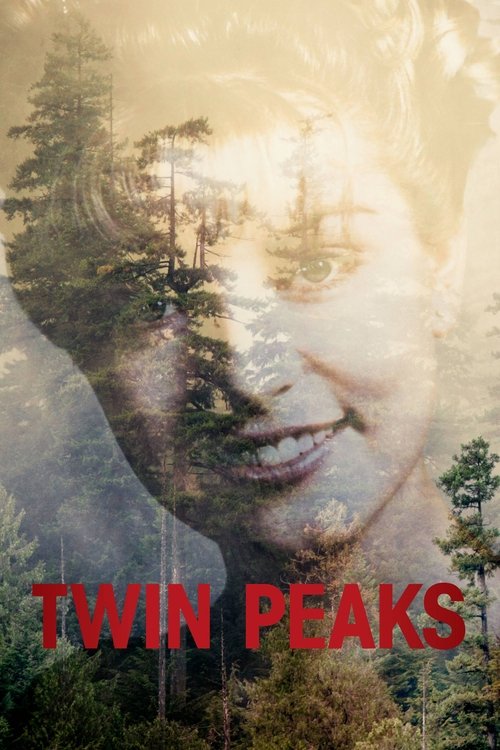
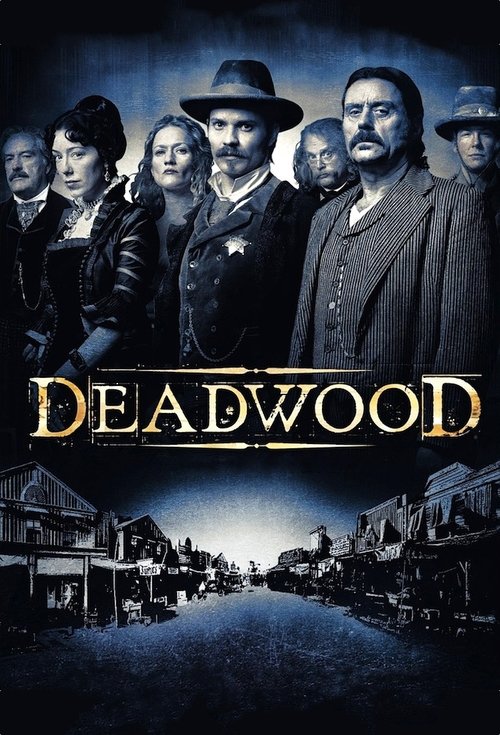
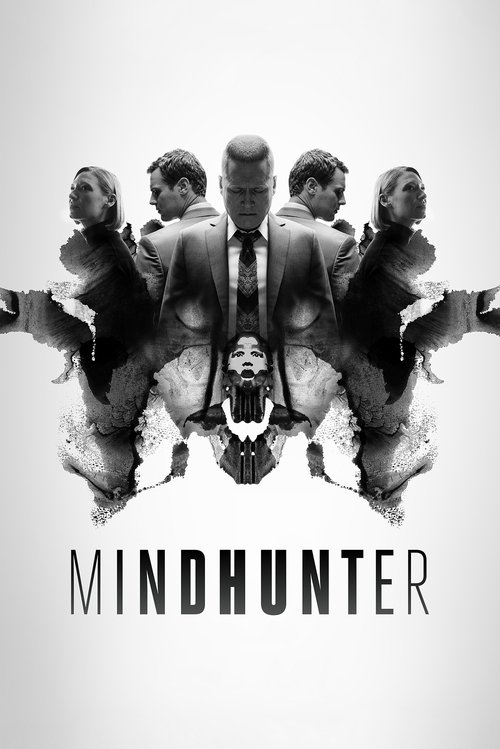
Television that carries the same countercultural restlessness and moral ambiguity

The Novels Behind the Screen
Books that Nicholson classics adapted, or that share their pitch-dark American register


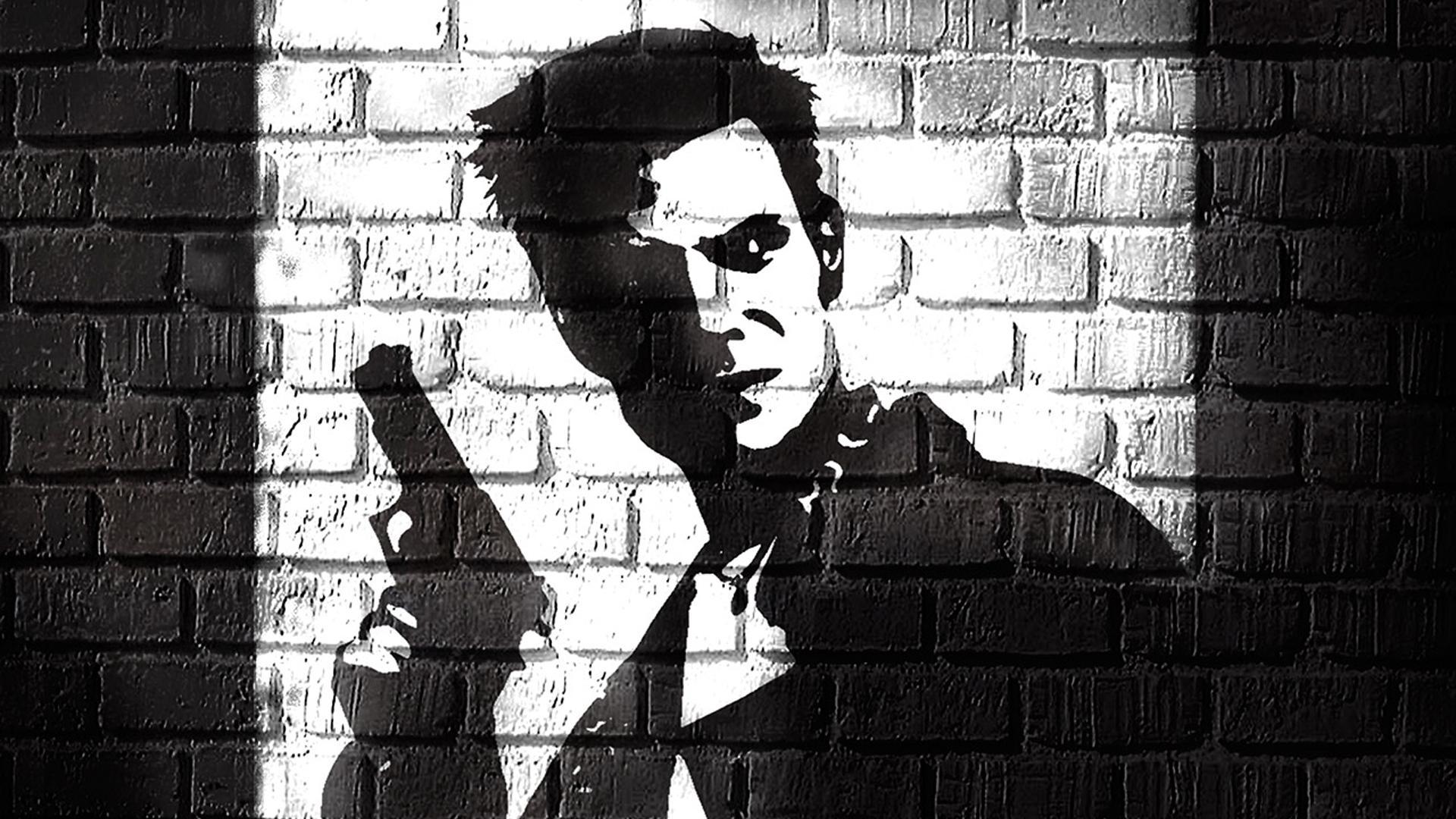
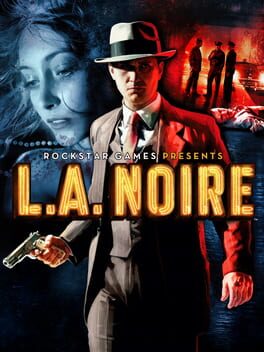
Games That Channel the Same Controlled Chaos
Games built on psychological pressure, moral grey zones, or outlaw energy
Chinatown Is the Film He Was Born to Make
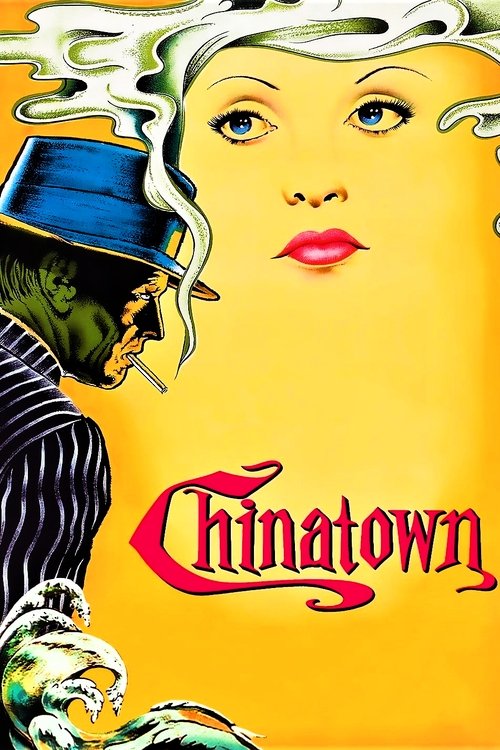
Roman Polanski's 1974 masterwork gave Nicholson Jake Gittes, a character who is clever, venal, and ultimately helpless against the machinery of power around him. The performance is meticulous where Nicholson's work often favors explosion: he keeps the lid on, which makes the ending land like a physical blow. Robert Towne's screenplay is the finest original script in American cinema, and Nicholson honors it by trusting the material rather than overwhelming it.

The Shining Rewrote What a Horror Performance Could Be
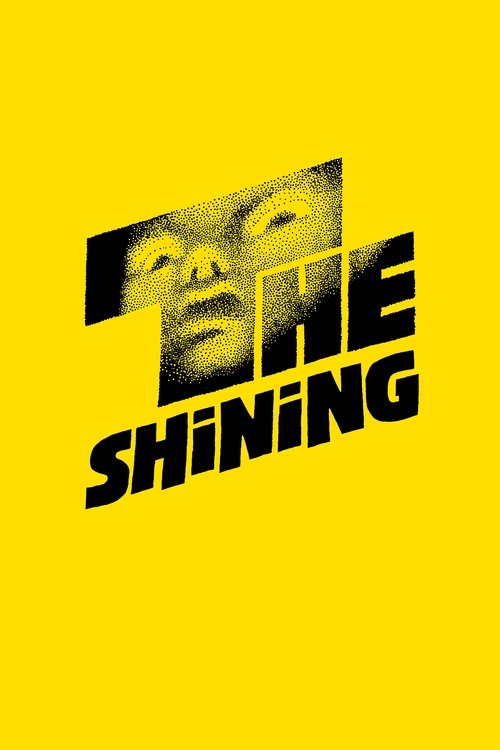
Kubrick pushed Nicholson through dozens of takes to strip away his theatrical instincts, and what emerged was something unprecedented: a man coming apart from the inside, the charm curdling in real time. Jack Torrance is a cautionary figure for anyone who has ever felt their worst impulses gathering momentum. Stephen King famously disliked the adaptation, but the film's power lives in the gap between the book's supernatural mechanics and Nicholson's psychological specificity.
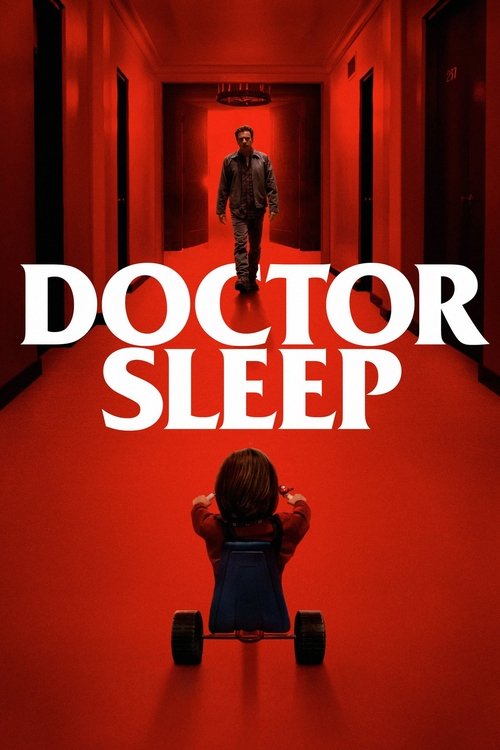
Five Easy Pieces Introduced Him to Himself
Before the superstardom, there was Bob Dupea: a classical pianist hiding in oil fields, unable to love anyone without destroying them. Bob Rafelson's 1970 film caught Nicholson at the precise moment his intelligence and his recklessness were equally matched, and neither had yet been smoothed into product. The chicken-salad-sandwich scene is famous because everyone has wanted to do that at least once. The ending, in which Dupea simply keeps driving, is honest about a type of American man who has never had a better portrait.
The Joker Proved He Could Own a Franchise Without Losing Himself
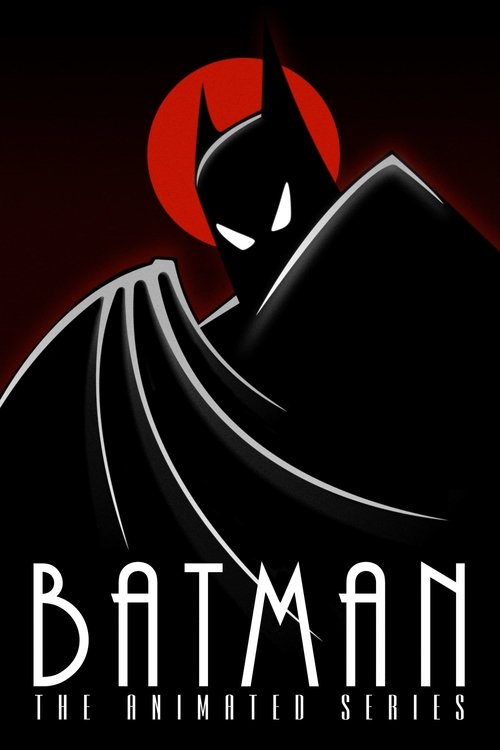
Tim Burton's 1989 Batman was engineered as a pop spectacle, and Nicholson walked in and made it a character study on his own terms. His Joker is vain, funny, and genuinely frightening, because the comedy and the violence come from the same place. He was paid a percentage of the film's gross and earned more than any actor had earned from a single film at that point. The performance is often underrated precisely because it succeeded commercially, but watch it again: it holds the whole picture together.
A Career in Turning Points
- 1969Easy Rider opens the decade he will own Easy Rider
- 1970Five Easy Pieces establishes his New Hollywood persona Five Easy Pieces
- 1974Chinatown: the great collaboration with Polanski and Towne Chinatown
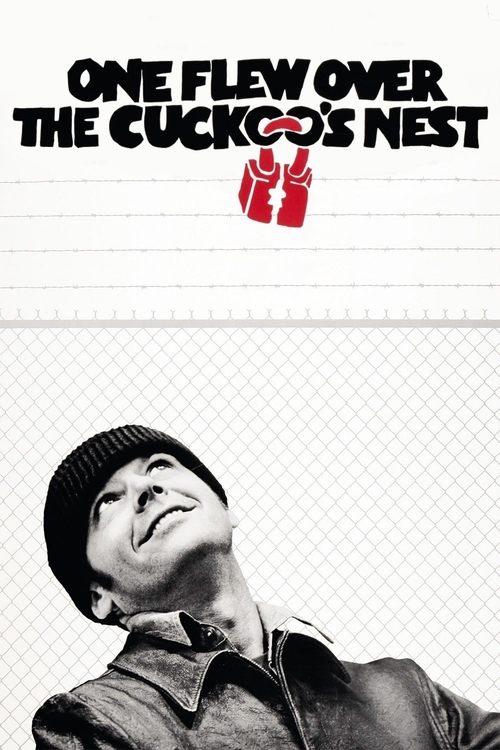
- 1975One Flew Over the Cuckoo's Nest wins him the first Oscar One Flew Over the Cuckoo's Nest
- 1980The Shining redefines screen horror The Shining
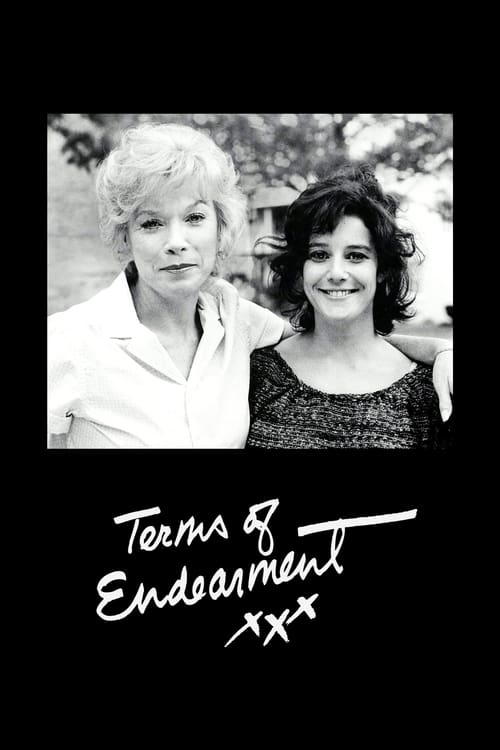
- 1983Terms of Endearment: second Oscar, against type Terms of Endearment
- 1989The Joker makes Batman a worldwide phenomenon Batman
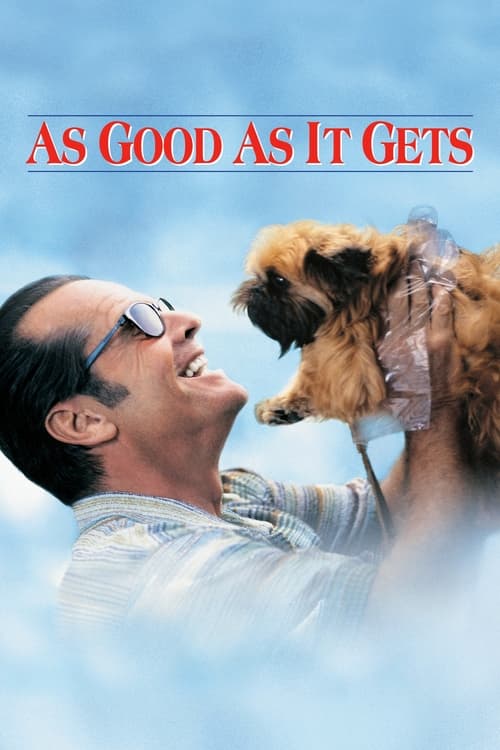
- 1997As Good as It Gets earns a third Oscar As Good as It Gets
- 2006The Departed, his last great role opposite Damon and DiCaprio The Departed
Antiheroes, Noir, and Acting Titans
Villains & Great Antagonists
Explore the Villains & Great Antagonists guide →There are certain things in life where you know it's a mistake but you don't really know it's a mistake until you make it, and sometimes that's the only way to learn.Jack Nicholson