

James Cameron makes films the way engineers build bridges: obsessively, over budget, past every deadline, and then unmistakably standing. From the low-budget terminator thriller that introduced him to the world, through a string of action films that kept raising the physical and technical stakes, to two features that became the highest-grossing films ever made, he has never repeated a formula. What connects the work is appetite: for depth, for water (always water), for the emotional weight underneath the spectacle, and for pushing the medium until it breaks and then fixing it himself. His fans are not passive viewers; they come back because Cameron promises that the screen will show them something real that does not exist yet.
Essential James Cameron
The films that define his vision, in the order he made them




Directors Who Build Worlds at Scale
Filmmakers whose ambition matches their technical reach




The Same DNA on Television
Series with Cameron's taste for scale, survival, and human cost





The Source Material and the Ideas Behind the Films
Books that share Cameron's preoccupations: technology, survival, and the cost of hubris


Games That Share the Scale
Worlds that demand you survive, adapt, and feel the weight of the environment





The Abyss Is the Most Cameron Film Cameron Ever Made
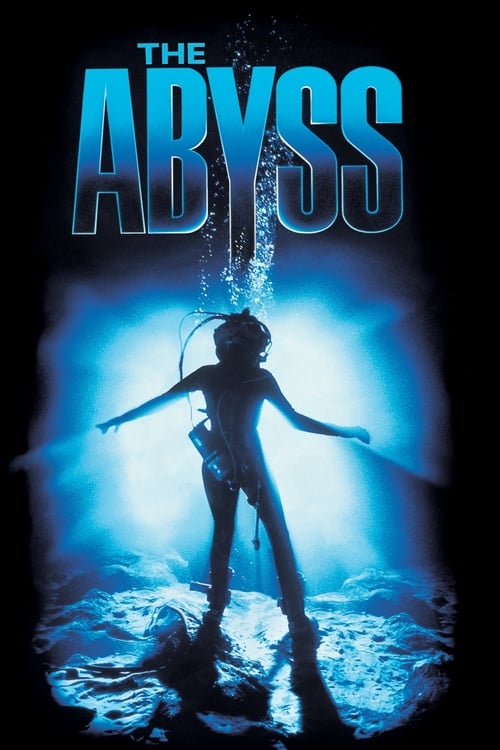
Aliens and Terminator 2 are bigger and louder. Titanic and Avatar made more money. But The Abyss is where every Cameron obsession appears in one place: the deep sea as frontier, technology as both savior and trap, a couple who communicate through conflict, and a final act that earns its emotion by putting its characters through something genuinely punishing. It was also the production that broke every physical-shoot record and nearly drowned the crew. The film is Cameron at his most reckless and most personal.
Terminator 2 Invented the Blockbuster Sequel as We Still Know It
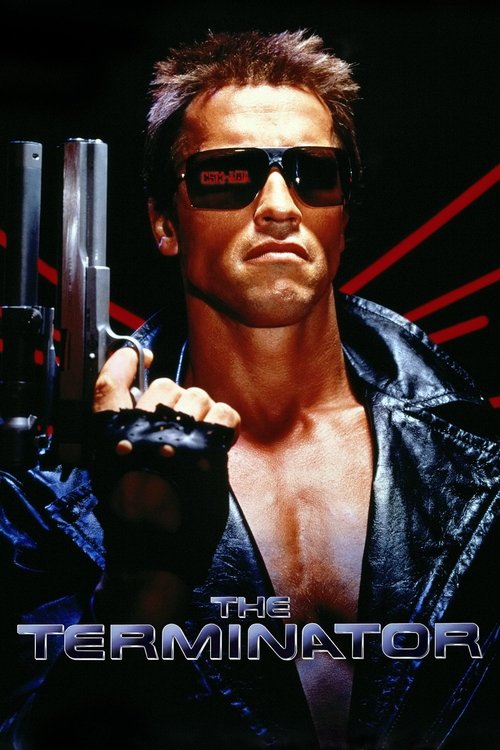
The first Terminator worked because it was small and merciless. Cameron's sequel had every reason to be a cash-in and instead became the template for what a blockbuster continuation could do: bigger budget, better effects, a genuinely subversive reversal of the original's threat, and a villain designed around a technology that did not exist yet and had to be built from scratch. T-800 as protector is still one of the most elegant structural reversals in mainstream cinema.
Cameron's World-Building Is Ecological Before It Is Aesthetic
Pandora is not a pretty backdrop; it is a system. The Na'vi are not a metaphor that sits still; they are worked through consistently at the level of biology, language, and social structure across two films. Fans who find Avatar thin on character often miss that Cameron puts his world-building effort into the environment rather than the dialogue, which is why the films work as experiences even when the plots are familiar. The Way of Water deepens this by treating the ocean culture as rigorously as the forest.
Aliens Remains the Gold Standard for Franchise Expansion
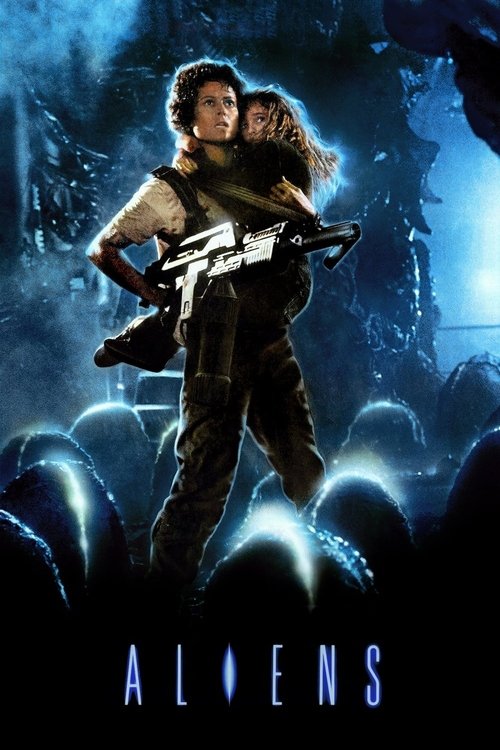
Ridley Scott made one kind of film; Cameron made a completely different kind of film set in the same universe, and both are correct. Where Alien is horror and isolation, Aliens is war film and siege, with the xenomorphs reframed from singular monster to military adversary. The marines are differentiated, the stakes are personal, and the final confrontation between Ripley and the queen is still one of the cleanest pieces of action staging in the genre. Cameron understood that a sequel should interrogate the original, not replicate it.
A Career in Milestones
- 1984The Terminator arrives with a $6.4 million budget and redefines science-fiction action The Terminator
- 1986Aliens expands the franchise into war cinema and earns Cameron his reputation for large-scale action Aliens
- 1989The Abyss shoots in a decommissioned nuclear reactor and nearly breaks the production before delivering Cameron's most personal film The Abyss
- 1991Terminator 2 pioneers digital morphing effects and becomes the most expensive film ever made at that point Terminator 2: Judgment Day
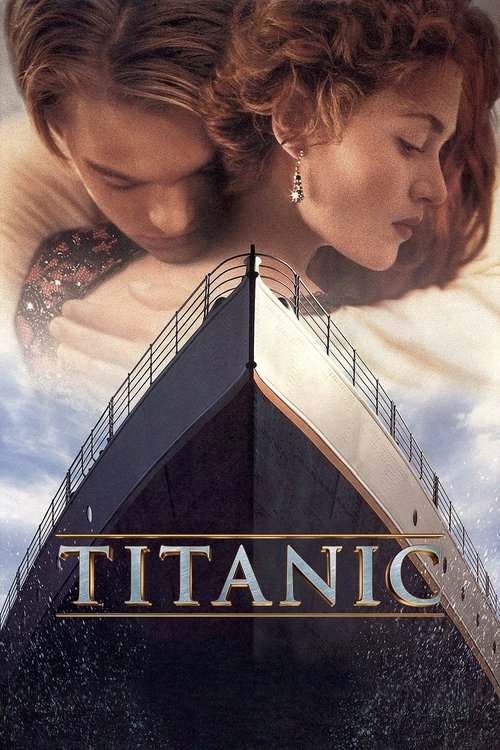
- 1997Titanic spends 200 million dollars and earns over 2 billion, winning 11 Oscars including Best Picture and Best Director Titanic
- 2009Avatar introduces 3D motion capture at scale and becomes the highest-grossing film of all time Avatar
- 2022Avatar: The Way of Water deepens the world and crosses 2 billion worldwide Avatar: The Way of Water
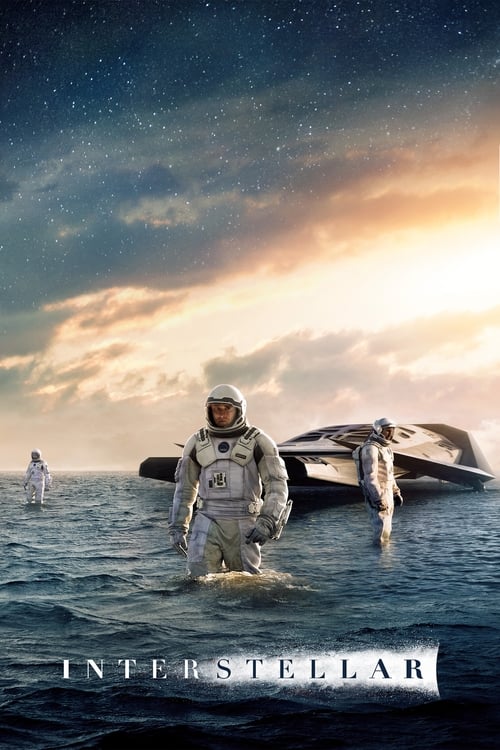
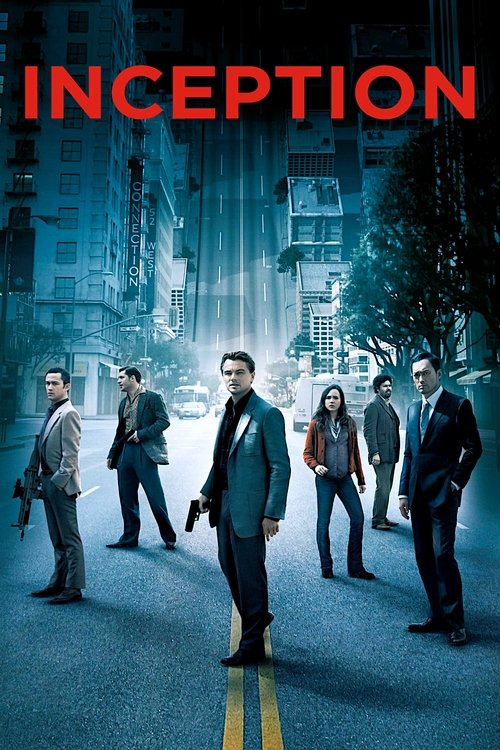
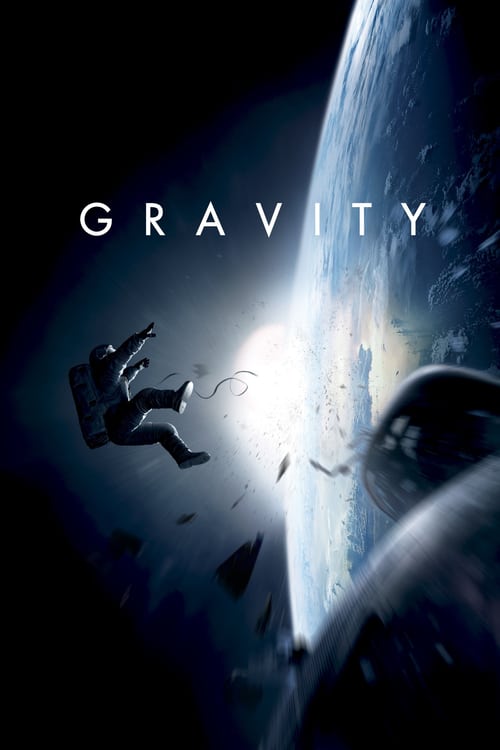
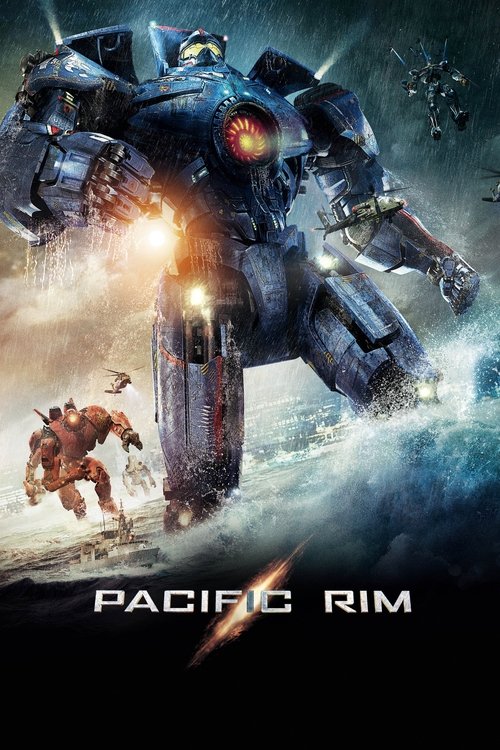
Big-scale sci-fi spectacle
For Fans of Avatar
Explore the For Fans of Avatar guide →The difference between a film that lasts and one that doesn't is whether the emotion is real. You can fake the effects. You cannot fake the feeling.James Cameron, on why the Titanic love story had to work