
The Director Who Never Played It Safe
Joel Schumacher started as a costume designer, which tells you everything you need to know about how he saw cinema: as surface made meaningful, as appearance that communicates character, as the seductive power of a look. By the time he was directing, that sensibility had become his signature. Critics loved to dismiss it. Audiences kept showing up.
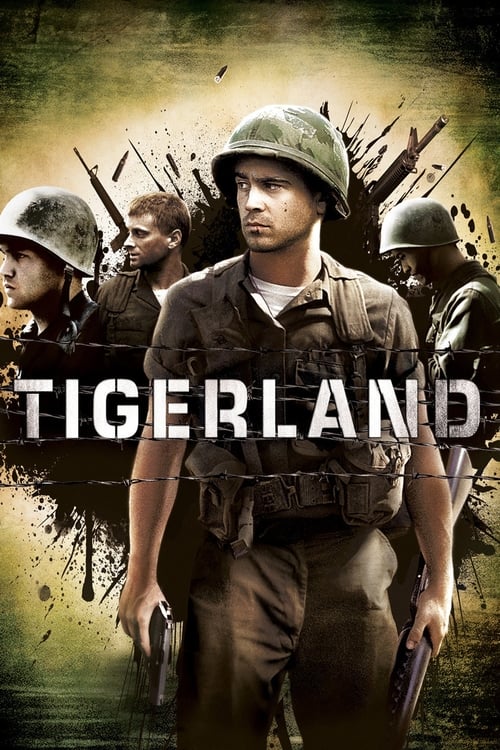
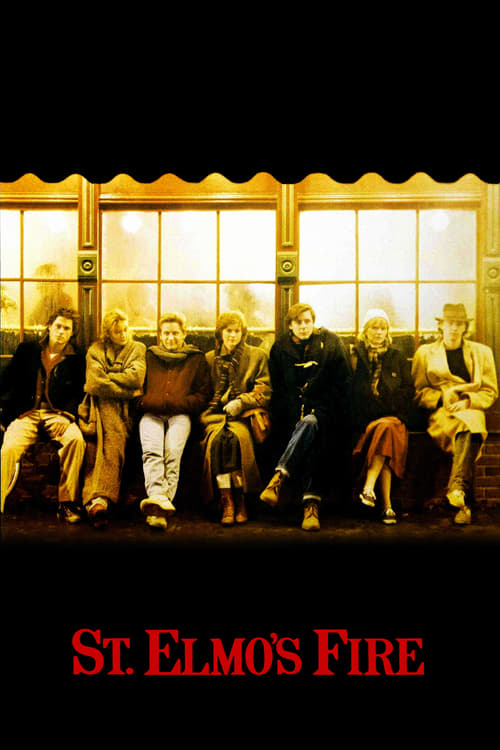
The Schumacher catalog is unusually broad. He made a sun-drenched Brat Pack soap opera (St. Elmo's Fire), a teenage vampire film that remains one of the best of its genre (The Lost Boys), a taut single-location thriller (Phone Booth), two John Grisham adaptations that hold up (The Client, A Time to Kill), a seething urban portrait (Falling Down), a stripped-down war film that launched Colin Farrell (Tigerland), and a full-throated Andrew Lloyd Webber spectacle (The Phantom of the Opera). He also made Batman and Robin, which ended his commercial run for nearly a decade.
What connects all of it is a belief in theatrical excess as an emotional language. His films are rarely subtle, but they are almost always sincere. The neon, the baroque production design, the outsized performances, the operatic scores: these are not failures of taste but a consistent point of view. He was drawn to characters under extreme moral pressure, to institutions that corrupt, to the performance of identity. His best films feel like they are about to crack open from the inside.
Essential Joel Schumacher
His own films, ranked by ambition
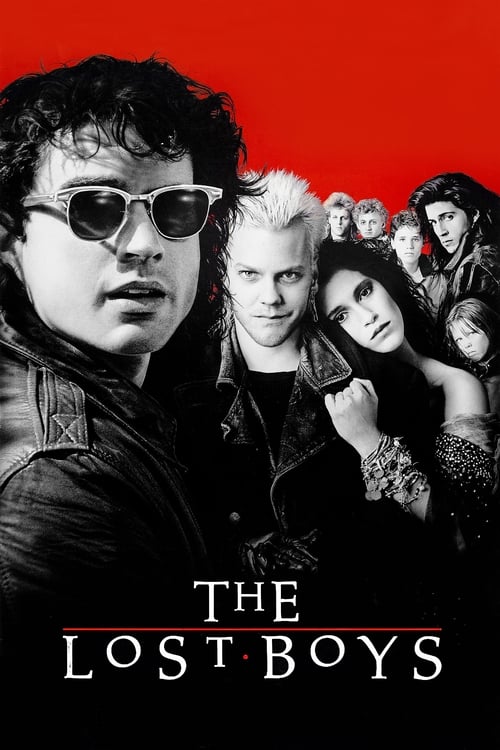

The Lost Boys is the perfect entry point
Start here. The Lost Boys (1987) has everything Schumacher does best: a pop-horror premise played with complete commitment, an unapologetically confident visual style, a killer soundtrack, and genuine wit about youth culture and belonging. It arrived at exactly the right cultural moment, but unlike a lot of 1987 films it has kept its edge. The Corey-Kiefer dynamic, the Santa Carla boardwalk, the saxophone player on the beach: none of it should work as well as it does. It is also, straightforwardly, one of the best vampire films ever made.
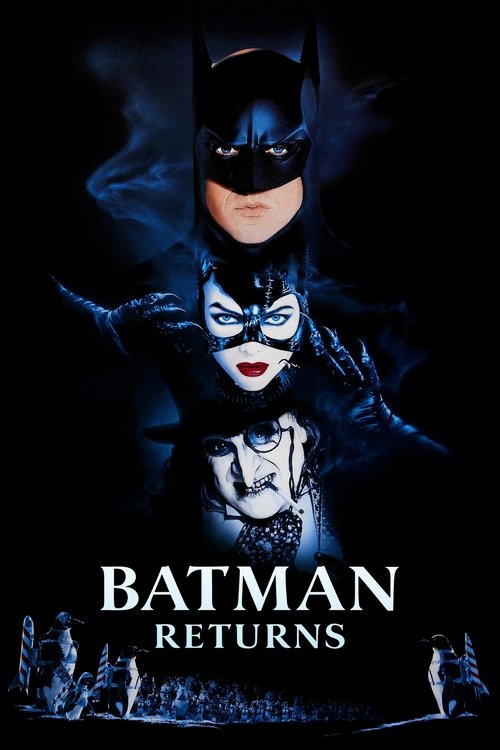
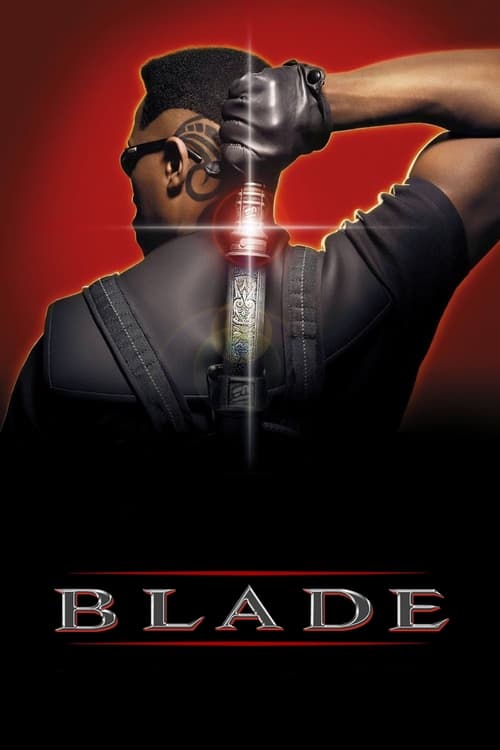
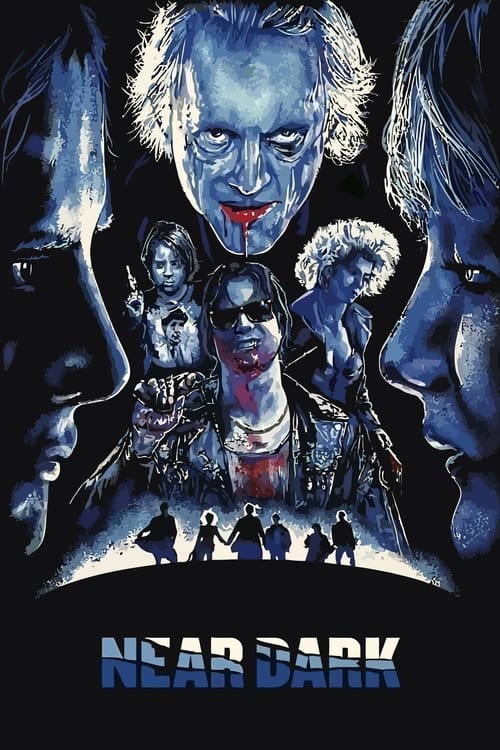
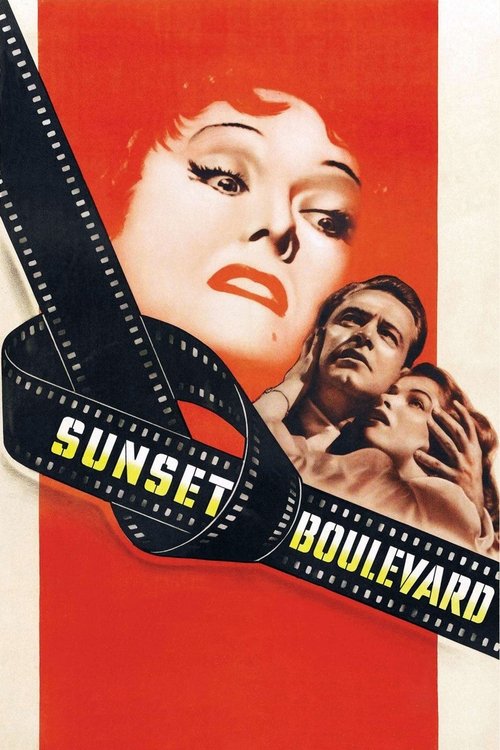
Neon Gothic: Visual Maximalists
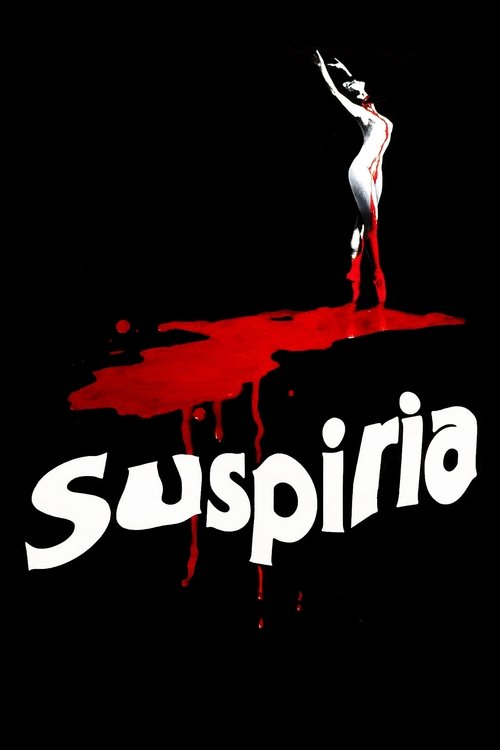
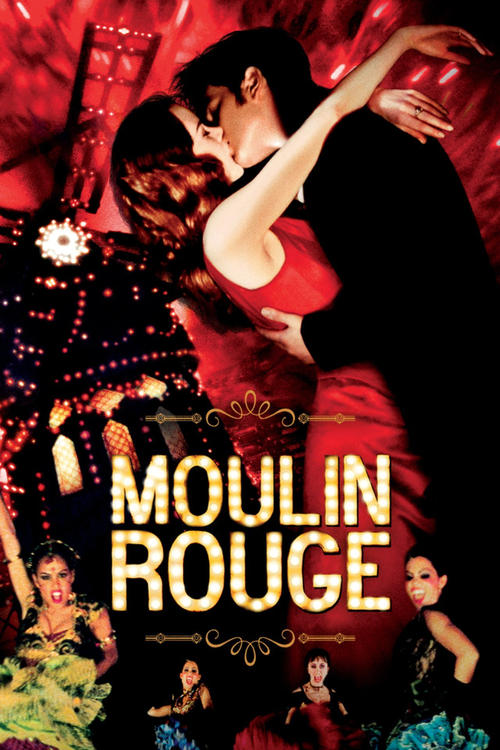
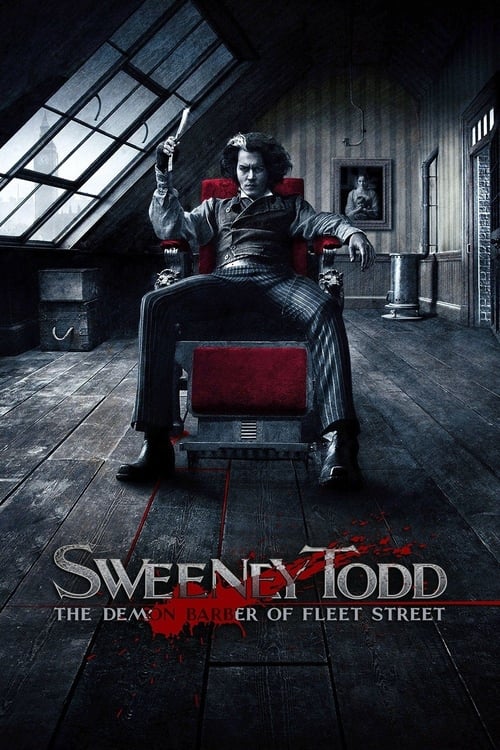
Films that share his appetite for lurid, saturated, theatrical worlds



Moral Pressure Cookers: Thrillers About What People Do Under Strain
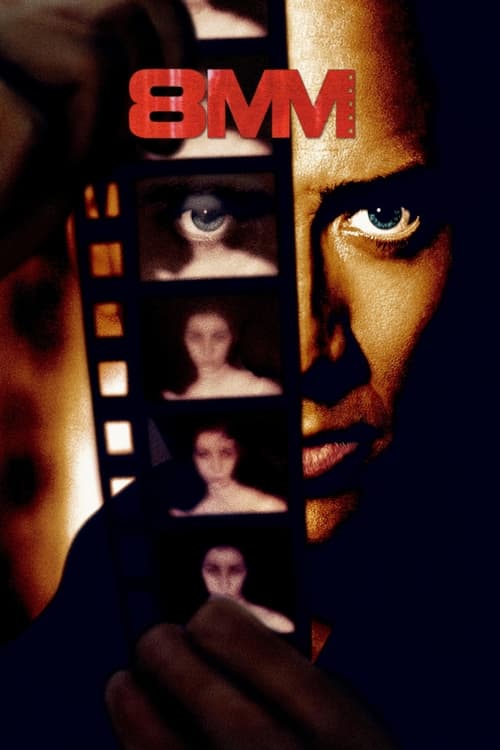
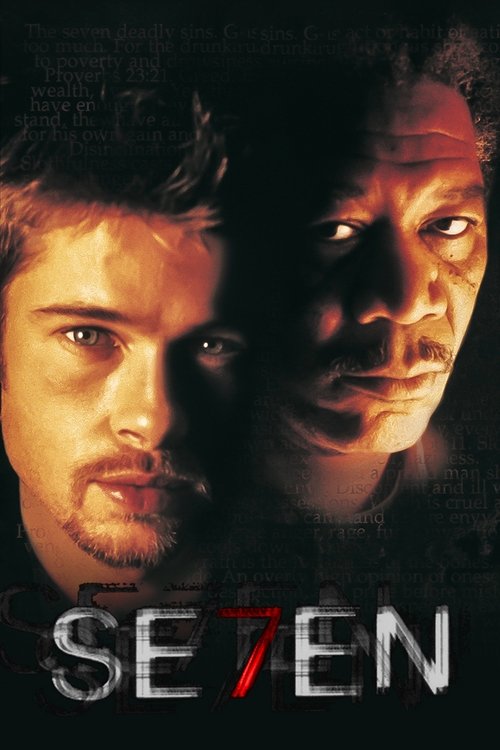
For the Schumacher side that made Falling Down, Phone Booth, and 8MM
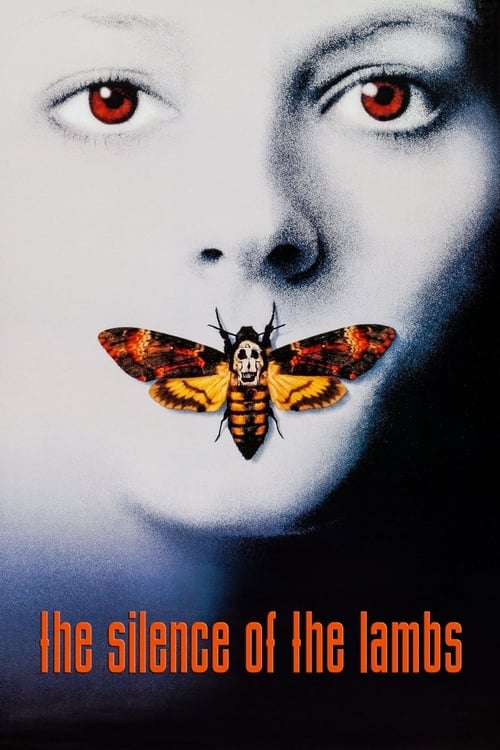

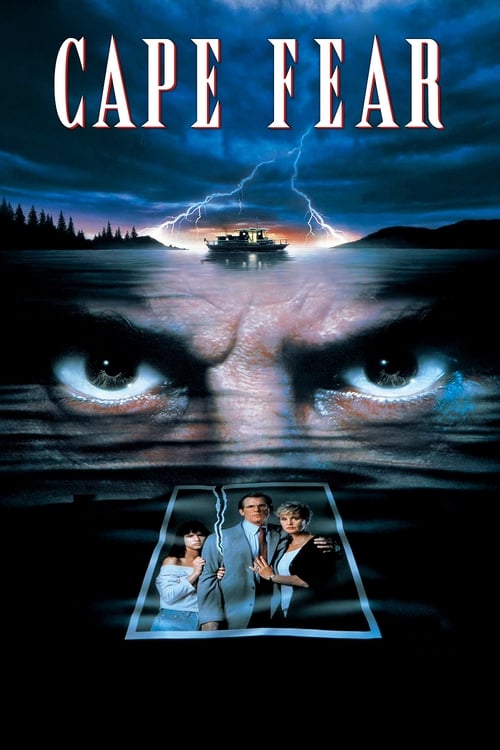
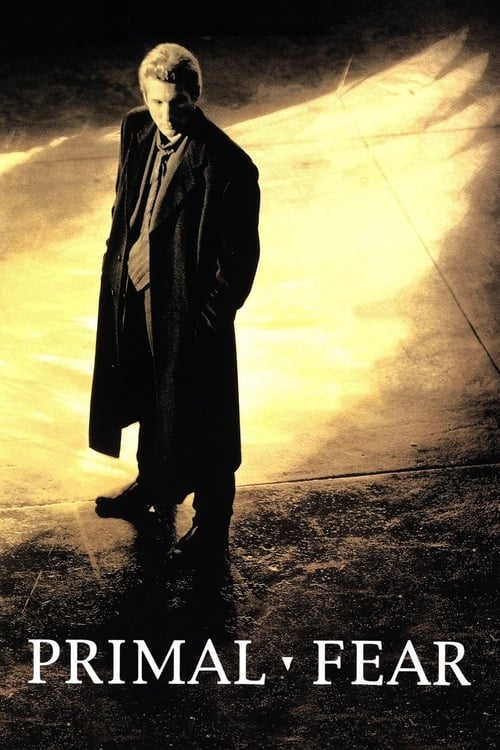

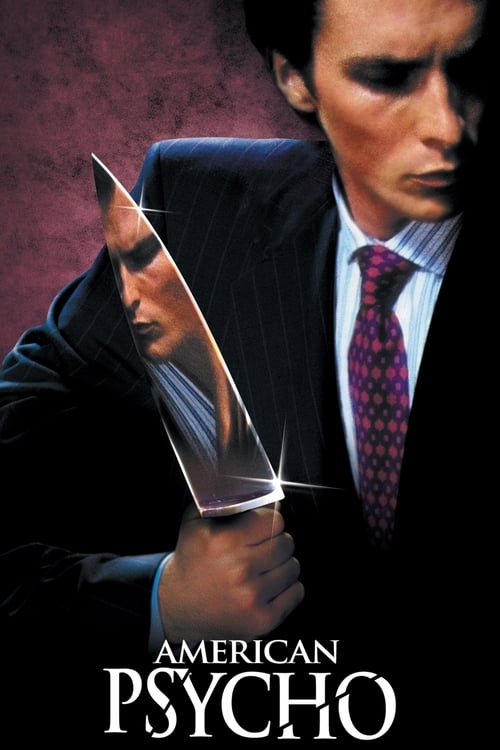
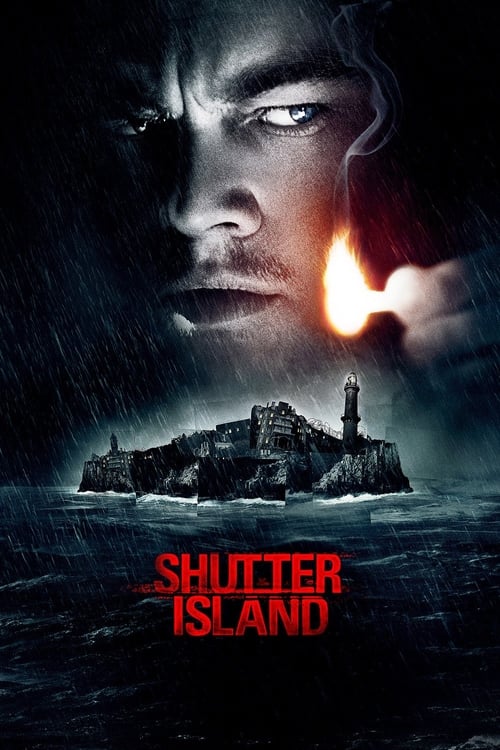
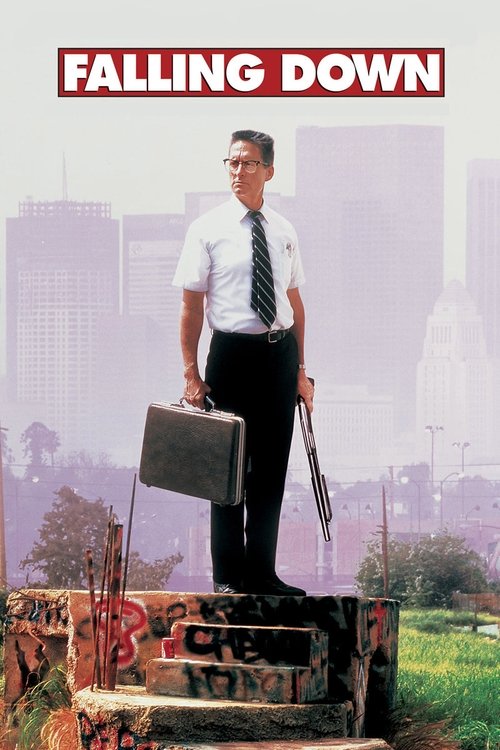
Falling Down is his most misunderstood film
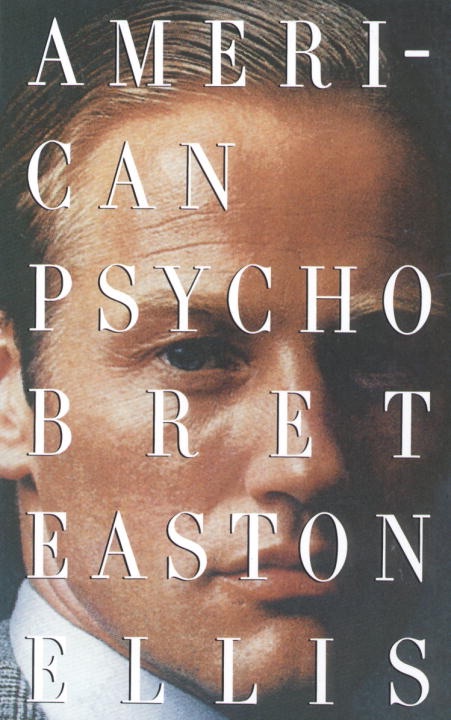
Falling Down (1993) got misread on release as a vigilante power fantasy. It is not. Michael Douglas's D-FENS is a man the film treats with increasing horror, not sympathy: his grievances are recognizable enough to follow, but his responses expose something broken and dangerous underneath. Schumacher threads that needle far more carefully than his dismissive critics acknowledged. It belongs alongside American Psycho and Fight Club as a precise, uncomfortable portrait of a particular kind of white American male rage, and it arrived years before either of them.
Courtroom and Conscience: Legal Thrillers and Moral Verdicts
For the Grisham adapter and the director who believed institutions corrupt
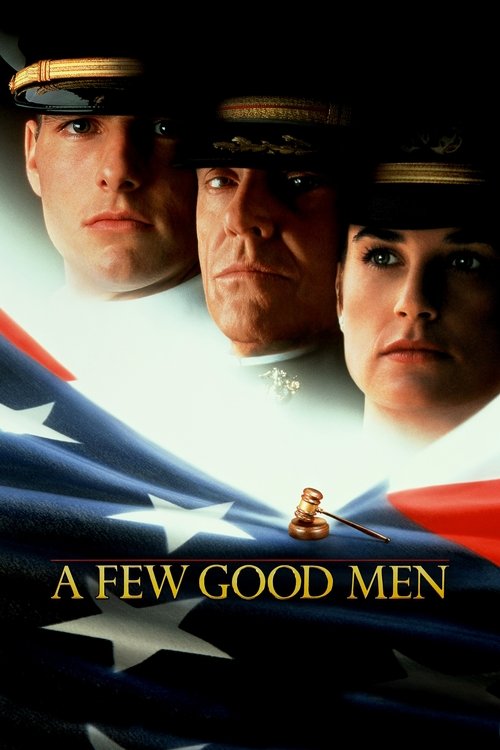
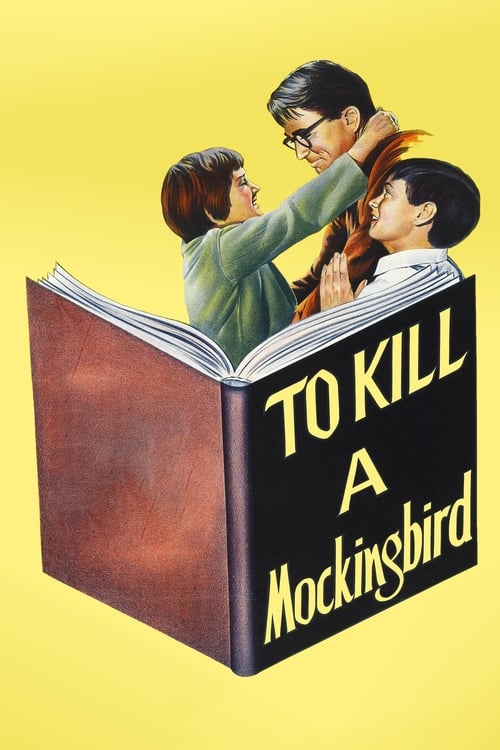

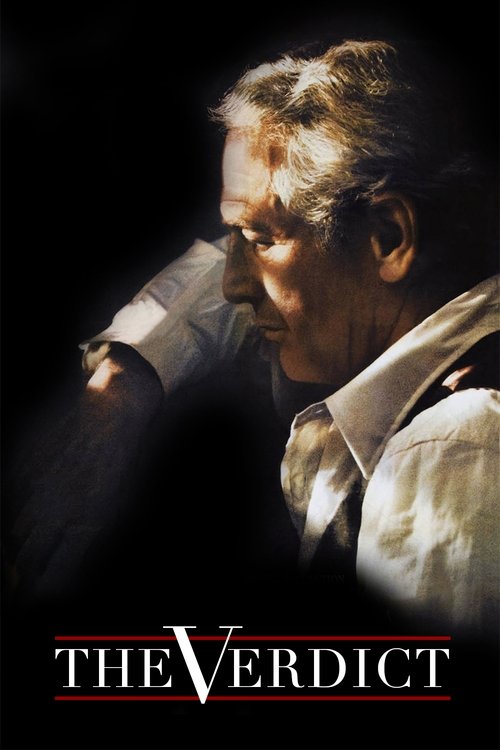
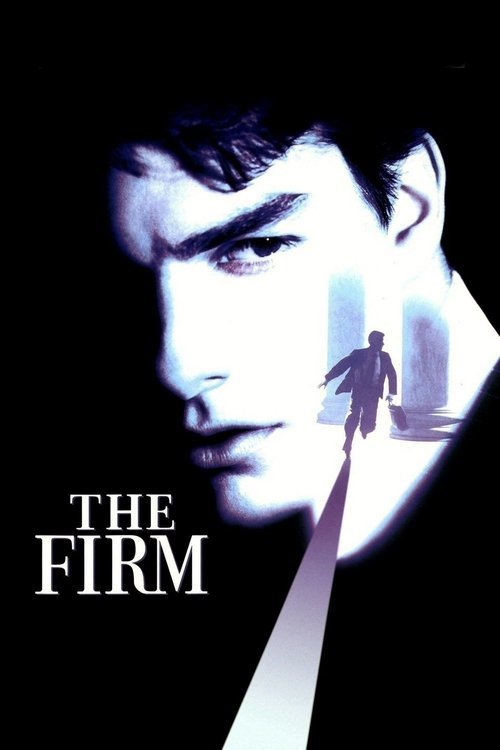
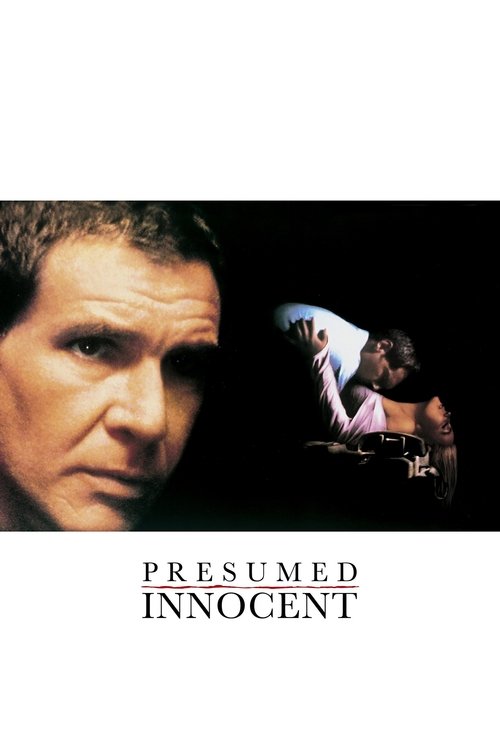
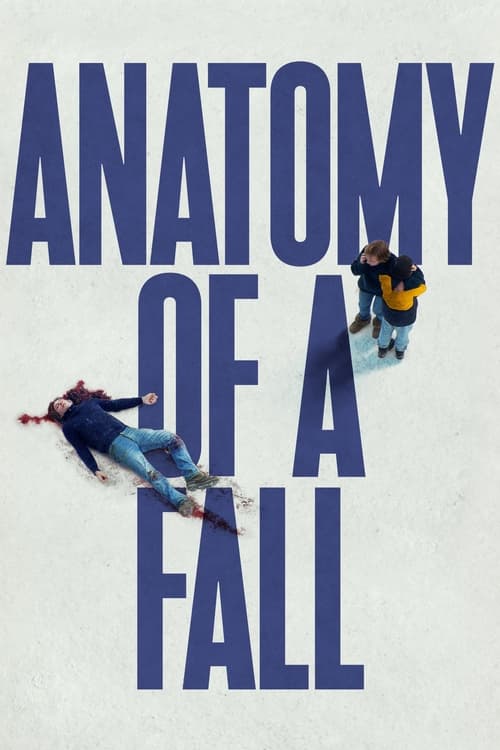
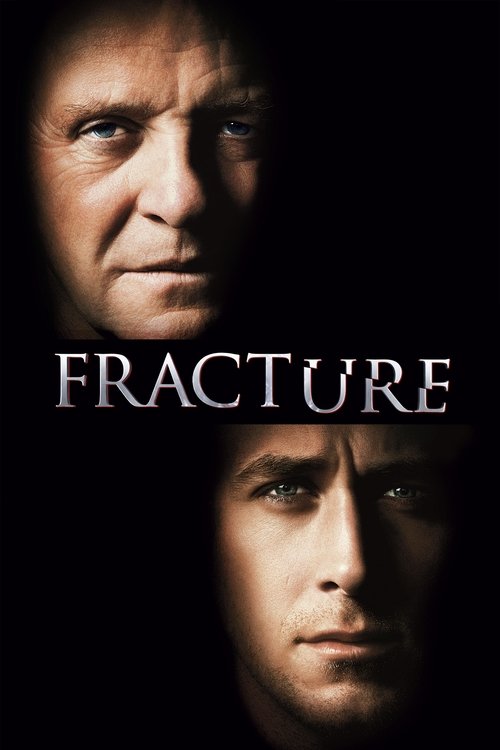
He was drawn to characters who are performing a version of themselves they can no longer sustain. That tension between the mask and the person underneath it is the engine of his best work.The through-line from St. Elmo's Fire to The Phantom of the Opera
Theatrical Excess Across Every Medium
Books, games, and music that share his operatic register


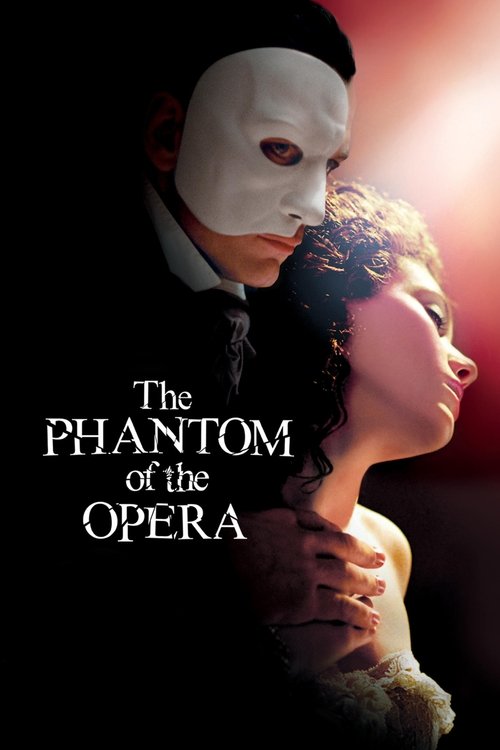
The Phantom of the Opera is the film he spent his career building toward
Schumacher spent his career circling characters who construct elaborate performances of desire and identity. The Phantom of the Opera (2004) is where that obsession finally found its ideal subject. Gerard Butler's Phantom collapses all the Schumacher archetypes into one figure: the genius warped by rejection, the mask as literal prop, the operatic scale deployed without a shred of irony. Critics expecting self-awareness were confounded. What they got was something more strange and more personal: a director at full commitment, on exactly the wrong project for the cultural moment, producing something that has only grown more distinctive since.
Joel Schumacher: A Director's Arc
- 1981Feature debut with The Incredible Shrinking Woman
- 1985St. Elmo's Fire: Brat Pack landmark
- 1987The Lost Boys: genre classic The Lost Boys
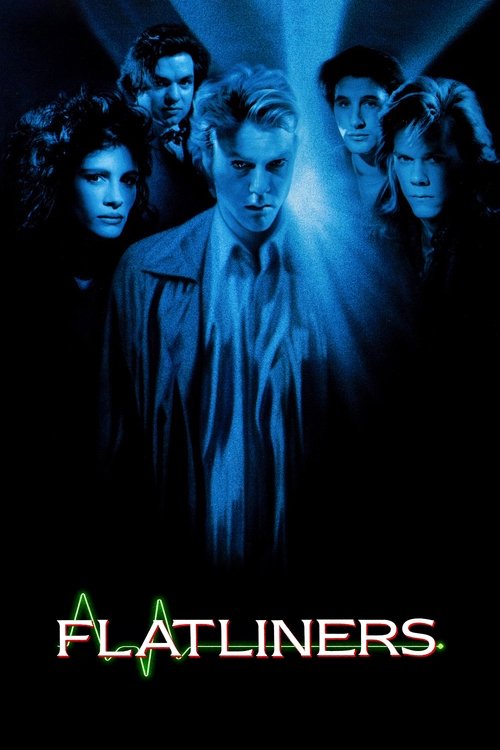
- 1990Flatliners: near-death horror thriller Flatliners
- 1993Falling Down: career-best provocation Falling Down
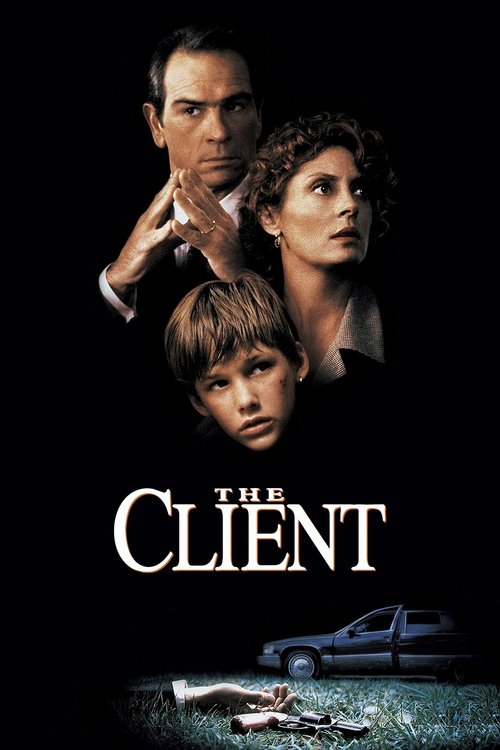
- 1994The Client: first Grisham adaptation The Client
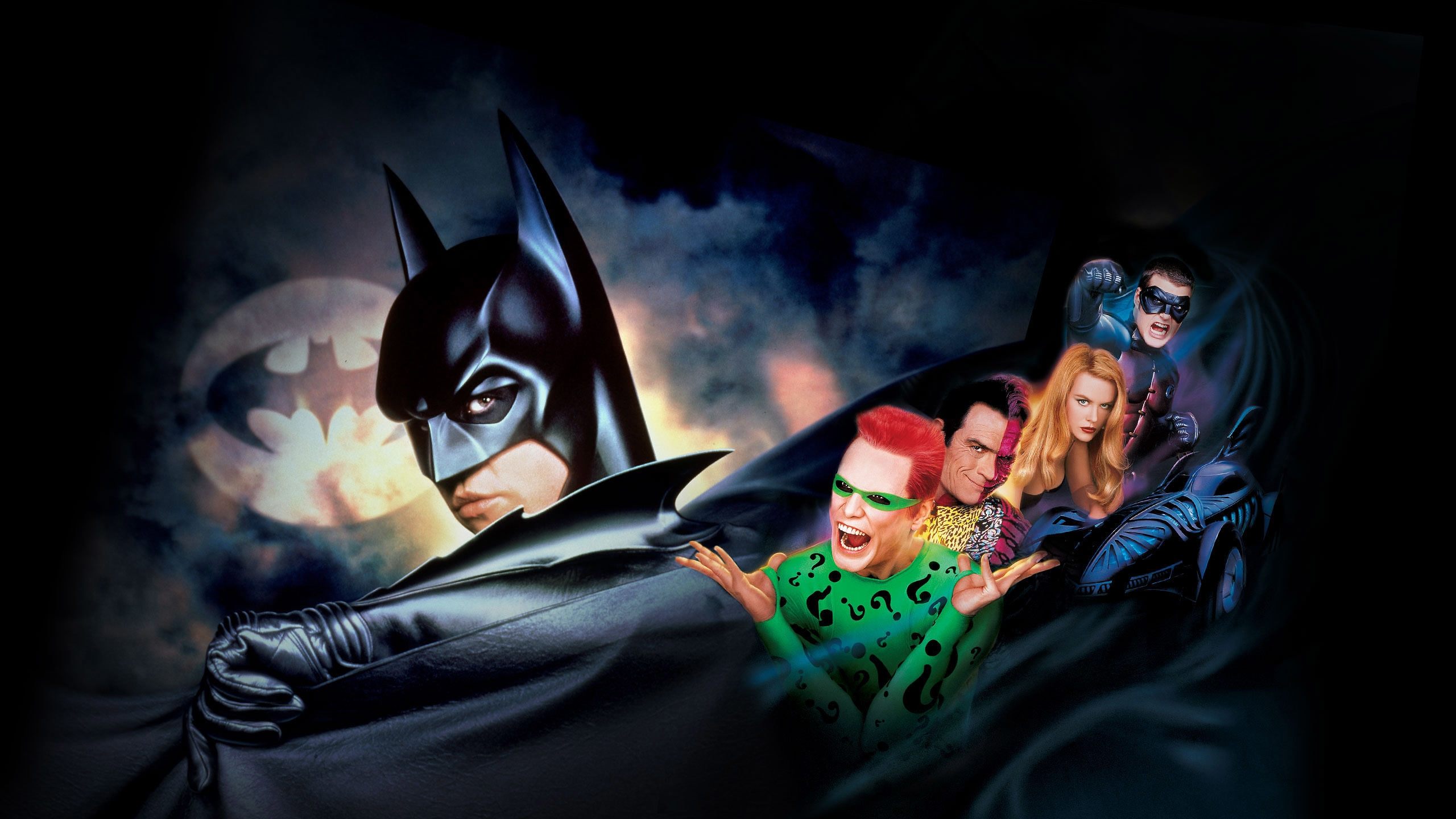
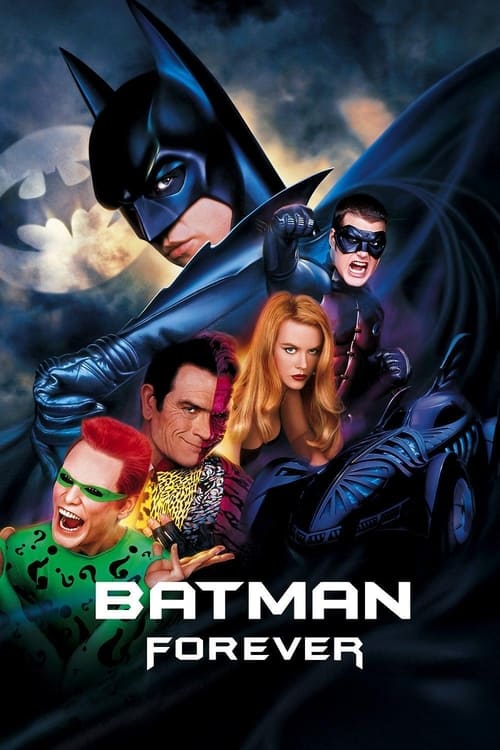
- 1995Batman Forever: commercial peak Batman Forever
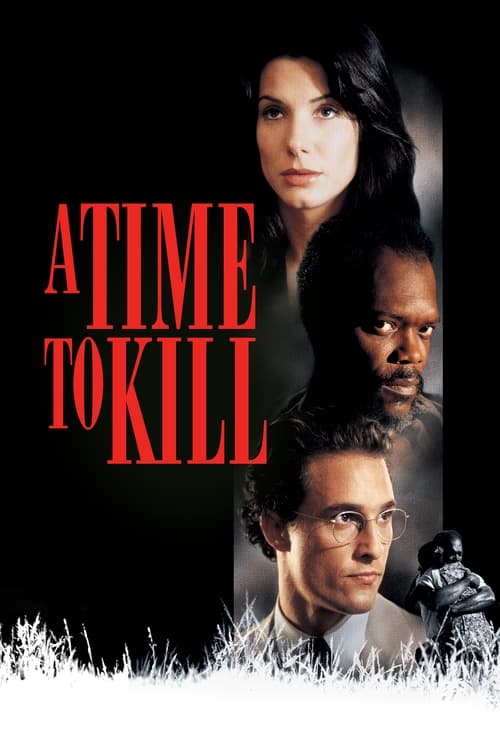
- 1996A Time to Kill: finest Grisham work A Time to Kill
- 1997Batman and Robin: critical nadir Batman & Robin
- 2000Tigerland: stripped-back comeback, Colin Farrell's debut Tigerland
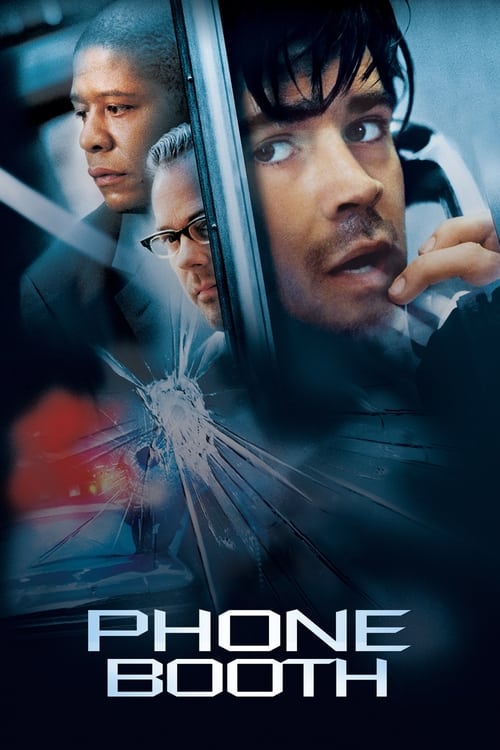
- 2002Phone Booth: one location, one performance, total control Phone Booth
- 2004The Phantom of the Opera: operatic vision fully realized The Phantom of the Opera
- 2020Died at 80, leaving a wildly varied legacy
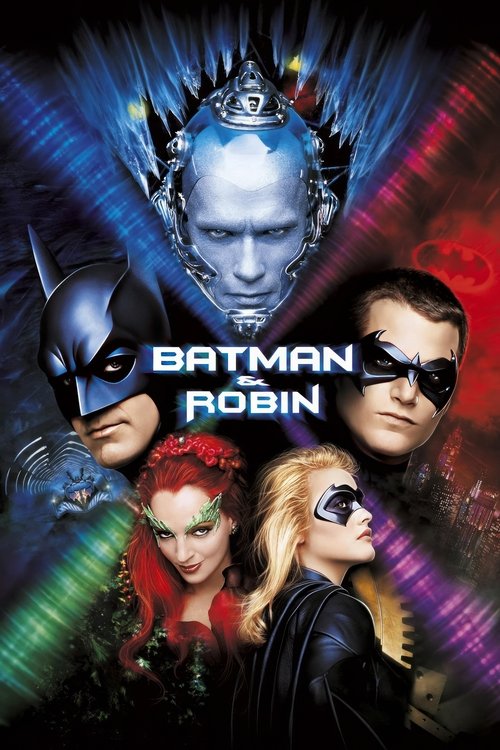
Batman and Robin deserves a reappraisal, not a defense
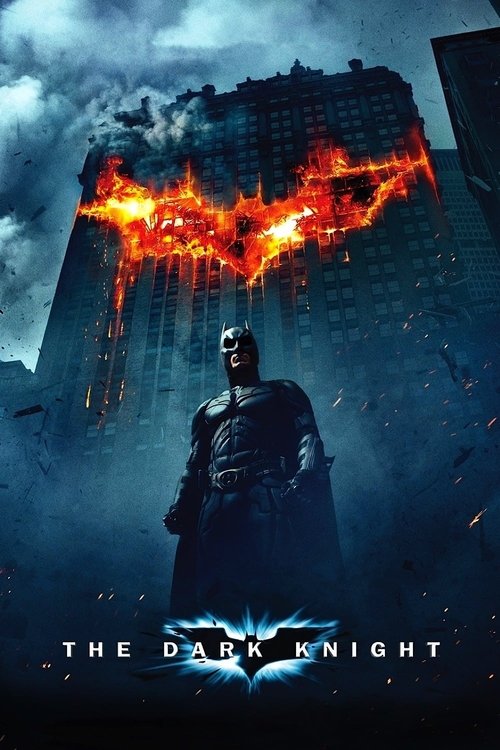
Nobody is arguing that Batman and Robin is a good superhero film. But watching it today as a Schumacher film is a different experience from watching it as a Warner Bros. franchise casualty in 1997. The production design alone, all those neon-lit anatomy-class sculptures and Arnold Schwarzenegger's ice puns delivered with terrifying sincerity, reads now as a kind of deranged pop art. Knowing what the opposite of Christopher Nolan looks like is actually useful. This is it.