
The Man Who Put Ordinary People on Television
Before John de Mol, television had celebrities, contestants, and characters. After him, it had people. The Dutch producer born in The Hague in 1955 did something that sounds simple in retrospect: he made the audience the show. His company Endemol, founded in the mid-1990s from a merger with Joop van den Ende, became the most powerful unscripted production company in the world, and the formats de Mol created there still define what most of us mean when we say reality television.
The thread running through his best work is a specific kind of pressure. Whether it is the social claustrophobia of a house with no exits, the naked ambition of a singing competition, or the mathematical cold sweat of a briefcase game, de Mol understood that the most compelling drama is not scripted. It is structural. Build a situation with clear stakes and genuine unpredictability, give ordinary people real consequences, and step back. The cameras do the rest.
His taste runs toward the democratic and the populist in the best sense: he made formats that translate across every culture on earth because they tap something universal. Fear, hope, the desire to be seen, the uncomfortable pleasure of watching someone else squirm under pressure. If you love his work, you love television that trusts the audience to find the human story themselves, without being told what to feel.
Essential John de Mol
The formats he created or executive produced, ranked by cultural footprint

The Social Experiment Tradition
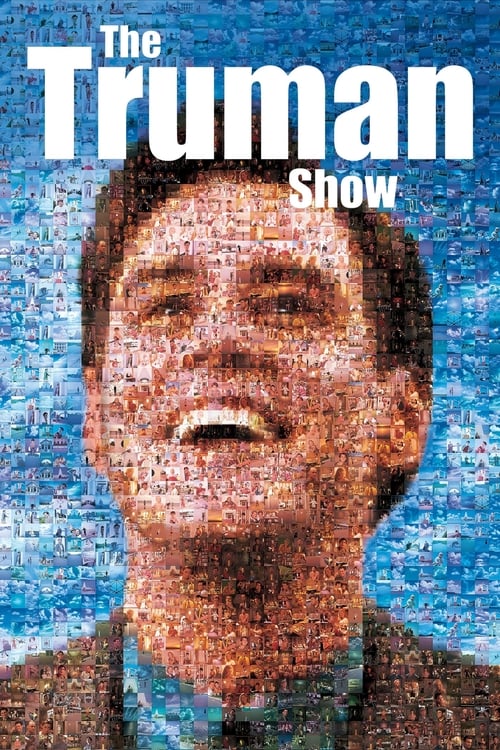
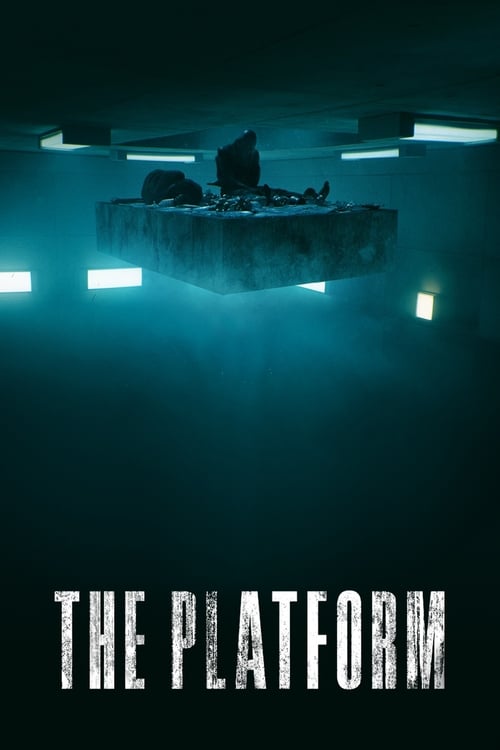
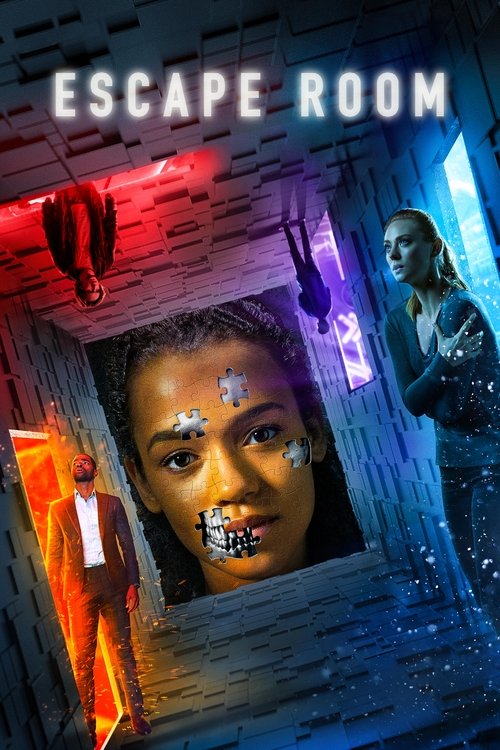
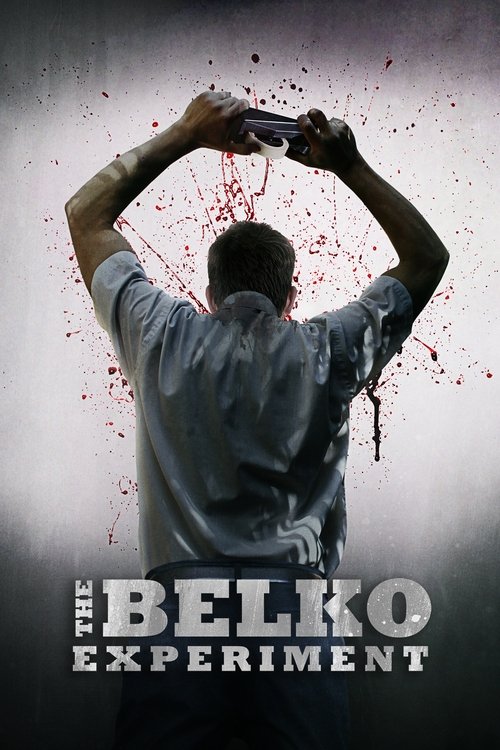
Television and fiction that strips away the social contract and watches what happens

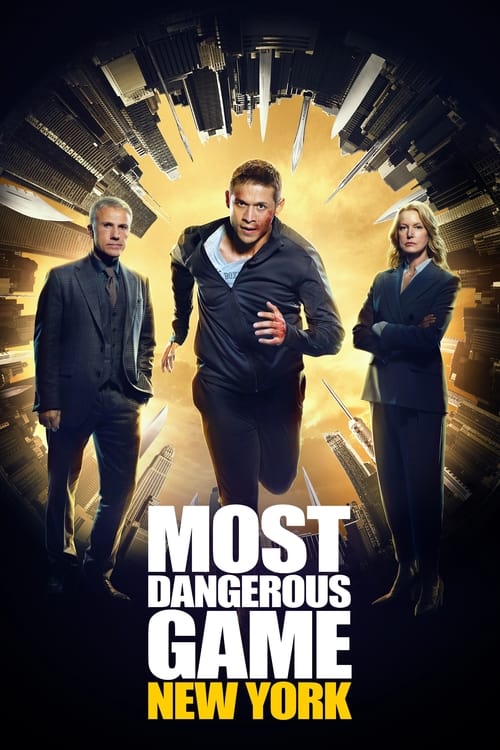
High-Stakes Games and the Drama of Uncertainty
When the rules are simple and the pressure is total


The Talent Show and the Dream Machine
From audition rooms to arenas: the performance, the vote, the verdict

Watching People Under a Microscope
Films and documentaries about performance, observation, and what the camera does to everyone in its frame
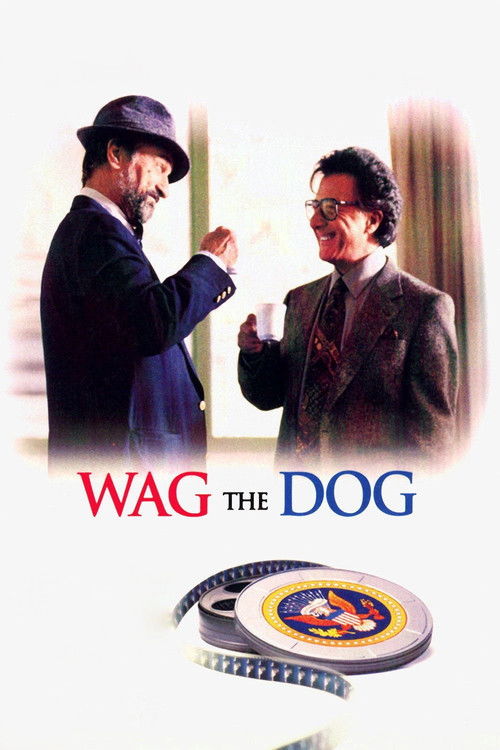
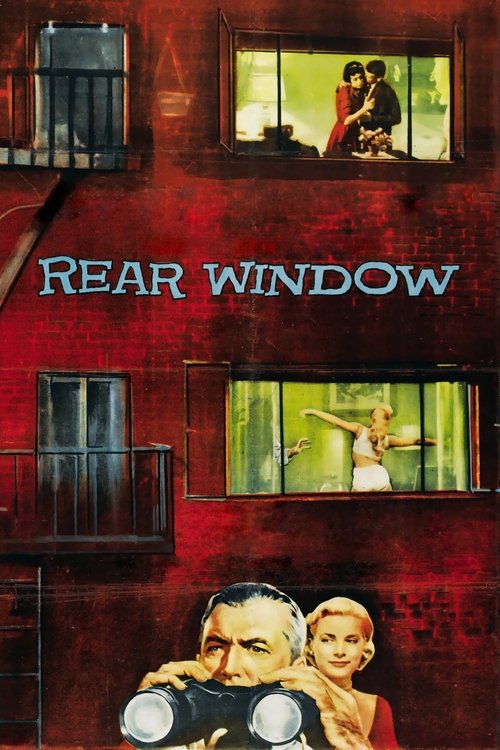
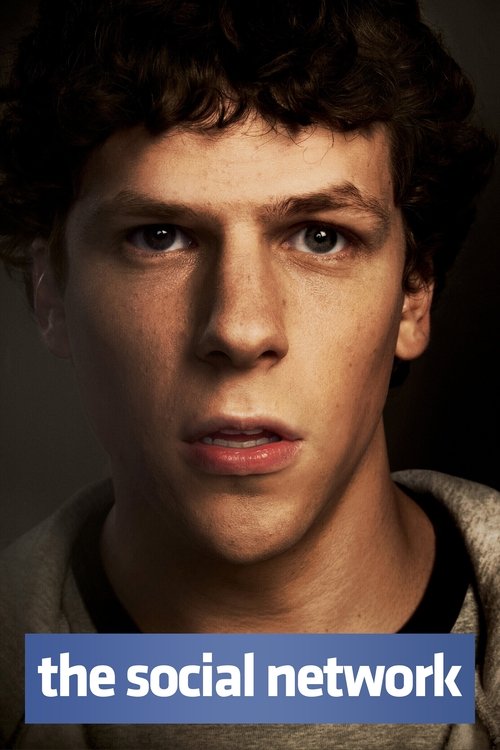
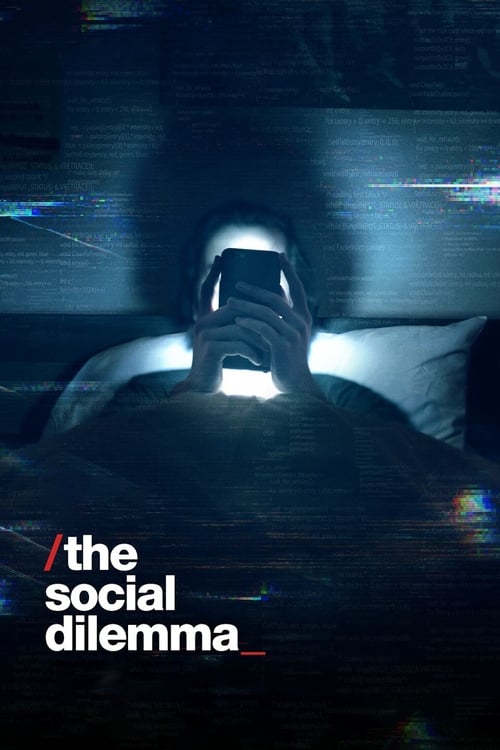

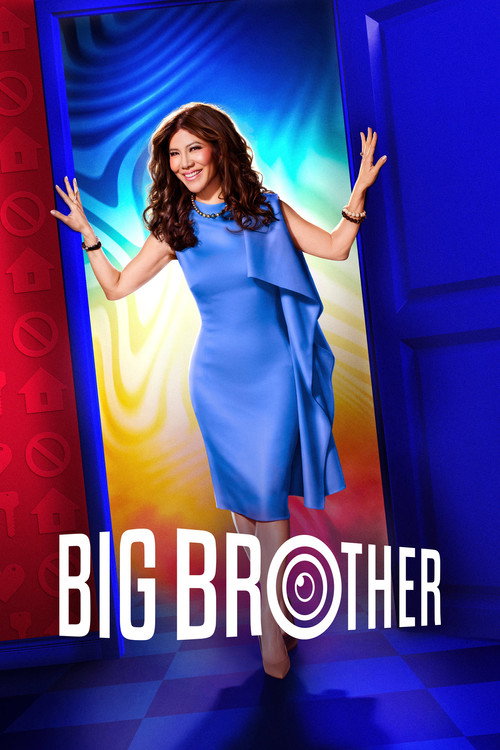
Big Brother is still the one that matters
Every subsequent social experiment format owes something to Big Brother, but the original Dutch series still carries a charge the imitators never quite replicated. Stripped of the celebrity-season noise and the later production inflation, it is just people in a house, watched without mercy. The discomfort it generated on first broadcast was not about the housemates. It was about the audience realizing they wanted to keep watching.
Deal or No Deal is the purest thing de Mol ever made
Deal or No Deal contains no skill. No trivia, no physical challenge, no vote. Just a person, twenty-six cases, and a banker on the phone offering money to make the uncertainty stop. The whole show is a lesson in how badly humans misread probability when real money is on the table. It is genuinely philosophical television dressed as a game show, and it ran in over 80 countries because that specific anxiety is universal.
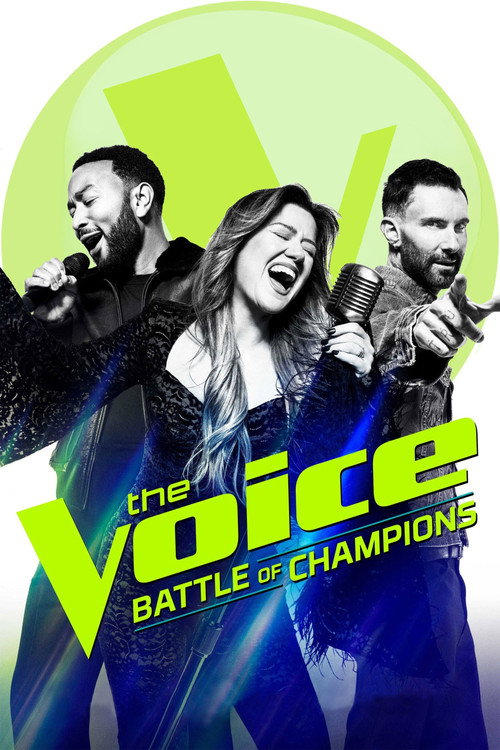
The Voice was a format correction, not just a follow-up
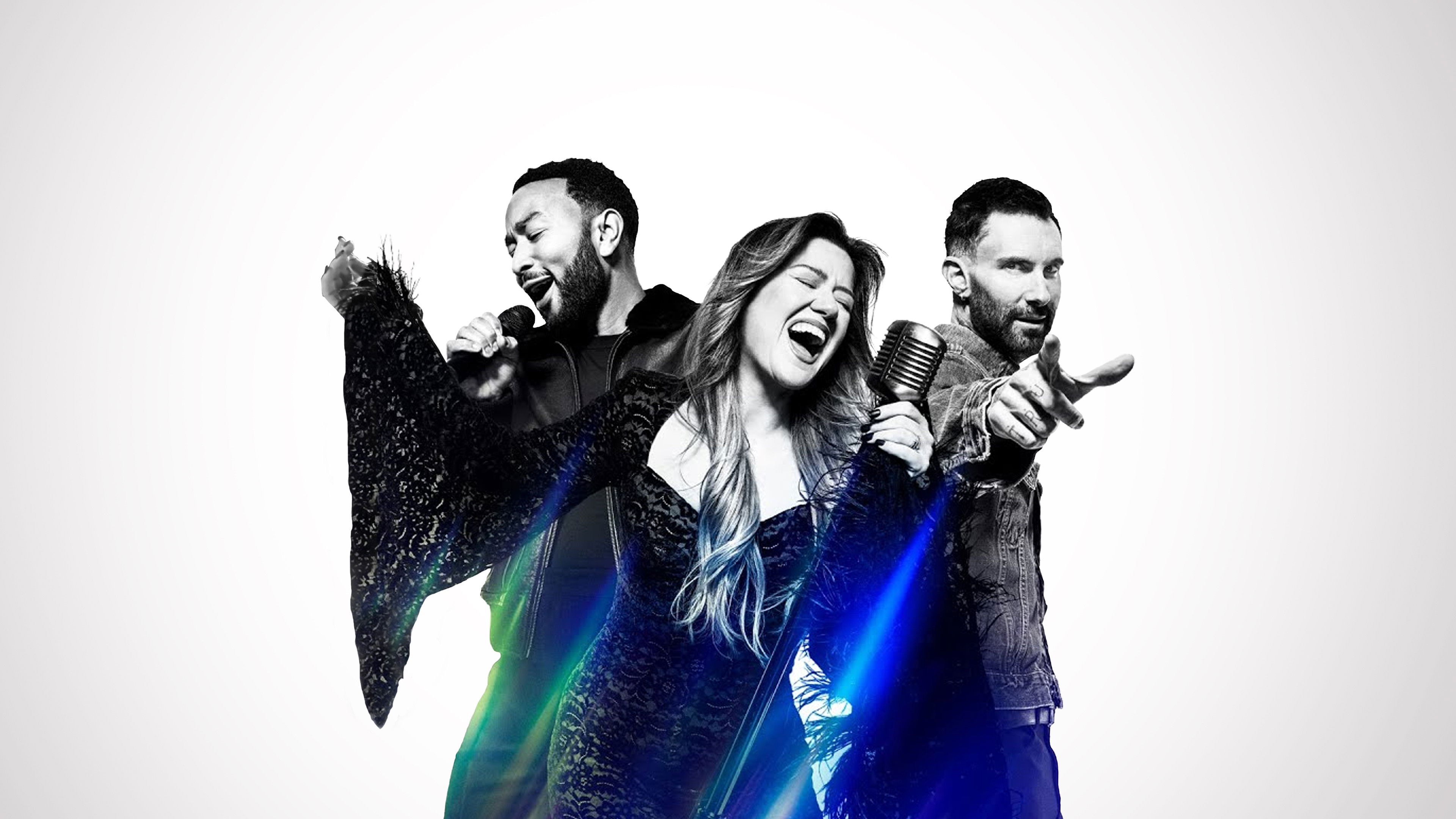
By the time The Voice launched in 2010, the talent show format had calcified into a looks-first audition spectacle. Turning the chairs around was a simple structural fix to a corruption that had crept into the whole genre. The blind audition restored something the format had lost: the idea that voice is what actually matters. Whether that premise holds up across a hundred international versions is a different argument, but the original insight was sharp.
Squid Game is the logical endpoint of everything de Mol built
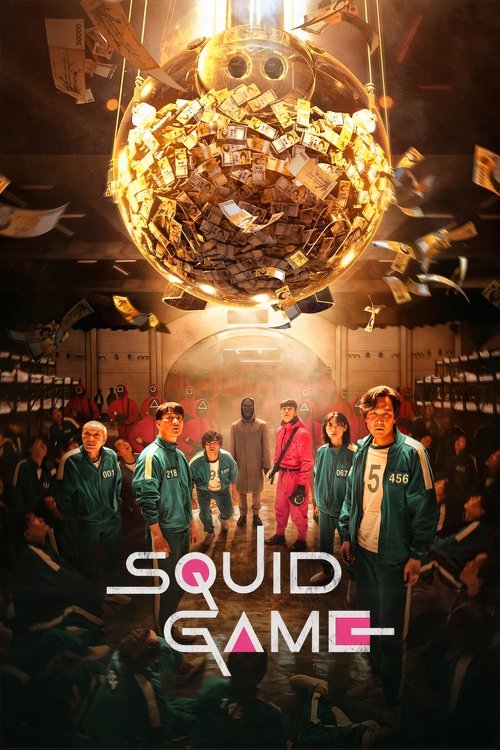
Hwang Dong-hyuk did not set out to satirize Dutch television formats. But Squid Game is the dark mirror of every high-stakes game show structure de Mol perfected: strangers in a contained environment, rules that are clear but cruel, an audience watching from outside. Where de Mol's formats kept the stakes symbolic (money, fame, humiliation), Squid Game pushes them to their literal limit to ask what that symbolic structure was always doing to everyone involved.
John de Mol's Format Empire
- 1994Endemol founded, merging de Mol's company with Joop van den Ende's
- 1999Big Brother premieres in the Netherlands, becomes a global phenomenon Big Brother
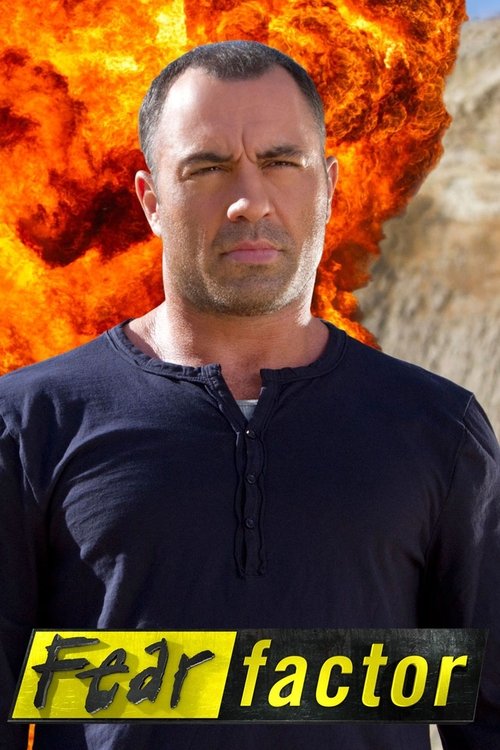
- 2001Fear Factor launches in the US Fear Factor
- 2002Deal or No Deal premieres in the Netherlands Deal or No Deal
- 2004De Mol departs Endemol, founds Talpa Media the following year
- 20061 vs. 100 debuts, another Endemol format reaching dozens of countries 1 vs. 100
- 2010The Voice premieres in the Netherlands, redefining the talent show genre The Voice
- 2014Utopia launches as a long-form social experiment format Utopia
- 2023The Floor premieres, continuing de Mol's run of stripped-back game formats The Floor
Ordinary people, deadly games, dystopian TV
Deadly Games & Death Tournaments
Explore the Deadly Games & Death Tournaments guide →The most durable thing de Mol understood is that format is character. You do not need to write a protagonist. Put the right pressure on an ordinary person and the story writes itself.CrossBinge editors