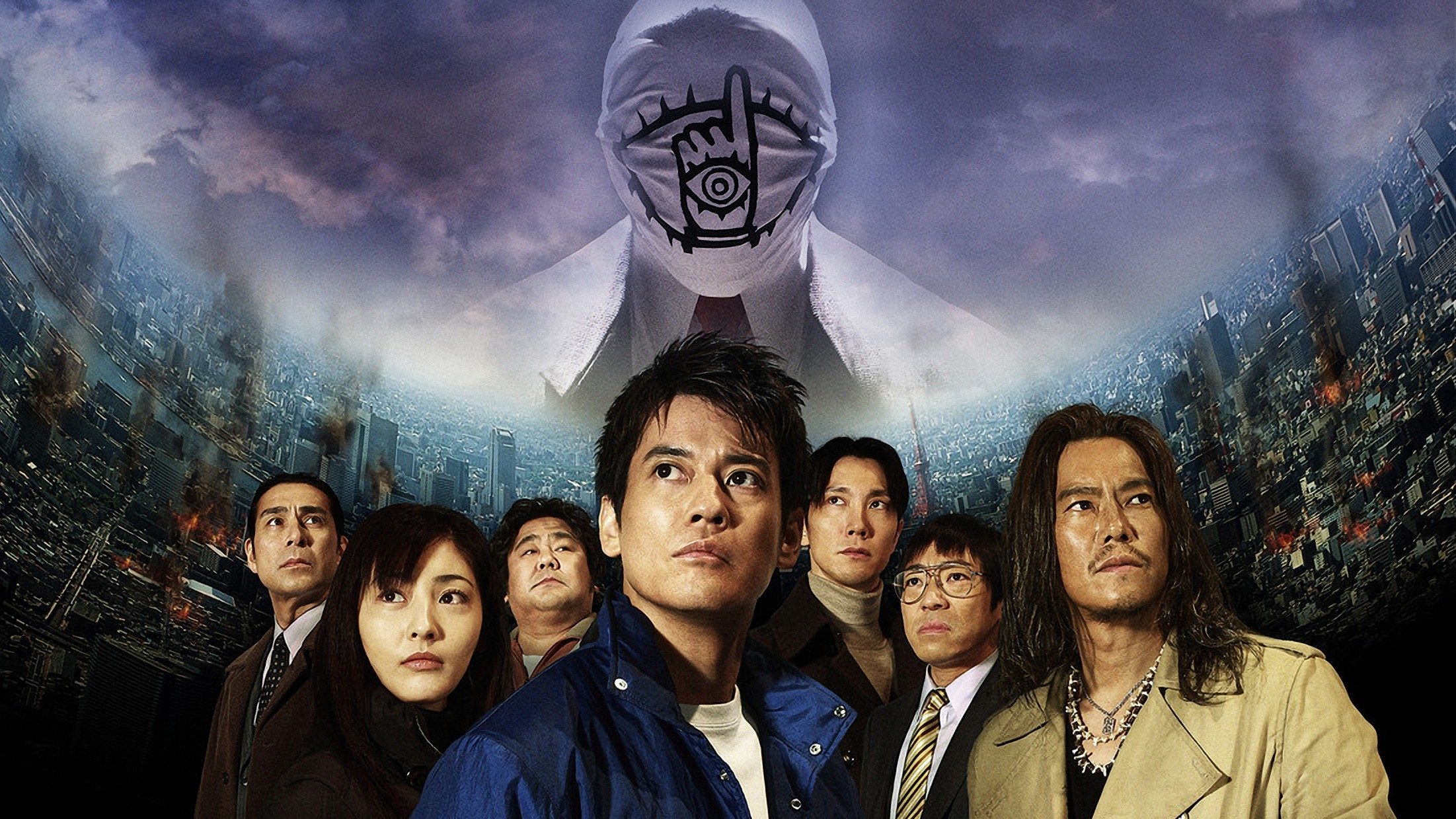

The Director Who Makes the Personal Catastrophic
Yukihiko Tsutsumi operates at the exact point where intimate human dread scales up into something that can fill a stadium. He came through Japanese television, building a director's instinct for keeping emotional stakes legible inside complicated plots, and he brought that instinct to cinema with an uncommon willingness to trust the mechanics of genre over the comfort of resolution. His work asks a specific question, over and over: what does it mean to live inside a system designed to dispose of you?
It might be the system of a single apartment shared by two women who are slowly becoming each other's worst enemy (2LDK, 2003). It might be the full weight of a childhood fantasy turned into a death cult that has spent decades meticulously seizing the world (20th Century Boys, 2008). What connects these is texture: Tsutsumi works in a register that feels like thriller but thinks like social drama. His protagonists are not special. They are ordinary people whose ordinariness is the point. The system does not care whether you are interesting or brave or good; it has already made its decision. The only question is what you do with the time it has given you. That tension, between passivity and defiance, between nostalgia and responsibility, runs through everything he has made, and it is exactly the frequency that a certain kind of viewer is permanently tuned to.
Essential Yukihiko Tsutsumi
Start here, in order of ambition
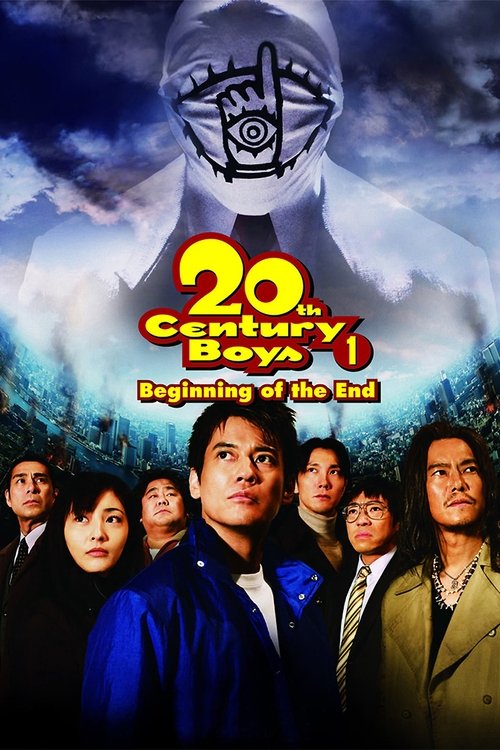
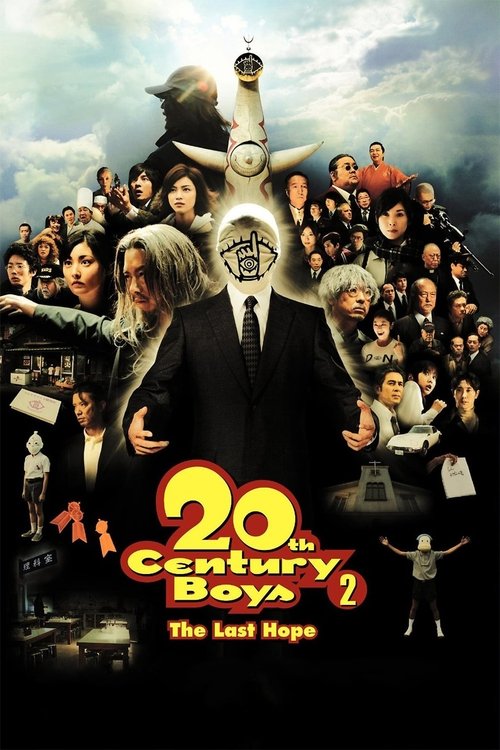
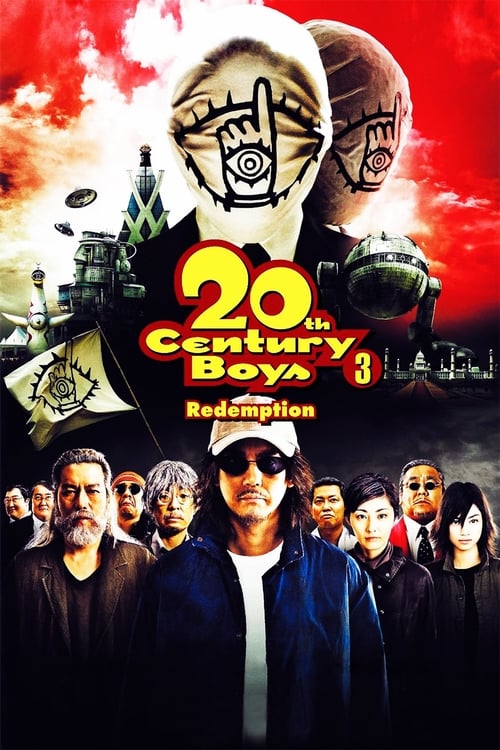

The conspiracy has already won. You just haven't noticed yet.
Films where the horror is structural, not supernatural
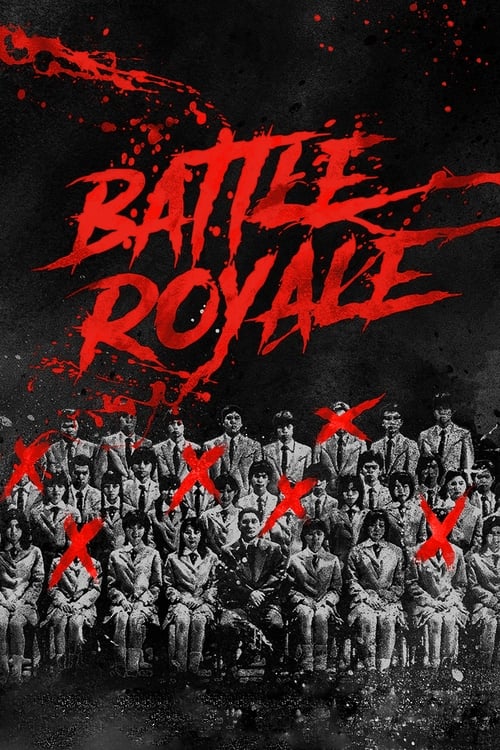

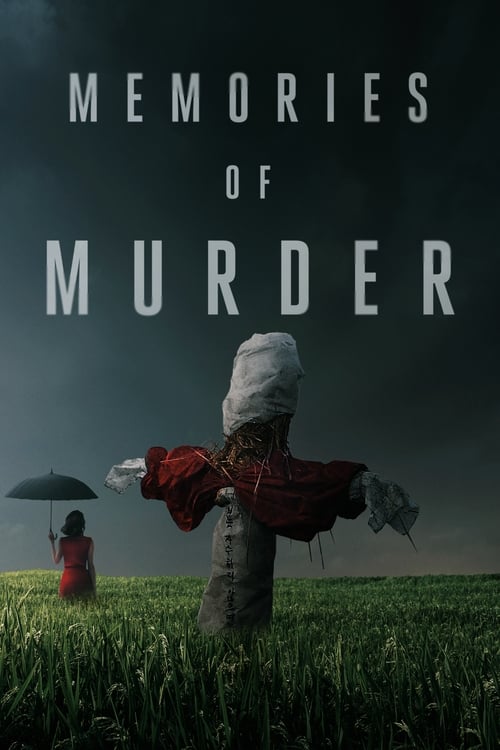
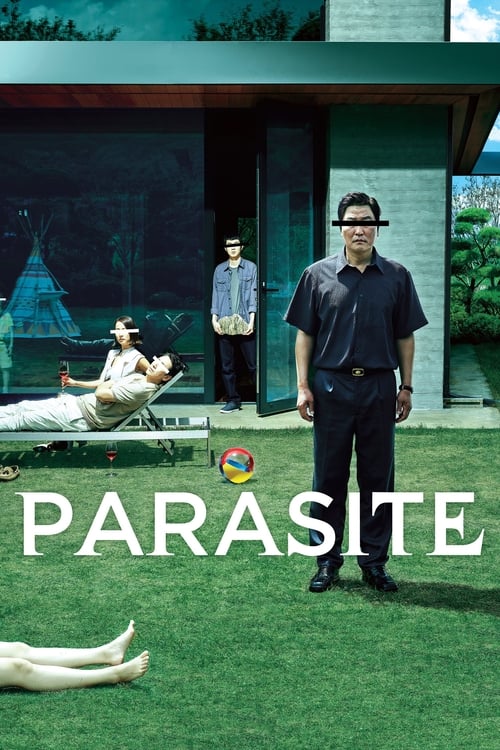
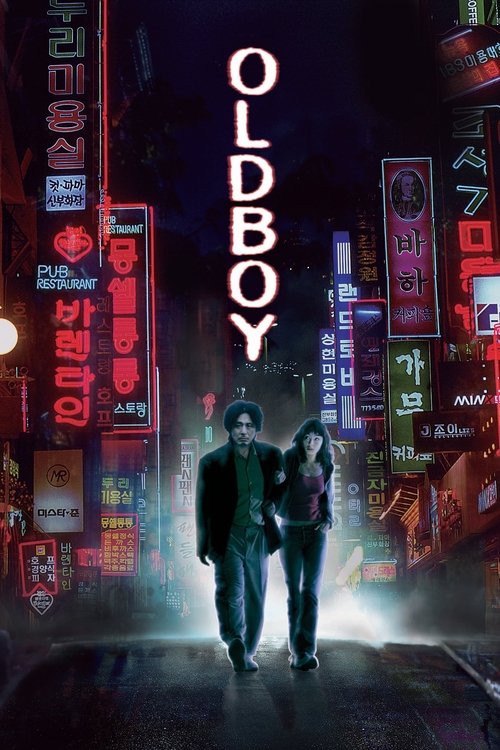
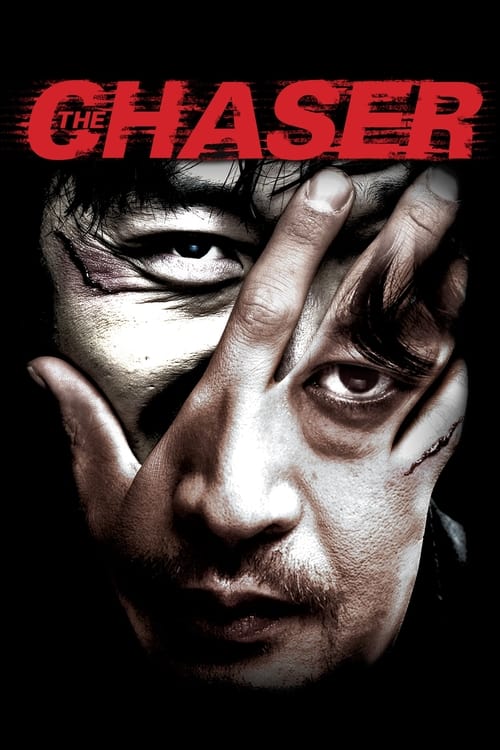
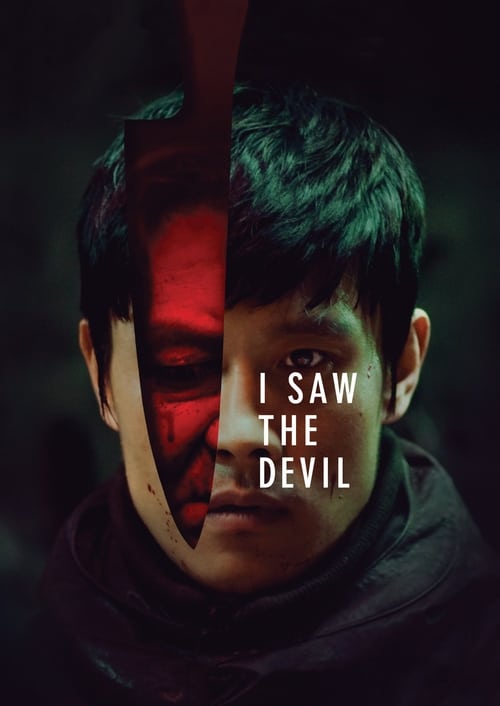
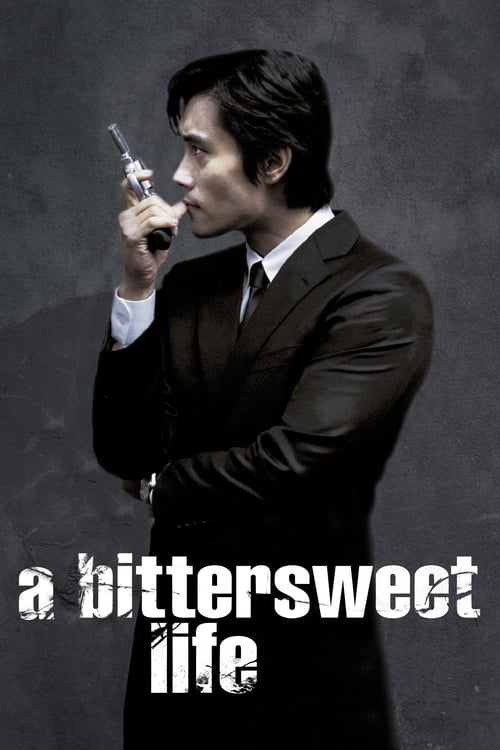
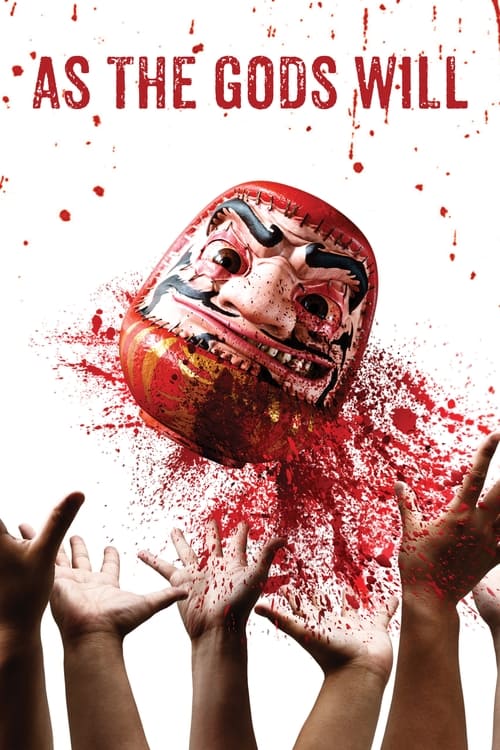
24 hours left. Now what?
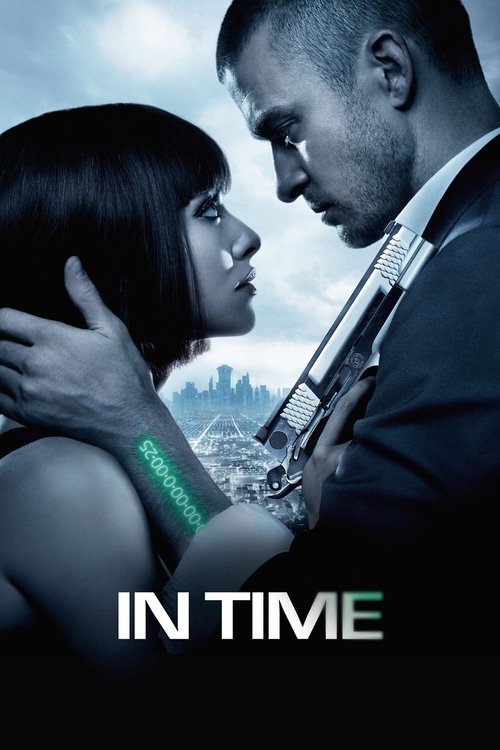
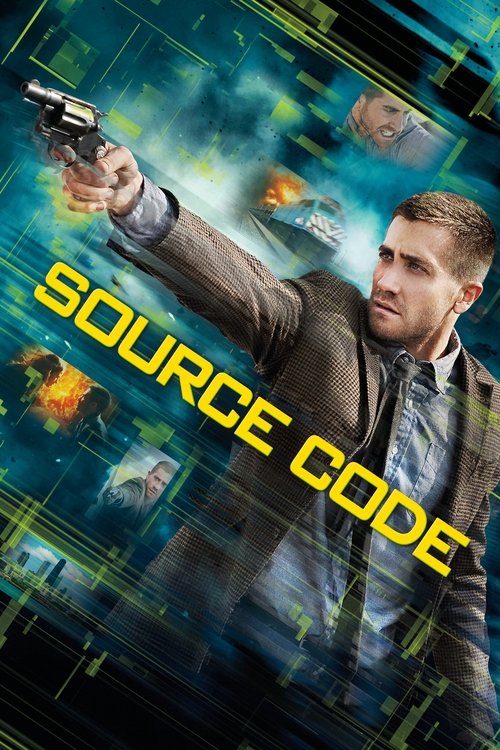
Stories where a countdown forces a reckoning with what life is actually worth
Childhood's end, on a planetary scale
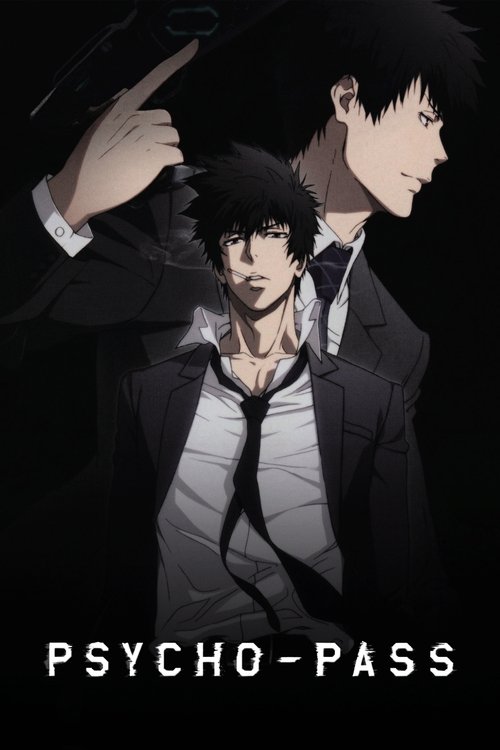
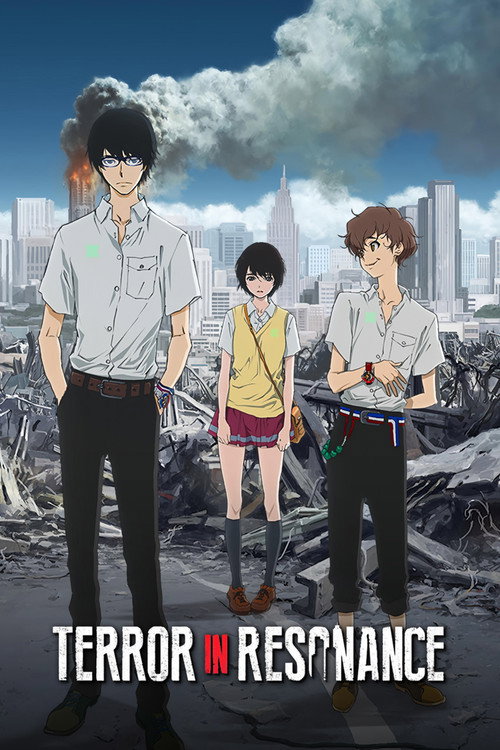
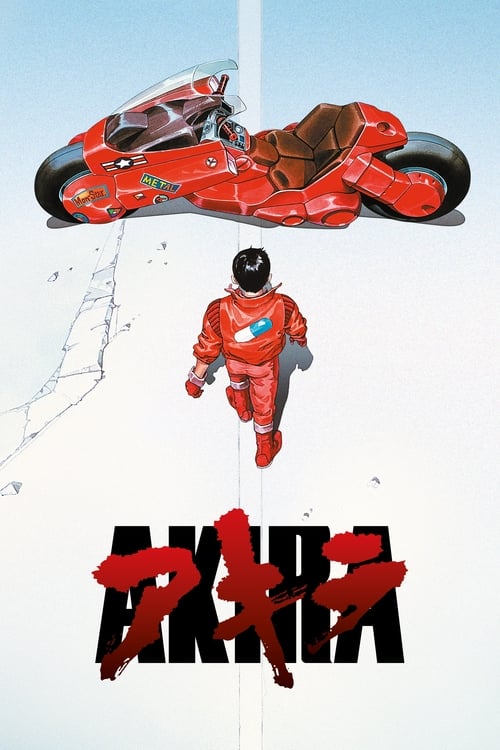
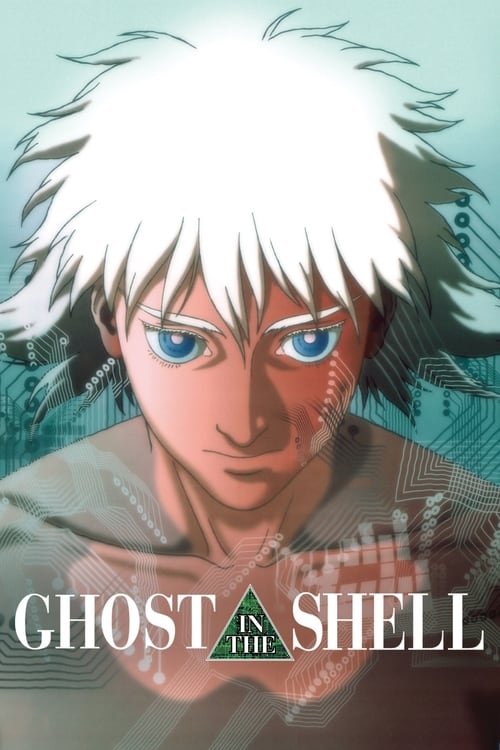
Anime and manga that share 20th Century Boys' scope: innocence against a system that consumed the future

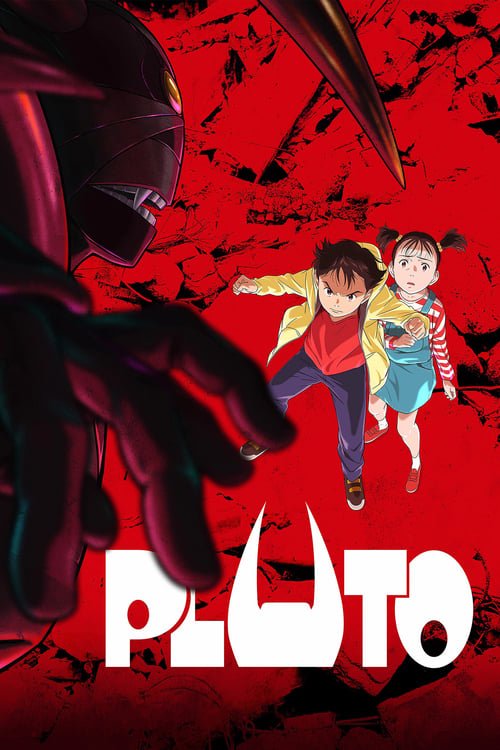
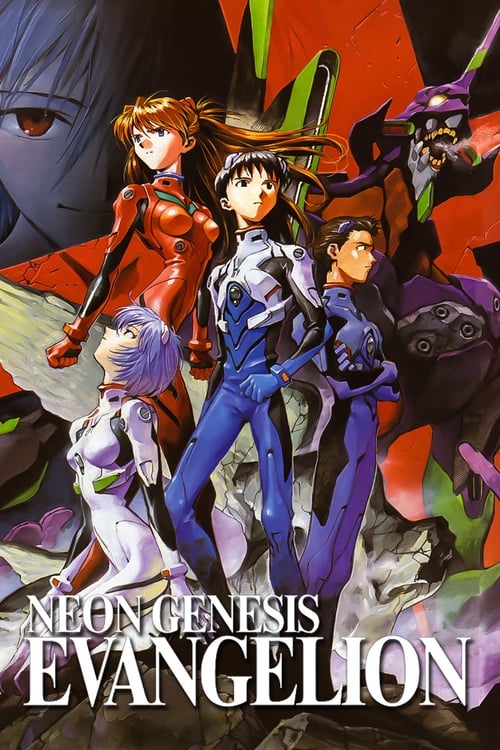
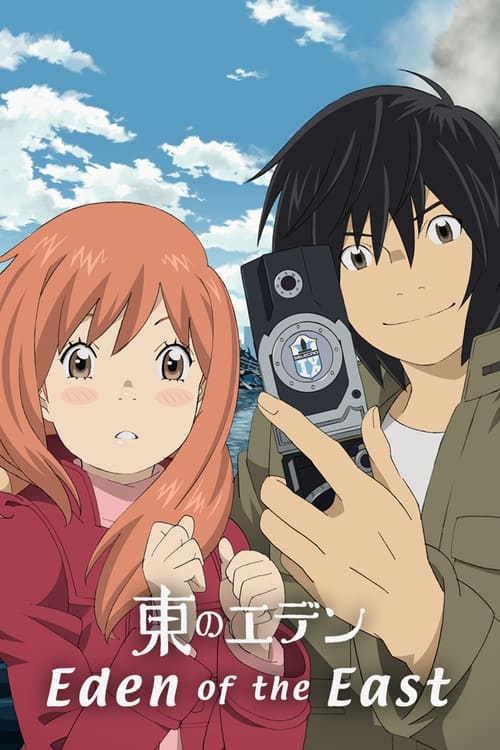
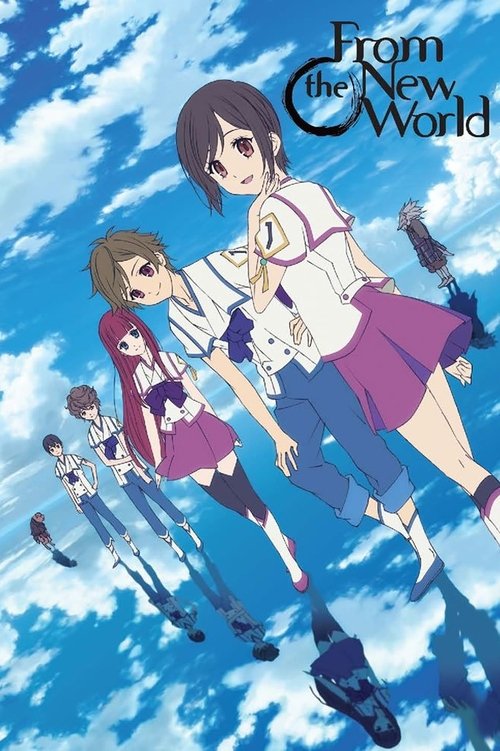

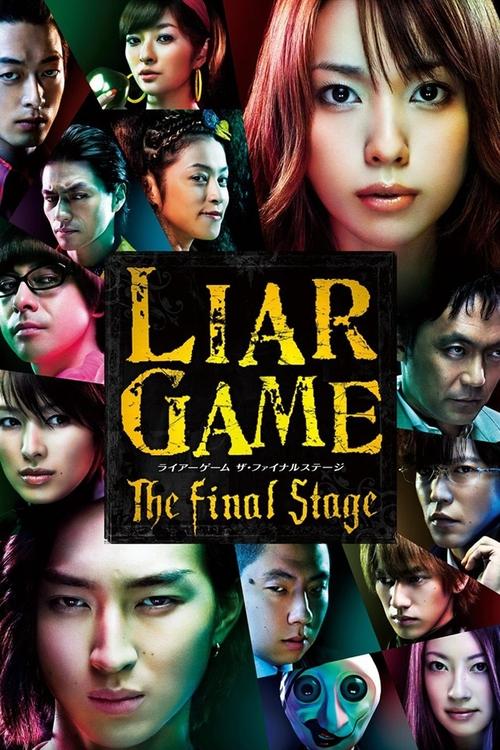
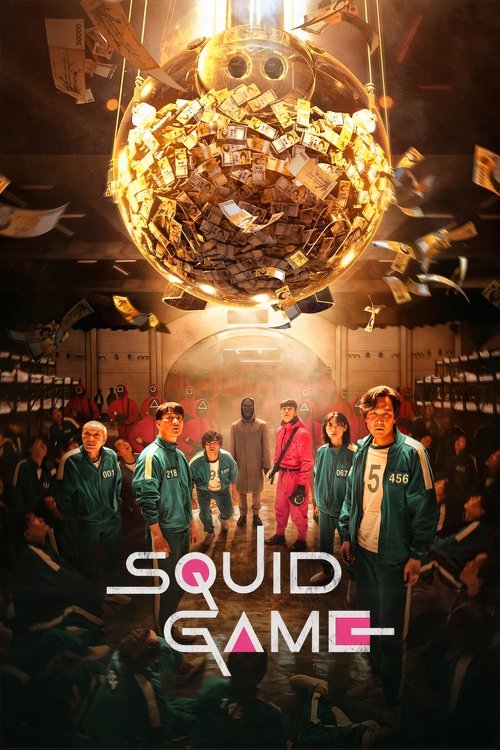
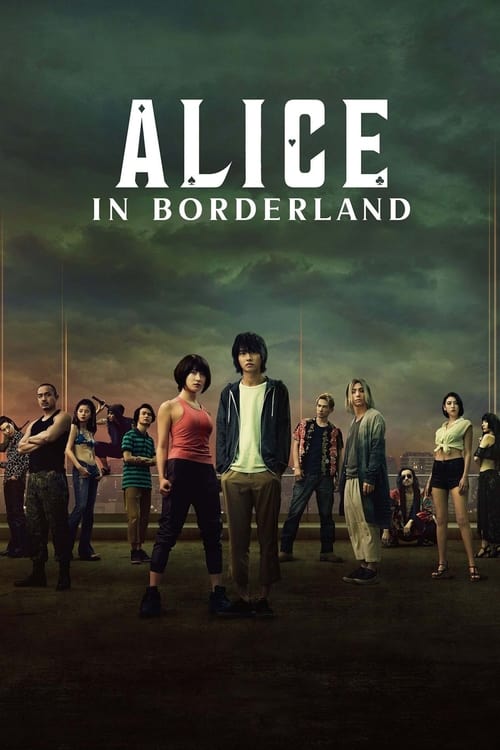
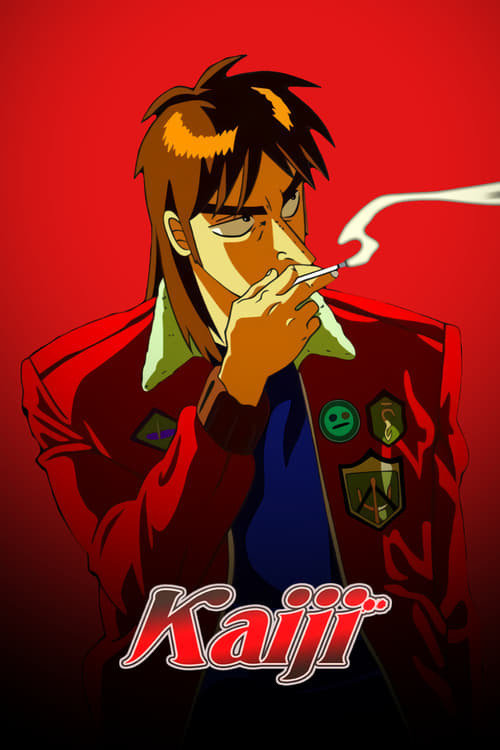
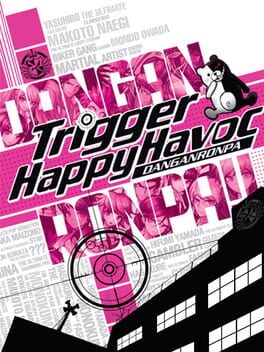
The death game as social X-ray
When forced competition strips away the polite surface of society
The perfect entry point is the first film, not the manga
Naoki Urasawa's 20th Century Boys manga is one of the great achievements of the form, but coming to the trilogy cold, without the manga's hundreds of chapters, is actually the right way to experience what Tsutsumi is doing. He compresses the conspiracy's slow accumulation into a feature pace that is relentlessly propulsive, and the things the adaptation loses in depth it gains in dread. The moment in the first film when Kenji realises the prophetic 'Book of Prophecy' from his childhood games is being enacted in real life works better on screen, because Tsutsumi can cut between his adult face and the memory with a precision that prose cannot match. Start here. Read the manga after.
The spiritual successor is sitting in a different medium entirely
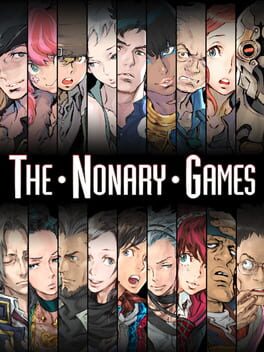
If you want the same feeling Tsutsumi produces, the place to find it in games is the Zero Escape series. 999: Nine Hours, Nine Persons, Nine Doors and its sequels are built entirely around the question Tsutsumi keeps asking: what do you do when the system has already decided your fate, and the only variable is whether you choose to fight it? The visual-novel format, which strips away everything except dialogue and choice, concentrates that tension to an almost unbearable degree. Played in order, the trilogy is one of the most carefully constructed narratives in any medium.
The Tsutsumi arc
- 1992Begins directing Japanese television, including drama series that build his reputation for controlled ensemble work
- 20032LDK: one apartment, one week, two actresses, the template for everything that followed
- 2006Memories of Tomorrow: Ken Watanabe in a quieter register, Tsutsumi directing a grief study instead of a conspiracy Memories of Tomorrow
- 200820th Century Boys: Beginning of the End opens the 6-billion-yen trilogy 20th Century Boys: Beginning of the End
- 200920th Century Boys 2 and 3 complete the trilogy in a single release year 20th Century Boys 2: The Last Hope
- 2010Beck: a music-industry coming-of-age that shows the range the trilogy threatened to obscure BECK
- 2012SPEC: Ten and Eight Ranger consolidate his dual identity as prestige-thriller director and pop entertainer
Deadly Games and Pop Paranoia
Deadly Games & Death Tournaments
Explore the Deadly Games & Death Tournaments guide →Tsutsumi understands that the most frightening thing a thriller can do is not threaten the protagonist with death. It is threaten them with irrelevance. The monster is not behind them. It already runs the country.CrossBinge editorial