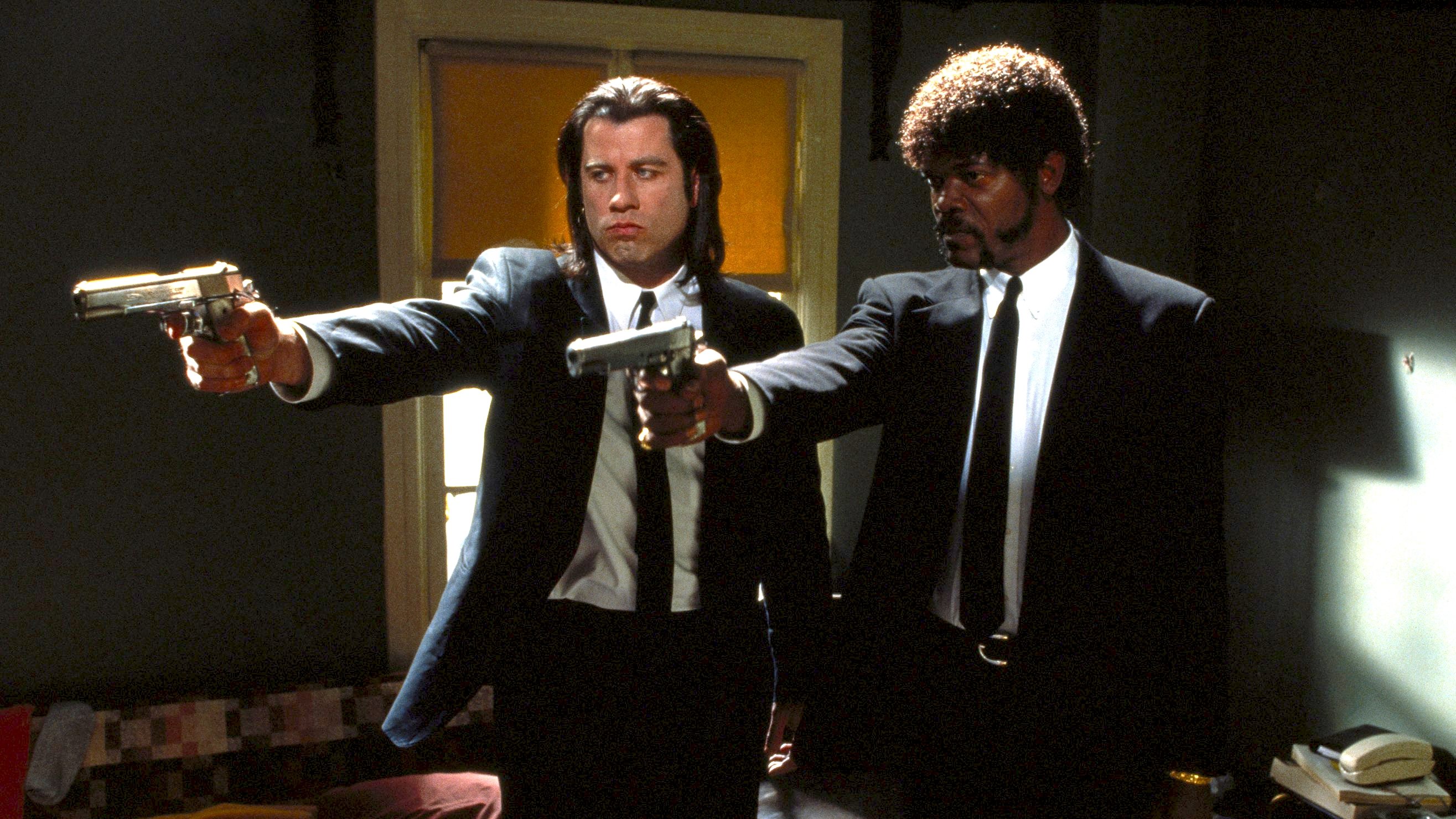

Kill Bill is Quentin Tarantino's love letter to the cinema that raised him, filtered through his own hyper-stylized sensibility. What a fan chases here is not just revenge but a particular texture: the operatic slow burn before the explosion, the way pop music and extreme violence rhyme, the reverence for genre craft from Shaw Brothers kung fu to spaghetti westerns to Japanese yakuza films. The Bride's quest gives structure to what is really a curated tour of action cinema's greatest hits, played at maximum volume. If that frequency resonates, the works below will too.
Essential Kill Bill
The full picture, the director's signature, and the films that built his vocabulary
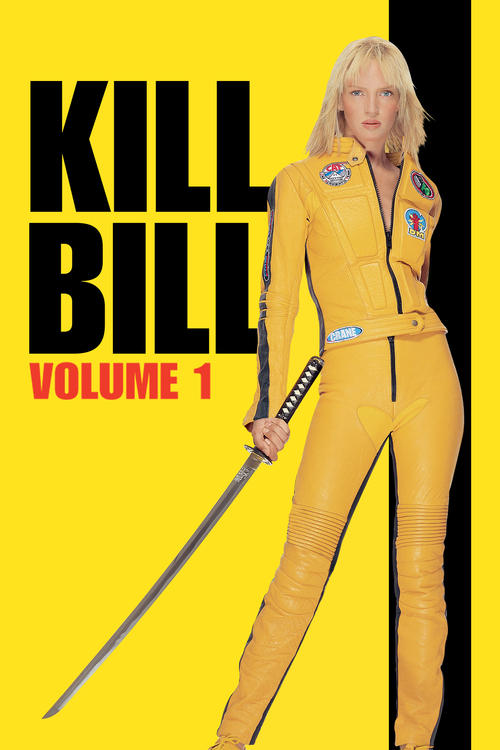
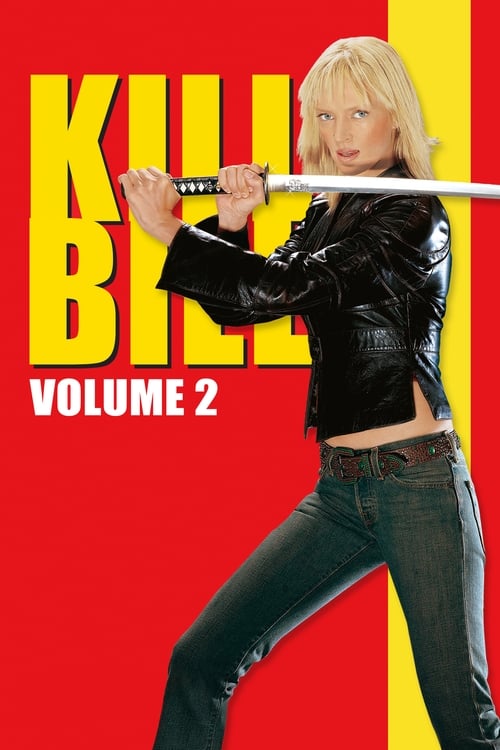
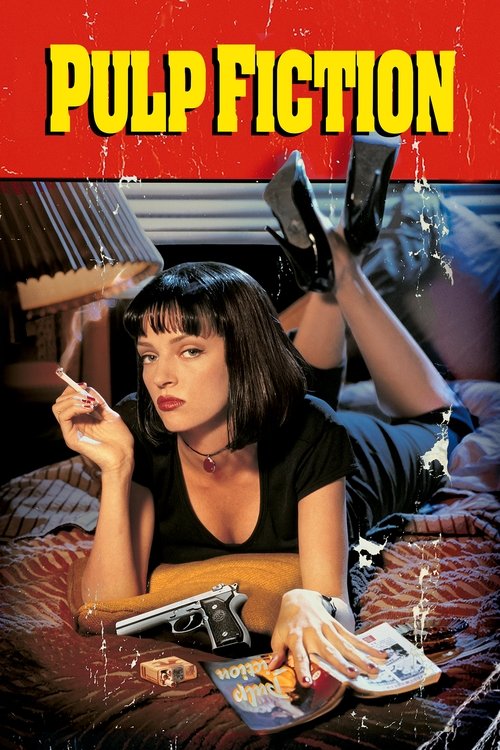
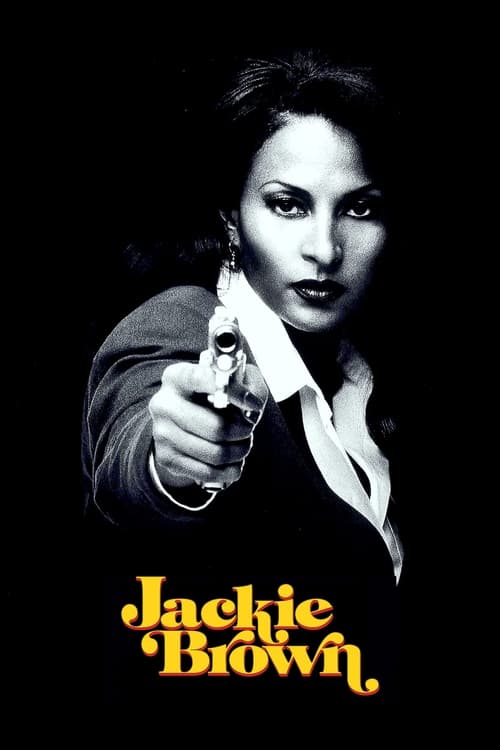
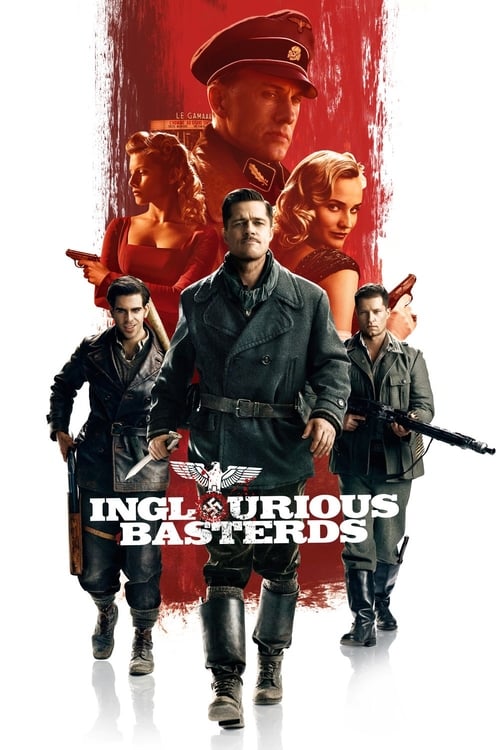
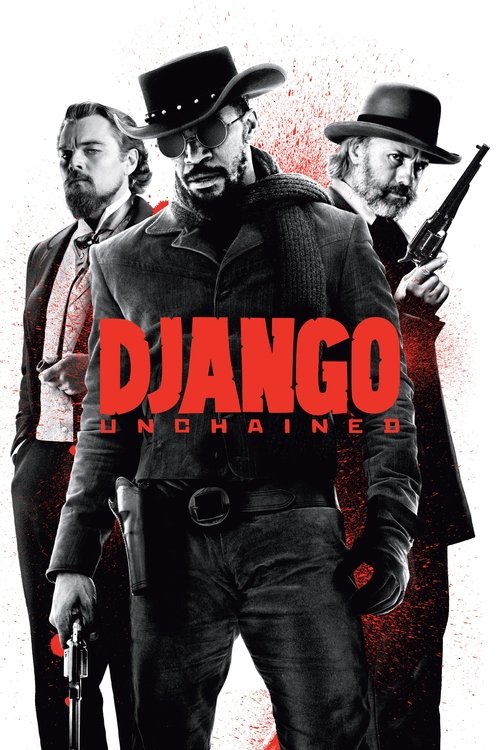
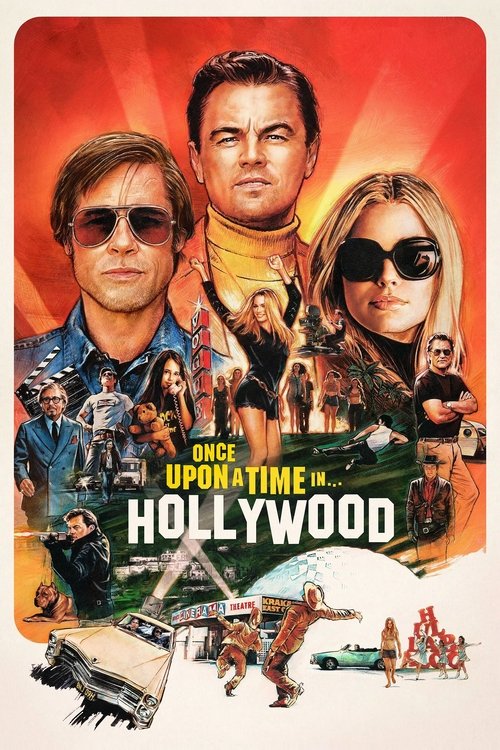
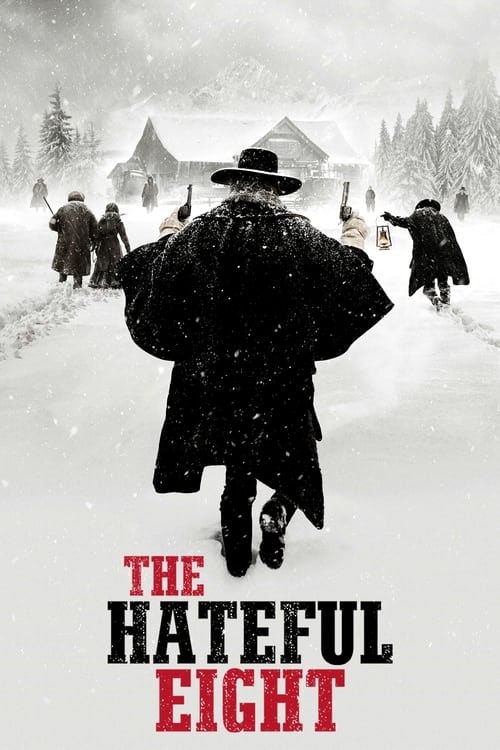
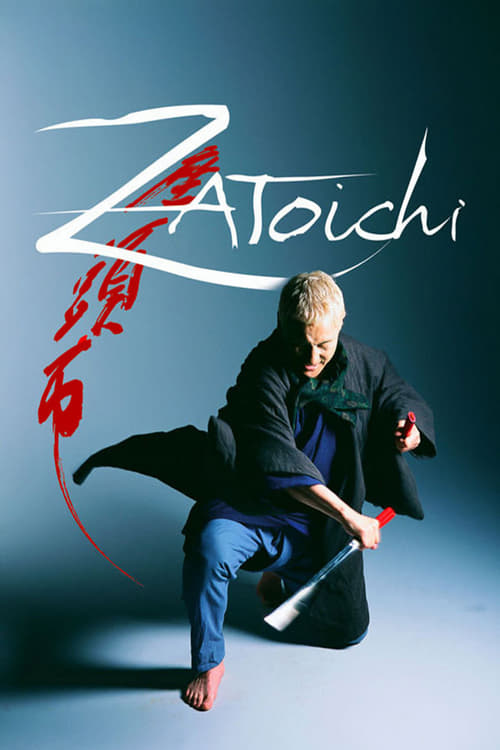
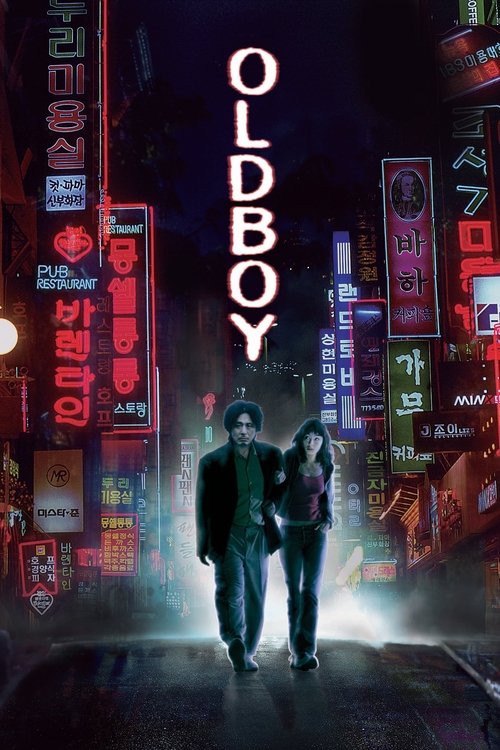
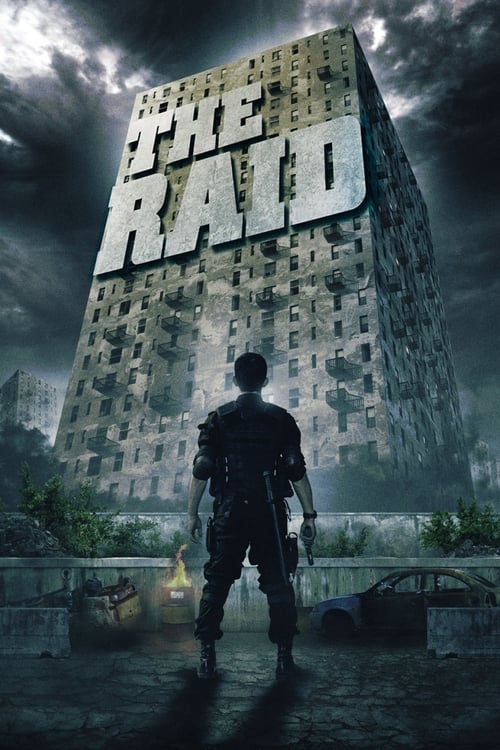
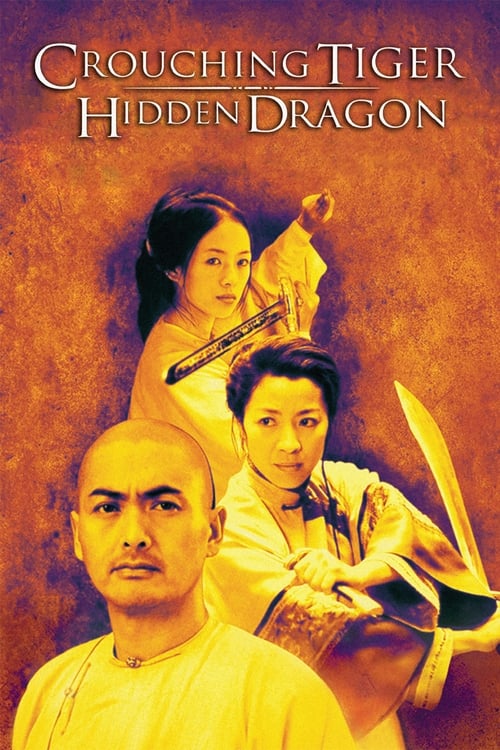
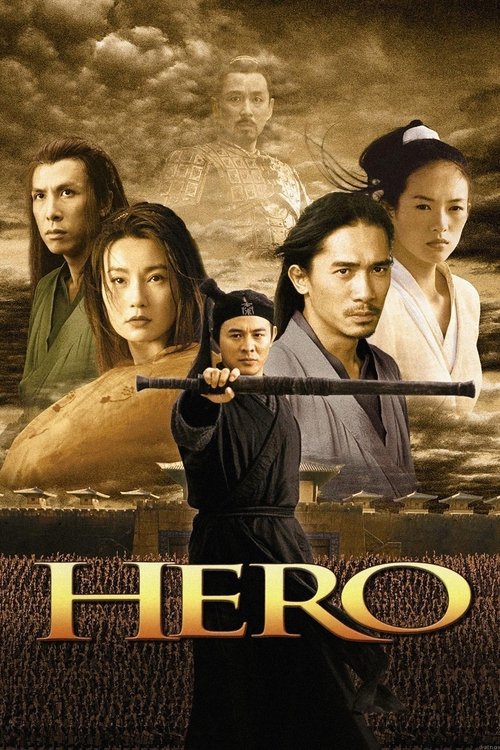
Same Blade, Different Hand
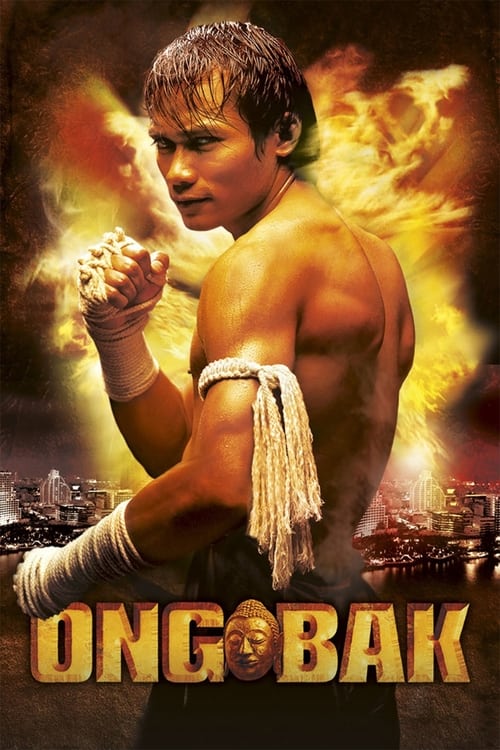
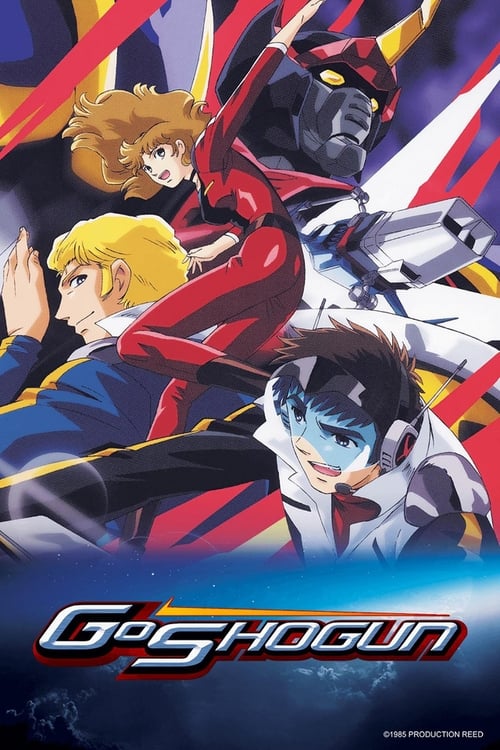
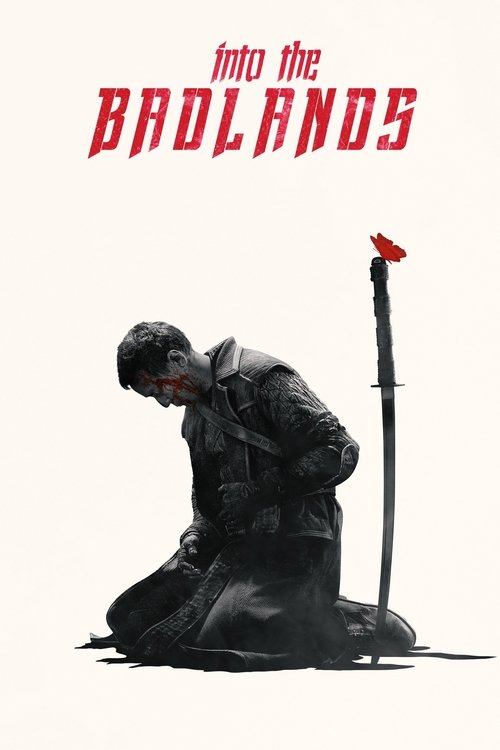
Films that share Kill Bill's kinetic action design and samurai or martial arts soul
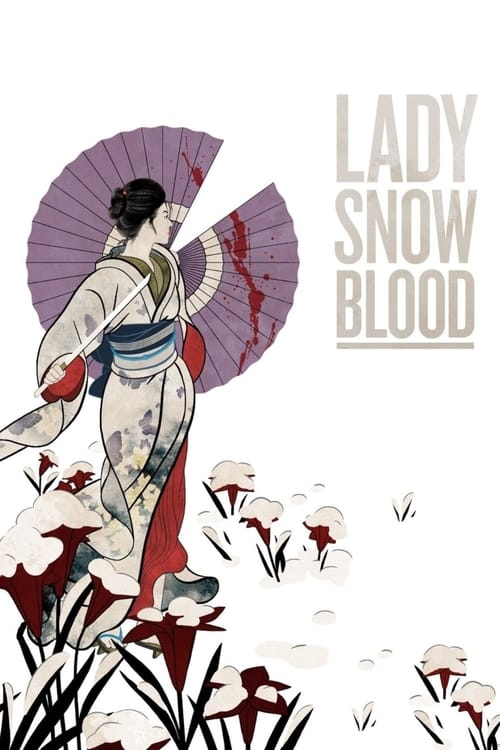
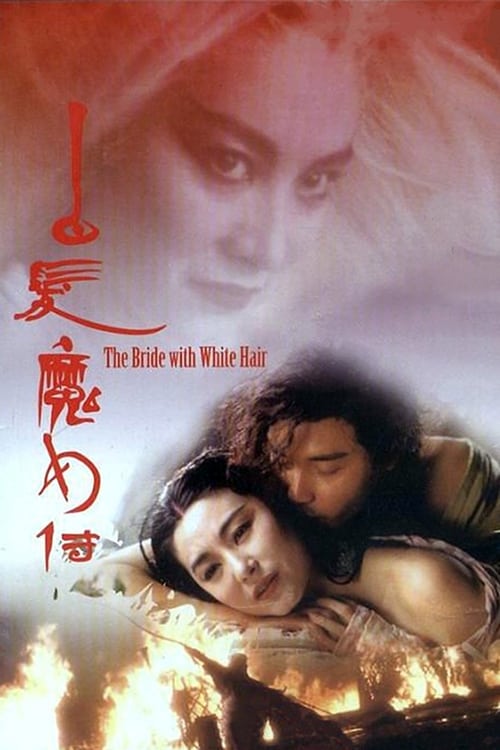

Style Over Everything
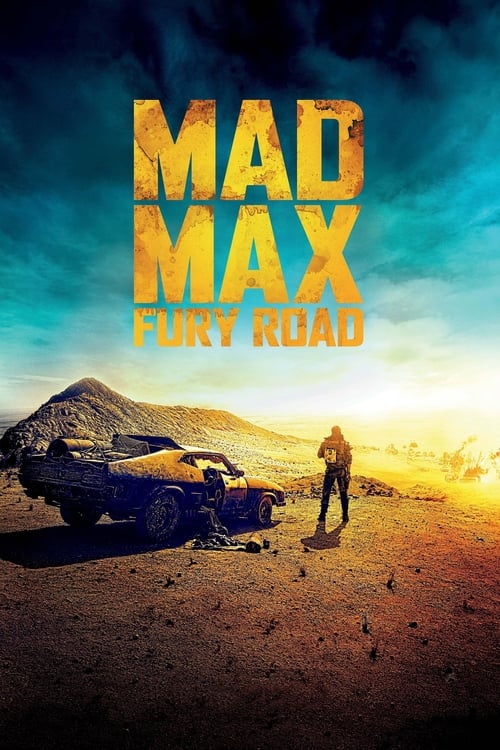
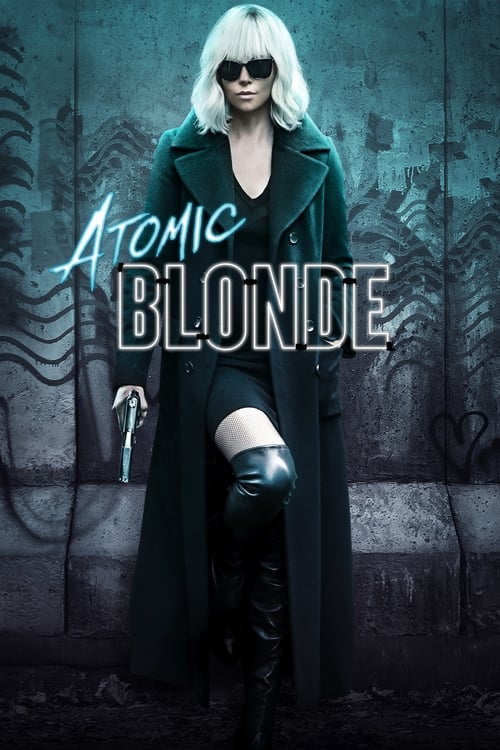
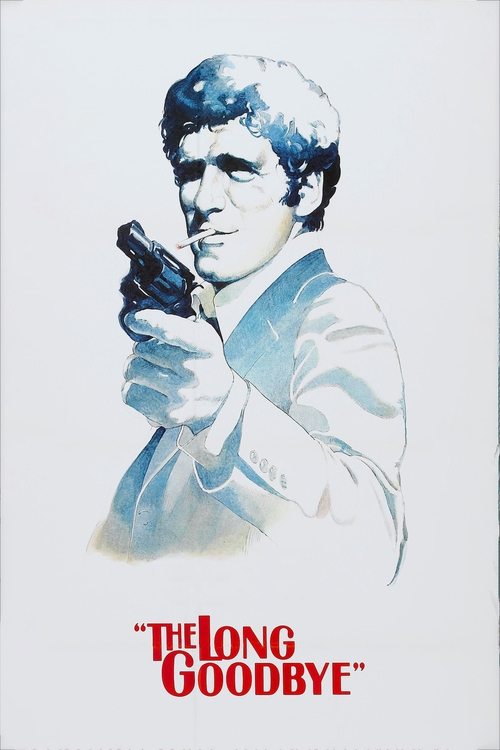
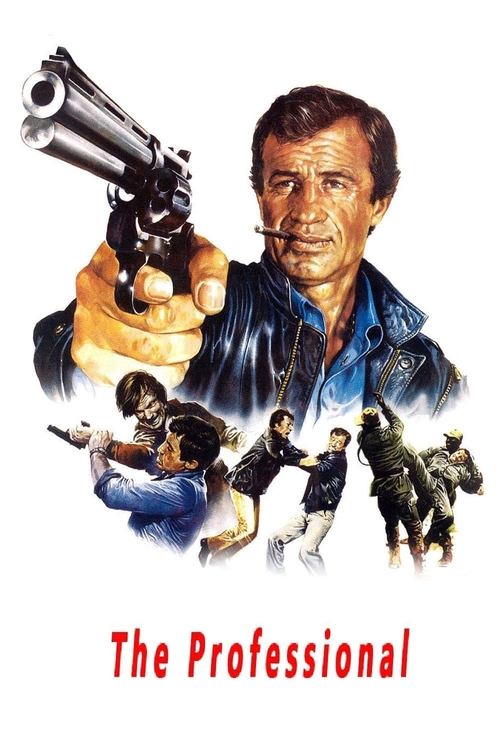
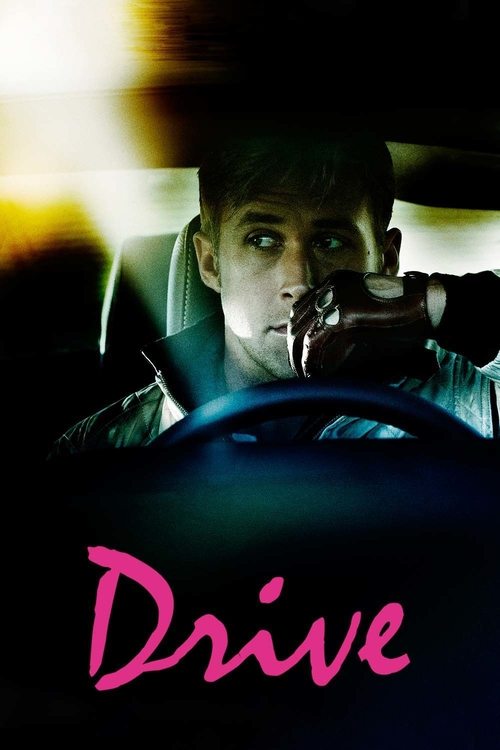
Films and series built on maximalist aesthetics, needle-drops, and genre-collage energy

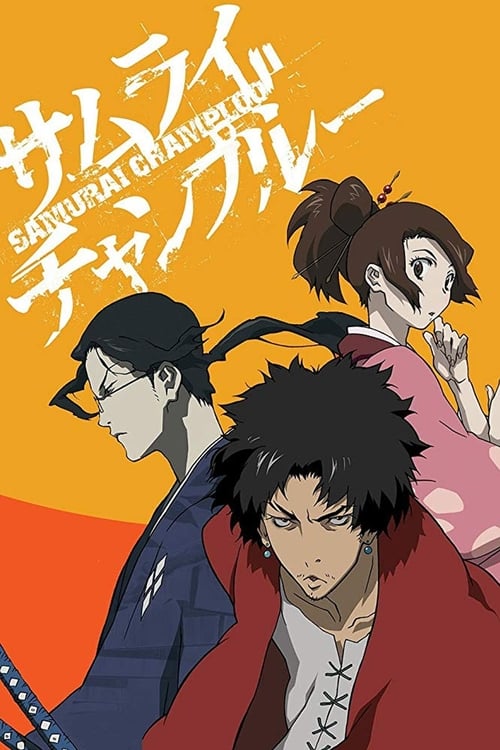
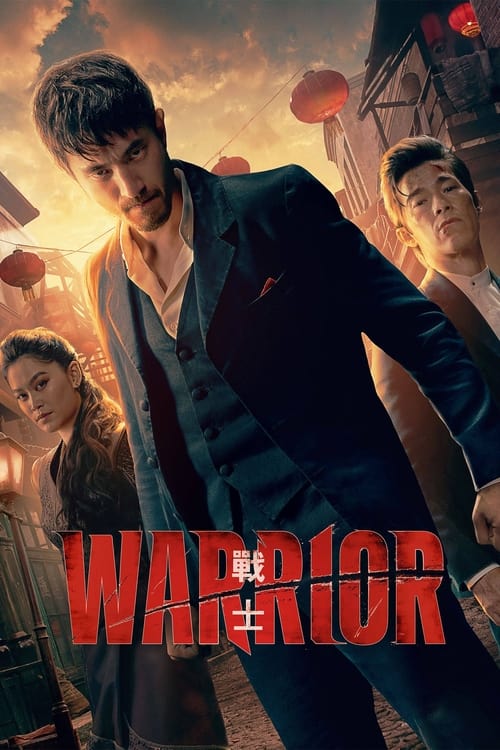
The Books Behind the Blade
Novels that share Kill Bill's themes: revenge, female fury, codes of honor, and genre-bending violence


Play the Vengeance
Games that share Kill Bill's stylized combat, lone-warrior intensity, and cinematic flair
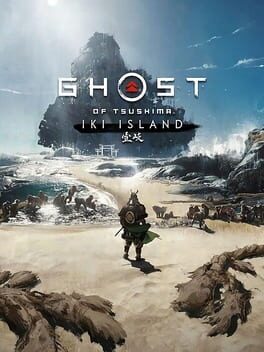

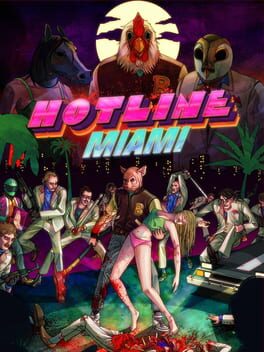
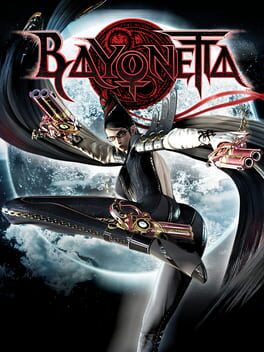
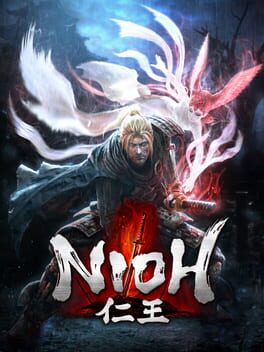
The Soundtrack Is Half the Movie
Albums and scores that match Kill Bill's eclectic, adrenaline-fueled crate-digging
The Anime Interlude Is Not a Digression
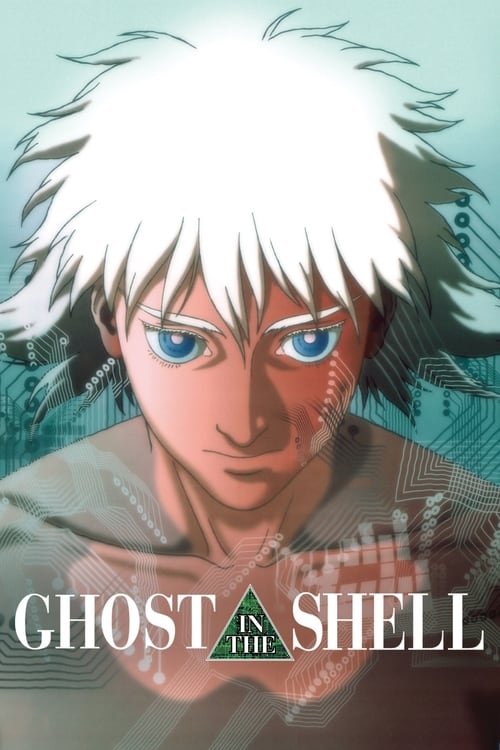
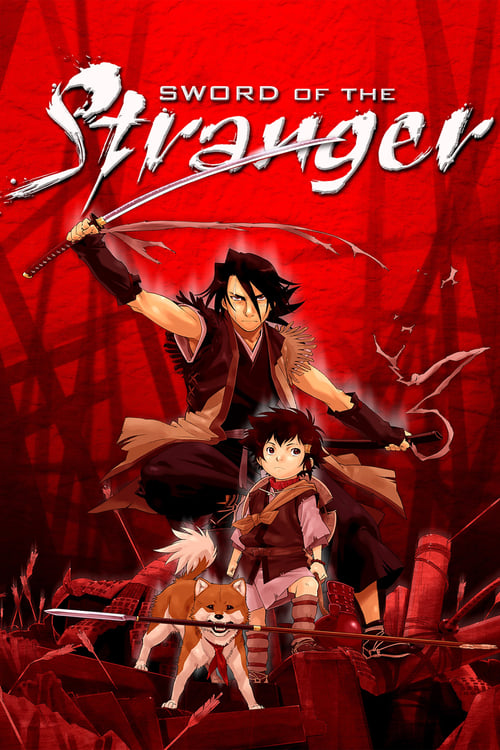
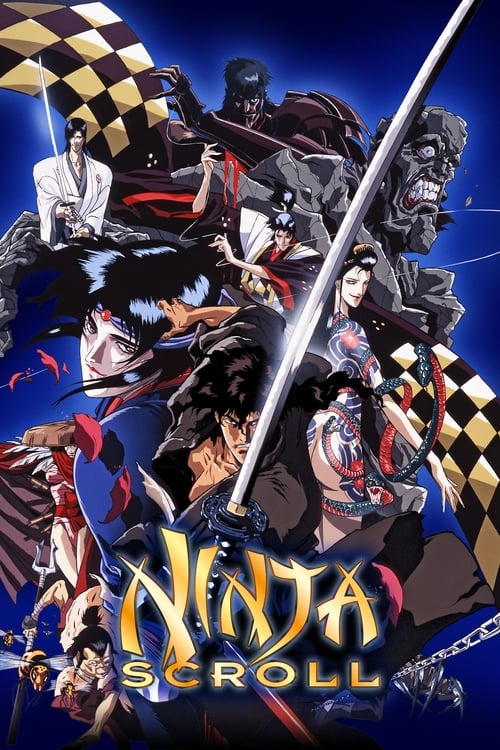
The O-Ren Ishii origin sequence in Volume 1, animated by Production I.G, is often called a stylistic detour. It is the opposite: it is the film confessing that its true DNA is manga and anime as much as any Hong Kong action picture. Tarantino uses animation because live action cannot match the extreme violence the sequence requires emotionally. That instinct, reaching for the right medium rather than the most conventional one, is the film's defining move.
Revenge Is a Genre, Not a Motive
Kill Bill treats revenge not as a psychological state but as a genre convention, the way a Western treats the gunfight at high noon. The Bride is not traumatized in any realistic sense; she is a force of narrative completion. That abstraction is what separates Kill Bill from exploitation: the violence is symbolic, almost operatic, and the films it inspired share that same remove. When the revenge film becomes a moral essay, it loses the energy.

Tarantino's Superpower Is the Soundtrack
No director working today uses pre-existing music with more precision. The moment Tomoyasu Hotei's 'Battle Without Honor or Humanity' enters, the register of the entire film shifts. Tarantino does not underscore scenes with music; he builds scenes around musical ideas, letting the track determine the pace of the edit and the emotional register of the violence. The playlist IS the film.
The Samurai Code as a Western Value
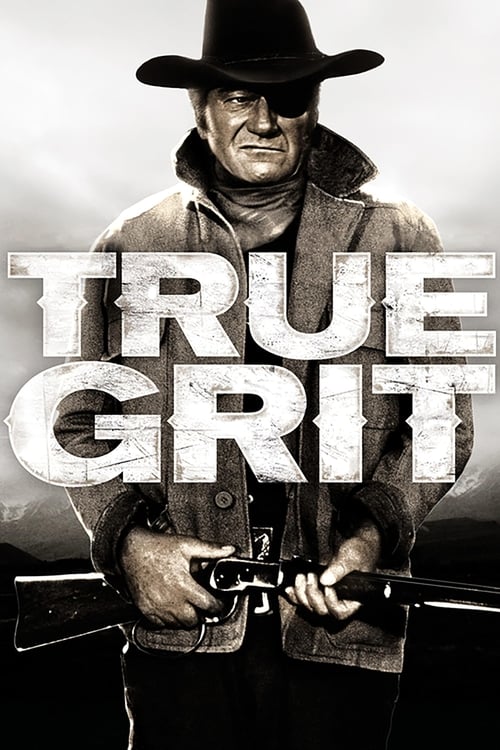
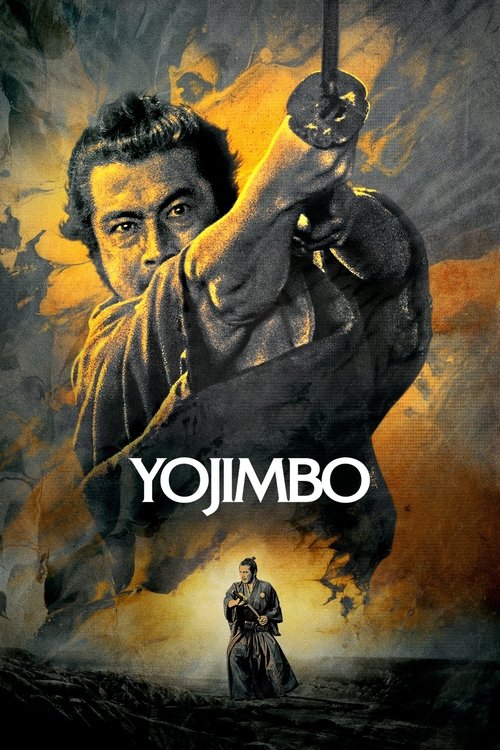
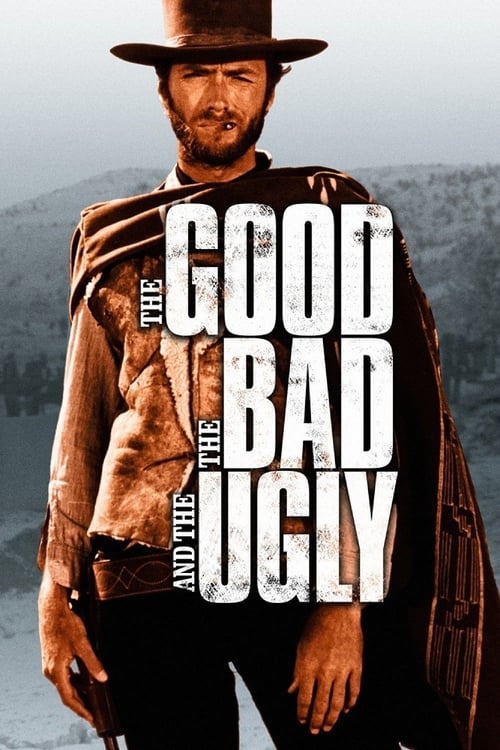
Kill Bill is as much a spaghetti western as a martial arts film. The Bride's sense of honor, her refusal to kill innocents, her code around worthy opponents, maps directly onto the gunslinger's code in Leone or Peckinpah. Tarantino understands that the samurai genre and the western are the same moral universe wearing different clothes, both about what a person is owed and what they owe the world.
Kill Bill in Context
- 1962The genre template: spaghetti westerns begin reshaping action cinema's grammar A Fistful of Dollars
- 1970Lady Snowblood, one of Kill Bill's most direct inspirations, debuts as manga
- 1973Lone Wolf and Cub film series peaks, cementing the revenge-samurai formula Lone Wolf and Cub: Baby Cart in Peril
- 1992Reservoir Dogs announces Tarantino's arrival and his crate-digging soundtrack method
- 1994Pulp Fiction becomes the reference point for non-linear crime cinema Pulp Fiction
- 2003Kill Bill: Volume 1 opens; the anime interlude makes Production I.G famous in the West Kill Bill: Vol. 1
- 2004Volume 2 completes the arc; Pai Mei's chapter becomes a cult touchstone Kill Bill: Vol. 2
- 2017Atomic Blonde and Revenge extend the female-action-auteur wave Kill Bill enabled Atomic Blonde
- 2020Ghost of Tsushima and Sifu arrive, proving Kill Bill's visual grammar translates directly to games Ghost of Tsushima: Iki Island
Vengeance, samurai codes, surgical action
For Fans of Quentin Tarantino
Explore the For Fans of Quentin Tarantino guide →Kill Bill is not about revenge. It is about the pleasure of watching someone be very, very good at something terrible.CrossBinge