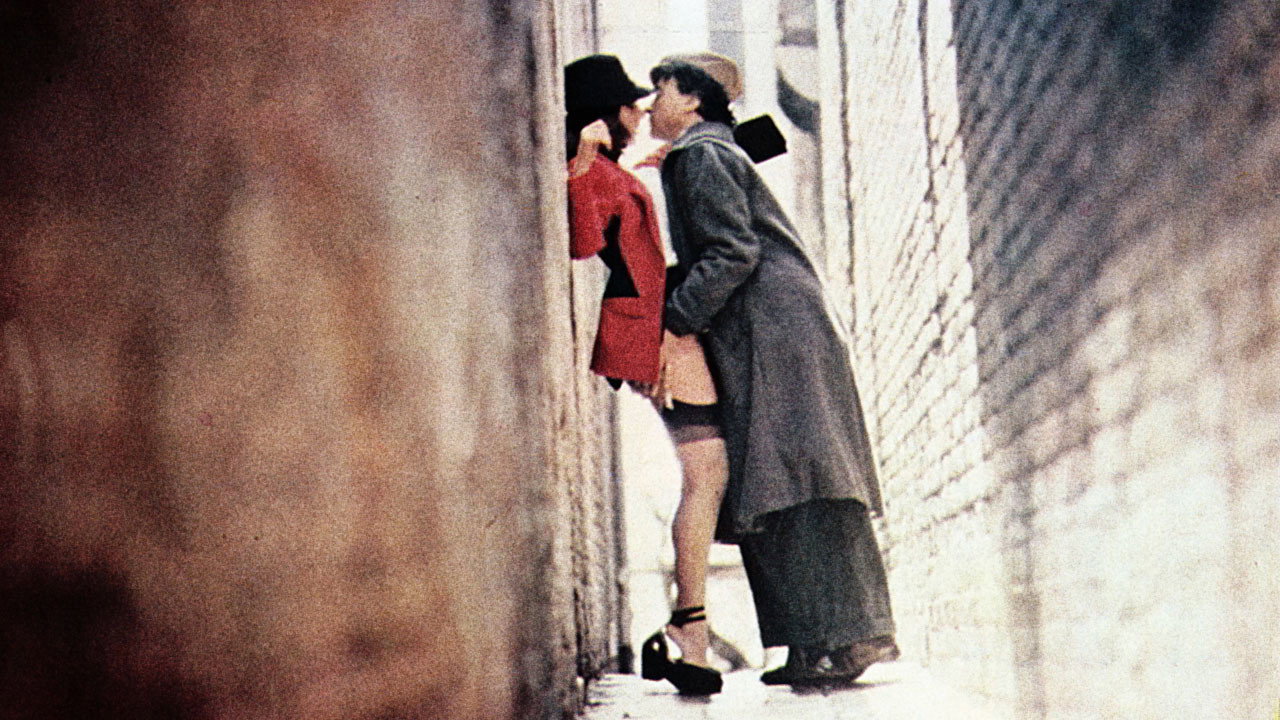

The Eye That Would Not Look Away
Kon Ichikawa made films that refuse to be comfortable. From the early 1950s through the following decades, he was one of postwar Japanese cinema's most formally rigorous directors, but what set him apart was not technique alone. It was the particular quality of his attention: a cool, sometimes merciless observation of the body under duress, the mind unraveling under ideology or grief, the ways people lie to themselves about what they have seen or done.
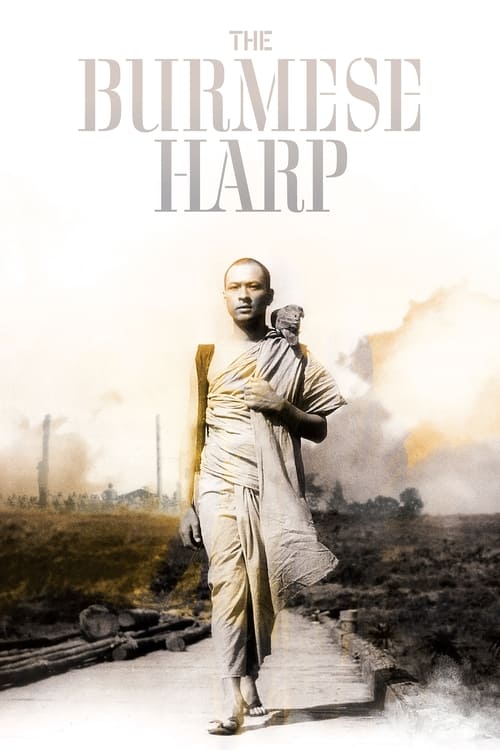
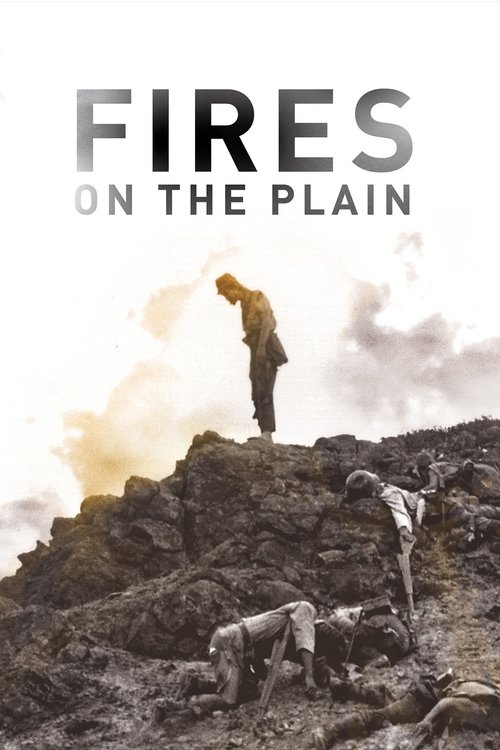
His most celebrated work sits in the long shadow of war. The Burmese Harp (1956) and Fires on the Plain (1959) are among the most searching anti-war films ever made, but they work nothing like propaganda. They are closer to horror, studying the collapse of the human animal under sustained violence, asking what is left when duty and survival separate entirely. Fires on the Plain in particular is almost unwatchably bleak, following a solitary soldier through a landscape that has consumed every ordinary meaning of existence. It does not argue against war. It simply shows.
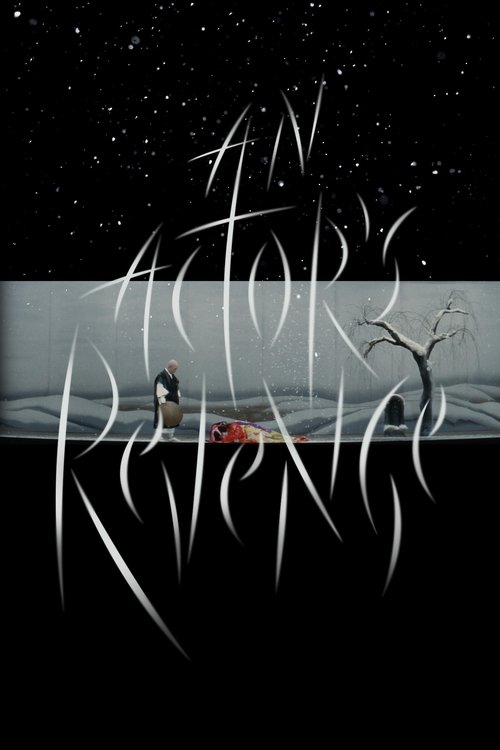
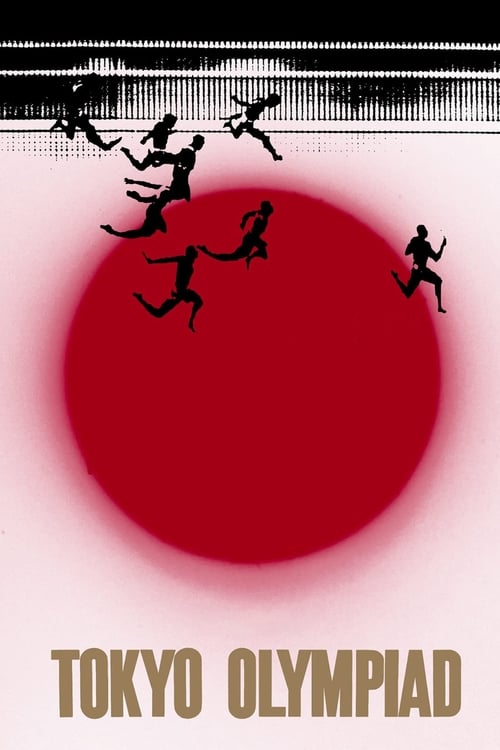
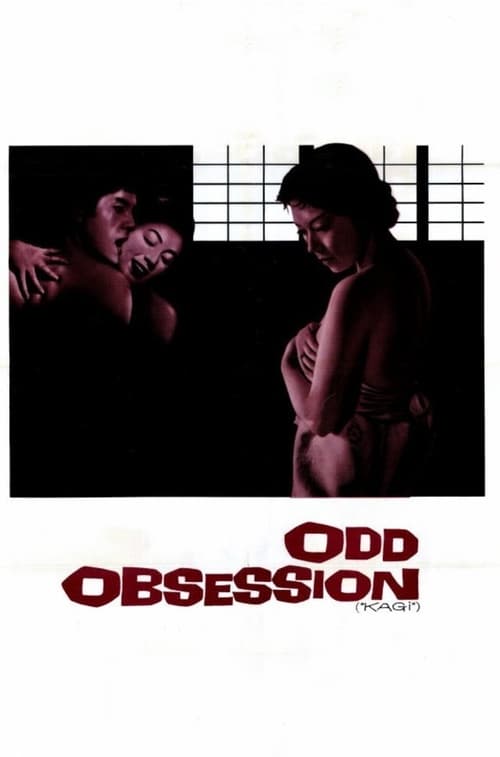
Beyond war, Ichikawa was a remarkable adapter of literary material. His The Key (1959) and An Actor's Revenge (1963) show the range: the former a psychologically dense study of obsession and desire in a Tanizaki adaptation, the latter a visually extravagant kabuki-influenced formal experiment that doubles as a meditation on performance and revenge. He could be darkly comic, almost absurdist in places. He could also be immaculately lyrical, as in Tokyo Olympiad (1965), his documentary record of the 1964 Summer Games, which treats athletes as something between sculpture and mortality made visible.
If you love Ichikawa, you love films that do not explain what they mean. You love images that do the work without commentary, literary intelligence applied to purely cinematic problems, and the particular kind of humanism that refuses sentimentality and still, somehow, opens into grief.
Essential Kon Ichikawa
The films that define the territory

The Literature He Loved
Books that share Ichikawa's psychological precision and moral gravity


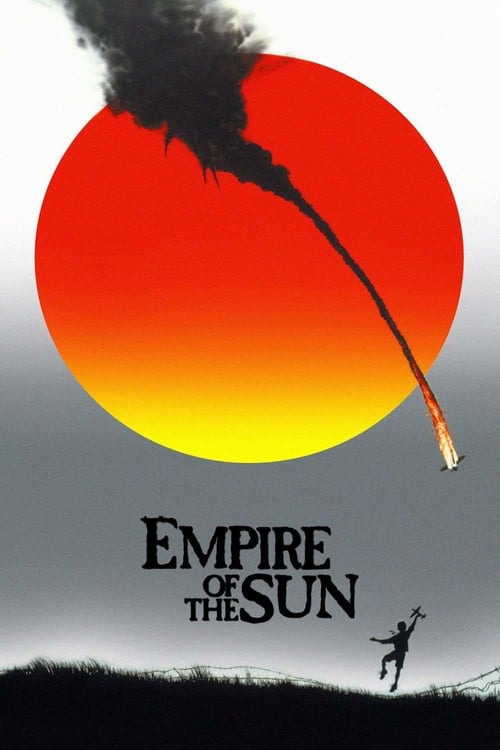
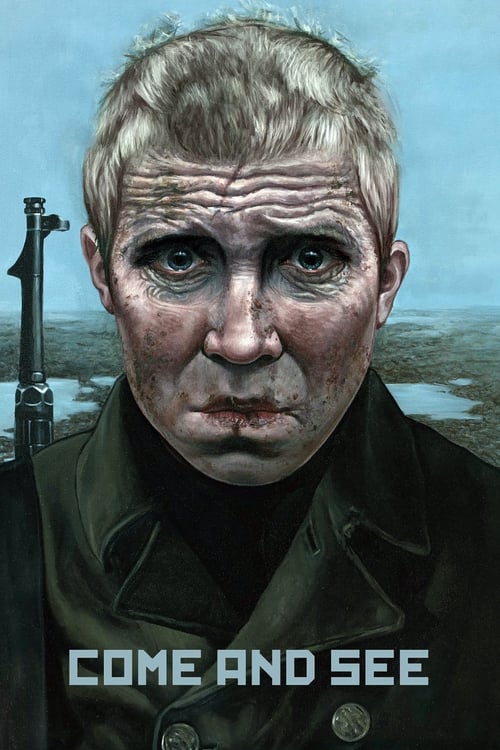
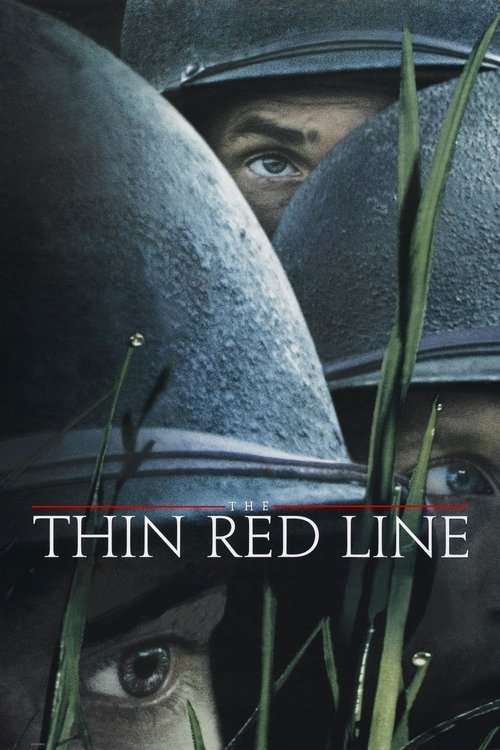
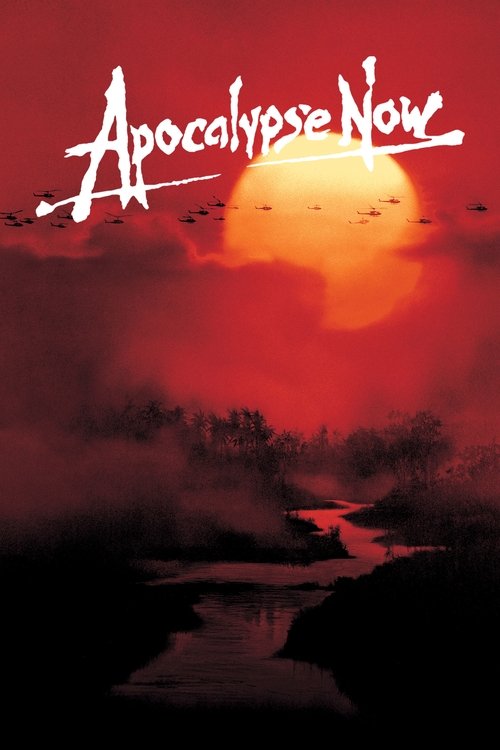
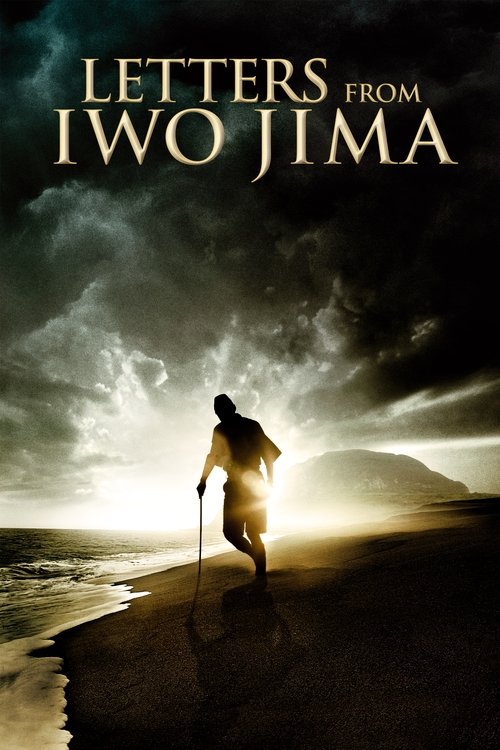
War Without Glory
Films that strip conflict down to its human cost, no heroism intact




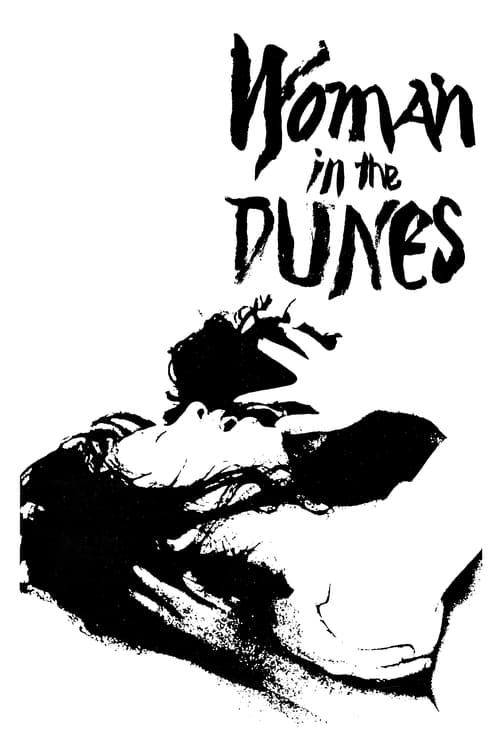
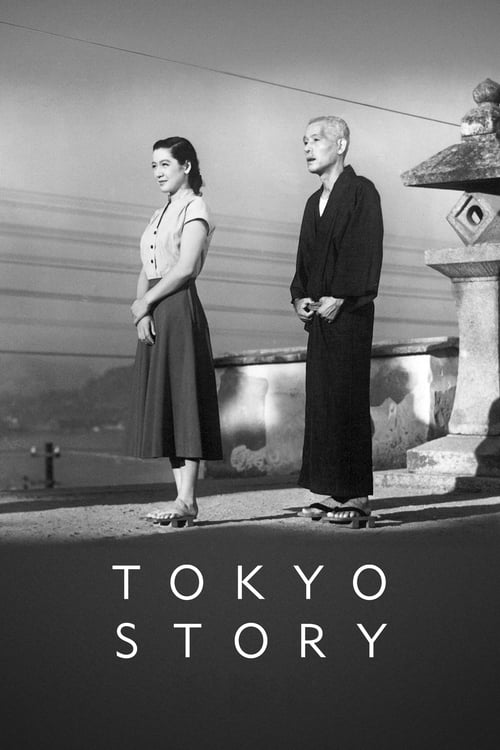
The Japanese New Wave and Its Neighbors
Directors working the same creative ferment, the same formal ambition
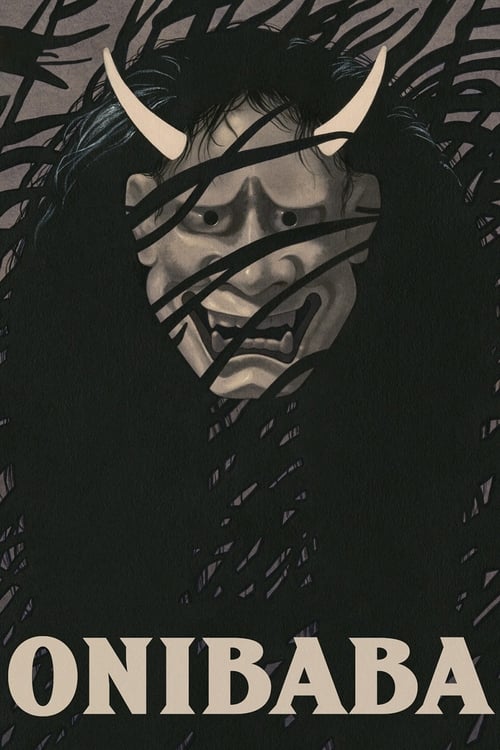
When Cinema Becomes Ritual
Films about performance, obsession, and the weight of form itself



Start with Fires on the Plain, not The Burmese Harp
The Burmese Harp is beautiful and it is the film most people begin with. It earns that reputation. But Fires on the Plain is where Ichikawa's vision becomes something harder and stranger. It does not offer the consolation of its predecessor's spirituality. The suffering here is unredeemed. Starting there means you understand what Ichikawa can actually do, and then The Burmese Harp becomes something more complicated than comfort.
An Actor's Revenge is the most underrated film in the canon
Almost nobody talks about An Actor's Revenge outside specialist circles, and that is a genuine loss. Kazuo Hasegawa plays both a female impersonator and the thief who befriends him, and the film uses that doubling to interrogate identity, vengeance, and theatricality in ways that are formally audacious rather than simply stylized. The visual language is unlike anything else Ichikawa made. It belongs in conversation with Persona and Vertigo.
Tokyo Olympiad holds the secret to understanding all of his work
The documentary is not a detour in Ichikawa's career. Watch it carefully and you see the same preoccupation that runs through everything: the body as the site where meaning is made and also destroyed. Athletes train their bodies to be instruments of one pure moment, which is exactly what soldiers do, what geisha do, what actors do. The footage is gorgeous and strange and quietly elegiac, because it knows that every peak is also a kind of ending.
The Makioka Sisters is where he finds peace, just briefly
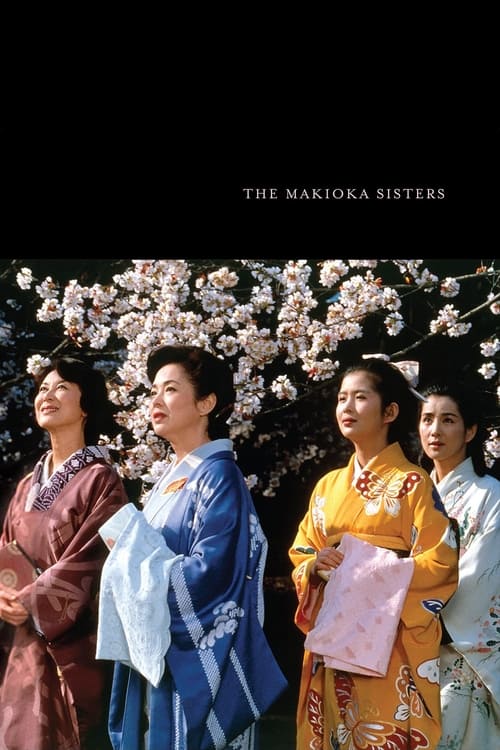
His 1983 adaptation of Tanizaki's novel is the warmest film in his catalog, and it arrives after decades of pain and formal experimentation. That warmth is earned. You feel everything the four sisters are about to lose, the world about to close around their measured, beautiful rituals, and Ichikawa lets that feeling accumulate without explaining it. It is his closest thing to a love letter, addressed to something already gone.
A Career in Landmarks
- 1953Breakthrough with Mr. Pu, a satire that caught studio attention
- 1956The Burmese Harp The Burmese Harp
- 1959Fires on the Plain and The Key released in the same year Fires on the Plain
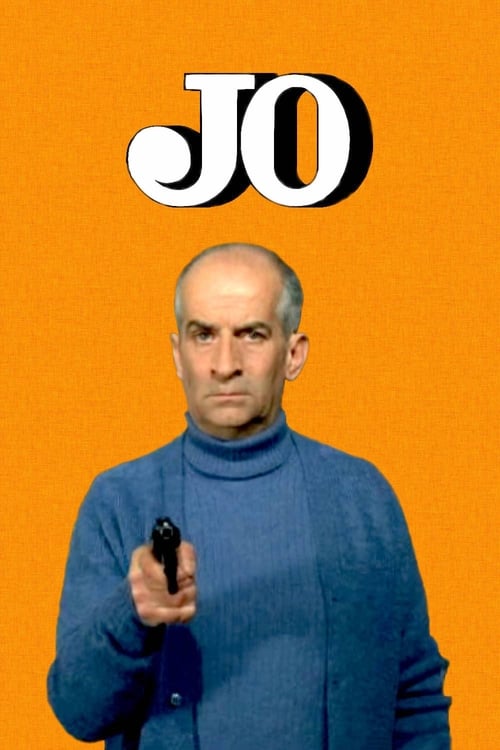
- 1958Enjo (Conflagration), adapting Mishima's Temple of the Golden Pavilion Jo
- 1963An Actor's Revenge An Actor's Revenge
- 1965Tokyo Olympiad, his defining documentary work Tokyo Olympiad
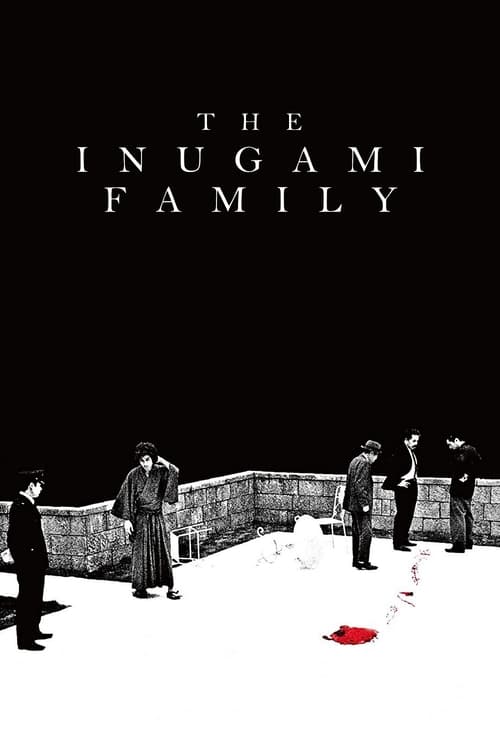
- 1976The Inugami Family revives the mystery genre with Seishi Yokomizo's source The Inugami Family
- 1983The Makioka Sisters, his late-career masterpiece The Makioka Sisters
Japanese cinema of cruelty and endurance
For Fans of Akira Kurosawa
Explore the For Fans of Akira Kurosawa guide →He was never interested in catharsis. He was interested in witness. His camera says: here is what happened. Now you carry it.On Kon Ichikawa's method