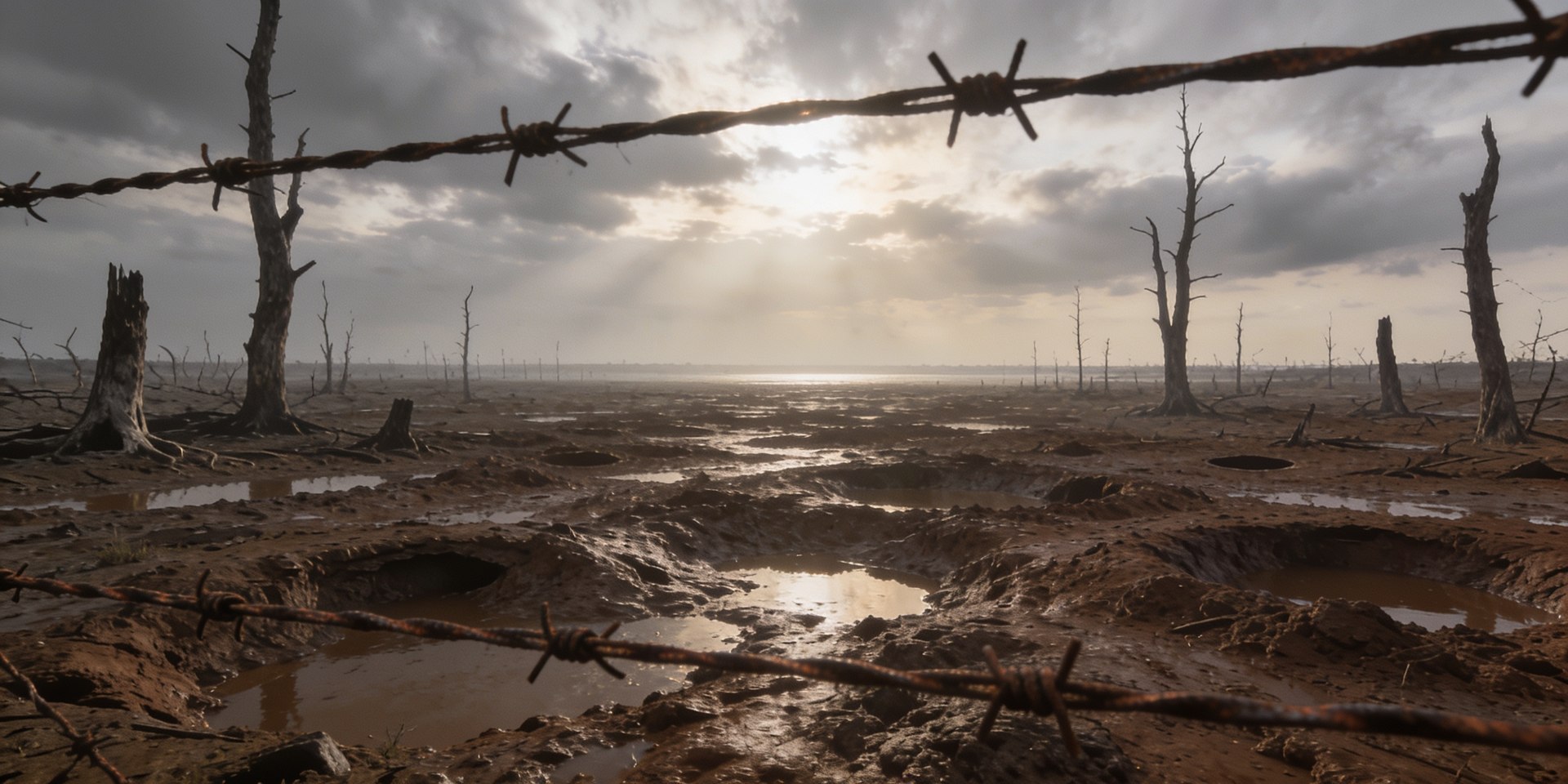

No conflict reshaped storytelling quite like the Great War. It shattered the 19th century's confidence in progress and heroism, left four empires in ruins, and produced a literature of grief and disillusionment that still sets the emotional grammar for how we understand industrial slaughter. The poets came first: Owen, Sassoon, Graves. Then the novelists. Then the filmmakers. Now the games designers.
What unites almost every serious work set between 1914 and 1918 is that same refusal to aestheticise the dying. The men go over the top. The barbed wire does not give. This guide traces the Great War across every medium it has haunted.
The essential guide to World War One
From Flanders mud to the Middle East, from trench fiction to immersive games
The one that changed the language of war films
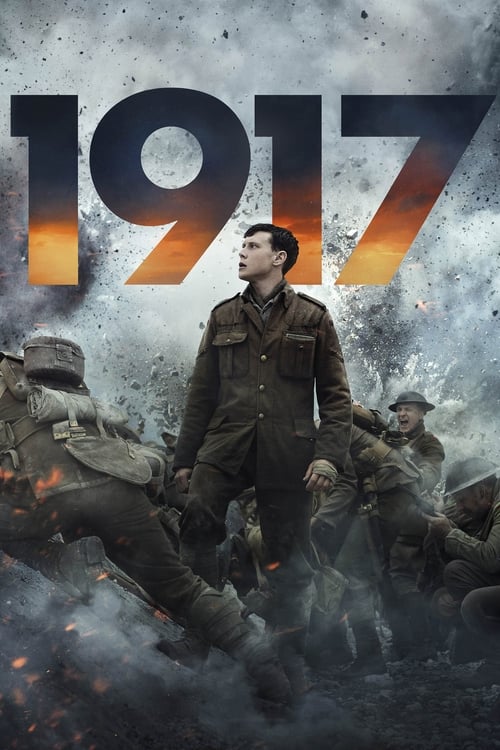
Sam Mendes's 2019 film is the most formally rigorous war film in decades: a single-take illusion that turns the geography of the Western Front into pure kinetic dread. The real stroke of intelligence is what Mendes understands about rhythm. Unlike almost every other Great War film, 1917 has no speeches, no rallying cry. It has mud and wire and the specific terror of a man running across open ground. The race-against-dawn structure is older than cinema, but here it is stripped to its essence, and the result is almost unbearable.
The anti-war canon
The Great War produced the purest anti-war art the 20th century has. Not because the artists were pacifists by nature, but because they were witnesses. Remarque wrote All Quiet on the Western Front from experience; so did Ernst Junger, Siegfried Sassoon, Wilfred Owen. What the adaptations have to carry, and the best ones do, is not argument but testimony.
The anti-war classics
Works that refused to make it glorious
The remake that finally got the German perspective right
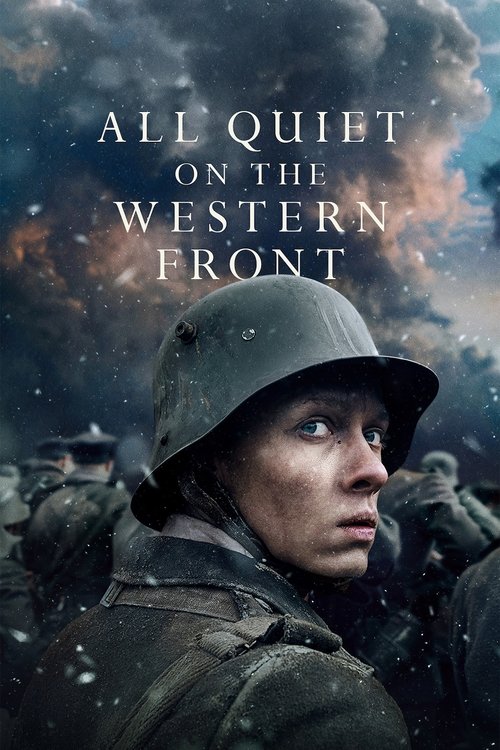
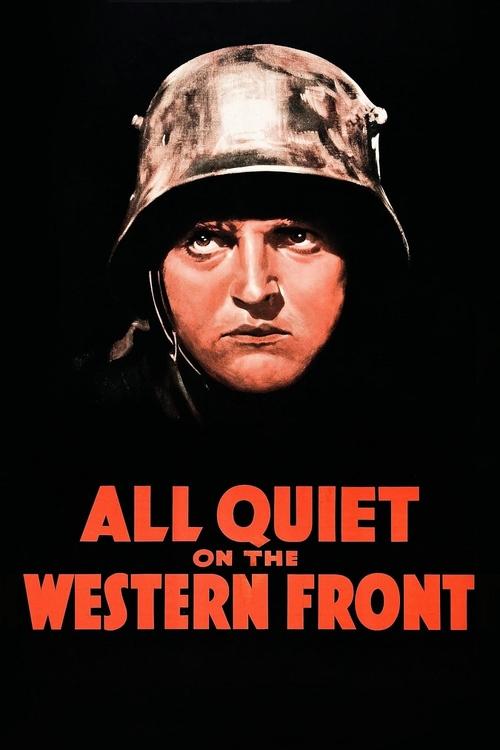
The 1930 Hollywood adaptation of Remarque's novel is a stone classic, but it is, at its core, American: earnest, plainspoken, built for sympathy. Edward Berger's 2022 German-language version is something else. It is colder, more clinical, more aware of the machinery. The final sequence, set in the hour before the Armistice, is one of the most brutal things the war genre has produced: men dying for ground that will be handed back in sixty minutes. It won four Oscars including Best International Film, and it deserved every one.
The Great War on television
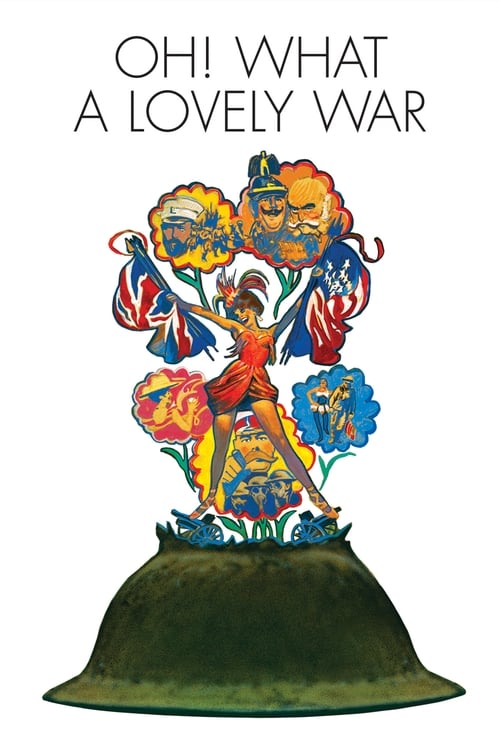
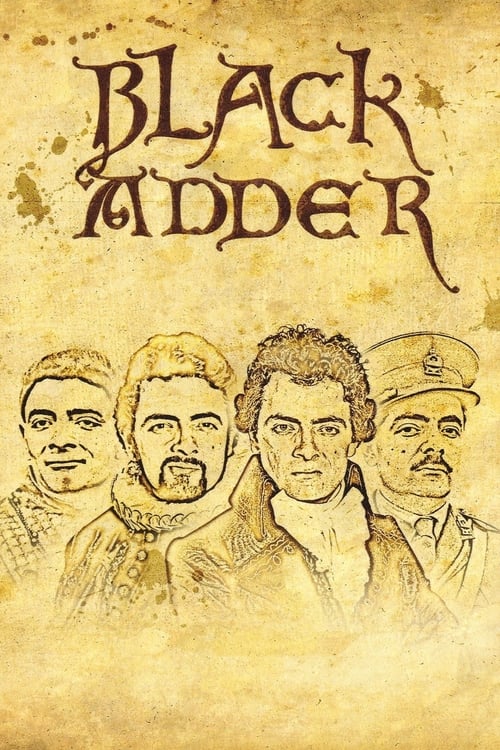
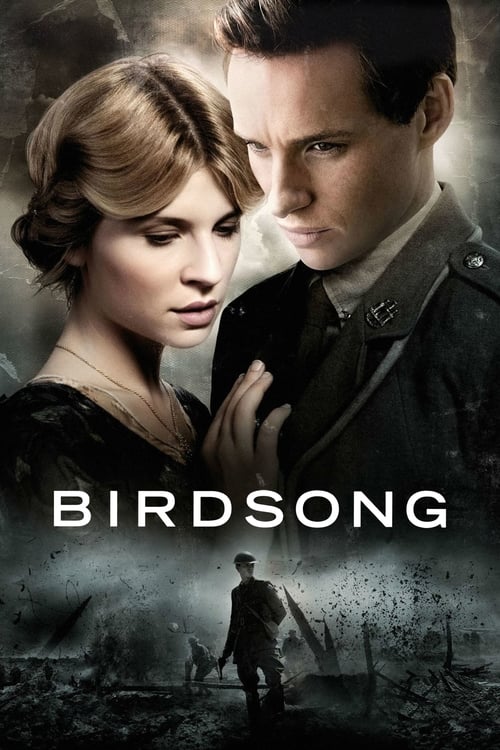
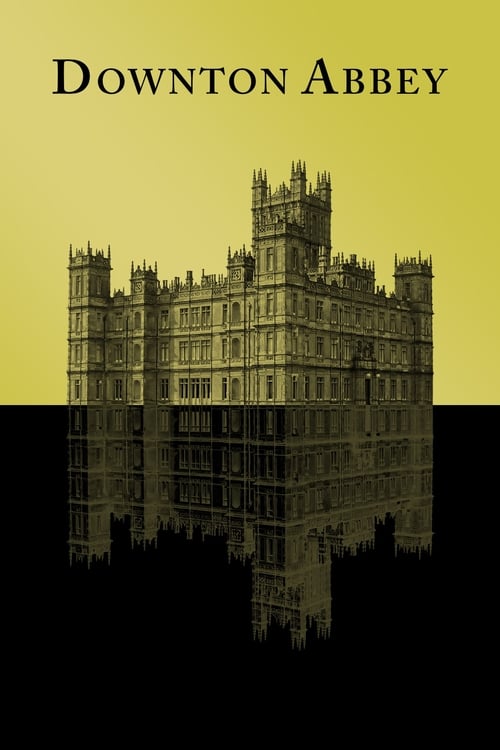
From Downton to Blackadder to Birdsong
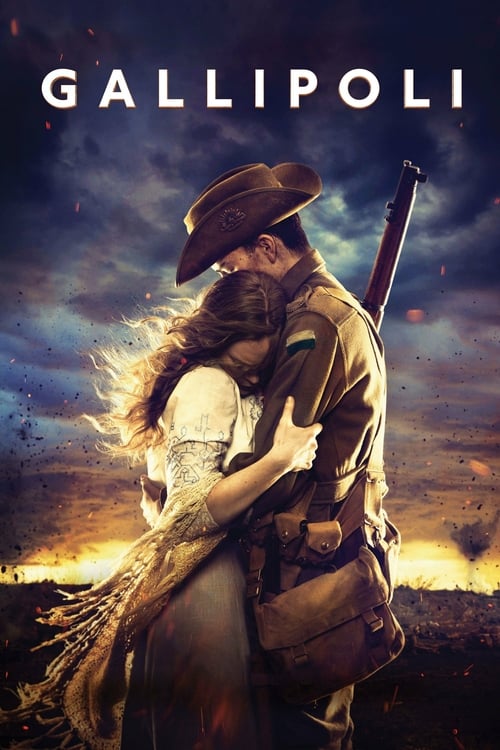
The war beyond the Western Front
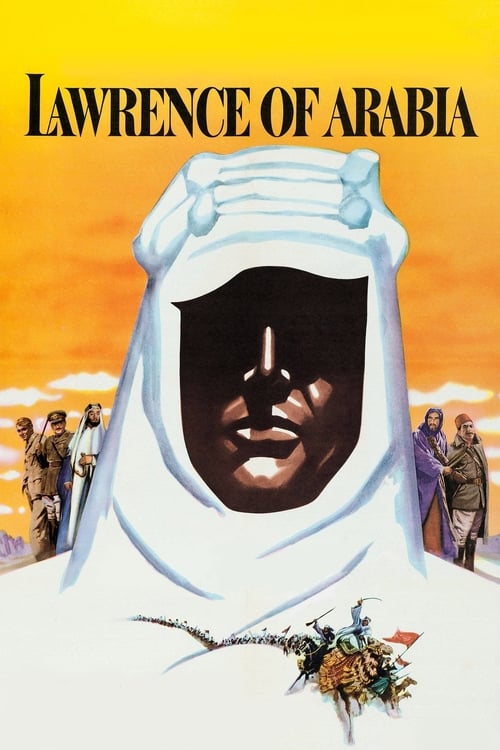
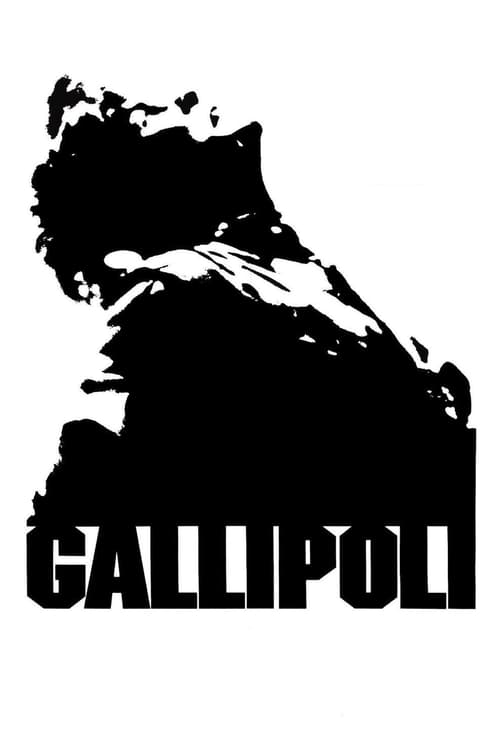
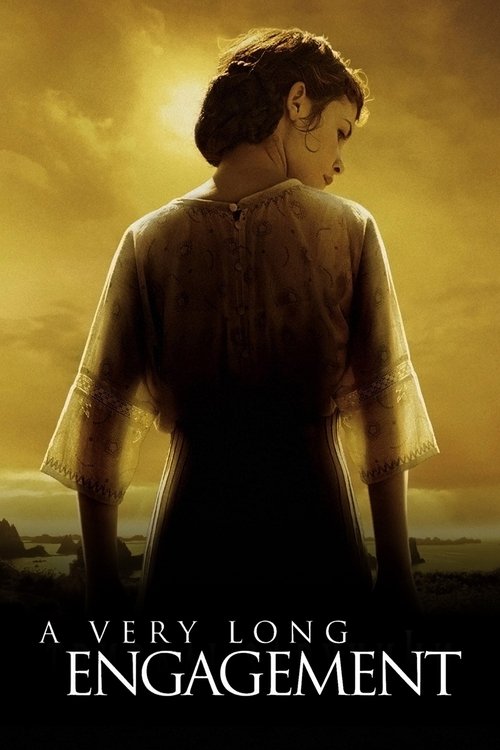
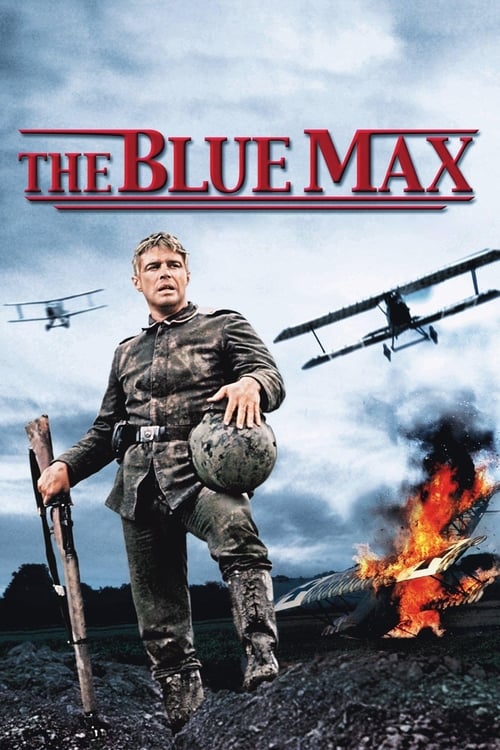
The trenches of France and Belgium are the war's dominant image, but the Great War was fought on five continents. David Lean's Lawrence of Arabia maps the Arabian campaign with a scope and visual grandeur that no one has matched before or since. Peter Weir's Gallipoli is the Anzac perspective: young Australians sent to a peninsula they had never heard of to serve an imperial plan they had no hand in making. Jean-Pierre Jeunet's A Very Long Engagement turns the missing-in-action story into a detective mystery wrapped in grief.
Beyond the Western Front
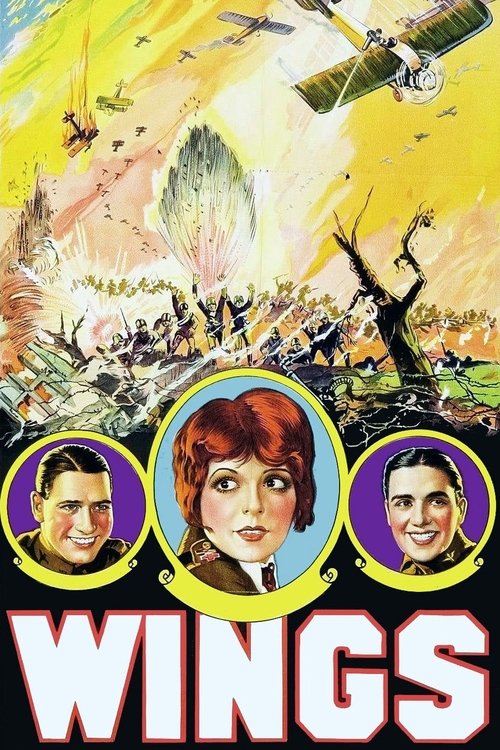
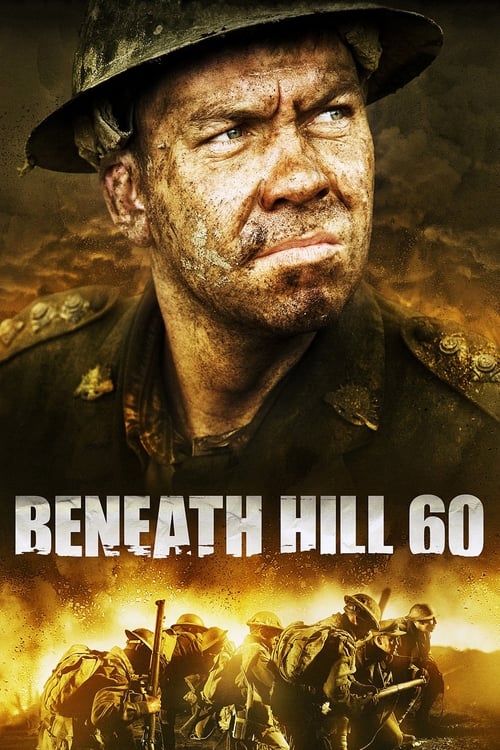
Arabia, Gallipoli, the air war and more


The best WWI game is also the most empathetic
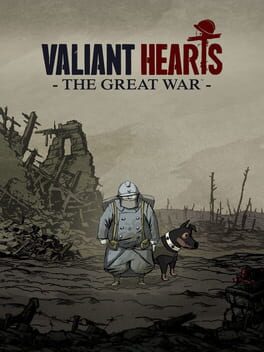
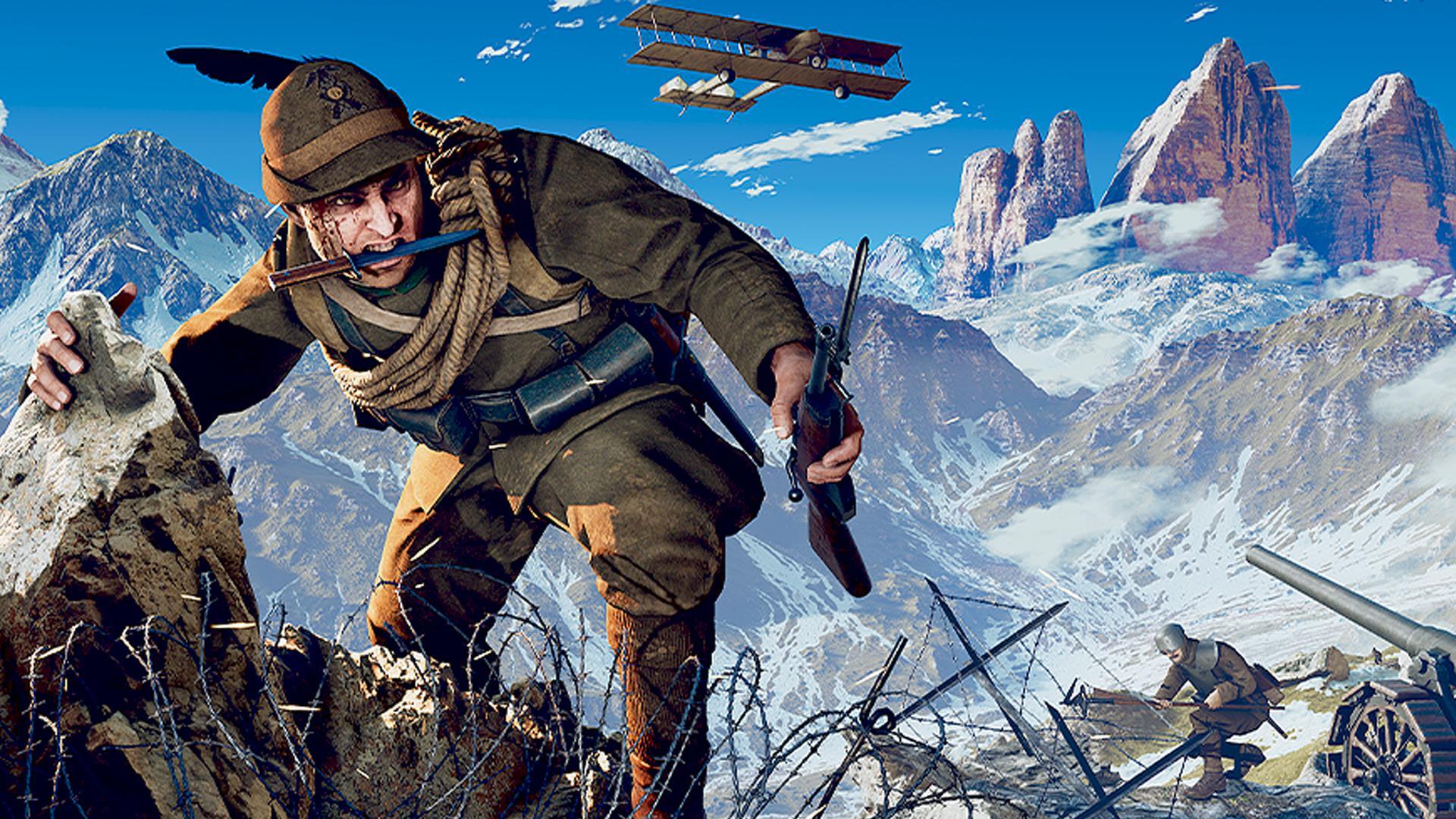
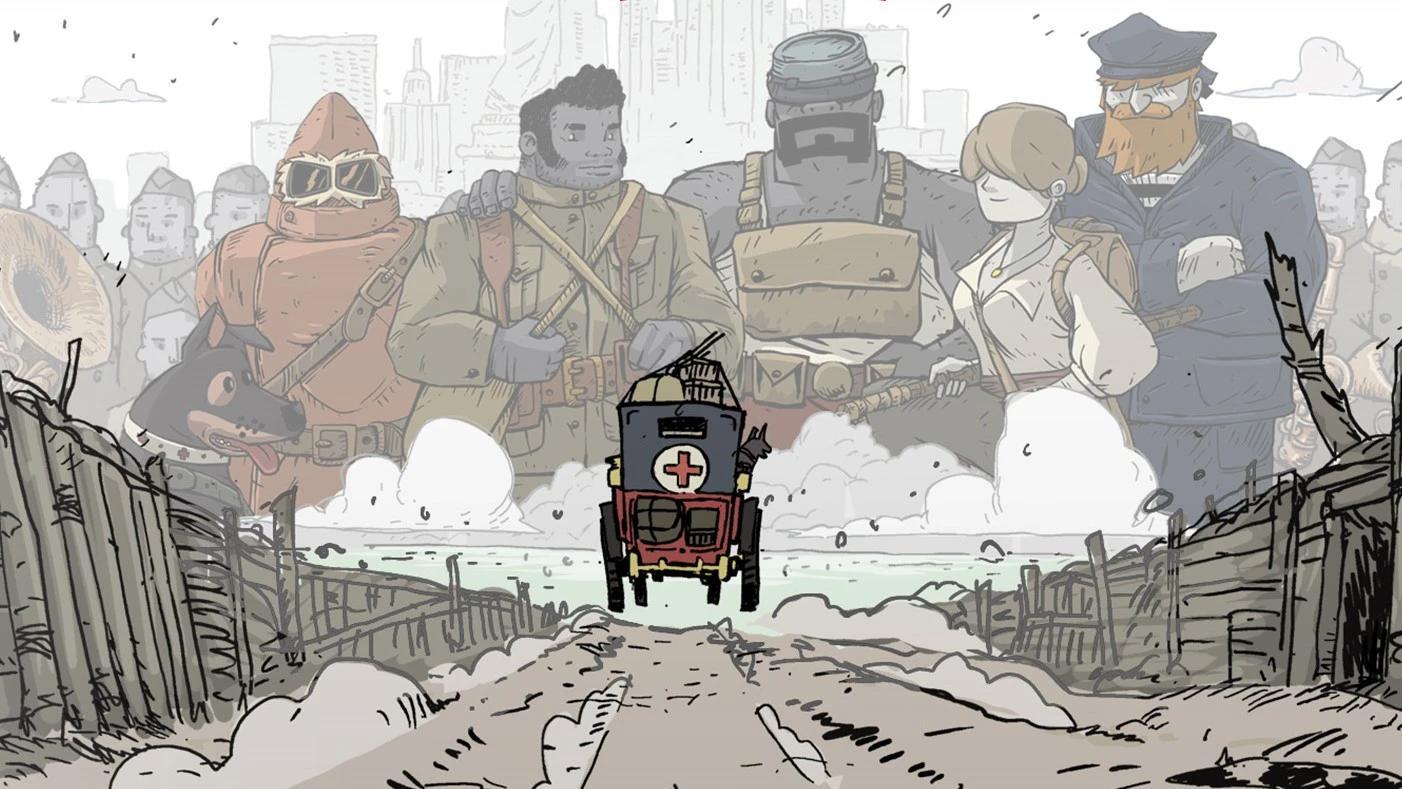
Ubisoft Montpellier's Valiant Hearts: The Great War is drawn in a storybook style that might suggest lightness, but what it actually delivers is the war through the eyes of four ordinary people caught on different sides. A French farmer, a German soldier, an American volunteer, a Belgian nurse. The gameplay is simple: object-based puzzles, short action sequences. The weight is all in the story, and in the historical notes that pop up at each chapter break. It is the only war game that made me stop and look up whether the events it described were real. Almost all of them were.
The Great War in games
From infantry tactics to empathy games
Where the books live
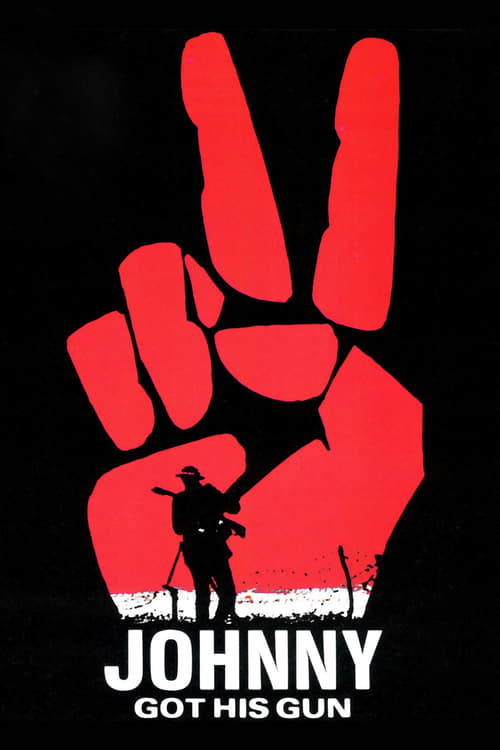
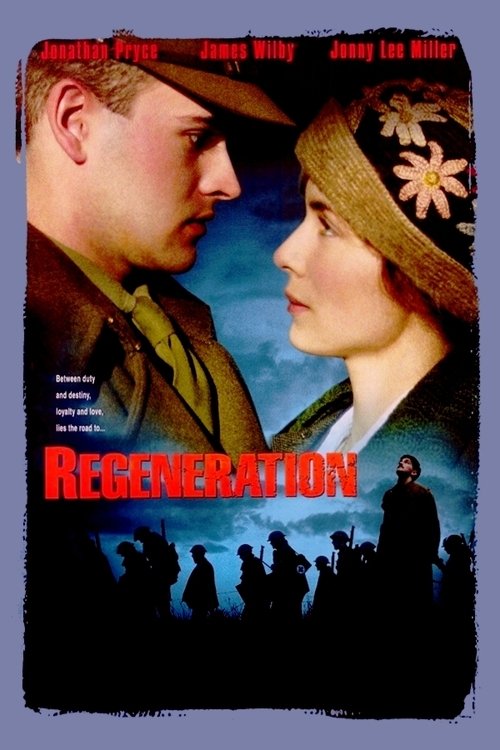
The Great War has a literary canon unlike any other conflict. Pat Barker's Regeneration trilogy follows Siegfried Sassoon and Wilfred Owen through the Craiglockhart War Hospital, where shell-shocked officers were treated by a psychiatrist named W.H.R. Rivers, a man who slowly comes to understand that the war is itself the disease. The second volume, The Eye in the Door, is where the trilogy gets its political teeth. Dalton Trumbo's Johnny Got His Gun is the most radical: a soldier with no limbs, no face and no senses but touch and thought, lying in a military hospital, composing his testimony to no one. It was written in 1938 and has never gone out of print.
Books of the Great War
Novels, memoirs and testimonies that refused to look away


The documentary that brought the dead back to life
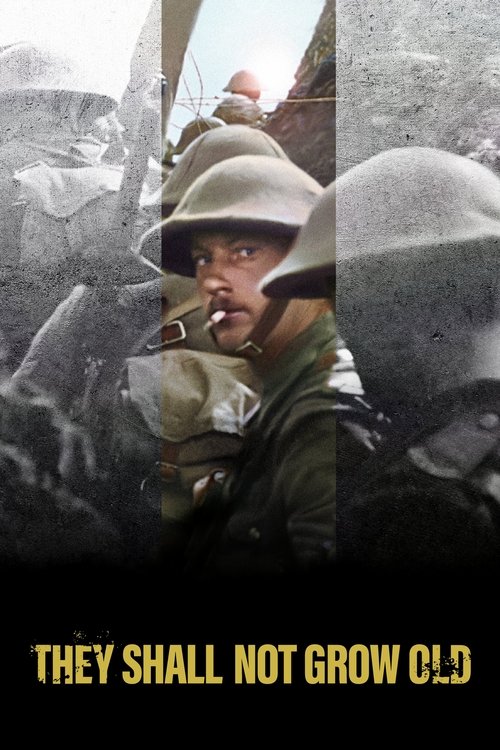
Peter Jackson's They Shall Not Grow Old is a piece of documentary film-making with no real precedent. Using archival footage from the Imperial War Museum, Jackson's team painstakingly restored, colourised and interpolated a century of degraded film until the soldiers in it move at normal human speed and look at you with faces you recognise. The effect is shattering: these are not figures from history, they are young men, and they are alive, for a few minutes, on the screen. The decision to use lip-reading experts and actors to voice their mouths is the detail that seals it. They speak.
The personal war
Grief, love and survival across the lines



The deep cuts
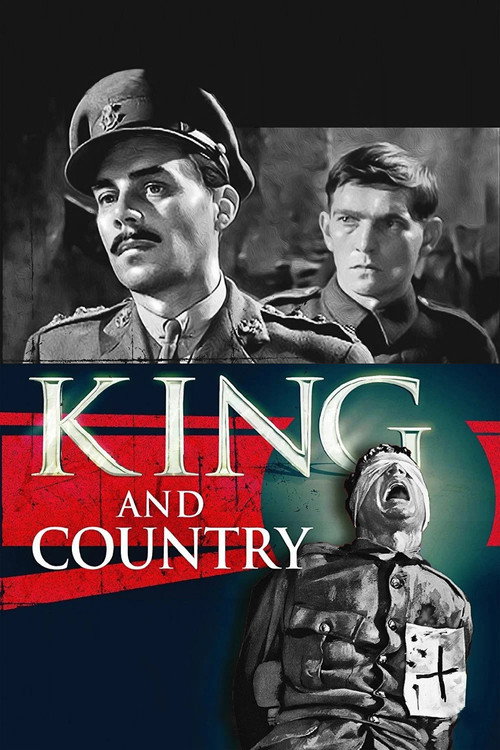
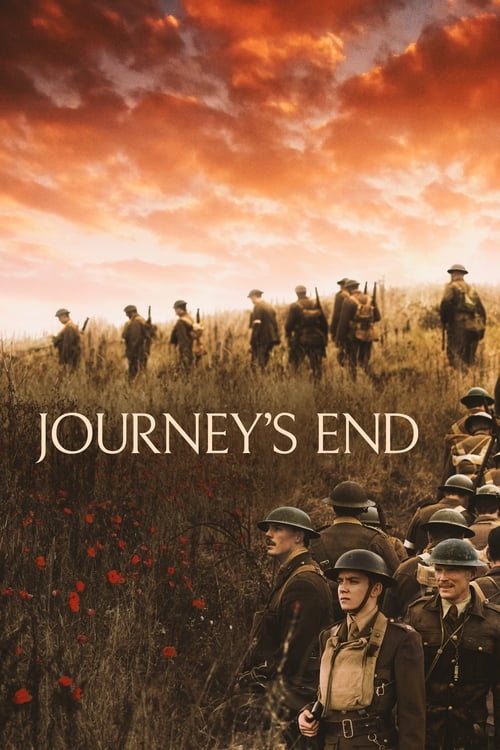
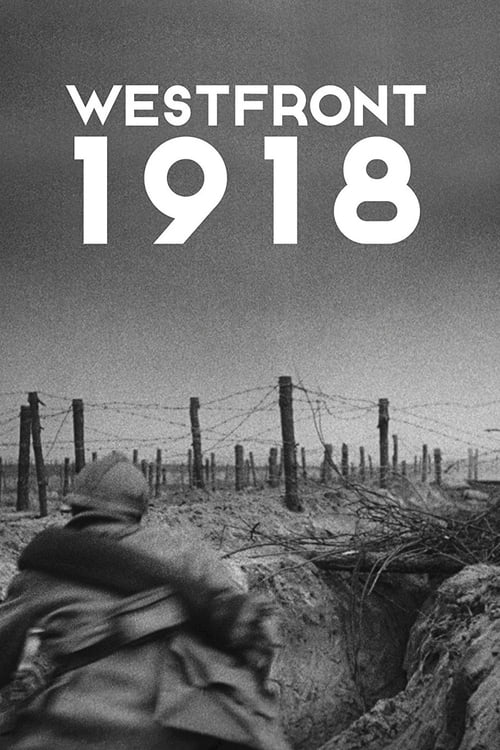
Beyond the canonical works sit some that deserve wider audiences. G.W. Pabst's Westfront 1918, released the same year as the American All Quiet, is the German-language companion piece and arguably the bleaker film. John Schlesinger's Darling pair Joseph Losey's King and Country is a court-martial drama set in 1917 Belgium that strips military justice of every illusion. Tom Sherriff's play Journey's End, filmed twice and never bettered on stage, places six officers in a dugout for four days before an assault, and makes you feel every hour of the wait.
Deep cuts and forgotten masterpieces
The films that historians love and audiences have missed
More of the century at war
World War II
Explore the World War II guide →What the Great War did to storytelling is what it did to everything else: it blew away the architecture of nobility and left the human animal exposed, still bleeding, still confused about what it was for.CrossBinge Editors