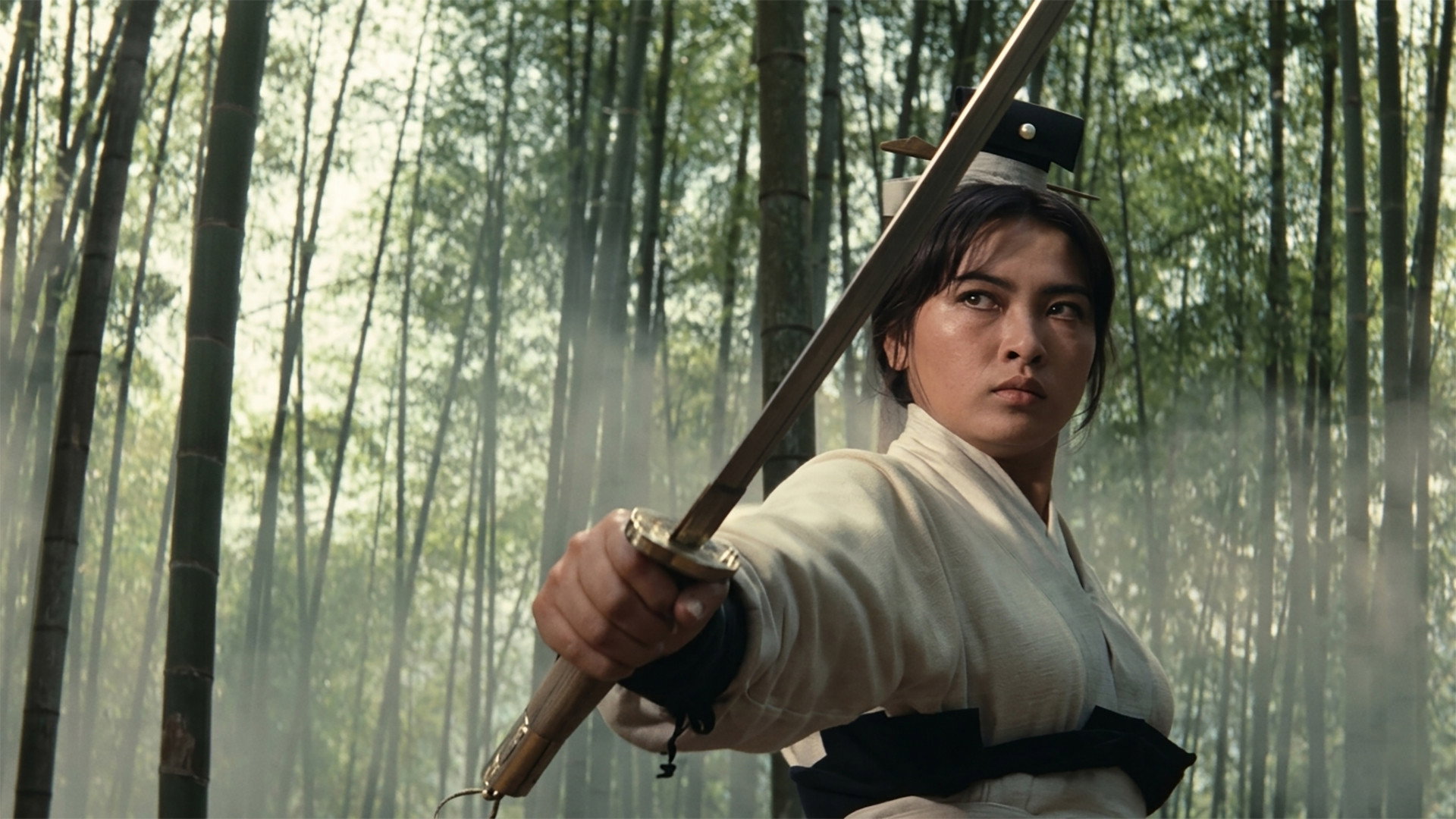

The Painter of Forbidden Rooms
Li Han-Hsiang (1926-1996) spent four decades building a cinema of overwhelming surfaces: lacquered corridors, embroidered gowns, jade-inlaid screens, and the faces of emperors and concubines framed inside all that gorgeous suffocation. Born in Liaoning, he came up through the Cantonese studios of postwar Hong Kong and eventually reshaped Shaw Brothers into a production machine capable of conjuring the full weight of dynastic China from a studio lot in Clearwater Bay.
What he found, and never stopped excavating, was the palace as a machine for desire and death. Power in his films flows through ritual: who kneels before whom, which robes are permitted in which antechamber, which glance across a formal table carries more charge than an open declaration. His huangmei diao musicals of the late 1950s and early 1960s brought folk opera to mass Chinese audiences with a sweetness that was deceptive. Under the embroidered surface ran something colder: court life as captivity, beauty as constraint, ambition as the one thing that outlives love.
After founding his own Grand Film Company in Taiwan in the 1960s and returning to Shaw Brothers, then later working extensively in mainland China, he made films in almost every mode the historical drama allowed: romantic opera, bedroom comedy, bawdy satire, and sober political chronicle. The range is enormous but the obsession is constant. What does it cost to live at the center of power? What does the center of power do to the people it uses?
Fans of Li Han-Hsiang tend to be fans of a particular intoxication: visually dense, emotionally ceremonious, drawn to stories where a single look between two people across a room full of silk and protocol contains more menace than any battlefield.
Essential Li Han-Hsiang
His own films, in rough order of approach
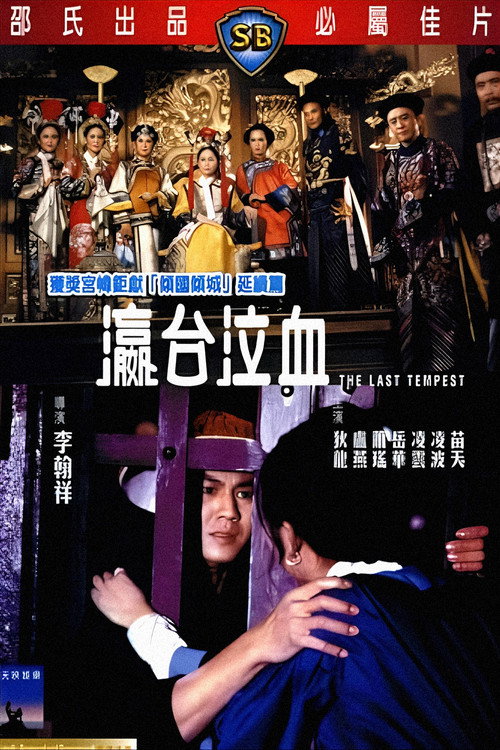
The Palace as Prison: Court Intrigue on Screen
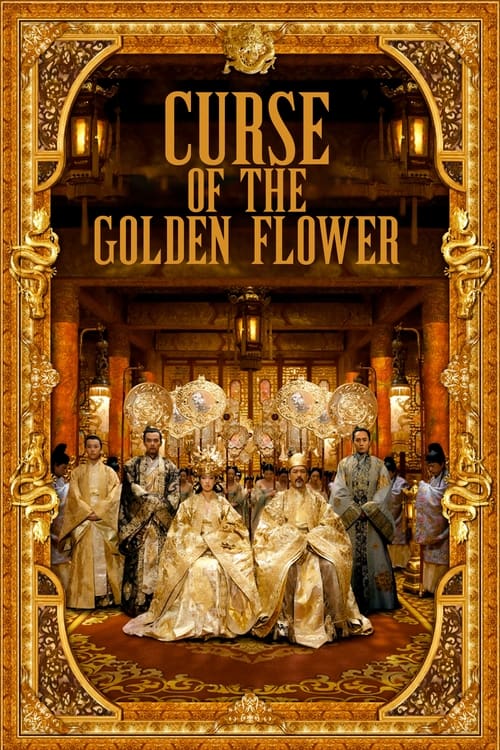
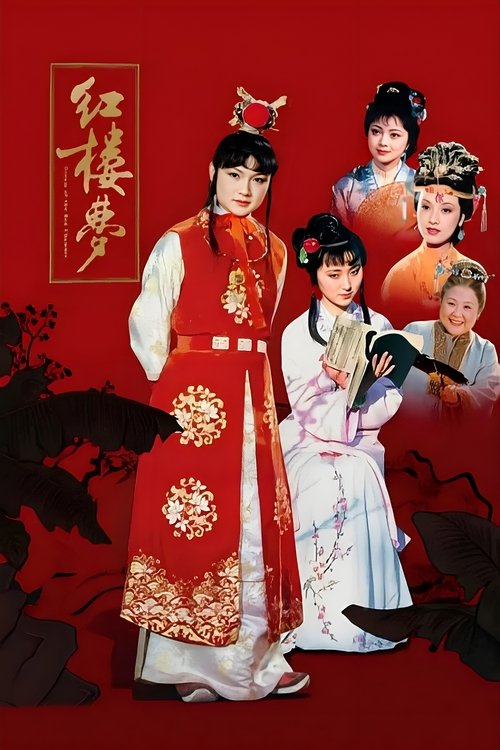
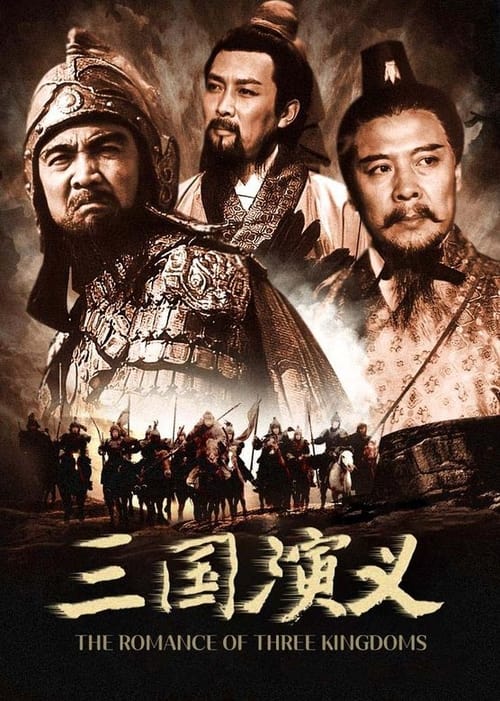
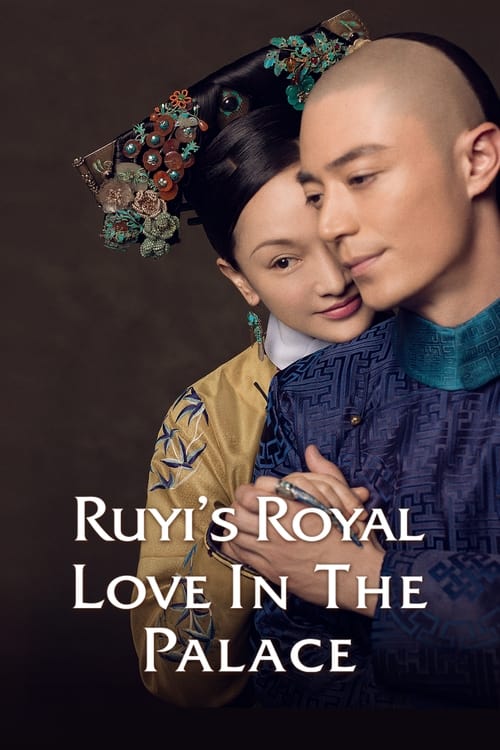
Films and series that share his obsession with power dressed in silk

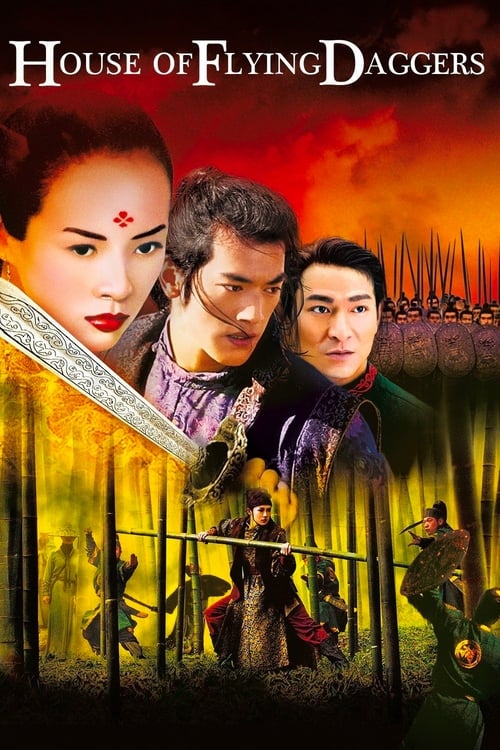
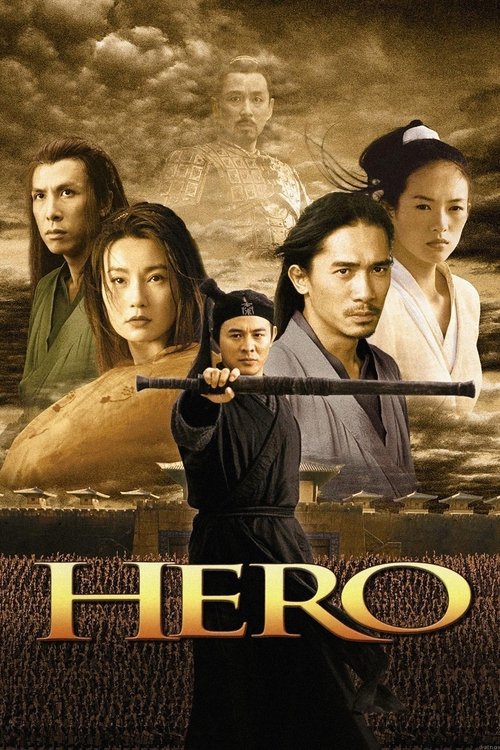
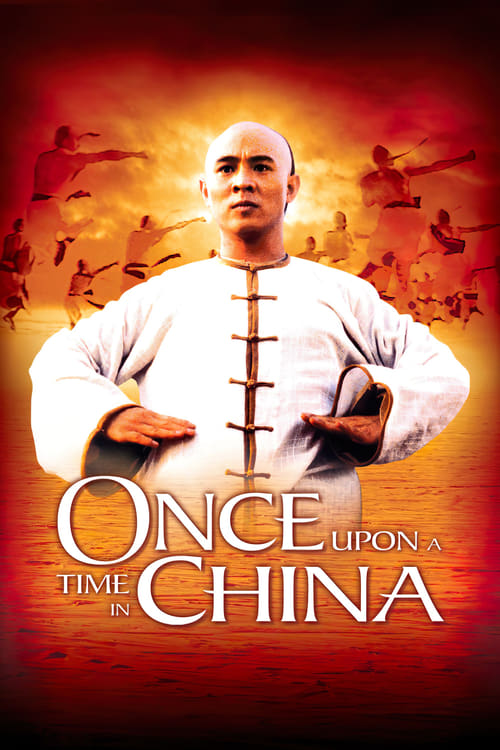
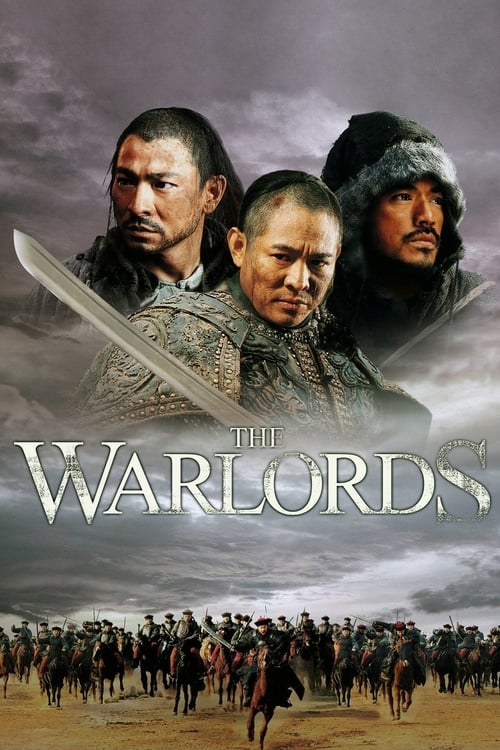
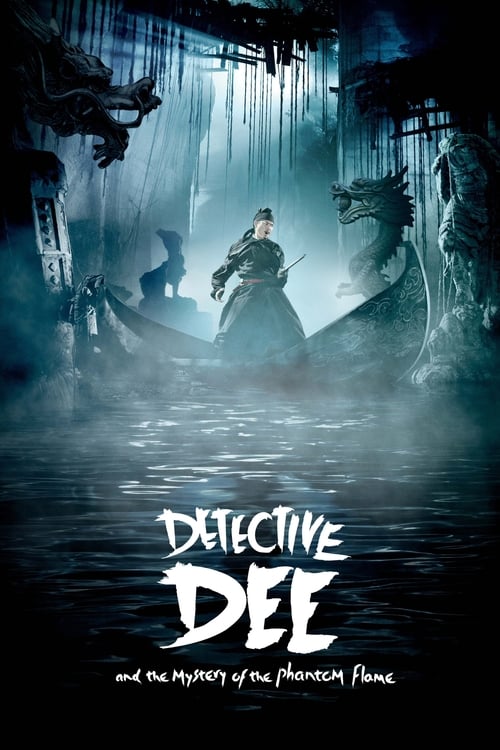
Operatic Surfaces: Wuxia and Mythology in Chinese Cinema
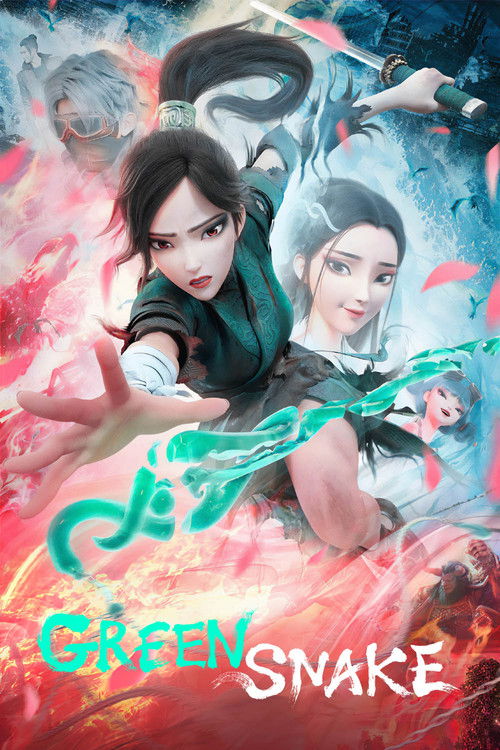
The mythic and martial strands that ran alongside his historical dramas

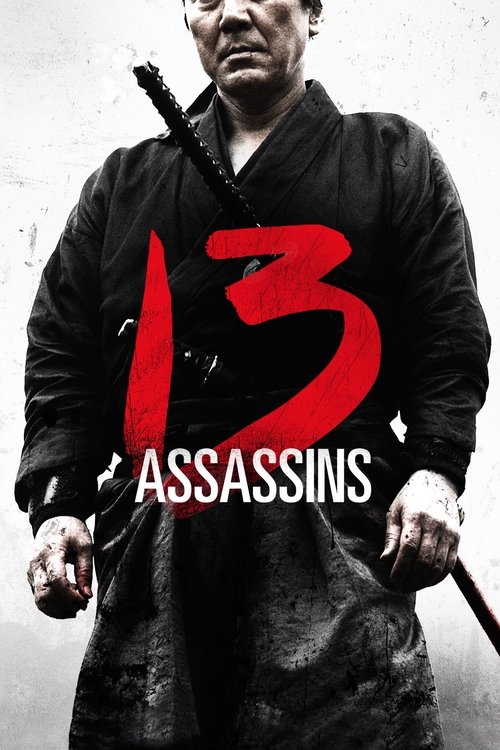
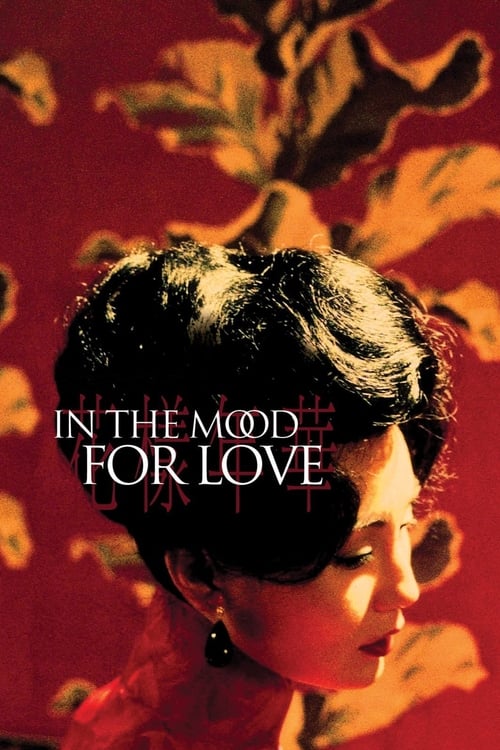
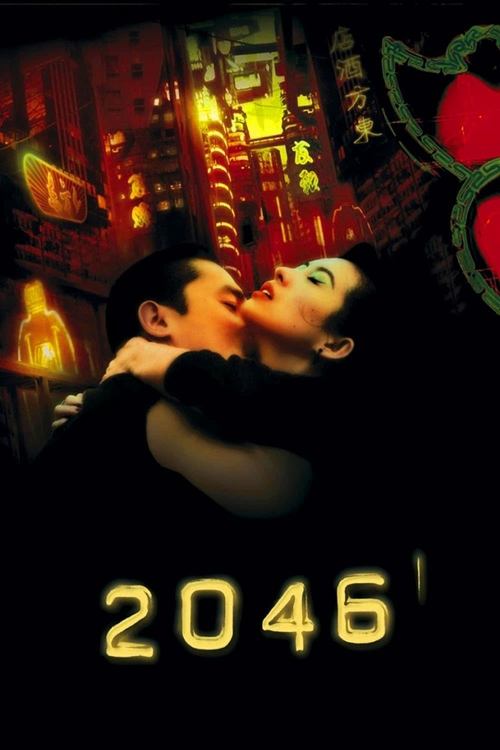
The Camera as Calligrapher: Asian Art Cinema
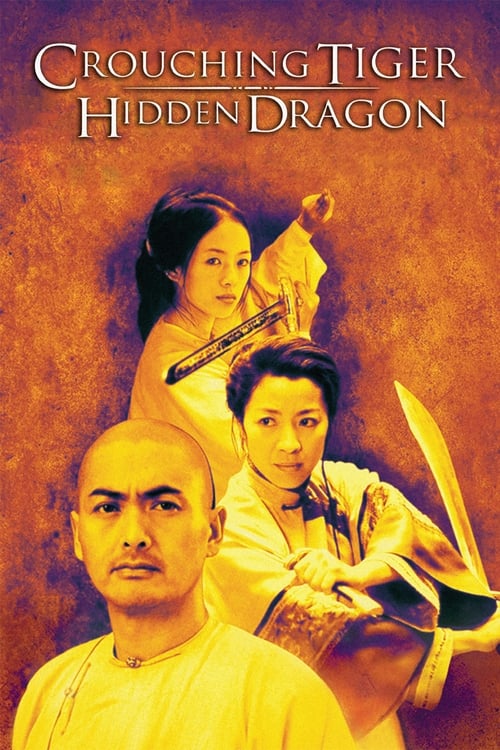
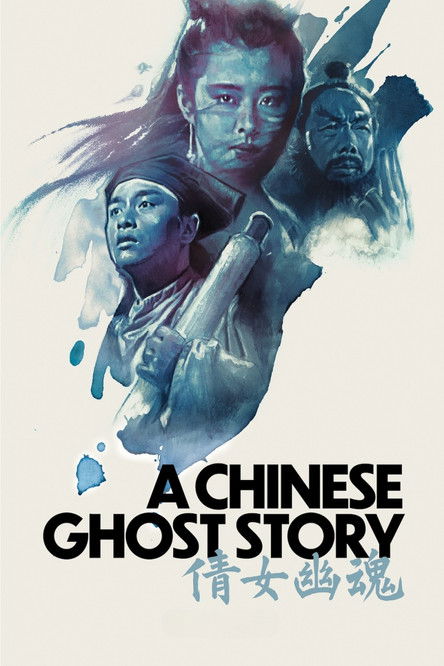
Directors who share his belief in the image as argument
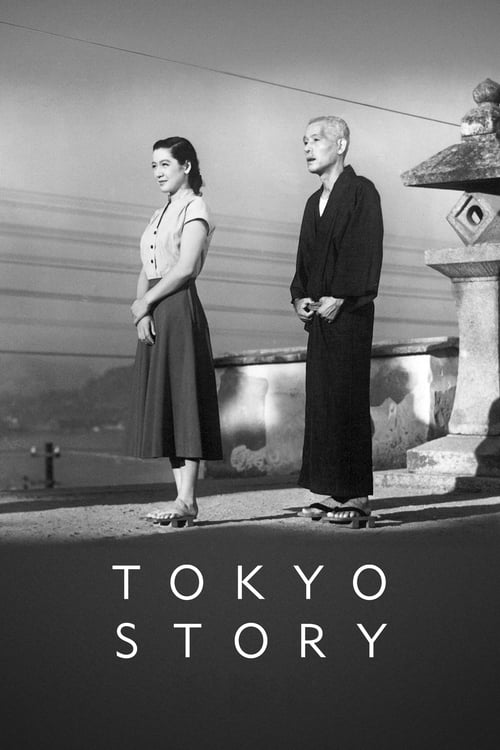
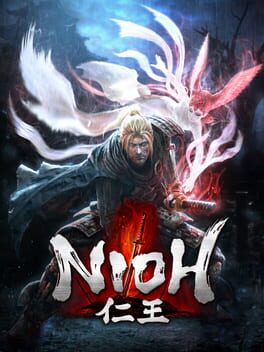
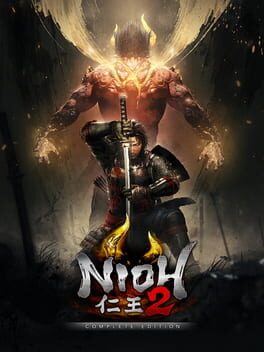
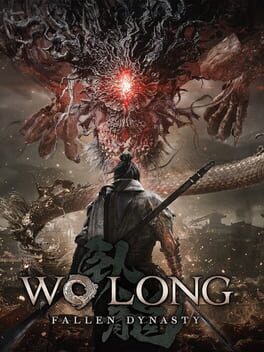
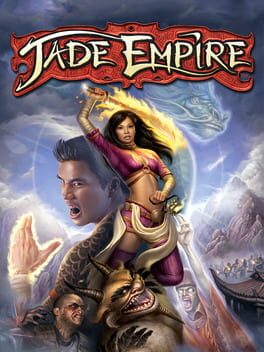
Kingdoms in Your Hands: East Asian History as Game
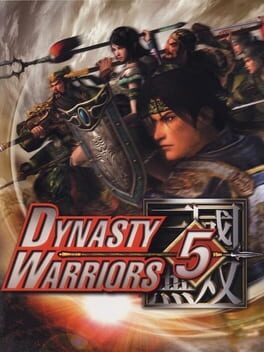
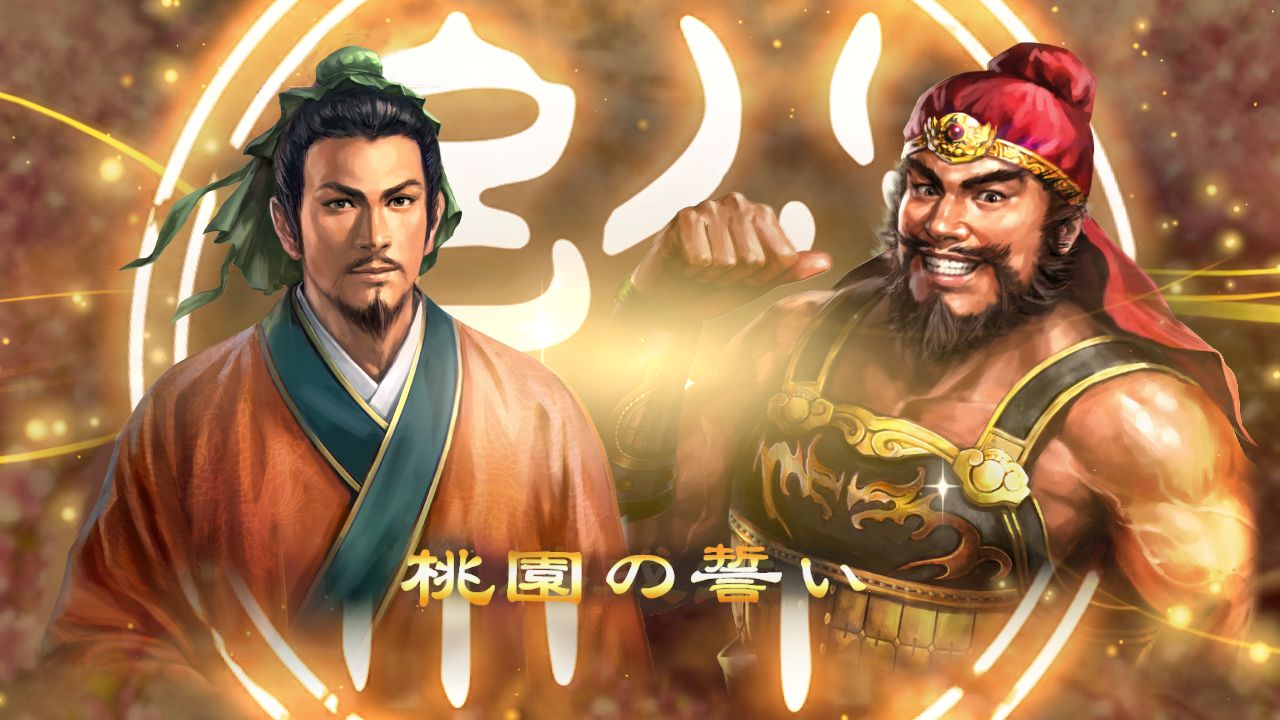
For when you want to inhabit the court, not just watch it
The Literary Court: Books for Fans of the Dynasty World
Fiction and history that feeds the same appetite



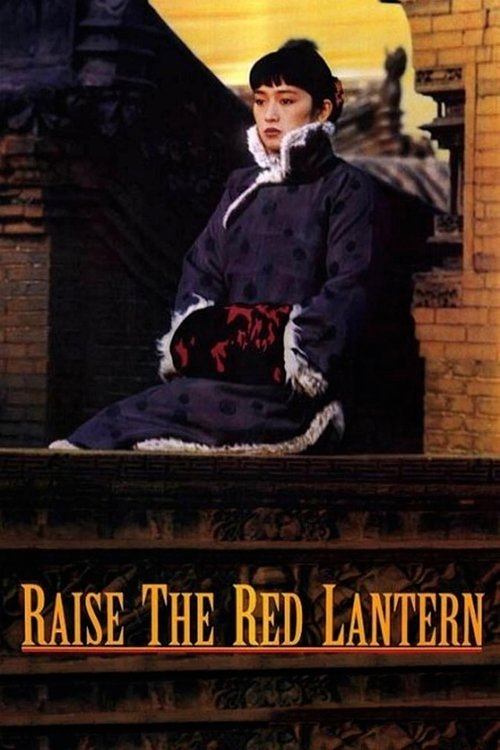
Start here: Raise the Red Lantern is Li Han-Hsiang's thesis made by someone else
Zhang Yimou's 1991 film is the single best entry point for a new audience because it does in 88 minutes what Li Han-Hsiang spent a career circling: the domestic architecture of a powerful household as a system of control, where women are prizes in a game whose rules they did not write and cannot change. The palette, the ritual, the way power is performed through small ceremonies of daily life, all of it traces directly back to the Shaw Brothers historical dramas Li Han-Hsiang was making 30 years earlier. Watch it first. Then go backwards.
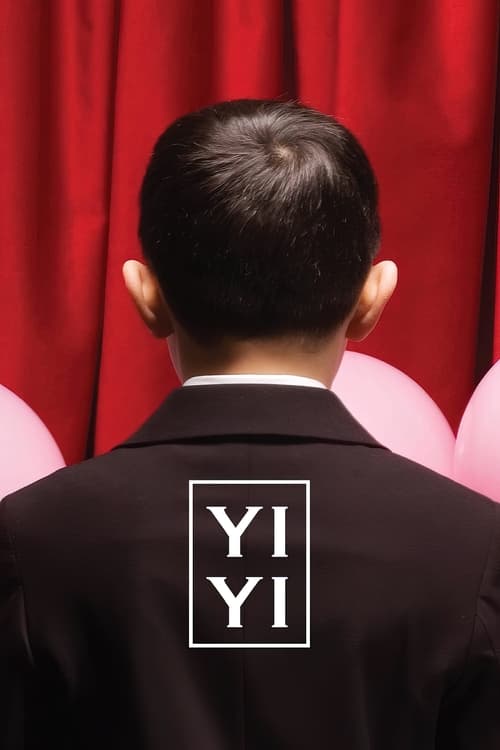
The underrated angle: Yi Yi earns every one of its three hours
Edward Yang's Yi Yi (2000) belongs here not because it is a period film but because it shares Li Han-Hsiang's fundamental conviction: that the image must carry what the dialogue cannot say. Where Li Han-Hsiang used embroidered robes and lacquered corridors to encode social hierarchy without spelling it out, Yang uses the architecture of a Taipei apartment building, the frame of a camera viewfinder, the reflection in a glass door. The subject has shifted from court to suburb, but the method is the same. A film about three generations of one family that manages, without sentimentality or irony, to make every domestic surface feel load-bearing.
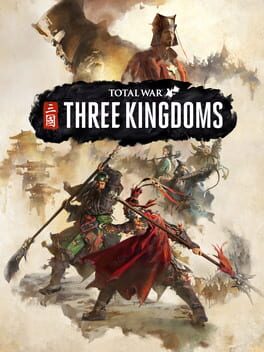
The spiritual successor in games: Total War Three Kingdoms gets the politics right
Most games set in imperial China borrow the costumes and ignore the politics. Total War: THREE KINGDOMS is the exception. The faction system, the loyalty calculations, the way a single betrayal inside your own court can unravel a decade of military victories: this is Li Han-Hsiang's subject matter translated into strategy. The 194 AD setting, late Han and the era of warlords after the Yellow Turban rebellion, is exactly the historical ground his films kept circling, and the game takes it with matching seriousness.
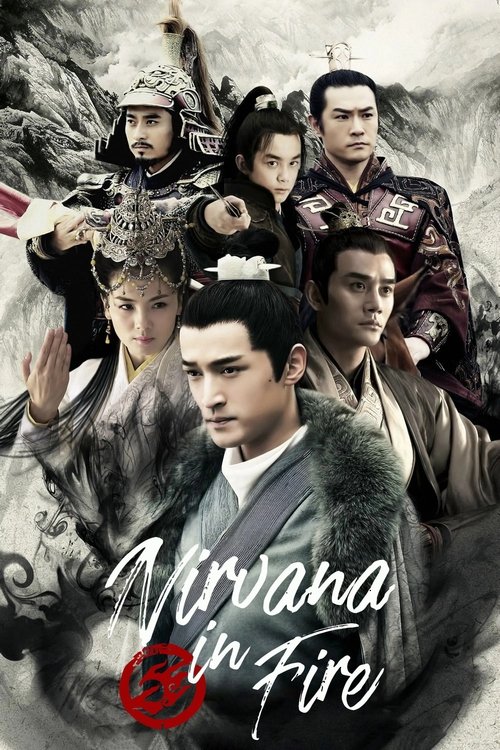
The hidden bridge: Nirvana in Fire is the best long-form court drama ever made
The 2015 Chinese series runs 54 episodes and every one earns its place. A disgraced military genius, believed dead, returns to the capital in disguise to clear his family's name through pure political strategy. No sword fights carry the drama. It is all alliances, information, timing, and the reading of faces in formal rooms. The writing is extraordinary and the production design is Li Han-Hsiang-level obsessive. Viewers who bounced off the slow opening are strongly advised to give it ten episodes before deciding.
He understood that the real drama of Chinese history was not fought on battlefields. It was conducted in anterooms, across tea tables, through the precise angle of a bow.on Li Han-Hsiang's court dramas
Li Han-Hsiang: A Career in Eras
- 1954Joins Shaw Brothers in Hong Kong as director
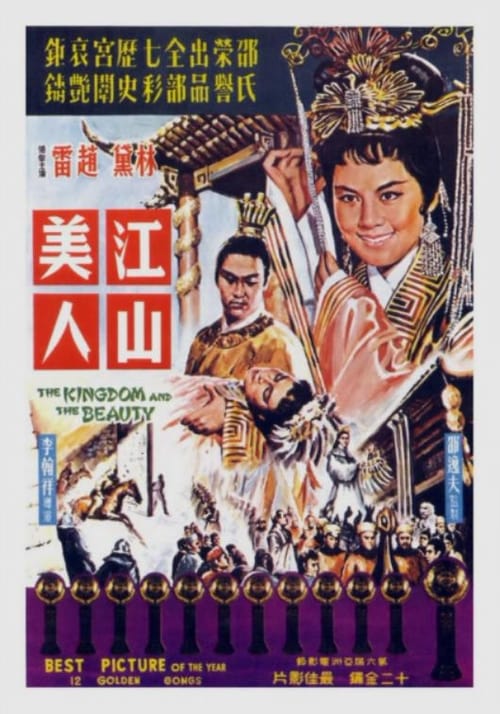
- 1959The Kingdom and the Beauty: first major hit, launches the huangmei diao genre
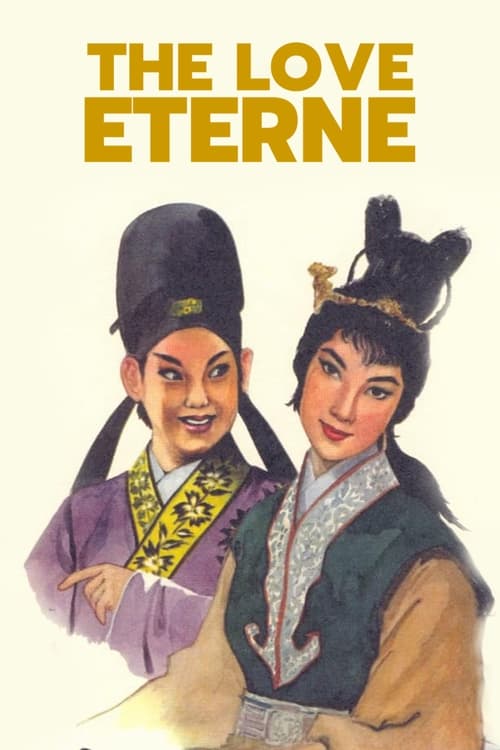
- 1963The Love Eterne: a box-office phenomenon across Chinese-speaking Asia
- 1963Founds Grand Film Company in Taiwan after leaving Shaw Brothers
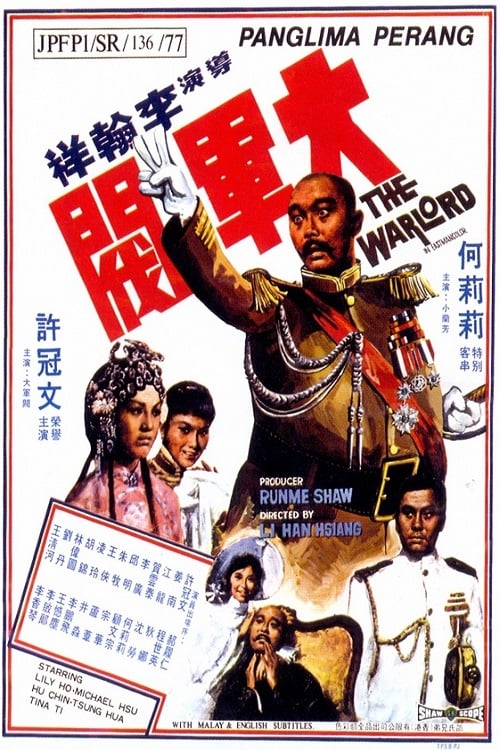
- 1972Returns to Shaw Brothers; begins bawdy historical comedies including The Warlord
- 1975The Empress Dowager: large-scale political epic with a new seriousness
- 1982Relocates to mainland China; works with Beijing Film Studio
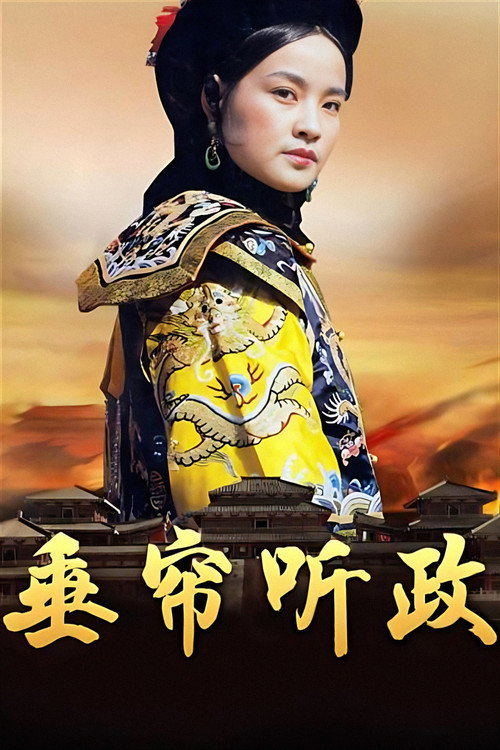
- 1984Reign Behind a Curtain and The Last Tempest complete the Qing court trilogy
- 1996Dies of a heart attack on set in Beijing during production of a new film