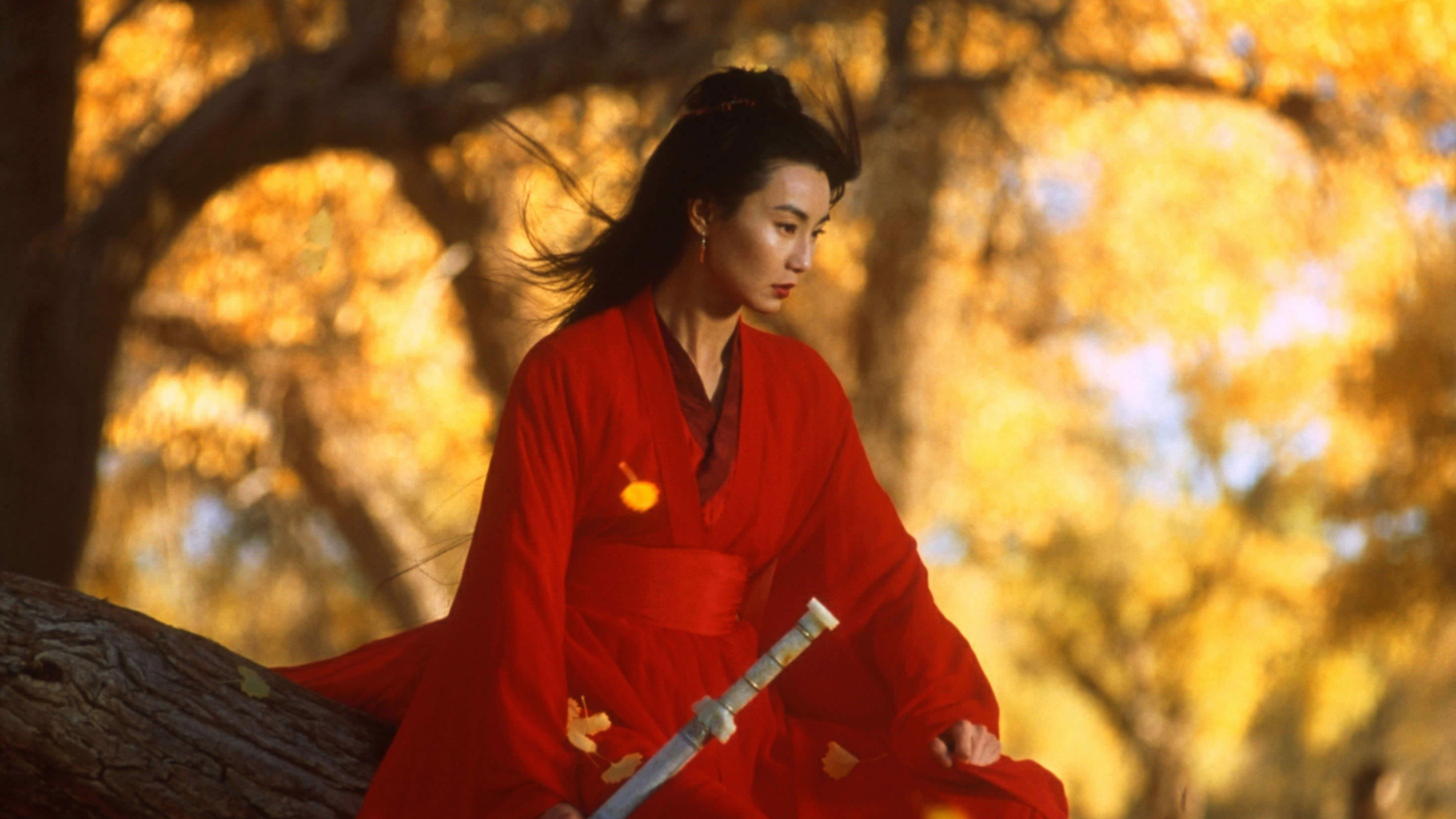

The Cinema of Color, Ritual, and Controlled Fury
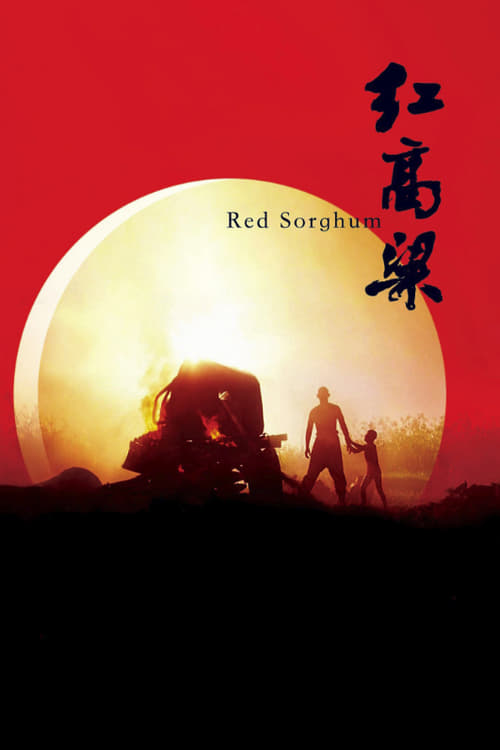
Zhang Yimou arrived in 1987 with Red Sorghum and announced something the world had not quite seen before: a Chinese cinema simultaneously rooted in folk mythology and composed like a painting. Over nearly four decades he has moved between intimate rural tragedies and operatic action spectacles, between quiet state-banned realism and blockbuster wuxia, but the underlying sensibility never really changes. He sees the world in blocks of color. He thinks about bodies in space the way a choreographer does. He understands that ritual, repetition, and ceremony carry more emotional weight than dialogue ever could.
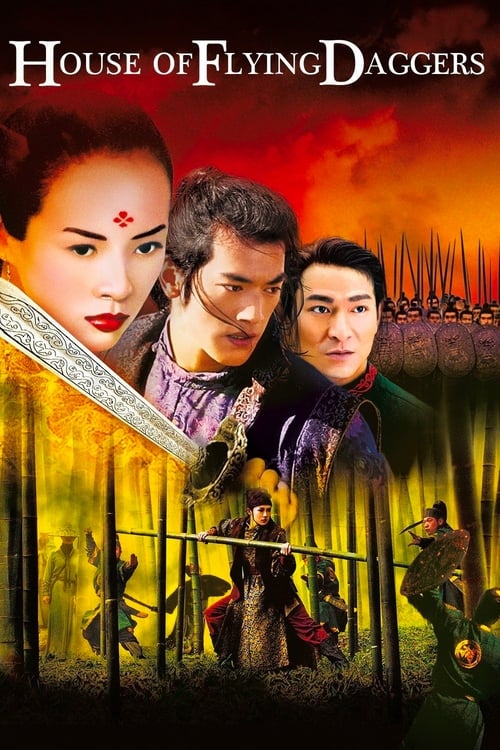
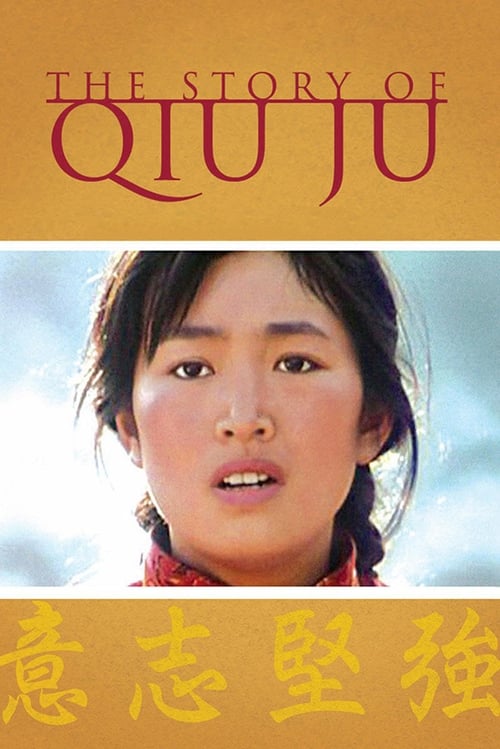
His early films, shot by Gu Changwei and Zhao Fei (and later by Zhao Xiaoding), share an obsession with constraint: women trapped inside households, families trapped inside history, individuals trapped inside systems that grind them down with perfect bureaucratic indifference. Raise the Red Lantern, Ju Dou, To Live, The Story of Qiu Ju form a kind of quartet about survival under pressure, each one a different shade of grief. Then came the wuxia turn, Hero and House of Flying Daggers, where the same visual intelligence exploded into pure kinetic color.
Fans of Zhang Yimou tend to be drawn in by one film and then pulled backward and forward through the catalog, finding that the sensibility holds whether he is working in a cramped courtyard or across an army of ten thousand soldiers. The through-line is always the same: beauty as a weapon, silence as the loudest thing in the room, and history as something that crushes ordinary people in extraordinary ways.
Essential Zhang Yimou
The films themselves, roughly in the order a new viewer should meet them


Painted World, Quiet Fury
Films that treat color, space, and composition as storytelling, not decoration
Individuals Crushed by History
Films and books about ordinary lives caught inside forces too large to resist



Choreographed Violence, Mythic Scale
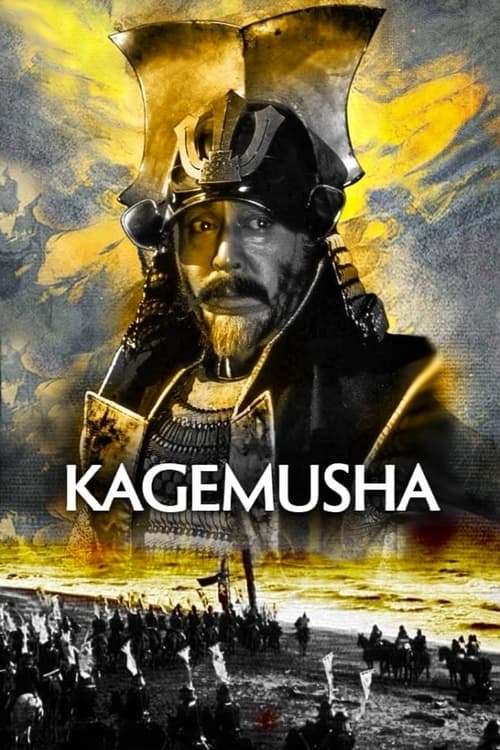
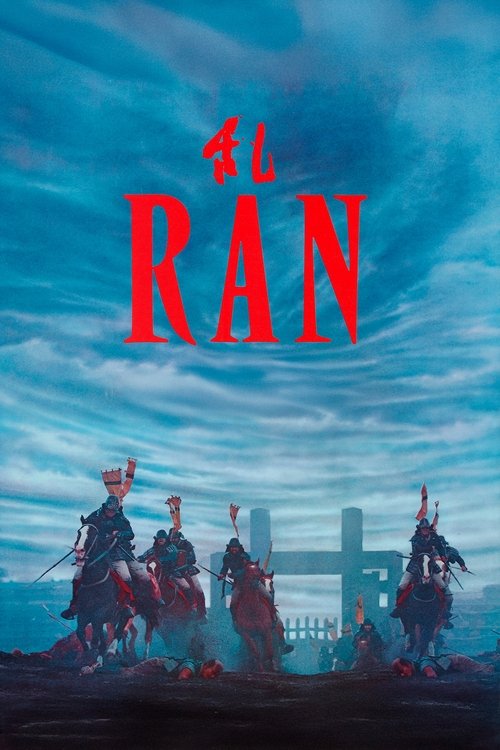
Games, films, and series where combat is ritual and spectacle is the point
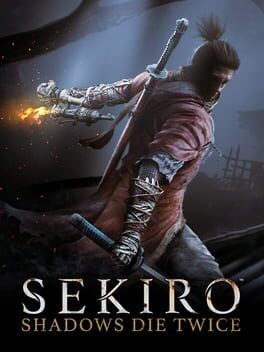
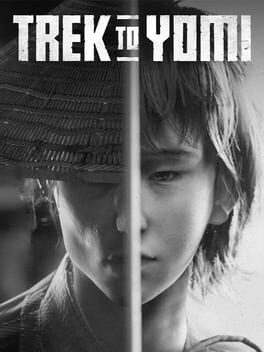
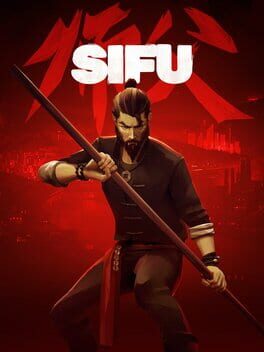
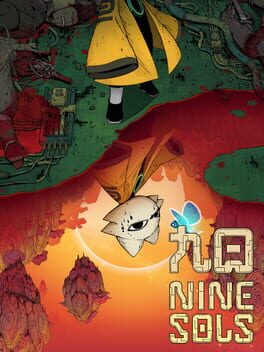

Women Navigating Impossible Systems
Stories where female endurance and intelligence are the real subject
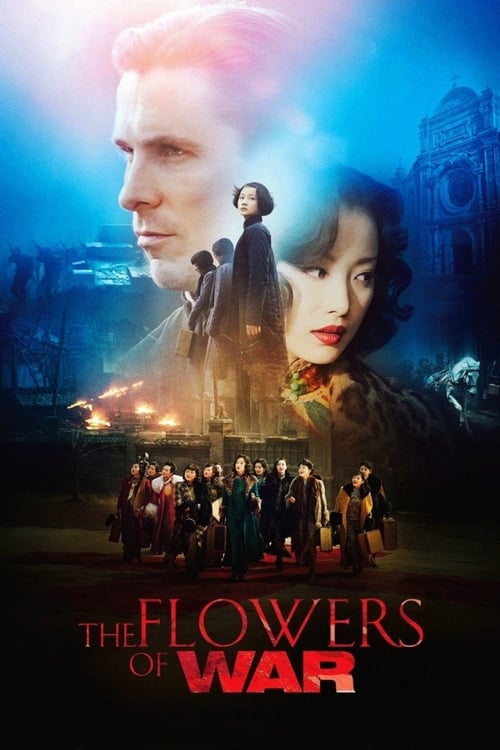
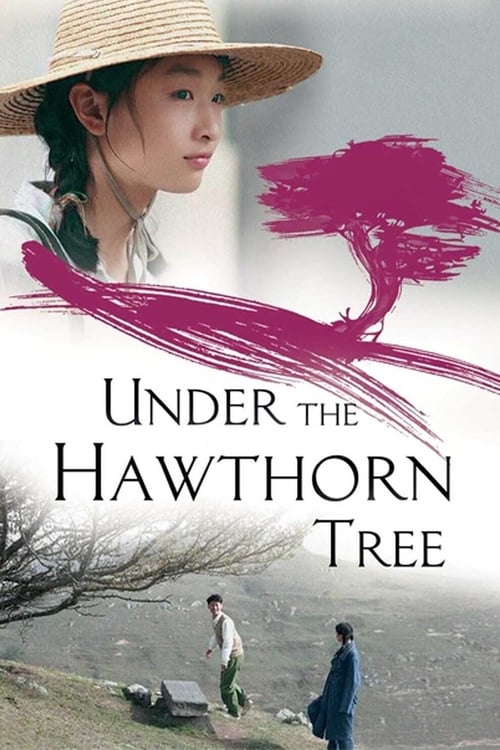


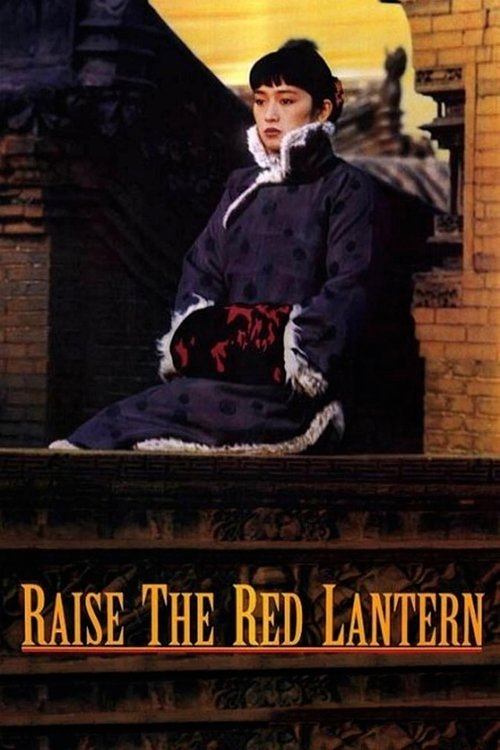
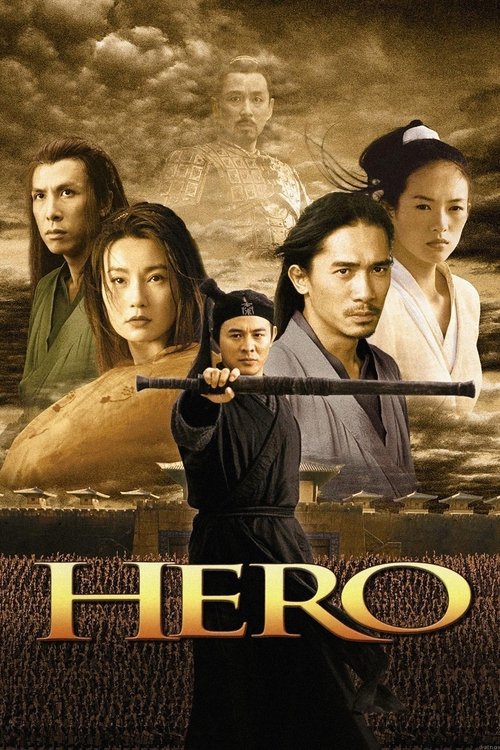
Start with Raise the Red Lantern, not Hero
Hero is the visual showstopper and the one that converts the most people at first glance, but Raise the Red Lantern is the film that explains everything about what Zhang Yimou actually cares about. The drama is almost entirely architectural: who gets their lanterns lit, who gets their feet rubbed, whose name gets called. Power as spatial arrangement. Gong Li at her most controlled. The color red as both desire and imprisonment. Once you understand that film, everything else opens up.
Shadow is his most underrated film
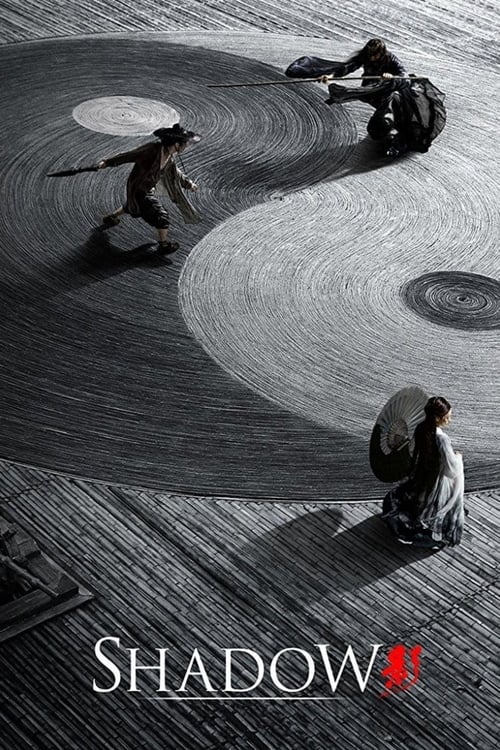
Shadow (2018) is the film Zhang Yimou made after years of large-scale spectacle, and it feels like a recalibration: a near-monochromatic ink-wash war film where the entire color palette is ash and charcoal, broken only by blood red. The choreography of combat as yin-and-yang philosophy is not a metaphor, it is literally the plot. The film grossed a fraction of what Hero did and barely registered internationally, which is a genuine critical failure. It is one of the most visually distinctive things he has made.
The early rural trilogy predicts everything
Red Sorghum, Ju Dou, and Raise the Red Lantern were made in three years and together they form a complete statement of purpose. All three are about desire and its suppression. All three use color symbolically to the point of abstraction. All three end in some form of violence that the audience understands was always coming. If you work through them in sequence, the leap Zhang Yimou makes to To Live and then to Hero stops looking like a career shift and starts looking like a single long argument about what China does to people who want things.
Mo Yan and Yu Hua are the other half of the same world
Red Sorghum was adapted from Mo Yan's novel, and To Live from Yu Hua's. Both writers were doing what Zhang was doing on film: using the rural Chinese past as mythological raw material, mixing folk legend with historical trauma in ways that made the censors nervous. Jung Chang's Wild Swans and Nien Cheng's Life and Death in Shanghai approach the same terrain from a memoir angle, documenting from inside what Zhang depicts from the outside. If the films leave you wanting more of that specific combination of earthiness and elegy, or political courage and private grief, these books are exactly that.
Zhang Yimou makes you feel the weight of a room before anyone speaks. That is a rare skill, and it takes a long career to understand how consistently he has applied it.CrossBinge editors
Zhang Yimou: A Career in Color
- 1987Red Sorghum wins Golden Bear at Berlin, his debut as director Red Sorghum
- 1990Ju Dou earns China's first Oscar nomination for Best Foreign Film Ju Dou
- 1991Raise the Red Lantern confirms the international critical breakthrough Raise the Red Lantern
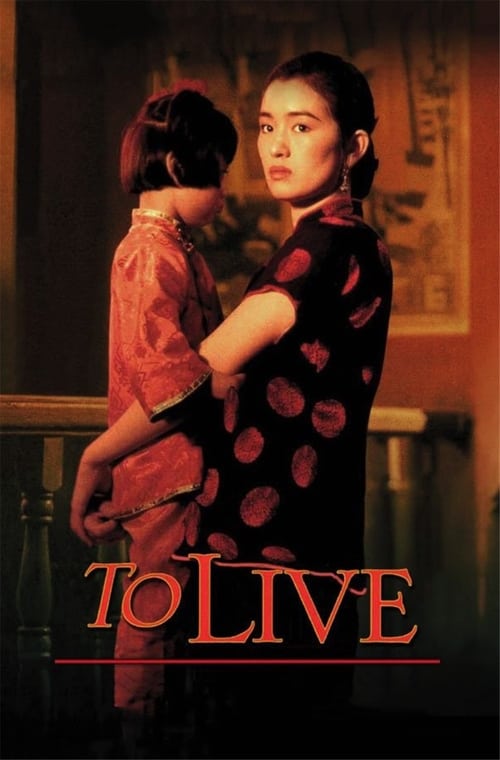
- 1994To Live wins Grand Jury Prize at Cannes; banned in China To Live
- 2002Hero launches the wuxia blockbuster era, becomes China's highest-grossing film at the time Hero
- 2004House of Flying Daggers deepens the color-as-emotion approach House of Flying Daggers
- 2008Directs the Beijing Olympics opening ceremony, seen by an estimated one billion viewers
- 2018Shadow strips the palette to ink-wash monochrome Shadow
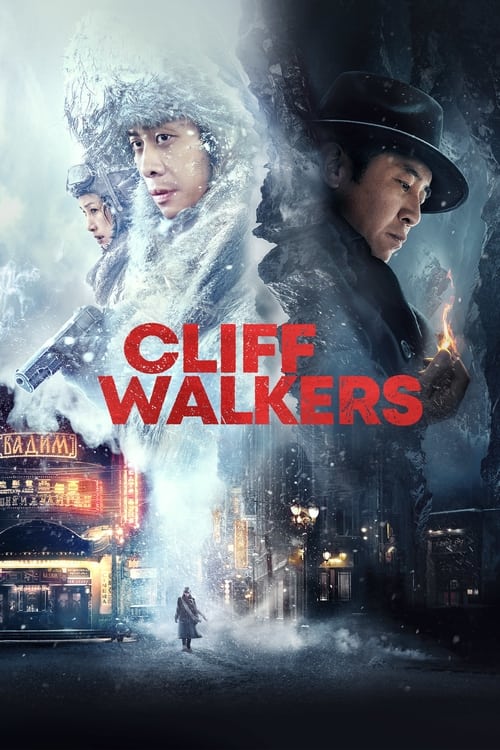
- 2021Cliff Walkers marks a return to intimate spy thriller scale Cliff Walkers