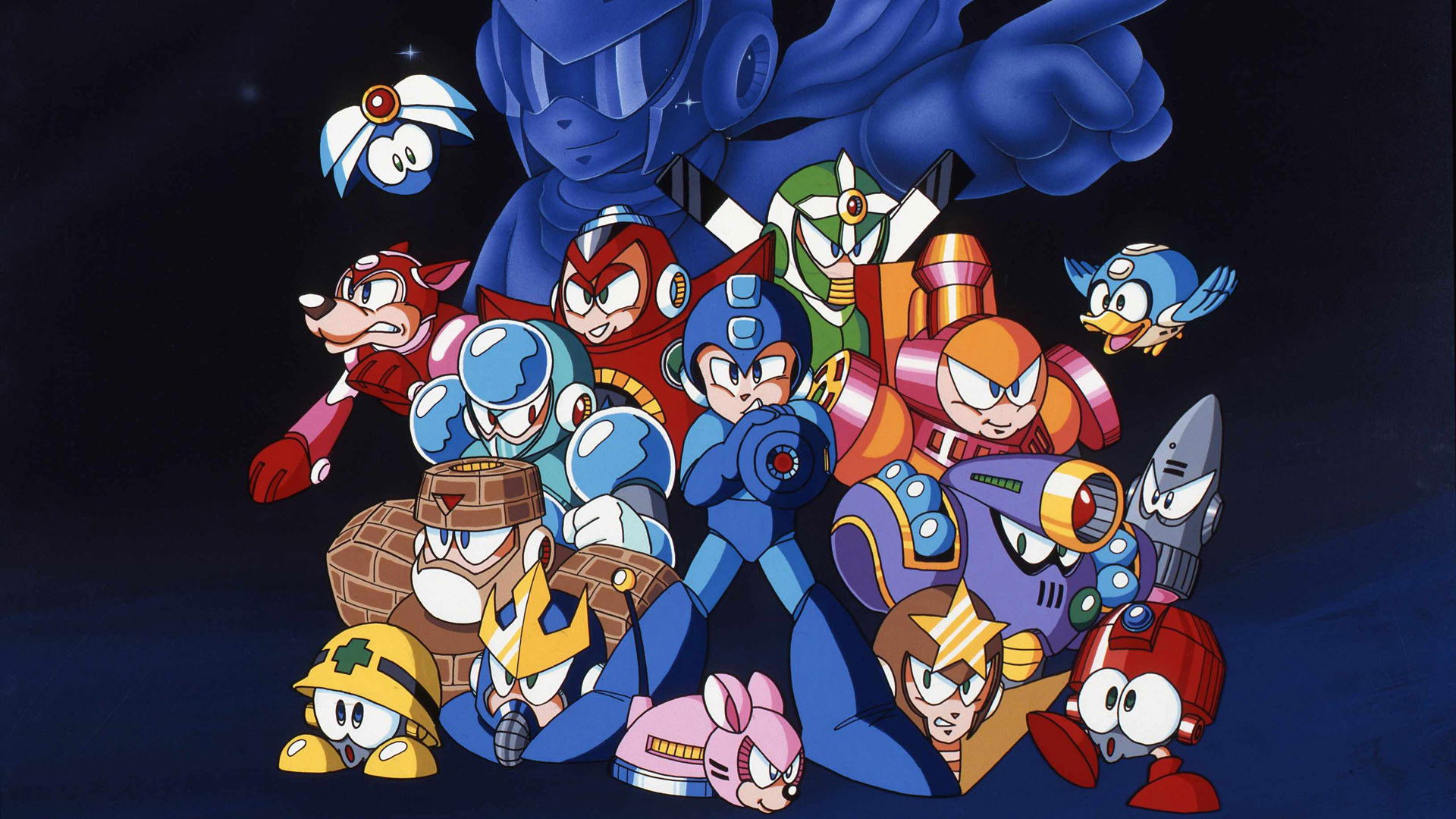

Mega Man arrived in 1987 as a simple premise: a boy robot given a cannon arm, sent to stop a rogue scientist's army of eight robot masters. What Capcom built around that premise was something else entirely: a precision action loop so satisfying that it spawned six numbered sequels, four X sub-series entries, a Legacy Collection remaster, and devoted fans who still argue whether Mega Man 2 or 3 is the pinnacle. The through-line that fans love is control. Not just over the character (tight, analog-crisp movement before analog sticks existed), but over difficulty itself: choose your boss order, steal their weapon, turn the game's logic against itself. It rewards knowledge, patience, and the willingness to die forty times in the same room until the pattern clicks. That philosophy -- mastery through repetition and ingenuity -- runs through every corner of its extended universe and into everything that followed.
Essential Mega Man
The core games every fan needs to know
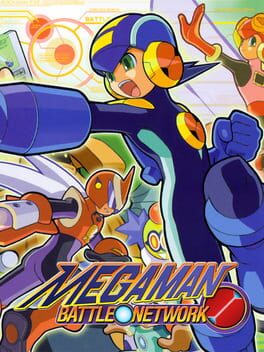
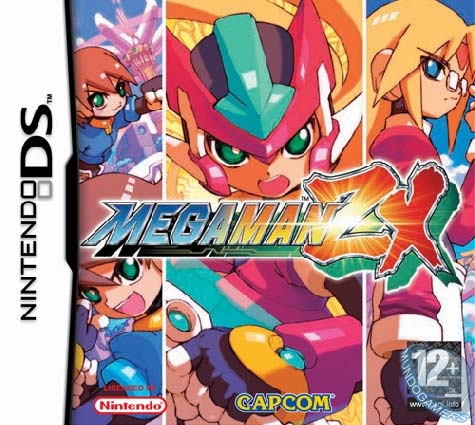
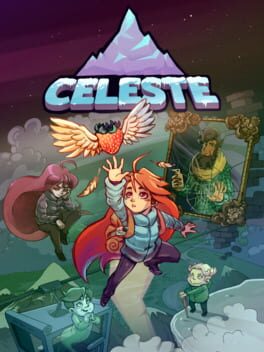
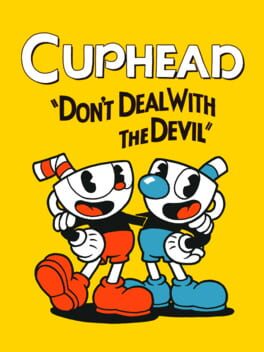
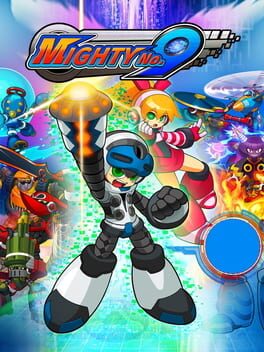
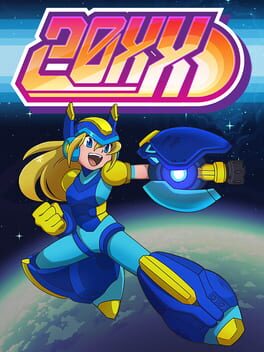
If You Love the Pixel Precision
Games built on the same tight action-platformer DNA

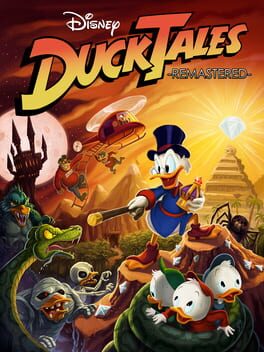
If You Love the Animated Blue Bomber
The TV series and animated worlds that brought Mega Man to life
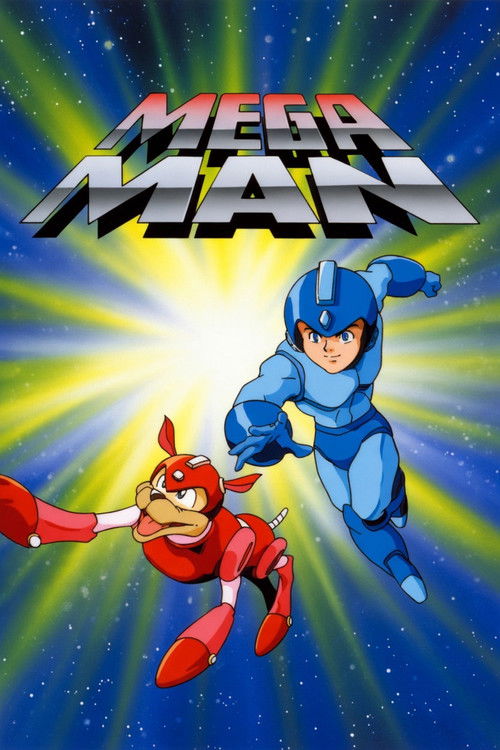
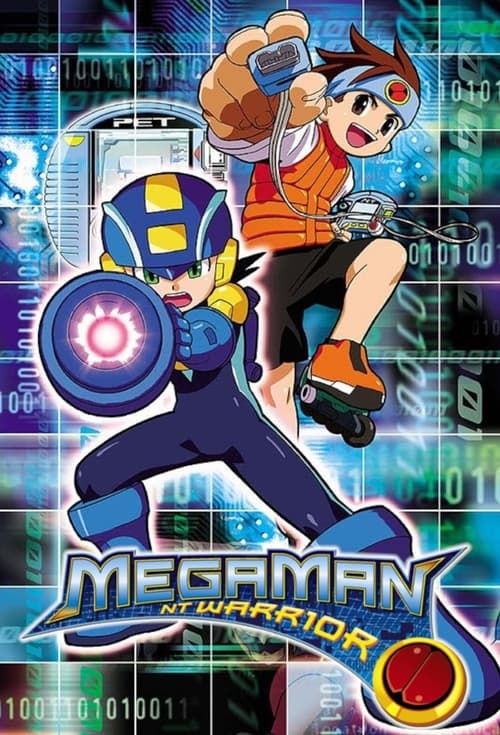
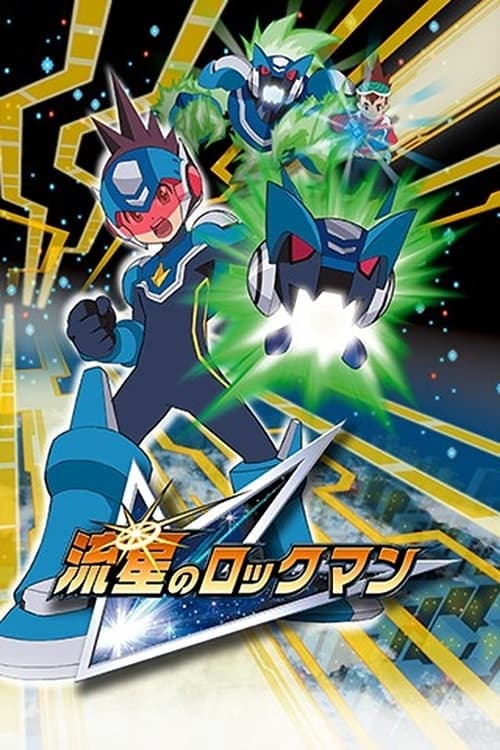

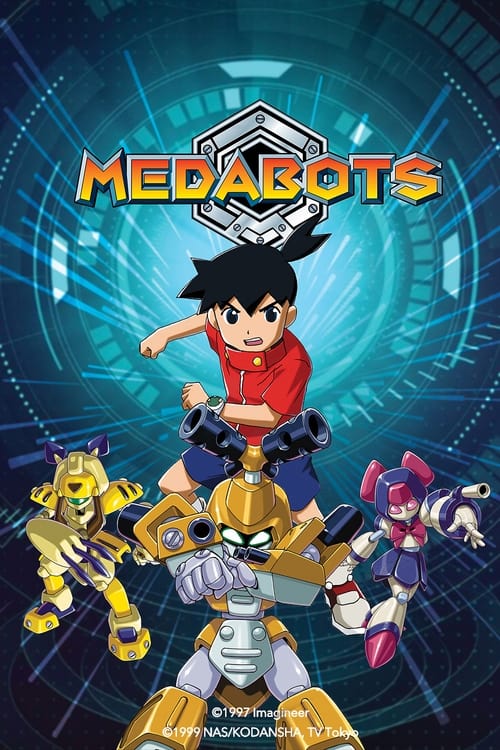
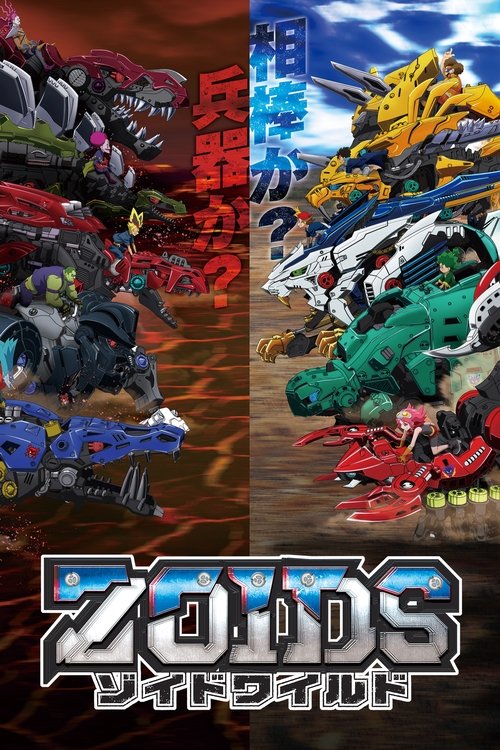
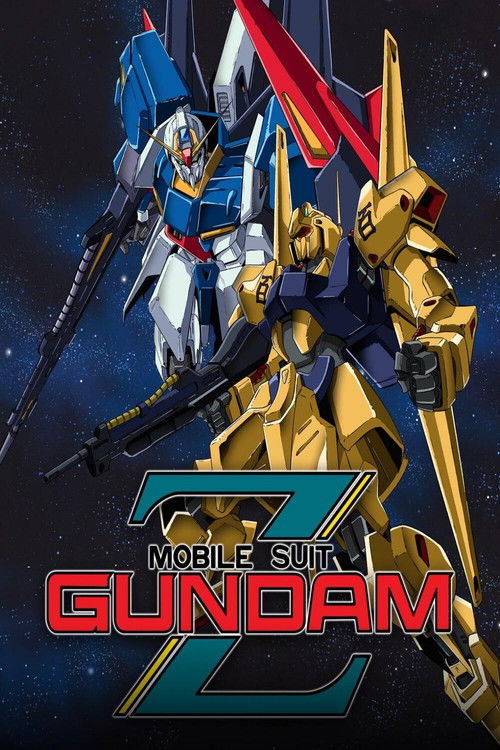
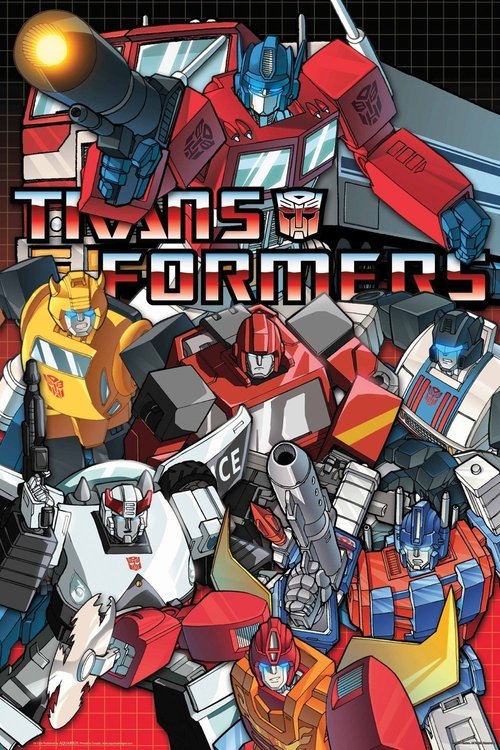
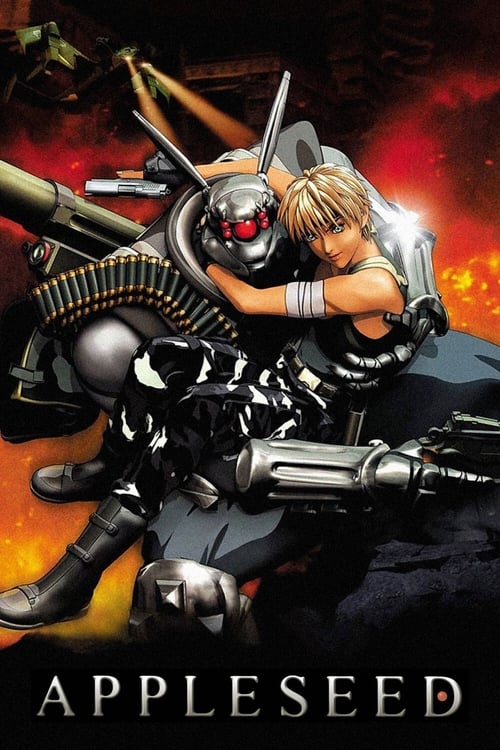
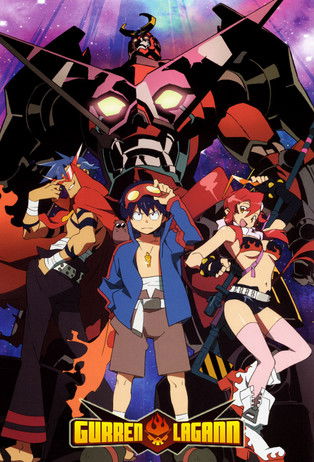
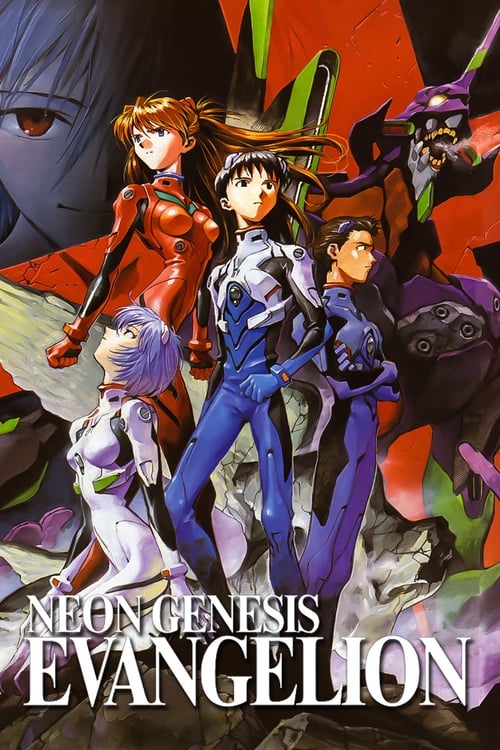
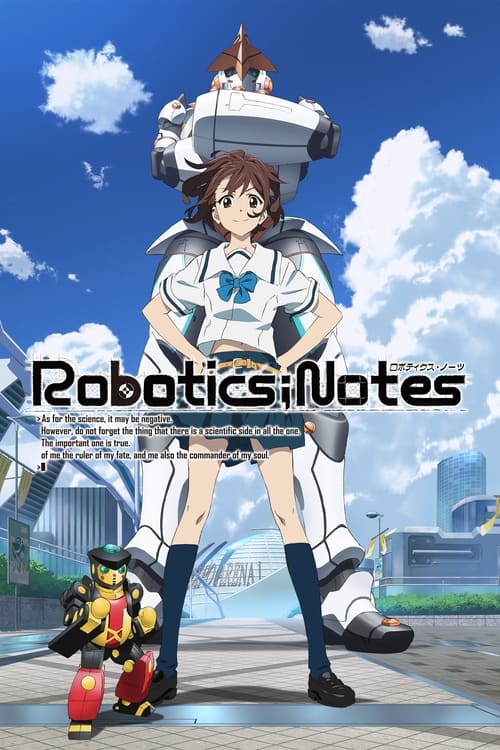
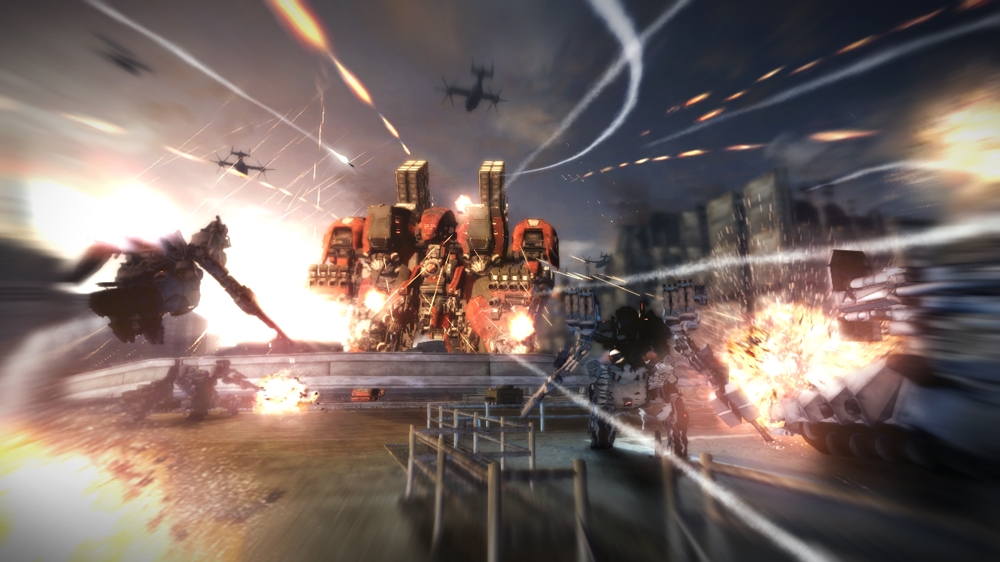
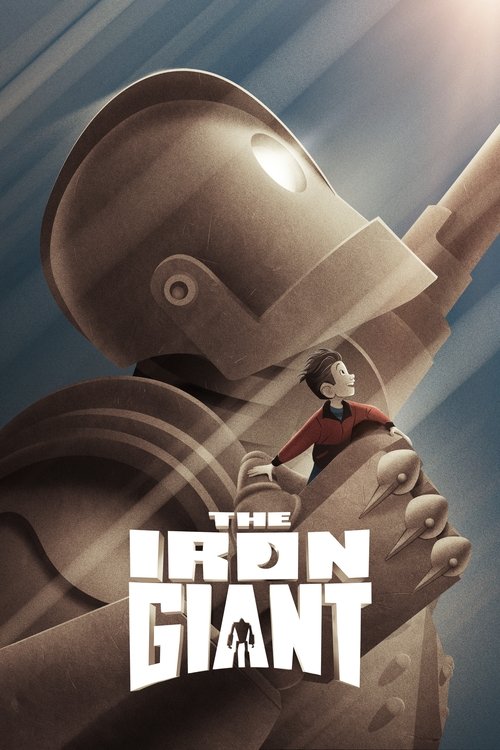
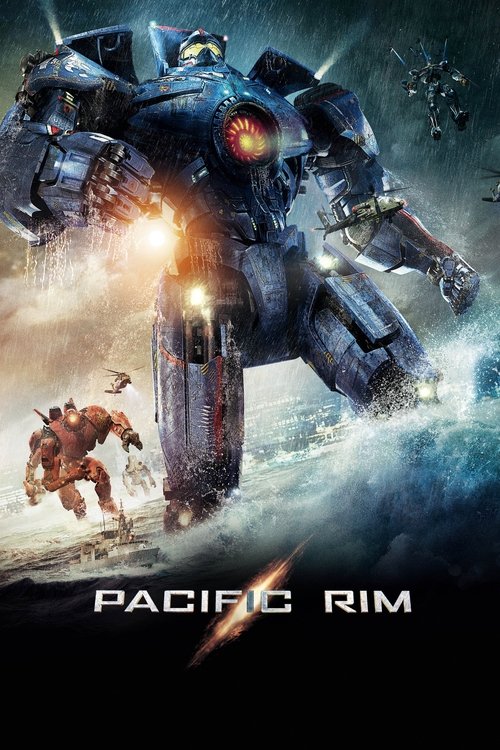
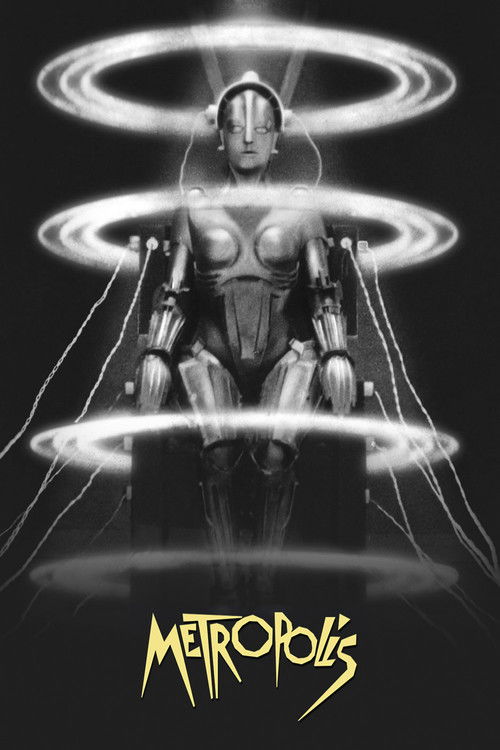
If You Love the Robot and Mecha Dream
Films and series exploring the drama of machine consciousness and mechanical conflict

If You Love the Chiptune Heart
Music that channels the same electric energy as the Blue Bomber's soundtrack
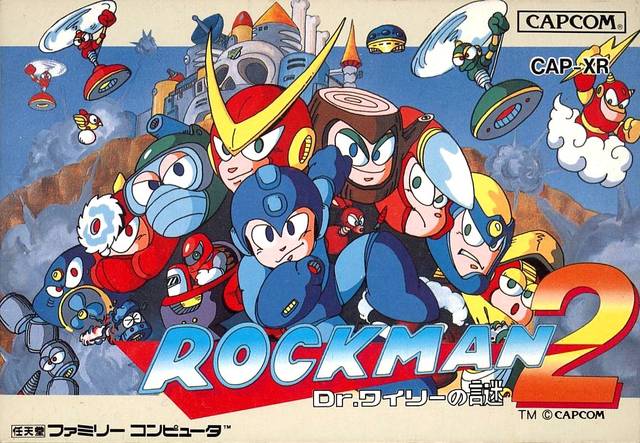
Mega Man 2 Is a Perfect Loop, Not Just a Hard Game
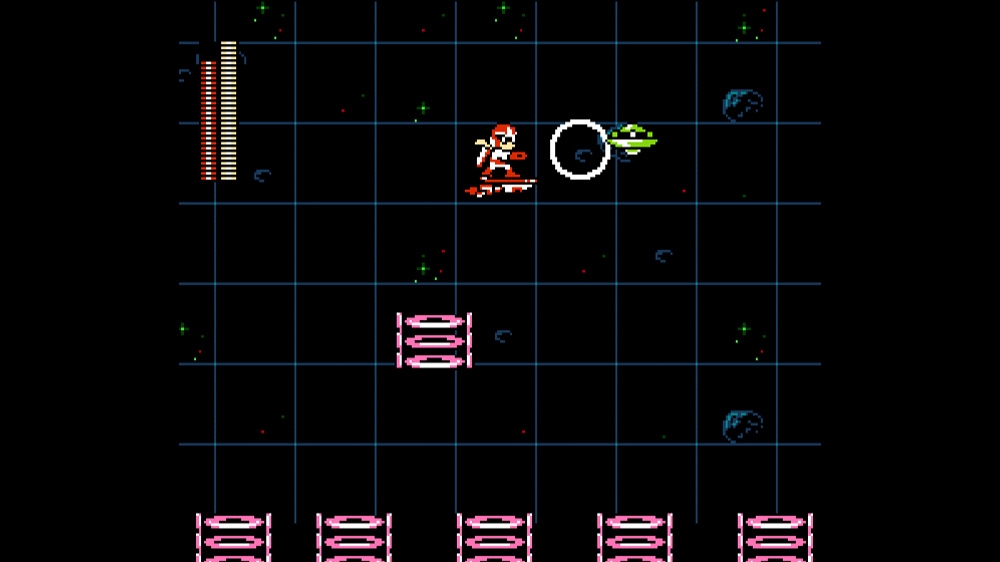
People remember Mega Man 2 for its punishing difficulty, but what makes it endure is its feedback loop. Every death is legible: you knew exactly what went wrong. Every boss weapon unlocks a puzzle that reshapes the whole game. Flash Man's time stopper feels like cheating. Wily Stage 1 is one of the finest pieces of level design in the 8-bit era. This isn't Nintendo Hard for the sake of it. It's precision design that trusts the player to figure it out.
Mega Man X Changed Everything About Action Platformers
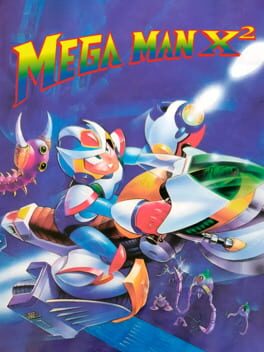
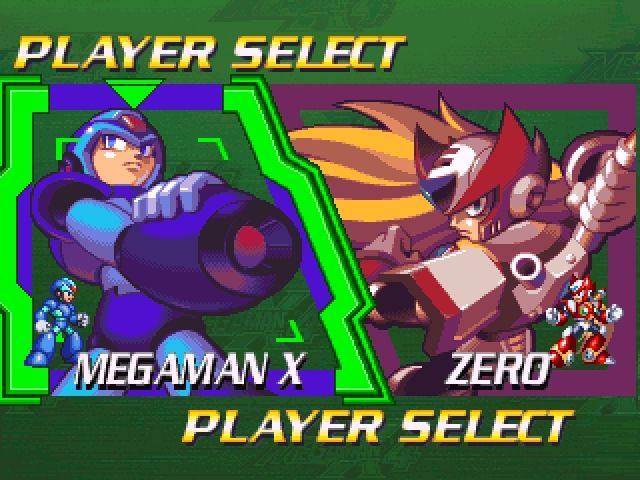
The jump from Classic to X wasn't just a graphical upgrade. X introduced wall-jumping, dashing, and upgradeable armor that turned the familiar boss-weapon loop into something more tactile and kinetic. Zero's introduction gave the series its first genuinely tragic foil. The X series asked harder questions about what it means to be a robot granted free will, and it asked them through mechanics as much as story.
The Archie Comics Run Did the Lore Justice
Ian Flynn's Archie Comics run (2011-2017) is the most ambitious Mega Man fiction outside the games. It adapted Classic storylines faithfully while expanding the world: Dr. Light gets real moral weight, Wily is genuinely menacing, and the robot masters are given personality that the games could only hint at. The crossover with Sonic the Hedgehog, Worlds Collide, is legitimately one of the best licensed crossover comics of the decade.
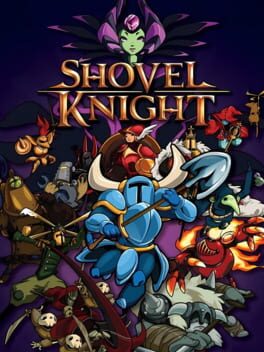
Shovel Knight Is What Mega Man Would Have Become
Yacht Club Games studied Mega Man the way a master's student studies a thesis. Shovel Knight takes the boss-weapon loop, the level-as-argument structure, and the chiptune aesthetic and then improves on them: better checkpointing, richer level variety, a genuinely touching story. It's not a clone. It's a sequel that Capcom wasn't making, and every Mega Man fan owes it a playthrough.
The Blue Bomber's Timeline
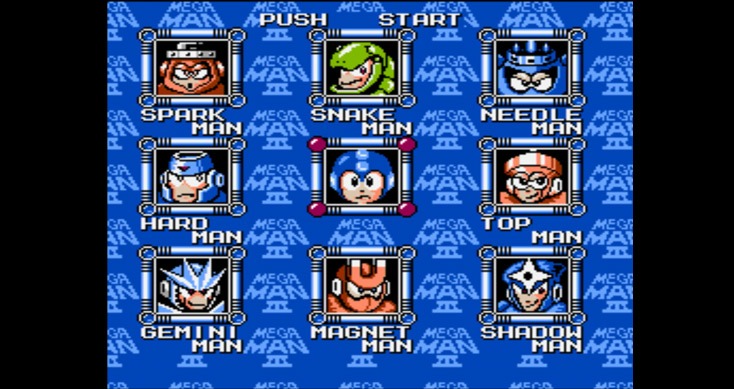
- 1987Mega Man debuts on NES Mega Man 3
- 1988The iconic sequel sets the template Mega Man 2 (1988)
- 1990Dr. Wily's castle and the series' emotional peak Mega Man 3
- 1993The Super Nintendo reinvention arrives Mega Man X2
- 1994The animated series premieres on ABC Mega Man
- 1996X gets a tragic partner in Zero Mega Man X4 (1997)
- 2001The Battle Network RPG spin-off launches a new era Mega Man Battle Network
- 2002NT Warrior anime adapts the Battle Network world MegaMan NT Warrior
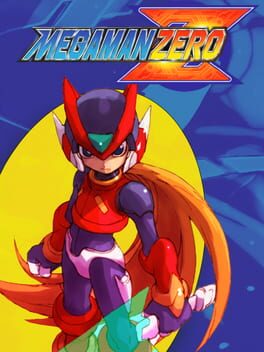
- 2002Zero series: darker tone, harder action Mega Man Zero
- 2008Classic series returns to 8-bit roots Mega Man 9(2008)
- 2011Archie Comics begins its acclaimed run
- 2014Shovel Knight becomes the spiritual heir Shovel Knight
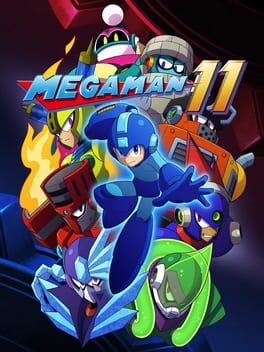
- 2018Mega Man 11 modernizes the classic formula Mega Man 11
- 2018Mega Man: Fully Charged animated reboot
Robot bosses and the Blue Bomber's kin
Robots & AI
Explore the Robots & AI guide →Mega Man didn't invent the action platformer. It perfected the argument that every level is a problem and every boss is a key.CrossBinge