
The Man Who Made an Album by Himself
In 1973, a nineteen-year-old multi-instrumentalist spent months in a Welsh manor house overdubbing guitars, tubas, glockenspiels, and his own voice into a single forty-nine-minute composition. The result, Tubular Bells, launched Richard Branson's Virgin Records and became one of the best-selling albums in British history. It also set the template for everything Mike Oldfield would spend the next five decades pursuing: music as architecture, sound layered on sound until the whole thing breathes like a living thing.
Oldfield is not a pop songwriter. He is closer to a composer who happens to own guitars. His albums are built rather than written, each instrument a structural element in a larger edifice. The mood shifts are violent and earned: a passage of fragile, fingerpicked melody will suddenly give way to grinding electric riffs, or to a full brass fanfare, and it feels inevitable rather than arbitrary. His best records (Ommadawn, Hergest Ridge, Incantations, Amarok) reward patience in the way that long novels and long films reward patience. You have to live with them before they open up.
Fans of his work tend to share a specific hunger: for music that goes somewhere, for atmosphere that is genuinely unsettling or genuinely joyful rather than gestured at, for the pleasure of a sustained long-form idea worked out to its conclusion. This guide is built around that hunger.
Essential Mike Oldfield
The records to start with and the ones to return to
Long-Form Ambient and Progressive Music
Albums that demand the same patient full-listen attention
Folk, Celtic, and Pastoral Moods
The acoustic, earthy side: the green hills underneath Ommadawn
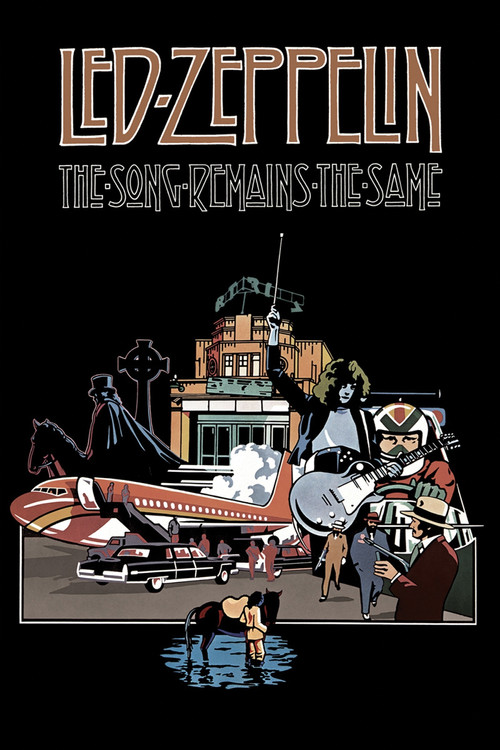
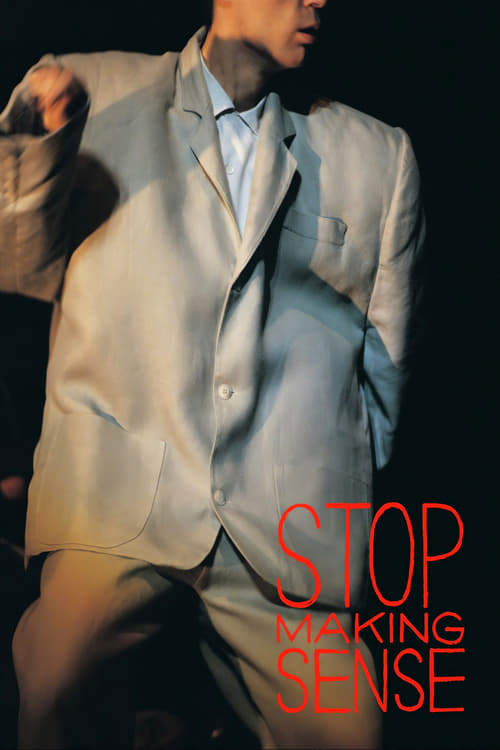
Music Films and Concert Documents
Great films about what it looks like when musicians commit completely





Novels That Share the Architecture
Long, layered, atmospheric fiction built the same way Oldfield builds records


The Perfect Entry Point Is Not Tubular Bells
Ommadawn (1975) is where Oldfield fully trusted himself. The first side builds from a solo guitar sketch into something involving African percussion, uilleann pipes, and a children's choir, and the escalation never feels forced. Where Tubular Bells can seem like a curio, remarkable more for being made than for how it sounds, Ommadawn is simply beautiful. Start here and Tubular Bells will make more sense when you return to it.
Amarok Is His Best Record and Almost Nobody Has Heard It
Released in 1990 with no singles and no tour, Amarok is sixty minutes of unbroken music that refuses to be anything other than exactly what it wants to be. Oldfield was in a public dispute with his label at the time, and there are Morse-code insults to the Virgin Records chief executive buried in the mix. The record sounds like someone with nothing left to lose. It is dense, angry, funny, and astonishingly good. If you have only heard the pop Oldfield of the 1980s, this will reframe everything.
Jean-Michel Jarre Is the Spiritual Twin
Both Oldfield and Jarre made their breakthroughs in the mid-1970s with long-form instrumental records that became mainstream pop hits in spite of themselves, and both spent the following decades absorbing every new technology (sequencers, sampling, MIDI, digital production) into a recognisably personal sound. Oxygene and Equinoxe are the Jarre equivalents of Tubular Bells and Hergest Ridge: made alone, built layer by layer, impossible to categorise.
Enya Gets the Pastoral Half Right
Enya emerged from Celtic folk via the Clannad family and built her sound around layered vocals and synthesised orchestration, much the same palette Oldfield was using on Ommadawn and the The Killing Fields soundtrack. Where Oldfield is restless and sometimes violent, Enya is still. But the instinct is shared: ambient texture as emotional shelter. Watermark and Shepherd Moons are the starting points, and The Celts (her 1987 BBC soundtrack) is the one that Oldfield fans find most immediately familiar.
Mike Oldfield: A Career in Layers
- 1973Tubular Bells launches Virgin Records and defines a genre that has no name yet Tubular Bells
- 1974Hergest Ridge tops the UK charts, beating Tubular Bells in its second year Hergest Ridge
- 1975Ommadawn, widely considered his artistic peak, introduces African and Celtic elements Ommadawn
- 1978Incantations, a four-part double album, marks the end of the first acoustic phase Incantations
- 1980QE2 signals a turn toward synthesizers and pop production QE2
- 1983Crises produces Moonlight Shadow, his biggest commercial single Crises
- 1990Amarok, one long piece with no singles, recorded as a rebuke to Virgin Records Amarok
- 1992Tubular Bells II revives the franchise and becomes a massive seller Tubular Bells II
- 1996Voyager returns to Celtic and folk textures after the Bells sequels Voyager
- 2012Performs Tubular Bells at the London Olympics opening ceremony, watched by billions Tubular Bells
- 2017Return to Ommadawn, a direct sequel to his 1975 record, released 42 years later Return to Ommadawn
More prog rock cathedrals
For Fans of Progressive Rock
Explore the For Fans of Progressive Rock guide →He played every instrument himself, overdubbing part on part until the tape literally could not hold any more. Then he called it an album.Richard Branson on the making of Tubular Bells