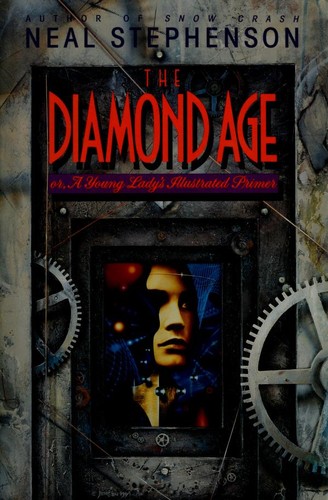

Neal Stephenson writes novels the way engineers design systems: every detail load-bearing, every digression eventually structural. From the metaverse of Snow Crash (which coined the term) to the orbital physics of Seveneves, from the cryptographic cat-and-mouse of Cryptonomicon to the seven-century scope of Anathem, his books reward readers who want to genuinely understand how things work, not just watch things explode. The through-line fans love is the feeling of being let into a vast, interlocking machine and trusted to keep up. Stephenson does not hand-hold. He builds the world, populates it with obsessively competent people, and watches what happens when those systems collide with human ambition, greed, and occasionally brilliance. If you finish one of his books feeling both intellectually wrung-out and oddly proud of yourself, this collection is built for you.
Essential Neal Stephenson
The novels that define his range, from punk-sharp debut to thousand-page system-builds

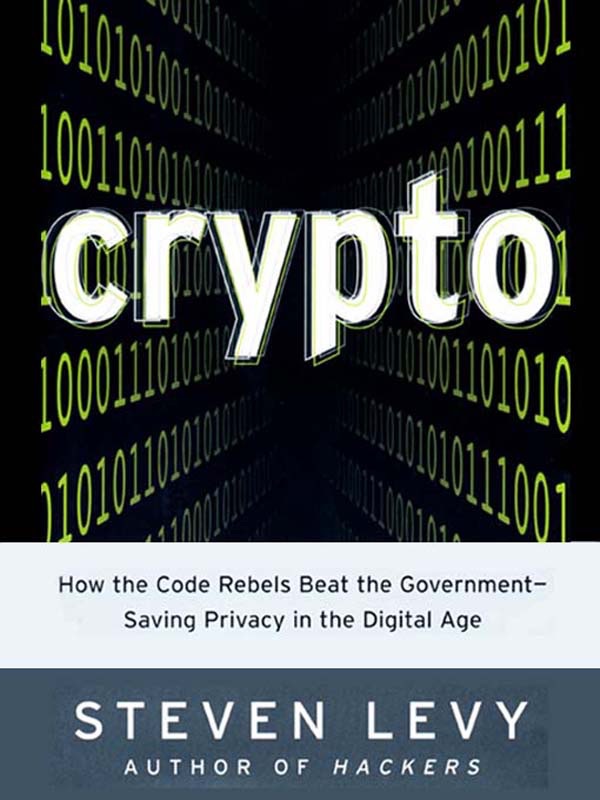


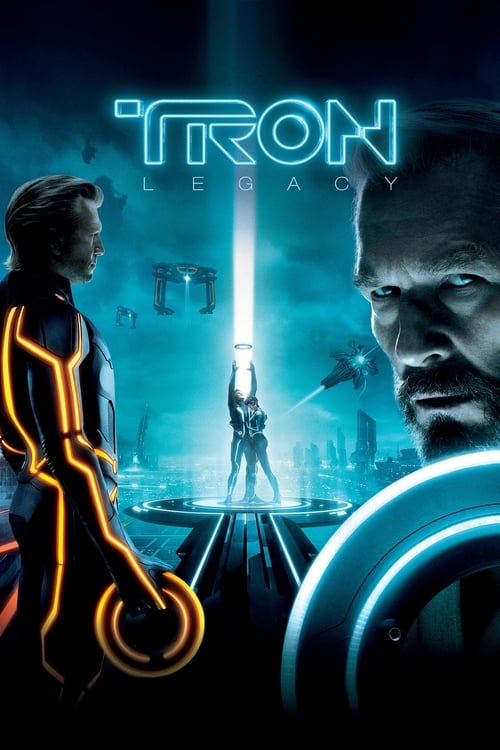
If You Love Snow Crash: Cyberpunk Cinema and TV
Films and series that build metaverses, hack systems, and live inside the contradiction of tech-utopia and corporate dystopia
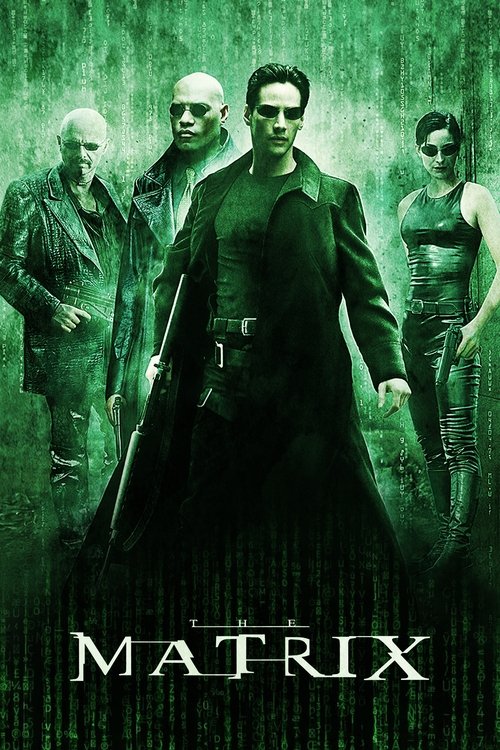


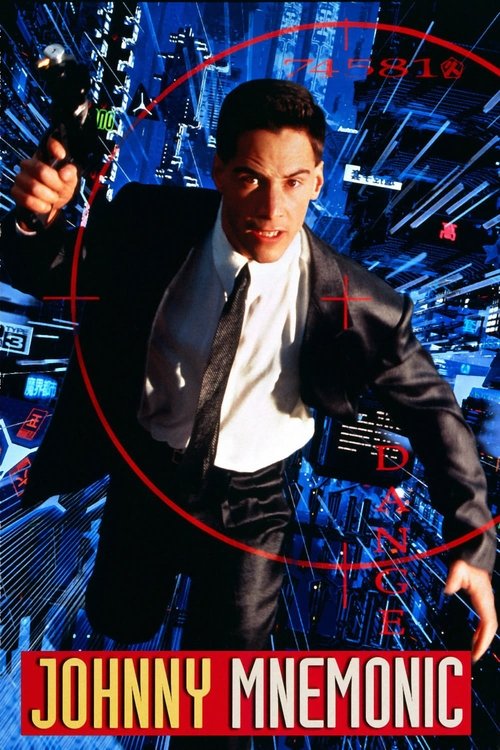




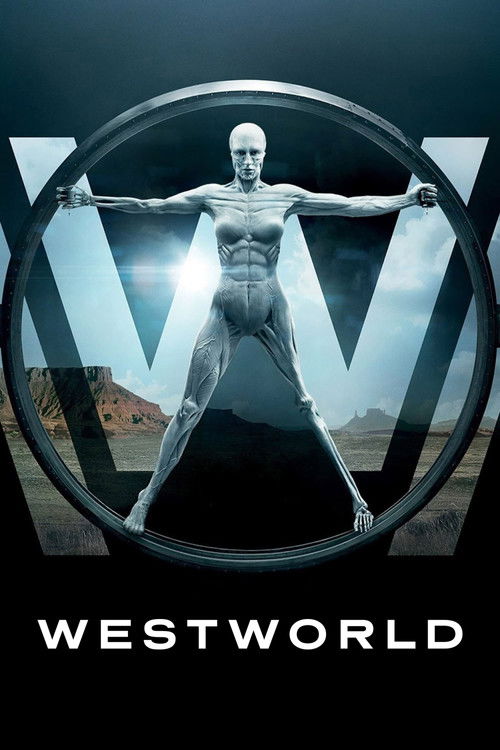
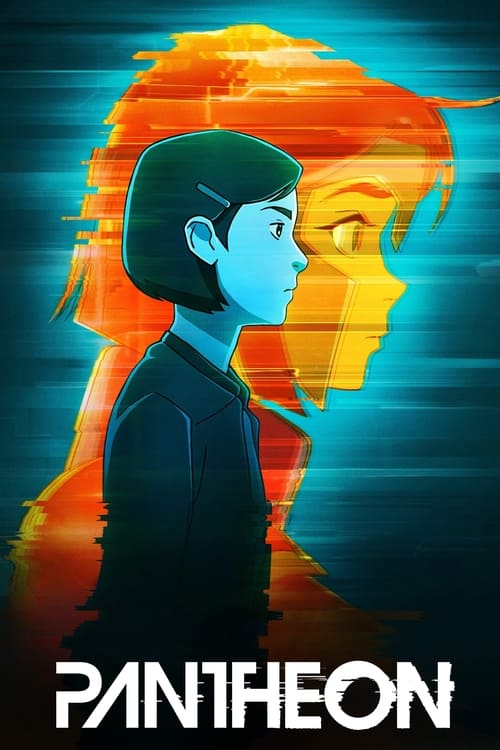

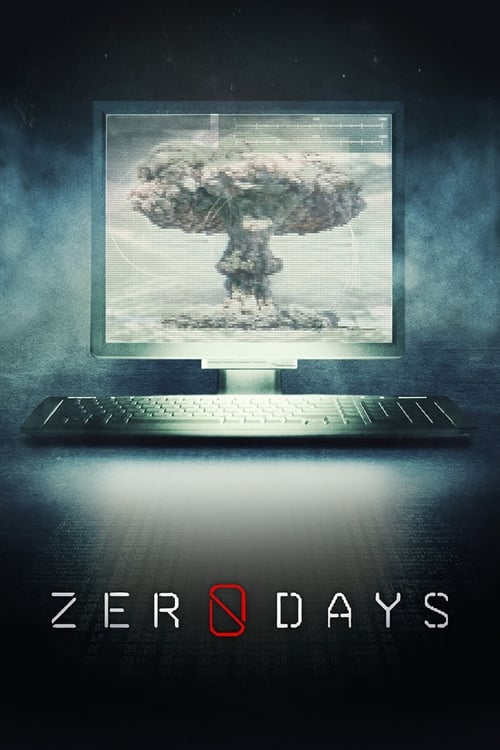
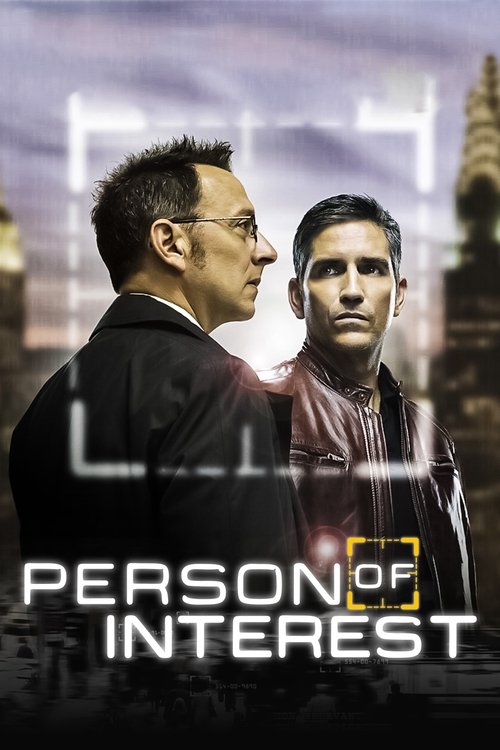
If You Love Cryptonomicon: Code, Cryptography, and Conspiracy on Screen
Thrillers built around information, secrecy, and the people who understand systems well enough to break them






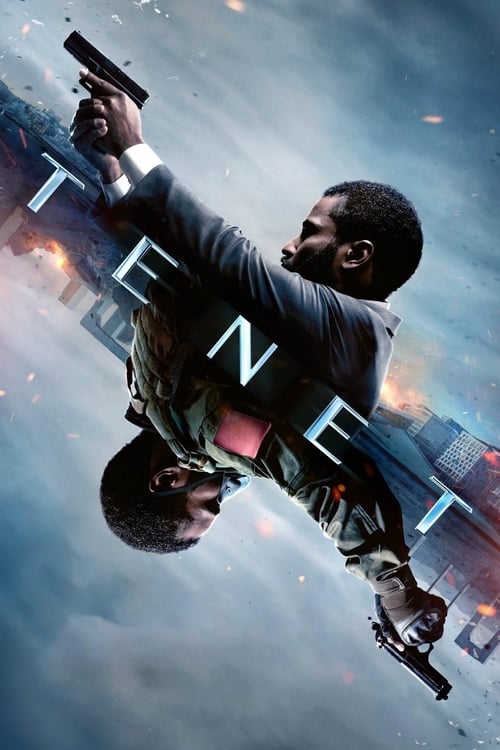

If You Love Seveneves: Hard Science Fiction in Every Medium
Works that treat science as drama, orbital mechanics as plot, and human extinction as a genuine engineering problem

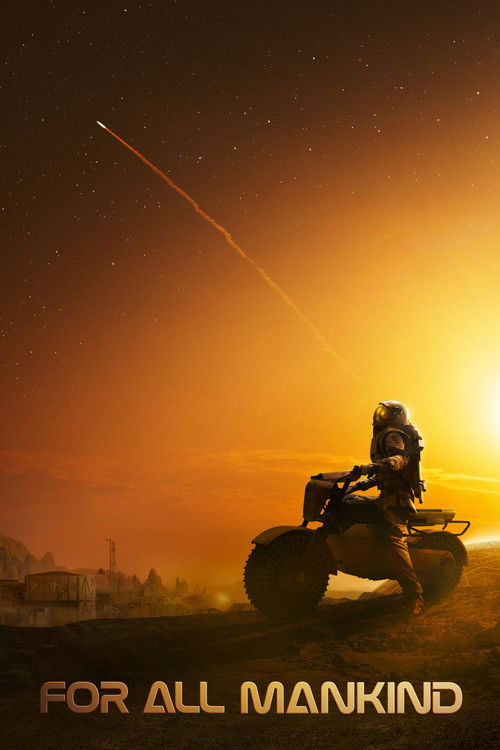
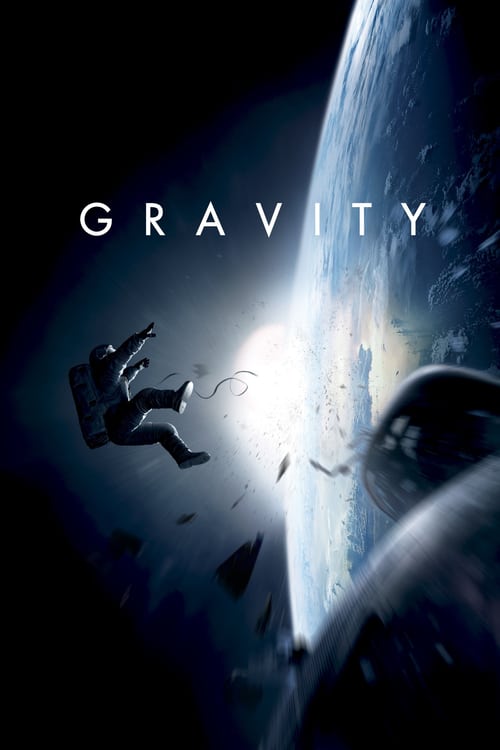







Big-Idea Science Fiction Authors: Who to Read Next
Writers who share Stephenson's appetite for system-building, deep history, and ideas that take 800 pages to fully unfold
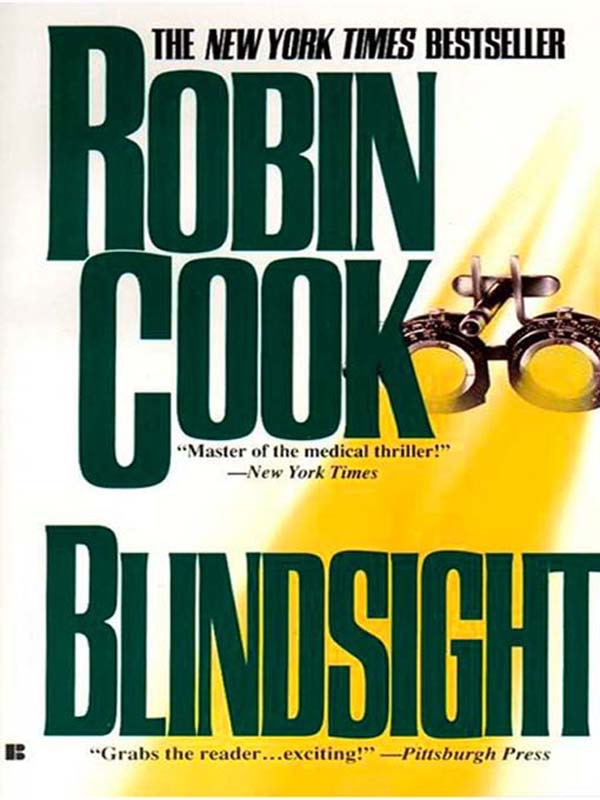

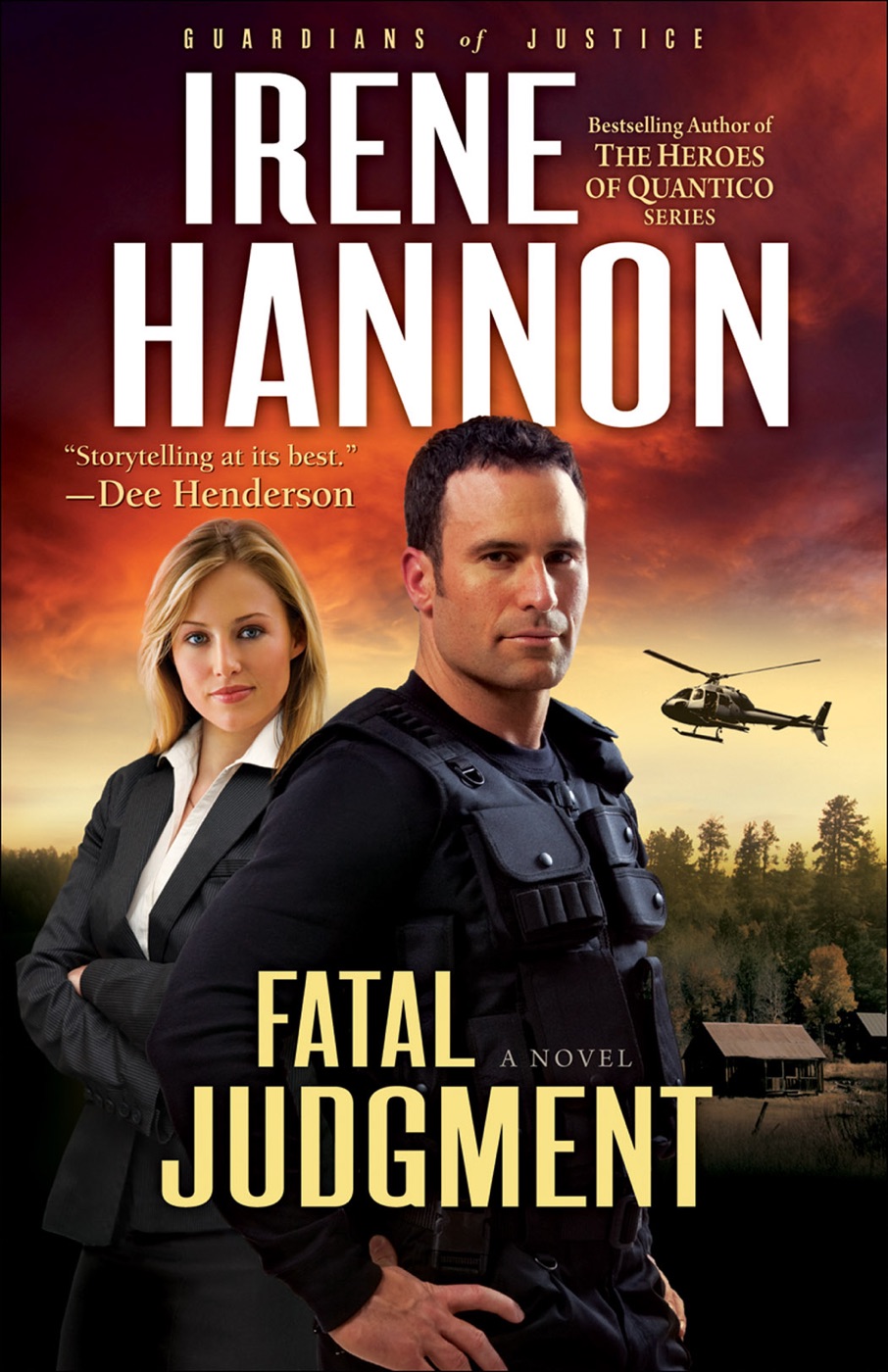


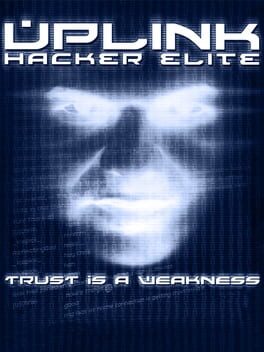
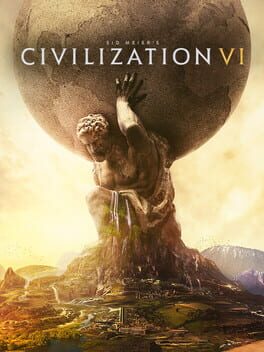
Games for the Stephenson Reader
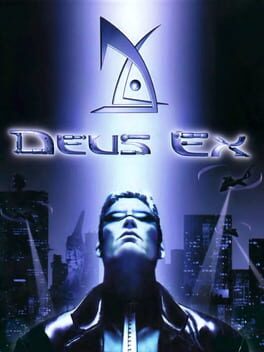
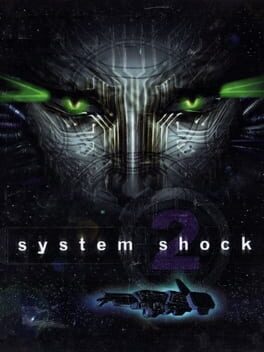
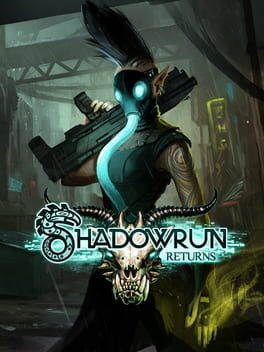
Games built around hacking, dense lore, emergent systems, and the satisfaction of mastering genuinely complex rules






Snow Crash Predicted the Metaverse (And Was More Fun About It)
Published in 1992, Snow Crash invented the word 'metaverse' and built a version so vivid and satirically precise that Silicon Valley executives would later hold it up as a blueprint without noticing the satire. Stephenson's Metaverse is a corporate-sponsored digital strip mall where status is measured by the quality of your avatar and access is strictly tiered. It is not presented as utopia. The novel understood that a virtual world built by profit motive would reflect the inequalities of the physical one, just with better graphics. Thirty years of tech history later, the joke has not aged badly.

Cryptonomicon Is Still the Best Novel About Why Cryptography Matters
Cryptonomicon (1999) braids a World War II codebreaking plot with a 1990s startup story, and the structural choice is not accidental: Stephenson is arguing that the same fight, privacy versus surveillance, secrets versus state power, is eternal. The math is real, the history is close enough to accurate to sting, and the characters who understand cryptography are allowed to be genuinely competent and interesting without being made relatable through artificial vulnerability. It is a novel that trusts you to follow a cipher-breaking explanation the same way a thriller trusts you to follow a car chase. Most readers find the trust earned.
Anathem Is What Happens When a Novelist Takes Philosophy Seriously
Anathem (2008) is possibly the most ambitious thing Stephenson has done, which is saying something. It builds a parallel world with its own ten-thousand-year history and then uses that world to stage a genuine debate about Platonic realism, quantum mechanics, and the relationship between mathematics and physical reality. The first hundred pages are deliberately disorienting because the point is to make you feel what it would be like to encounter these ideas fresh, without the shorthand. By the end, the philosophy and the plot have become the same thing. It is not for every reader. For the right reader it is irreplaceable.

Neal Stephenson: A Rough Chronology of Ideas
- 1988Debut novel, set in a near-future Pacific Northwest The Big Four
- 1992Coins 'metaverse'; introduces Hiro Protagonist and the Street Snow Crash
- 1995The Diamond Age: nanotechnology, neo-Victorian society, the Primer The Diamond Age
- 1999Cryptonomicon: dual WWII and 1990s crypto storylines Crypto
- 2003The Baroque Cycle begins: Quicksilver, the birth of modern science Quicksilver
- 2008Anathem: a monastic parallel world and modal realism Them
- 2011Reamde: a thriller set inside a massively multiplayer online game
- 2015Seveneves: a catastrophe, five thousand years, orbital survival
- 2019Fall; or, Dodge in Hell: uploading consciousness, digital afterlife Fall; or, Dodge in Hell
- 2021Termination Shock: geoengineering and a near-future climate geopolitics
More cyberpunk, hackers, and big ideas
For Fans of William Gibson
Explore the For Fans of William Gibson guide →Stephenson does not write novels with safety nets. He assumes you will do the work to keep up, and the reward for keeping up is the feeling of having genuinely understood something about how the world is built.CrossBinge Books