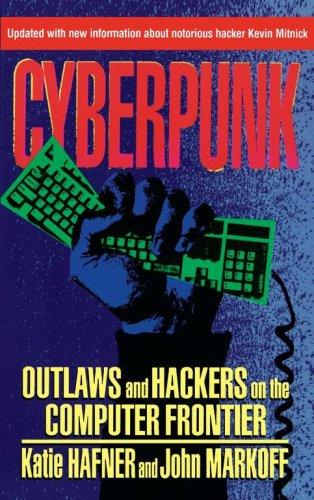

Cyberpunk is not about the future. It is about right now, reflected back at a frightening angle. The genre chases a specific feeling: the vertigo of living inside a system so vast, so interlocked, that resistance seems absurd and yet people keep resisting anyway. High technology co-exists with brutal inequality. Corporations write the laws. The body becomes a question. Identity frays at the edges where flesh meets wire.
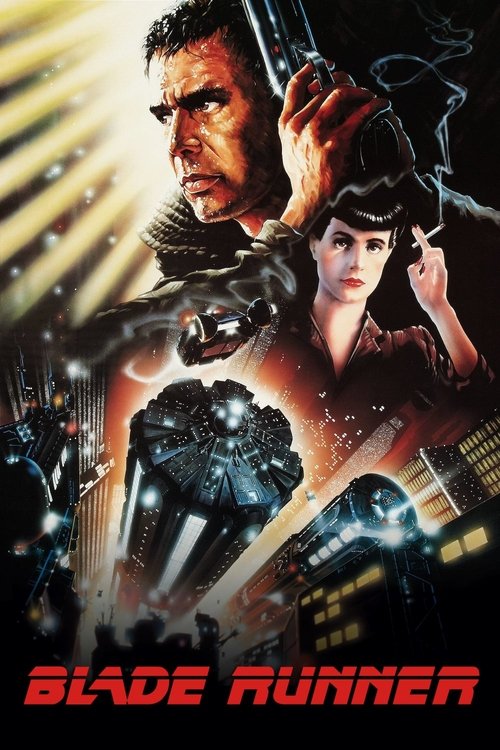
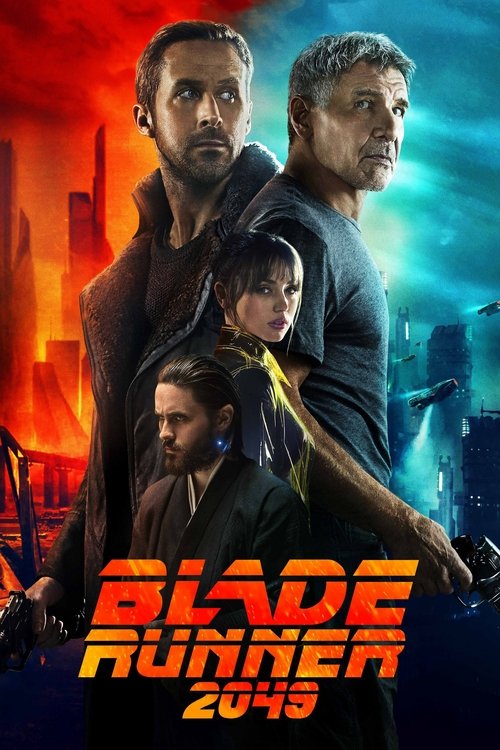
From William Gibson's rain-slicked Chiba City alleys to the neon sprawl of Night City, from the replicant interrogation rooms of Blade Runner to the paranoid code of Ghost in the Shell, the best cyberpunk shares a single obsession: what is a person worth when everything can be bought, copied, or overwritten? If you feel that pull, every medium has something for you.
Essential Cyberpunk: Films
The movies that defined the aesthetic and the dread
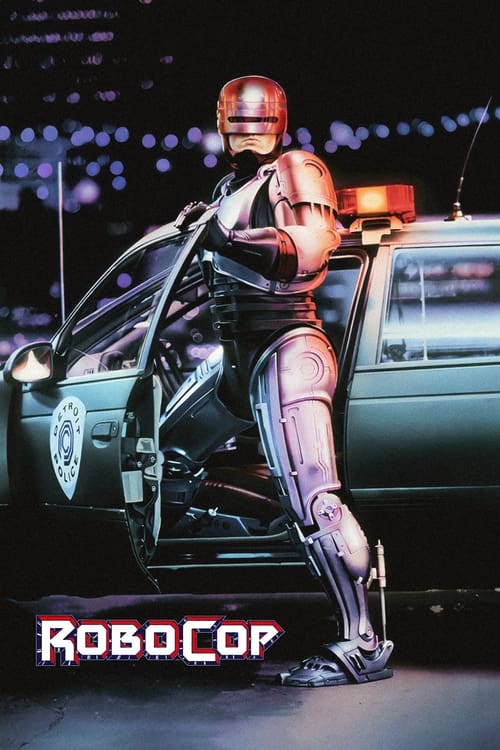
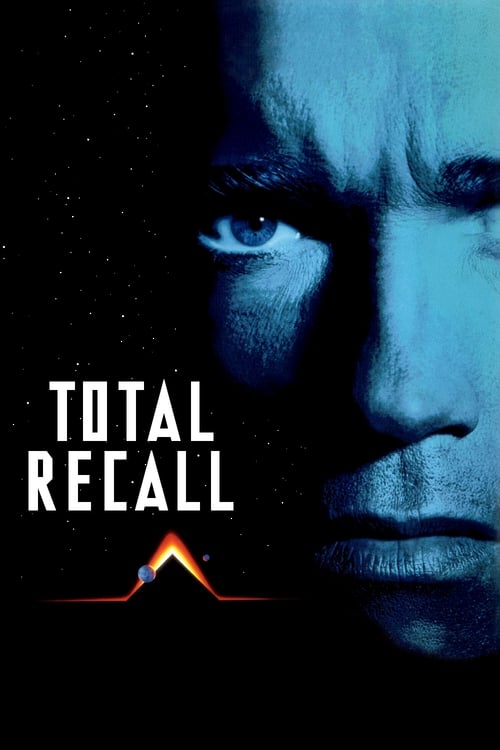
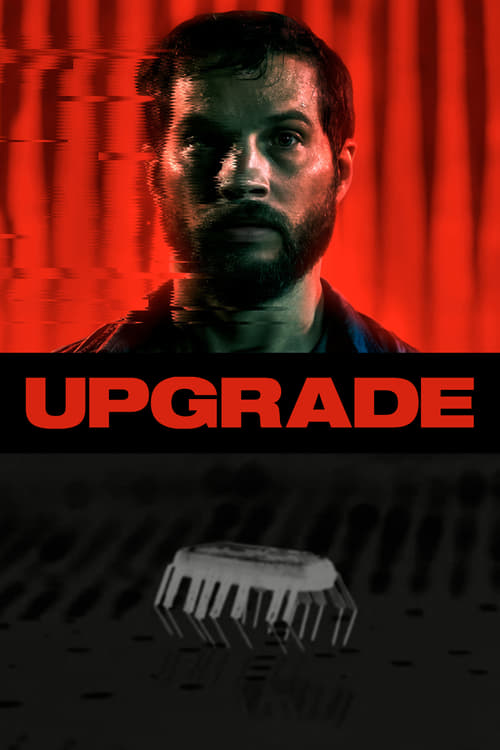
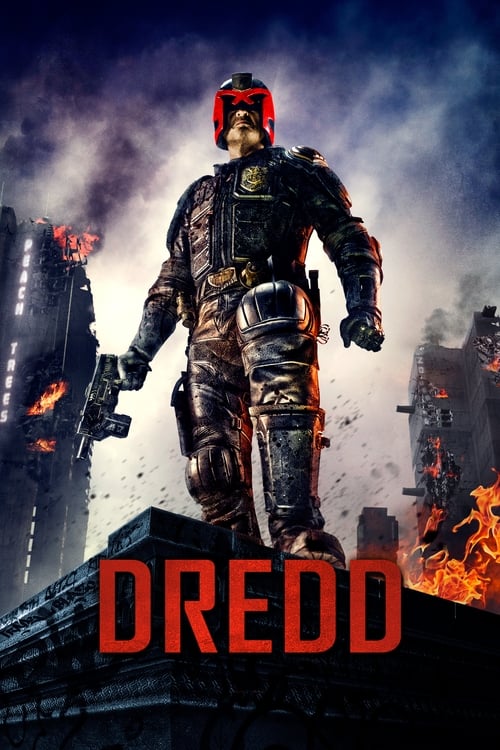

If You Love Cyberpunk: Series That Live in the Dark
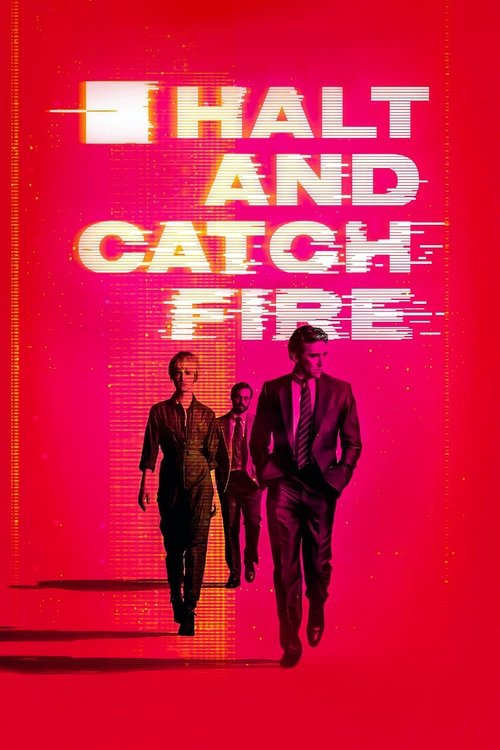
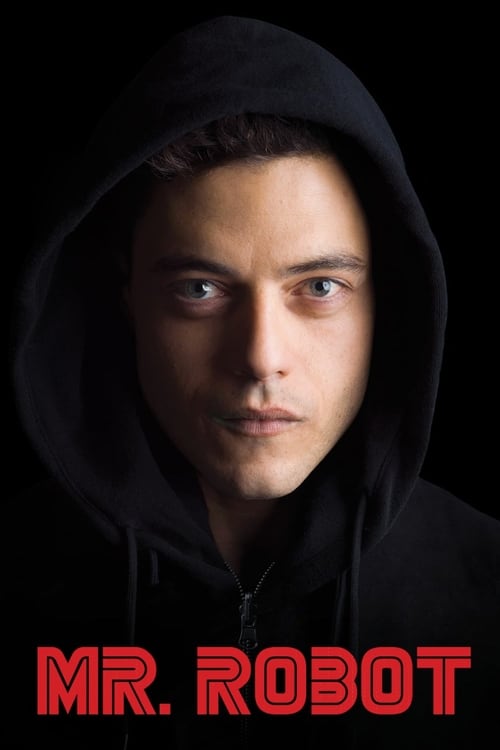
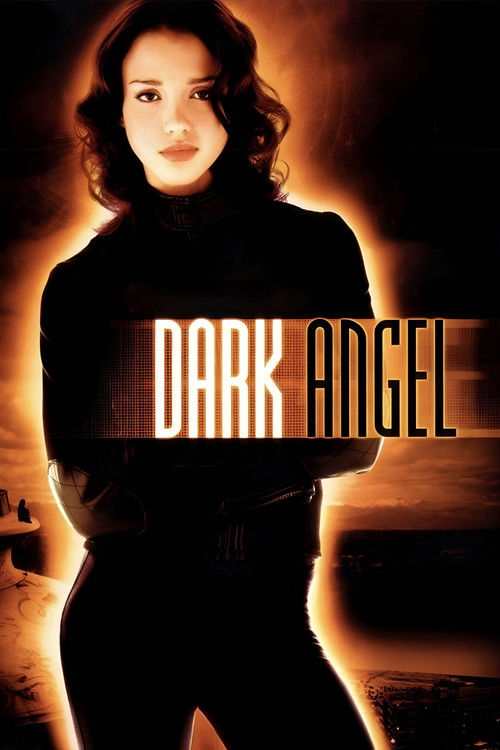
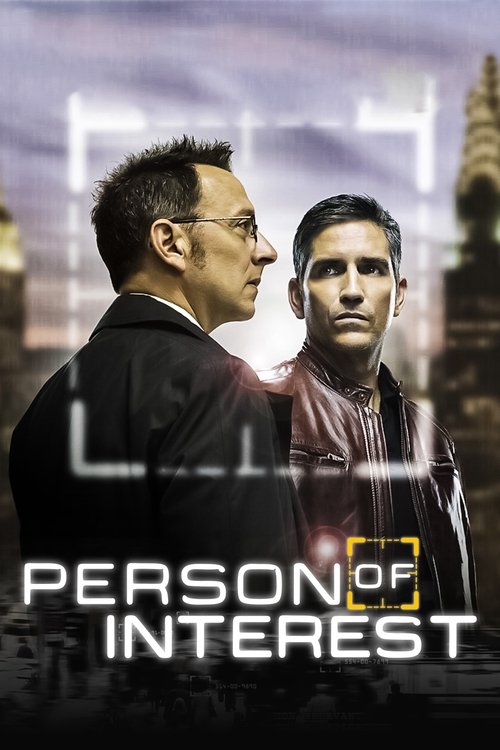
Television and anime that build the sprawl episode by episode



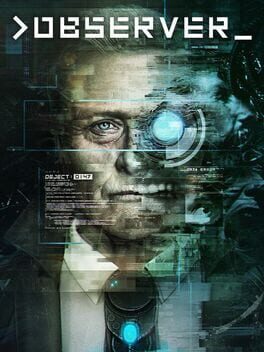
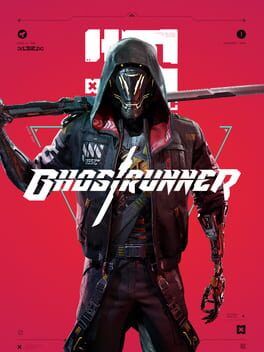
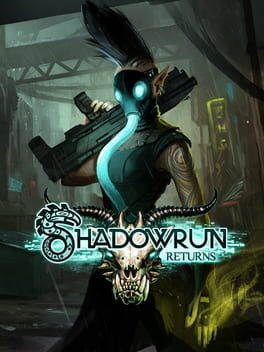
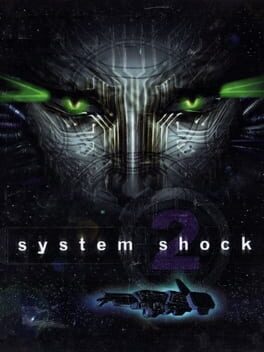
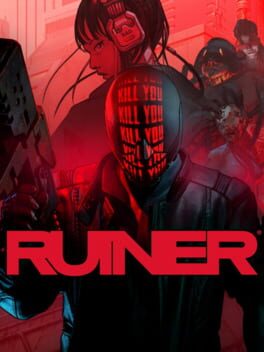
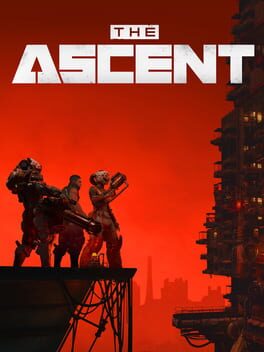
If You Love Cyberpunk: Games Where You Live the Life
Play the corpo ladder, run the heist, jack in and see what survives

If You Love Cyberpunk: The Books That Started It All
The novels and stories where the genre found its voice


Blade Runner set the look. Gibson set the soul.
Ridley Scott's Blade Runner (1982) gave the genre its visual grammar: the pyramidal corporate arcology, the rain that never stops, the advertisements for things you cannot afford. But the aesthetic without William Gibson's Neuromancer would be a beautiful shell. Gibson's novel, published in 1984, gave the shell its nervous system: the cowboy outsider running corporate jobs for a fee, the weight of bodily obsolescence, the sense that the network is as real as the street. Together, they made cyberpunk legible to every medium that followed.
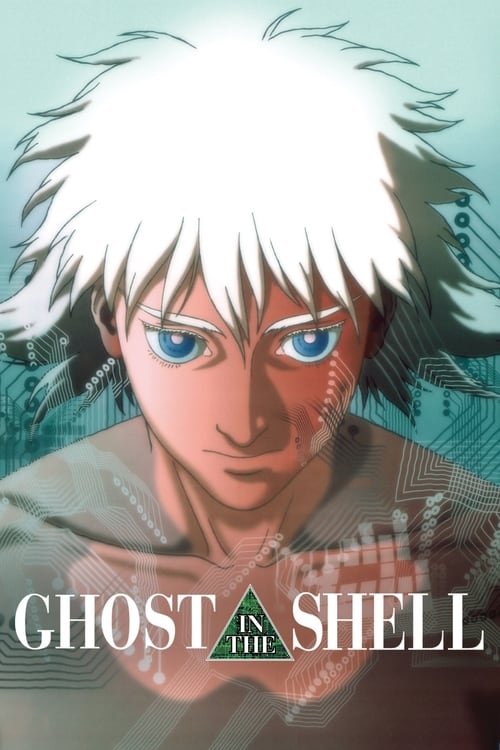
Ghost in the Shell asks the question cyberpunk cannot stop asking.
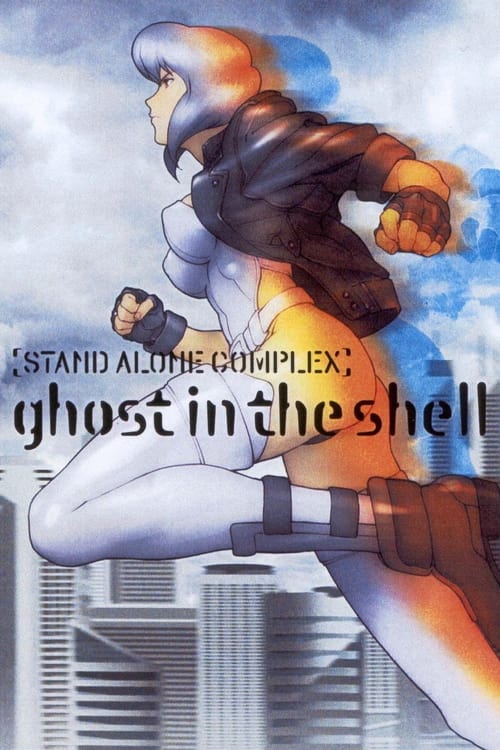
What makes you you? If your memories can be implanted and your body replaced, what is the irreducible remainder? Mamoru Oshii's 1995 film poses this more rigorously than almost any other work in the genre, and Masamune Shirow's original manga poses it differently still. The Stand Alone Complex series then pulls it apart across 52 episodes. Across three formats the question deepens without ever resolving, which is exactly the correct answer.
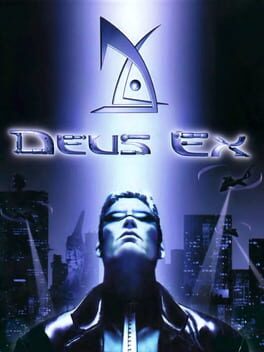
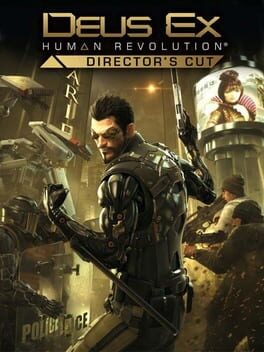
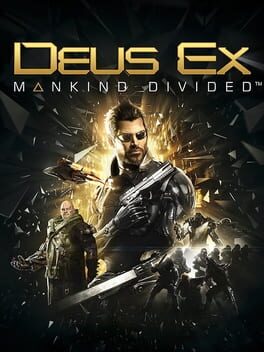
Deus Ex built a game around the genre's politics.
Ion Storm's Deus Ex (2000) did something few games had tried: it made the conspiracy thriller into a genuinely playable argument. You can side with the corporations, the libertarians, the collectivists, or the illuminati. The game respects each position enough to let it feel coherent and then undermines each one. Human Revolution (2011) and Mankind Divided (2016) updated the mechanics while keeping the moral discomfort. If cyberpunk fiction asks who owns the future, Deus Ex makes you complicit in the answer.
Mr. Robot is the genre's truest heir on television.
Sam Esmail's Mr. Robot (2015-2019) is the first television series that earns the cyberpunk label without quotation marks. Its hacker work is technically coherent. Its portrait of corporate power is structurally accurate. Its lead character's unreliable perception of reality is not a gimmick but a diagnosis. The show understands that cyberpunk anxiety is not about robots or neon: it is about who controls the systems that control you, and whether you can trust your own account of it.
How Cyberpunk Spread Across Media
- 1982Blade Runner opens in theaters, establishing the visual template. Blade Runner
- 1984William Gibson publishes Neuromancer, coining 'cyberspace' and defining the genre's literary voice. Neuromancer
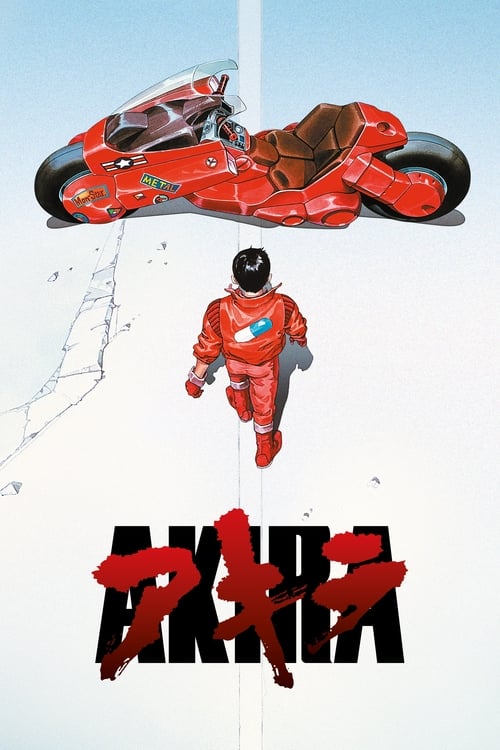
- 1988Akira adapts Katsuhiro Otomo's manga into a landmark animated film. Akira
- 1992Neal Stephenson's Snow Crash introduces the metaverse concept. Snow Crash
- 1995Ghost in the Shell arrives as a philosophical landmark in animation. Ghost in the Shell
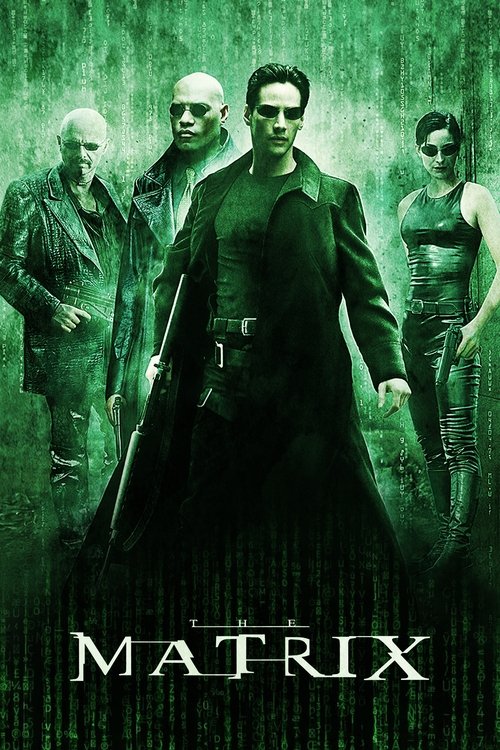
- 1999The Matrix brings cyberpunk aesthetics and ideas to a mass global audience. The Matrix
- 2000Deus Ex sets the standard for the cyberpunk video game. Deus Ex
- 2002Ghost in the Shell: Stand Alone Complex begins its acclaimed television run. Ghost in the Shell: Stand Alone Complex
- 2015Mr. Robot debuts as cyberpunk's most technically grounded television series. Mr. Robot
- 2020Cyberpunk 2077 arrives after years of anticipation, bringing Night City to life. Cyberpunk 2077
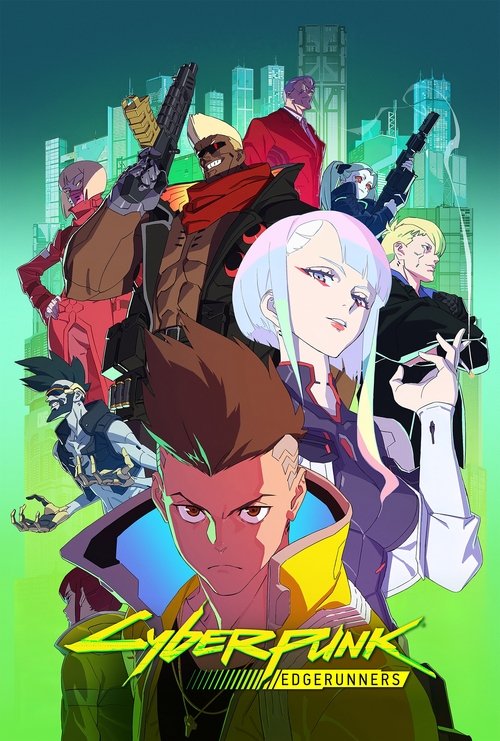
- 2022Cyberpunk: Edgerunners revitalizes the genre on Netflix with a brutal and beautiful anime. Cyberpunk: Edgerunners
Deeper into the wired world
Cyberpunk & Dystopia
Explore the Cyberpunk & Dystopia guide →The sky above the port was the color of television, tuned to a dead channel.William Gibson, Neuromancer (1984)