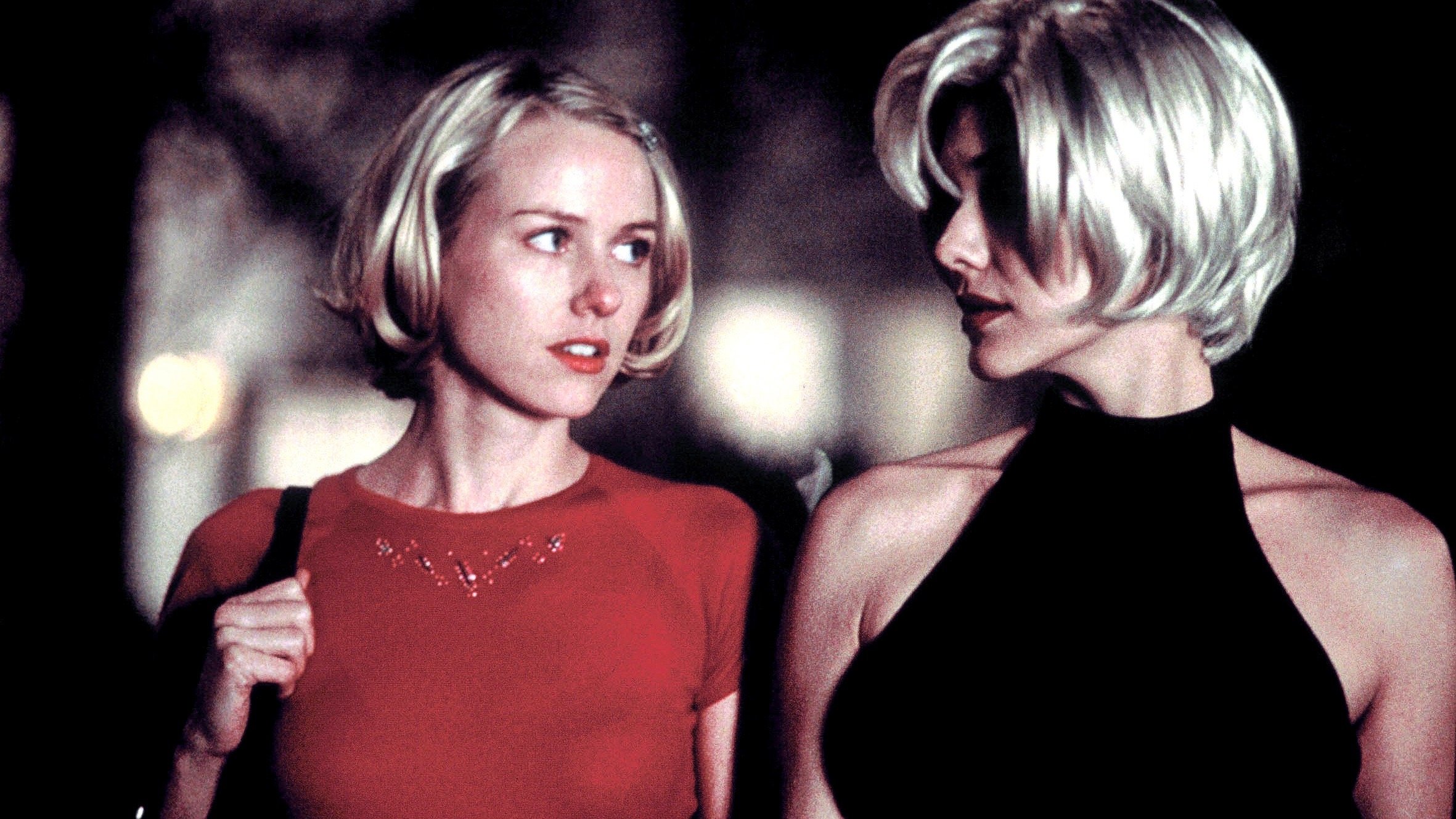

The Man Who Shot Commercials and Then Shot Everything Else
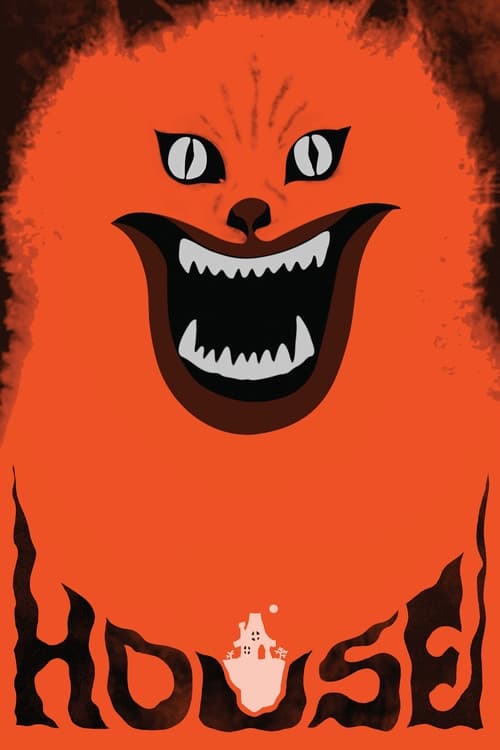
Nobuhiko Obayashi spent the 1960s making experimental short films and television commercials in Japan, developing a visual grammar that belonged entirely to him: hyper-saturated color, whiplash editing, matte paintings colliding with real photography, tones that swing from girlish sweetness to genuine terror inside a single cut. When Toho gave him a feature debut with House in 1977, he turned a haunted-house premise into something that feels less like a movie and more like a dream being remembered wrong. Cats eat piano music. Mattresses eat girls. The house itself is hungry in the most cheerful, deranged way imaginable.
Obayashi kept working for four decades after that, making idol films, domestic comedies, and literary adaptations, always with that restless collage quality underneath. In his final years his work turned openly pacifist, burning with grief over the atomic bombings and the lost generation of Japan's wartime youth. His late trilogy, ending with Hanagatami (2017) and shot while he was receiving chemotherapy for cancer, is among the most urgently personal work any director has produced. He died in 2020 at 82, still arguing in cinematic language that beauty and horror cannot be separated, that the most honest response to loss is an image that refuses to behave.
If you love his work, you love films and stories that treat structure as something to be broken open rather than followed, that hold grief and joy at the same frequency, and that understand horror not as shock but as the sensation of a world that will not hold still.
Dreamspace: Cinema That Refuses to Stay Still
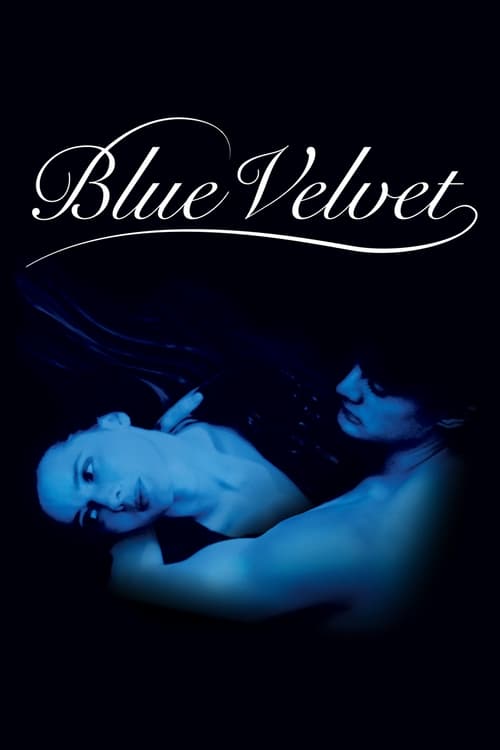
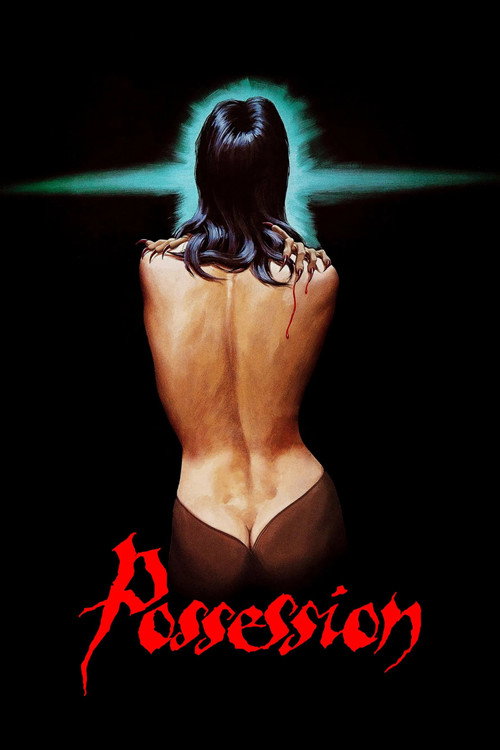
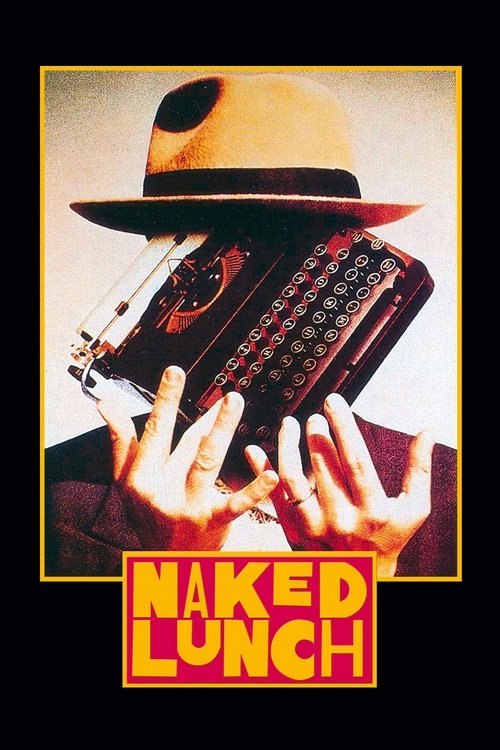
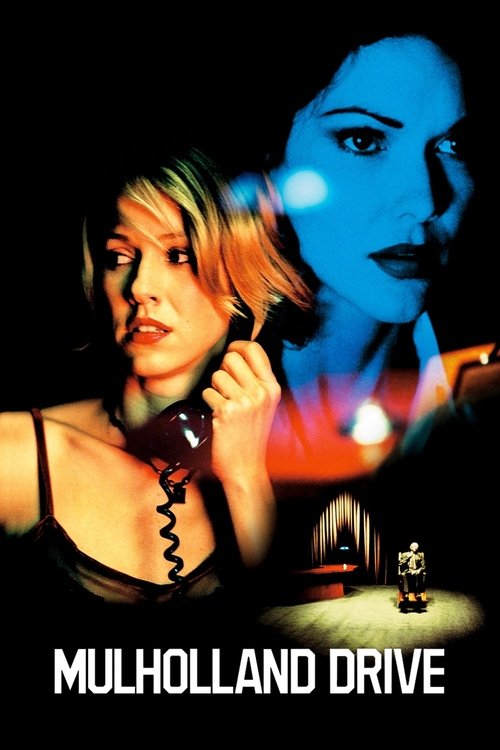
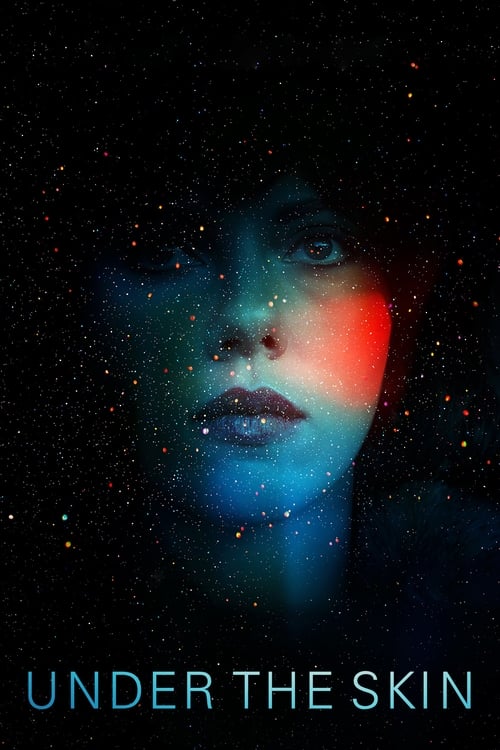
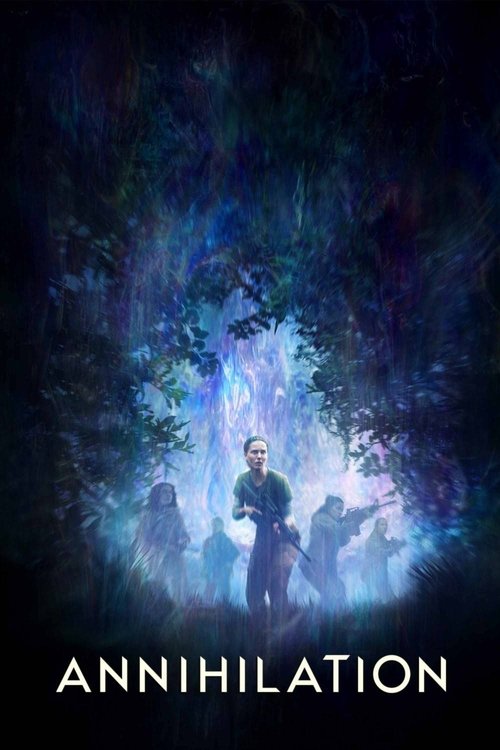
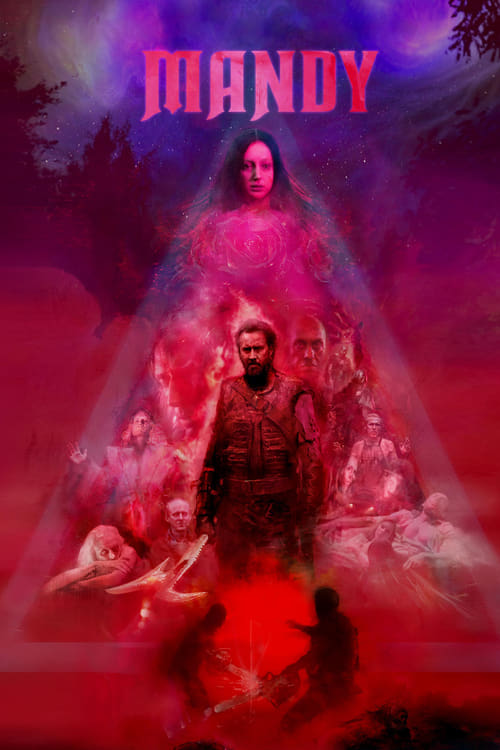
Films that share his psychedelic grammar, his contempt for orderly narrative, his insistence on the image as emotional event
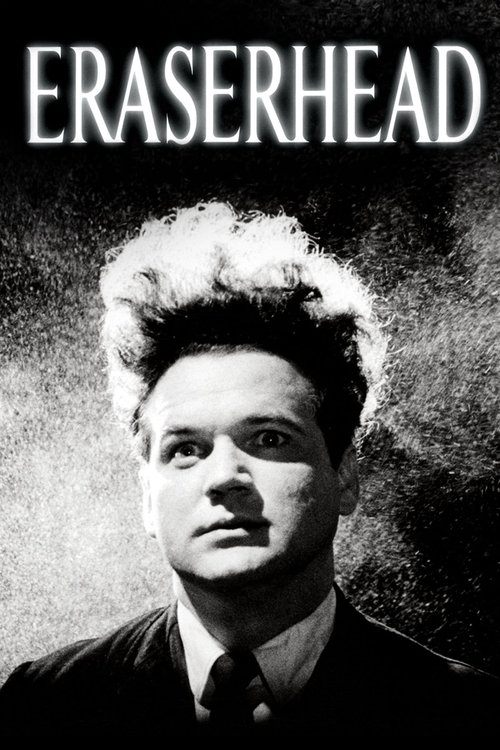
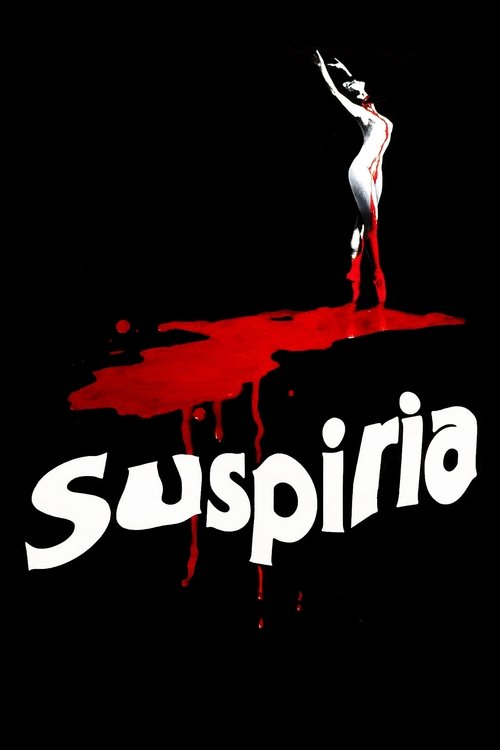

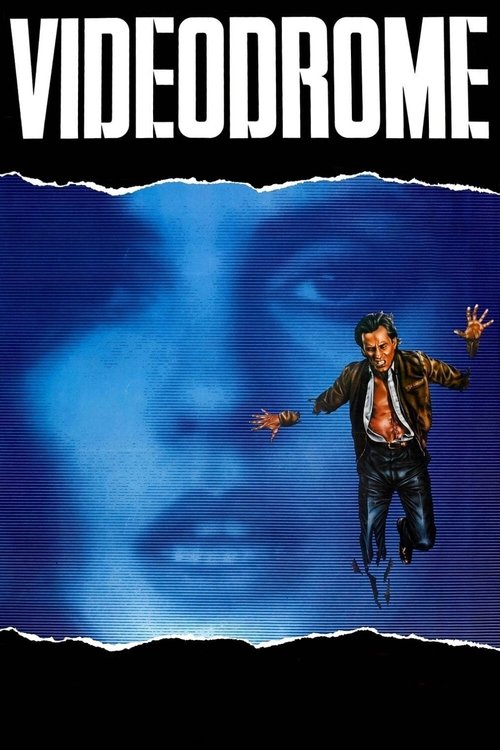

Japan's Other Frequencies: Dread, Beauty, Rupture
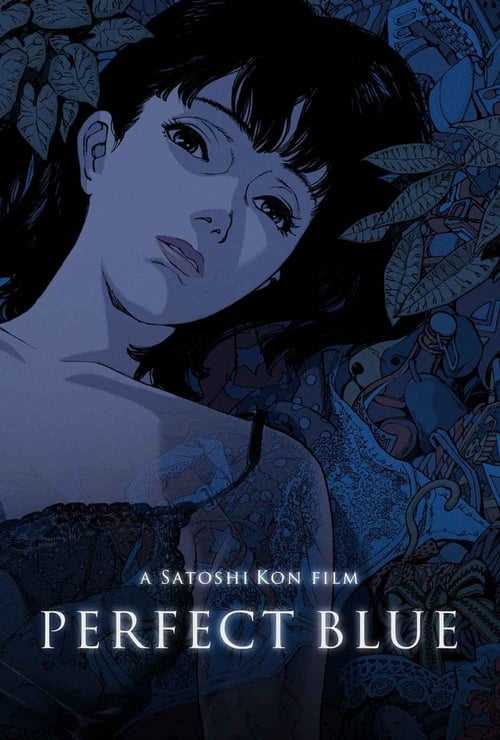
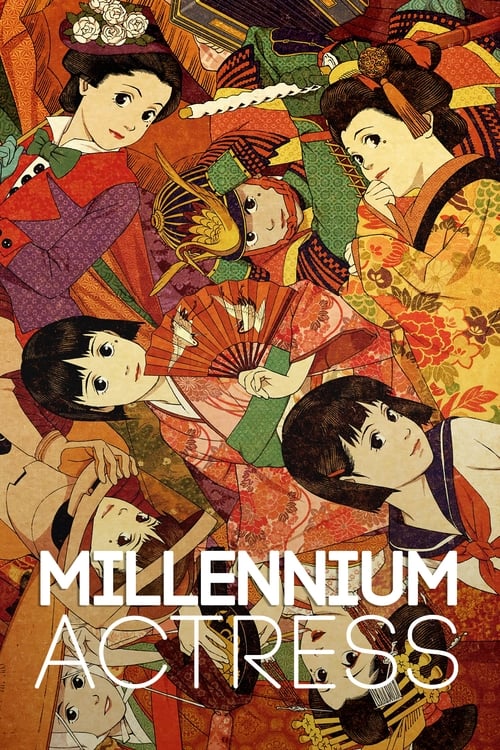
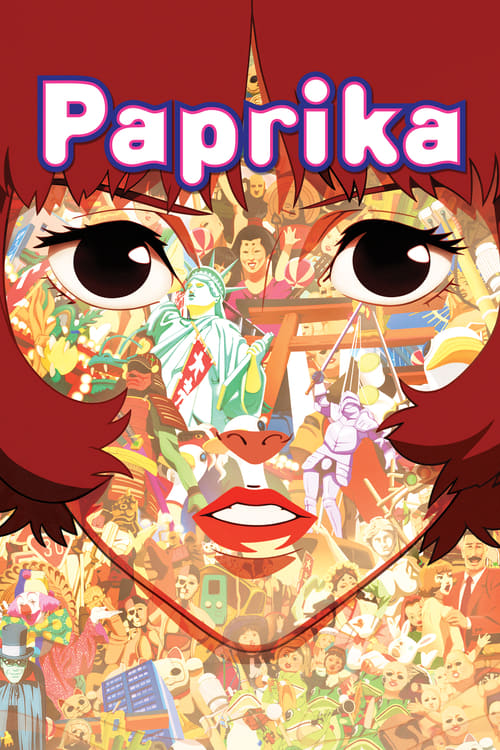
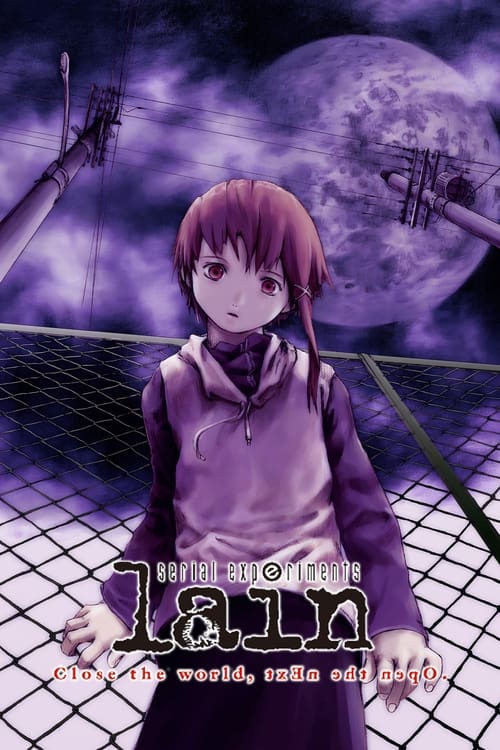
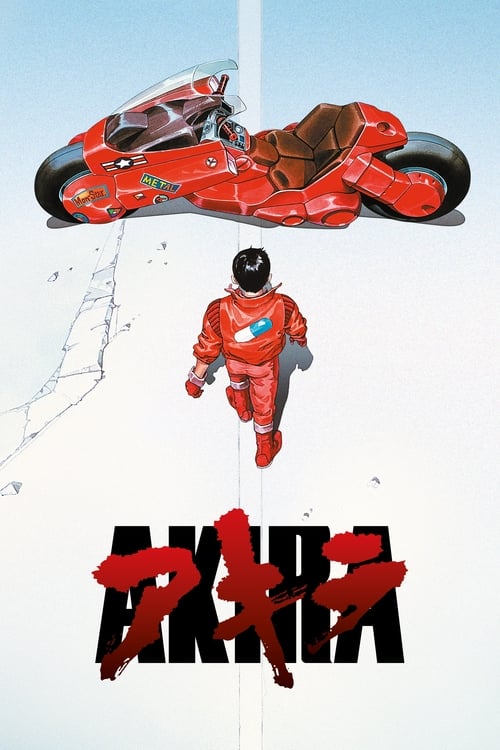
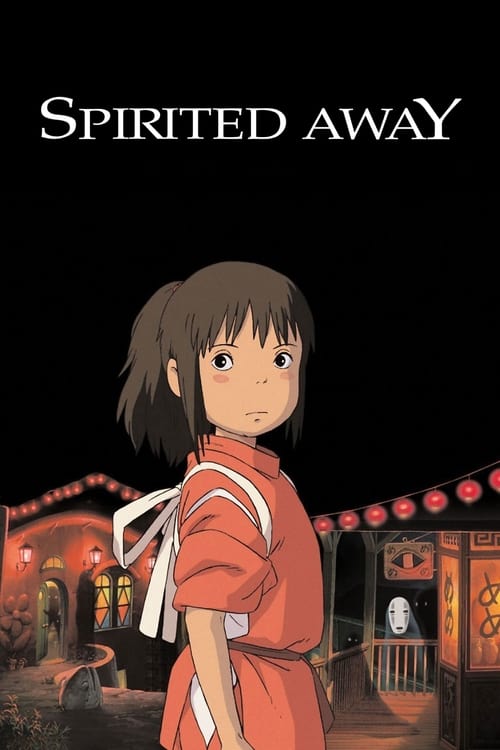
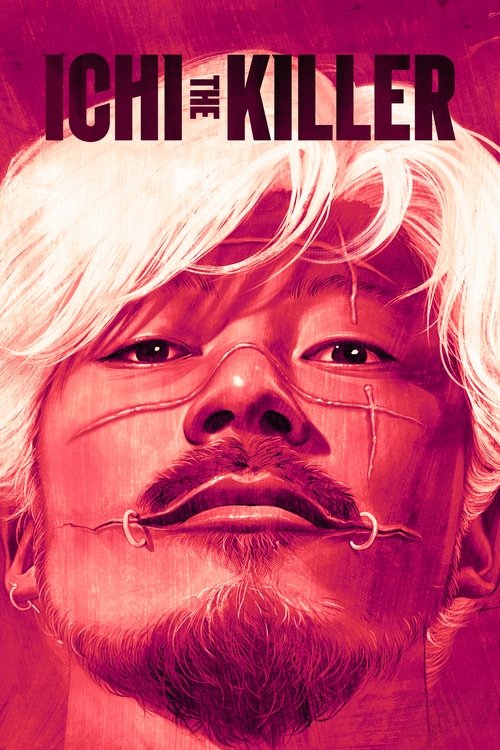
Japanese cinema that shares Obayashi's emotional extremity, from J-horror precision to anime hallucination




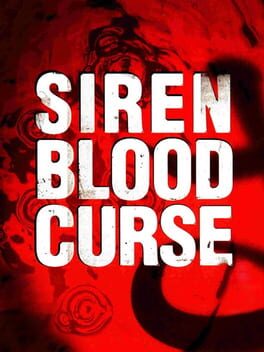
The Haunted and the Absorbed: Horror Games with the Same Texture
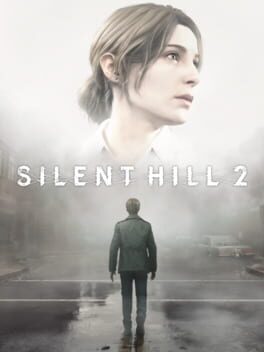
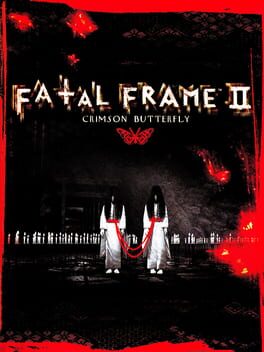
Games that treat femininity, grief, and wrongness with the same obsessive visual care


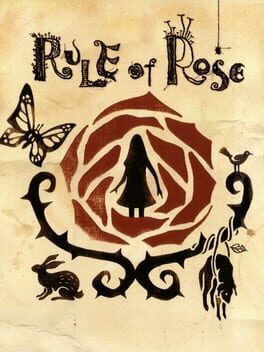

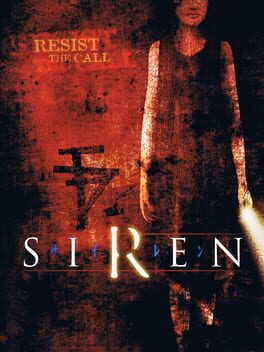


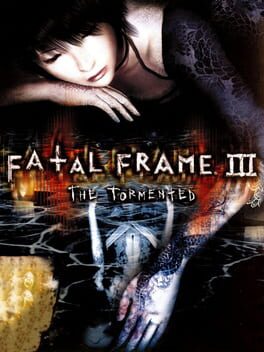
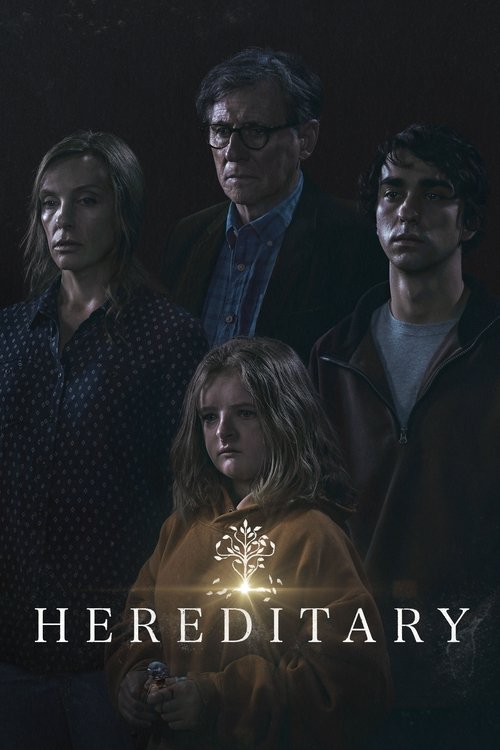
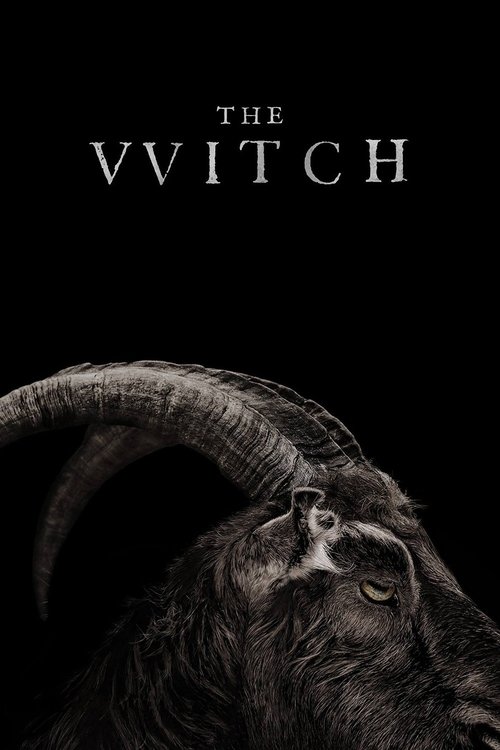
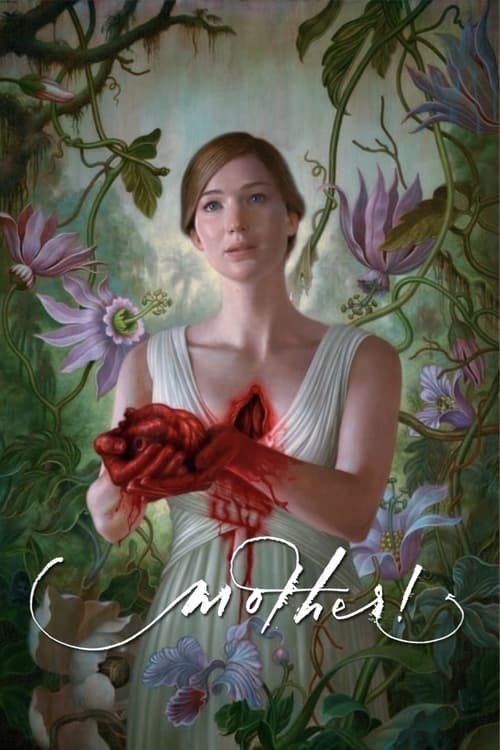
Folk Horror and the World That Turns on You
When the landscape itself becomes the antagonist, cheerful in its malevolence


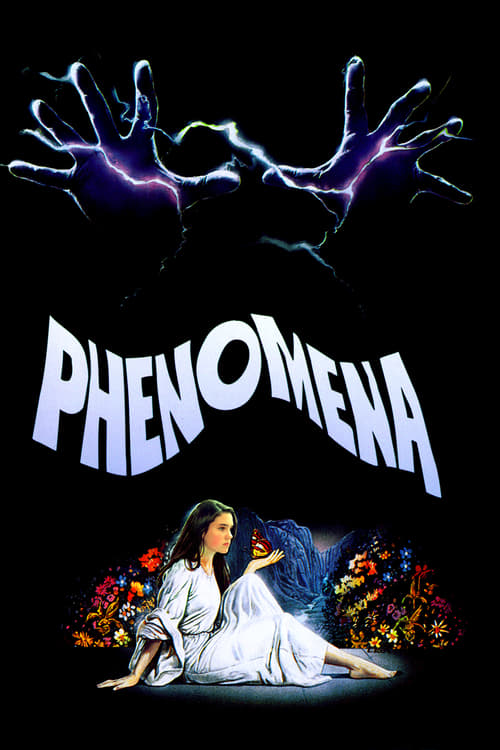

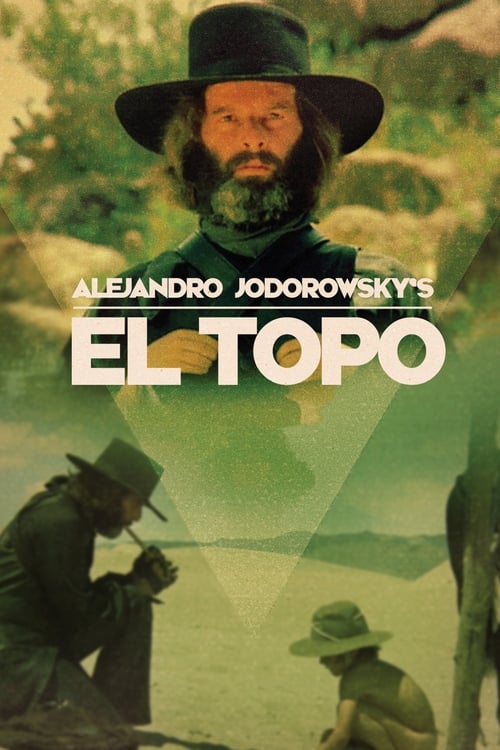
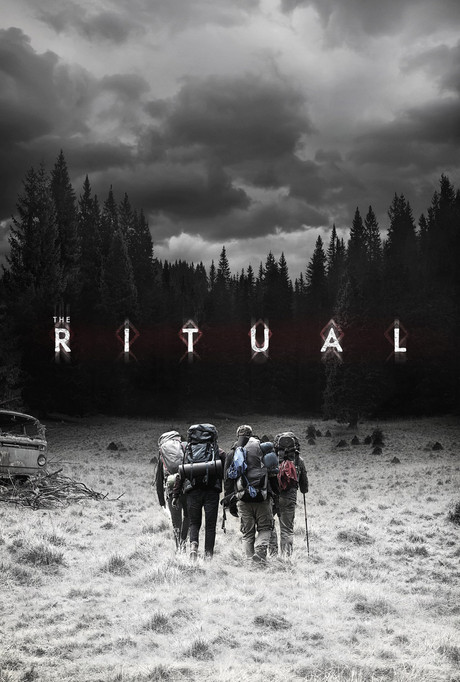
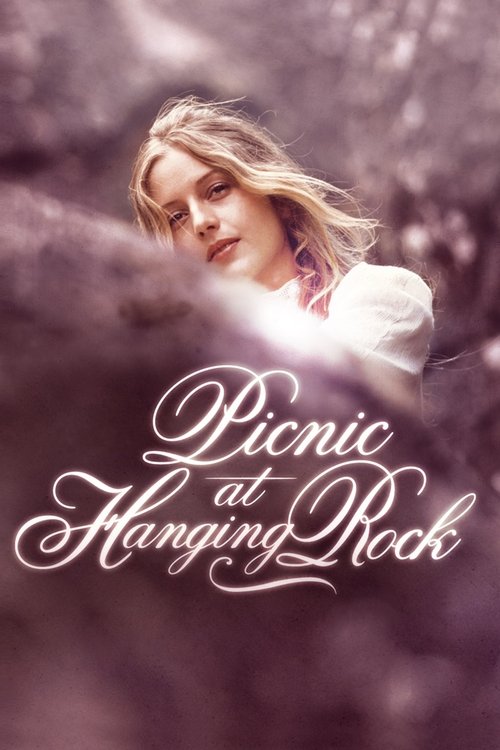
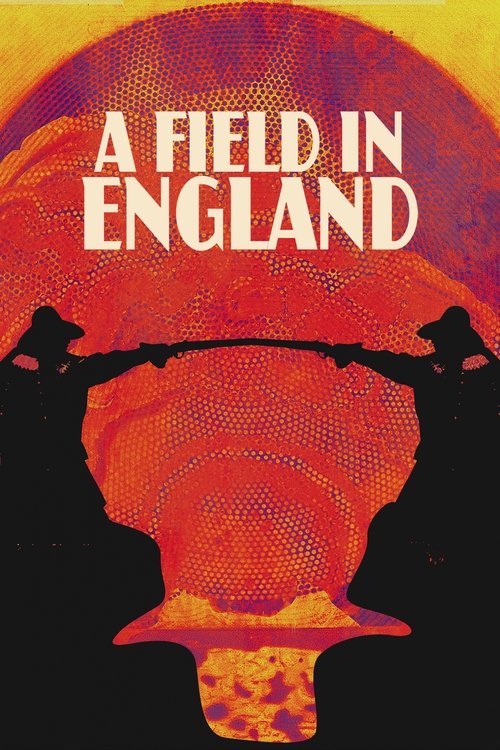

House is the perfect entry point, but not because it is easy
People who are told House is 'campy' go in expecting to laugh at it. The film will not give them that distance. Obayashi's technique is genuinely overwhelming: the speed of the cuts, the color chemistry, the way something that looks like a shampoo commercial transforms into a sequence that causes actual unease. Start here. Let it disorient you. The disorientation is the point, and it prepares you for every other strange thing he ever made.
Yellow Magic Orchestra is the sonic equivalent of his films
Obayashi's visual hyperactivity and his background in advertising share a frequency with early YMO: technological surfaces over emotional depths, playfulness that contains something genuinely unsettled underneath, Japan processing modernity through the prism of its own aesthetics. He directed several of their music videos, so this is not analogy but collaboration. Solid State Survivor and the debut self-titled album hold the same candy-wrapper quality as House: the grief is inside the gloss, not despite it.
Yume Nikki is his spiritual heir in interactive form
House is architecture as psychology. Yume Nikki is that same idea executed in a freeware RPG from 2004: a girl who cannot leave her room explores a dream world assembled from fragments of trauma and wonder, with no explanation offered or needed. Both works understand that a house (or a mind) is a collection of rooms that do not connect rationally, and that exploring them produces feelings that precede language.
Wes Anderson has the craft but not the wound
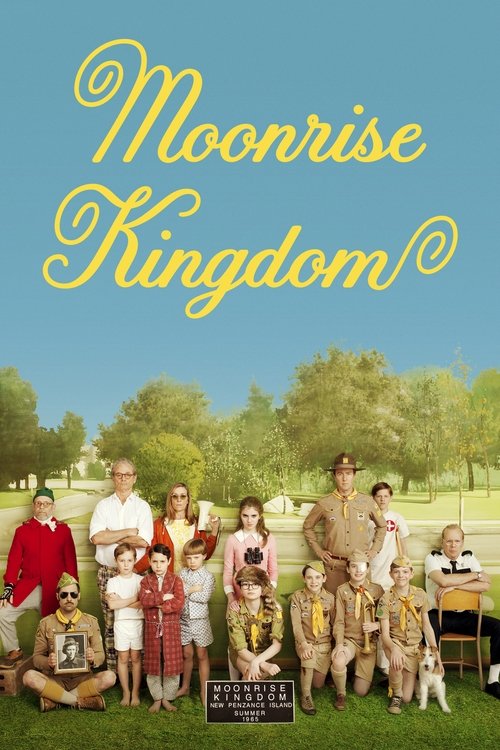
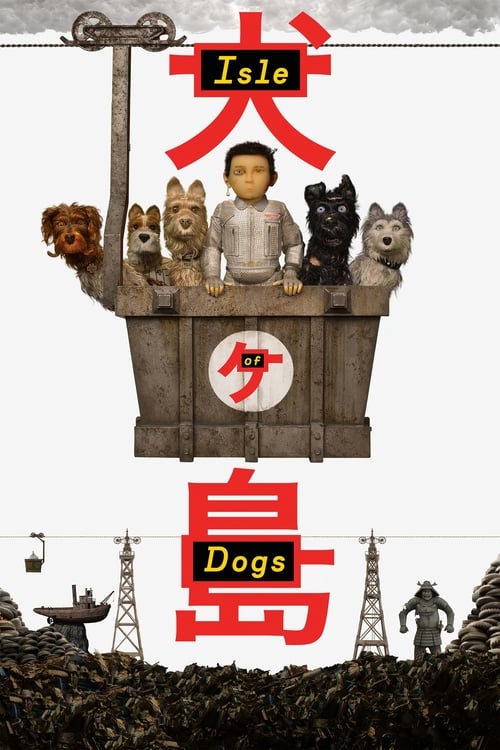
Anderson shares Obayashi's obsession with artifice, with color as grammar, with the movie-ness of movies. Moonrise Kingdom is the closest he has come to Obayashi's emotional frequency: childhood summer, real loss, forms that strain against their own decoration. But where Obayashi's films bleed through the frame, Anderson's stay meticulously sealed. That difference in temperature matters. Both are worth your time, but one has a wound inside the decoration and one does not.

Horror is not what threatens you from outside. It is what the house already contains, and has always contained, and what you only notice when the lights change.The feeling Obayashi's films leave behind
Obayashi's Arc
- 1960sExperimental shorts and television commercials in Tokyo
- 1977House (Hausu) released by Toho House
- 1981School in the Crosshairs, first mainstream idol film
- 1983The Girl Who Leapt Through Time, a generation-defining adaptation
- 1985The Aimed School and other genre work, peak productivity
- 1991Chizuko's Younger Sister, turn toward grief and memory
- 2012Casting Blossoms to the Sky, first film of the anti-war trilogy
- 2017Hanagatami completed while undergoing chemotherapy for cancer
- 2020Died April 10, age 82