
Octavia E. Butler wrote science fiction the way the best of it has always worked: as a pressure test for everything we believe about power, freedom, and what it means to be human. Her characters are survivors who never get to stop surviving. Her aliens are not monsters but mirrors. Her futures are earned through biology, history, and the long brutal logic of hierarchy. A Butler fan does not read for escape. They read to be changed. The through-line across all her work is adaptation: not as triumph, but as the uncomfortable, irreversible, necessary thing that happens when you choose to live.
Essential Octavia E. Butler
Her own fiction: where to start and where to go deeper


If You Love Butler's Power and Survival
Novels and films that share her unflinching lens on hierarchy, coercion, and resilience


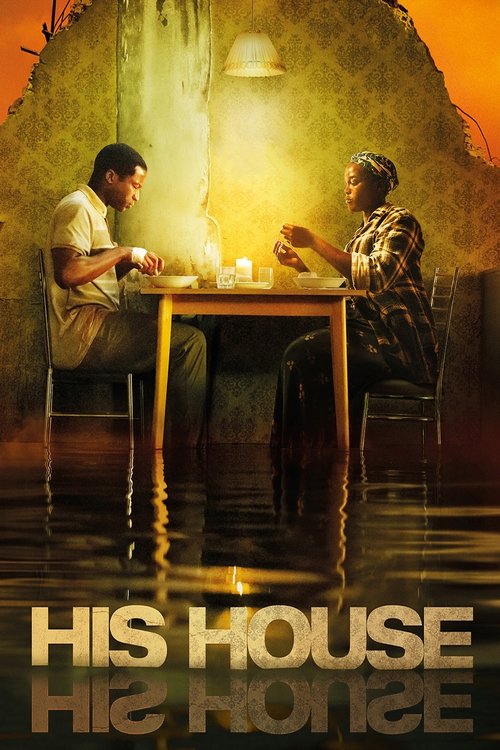

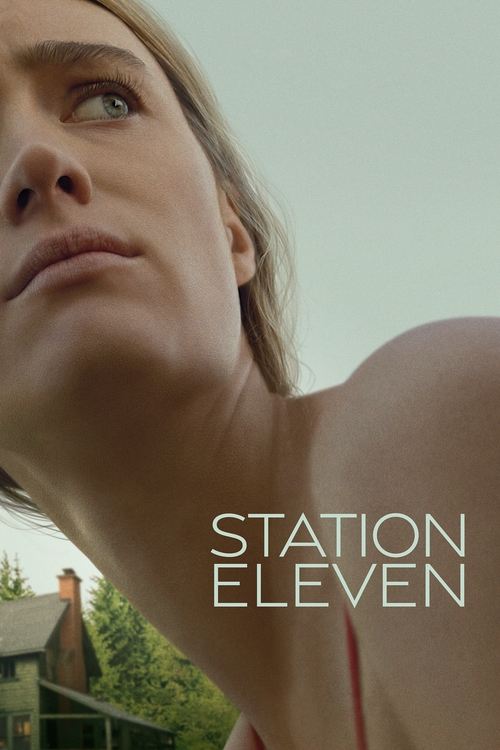
Afrofuturism on Screen and Page
The tradition Butler helped define, now across every medium

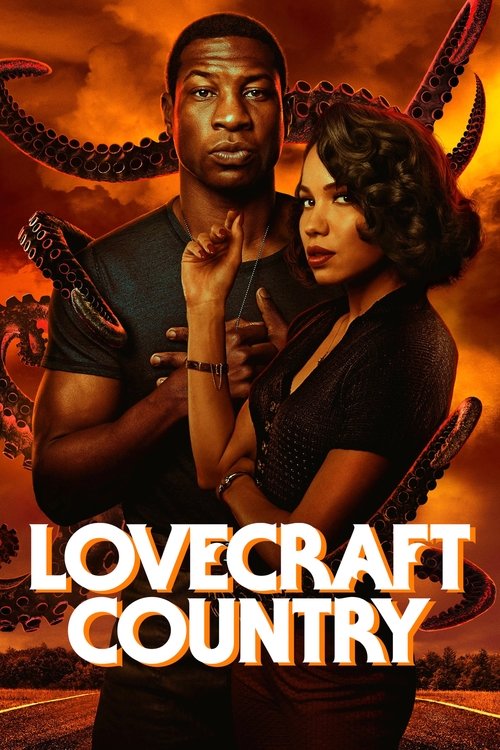
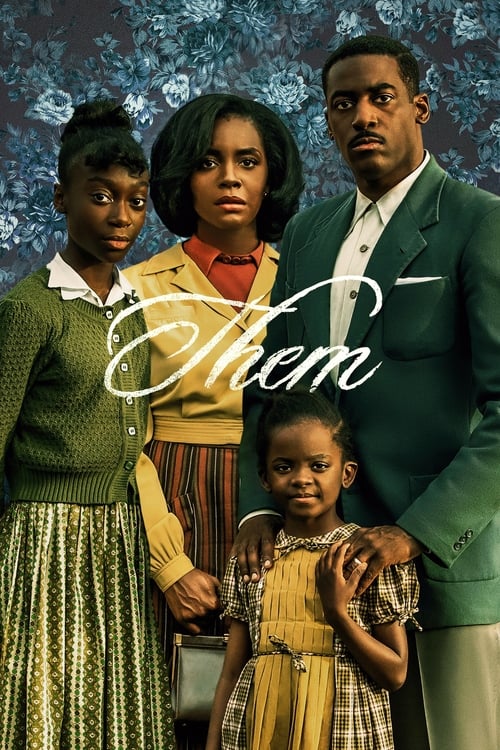
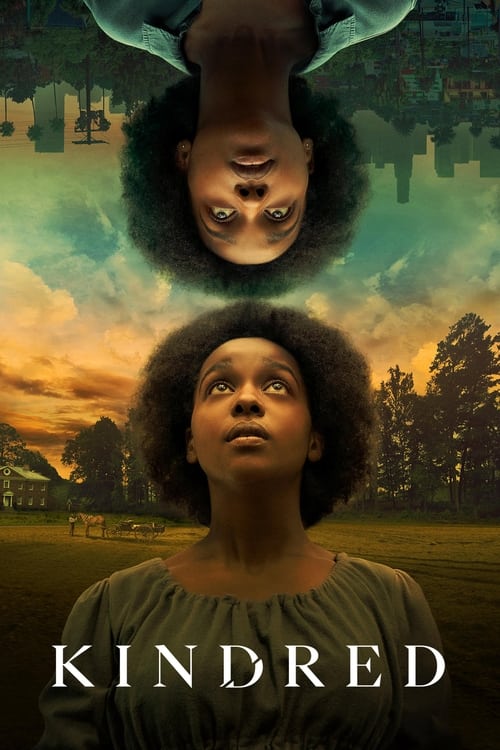

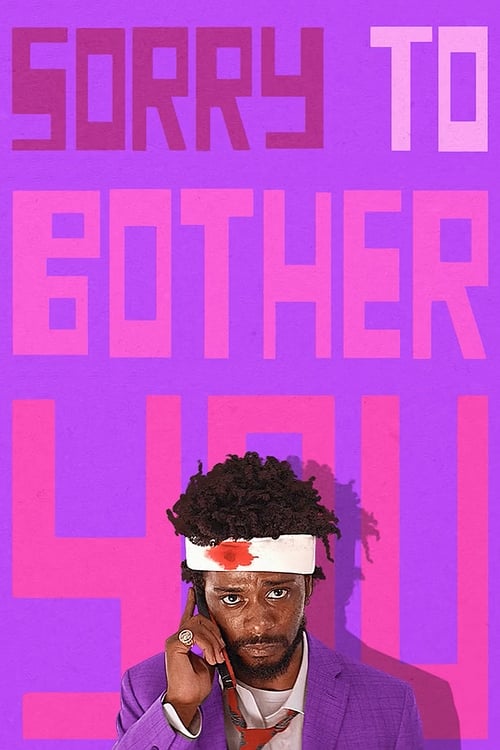
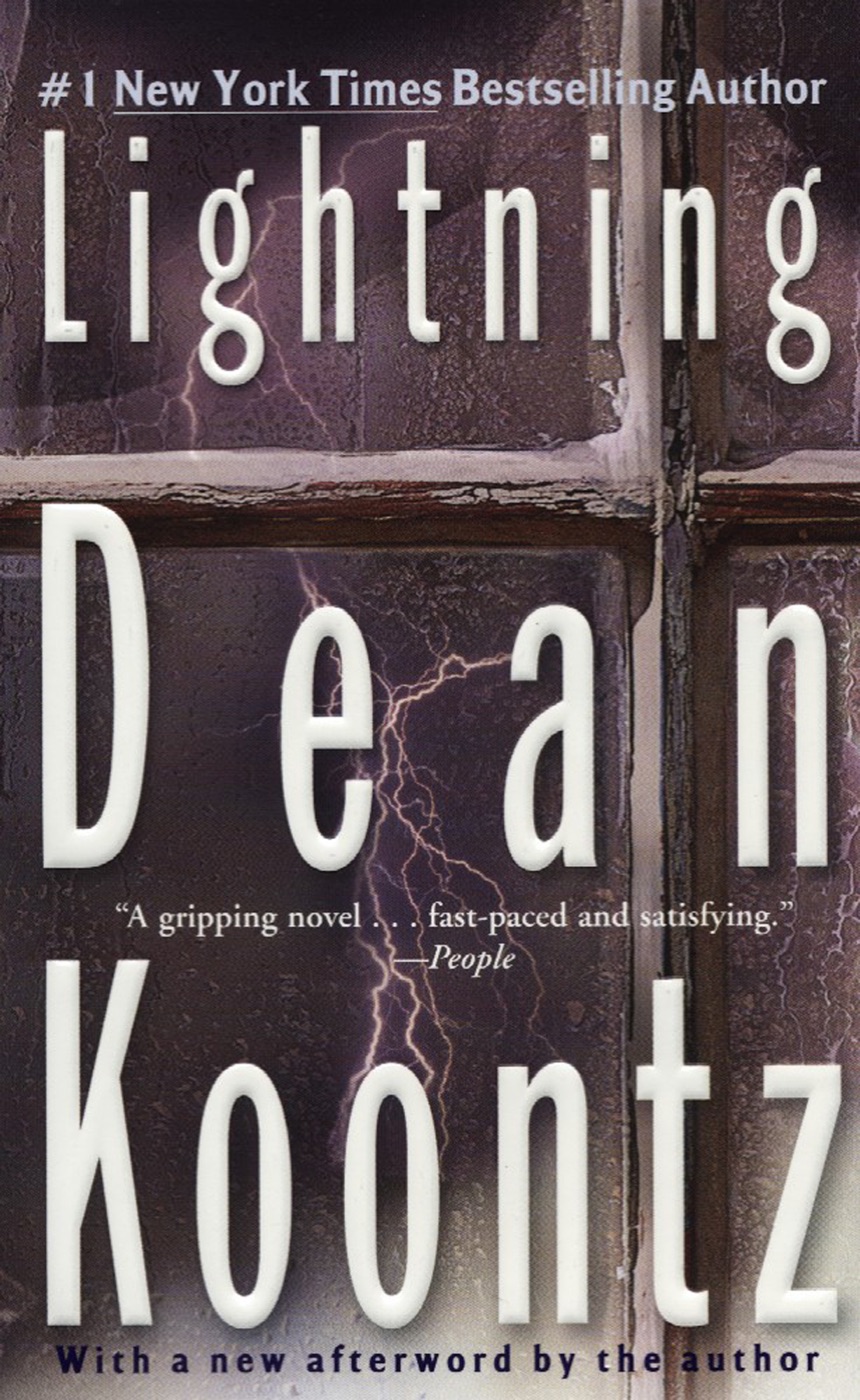
Kindred Spirits: Sci-Fi Authors Who Share Her Vision
Writers working the same territory of social realism, transformation, and deep human stakes


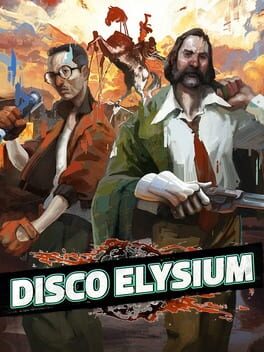
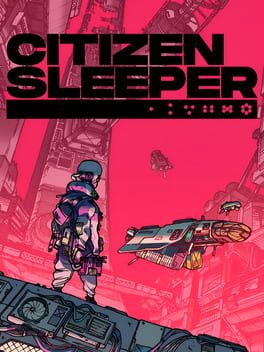
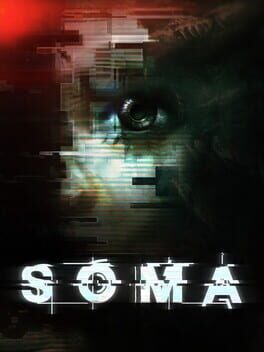
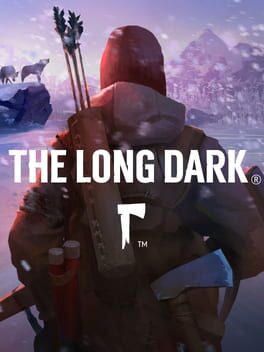
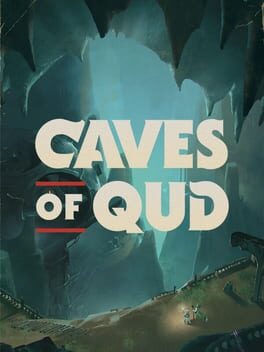
Games That Feel Like Butler: Consent, Transformation, Survival
Games where power is complicated, survival has a cost, and nothing is simply good or evil

Kindred Is the Great American Novel Science Fiction Never Gets Credit For
There are books people call important, and then there is Kindred. Butler's 1979 novel about a Black woman pulled back in time to a Maryland plantation is rigorous where other time-travel fiction is playful, and brutal where it might have been sentimental. Dana cannot save the enslaved people around her. She cannot even save herself, not entirely. The novel does what historical fiction rarely dares: it refuses to let the protagonist stand outside history. She is in it, implicated, surviving. The wound the book leaves is the point.
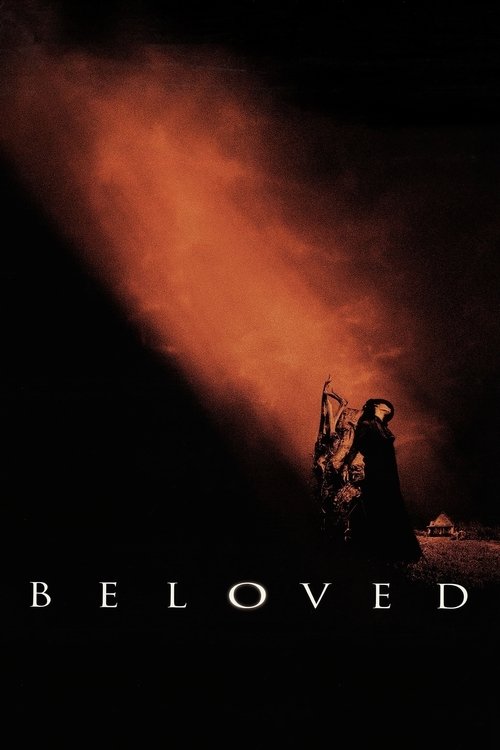
The Xenogenesis Trilogy Asks the Question Nobody Else Would Ask
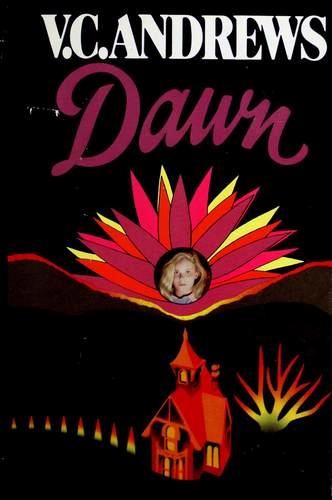
Dawn asks: what if the only way to survive as a species required giving up the very traits that made you human? The Oankali are not conquerors in the traditional sense. They offer a trade. The horror and the fascination is that the trade is, in some ways, reasonable. Butler does not let humanity be the hero. She does not let the aliens be villains. She makes the reader sit with the discomfort of a choice that cannot be cleanly judged, and she does it across three books without flinching once.
Parable of the Sower Is the Cli-Fi Novel That Saw It Coming
Butler finished Parable of the Sower in 1993, set in a 2024-2027 California of collapsed infrastructure, mass displacement, and a demagogue presidential candidate promising to make America great again. The specificity is not the scariest part. The scariest part is Lauren Olamina, who builds a new community religion, Earthseed, from first principles in the wreckage of the old world. Butler was not predicting doom. She was writing a survival manual disguised as a novel.
Bloodchild Shows Short Fiction at Its Most Dangerous
Butler's short story Bloodchild, about a human boy who carries alien eggs to term, is often misread as a horror story about violation. Butler herself pushed back on this: she called it a love story, and also a story about slavery, and also a story about what it costs to survive as a guest on someone else's world. All three are true simultaneously. That is the Butler signature: one story that holds three incompatible readings, all of them correct, none of them comfortable.
Octavia E. Butler: The Shape of a Career
- 1976Debut novel Patternmaster
- 1977Patternist series begins in earnest Mind of my mind
- 1979The breakthrough that defined her Kindred
- 1984First Hugo Award win (novella)
- 1984Second Hugo Award win (novelette)
- 1987Xenogenesis trilogy begins Dawn
- 1993The near-future that came true Parable of the Sower
- 1995MacArthur Genius Fellowship awarded
- 1998Nebula Award for Best Novel Parable of the Talents
- 2005Final novel published Fledgling
- 2006Butler passes away at age 58
- 2022TV adaptation premieres Kindred
More speculative fiction with moral weight
For Fans of N.K. Jemisin
Explore the For Fans of N.K. Jemisin guide →Every story I create creates me. I write to create myself.Octavia E. Butler