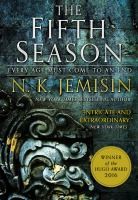

N.K. Jemisin builds worlds the way earthquakes build mountains: by breaking things apart and watching what survives. Her Broken Earth trilogy made history as the first series to win the Hugo Award for Best Novel three consecutive years, and it did so by doing something few fantasy writers attempt at scale: placing oppression, survival, and the psychology of trauma at the structural core of the story rather than in the margins. Her narrators are orogenes, people with the power to still or trigger seismic events, enslaved by a civilization that fears and needs them in equal measure. The prose is second-person, present tense, pulling the reader into the body of someone who has learned not to feel too much. Jemisin's other work, from the Inheritance trilogy to The City We Became, shares that DNA: mythology reimagined from the margins, cities as living organisms, the cost of power measured in grief. If you love her writing, you love fiction that refuses to let the world be comfortable.
Essential N.K. Jemisin
Her own books, from the essential to the underread


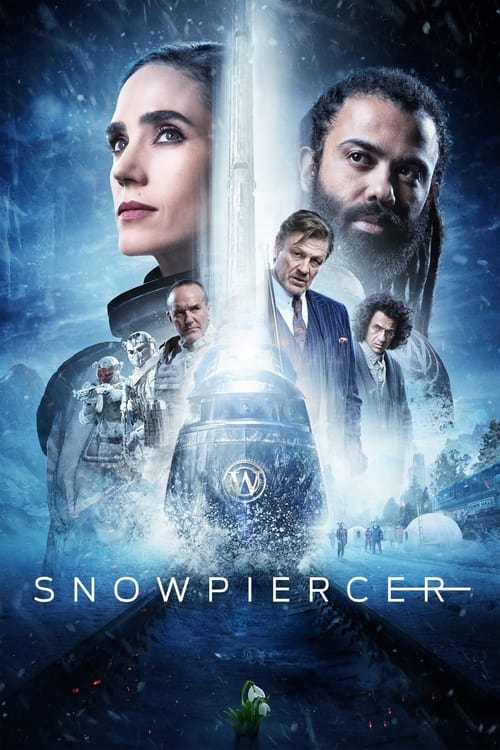
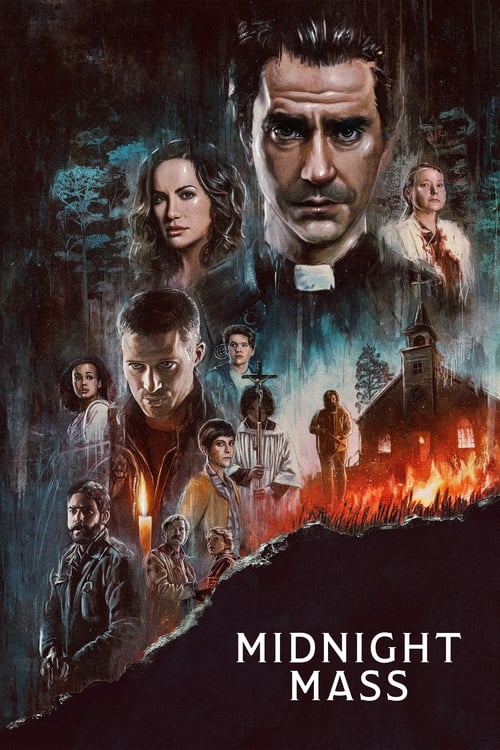
Screen Adaptations and Kindred Visions
Films and series that carry similar emotional weight and political stakes
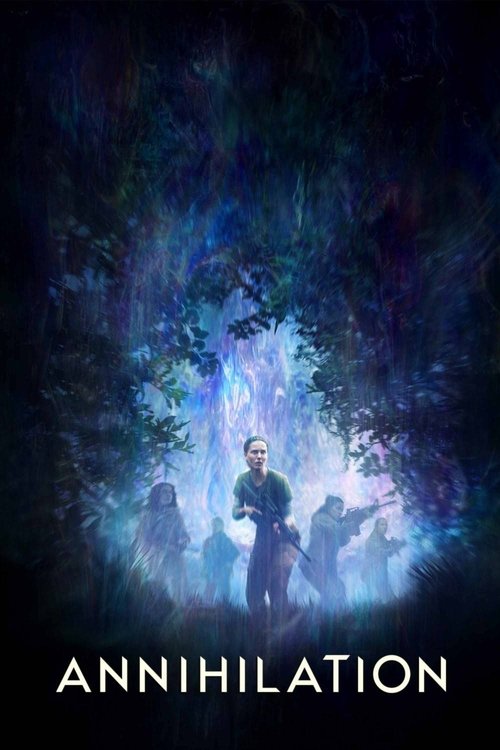
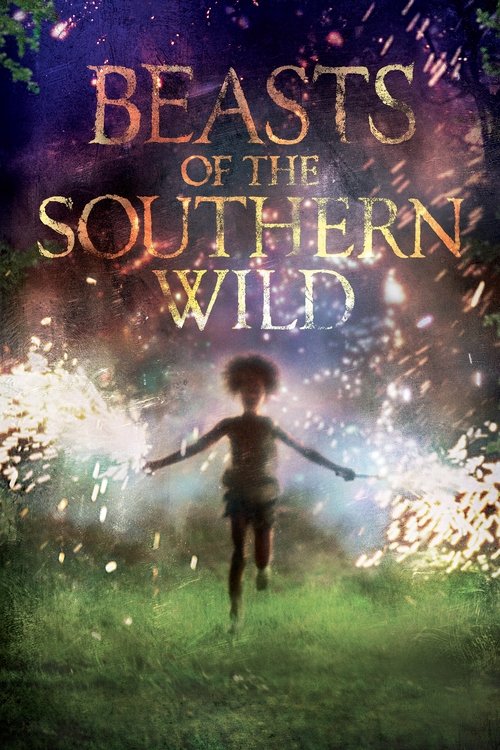
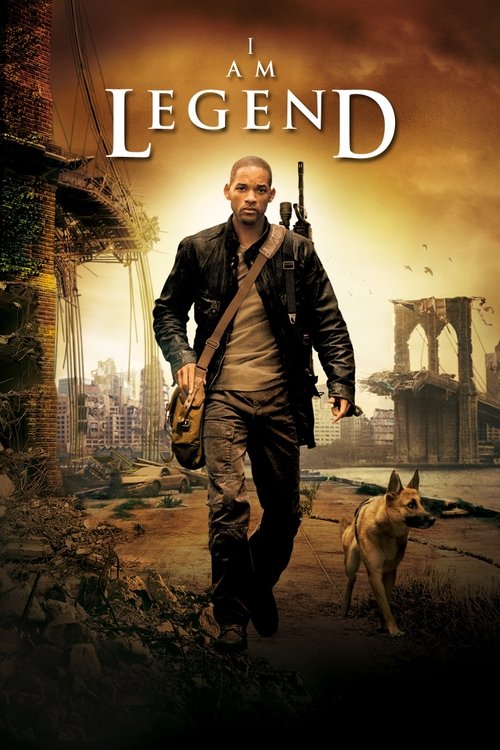
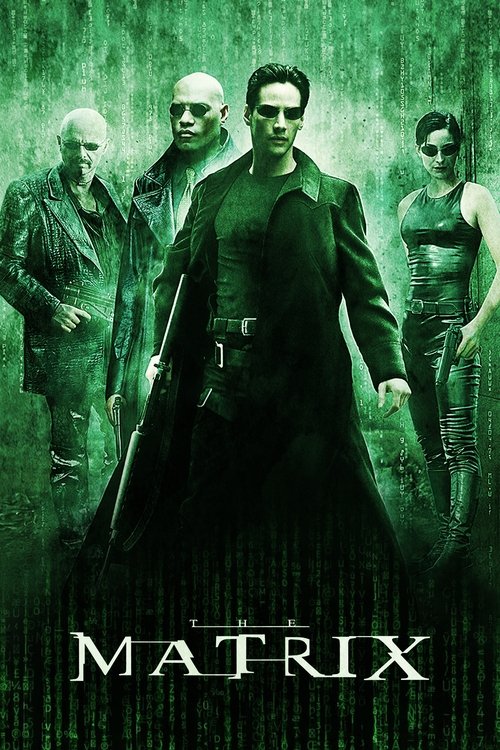
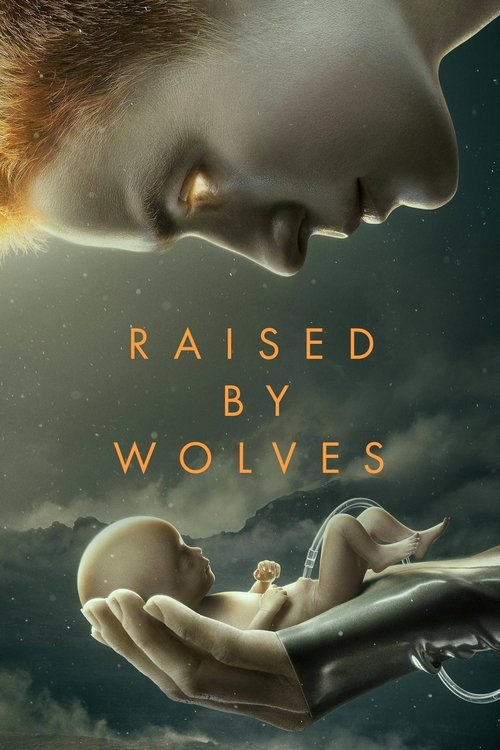
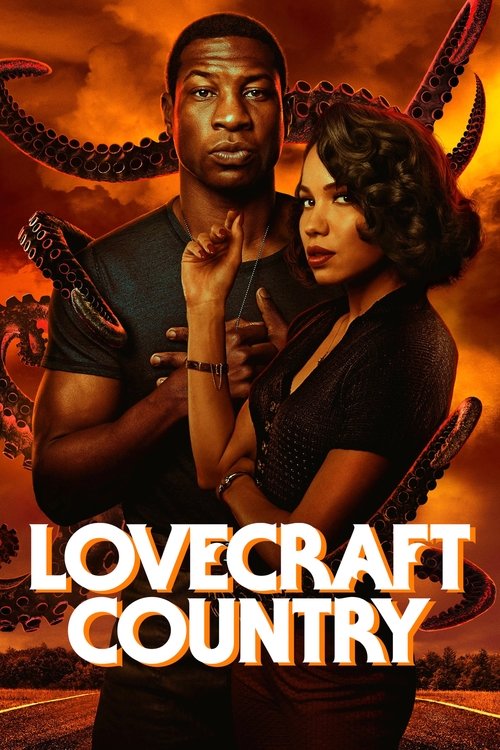
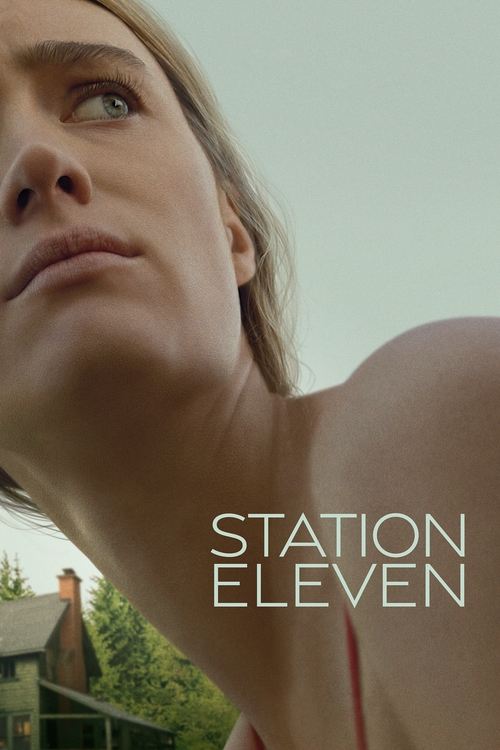


Authors Who Share the Frequency
Books by writers who build worlds with the same political and emotional seriousness


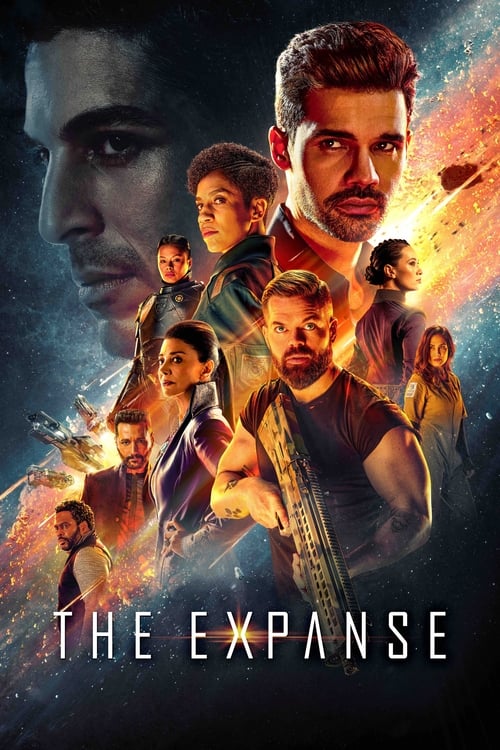
Films and Series in the Same Emotional Territory
Speculative storytelling that foregrounds power, survival, and the politics of bodies
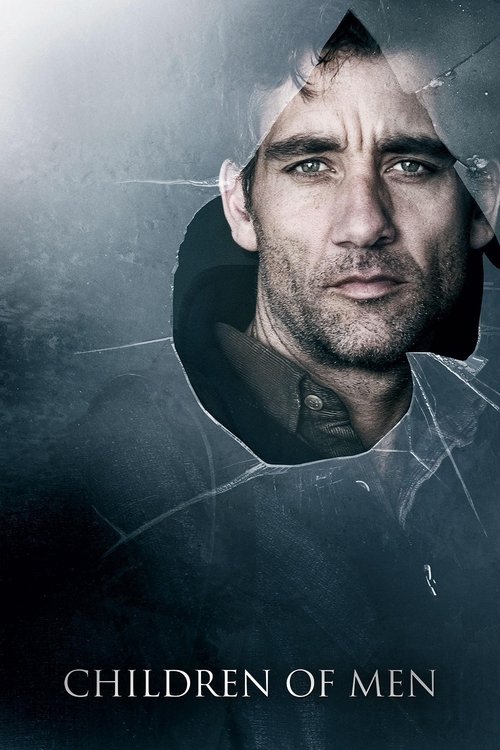
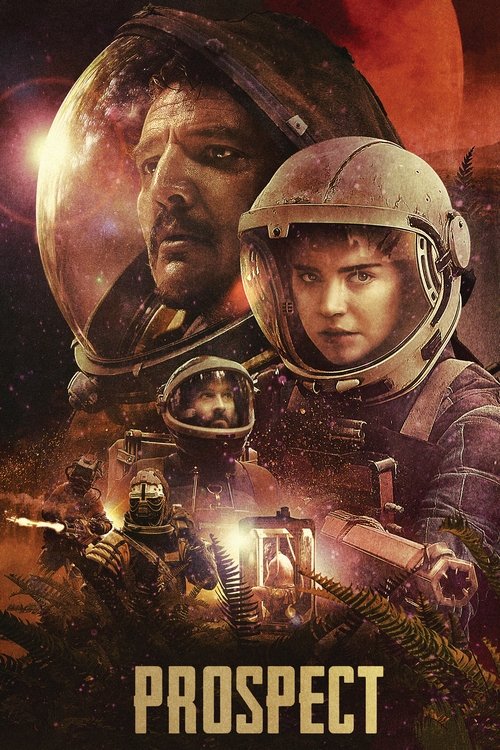
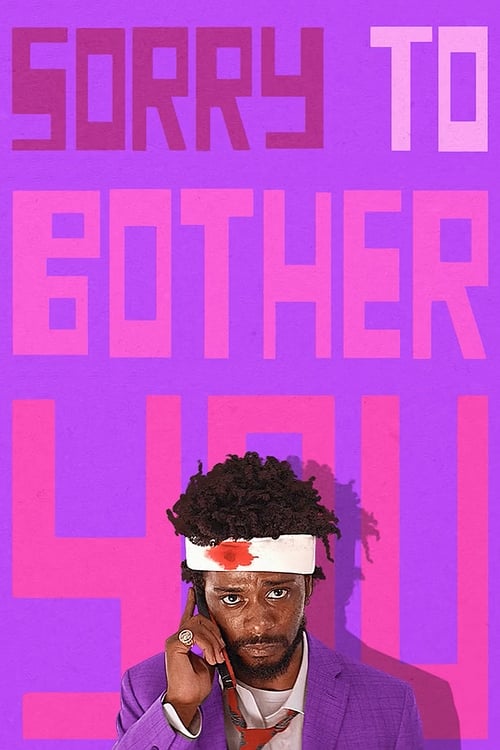
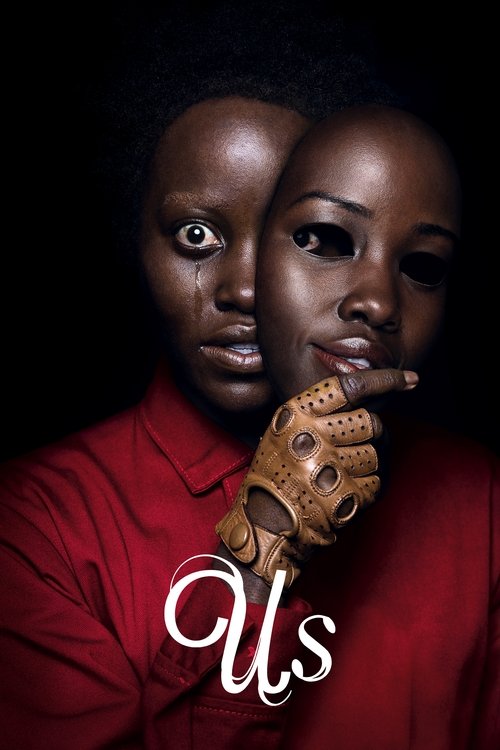
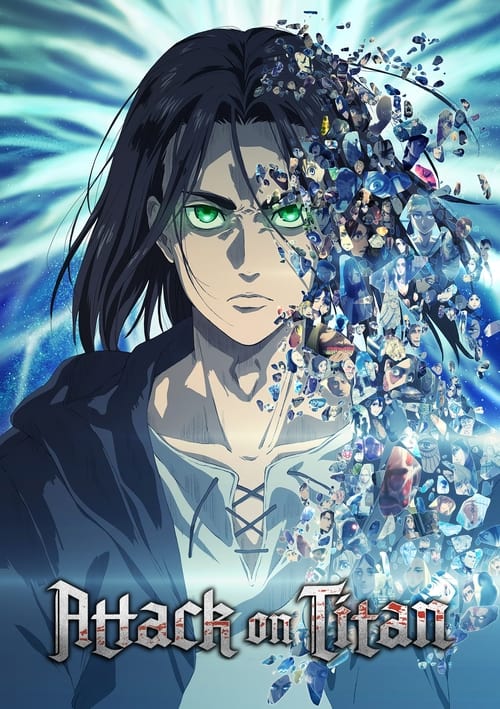
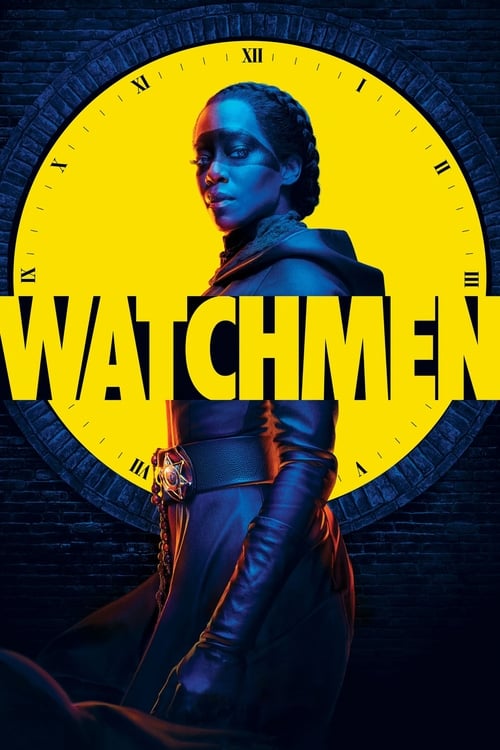
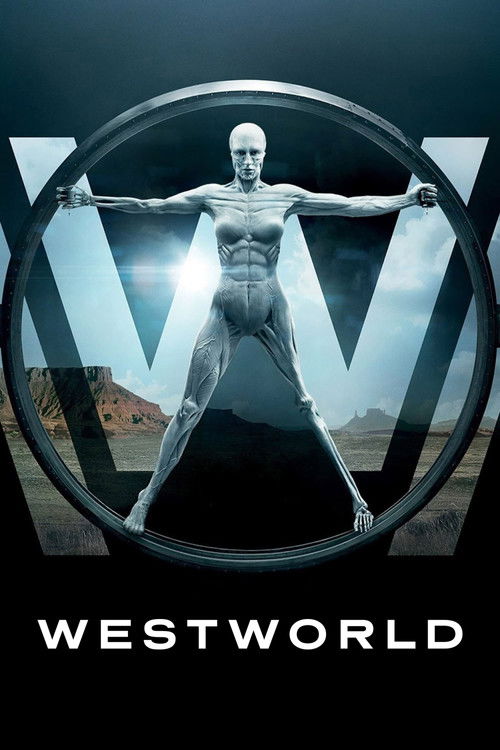
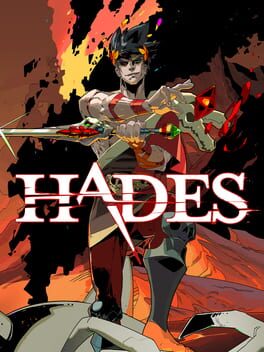
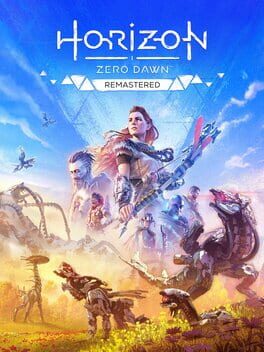
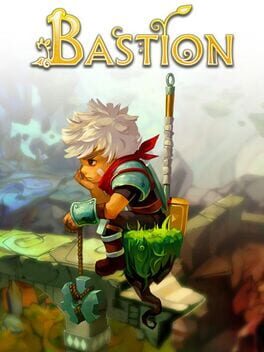
Games Inspired by the Same Themes
Games that explore oppression, survival, and worlds built on injustice
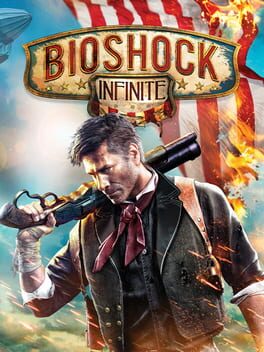
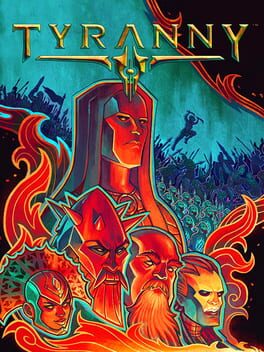
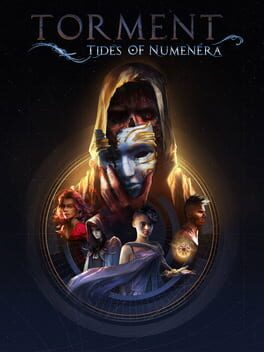
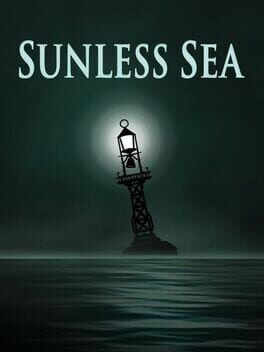
The Second Person Is Not a Trick
When The Fifth Season opens with 'you,' readers sometimes assume it is a stylistic flourish. It is not. The choice forces a kind of intimacy that Jemisin needs: you are in a body that the world has decided is a weapon, a tool, a liability. The distance that third person would create is the very thing the novel refuses to grant you. By the end of the trilogy, that grammatical choice has become one of the most emotionally precise decisions in recent speculative fiction.

Cities as Characters, Not Just Settings
The City We Became asks what it would mean if New York had a soul and that soul was under attack. Each borough gets a human avatar; Manhattan's is still unborn, somewhere in the tunnels. The novel draws on Lovecraftian horror while inverting its politics entirely: the cosmic threat here is whiteness as gentrification, as erasure, as the force that devours what is strange and vital. It is one of the few books that makes you feel the city loves you back.
Mythology Rewritten From Below
The Inheritance trilogy begins with a woman who inherits the universe because a god decides to take a human. The theology in those books is not decoration: Jemisin builds pantheons that reflect how power actually distributes itself, with the weak bearing the cost of the strong's conflicts. The Dreaming God is not a metaphor. Or rather, it is, but it is also completely literal. That double register, where every cosmic event is also a social one, is Jemisin's signature.
Short Fiction as a Laboratory
How Long 'til Black Future Month? collects the short fiction Jemisin wrote across a decade. It rewards readers who want to see where the longer work came from, and it rewards readers who came straight to the collection: the ideas here are dense, often complete in ten pages, and frequently stranger than anything in the novels. The title story alone, about a utopian Black city in post-Katrina Louisiana, is worth the entire book.
N.K. Jemisin: Key Moments
- 2010The Hundred Thousand Kingdoms published, Inheritance trilogy begins
- 2012Dreamblood duology opens with The Killing Moon Killing Moon
- 2015The Fifth Season launches the Broken Earth trilogy The Fifth Season
- 2016First Hugo Award for Best Novel The Fifth Season
- 2017The Obelisk Gate: second consecutive Hugo win
- 2018The Stone Sky: third consecutive Hugo win, making history
- 2019How Long 'til Black Future Month? collects a decade of short fiction
- 2020The City We Became opens the Great Cities series
- 2022The World We Make concludes the Great Cities duology
Political worlds, cosmic stakes
For Fans of Octavia E. Butler
Explore the For Fans of Octavia E. Butler guide →She writes worlds where the geology is political and the personal is seismic: every tremor in the earth is also a tremor in the body of someone who has survived too much.CrossBinge editors