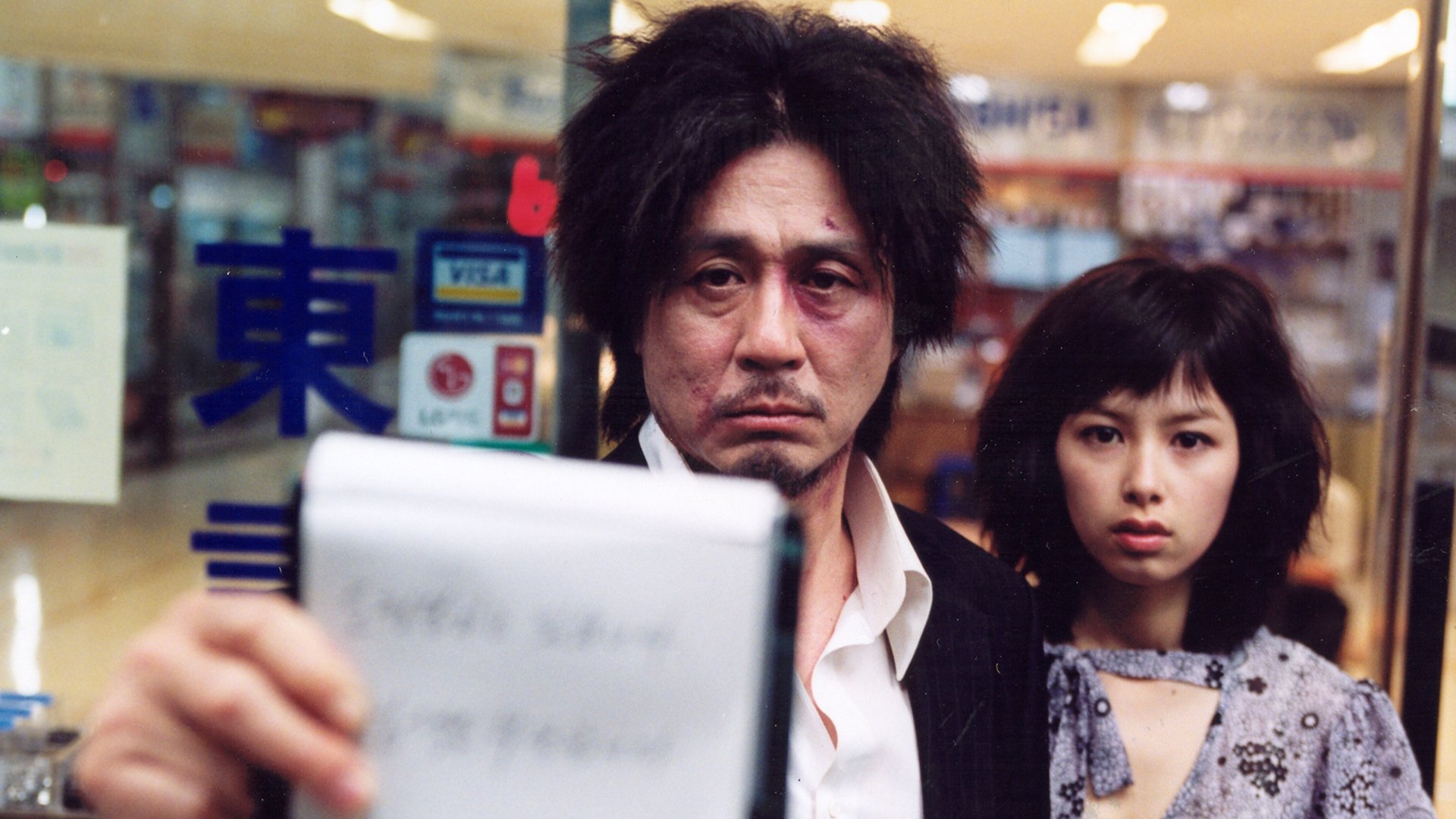

Park Chan-wook's Oldboy (2003) is the middle chapter of the Vengeance Trilogy and its scorched heart. Oh Dae-su is imprisoned without explanation for 15 years, released without explanation, and given five days to discover why. The film is not really about the answer. It is about the destruction of a man who thought revenge was a destination. What fans chase here is a specific combination: brutalist formal control, a story that keeps its footing even as it walks off a cliff, and a filmmaker who refuses to let you look away from what cruelty costs. The corridor fight sequence, shot in a single exhausting take, became shorthand for a new kind of action cinema. The ending became shorthand for something harder to name.
Essential Oldboy
Park Chan-wook's own films, the closest kin to Oldboy's DNA

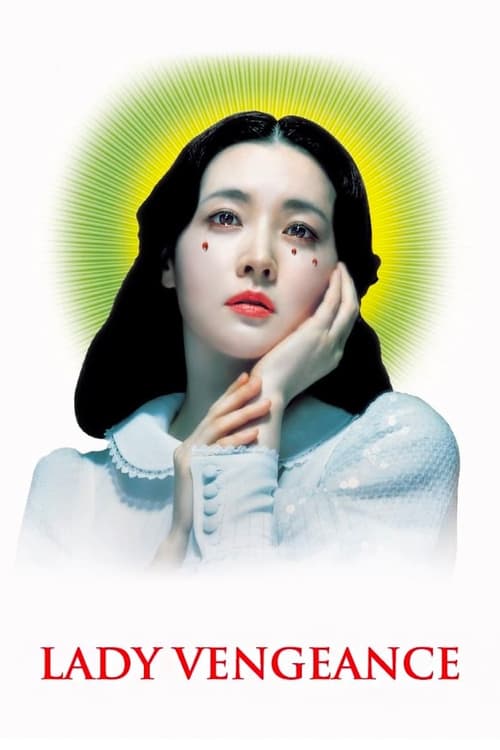
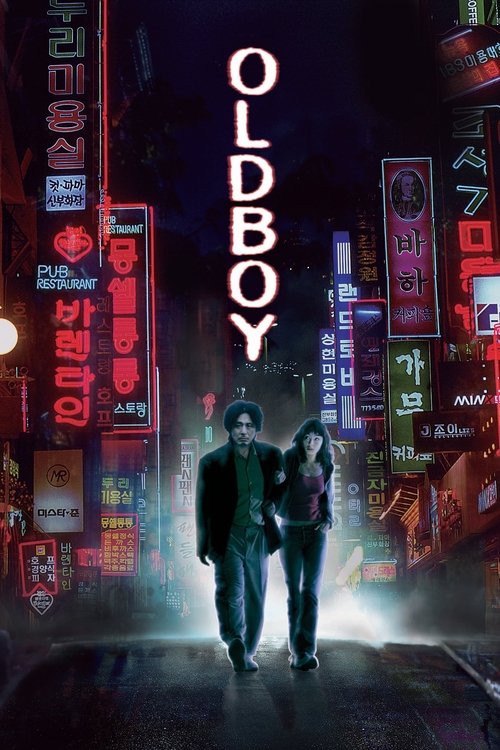
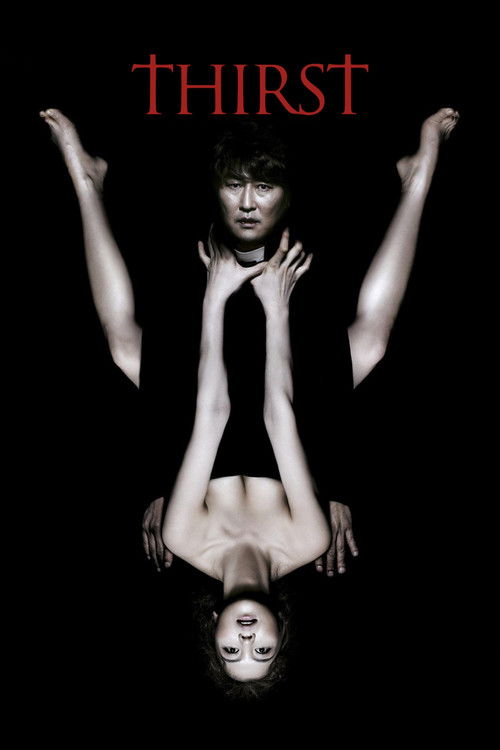
Korean Cinema Unfiltered
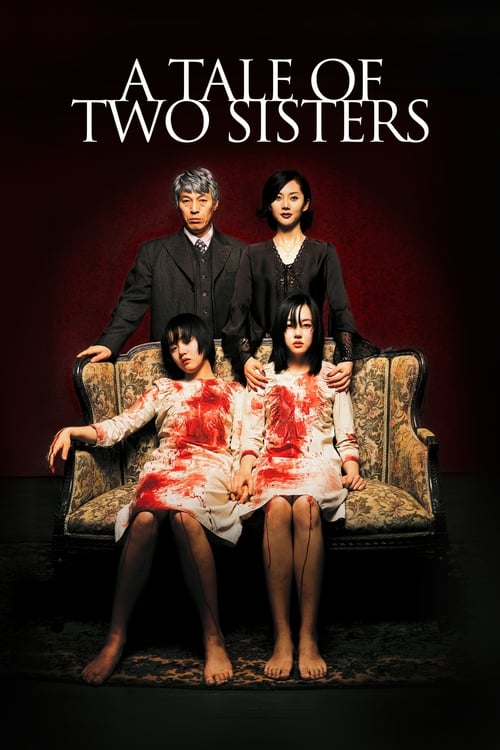
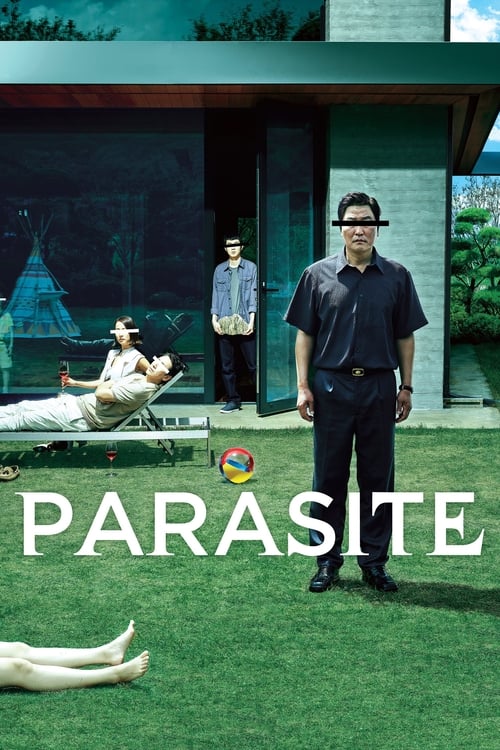
The wave of South Korean films that shares Oldboy's appetite for moral complexity and formal daring
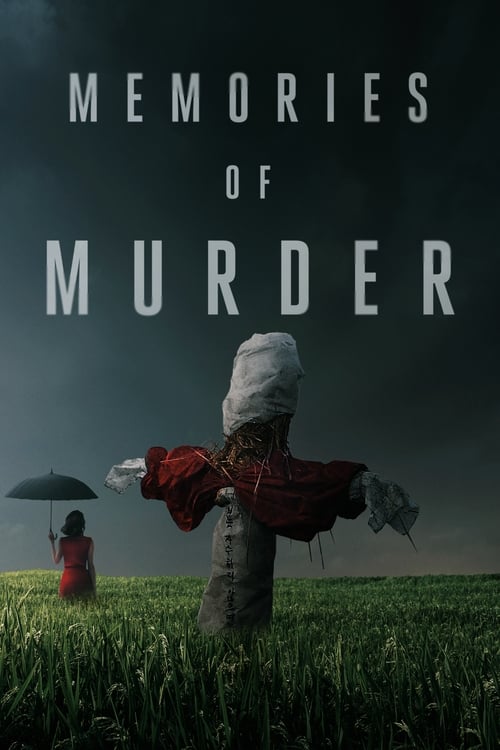
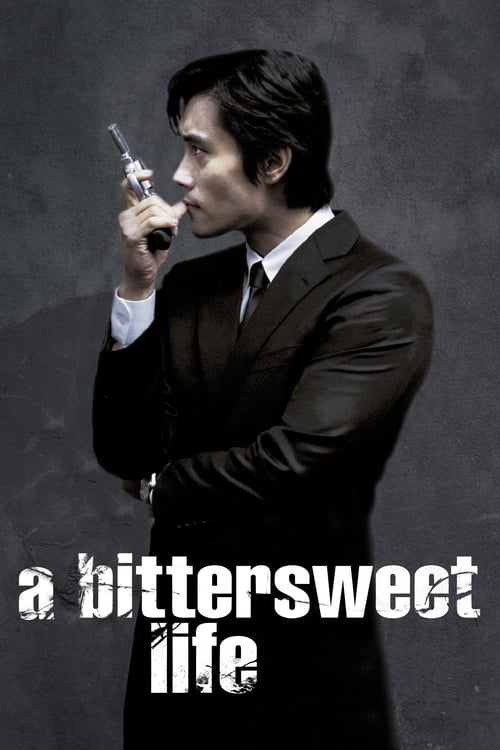
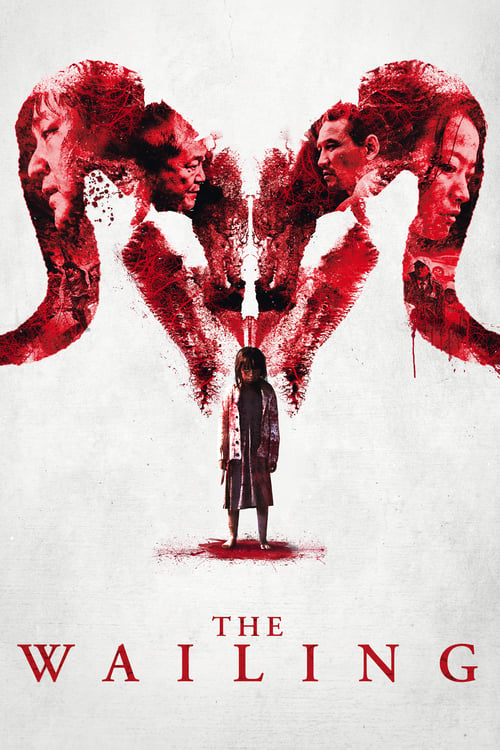
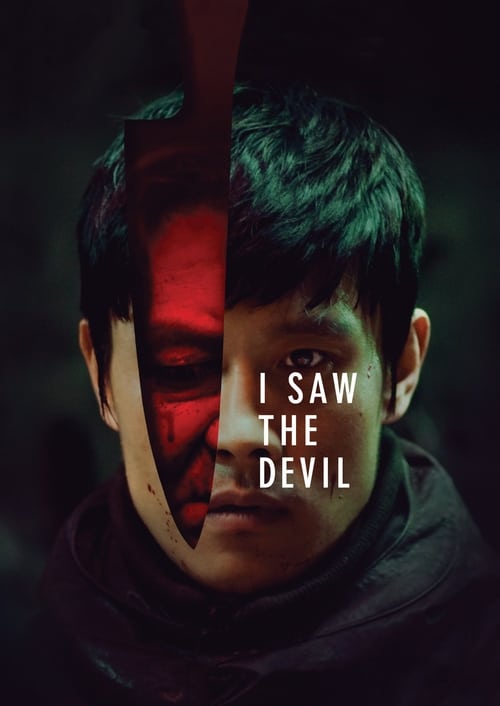
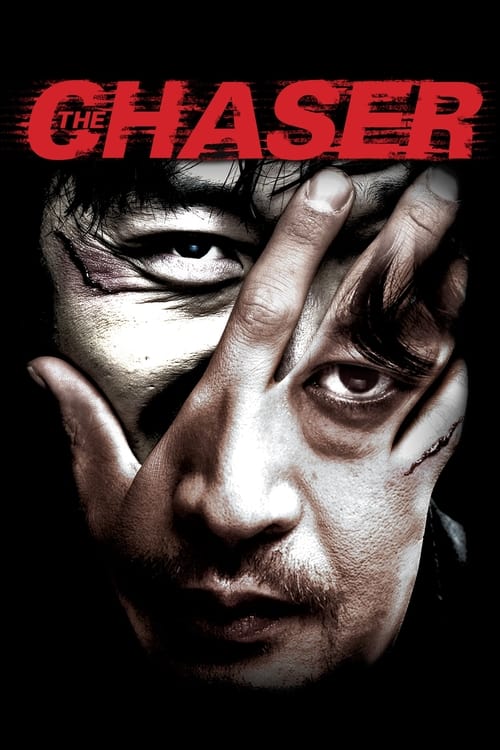

Revenge as Ruin
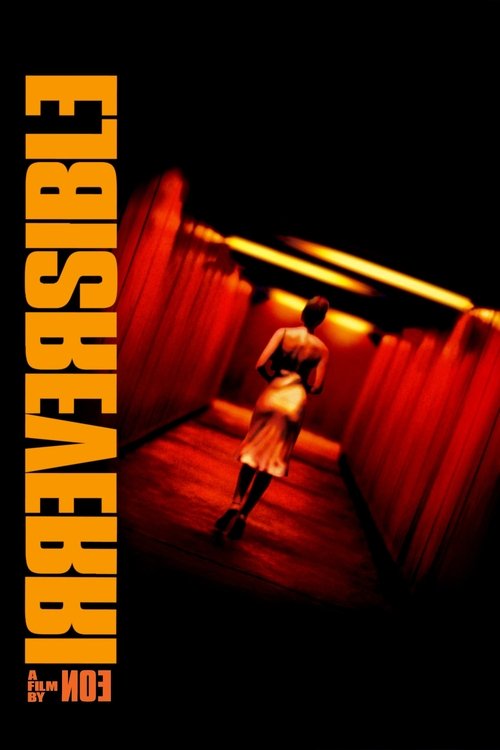
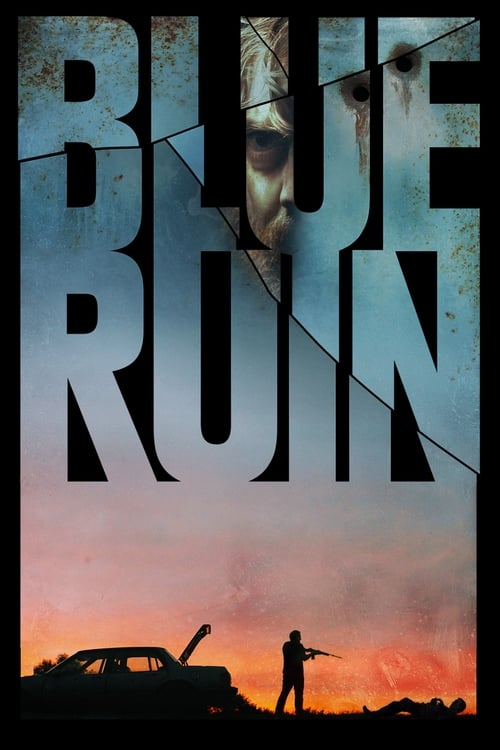
Films across world cinema where the pursuit of vengeance destroys the pursuer
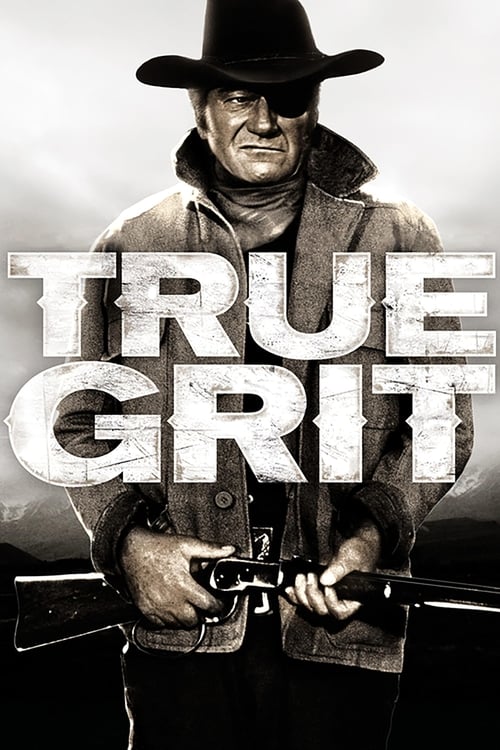
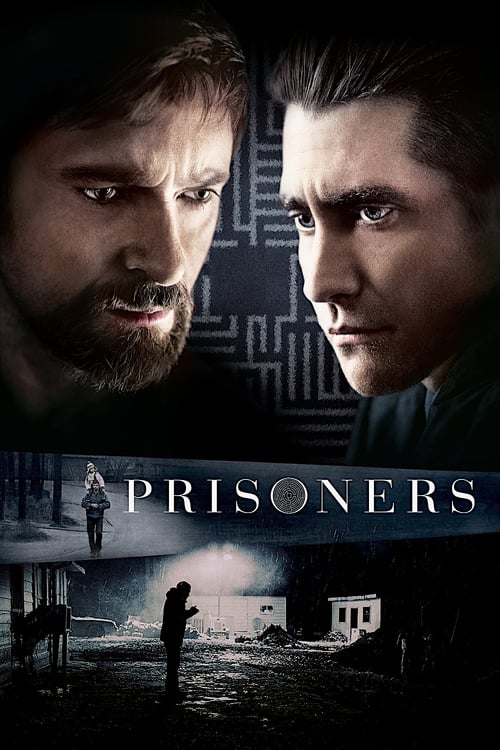
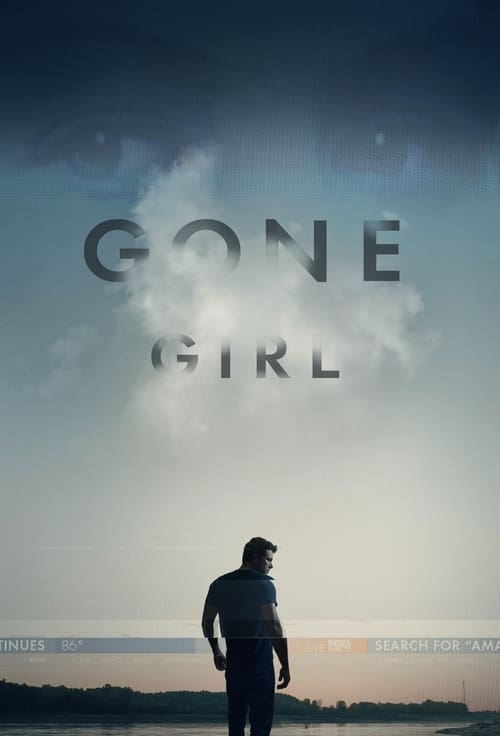
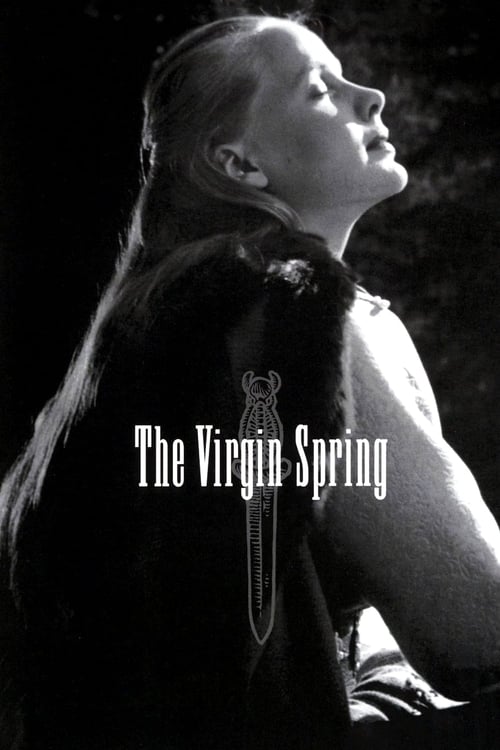

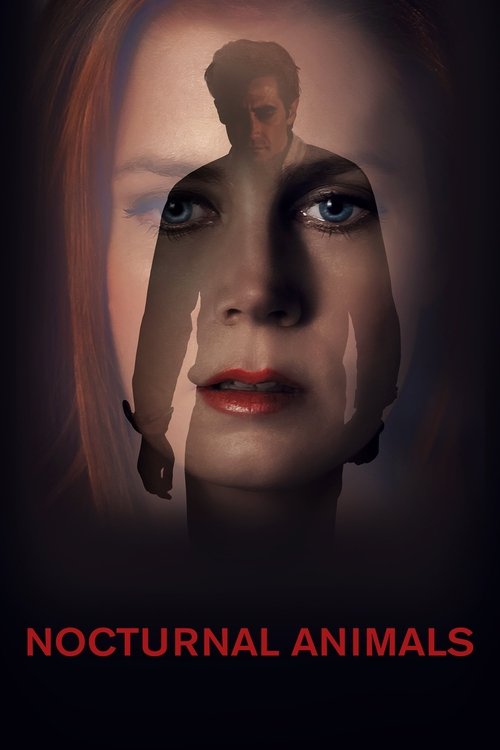
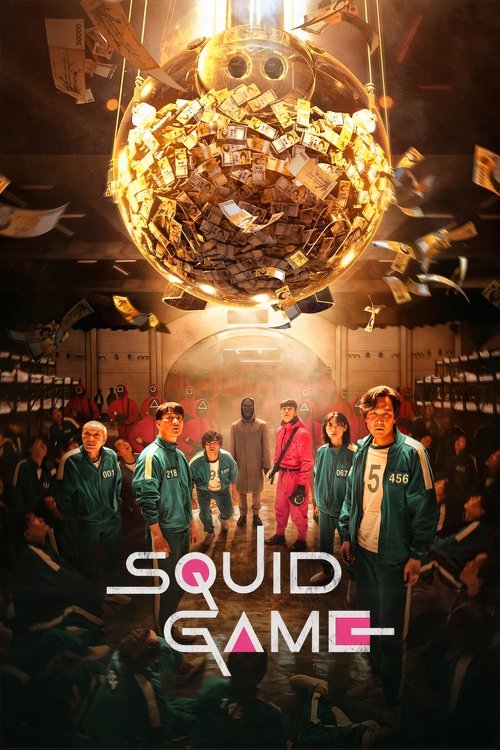
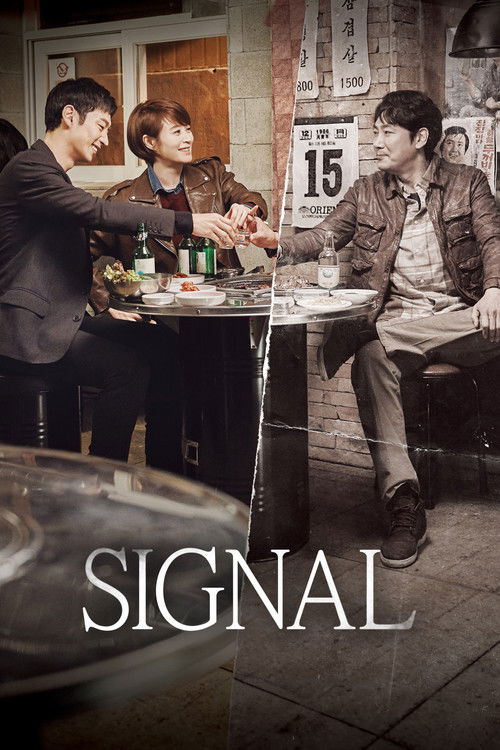
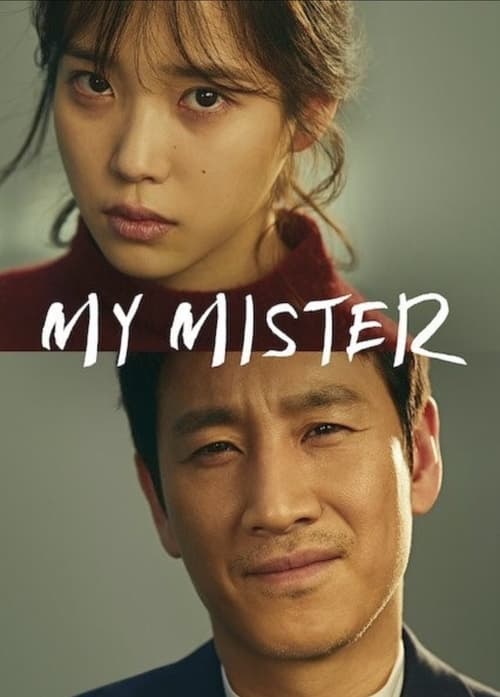
Series with the Same Controlled Dread
TV that matches Oldboy's slow-burn intensity and willingness to go somewhere genuinely dark


The Novels That Live in the Same Shadows
Fiction with Oldboy's labyrinthine plotting, moral vertigo, and payoffs that reframe everything before them


![The Count of Monte-Cristo [3/5]](https://is1-ssl.mzstatic.com/image/thumb/Publication123/v4/8b/b0/b0/8bb0b03a-3f80-e6cb-de7f-c74e0aaa4f7f/PD-The_Count_of_Monte_Cristo-Adj.jpg/1400x1400bb.jpg)


Games That Put You Inside the Trap
Games where the player is complicit, the story is a cage, and the ending reframes what came before
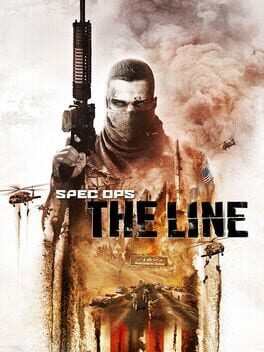
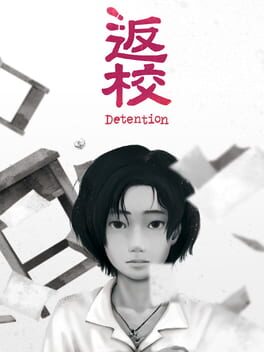
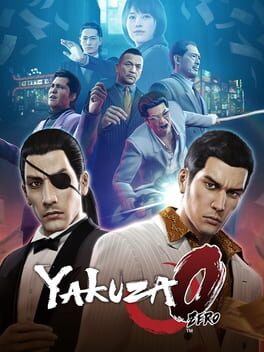
The Score and Its Kin
Cho Young-wuk's Oldboy soundtrack and music that carries the same weight of dread and melancholy
The Corridor Fight Is Not What You Think It Is
The hallway sequence in Oldboy is famous as a technical achievement: one extended take, no cuts, Park Chan-wook filming Choi Min-sik brawling through a narrow corridor while visibly exhausted. But its real power is thematic. Oh Dae-su keeps winning and keeps nearly collapsing. He does not feel heroic. He feels like a man running on nothing but compulsion. The fight is about the cost of continuing, not the thrill of it. That distinction is what separates Oldboy from action cinema that merely borrows its style.
Park Chan-wook Builds Films Like Locked Boxes
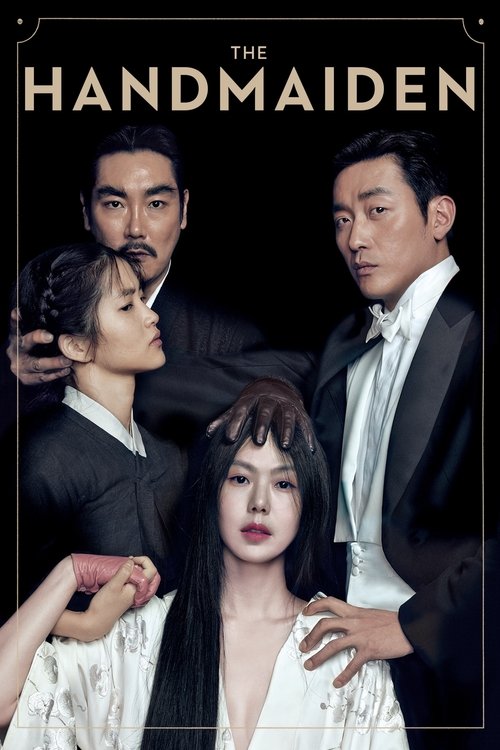
Every Park Chan-wook film contains information that only becomes legible on a second watch, because the first watch spends itself on what is apparently happening. The Handmaiden does this. Lady Vengeance does this. Oldboy does it most brutally. His screenplays are constructed backward from endings that force a reinterpretation of every scene before them, not as a gimmick but as a statement about how much we misread what is in front of us. He is one of the few directors where 'the twist' is genuinely inseparable from the theme.
The Manga Origin Is Worth Knowing
Oldboy is adapted from a Japanese manga by Garon Tsuchiya and Nobuaki Minegishi, serialized in the 1990s. Park Chan-wook has said he kept only the central premise and departed almost entirely from the source material's plot. The manga is worth reading for its own sake: quieter, more grounded in procedural detail, and with a very different conclusion. Comparing the two illuminates exactly what the director chose to amplify and what he chose to invent.
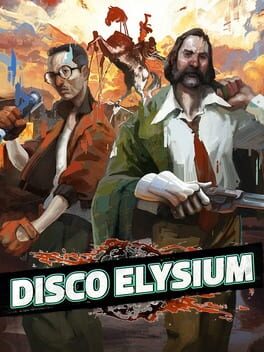
Disco Elysium Is the Closest a Game Gets to This Film
Disco Elysium puts you inside a man who has already destroyed himself before the story begins, and asks whether reconstruction is possible or just a new kind of self-deception. That is Oldboy's question too. Both works use a fractured memory structure, both refuse to let the protagonist off the hook for what he did, and both end in places that are simultaneously hopeful and devastating. Disco Elysium proves the feeling Oldboy generates is not exclusive to film.
Park Chan-wook: The Arc of a Career
- 1992Feature debut: Moon is the Sun's Dream
- 2000JSA: Joint Security Area establishes him internationally Joint Security Area
- 2002Sympathy for Mr. Vengeance opens the Vengeance Trilogy Sympathy for Mr. Vengeance
- 2003Oldboy wins the Grand Prix at Cannes Oldboy
- 2005Lady Vengeance closes the trilogy Lady Vengeance
- 2009Thirst: a vampire film that is really about desire and guilt Thirst
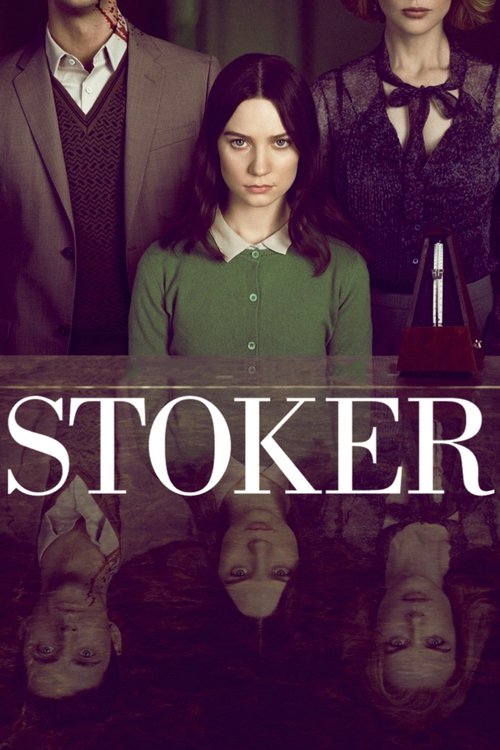
- 2013Stoker: English-language debut Stoker
- 2016The Handmaiden: widely considered his masterpiece alongside Oldboy The Handmaiden
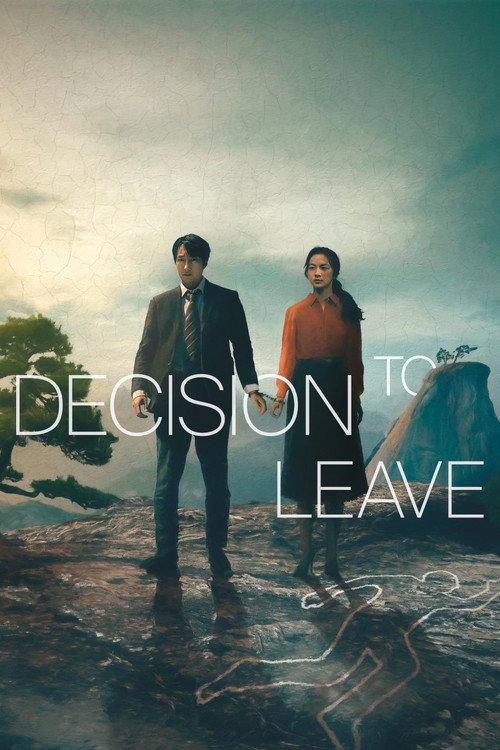
- 2022Decision to Leave: Hitchcock filtered through Korean restraint Decision to Leave
Revenge, ruin, Korean cinema
For Fans of Park Chan-wook
Explore the For Fans of Park Chan-wook guide →Even though I am no more than a monster, don't I, too, have the right to live?Oh Dae-su, Oldboy (2003)