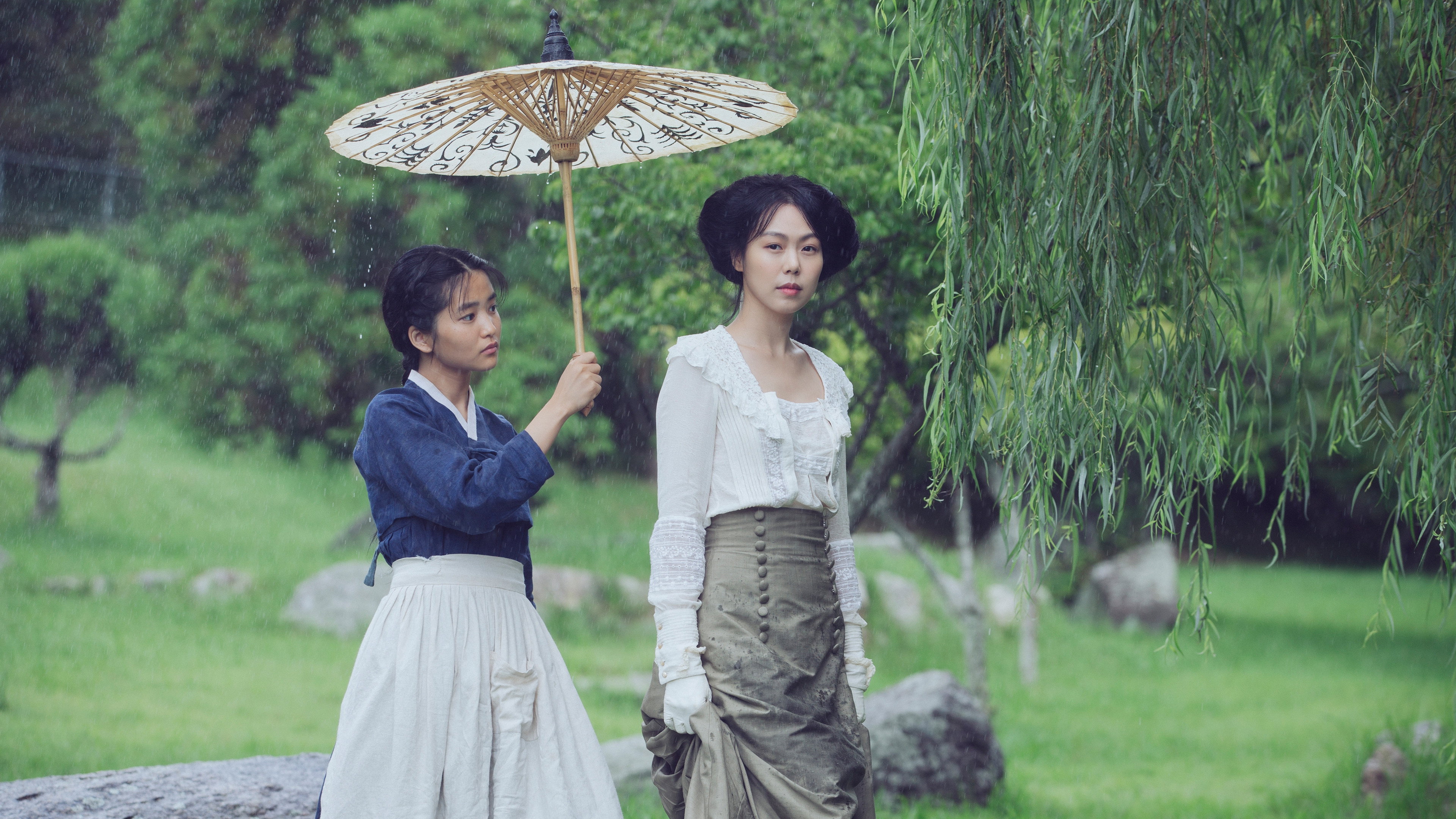

Park Chan-wook builds films that punish you for looking away. Over three decades and across two continents, he has refined a singular obsession: what happens to people when they are denied justice, denied love, or denied the truth about themselves. His camera is always gorgeous, his frames always composed with the patience of someone who knows you will want to pause and stare, and his stories always arrive at places that feel both inevitable and shattering. The Vengeance Trilogy made him famous. Thirst, The Handmaiden, and Decision to Leave proved the trilogy was not a phase. He is not a genre director borrowing style; he is a genuine auteur whose style IS the genre.
Essential Park Chan-wook
His own films, in order of release, from the work that introduced him to the world through to his most recent masterpiece.

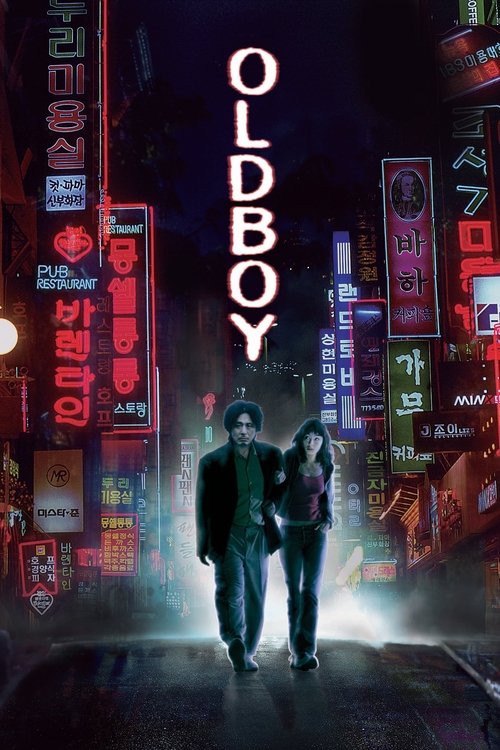
Oldboy is not the full picture
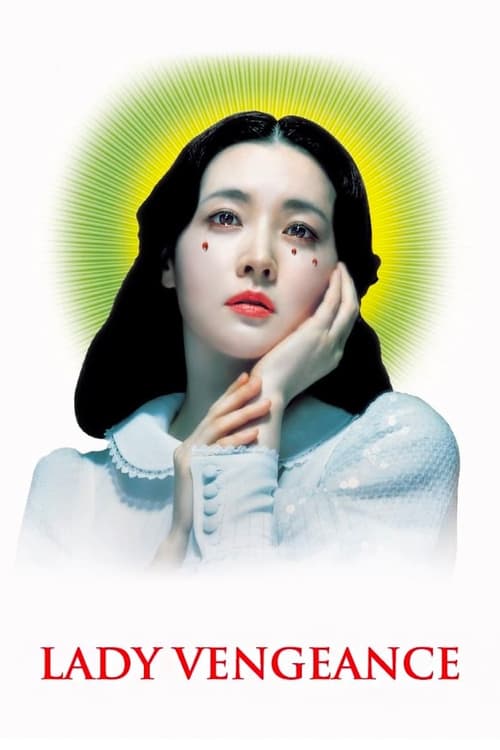
Oldboy broke through to Western audiences and became the shorthand for Korean extreme cinema, but it is the middle film of a trilogy, not a standalone monument. Sympathy for Mr. Vengeance, which comes before it, is quieter and arguably bleaker: a chain of tragedy where everyone acts from understandable motives and everyone ends up destroyed. Lady Vengeance, which follows, is the most formally inventive of the three, shifting register from horror to something closer to melancholy ritual. Watching all three back to back, you understand that Park's subject is not violence; it is the futility of revenge as a response to an indifferent world.
Same-vibe directors: the company he keeps
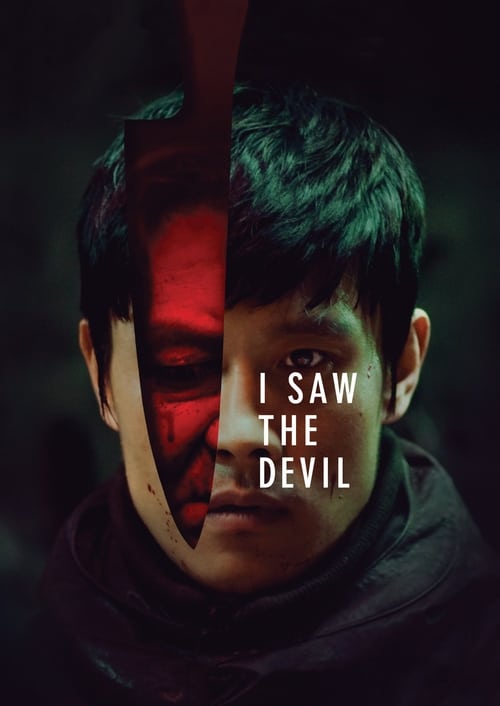
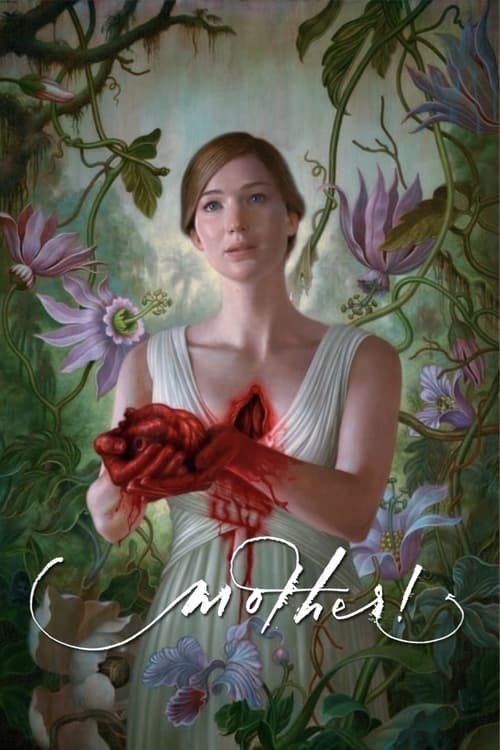
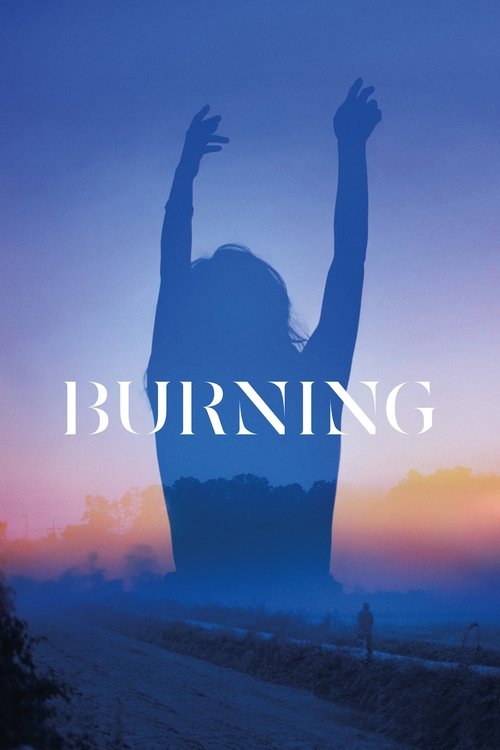
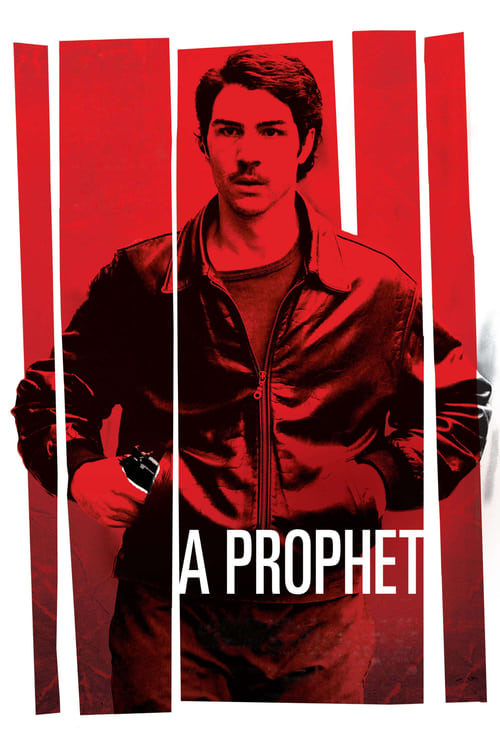
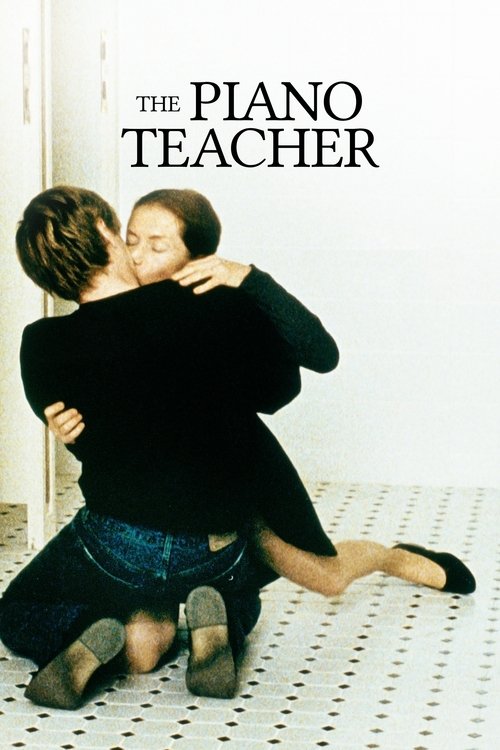
Korean auteurs and international peers who share his appetite for controlled excess, moral complexity, and cinema as visual argument.
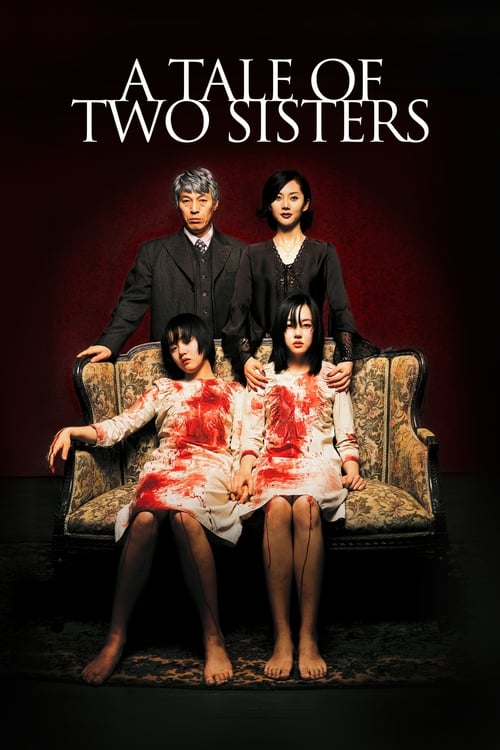
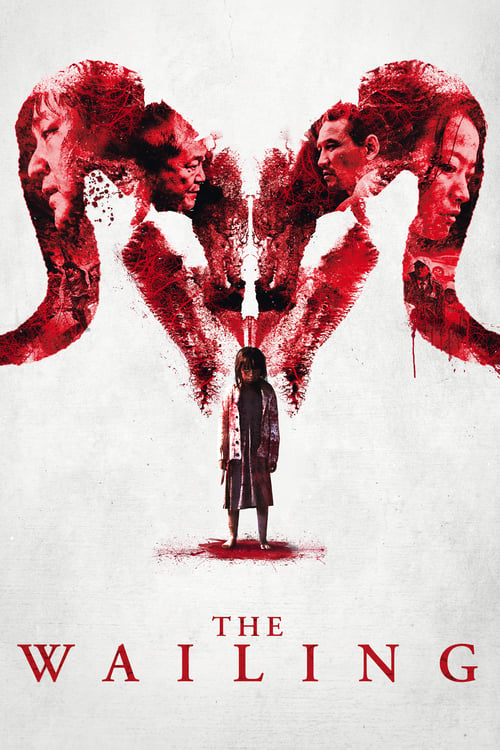
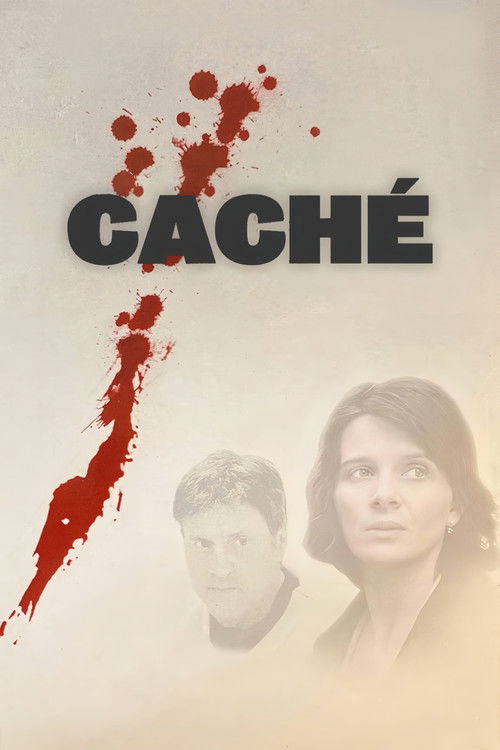
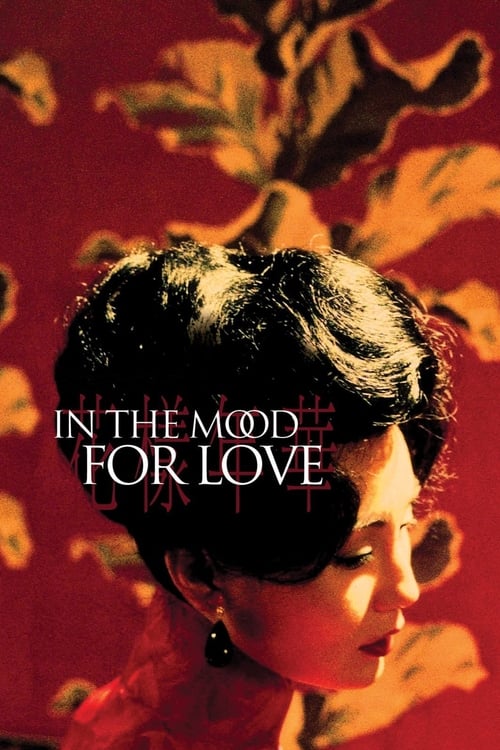

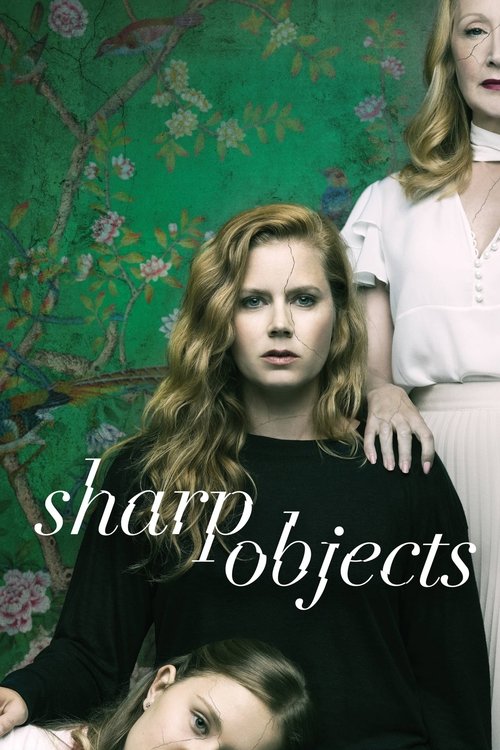
Series that share his DNA
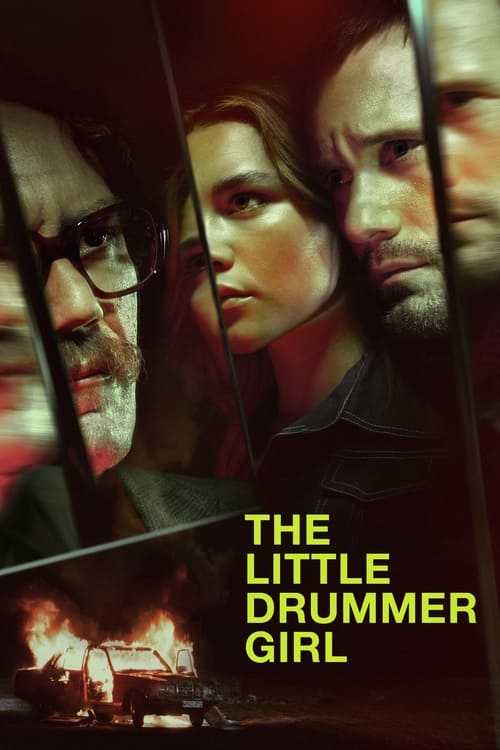
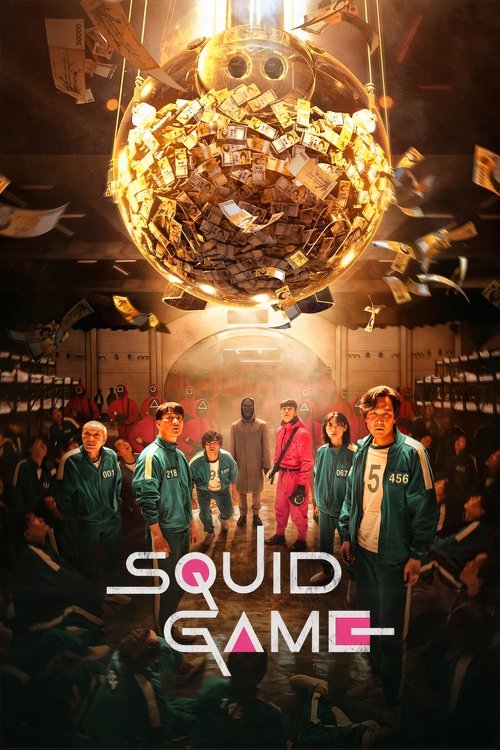
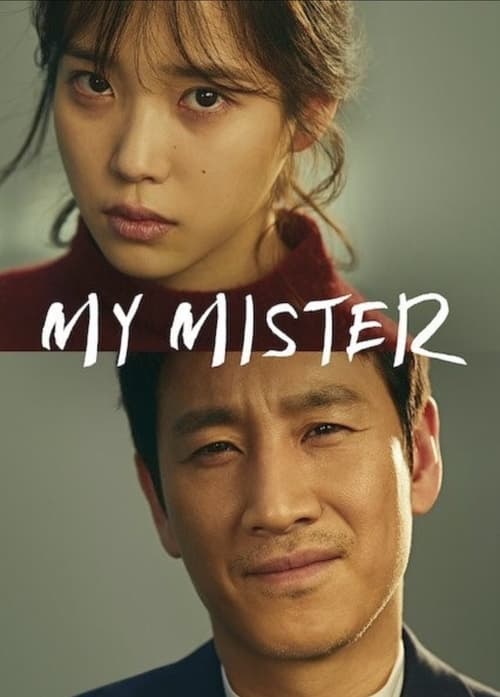
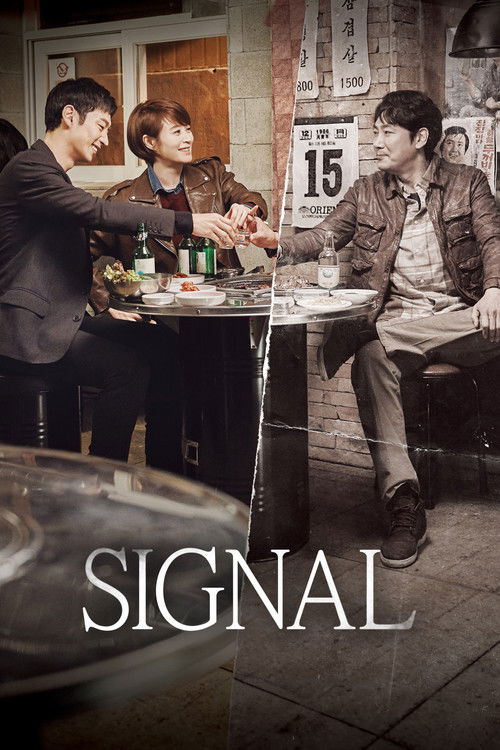
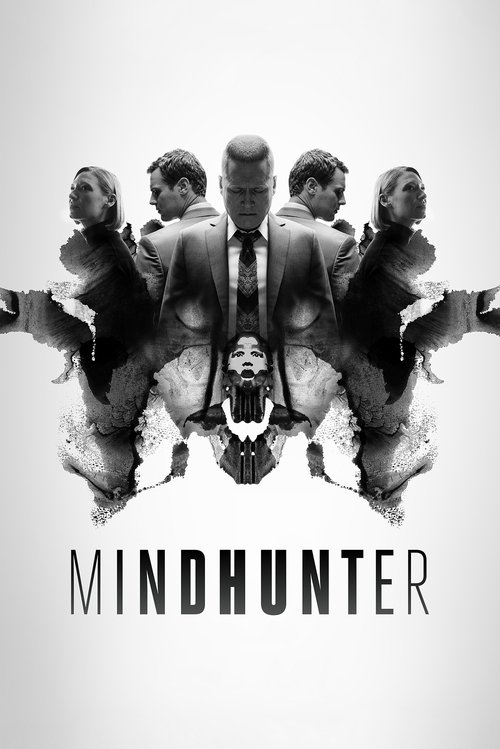
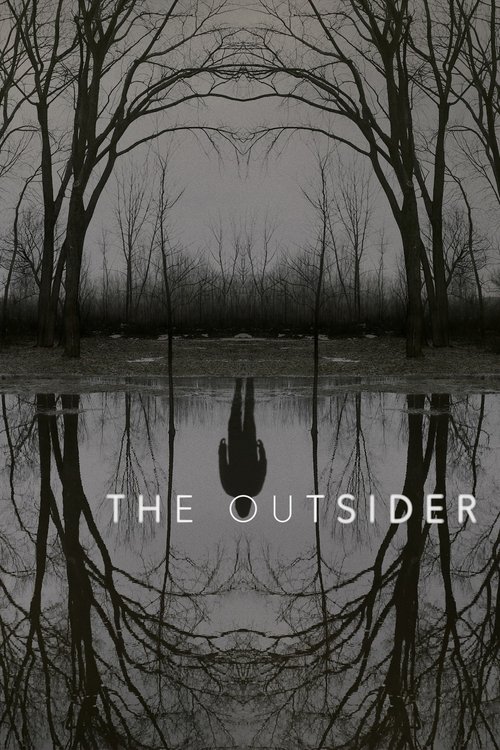
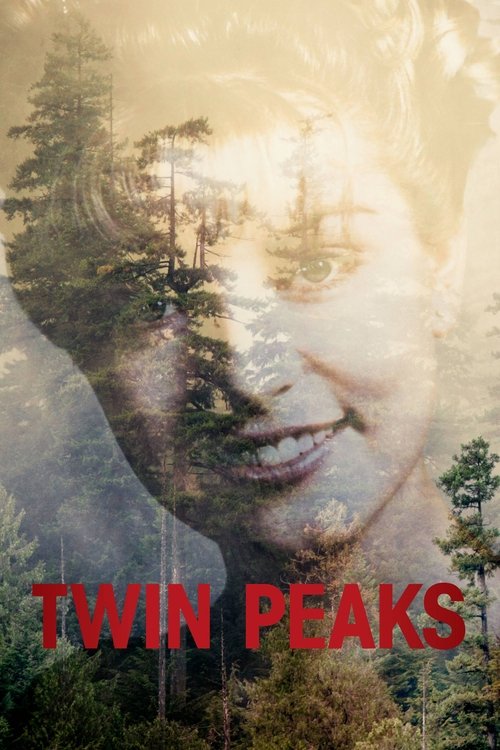
Television that operates with the same slow-burn dread, moral ambiguity, and visual precision.

The novels his films adapt or thematically rhyme with
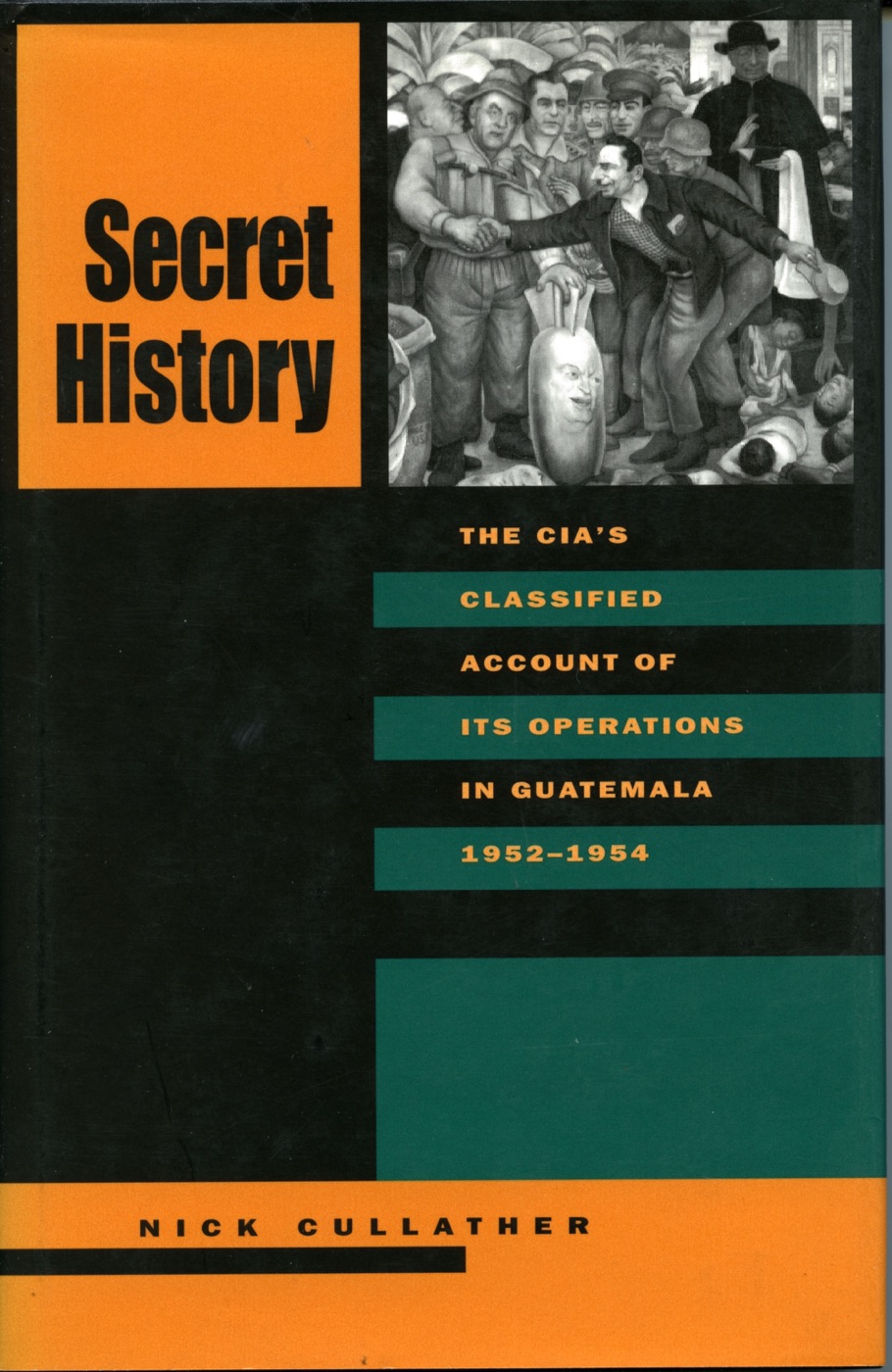
Source texts and literary companions: fiction that shares his obsession with guilt, obsession, and the corrosive mechanics of desire.


![The Count of Monte-Cristo [3/5]](https://is1-ssl.mzstatic.com/image/thumb/Publication123/v4/8b/b0/b0/8bb0b03a-3f80-e6cb-de7f-c74e0aaa4f7f/PD-The_Count_of_Monte_Cristo-Adj.jpg/1400x1400bb.jpg)


The Handmaiden is the pivot point
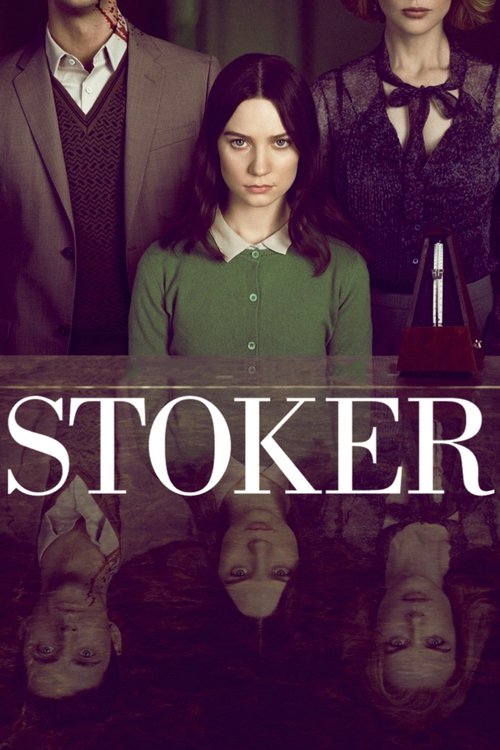
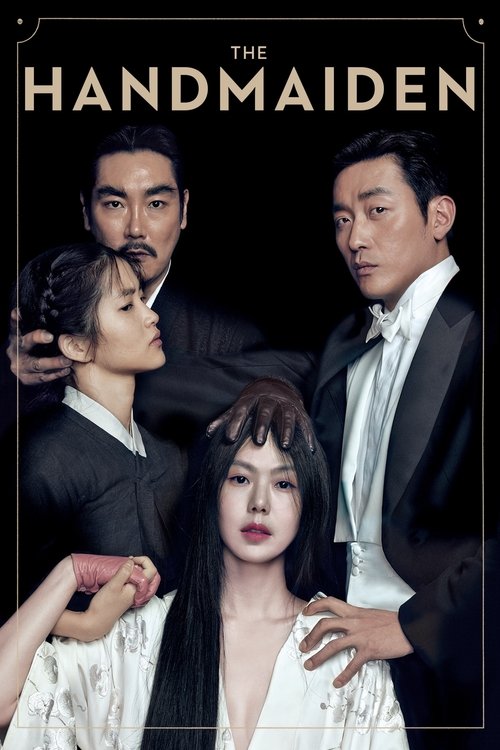
After Stoker, Park's English-language foray that divided opinion, The Handmaiden arrived as the definitive proof that his early extreme-cinema work and his later elegance were always the same project. Adapted from Sarah Waters's Fingersmith and relocated to Japanese-occupied Korea, it is simultaneously a period erotic thriller, a heist film, and a love story, told in interlocking chapters that reframe every scene you thought you understood. It is the film where his control of information and his control of image feel perfectly unified. Nothing is wasted; every visual rhyme lands.
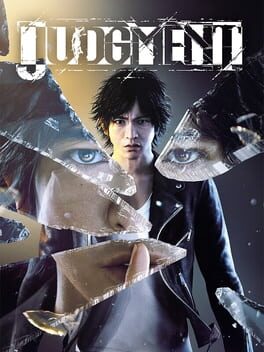
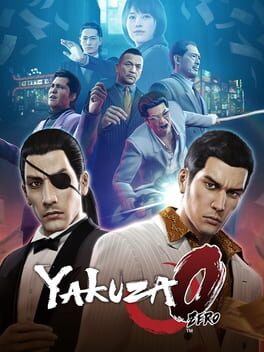
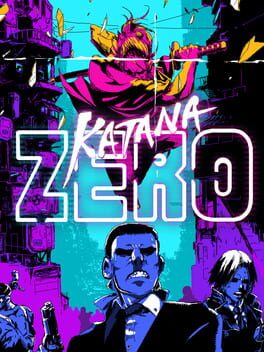
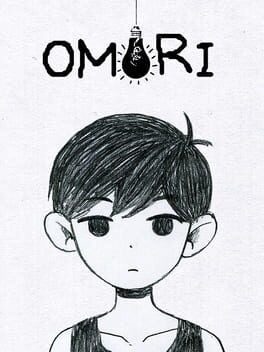
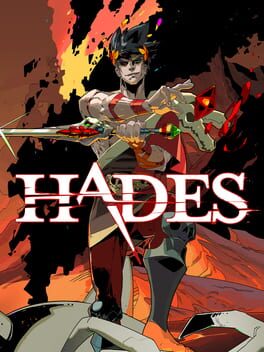
Games that share his aesthetic and themes
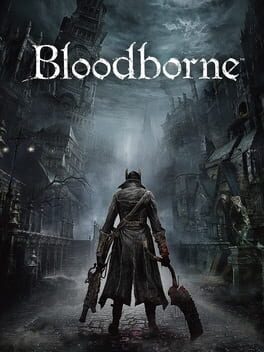
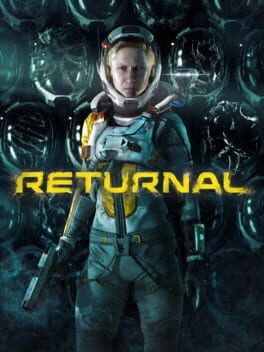
Games built on moral ambiguity, psychological pressure, and worlds where every choice carries weight.
Decision to Leave is his most mature film
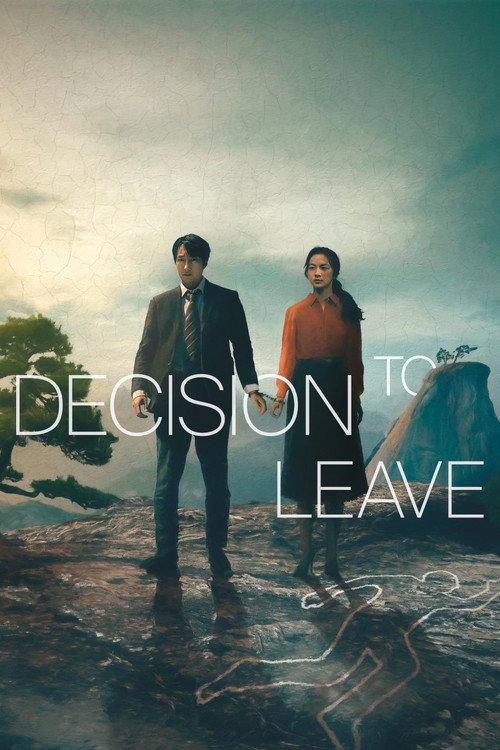
Decision to Leave arrived in 2022 as a film that baffled some critics expecting another extreme-cinema provocation and rewarded everyone else. It is a slow-cinema romance and detective story where the obsession is entirely emotional: a detective who cannot stop being drawn to the woman who may have killed her husband. Park restrains his most flamboyant instincts here. The camera still moves with precision, but the film's engine is two performances and the devastating logic of attraction to someone you know is dangerous. It is the film of a director who no longer needs to prove anything, and it is his best.
Park Chan-wook: a career in context
- 1992Debut feature Moon Is the Sun's Dream
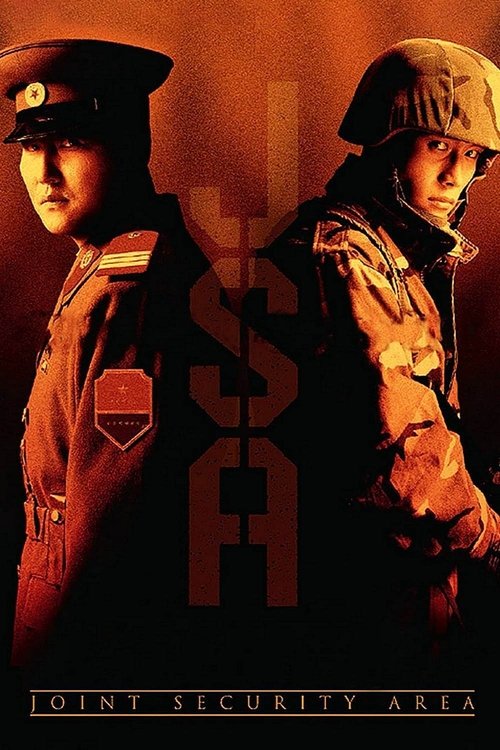
- 2000JSA breaks Korean box-office records Joint Security Area
- 2002Vengeance Trilogy begins Sympathy for Mr. Vengeance
- 2003Oldboy wins Cannes Grand Prix Oldboy
- 2005Trilogy closes with Lady Vengeance Lady Vengeance
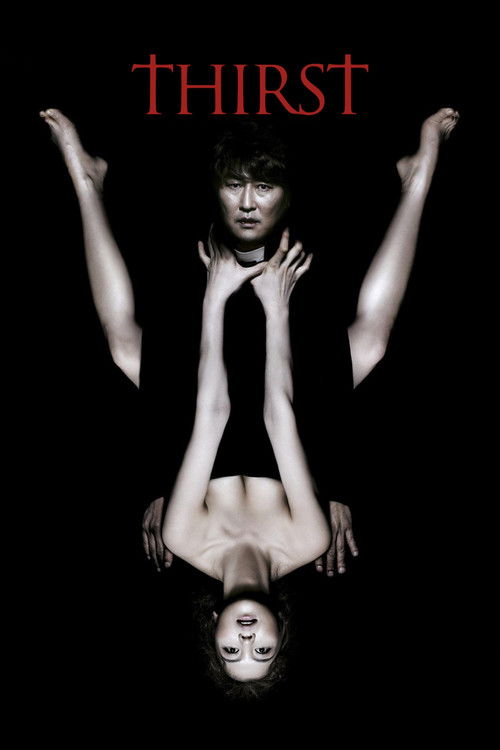
- 2009Thirst: vampire film wins Cannes Jury Prize Thirst
- 2013English-language debut with Stoker Stoker
- 2016The Handmaiden premieres at Cannes The Handmaiden
- 2018Television: The Little Drummer Girl for BBC/AMC The Little Drummer Girl
- 2022Decision to Leave: Best Director at Cannes Decision to Leave
Vengeance, moral vertigo, Korean cinema
For Fans of Oldboy
Explore the For Fans of Oldboy guide →Park Chan-wook does not ask you to sympathize with his characters. He asks you to understand how they got here, and by the time you do, you realize you already sympathize.CrossBinge