
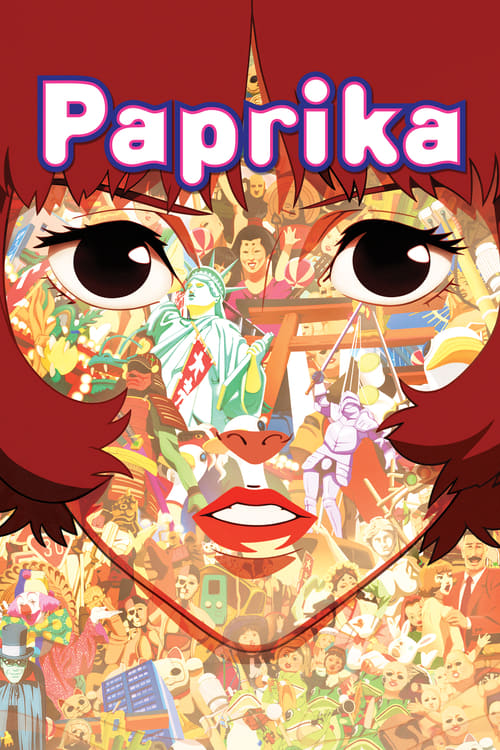
Paprika (2006) is Satoshi Kon's final completed feature, and the most dazzling argument he ever made that animation can go places live-action cannot. Dr. Atsuko Chiba uses an experimental device called the DC Mini to enter patients' dreams as her alter ego, Paprika, a fearless guide through the unconscious. When the device is stolen and one man's obsessive parade-dream begins infecting waking reality, Kon turns the collapse of perception into a riot of imagery: film posters peeling to reveal new film posters, furniture marching in lockstep, a frog chorus swallowing a city block. What fans chase is not just the spectacle but the specific feeling of a mind under pressure from its own images, the sense that desire and fear have learned to navigate by their own logic. Yasuhiro Takemoto's screenplay (from Yasutaka Tsutsui's novel) asks whether the dream police can protect us from our own heads, and Kon refuses to give a reassuring answer. The score by Susumu Hirasawa makes the whole thing pulse like a fever that wants to be a party.
Essential Satoshi Kon
His own films, which together form one of animation's most consistent artistic visions
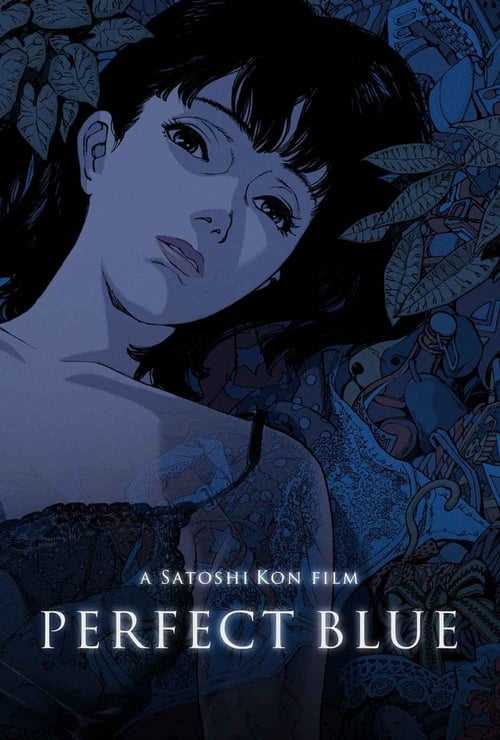
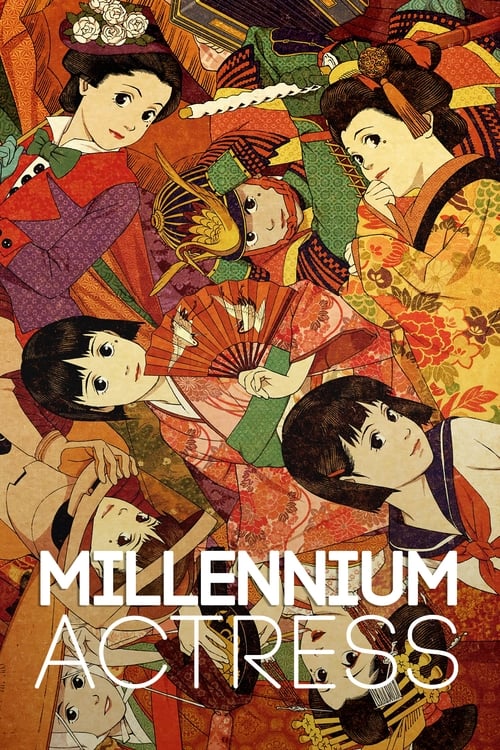
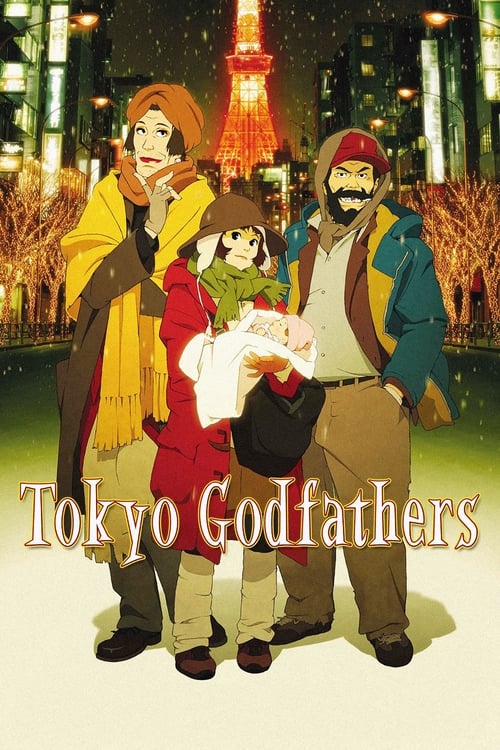
Same Dizzying Dream Logic: Films
Features that treat the boundary between inner and outer worlds as a place to work inside, not a line to cross once

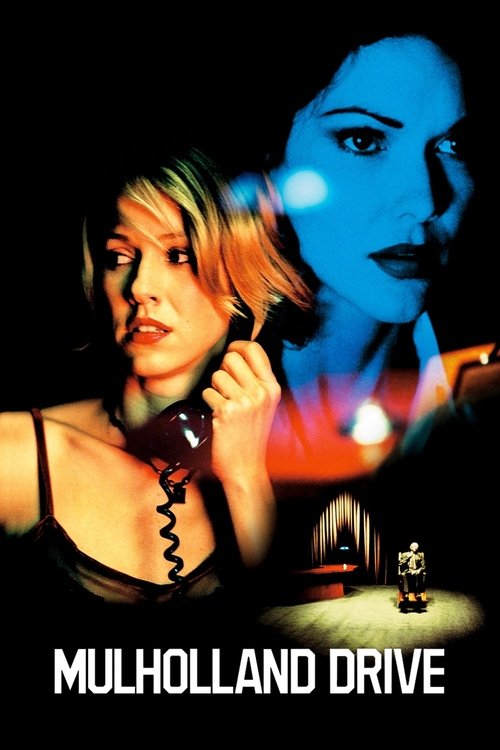
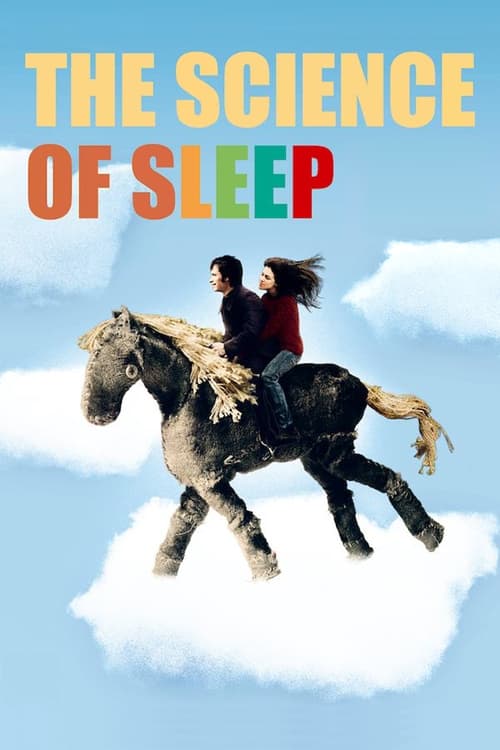
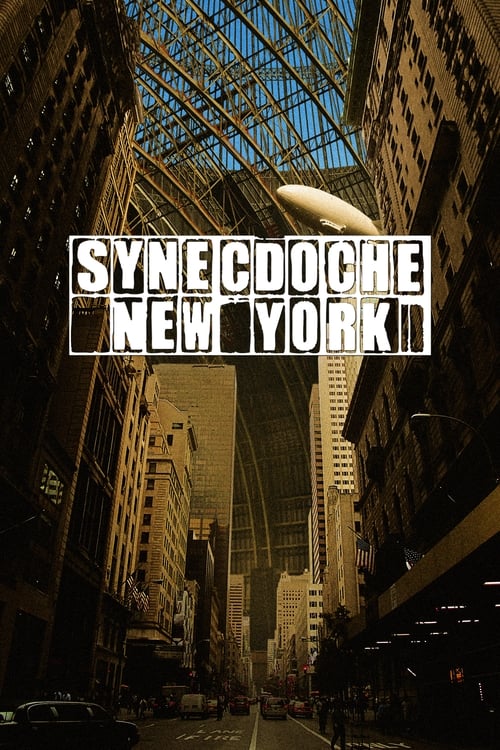

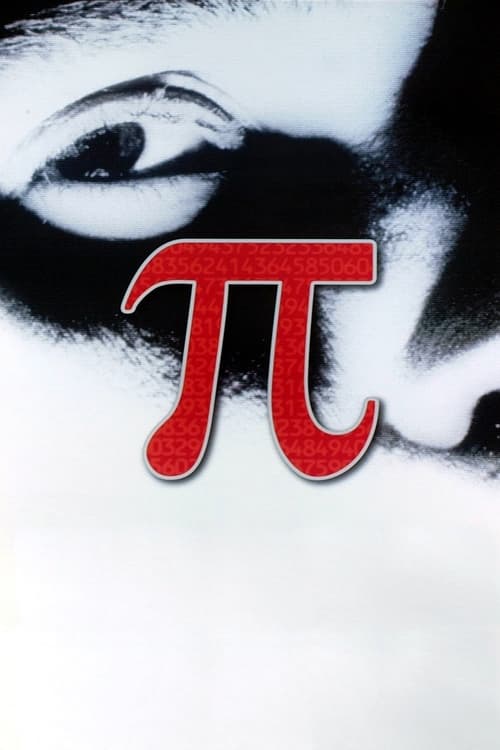

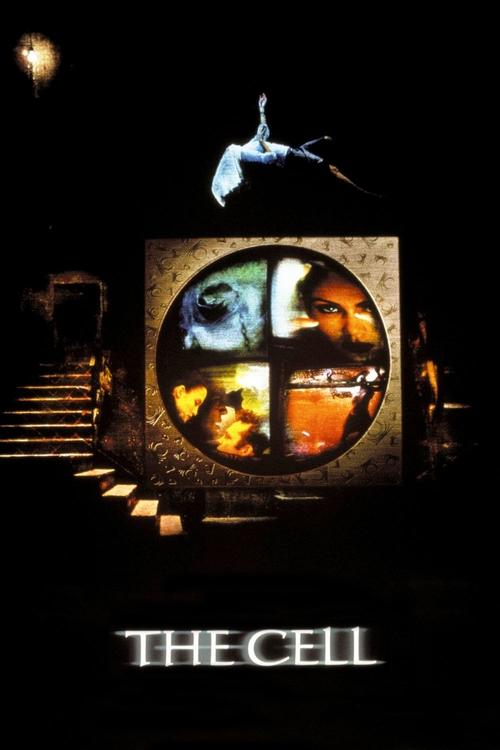
Surreal Minds on Screen: Series
TV that folds psychology, perception, and unreality into its structure the same way Paprika folds dreams

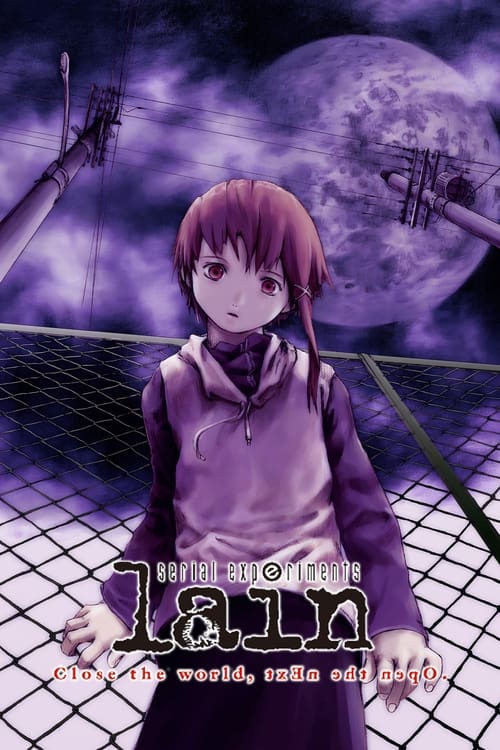
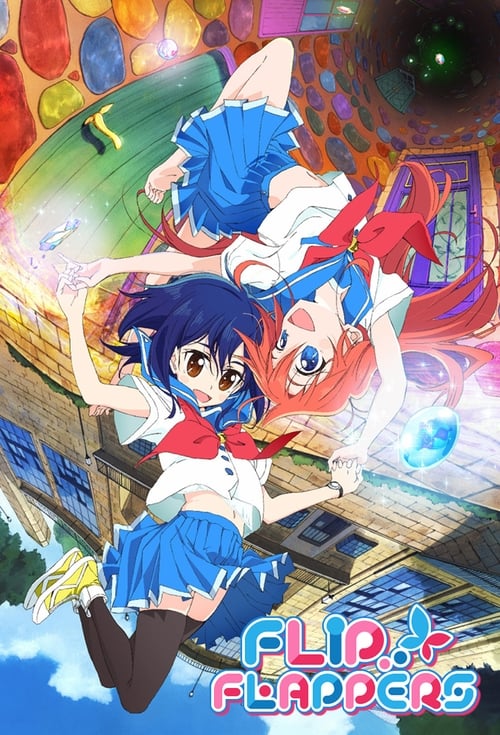
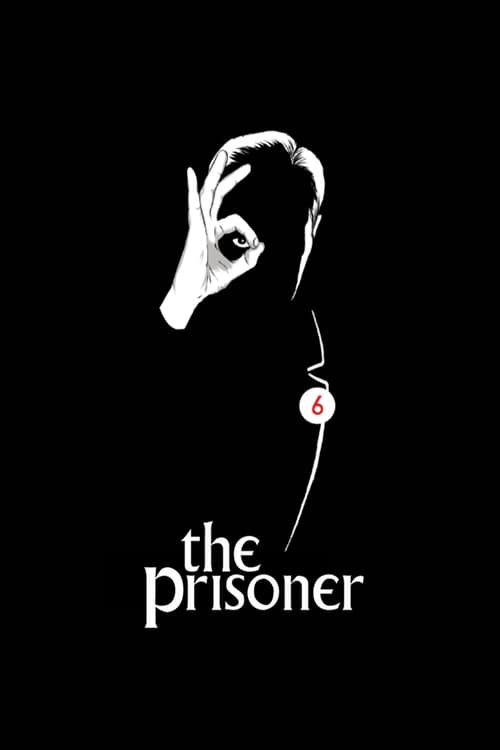


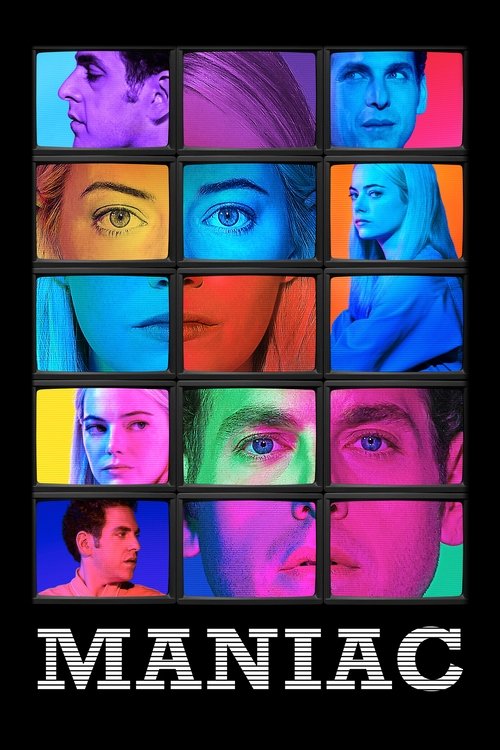
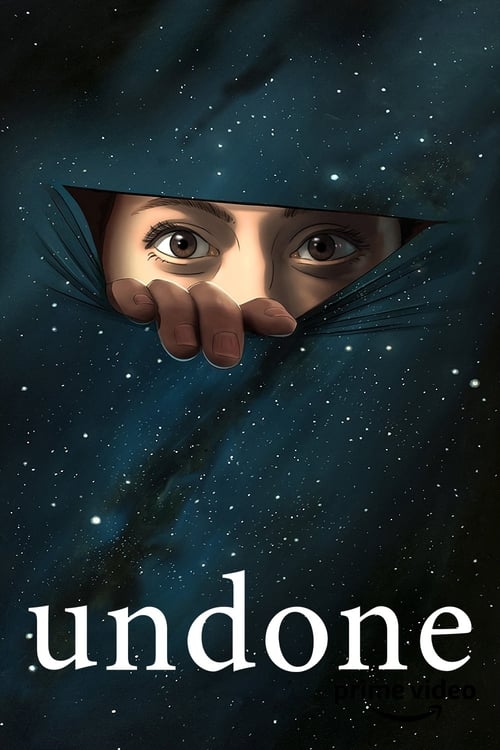
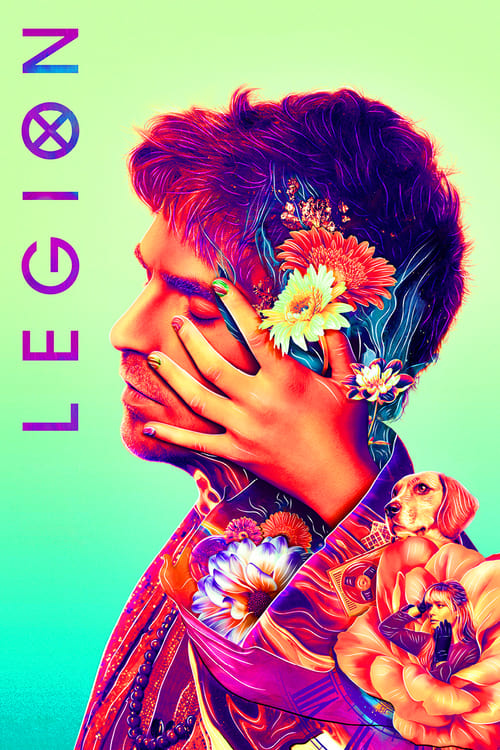
Source Novel and Its Psychedelic Kin: Books
The novel Paprika adapts, plus fiction that shares its obsession with consciousness, dream-space, and the unstable self


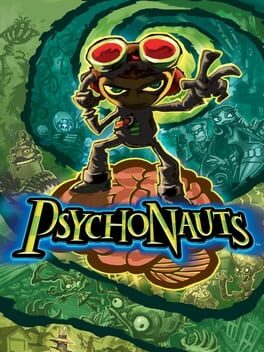
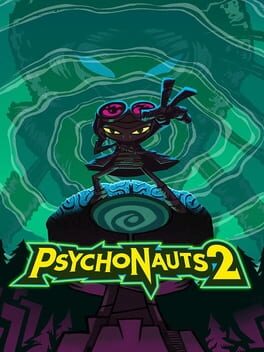
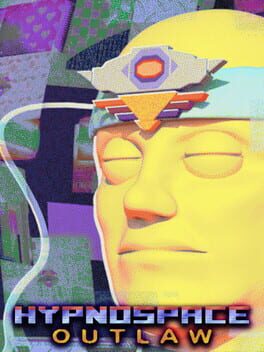
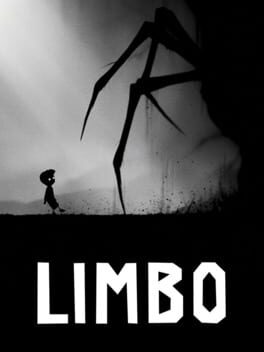
Games That Play Inside Your Head
Games built around shifting reality, dream architecture, and the unreliable narrator of your own mind


Kon Invented a Grammar That Hollywood Borrowed
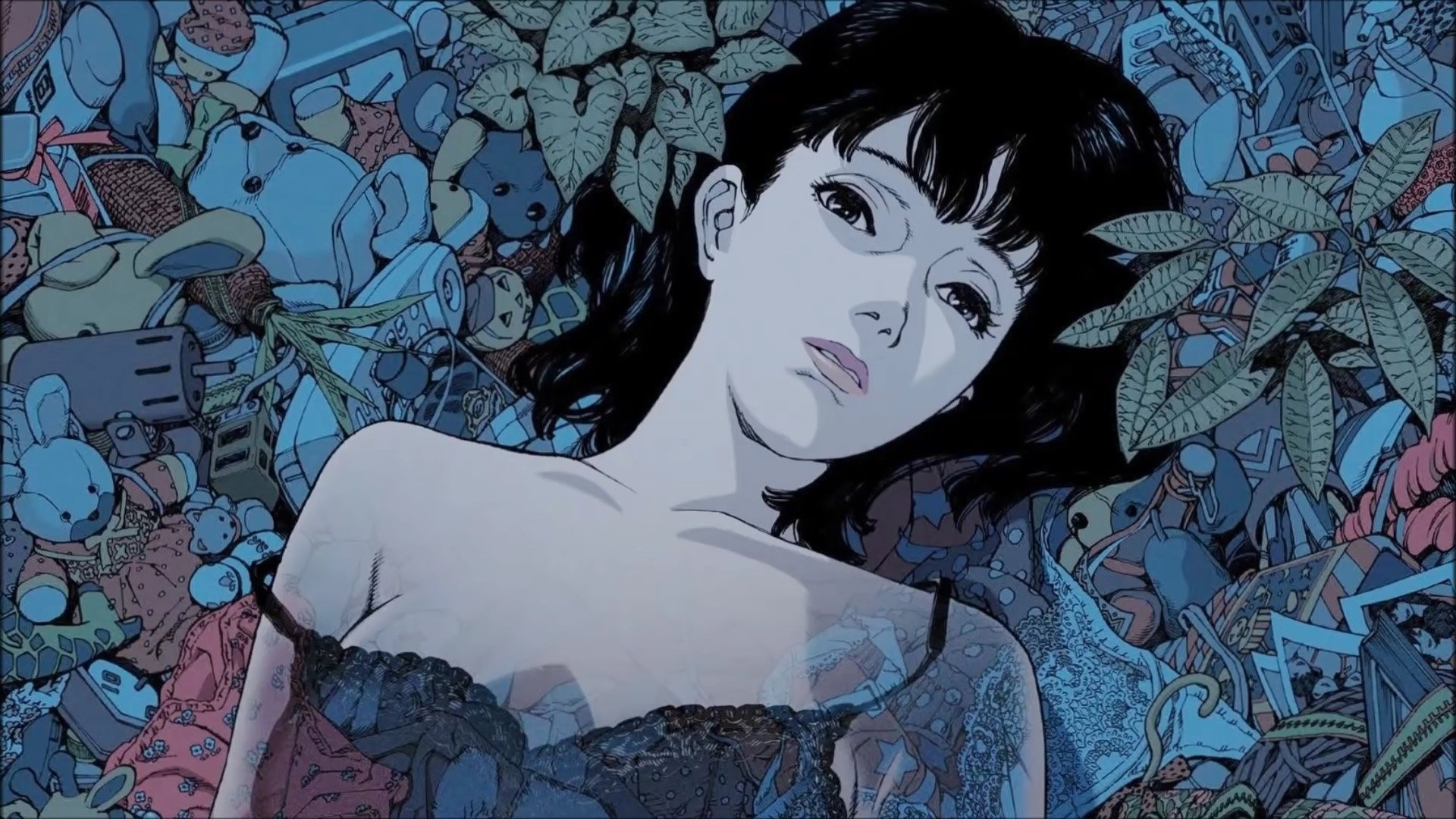
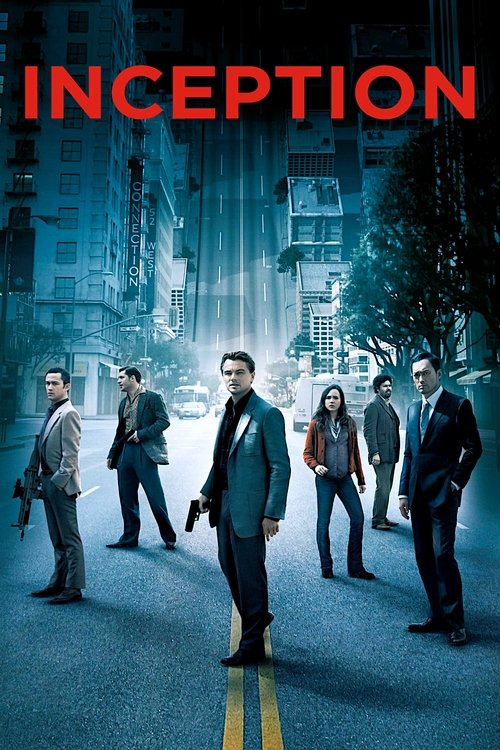
Christopher Nolan has acknowledged Paprika as an influence on Inception, and the scene where Chiba chases Paprika through a sequence of film posters is a direct ancestor of Inception's corridor fight. But where Nolan uses dream logic to construct puzzle-box plotting, Kon uses it to explore identity fracture. Perfect Blue established the template: a woman who performs a version of herself for others begins losing the boundary between performance and self. Paprika refines it, turning the question outward into society. The DC Mini is a technology that promises access to the unconscious but becomes a weapon for those who want to rewrite what other people believe is real. The politics of that are sharper now than in 2006.
The Parade Is the Point
Paprika's recurring parade sequence, furniture and appliances and Buddha statues and frogs marching to Hirasawa's theme, is not just an aesthetic set piece. It is the Id made visible: collective human desire and collective human dread merged into one unstoppable procession. Kon drew on his own experience of Japanese festival culture (the matsuri, the festival float, the communal trance of the parade) and pushed it into nightmare. The sequence gets bigger each time you see it because it keeps absorbing more, and so does the film. What starts as a thriller about a stolen device ends as a film about whether any self is finally stable or whether we are all one bad night away from the parade consuming us.
Animation as the Only Honest Medium for the Mind
Live-action filmmakers who want to show dream states reach for lens distortion, slow motion, color grading. Kon did not need those prostheses. Animation lets him cut between a hallway and a labyrinth in a single frame, lets a reflection step out of a mirror without a seam, lets a character's face bloom into something inhuman and then contract back into someone recognizable. This is what Satoshi Kon understood before almost anyone else in theatrical animation outside Miyazaki: the drawn image is not constrained by physics, and when your subject is the human mind, that is not a limitation lifted, it is the point. Paprika is the fullest realization of that principle.
Satoshi Kon and the Films That Shaped This World
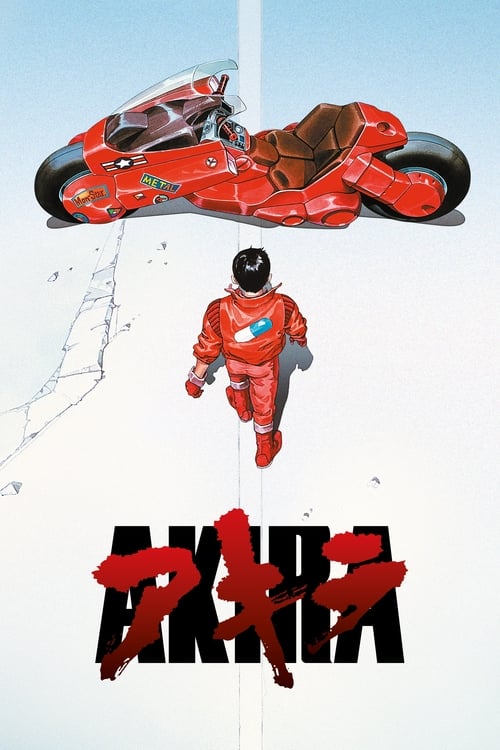
- 1988Akira redefines what theatrical animation can look like, establishing a visual language for cyberpunk Japan that Kon will later riff on and subvert. Akira
- 1995Ghost in the Shell asks whether a constructed self is still a self, laying philosophical groundwork Paprika will revisit from a different angle. Ghost in the Shell
- 1997Perfect Blue, Kon's feature debut, introduces his signature device: a woman performing an identity until she can no longer find the original. Perfect Blue
- 2001Millennium Actress folds time and cinema history into one woman's life, building Kon's grammar of seamless temporal cuts. Millennium Actress
- 2003Paranoia Agent, Kon's TV series, extends his themes of collective delusion and shared unreality across twelve episodes. Paranoia Agent
- 2003Tokyo Godfathers, Kon's most grounded film, proves the formal control is a choice, not a limitation. Tokyo Godfathers
- 2006Paprika, adapted from Yasutaka Tsutsui's 1993 novel, synthesizes everything Kon had built and pushes it further into spectacle and dread. Paprika
- 2010Inception, released four years later, acknowledges Paprika as a touchstone for its own dream-architecture approach. Inception
Dreams, memory, and surreal animation
For Fans of Satoshi Kon
Explore the For Fans of Satoshi Kon guide →A dream is the answer to a question you haven't learned to ask yet.Paprika (2006)