
Satoshi Kon made only four feature films and one TV series before his death in 2010, yet his influence on world cinema is disproportionate to that small body of work. His films fold reality back on itself: performers who lose the boundary between role and self, fans whose devotion warps into something dangerous, dreamers who can no longer locate the exit. The feeling fans chase is a particular kind of vertigo, the moment when you realize the floor you were standing on was also a screen. If that sensation thrills you, what follows is your map.
Essential Satoshi Kon
The four features and the series, ranked for a first encounter

Directors Who Distort Reality the Same Way
Films by auteurs who share Kon's obsession with layered perception and unstable identity



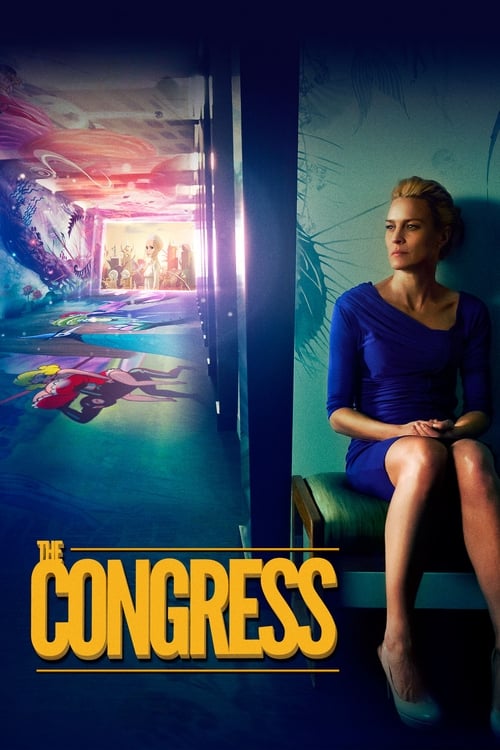

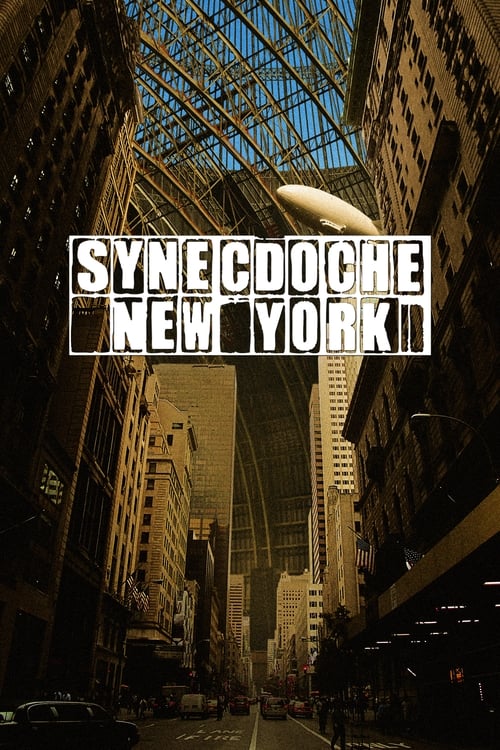
Series That Fracture Identity and Perception
TV that puts the same psychological pressure on its characters and viewers

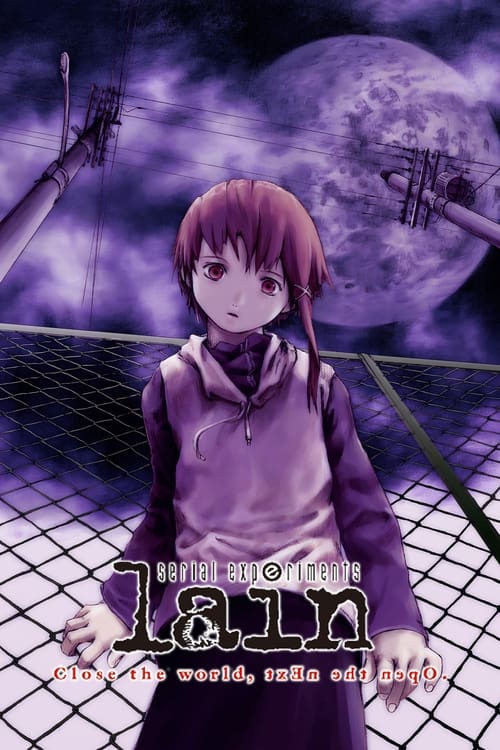

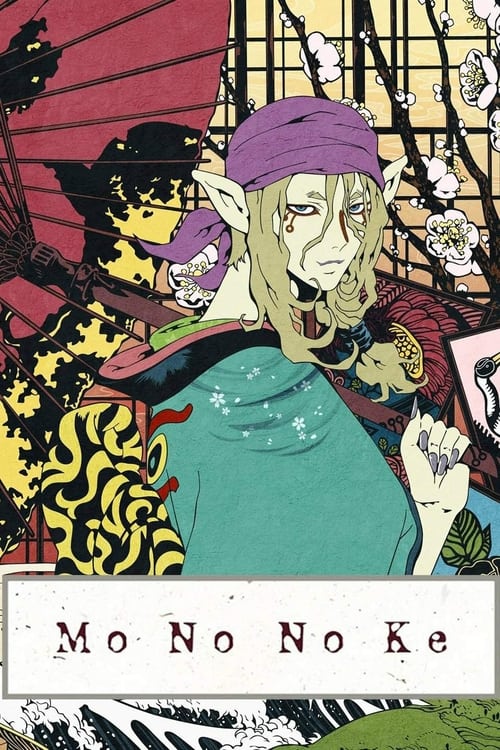



Books That Live in the Same Headspace
Novels and manga where the self splinters and reality refuses to hold still


Games That Blur the Line Between Dream and Play
Experiences that treat perception, memory, and identity as gameplay material



Perfect Blue Is a Horror Film About Fame, Not Ghosts
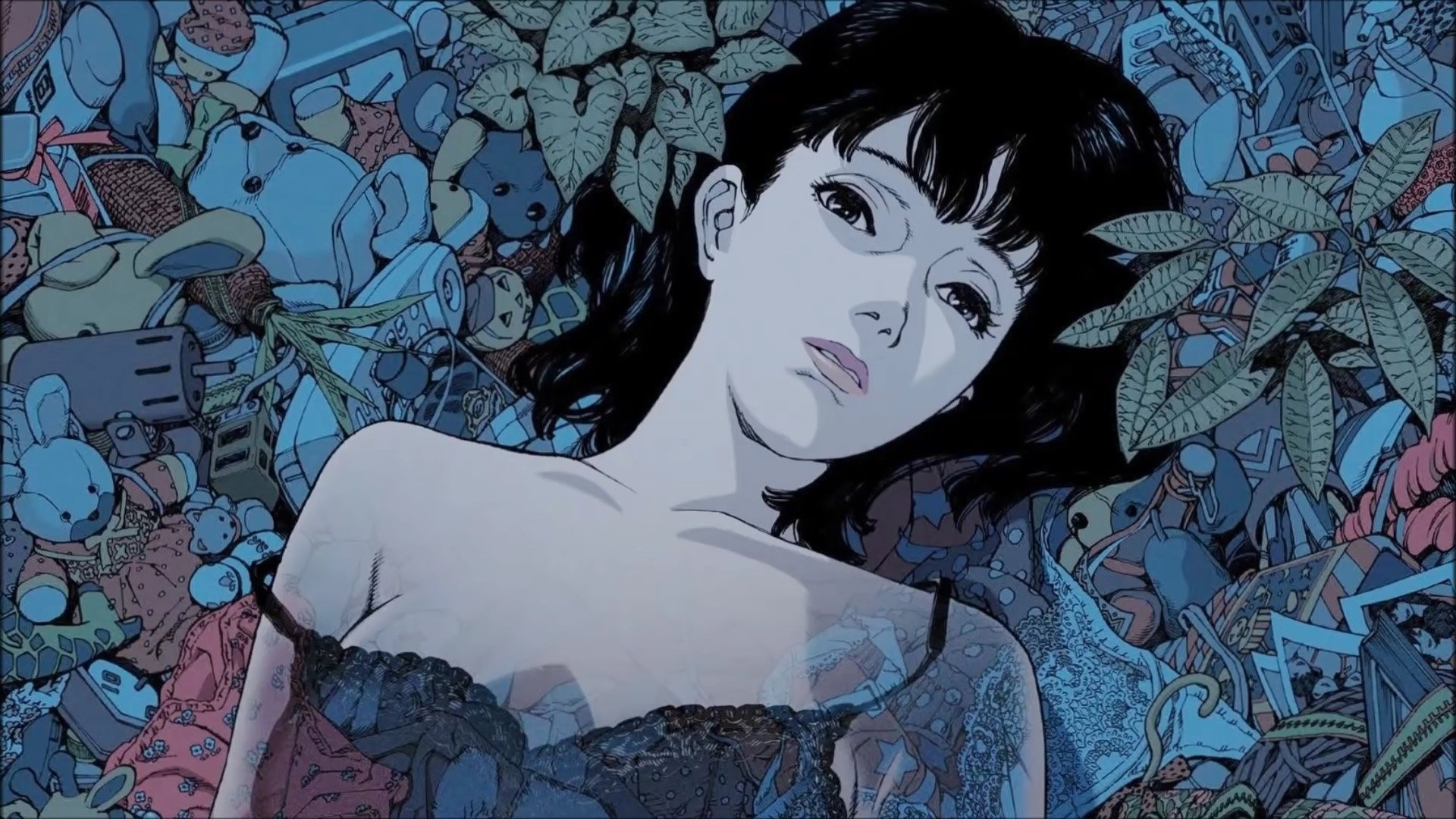
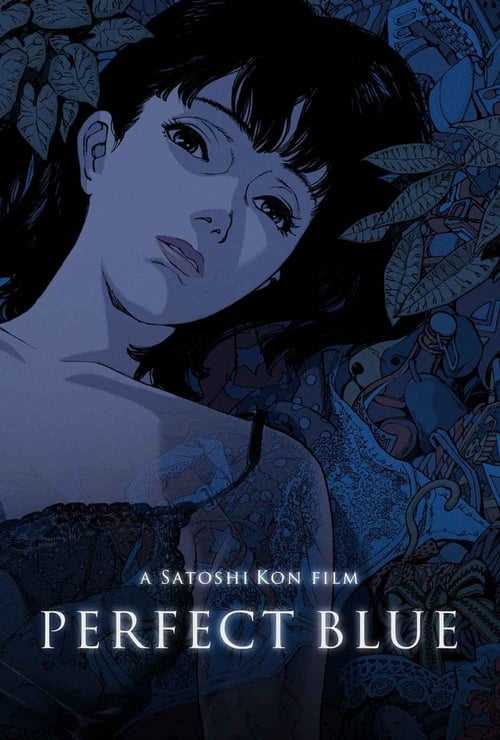
Perfect Blue is regularly described as a psychological thriller, which is accurate but undersells it. It is a horror film about what celebrity does to a person's sense of self, and what a certain kind of fan does to a celebrity's sense of safety. Kon was working from Yoshikazu Takeuchi's novel, but the film transcends its source: the sequence edits alone, collapsing Mima's film role into her actual life, are among the most formally inventive in 1990s cinema. Darren Aronofsky bought the rights partly to rotoscope the bathtub scene for Requiem for a Dream. That is the level of craft here.
Paprika Invented a Visual Language That Inception Borrowed
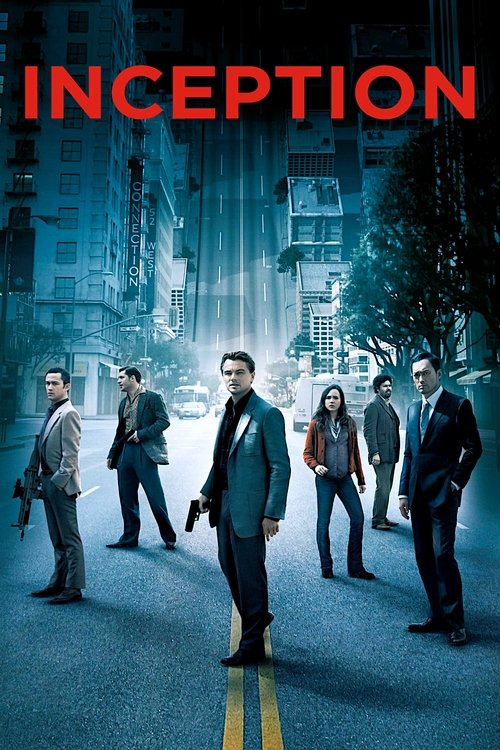
Kon adapted Yasutaka Tsutsui's novel Paprika in 2006, four years before Christopher Nolan released Inception. The visual vocabulary of dreams invading waking life, corridors of memory folding in on themselves, a charismatic woman navigating a fractured psyche: the overlap is not coincidence. Nolan has acknowledged the film. What Kon does that Inception does not is refuse to explain the logic. The film trusts its audience to feel the disorientation rather than solve it.
Millennium Actress Is the Most Emotionally Direct Film He Made
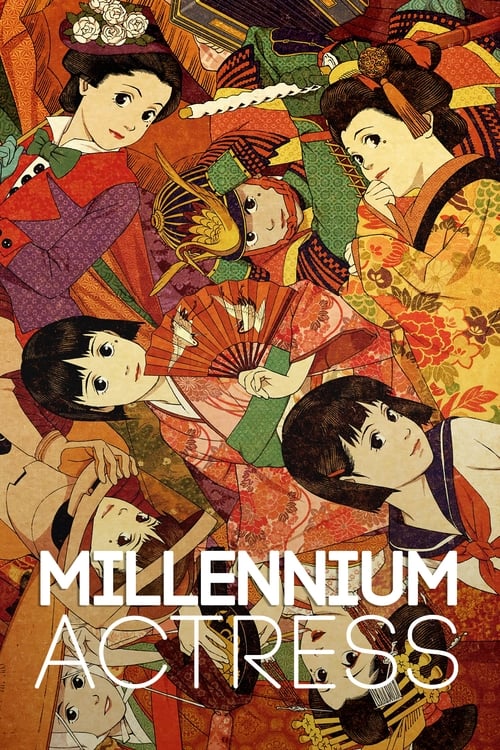
Fans who come to Millennium Actress after Perfect Blue are sometimes surprised by how openly sentimental it is. There is still the Kon signature, a documentary crew that slides into the films they are reviewing, a protagonist whose life and roles become indistinguishable. But the engine here is longing rather than paranoia. The through-line of an actress chasing a man she loved for sixty years across Japanese film history is genuinely moving, and the final image is one of the most quietly devastating in animated cinema.
Paranoia Agent Works Best Watched Slowly, One Episode a Week
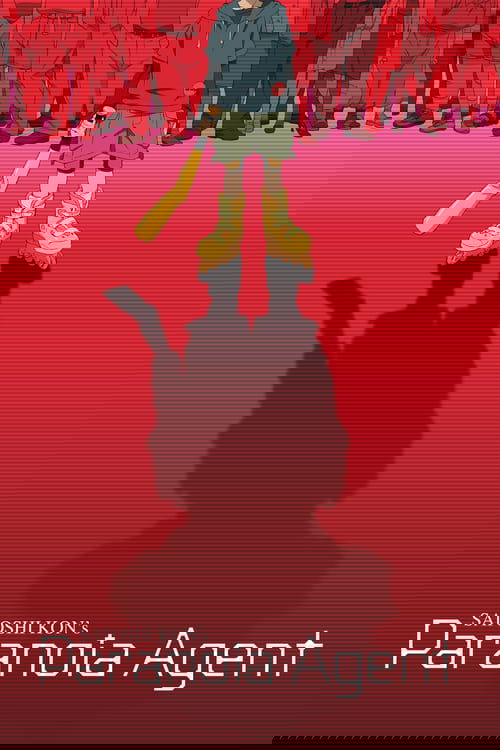
Paranoia Agent, Kon's only TV series, was conceived as a container for ideas that did not fit his features, and it shows: episodes vary wildly in genre, from police procedural to absurdist comedy to ghost story. That variety is the point. The urban legend of Shonen Bat (a kid on roller skates who attacks people with a bent golden bat) becomes a lens for examining how societies manufacture and share anxiety. Watch it too fast and it feels scattered. Give each episode a few days and the accumulation does something strange to you.
Satoshi Kon: The Complete Filmography
- 1997Feature debut: a pop idol loses herself in a role Perfect Blue
- 2001A documentary crew follows a legend through film history Millennium Actress
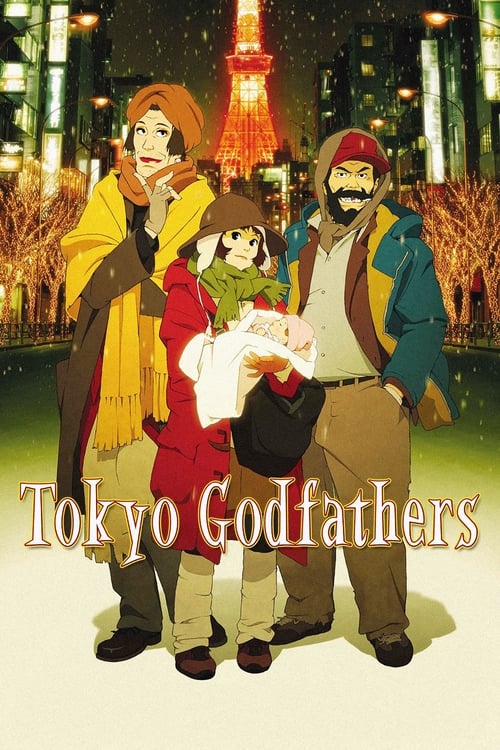
- 2003Three homeless strangers find an abandoned baby on Christmas Eve Tokyo Godfathers
- 2004TV anthology: a city gripped by a shared urban myth Paranoia Agent
- 2006A therapist enters patients' dreams and loses her own Paprika
- 2010Kon dies at 46 from pancreatic cancer; The Dream Machine remains unfinished
Dreams, memory, fractured minds
For Fans of Paprika
Explore the For Fans of Paprika guide →The boundary between reality and illusion has always interested me. I want the audience to lose their footing.Satoshi Kon