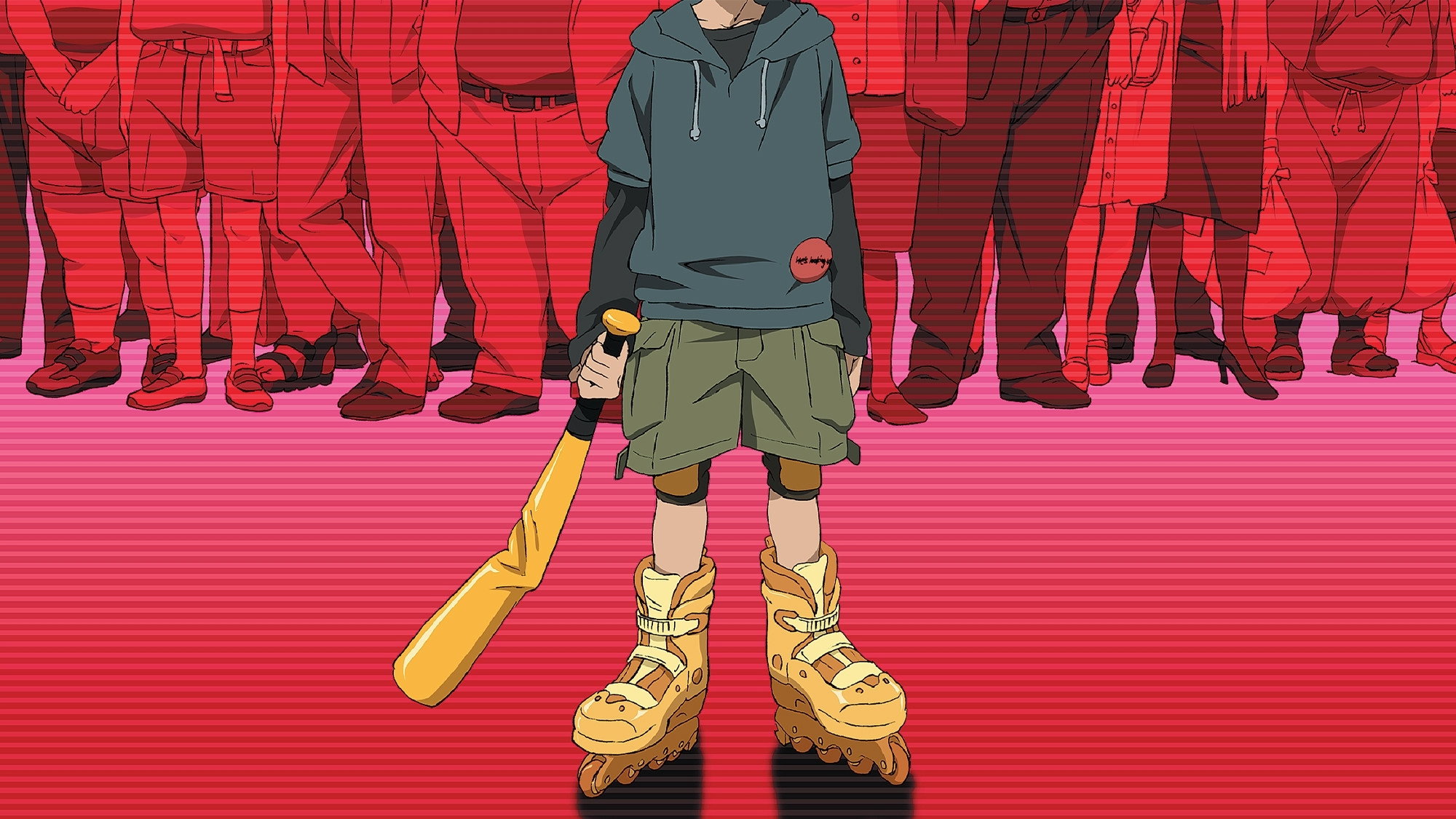

Paranoia Agent (2004) is the only television series Satoshi Kon ever directed, and it carries every obsession that defined his filmmaking: the collapse of inner and outer reality, the way modern life manufactures its own monsters, and the seductive warmth of delusion when the real world becomes unbearable. Thirteen episodes spiral outward from a single incident (a young character designer is attacked by a kid on inline skates swinging a golden baseball bat) into a portrait of a whole city cracking under pressure. Each episode gives a different Tokyo resident the spotlight, and together they build a mosaic of modern anxiety that feels more urgent now than when it aired. The through-line a fan loves is exactly this: the feeling that reality is negotiable, that the stories we tell ourselves are as real as anything else, and that collective belief can conjure genuine catastrophe.
Essential Paranoia Agent
Satoshi Kon's other works, where the same fractures between fantasy and reality define every frame
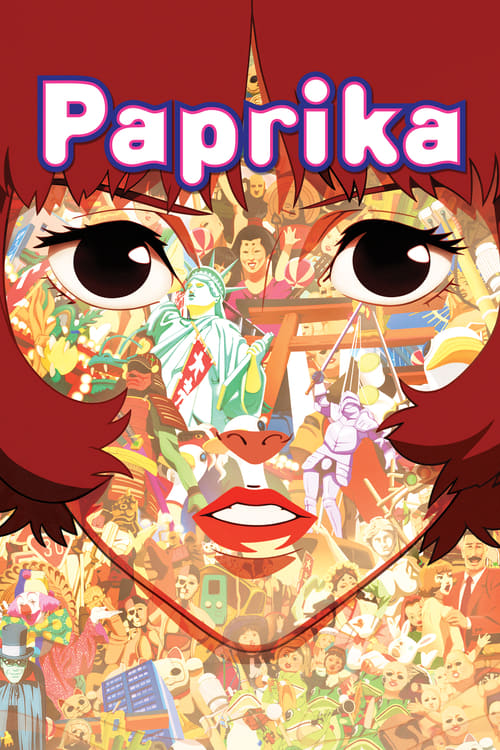
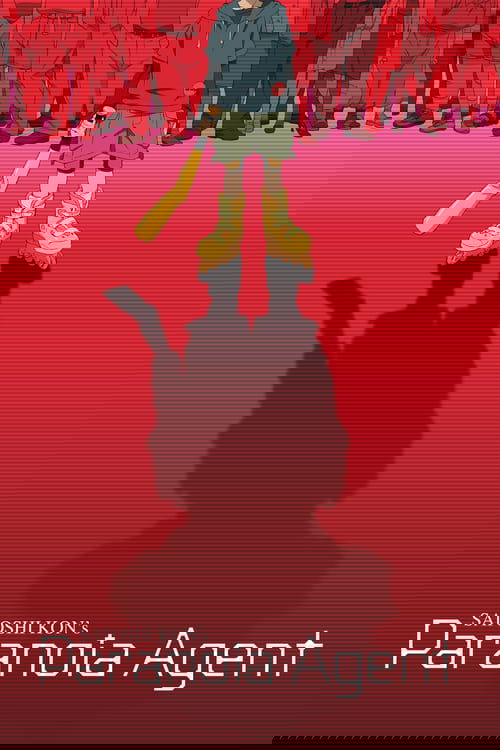
If You Love Paranoia Agent: Anime That Break Reality
Series that use animation to probe the gap between perception and truth
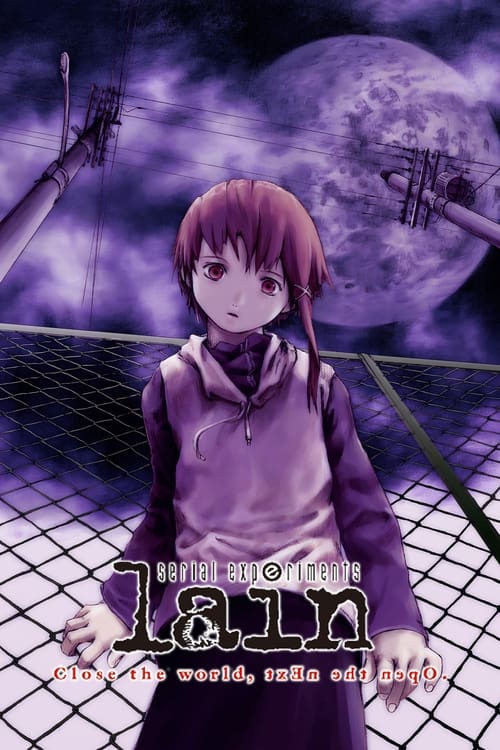
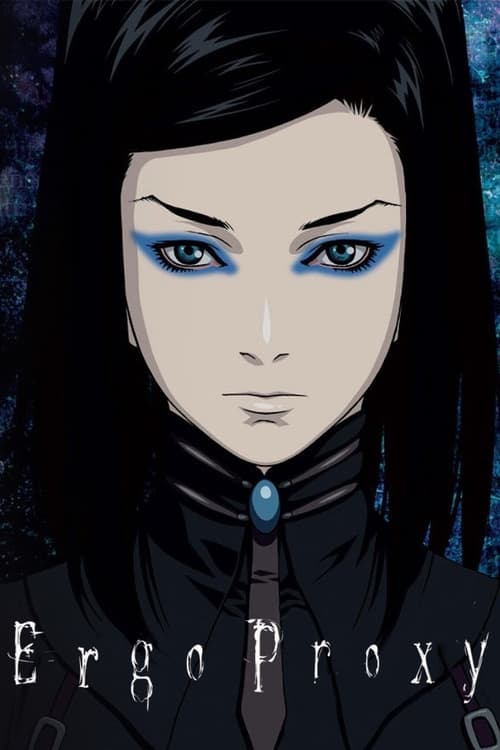
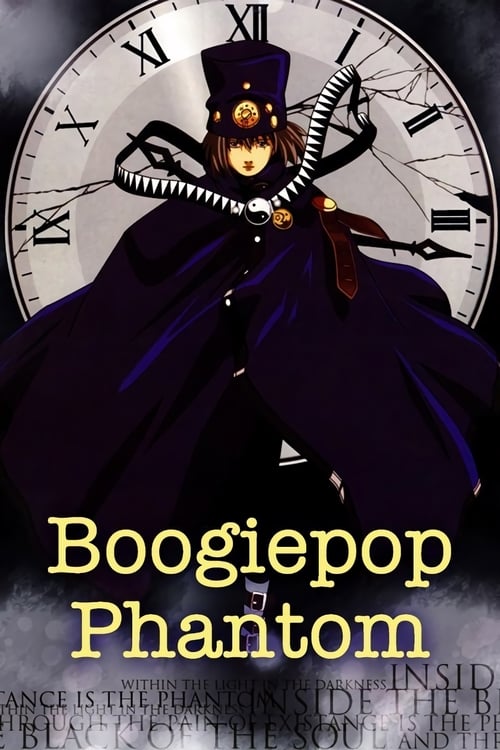
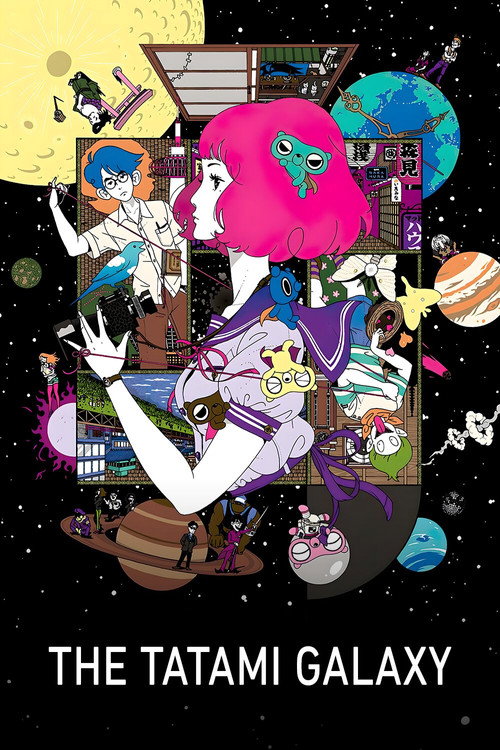
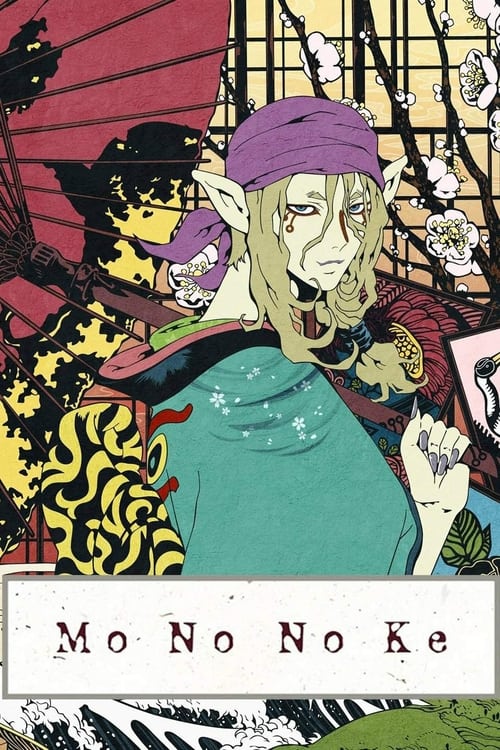
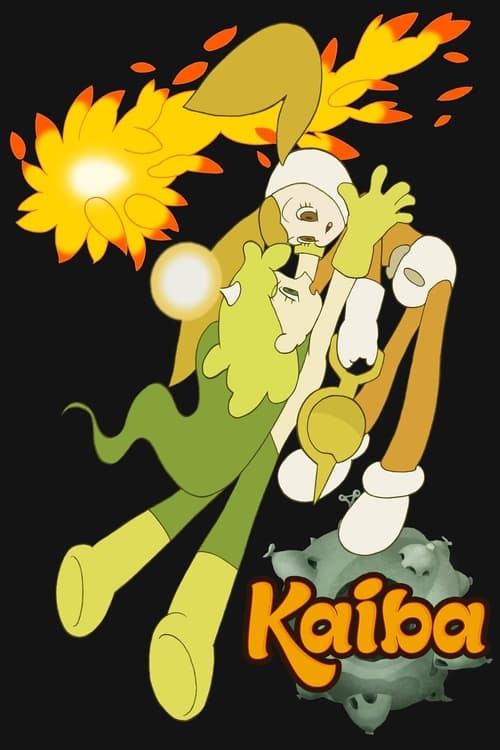

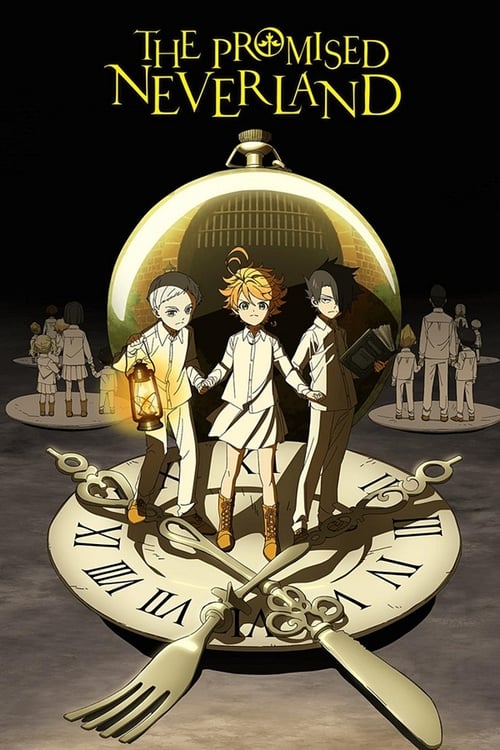
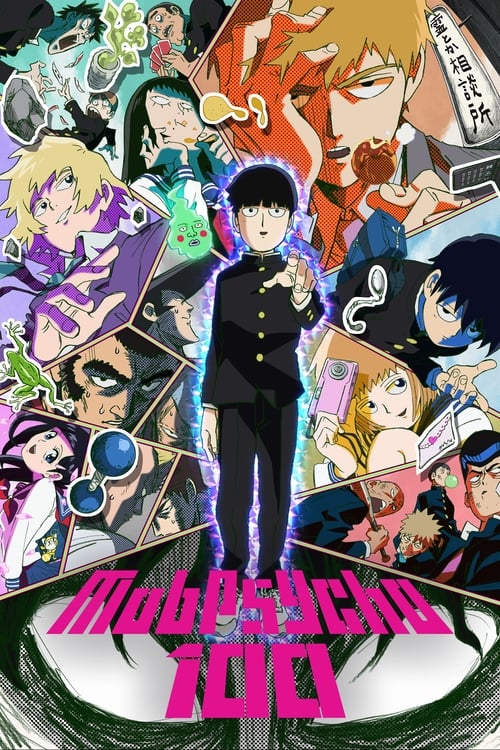

If You Love Paranoia Agent: Films About Collective Hysteria
Live-action films that turn social pressure and mass delusion into their subject matter


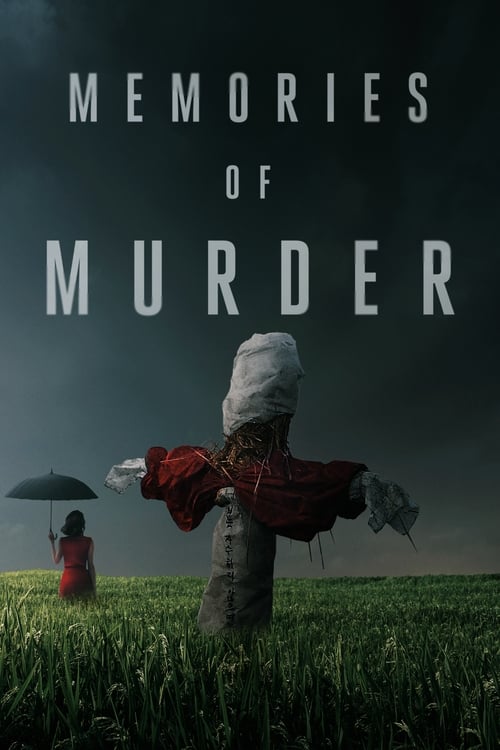
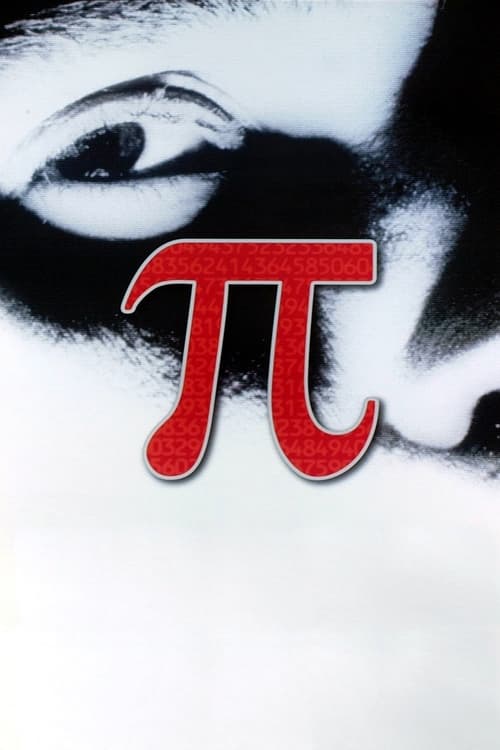
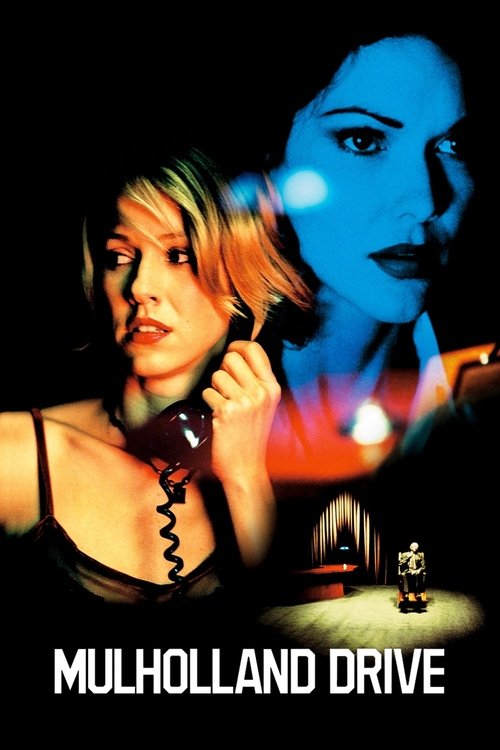



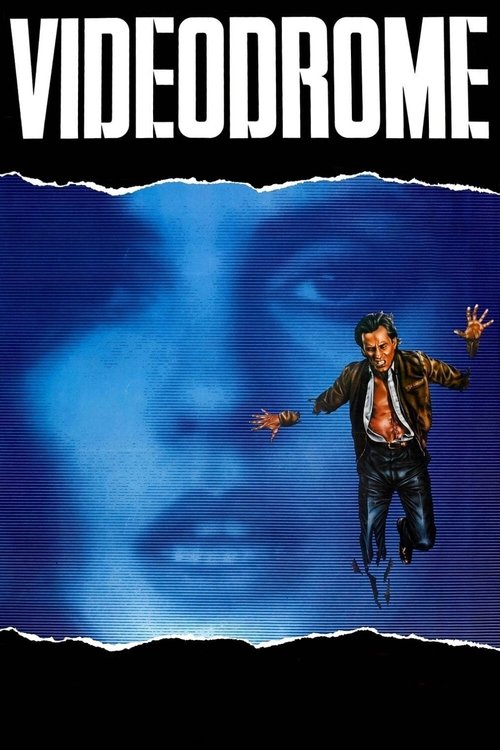
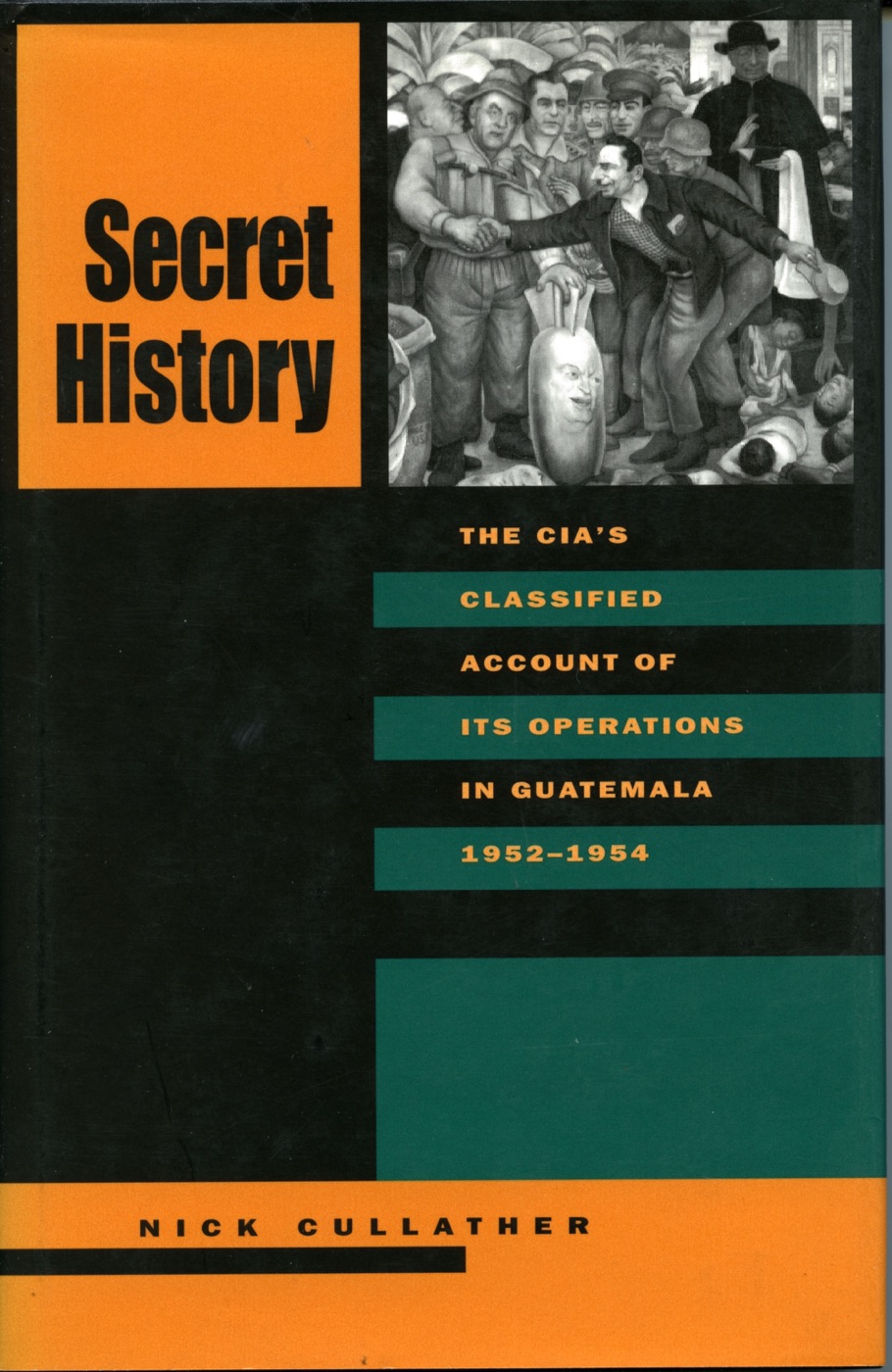
If You Love Paranoia Agent: Books About Anxiety and Urban Dread
Novels and manga that excavate the same modern unease




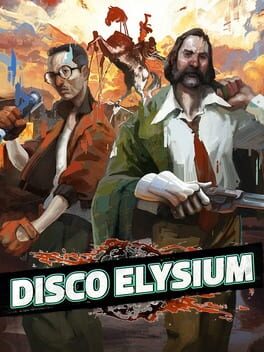
If You Love Paranoia Agent: Games That Fracture the Mind
Games where perception, paranoia, and unreliable narrative are the core mechanics


The Monster Is the Pressure, Not the Boy
Lil' Slugger is not a supernatural threat with an agenda. He is what happens when enough people in a city need to believe in an outside force that will relieve them of responsibility. Paranoia Agent understands something about collective psychology that most horror never gets near: fear is contagious not because it is irrational but because it solves something. Every character who gets attacked has reached a breaking point. The bat is the city's pressure valve. Kon's genius is treating that mechanism with total seriousness, so the show functions as horror and as social diagnosis at the same time.
Maromi Is the Real Villain
The show's most cynical argument lives inside a pink cartoon dog. Maromi is a runaway IP phenomenon, a character that began as a private comfort object and became a media product that pacifies an entire nation. Kon places Maromi and Lil' Slugger on the same axis: both are fictions that the public agrees to believe in because the alternative is confronting real problems. The episodes set inside the Maromi animation studio are the sharpest media criticism in the whole run, and they hold up against anything produced about the culture industry since.
Satoshi Kon Invented a Visual Grammar No One Has Fully Stolen
The match-cut as Kon used it is not an editing trick. It is a statement about how the brain moves between states of consciousness. His transitions in Paranoia Agent regularly dissolve from one character's interior world into another's with a visual rhyme that forces the viewer to feel the connection before understanding it. Filmmakers and animators have lifted his surface moves without grasping the underlying claim: that subjective experience and shared reality occupy the same visual space, and the cut between them is not a discontinuity but a seam.
Satoshi Kon and the World Around Paranoia Agent
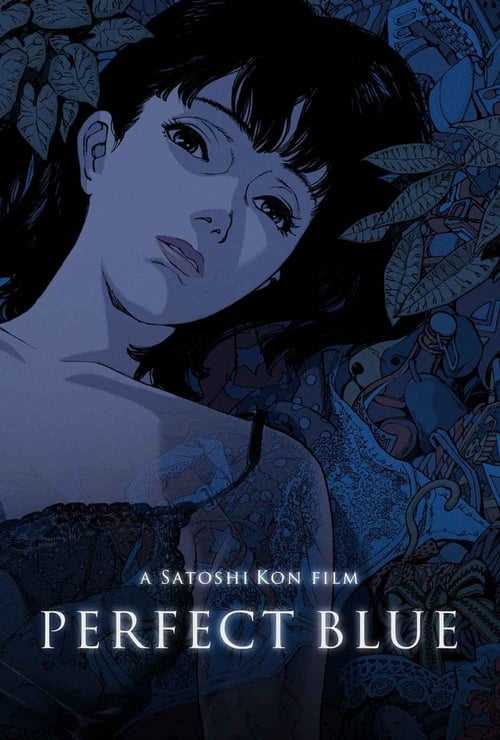
- 1997Perfect Blue released: Kon's debut feature sets the template for identity collapse and media-induced psychosis. Perfect Blue
- 1998Serial Experiments Lain airs: Yoshitoshi ABe and Ryutaro Nakamura build the other great late-90s anime about urban paranoia and networked identity. Serial Experiments Lain
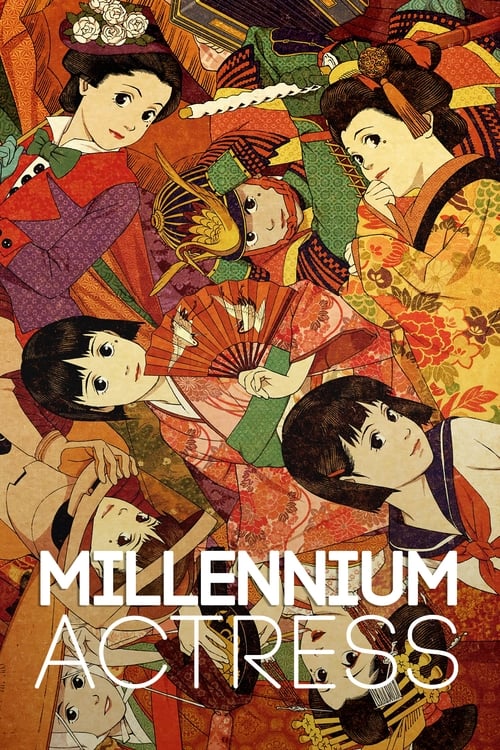
- 2001Millennium Actress released: Kon turns nostalgia and self-mythology into a structural principle, blurring documentary and memory. Millennium Actress
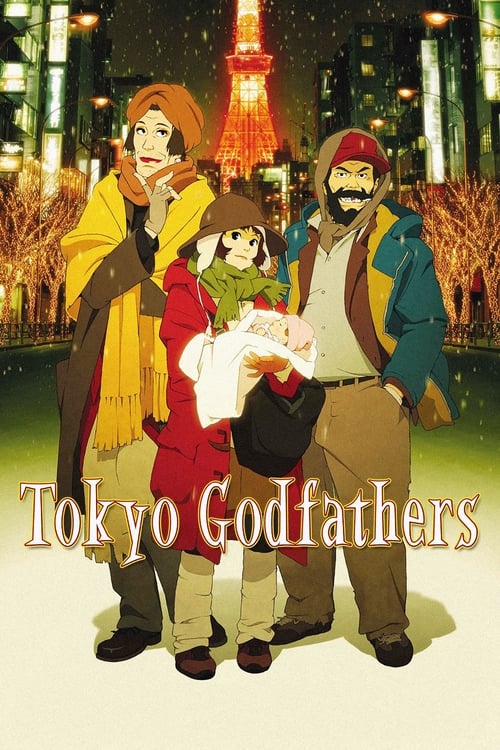
- 2003Tokyo Godfathers released: Kon steps outside psychological horror for a warm humanist detour, and still can't resist fracturing narrative time. Tokyo Godfathers
- 2004Paranoia Agent airs on WOWOW: 13 episodes, the only TV series Kon directs, produced by Madhouse. Paranoia Agent
- 2006Paprika released: Kon's final completed feature, a direct precursor to a decade of Hollywood dream-logic blockbusters. Paprika
- 2010Satoshi Kon dies at 46. The unfinished Dreaming Machine remains incomplete. His influence on animation and live-action cinema accelerates posthumously.
More fractured psychological dreamscapes
For Fans of Satoshi Kon
Explore the For Fans of Satoshi Kon guide →Reality is just a convenient consensus. Paranoia Agent tests how thin that consensus actually is.Satoshi Kon, on the series