
Patricia Highsmith did not write crime fiction so much as she wrote fiction about the crime of being human. Her protagonists lie, manipulate, and occasionally kill, yet she grants them an unsettling interiority that makes sympathy almost involuntary. The through-line her fans love is not plot mechanics but psychological pressure: the slow-building paranoia, the performative normalcy concealing something terrible, the way guilt and relief coexist inside the same sentence. She is less interested in whether her characters are caught than in what it costs them to keep pretending they deserve to be free.
Essential Patricia Highsmith
The novels and story collections that define her world


Highsmith on Screen
The films and series that brought her moral unease to life

If You Love the Psychological Dread
Films and series soaked in the same slow paranoia
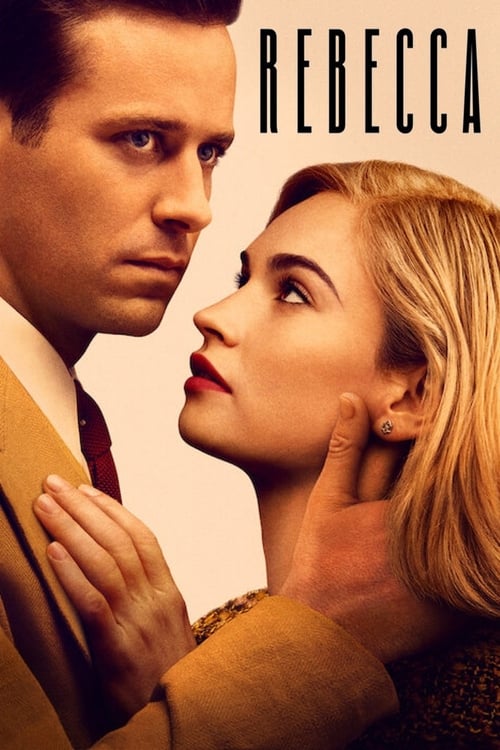
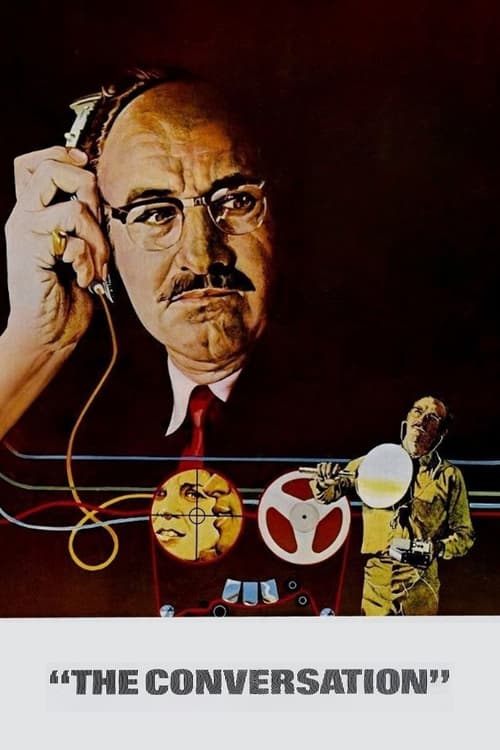
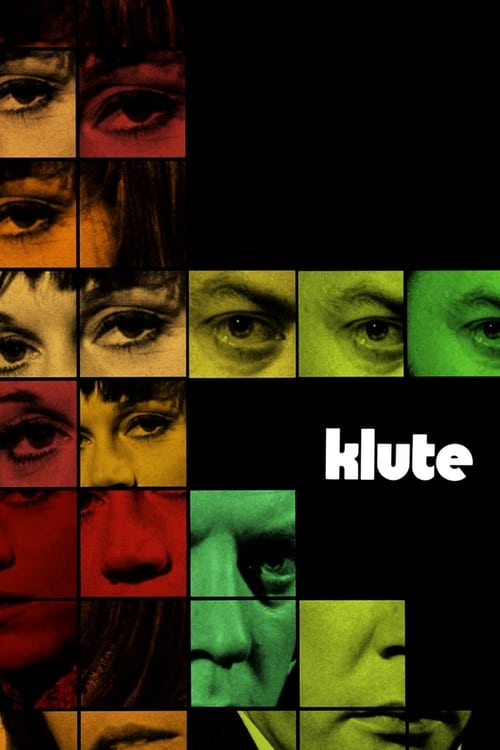
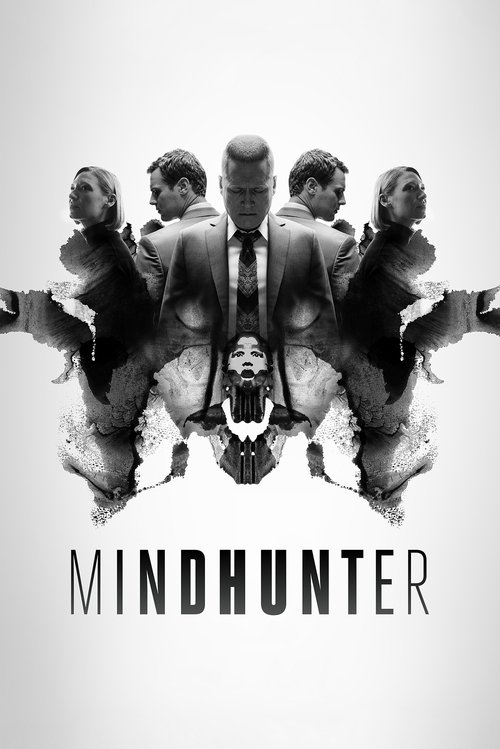

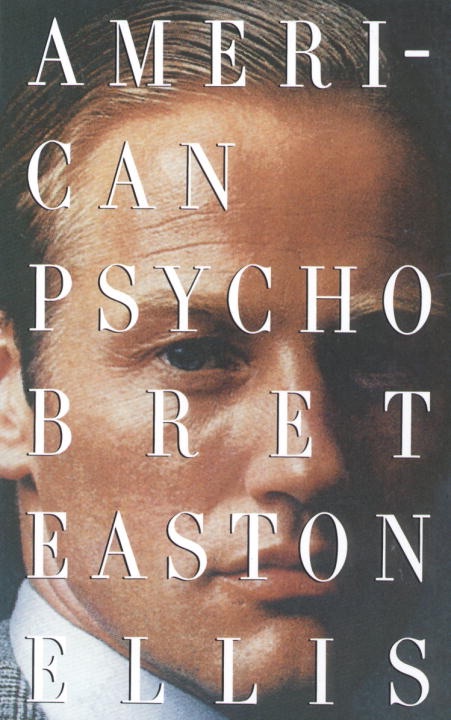
If You Love the Moral Ambiguity
Authors who inhabit similarly uncomfortable ethical territory


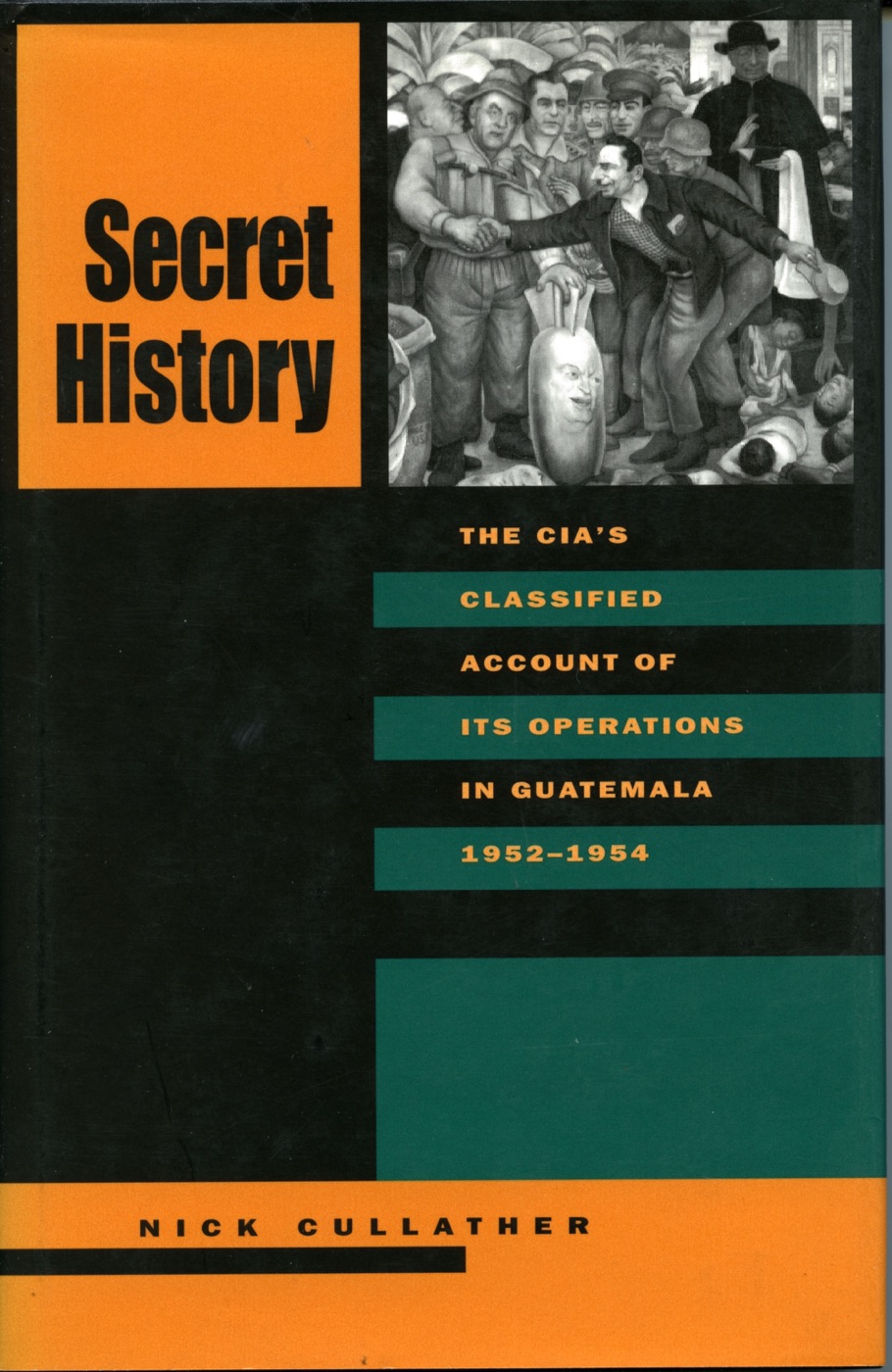


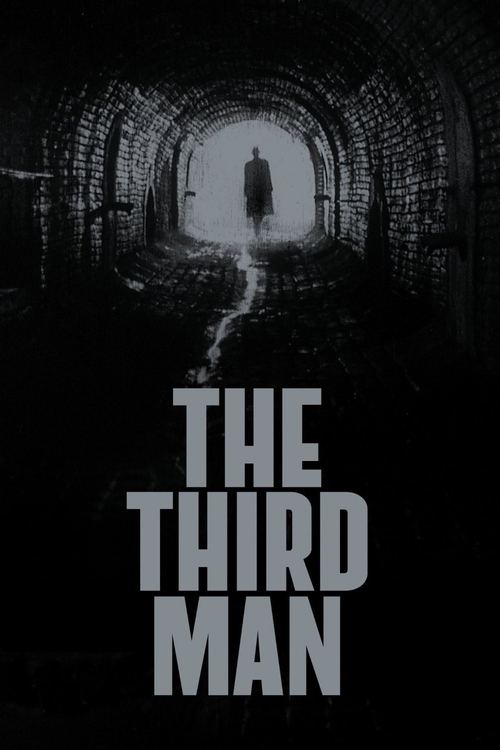
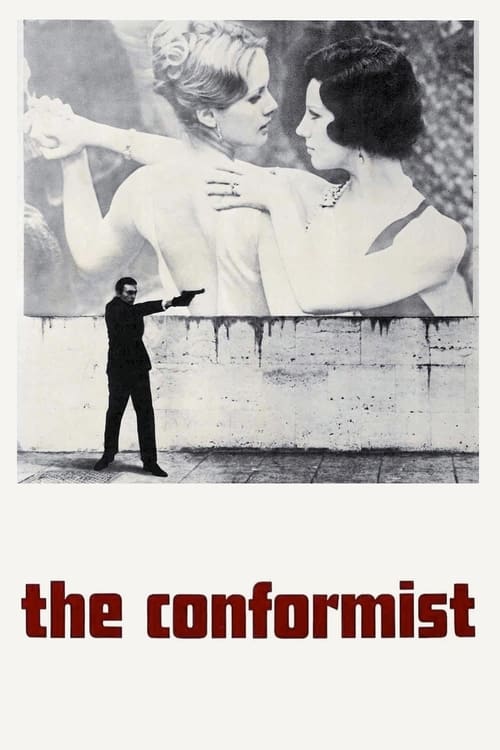
If You Love the European Noir Aesthetic
Sun, duplicity, expatriate unease, and beautiful surfaces hiding rot



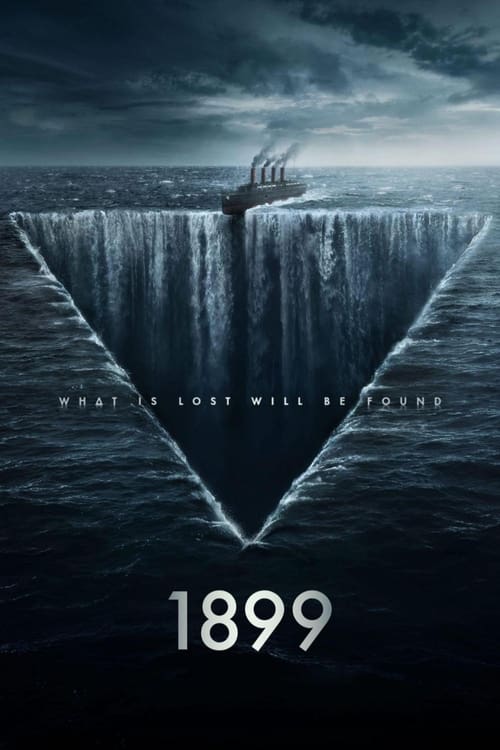

If You Love the Unreliable Interiority
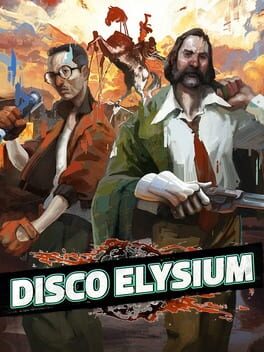
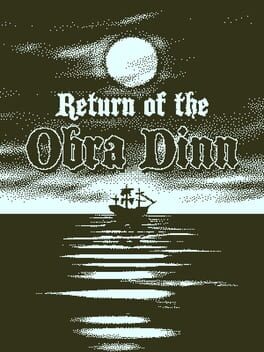
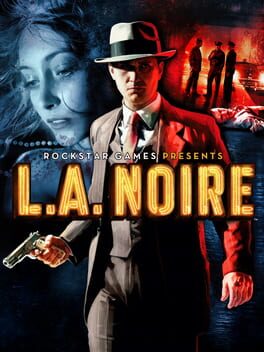
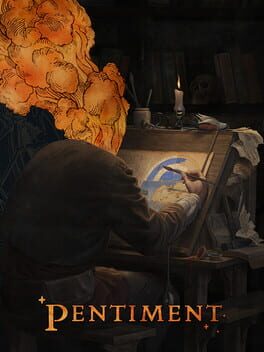
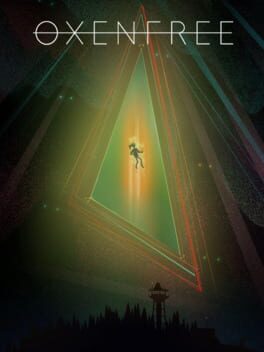
Games and books where you inhabit a compromised, brilliant, or dangerous mind

Tom Ripley is not a villain. He is a mirror.
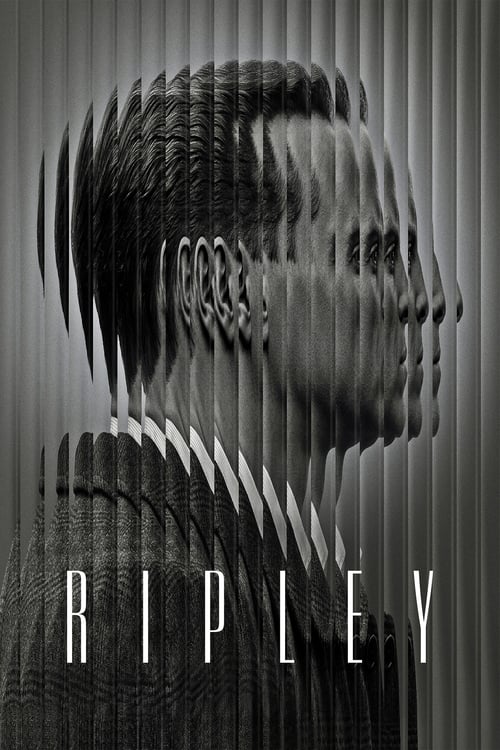
Highsmith spent five novels inside Tom Ripley's head and never once asked you to condemn him. That is the provocation. He forges, murders, and lies, yet his interiority is rendered with a precision that makes his anxieties feel proportionate, even reasonable. The series works not because Ripley is sympathetic in any conventional sense, but because Highsmith understood that most people spend enormous energy managing appearances, and Ripley is simply more ruthlessly honest about it.
Carol changed what queer fiction was allowed to be
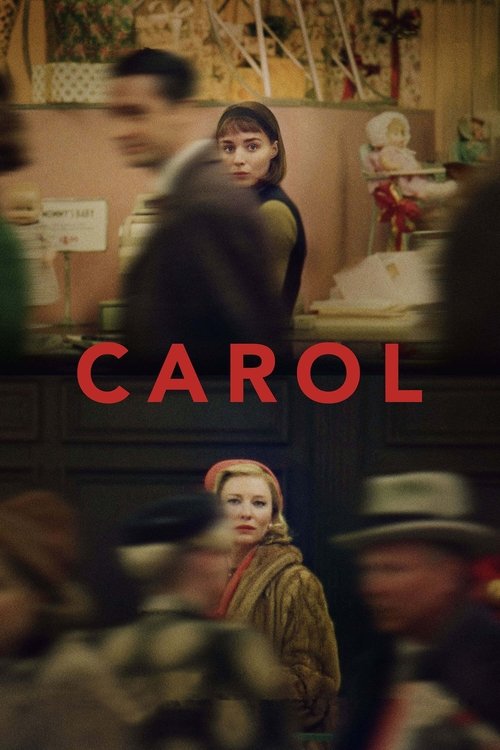
Published in 1952 under a pseudonym because Highsmith feared career damage, The Price of Salt was the first widely read lesbian novel that did not end in death, madness, or conversion. Its radicalism is quiet: the women simply get to want things and then pursue them. The Todd Haynes film Carol (2015) preserved that radical plainness, turning restraint into ache. Both versions insist that longing deserves the same novelistic gravity as any other human experience.
Hitchcock captured the surface. Wim Wenders got the rot.
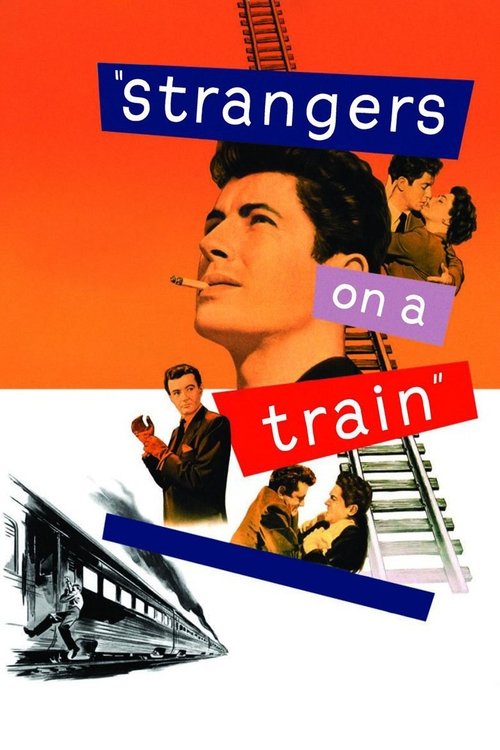
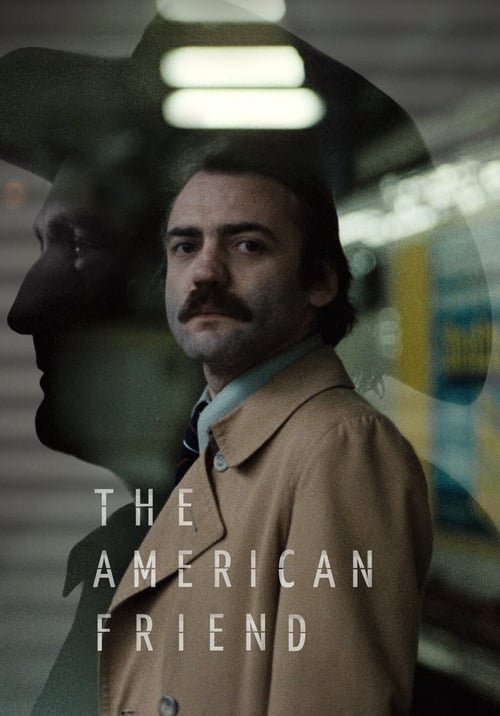
Strangers on a Train gave Hitchcock perfect material and he made a perfect Hitchcock film out of it, which is not entirely the same thing as a perfect Highsmith adaptation. The more faithful encounter with her work came later: Wim Wenders's The American Friend (1977), adapting Ripley's Game, caught the existential vacancy beneath the beautiful surfaces, the sense of men choosing roles they cannot fully believe in. It is slower, stranger, and closer to what Highsmith was actually doing.
Disco Elysium is the game Highsmith would have assigned as homework
Not in theme, but in method: inhabiting a compromised consciousness that narrates its own failures with a kind of ruined eloquence. Harry Du Bois, like the best Highsmith protagonists, is given an interiority detailed enough that you feel his every rationalization from the inside. Both Highsmith and the Disco Elysium writers understood that genuine psychological fiction does not explain characters, it hosts them.
Highsmith's World, Decade by Decade
- 1950Debut: a hitchhike toward murder Strangers
- 1952A queer novel with a happy ending (published as Claire Morgan) The price of loyalty
- 1955Tom Ripley arrives
- 1960Hitchcock's perfect surface adaptation Strangers on a Train
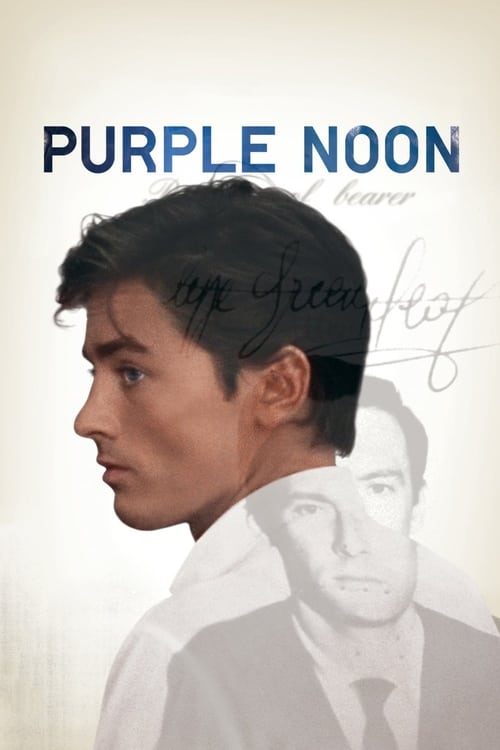
- 1960Clément's sun-drenched Italian original Purple Noon
- 1970Claustrophobia and institutional rot The Glass Cell
- 1974The forgery, the friend, the slow death
- 1977Wenders finds the existential Highsmith The American Friend
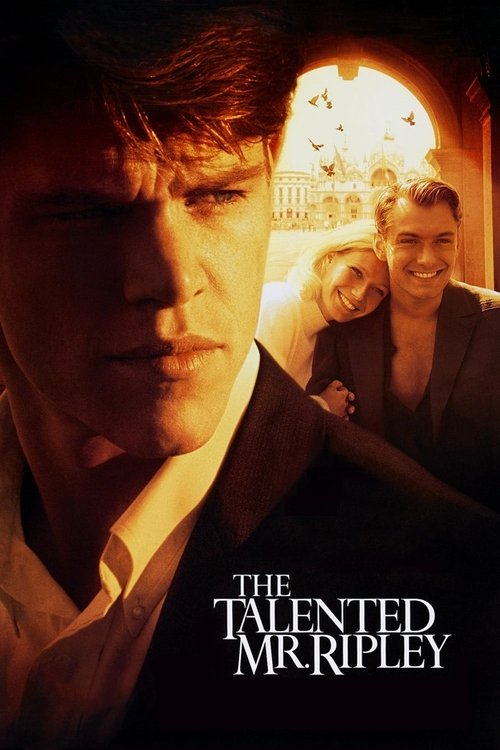
- 1999Hollywood's lush prestige take on Ripley The Talented Mr. Ripley
- 2015Carol earns its long-delayed prestige adaptation Carol
- 2024Zaillian's black-and-white Ripley resets the standard RIPLEY
Guilt, noir, and charming sociopaths
For Fans of Alfred Hitchcock
Explore the For Fans of Alfred Hitchcock guide →Her books are about the terror of getting away with it.Graham Greene on Patricia Highsmith