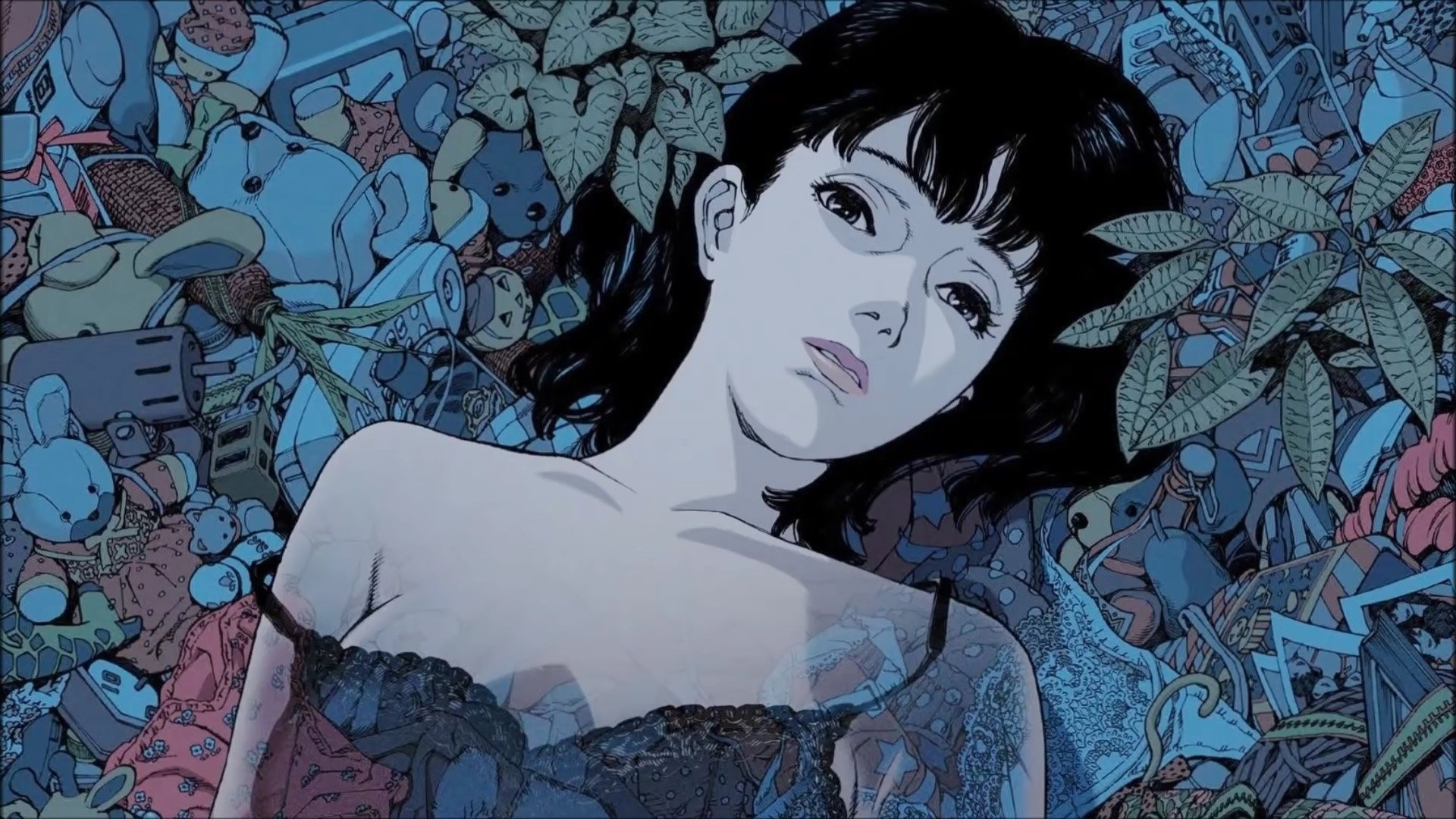

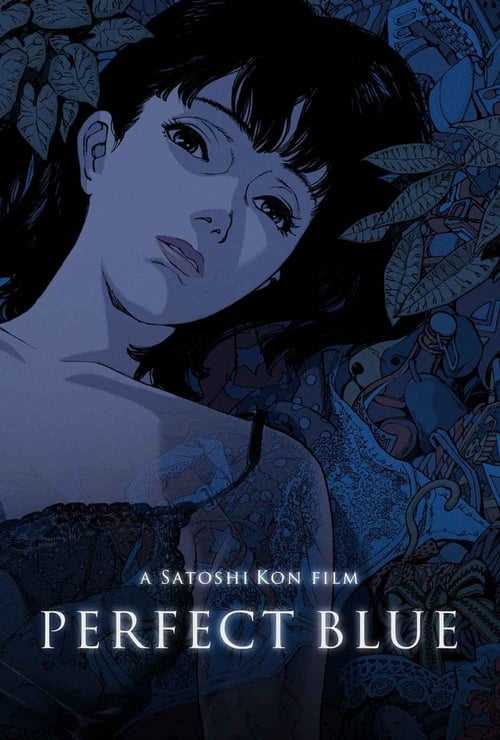
Satoshi Kon's 1997 debut feature is one of the most precise psychological thrillers ever animated. Mima Kirigoe, a pop idol turned actress, begins losing her grip on which version of herself is real: the sweet singer her fans demand, the compromised performer her producers want, or the woman quietly disappearing beneath both. What a fan chases here is that specific vertigo, the sensation of watching a person's selfhood dissolve under external pressure, and the creeping dread of not being sure what the film is showing you versus what Mima is imagining. Kon uses editing and spatial logic as instruments of unreliable narration, building a world where cuts between scenes become cuts between selves. The works below share that obsession, whether through psychological horror, identity destabilization, parasocial obsession, or the machinery of celebrity.
Essential Perfect Blue
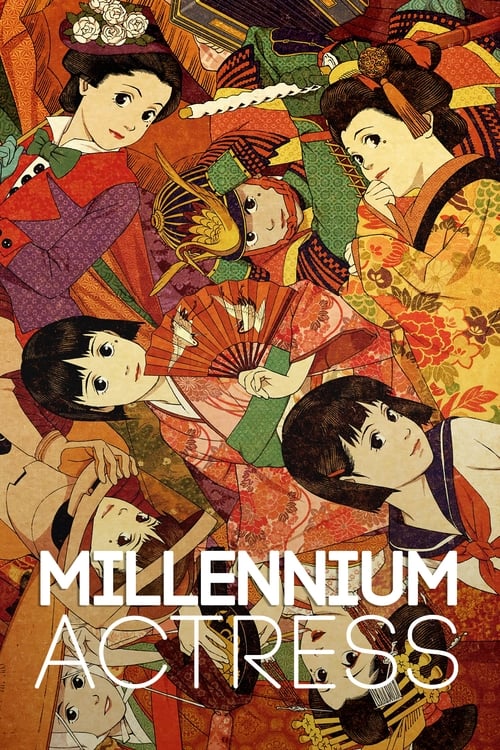
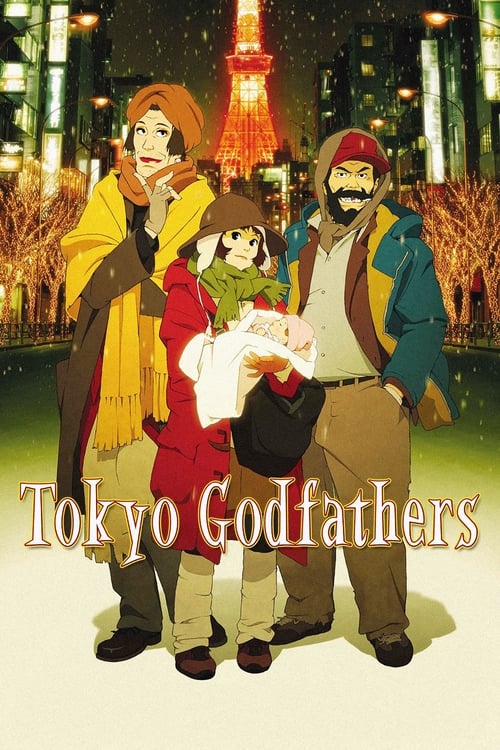
Satoshi Kon's filmography, and the one film that started it all
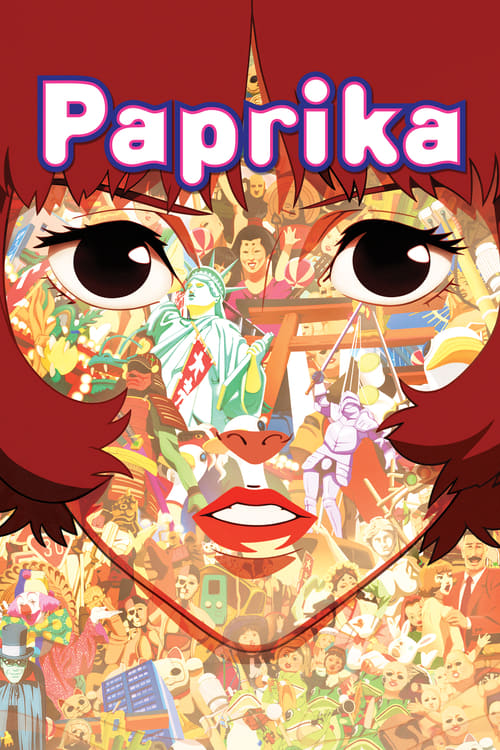
If You Love Perfect Blue: Psychological Thrillers That Blur Reality
Films where perception itself becomes the enemy

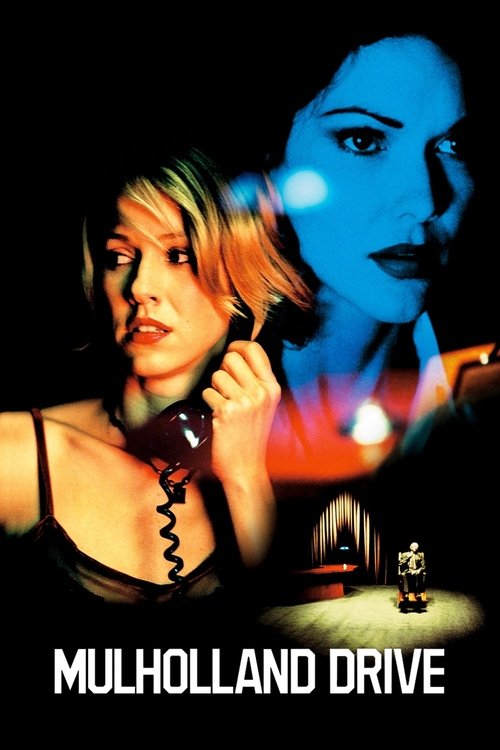
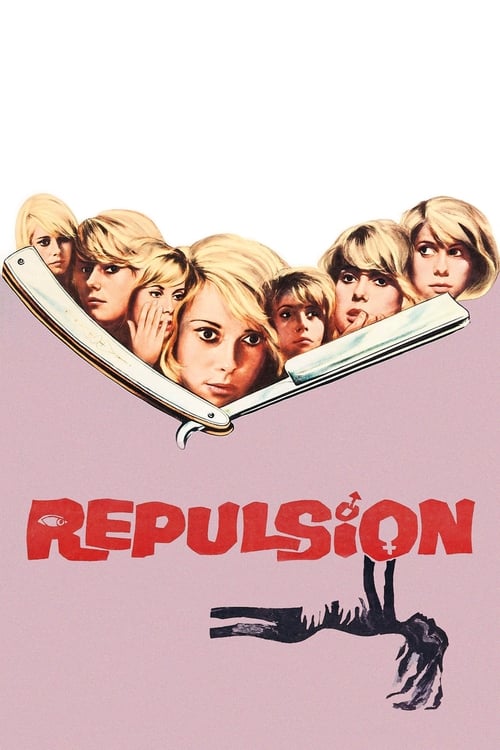
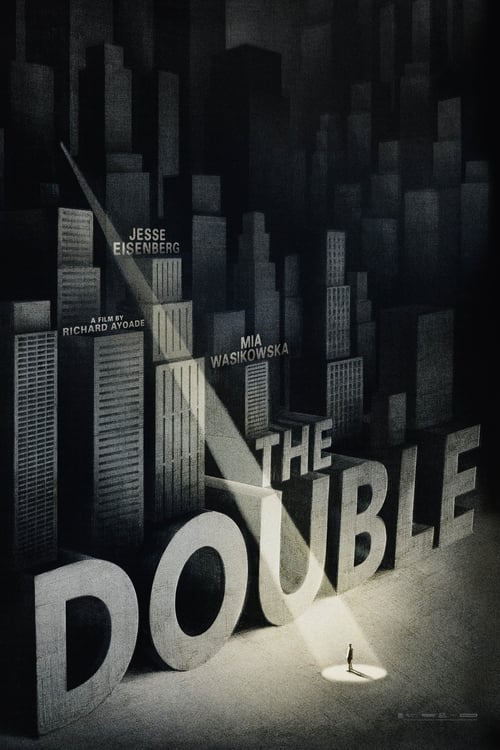


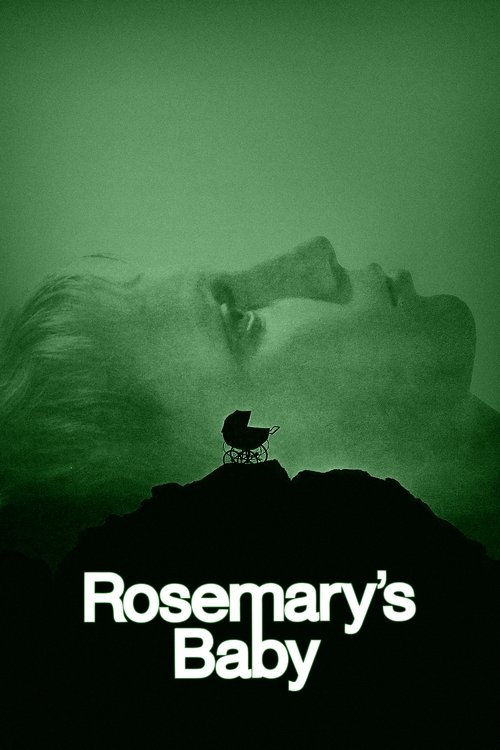
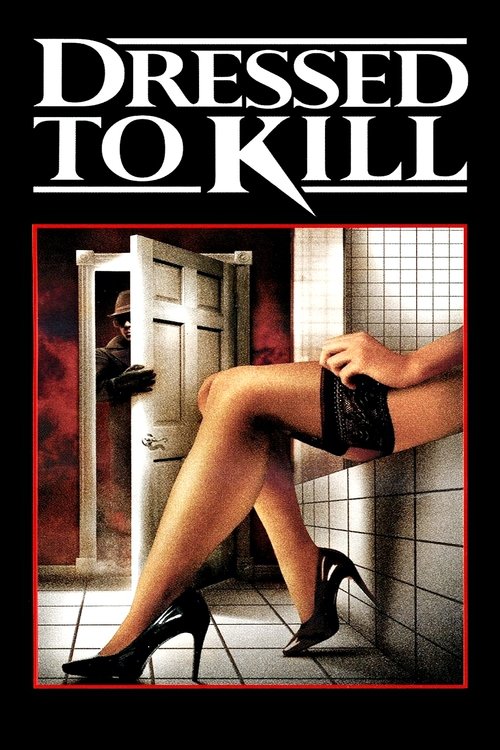
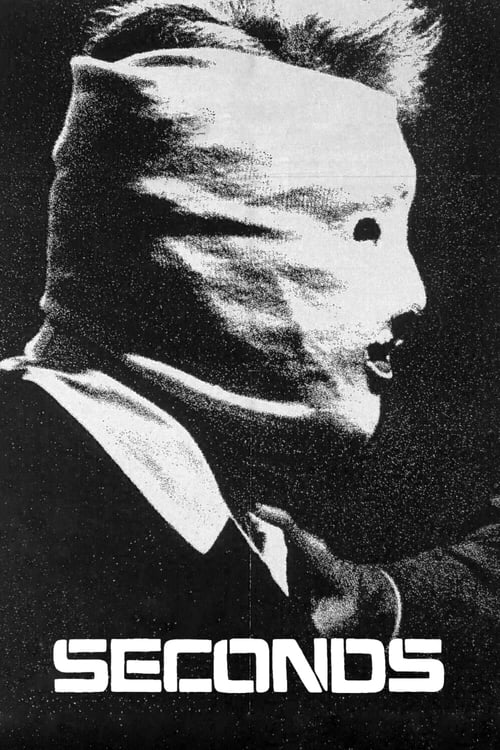
Celebrity, Obsession, and the Camera's Gaze
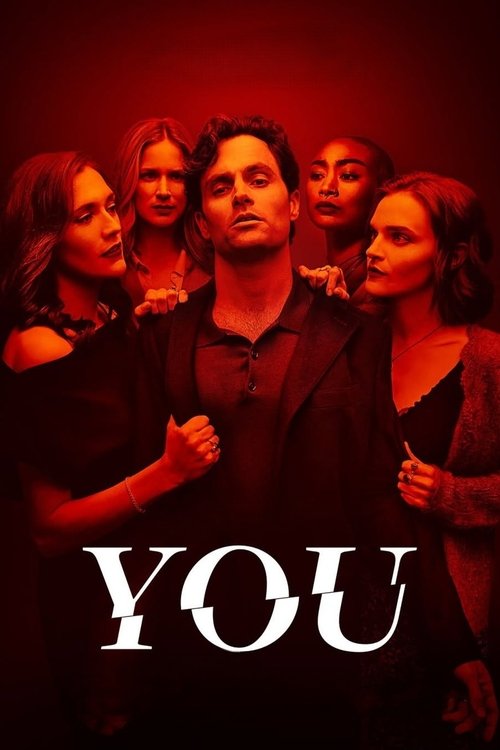
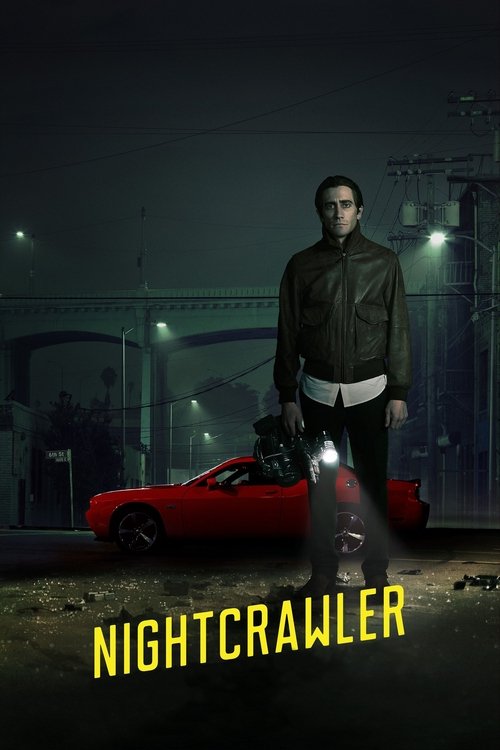
Series and films about what fame does to a person






The Novels That Live in the Same Space
Books about fractured identity, obsession, and what performance costs




Games That Share Perfect Blue's DNA
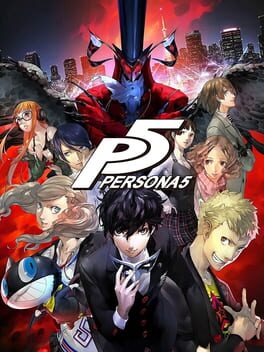
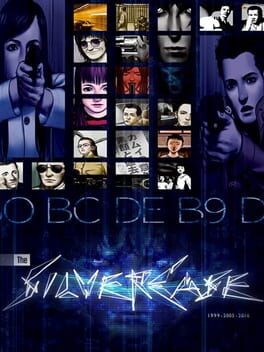
Psychological horror and fractured-self mechanics



Satoshi Kon Invented a Genre That Film is Still Catching Up To
Perfect Blue arrived in 1997, four years before Mulholland Drive, three years before Memento, and it was doing things with continuity and unreliable perspective that live-action cinema was still learning. Kon's background in manga gave him a spatial freedom that film couldn't easily replicate: cutting mid-action, violating the 180-degree rule as an intentional disorientation, collapsing time without announcement. The horror isn't supernatural. It's the horror of losing the thread of your own story while someone else writes it.
The Stalker Is a Mirror, Not a Monster
Me-Mania, Perfect Blue's most overtly menacing figure, is terrifying not because he's a random predator but because he embodies what the idol industry creates: a fan so invested in a performed persona that any departure from it reads as betrayal. His delusion is the logical extreme of a system that sells parasocial intimacy as a product. The film knows that making him pathetic and pitiable is more disturbing than making him simply villainous.

Black Swan Is the Closest Western Film Has Come to Replicating It
Darren Aronofsky has cited Perfect Blue as an influence, and it shows: a young woman in a performance industry loses herself to a role, reality and fantasy bleed together, and the film holds you inside a deteriorating perception without a stable external anchor. Black Swan is more operatic and less interested in media critique, but as a companion piece it's the strongest Western analogue to what Kon achieved.
Doki Doki Literature Club Learned Its Tricks from Anime Like This
Team Salvato's 2017 freeware game weaponizes its genre's conventions the way Perfect Blue weaponizes idol pop: it presents a form you trust, then uses that trust against you. Both works are about the gap between a curated persona and a hidden interior life, and both make the audience complicit in the violence that gap produces. If you can stomach the subject matter, DDLC is the game equivalent of Kon's cinematic method.
A Lineage of Identity Horror
- 1968Roman Polanski's paranoid apartment trilogy peaks Rosemary's Baby
- 1966Bergman dissolves two women into one Persona
- 1960Hitchcock puts voyeurism and identity on trial Psycho
- 1980King writes the definitive parasocial horror novel Misery
- 1997Satoshi Kon redefines unreliable narration in animation Perfect Blue
- 2001Lynch builds a Hollywood labyrinth of lost selves Mulholland Drive
- 2010Aronofsky takes a dancer apart piece by piece Black Swan
- 2013Villeneuve splits a man in two without explanation Enemy
- 2017A visual novel breaks the fourth wall the same way Kon did Doki Doki Literature Club!
- 2018Senua's psychosis rendered with clinical precision Hellblade: Senua's Sacrifice
Fractured identity, fame, unreliable reality
For Fans of Satoshi Kon
Explore the For Fans of Satoshi Kon guide →Reality is what we believe in. The rest is just story.Satoshi Kon