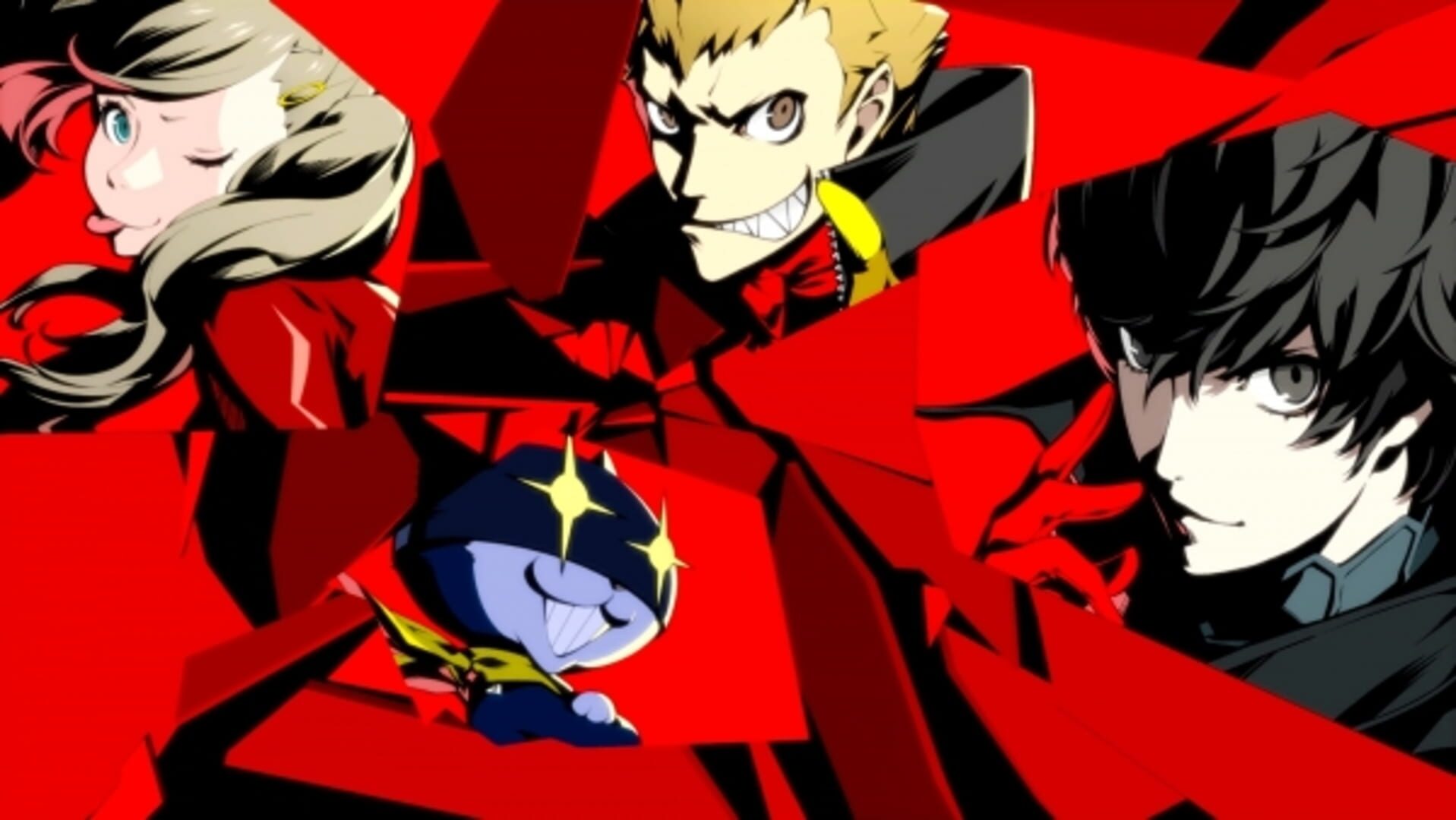

The Persona series does something almost no other RPG dares: it makes the calendar the central mechanic. Each day at Gekkoukan, Yasogami, or Shujin Academy is a finite resource, and the friendships you build in homeroom, at the shrine, over ramen after school -- they are your power. Atlus engineered a loop that makes you feel the weight of ordinary teenage life and the absurdity of battling gods on the same Tuesday afternoon. That tension -- between the mundane and the mythic, between the self you project and the shadow you fear -- is the through-line every Persona fan falls in love with. It shows up in the games' successors, in the anime adaptations, and in every story that asks: who are you really, when no one is watching?
Essential Persona
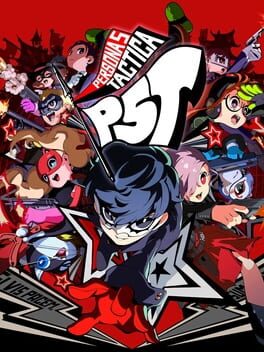
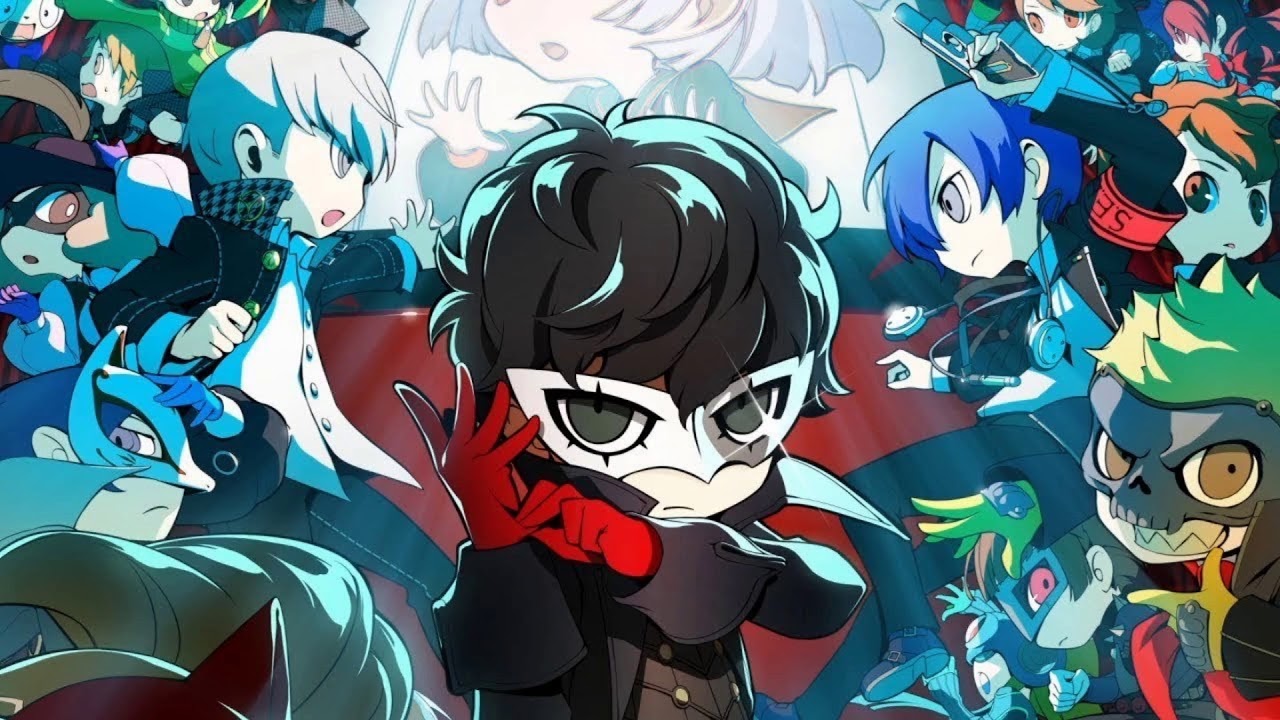
The core games and their direct offshoots




If you love Persona: the anime and film side
Anime series and films that share its visual style, social themes, or supernatural-teen energy
 第二次 裏入学試験 THE ANIMATION
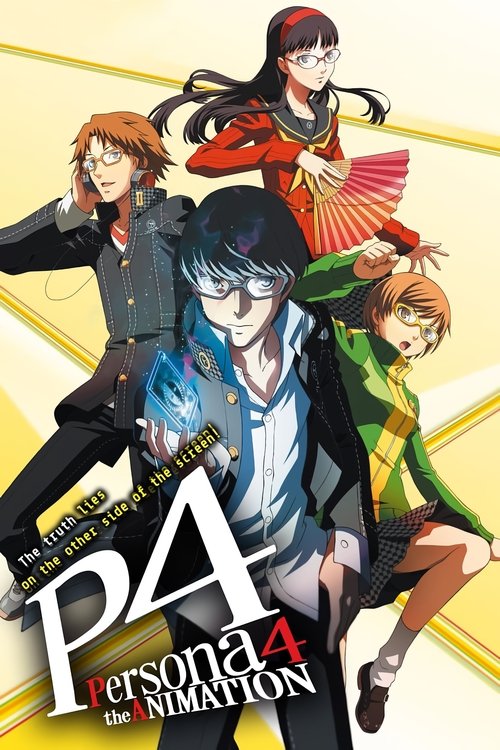 PERSONA 4 the Animation
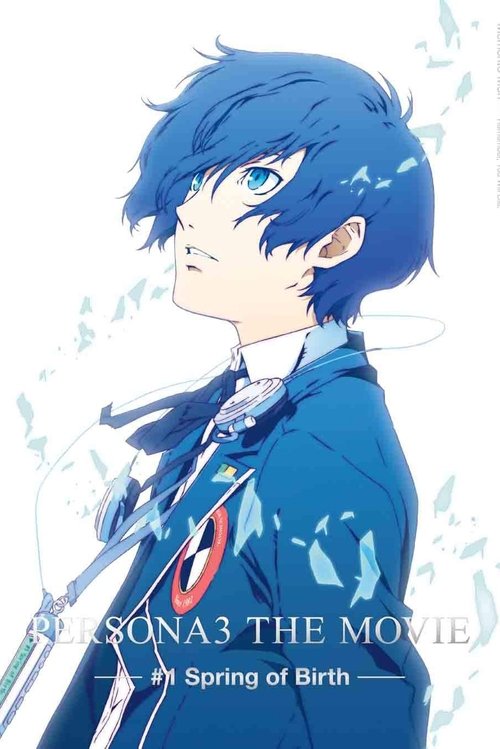 Persona3 THE MOVIE #1 Spring of Birth
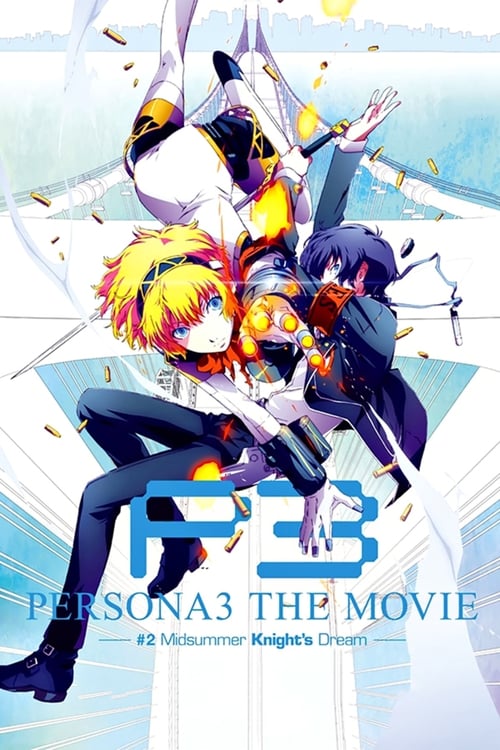 Persona3 THE MOVIE #2 Midsummer Knight's Dream
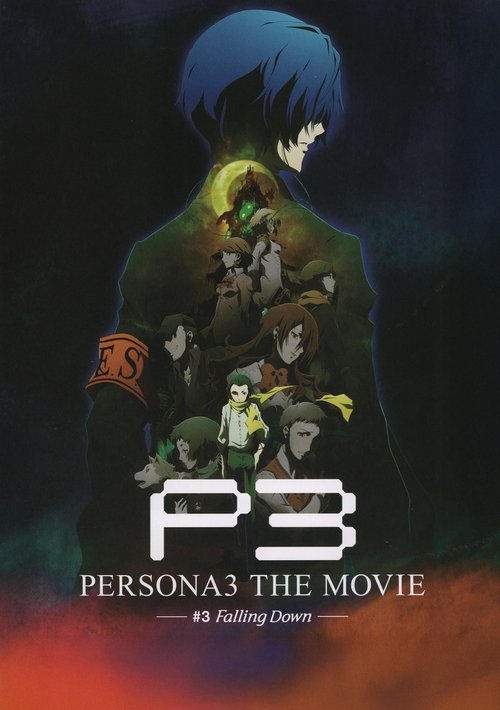 Persona3 THE MOVIE #3 Falling Down
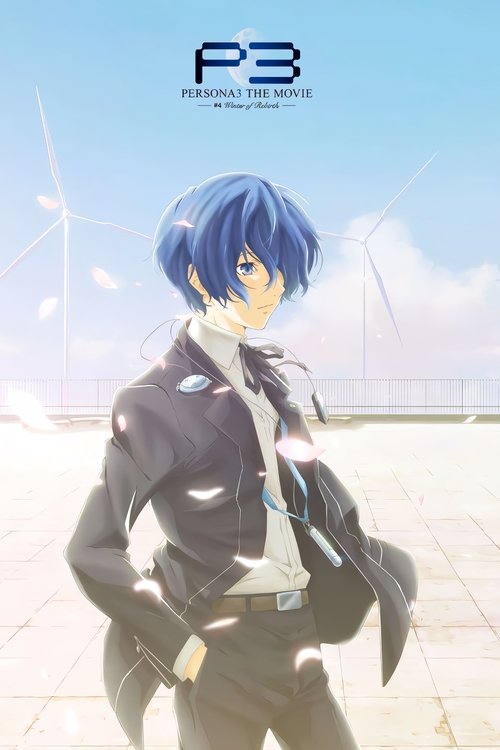 Persona3 the Movie #4 Winter of Rebirth
 PERSONA -trinity soul-
 Anohana: The Flower We Saw That Day
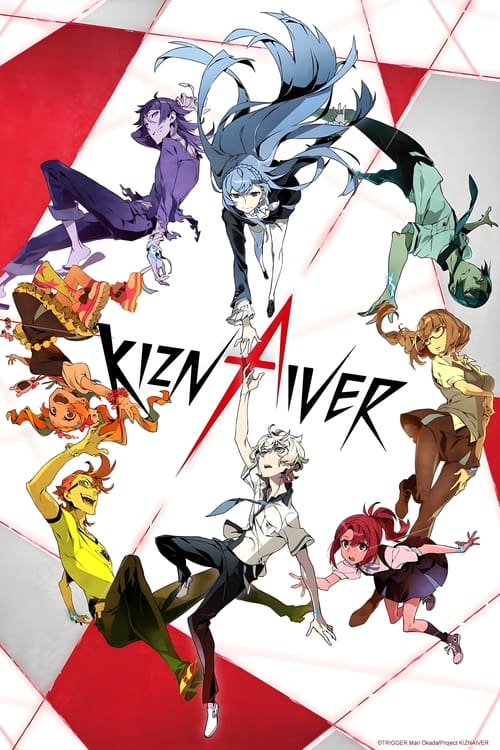 Kiznaiver
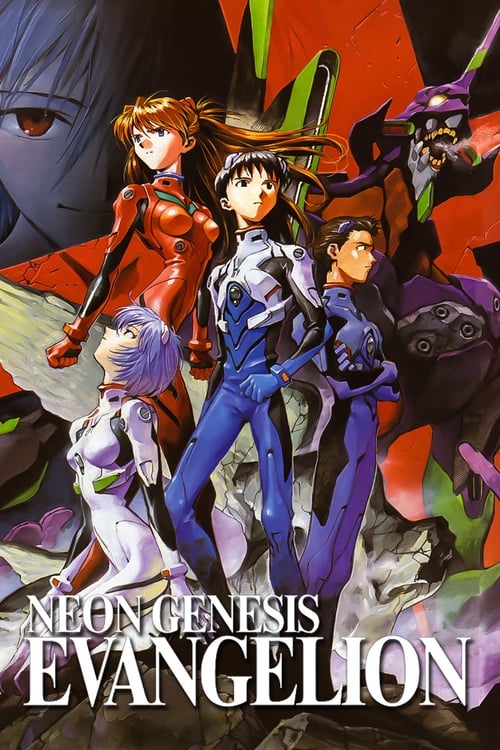 Neon Genesis Evangelion
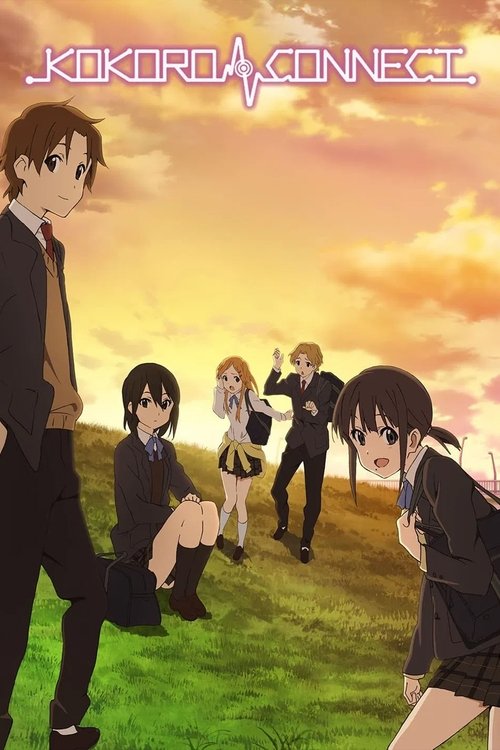 Kokoro Connect
 Angel Beats!
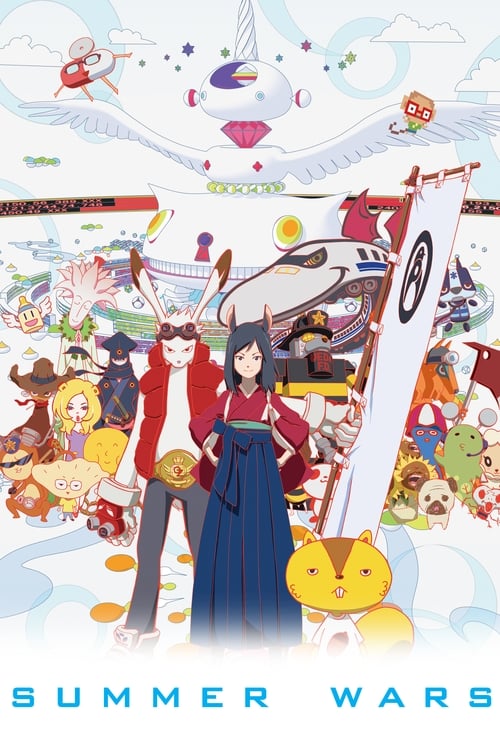
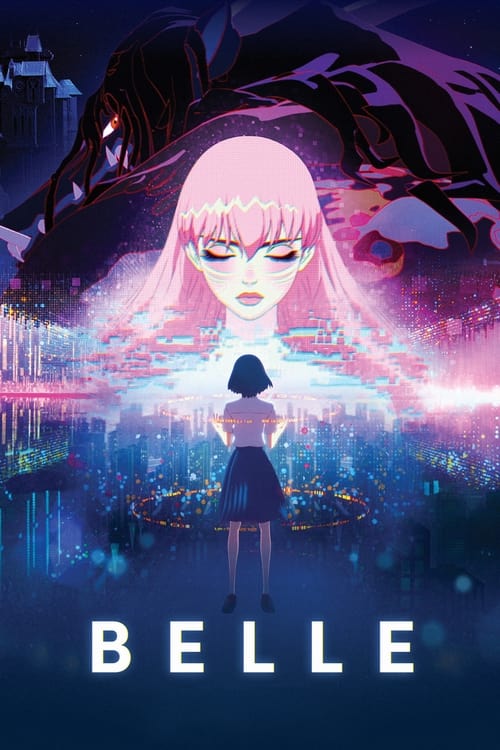
If you love Persona: stylish anime films with the same supernatural flair
High-school outsiders, hidden worlds, and gorgeous visual ambition
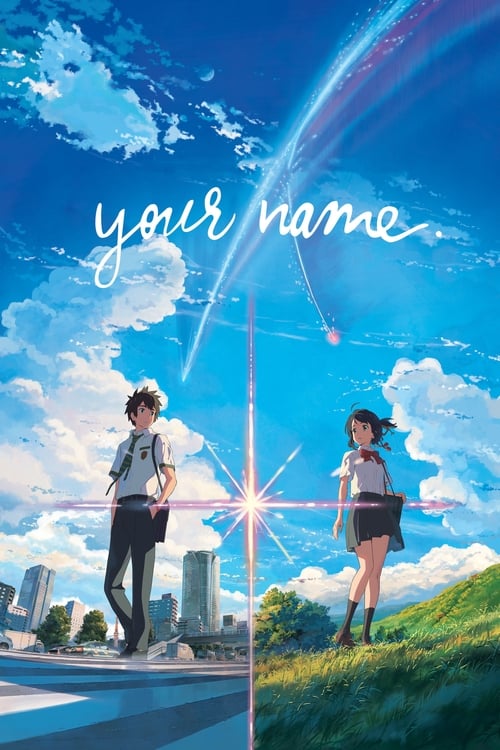
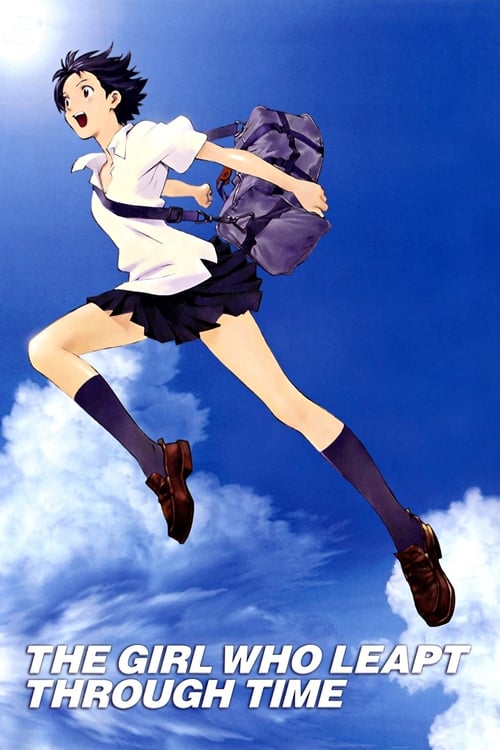
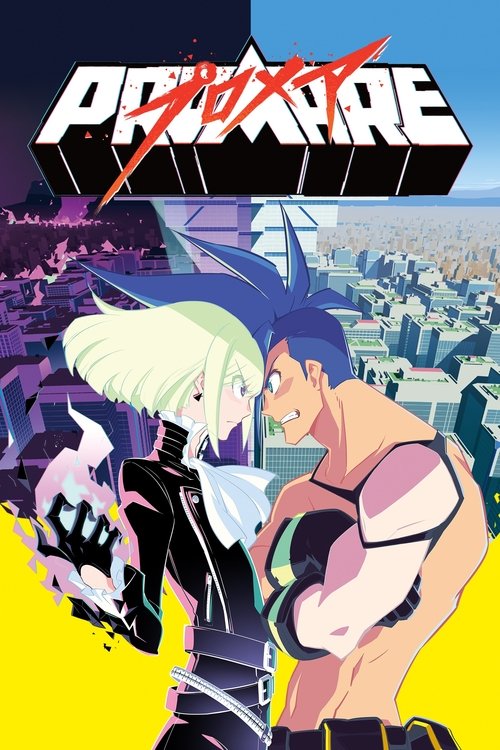
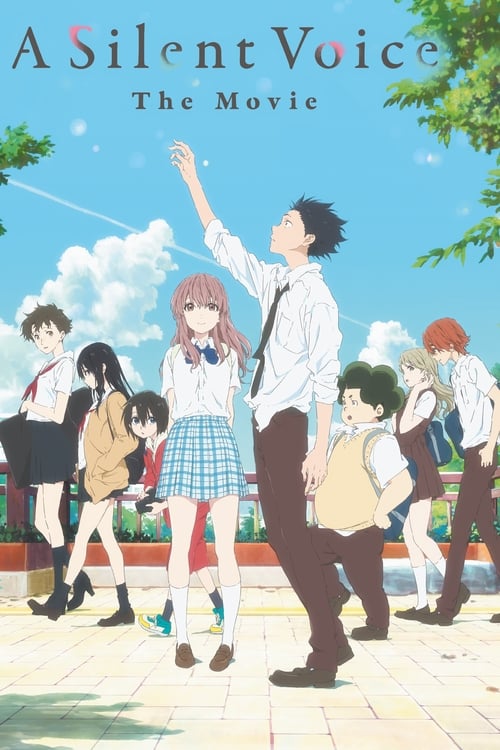
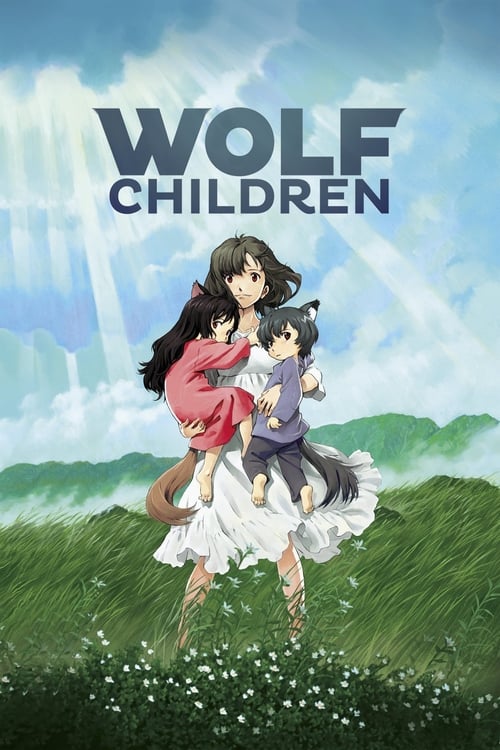



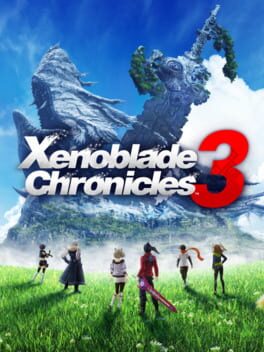
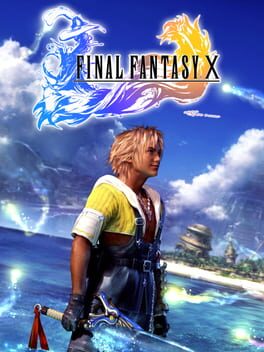
If you love Persona: JRPGs that hit the same nerve
Turn-based combat, rich characters, and stories that ask big questions
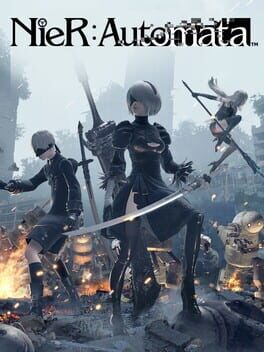


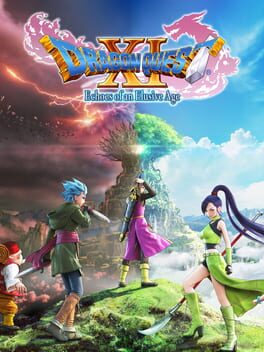

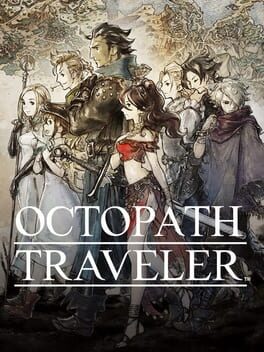




If you love Persona: manga and books about identity, shadows, and growing up
Graphic novels and prose for readers who want the page to hit like a boss battle


Persona 5 Royal is a masterclass in style as substance
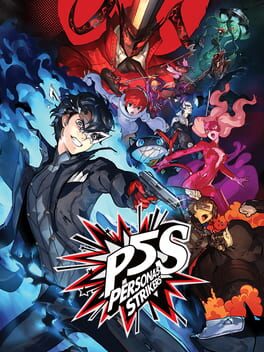
Every inch of Persona 5 Royal is designed to make you feel cool -- the spidery UI font, the jazz-funk soundtrack, the way a menu transition becomes a tiny act of rebellion. But beneath the aesthetic is a sharp critique of power, corruption, and adult complicity that never lets the style become mere decoration. Few games let you be a teenage delinquent who topples abusers and corrupt officials via a cognitive metaphysical heist, and fewer still pull it off with this much wit. The Royal expansion adds a third semester that turns the game's thesis on its head, asking whether a perfect world built on a beautiful lie is worth accepting.
Persona 4 Golden invented the found-family JRPG
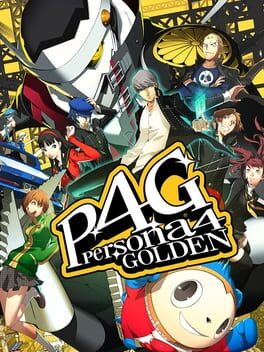
Where Persona 5 is urban and outraged, Persona 4 Golden is pastoral and hopeful. The Investigation Team -- assembled in a nowhere town with one department store and a legendary food stall -- is one of the most genuinely warm ensembles in any RPG. The murder mystery plot is almost secondary to the pleasure of spending time with these people. The Shadow fights force each character to confront a self they have been hiding: Kanji's fear of rejection, Naoto's gender identity, Rise's exhaustion with fame. Confronting the shadow is not defeat, it is acknowledgement, and that psychological honesty is what makes P4G resonate years after its original Vita release.
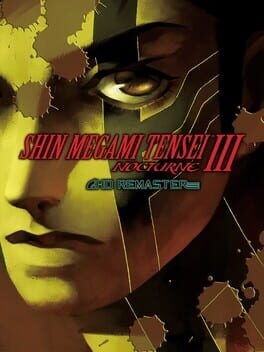
Shin Megami Tensei is the dark mirror every Persona fan should see
The mainline SMT games that share Persona's DNA are deliberately colder. Where Persona gives you a homeroom and Social Links, SMT gives you a burning Tokyo and a choice between law, chaos, and nihilism. SMT III: Nocturne is one of the most formally strange RPGs ever released -- you play a half-demon navigating the end of the world with almost no allies and a soundtrack that sounds like an industrial requiem. SMT V: Vengeance modernises that austerity with stunning open environments and a revised narrative that actually lands. If the Persona games make you feel accompanied, the SMT games make you feel utterly alone -- and that loneliness is the point.
The Persona 3 films prove the franchise's tragedy travels across media
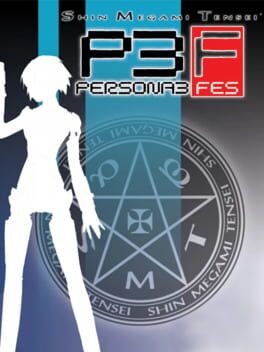
Persona 3's central premise -- that every night at midnight the clock stops, the sky turns green, and the monsters come out -- is already cinematic. The four-film adaptation by A-1 Pictures and animated director Noriaki Akitaya keeps the plot compressed and the emotional beats sharp, turning what could be a mechanical recap into a genuine meditation on grief and mortality. The protagonist's arc (accepting death rather than defeating it) hits harder in two-hour chunks than it does across 70 hours of gameplay. The final film, Winter of Rebirth, is one of the rare anime films that requires you to already love the source material and rewards that love absolutely.
The Persona timeline
- 1996Revelations: Persona (PS1) introduces the Fool Arcana and demon negotiation to the JRPG Revelations: Persona
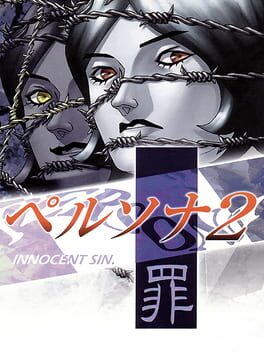
- 1999Persona 2: Innocent Sin brings rumour-as-magic and the darkest narrative in the series Persona 2: Innocent Sin
- 2006Persona 3 (PS2) launches the Social Link system that defines modern Persona Persona 3
- 2008Persona 4 (PS2) sets the gold standard for JRPG ensemble writing Persona 4
- 2011Persona 4: The Animation adapts the game across 26 episodes on TV Tokyo PERSONA 4 the Animation
- 2012Persona 4 Golden (Vita) adds content, music, and Marie -- the definitive P4 version for a decade Persona 4 Golden
- 2012Persona 4 Arena (PS3/360) proves the cast can carry a fighting game Persona 4 Arena
- 2013Persona 3 The Movie: Spring of Birth begins the four-film P3 anime cycle Persona3 THE MOVIE #1 Spring of Birth
- 2017Persona 5 (PS4) wins multiple game-of-the-year awards and brings the series to mainstream attention worldwide Persona 5
- 2018Persona 5: The Animation airs; the Dancing series adds music spin-offs 第二次 裏入学試験 THE ANIMATION
- 2020Persona 5 Royal (PS4) adds a full new semester and cements P5 as a JRPG benchmark Persona 5 Royal
- 2024Persona 3 Reload reimagines P3 in the modern engine, and its DLC Episode Aigis closes the loop Persona 3 Reload
Shadow selves and supernatural teens
Supernatural Teens
Explore the Supernatural Teens guide →I am thou, thou art I. From the sea of thy soul, I cometh.Igor, Persona series