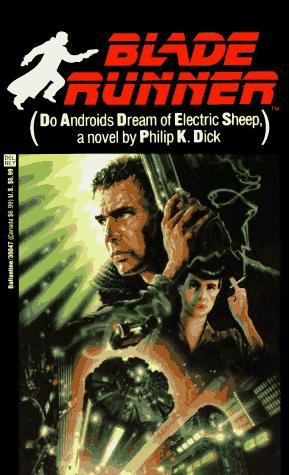

From a novel about sheep to the defining story of artificial life
Philip K. Dick published Do Androids Dream of Electric Sheep? in 1968, set in a post-nuclear San Francisco where most animals are extinct and humans covet real, living creatures as status symbols. Bounty hunter Rick Deckard is hired to retire six escaped Nexus-6 androids, and the story keeps asking, quietly and persistently, what separates a genuine feeling from a simulated one.
Dick never saw the full flowering of his story's influence. He died in March 1982, just months before Blade Runner opened that June. The film, directed by Ridley Scott and starring Harrison Ford, kept Deckard and the androids (renamed replicants) but stripped away most of the novel's religious subplot, the mood organ, and the electric sheep itself. It invented a different mood entirely. Both versions are great. They are also genuinely different works, which is why this story keeps generating new adaptations: each medium finds something the others left behind.
Every Version
The source novel and every major adaptation across media

A Timeline of the Story
- 1968Philip K. Dick publishes the novel Do Androids Dream of Electric Sheep?
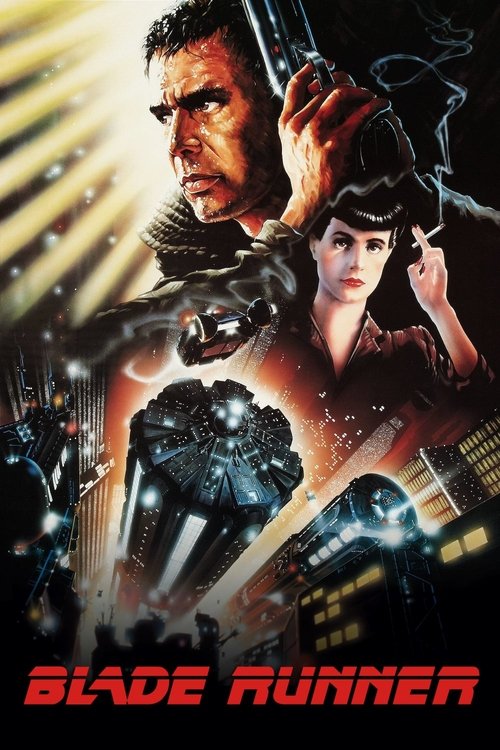
- 1982Ridley Scott's film adaptation opens Blade Runner
- 1993Vangelis releases the official film soundtrack Blade Runner
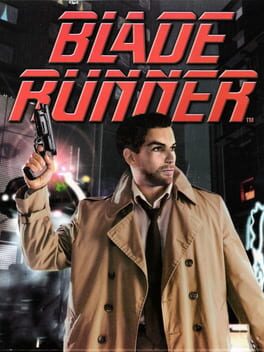
- 1997Westwood Studios' acclaimed parallel-story game Blade Runner
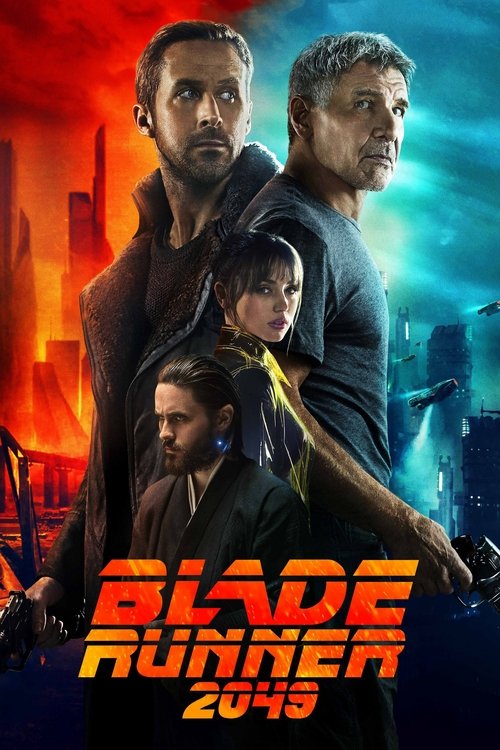
- 2017Denis Villeneuve's sequel starring Ryan Gosling Blade Runner 2049
- 2017Hans Zimmer and Benjamin Wallfisch score the sequel Blade Runner
The definitive version: the 1982 film, in its Final Cut
The Blade Runner Final Cut (2007) is the version Ridley Scott actually wanted to make, without studio interference and without the voice-over that was grafted on. It is one of the most precisely controlled visual environments in cinema: every frame built with a density that rewards close watching. It is not a faithful adaptation of Dick's novel. It is something that stands on its own and justifies every departure. If you have only seen the theatrical cut, the Final Cut is a different film.
The underrated version: the 1997 Westwood game
The Blade Runner game from Westwood Studios in 1997 is not a port of the film. It tells a parallel story with a different protagonist, set across the same streets and time period. The game randomizes which characters are replicants on each playthrough, which means two people who played it in 1997 may have had fundamentally different experiences and neither one is wrong. That is a design idea still ahead of its time. It also holds up visually in a way that most pre-millennium 3D does not.
The one that gets overlooked: the original novel
Readers who come to the novel after the film often find it stranger and funnier than expected. The mood organ, the Mercerism religion, the empathy box, the all-day TV host Buster Friendly: Dick packed ideas into this book that the films sensibly left out because they would each require their own film to explain. Do Androids Dream of Electric Sheep? is not a rough draft of Blade Runner. It is its own odd, anxious thing, and the ending hits differently when you know the film.
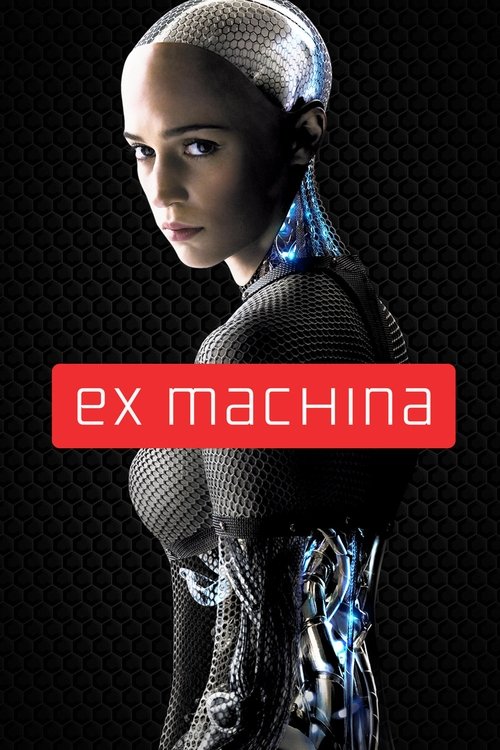
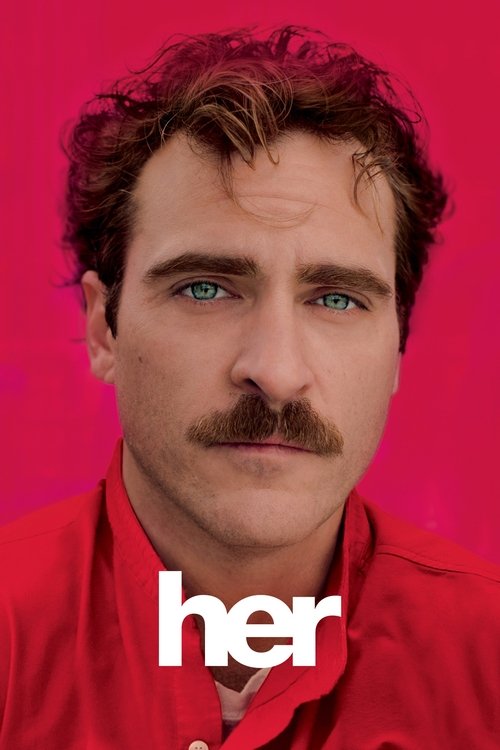
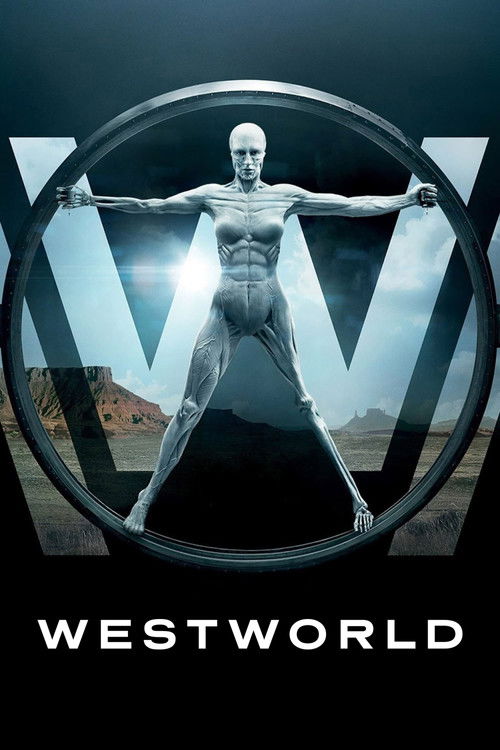
If you love the philosophical dread
Science fiction that asks hard questions about consciousness, identity and what it means to be human



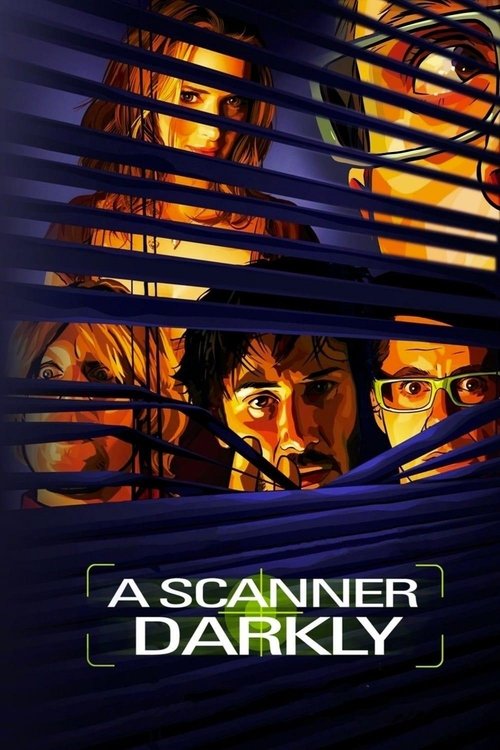
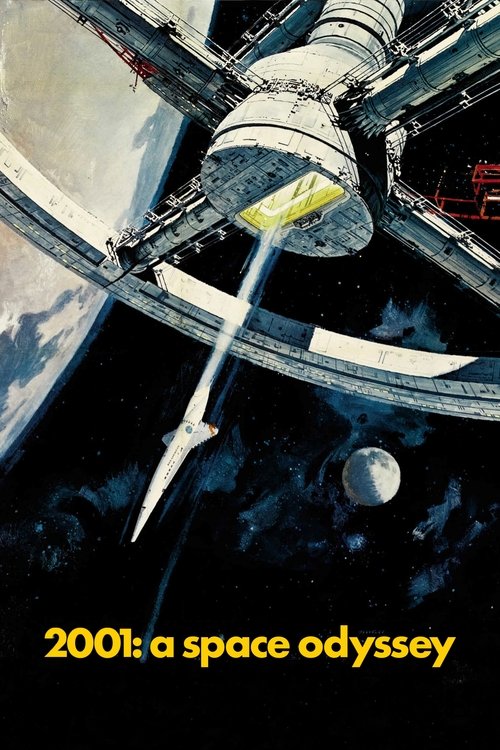
If you love the neo-noir atmosphere
Rain, neon, moral ambiguity and cities that feel alive and hostile


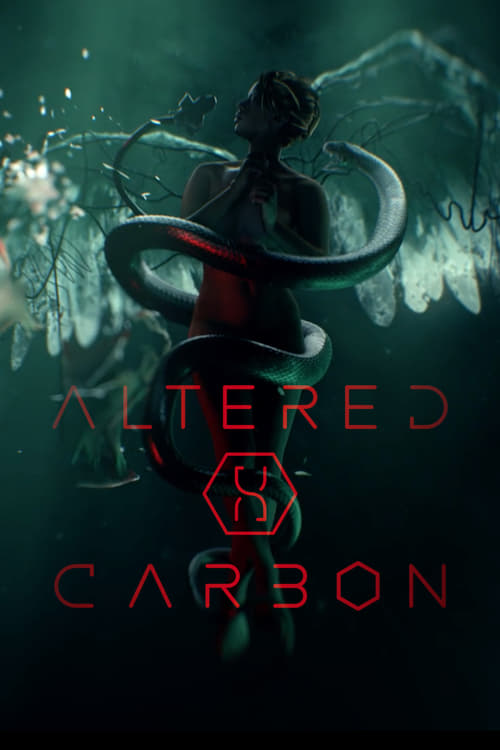
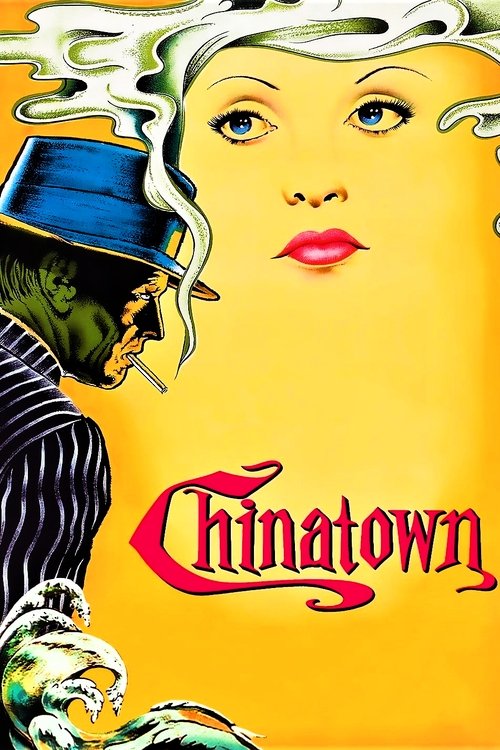


If you love the Philip K. Dick universe
Other Dick adaptations and works that share his preoccupations with reality, paranoia and identity



Replicants, empathy, and artificial life
For Fans of Blade Runner
Explore the For Fans of Blade Runner guide →The basic premise of the novel, that empathy is the one quality that separates the human from the inhuman, was treated by Hollywood as merely decorative. The sequels are catching up.CrossBinge