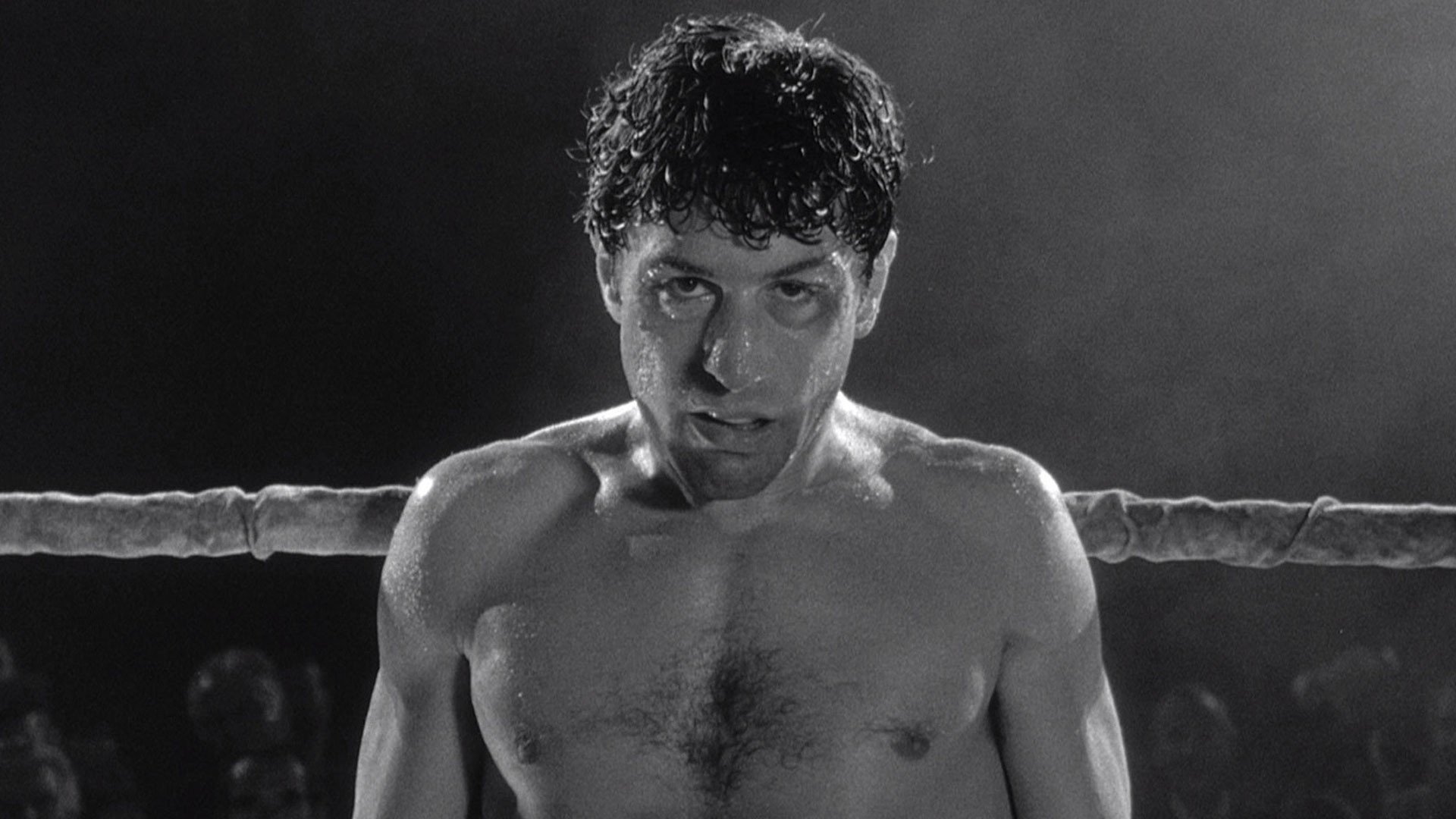

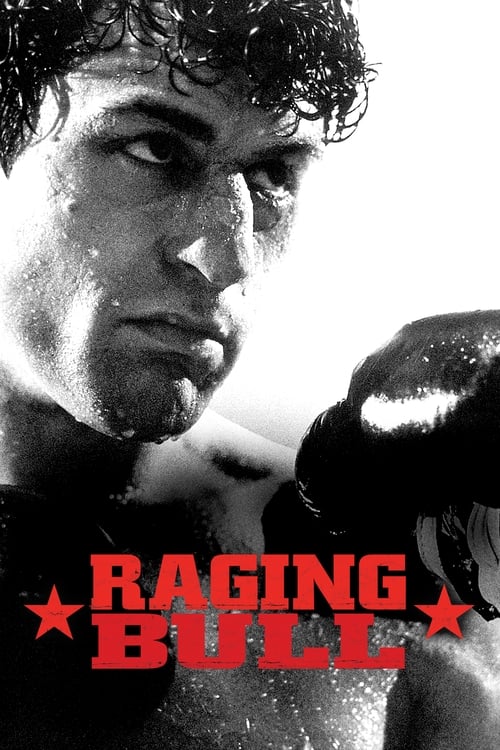
Raging Bull (1980) is not a boxing film. It is a film about a man at war with himself, and boxing is simply where that war becomes visible. Martin Scorsese and Robert De Niro strip Jake LaMotta down to something primal: jealousy, self-sabotage, the hunger for punishment as a kind of penance. Shot in black and white with a ferocity that still feels radical, it asks whether the damage a person does to others and to themselves can ever be separated from what made them extraordinary. The films, books, games, and music below chase the same feeling: flawed, often self-defeating protagonists; violence as expression; beauty coexisting with ugliness; and the uneasy question of whether we are watching a fall or something closer to a confession.
Essential Raging Bull
The film itself and the director's closest companions
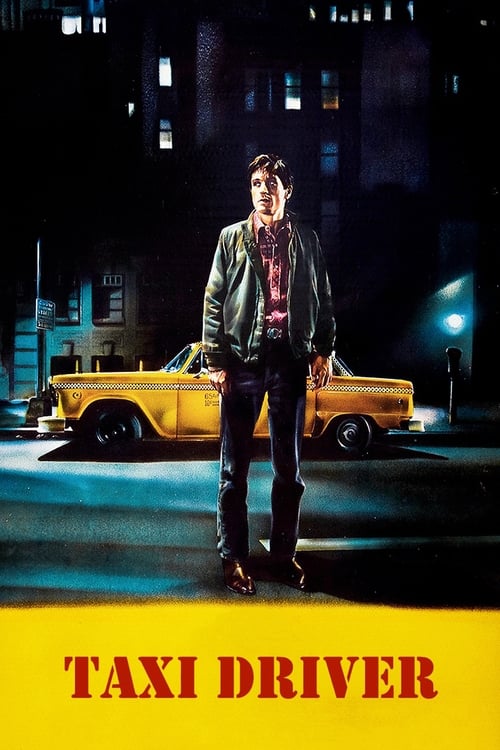
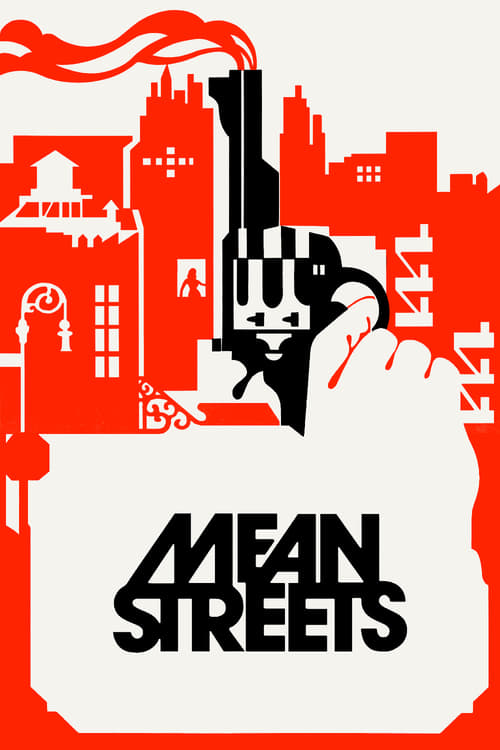
Same-Vibe Films: Portrait of a Man Undone
Films that share the psychological rawness and moral weight of Raging Bull
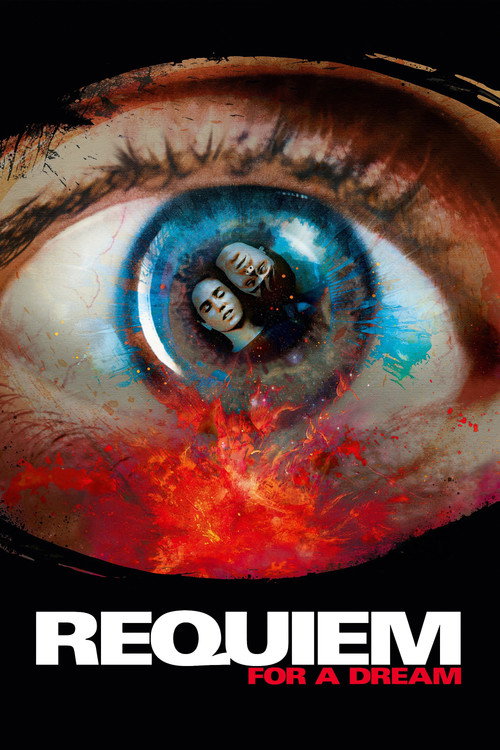
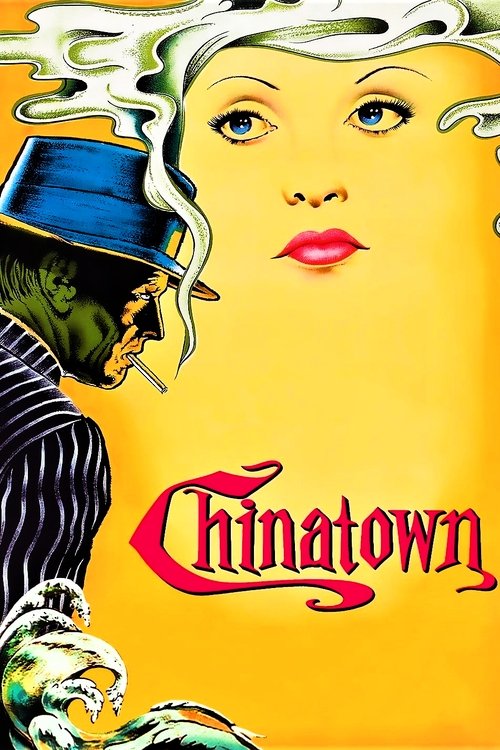
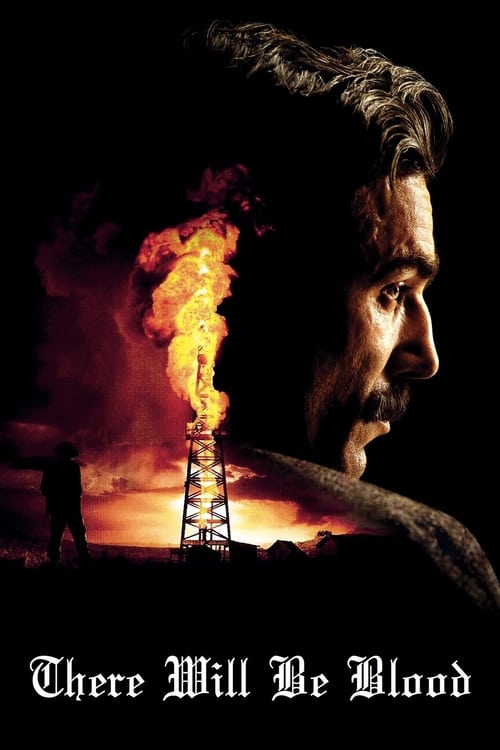
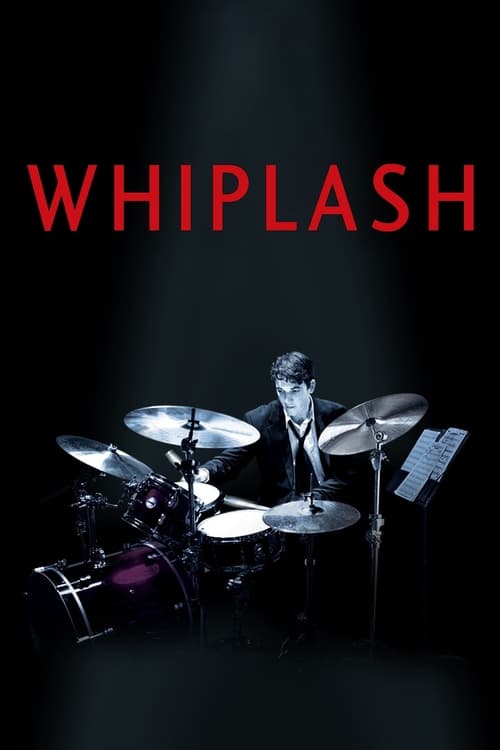
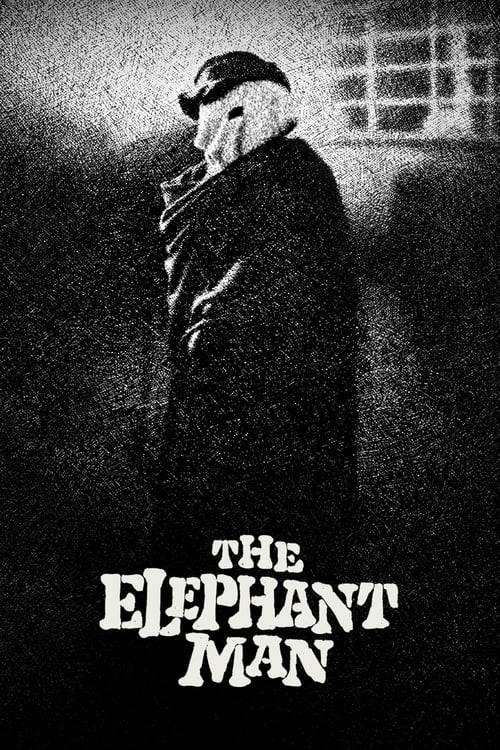
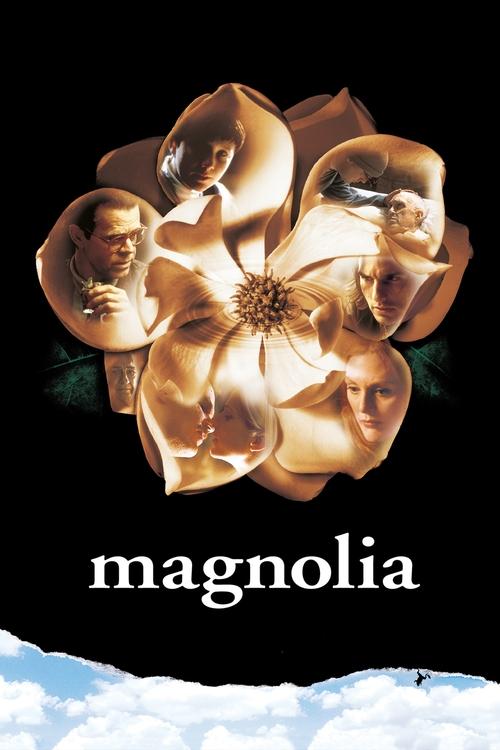
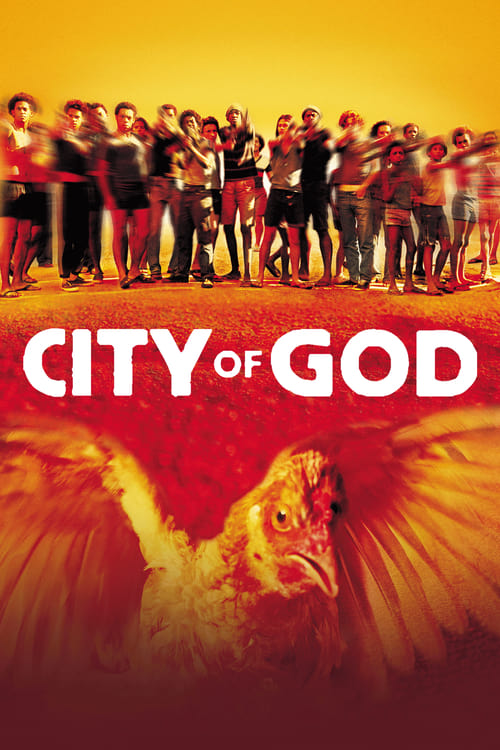
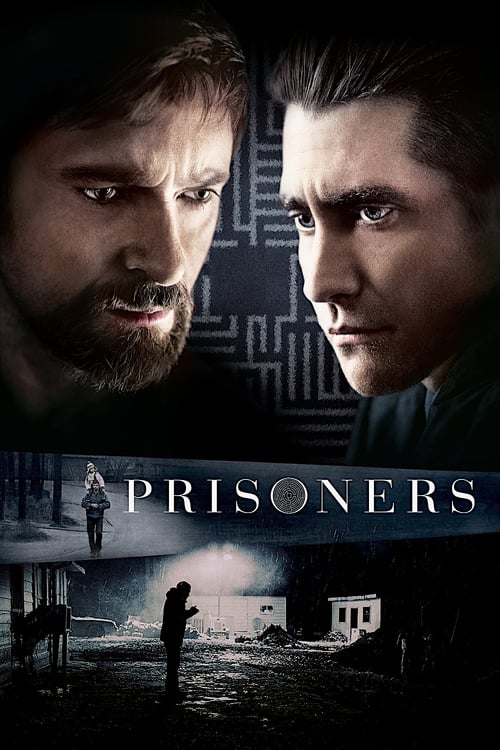
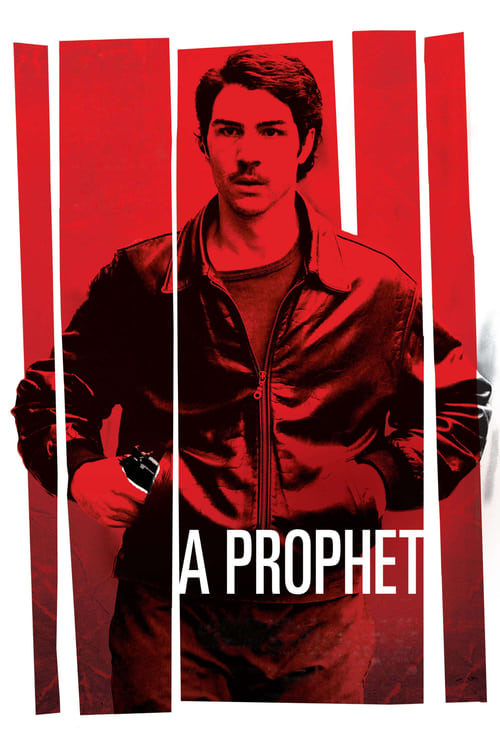
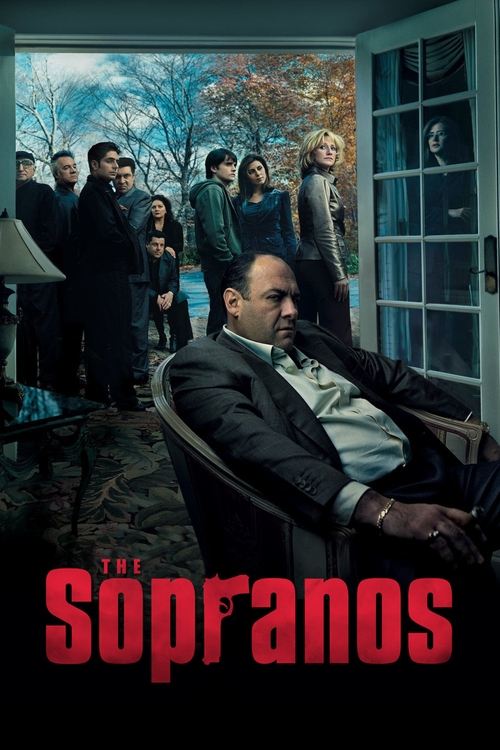
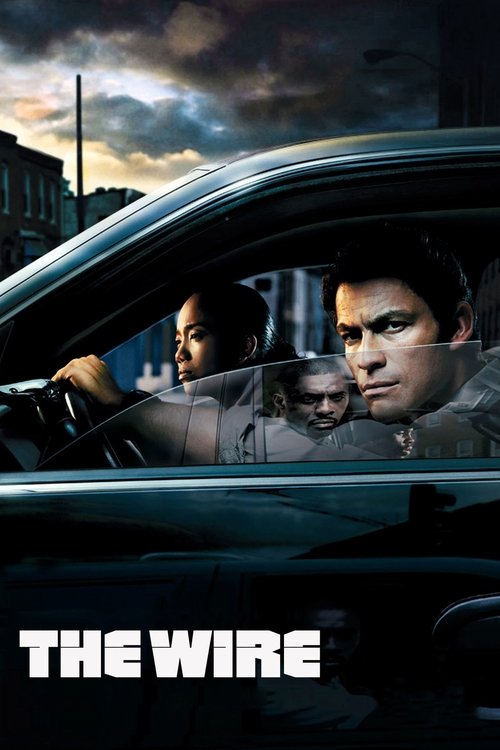
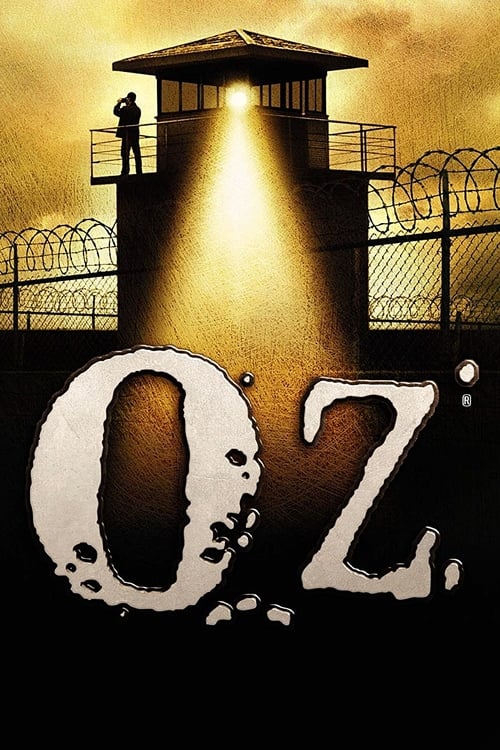
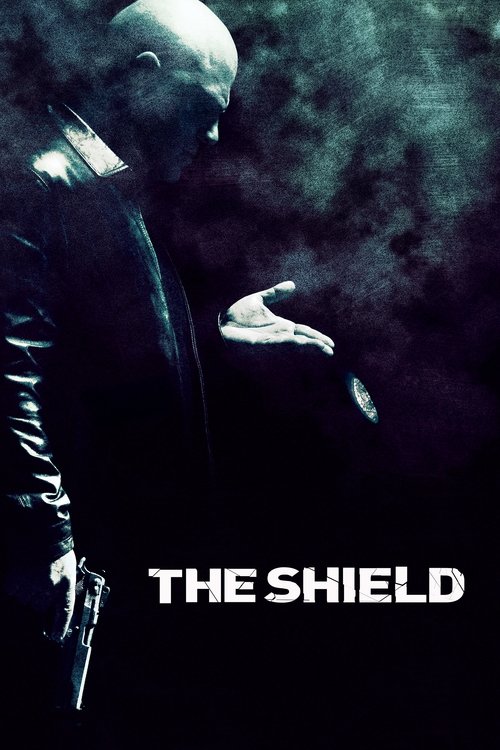
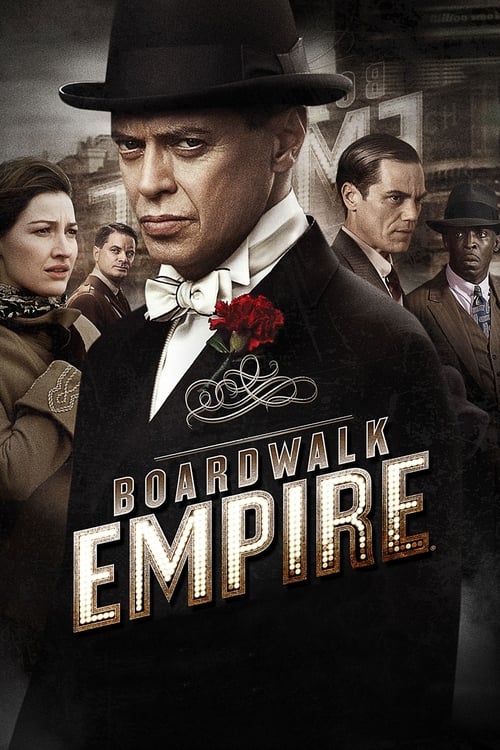
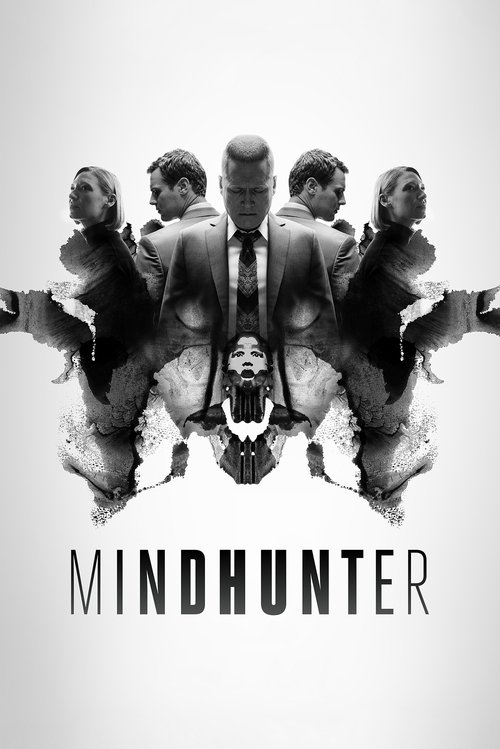
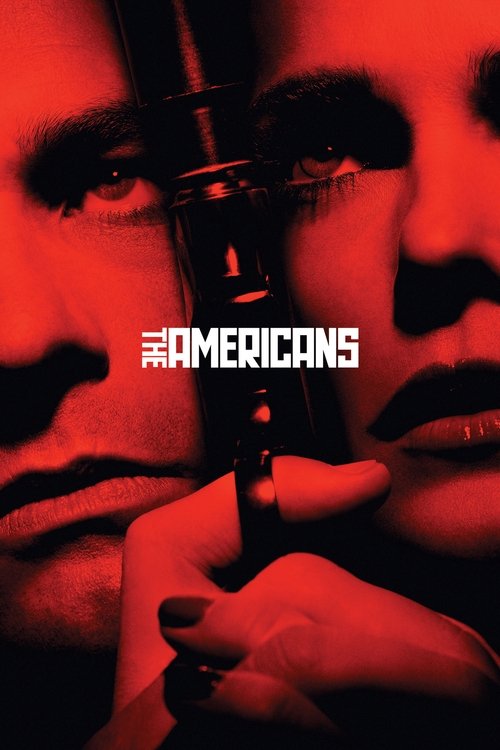
On Television: Flawed Men, Brutal Worlds
Series that share Raging Bull's unflinching look at masculinity and moral decay

Books: Violence, Obsession, and the Damaged Self
Novels and memoirs that share the film's psychological intensity


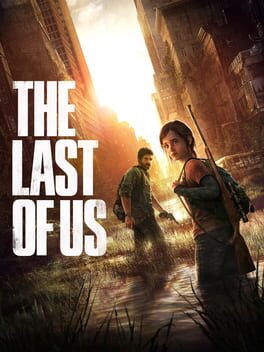
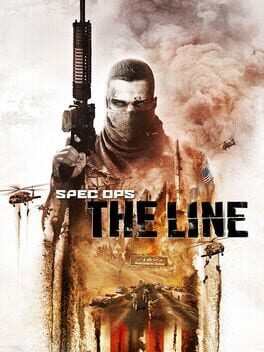
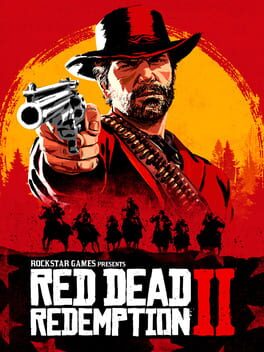
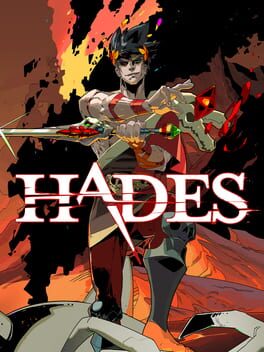
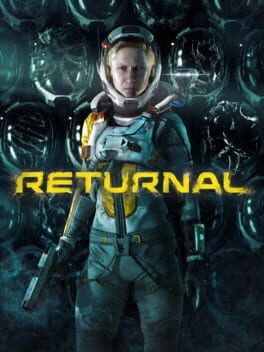
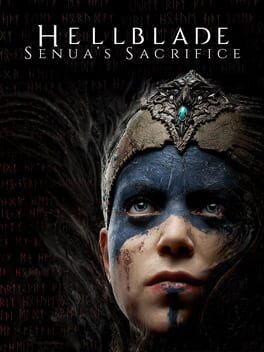
Games: Suffering as Mechanics
Games that make brutality and moral cost central to the experience

Music: The Score and the Needle-Drop
The film's opera selections and artists whose darkness matches its register
The Black-and-White Decision Was Not Nostalgia
Scorsese shot Raging Bull in black and white partly to distinguish it from other boxing films of the era and partly to stop the footage from dating itself. But the real effect is moral: black and white removes the comfortable distance of colour. The blood looks like shadow. The sweat looks like light. Everything becomes graphic in the original sense, reduced to shape and tone. When the camera goes inside the ring for those extraordinary slow-motion sequences, it is not aestheticizing violence. It is making you feel the weight of it.
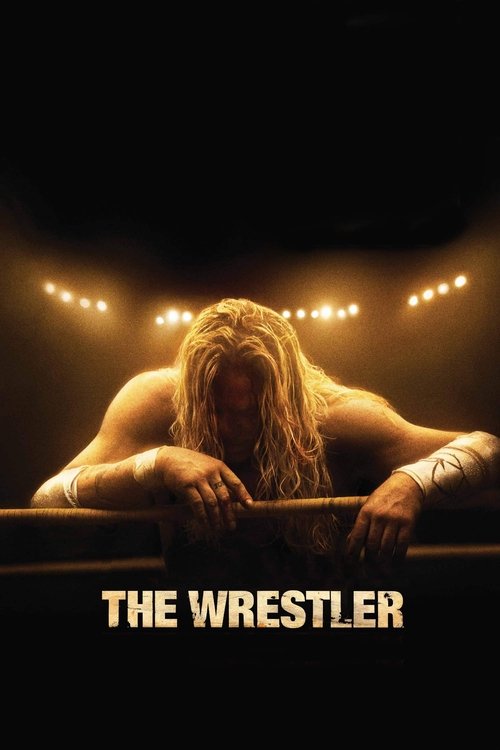
The Wrestler Is Its Spiritual Successor
Darren Aronofsky's The Wrestler (2008) is the closest any film has come to replicating the specific ache of Raging Bull. Mickey Rourke's Randy 'The Ram' Robinson is LaMotta thirty years later, still addicted to the punishment, still unable to exist outside the arena that defines him. Where Scorsese's film is almost operatic in its stylization, Aronofsky's is deliberately rough and immediate. Together they form a diptych on what it costs a person to be built for a single thing.
Disco Elysium Puts the Self-Destruction Inside the Mechanics
No game has taken the Raging Bull question (can a broken person be redeemed, or are they just broken?) and embedded it into its systems as thoroughly as Disco Elysium. Your detective is a man who drank himself into amnesia because he could not survive his own feelings. Every skill check is an argument between the different parts of his damaged psyche. The game does not reward the player for fixing him. It rewards honesty about what he is. LaMotta would recognise the loop immediately.
Blood Meridian Is the Novel That Shares Its Soul
Cormac McCarthy's Blood Meridian is not about boxing, but it is about violence as a condition of existence rather than a moral failure, and about whether a person shaped entirely by brutality can be said to have any interior life at all. The Judge and LaMotta both exist in a register where the question of whether they are evil or simply extreme is never resolved. McCarthy's prose has the same quality as Scorsese's black and white: beautiful in its rendering of things that should not be beautiful.
A Short History of the Film That Scorsese Said Saved His Career
- 1970Jake LaMotta publishes his autobiography, the source material for the film
- 1978De Niro approaches Scorsese with the project during Scorsese's recovery from drug problems
- 1980Raging Bull released; initial box office modest, but eight Academy Award nominations Raging Bull
- 1981De Niro wins Best Actor; Thelma Schoonmaker wins Best Film Editing
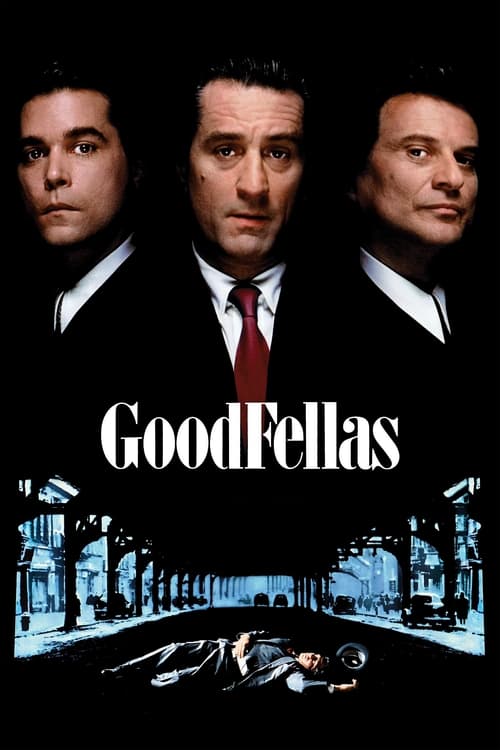
- 1990Scorsese returns to crime with GoodFellas, partly in dialogue with Raging Bull GoodFellas
- 2002The Wrestler begins development; Aronofsky cites Raging Bull as the primary reference
- 2008The Wrestler arrives, completing the informal diptych The Wrestler
- 2014Sight & Sound critics' poll places Raging Bull among the greatest films ever made
More Scorsese and self-destruction
For Fans of Martin Scorsese
Explore the For Fans of Martin Scorsese guide →You never knocked me down, Ray.Jake LaMotta, Raging Bull (1980)