
Ray Bradbury wrote about the future the way a child writes about a dream: with precise sensory detail, a fear of losing innocence, and the certainty that something beautiful is about to go wrong. His prose is not speculation in the technical sense. It is elegy dressed in rocket fuel. Whether it is the book-burning dystopia of Fahrenheit 451, the bittersweet colonial tragedy of The Martian Chronicles, or the carnival-dark coming-of-age of Something Wicked This Way Comes, Bradbury always returns to the same wound: the fragile, endangered thing called wonder. Fans of his work tend to share a craving for that combination, fiction that feels poetic rather than procedural, eerie rather than simply scary, and suffused with an almost physical nostalgia for things that never quite existed. This guide follows that feeling across every medium.
Essential Ray Bradbury
His own key works, from the indispensable to the underread


Bradbury on Screen
Adaptations that captured his light, and the ones that tried

If You Love His Voice: Lyrical Speculative Fiction
Authors who share his gift for prose that feels like memory and dreams


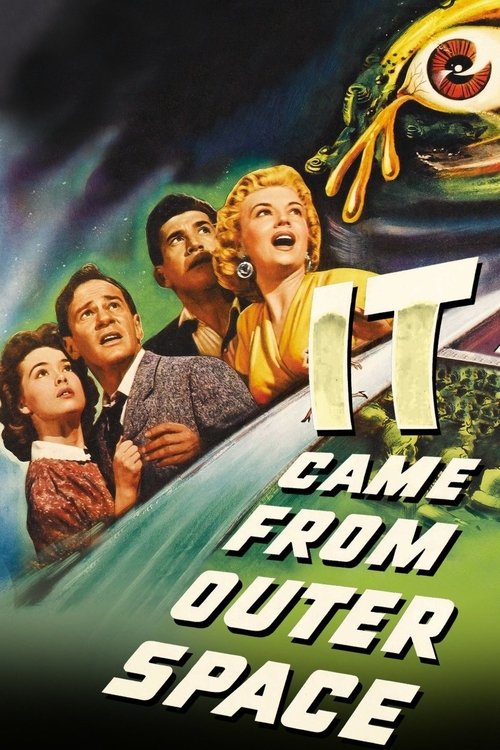
Thoughtful and Eerie on Screen
Films and series with Bradbury's blend of wonder, melancholy, and creeping dread
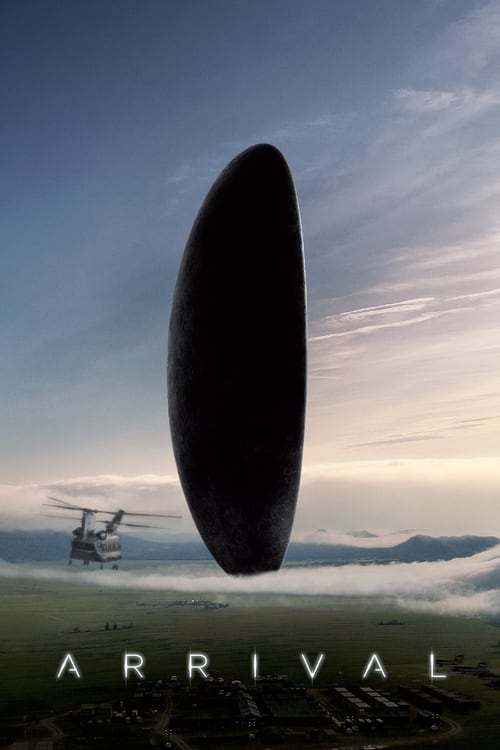
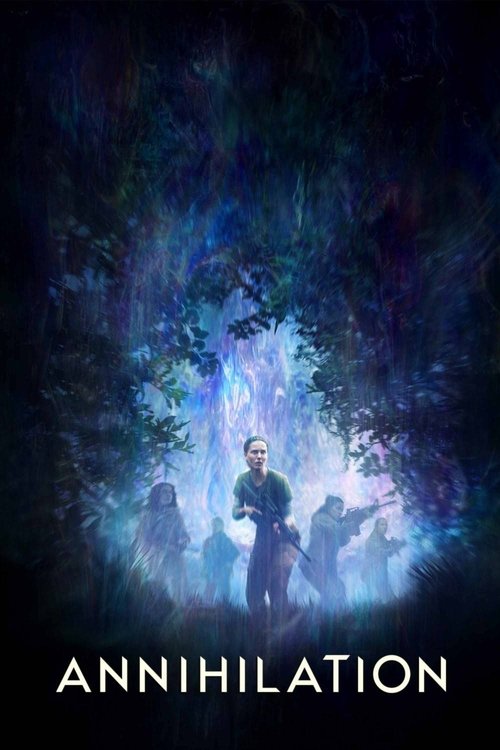

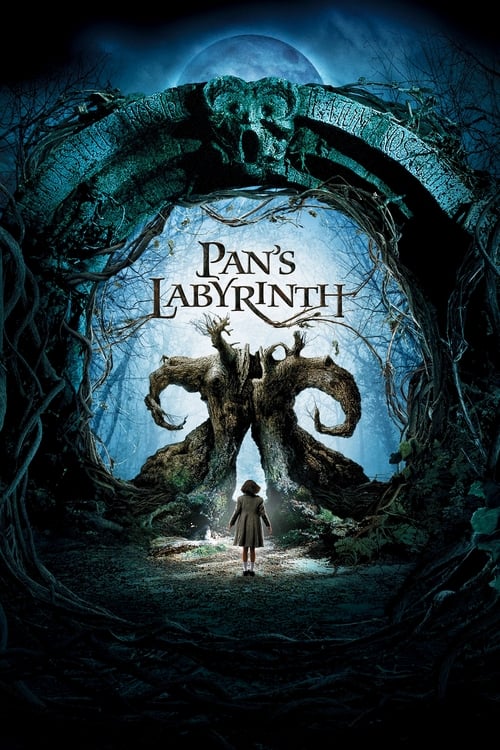
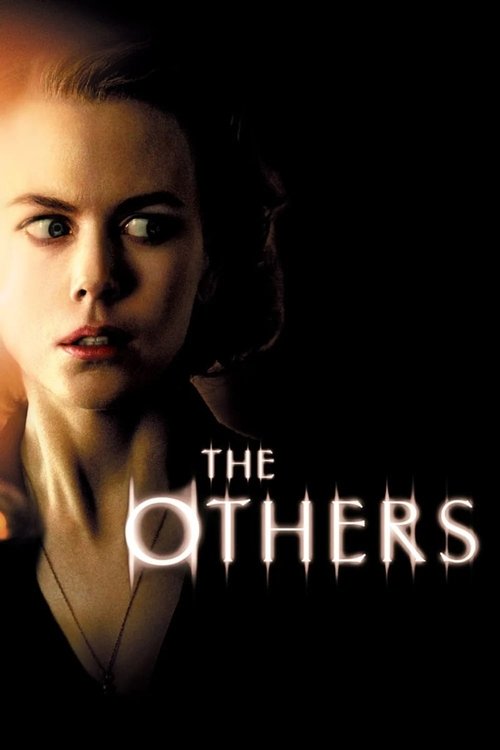
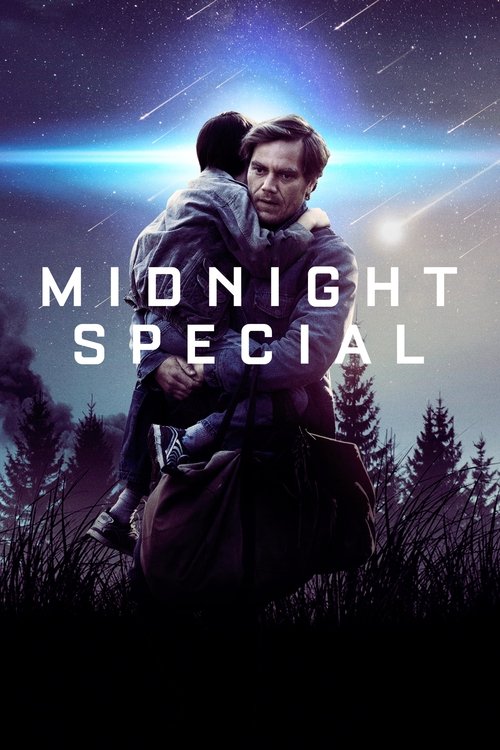
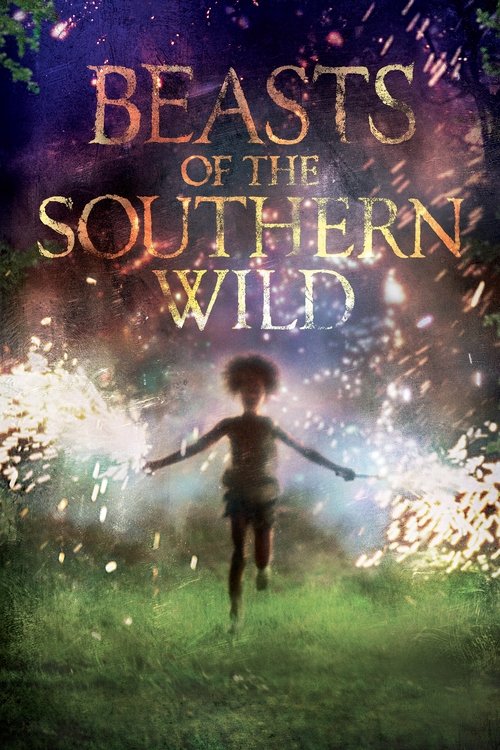
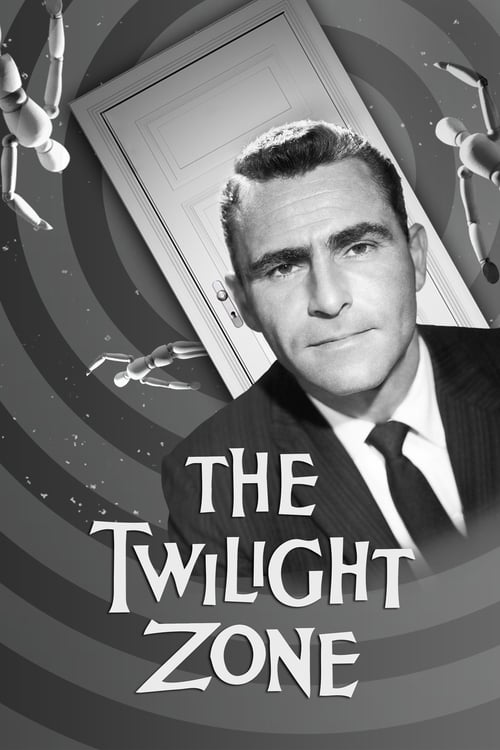


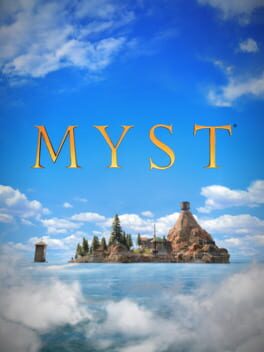
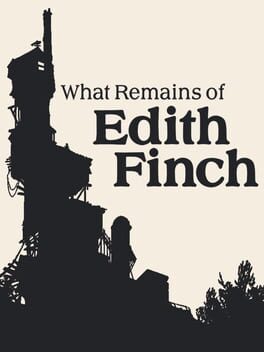
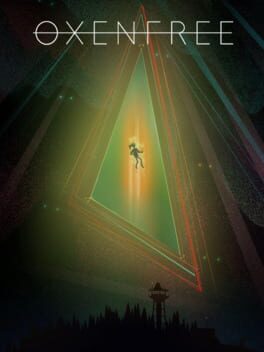
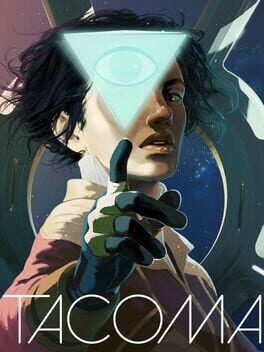
Games in the Bradbury Spirit
Games that prize atmosphere, wonder, and moral weight over pure mechanics

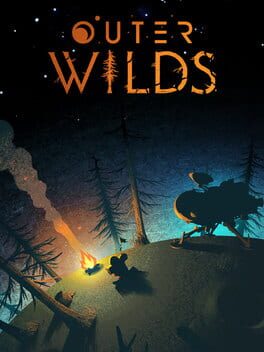
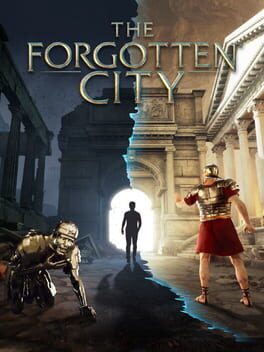
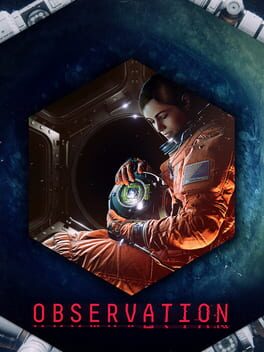

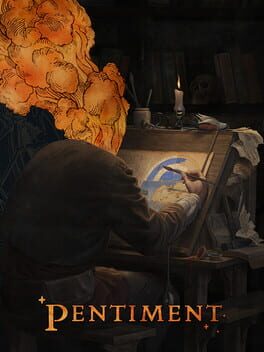
Fahrenheit 451 Is About Reading, Not Censorship
Commentators have always called Fahrenheit 451 a novel about government censorship. Bradbury spent decades patiently correcting them: it is about television killing the appetite for literature. Montag's society does not ban books because the state demands it. It burns them because people stopped wanting them first. That distinction makes the novel more unnerving now than it was in 1953. The enemy is not a dictator but collective comfort, the slow voluntary narrowing of attention that comes from choosing the easier, faster sensation every time. Bradbury's firemen are not villains. They are customer-service representatives fulfilling a demand.


The Martian Chronicles Is a Western, Not a Space Opera
The Martian Chronicles takes its structure from American frontier mythology, not from science fiction conventions. The Earthmen arrive, they misunderstand, they destroy, they replicate the culture they came from, and then they lose everything and start again. The Martians are Indigenous peoples displaced by settlers who barely perceive them as real. Mars is a mirror. Bradbury never lets the rocket ships distract from what the book is actually about: the compulsive human tendency to turn every new world into the old one, then mourn the old one once it is gone.

Something Wicked This Way Comes Invented a Template
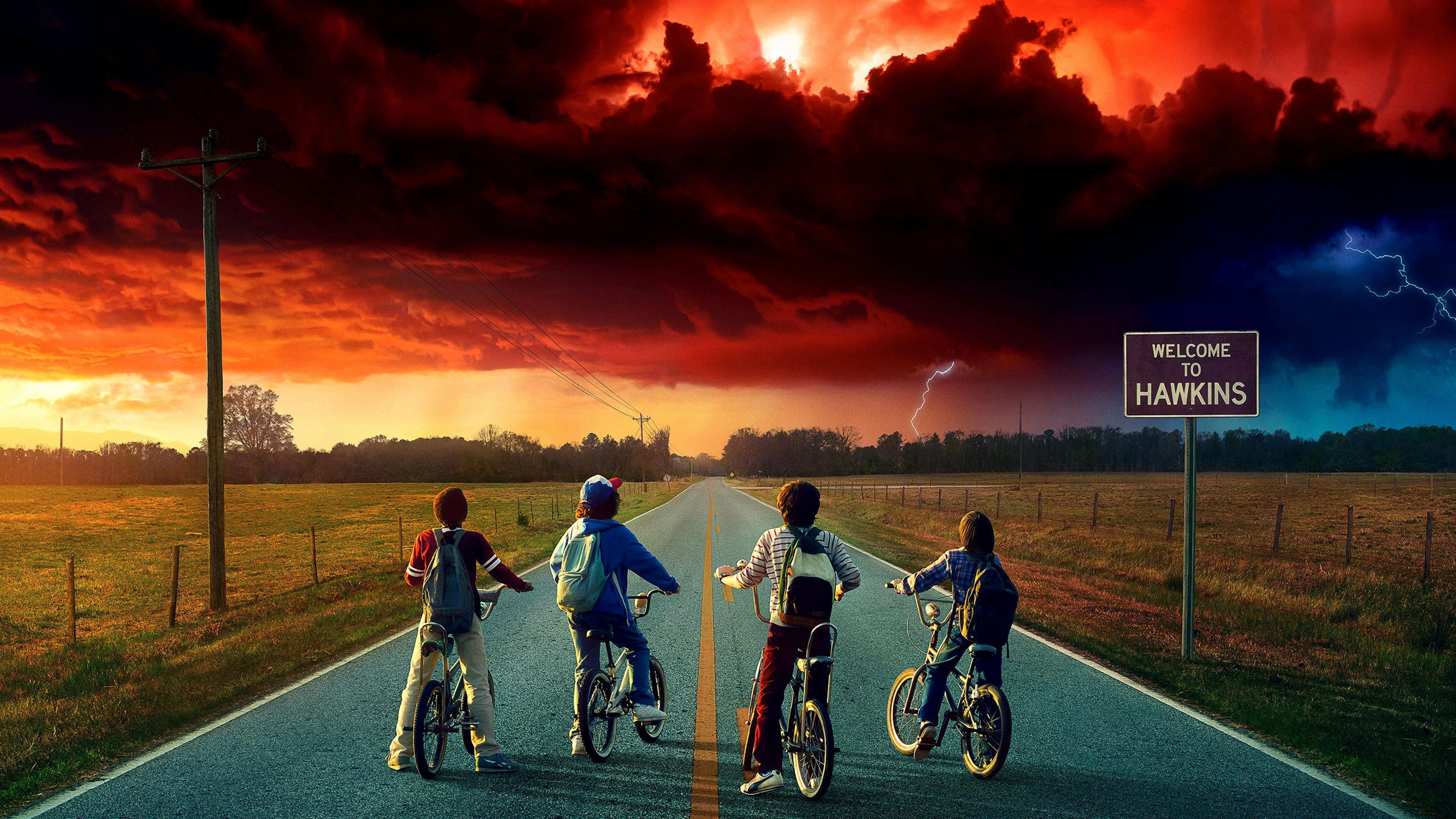
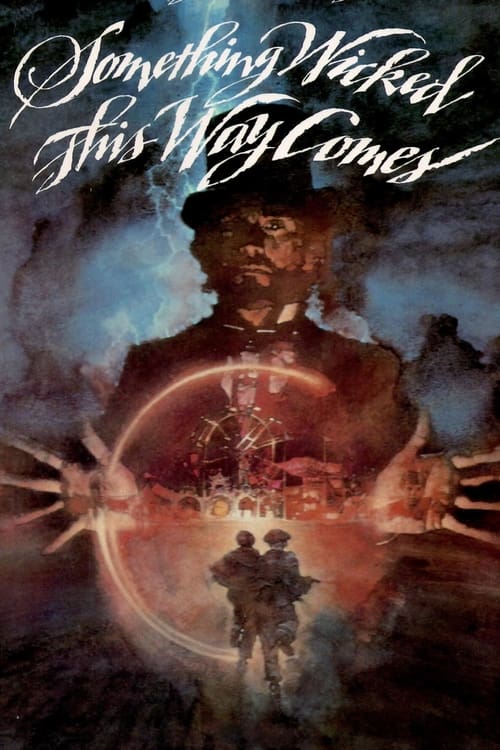
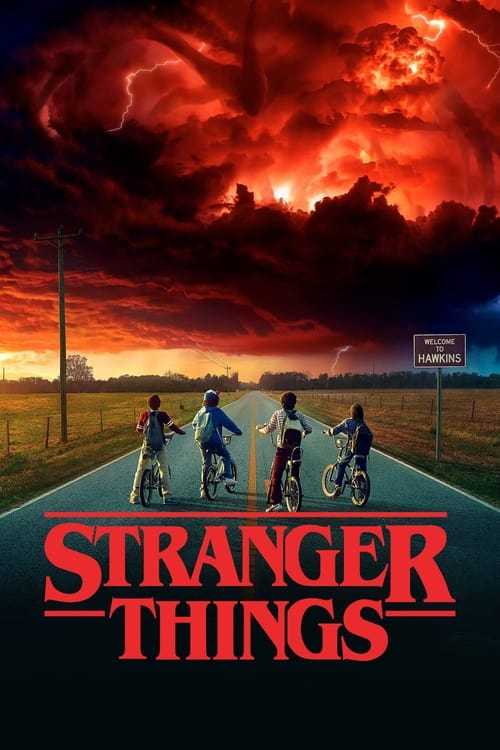
Before Neil Gaiman, before Stephen King's boy-horror, before Stranger Things, there was Cooger and Dark's Pandemonium Shadow Show rolling into Green Town, Illinois. Something Wicked This Way Comes established the template that an entire generation of dark fantasy and coming-of-age horror has drawn from: a magical but predatory force arrives in an ordinary American town; two boys on the cusp of adolescence are the only ones who see clearly; the terror is not death but transformation, the fear of becoming adult, becoming complicit, losing the ability to feel awe. Every subsequent work in that vein owes Bradbury a debt it rarely acknowledges.


The Short Story Is His Real Form
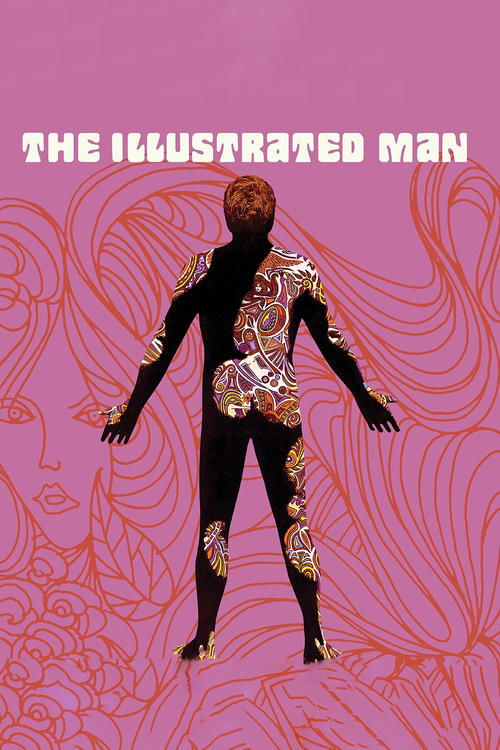
Bradbury's novels are remarkable, but his short stories are where his particular genius operates without compromise. The Illustrated Man, The October Country, A Medicine for Melancholy: each collection delivers a dozen worlds in the space most novelists spend building one. His stories work because they end before the logic unravels, hitting the emotional note and then cutting away. He understood that the eerie, the wondrous, and the melancholy all depend on compression. The moment a Bradbury premise is over-explained it becomes ordinary science fiction. At story length, it remains a spell.
A Life in Wonder and Fire
- 1920Born in Waukegan, Illinois, the town that would become Green Town in his fiction
- 1938First short story publication in a fanzine, after years of writing a story a week
- 1947Dark Carnival published, his first collection, later revised as The October Country The October Country
- 1950The Martian Chronicles published, bringing him national attention The Martian Chronicles
- 1953Fahrenheit 451 published, his most enduring novel Fahrenheit 451
- 1962Something Wicked This Way Comes published, crystallizing his dark-fantasy vision Something Wicked This Way Comes
- 1966Francois Truffaut's Fahrenheit 451 reaches cinemas, the first major adaptation Fahrenheit 451
- 1983Something Wicked This Way Comes adapted for Disney, directed by Jack Clayton Something Wicked This Way Comes
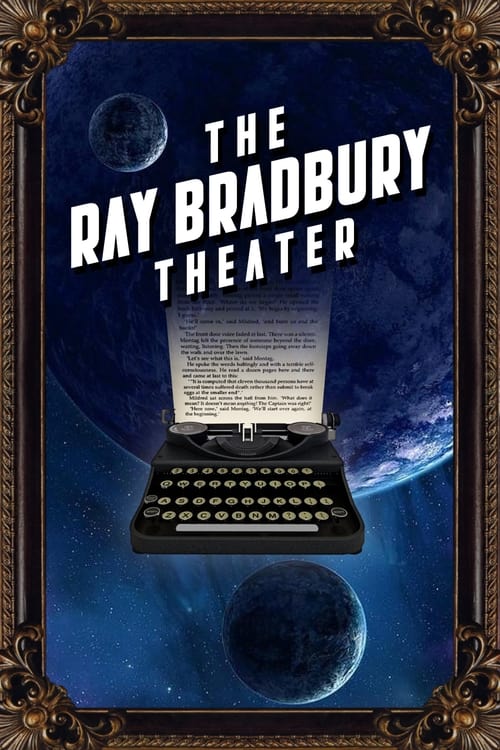
- 1985The Ray Bradbury Theater premieres, with Bradbury personally adapting his own stories The Ray Bradbury Theater
- 2012Bradbury dies in Los Angeles at age 91, leaving more than 600 published works
Dystopias, dread, and magical realism
Dystopian Societies
Explore the Dystopian Societies guide →You must stay drunk on writing so reality cannot destroy you.Ray Bradbury