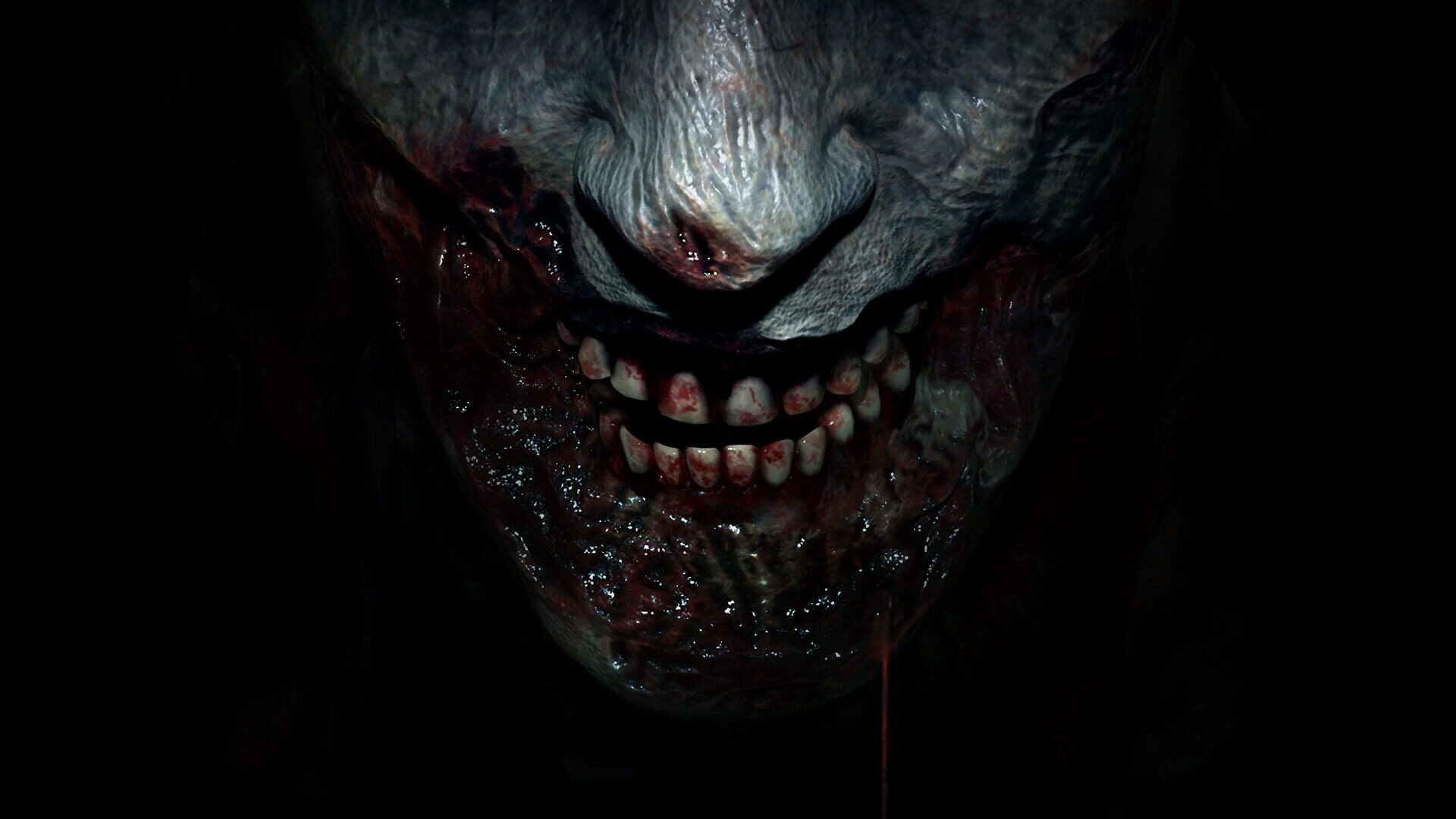

Resident Evil is the franchise that taught a generation to read a room before entering it. Since 1996, Capcom's survival-horror series has built its dread out of limited ammunition, ink-ribbon save points, and the creeping certainty that whatever made these monsters is still out there wearing a business suit. The through-line a fan loves is control: the constant negotiation between panic and resource management, between the need to run and the compulsion to push one more door open. Whether the camera sits over the shoulder or locks to a fixed angle, the feeling is the same, an architecture of fear that rewards patience and punishes greed.
Essential Resident Evil
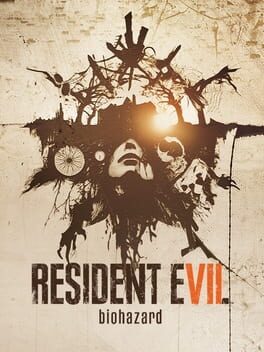
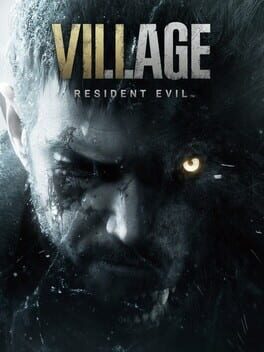
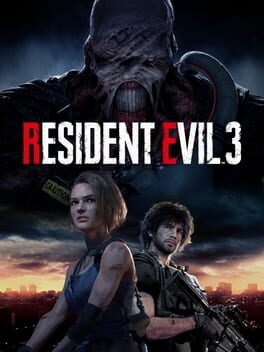
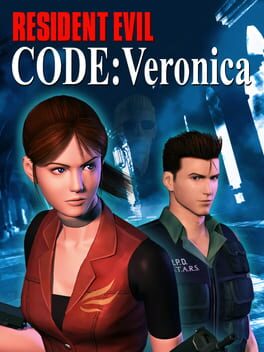
The core series, from the Spencer Mansion to the village and beyond.
If You Love RE: The Screen Universe
Live-action films, animated features, and the Netflix adaptations in every flavor.
 Resident Evil
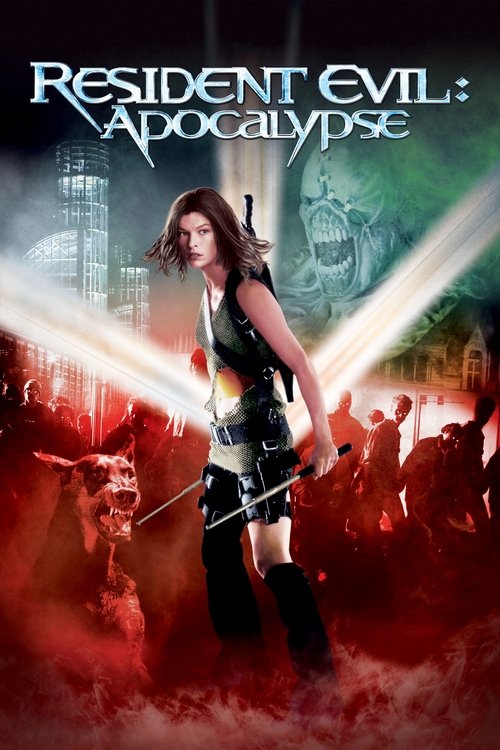 Resident Evil: Apocalypse
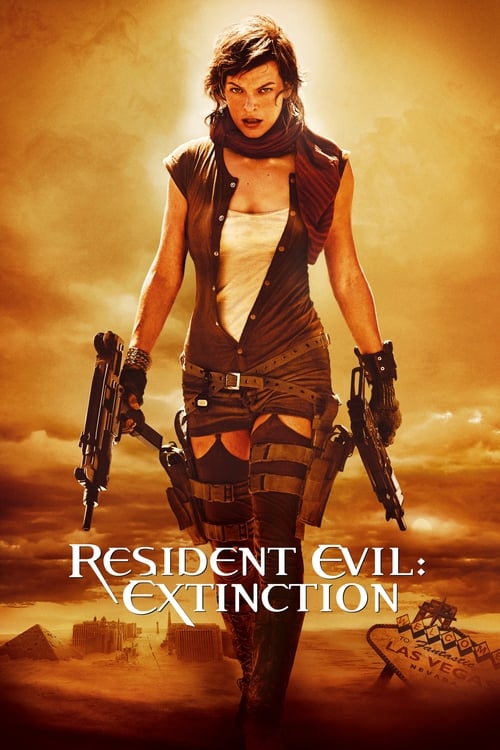 Resident Evil: Extinction
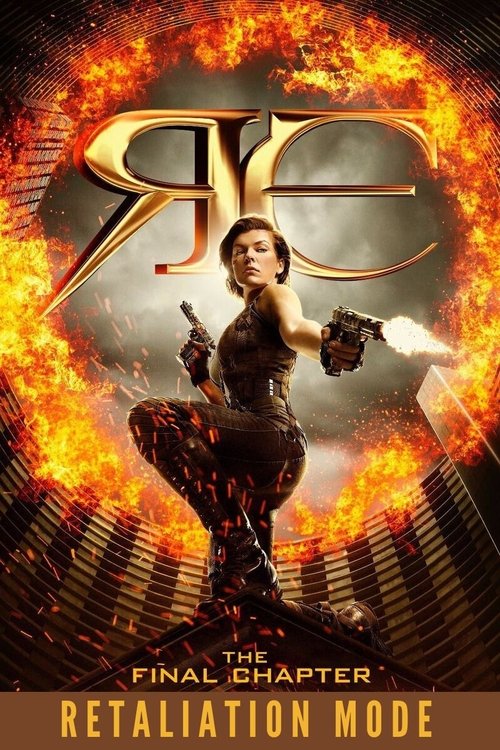 Retaliation Mode: Making 'Resident Evil: The Final Chapter'
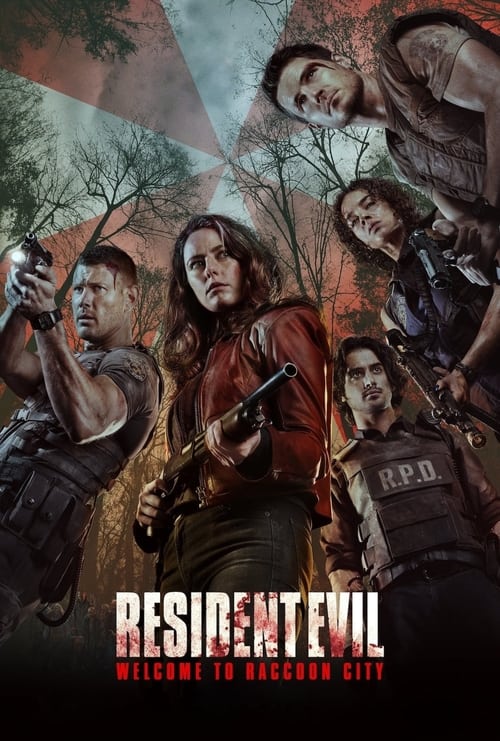 Resident Evil: Welcome to Raccoon City
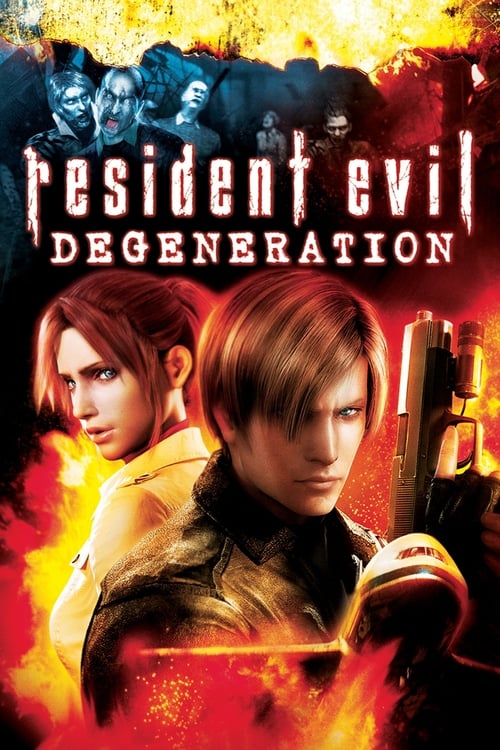 Resident Evil: Degeneration
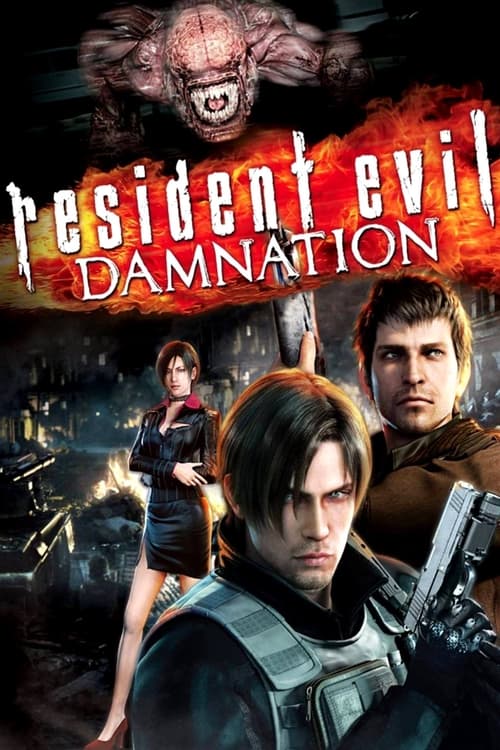 Resident Evil: Damnation
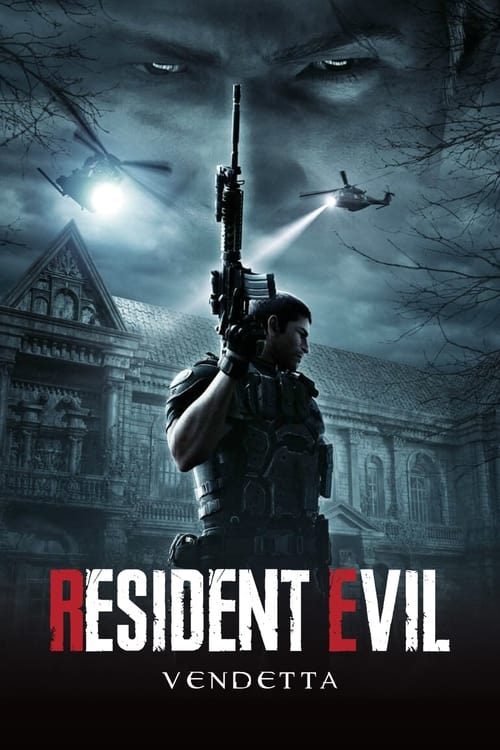 Resident Evil: Vendetta
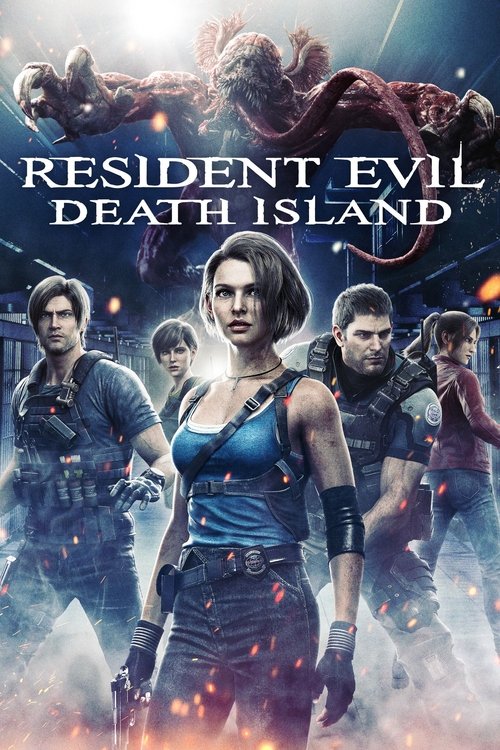 Resident Evil: Death Island
 RESIDENT EVIL: Infinite Darkness
 Resident Evil
If You Love RE: Survival-Horror Games
Games that share that same economy of fear, inventory pressure, and atmospheric dread.
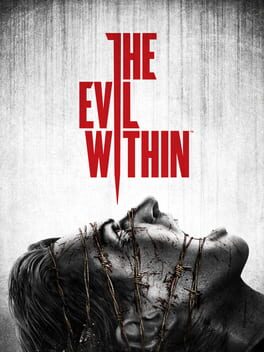

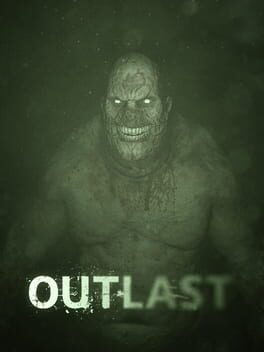
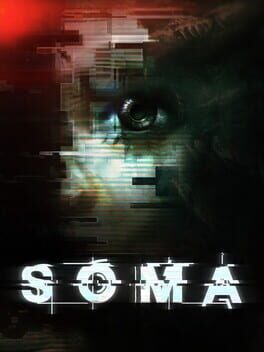

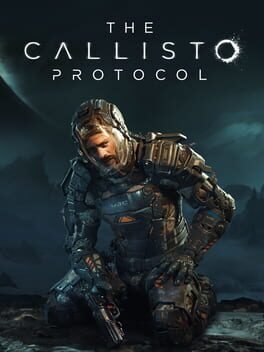



If You Love RE: Zombie and Creature Horror Cinema
The films and series that share RE's appetite for body-horror, outbreak scenarios, and desperate survivors.

![[REC]](https://image.tmdb.org/t/p/w500/hgyJR4sgMsee6xMFM3xYiG6cDCh.jpg)



If You Love RE: Corporate Horror and Bio-Terror Thrillers
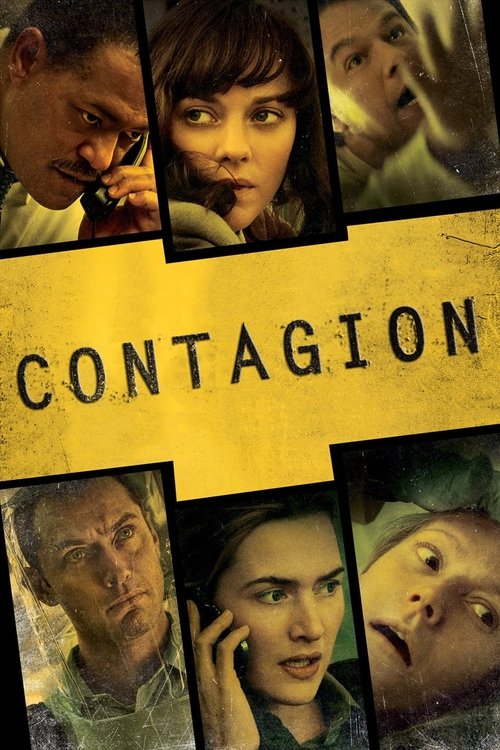
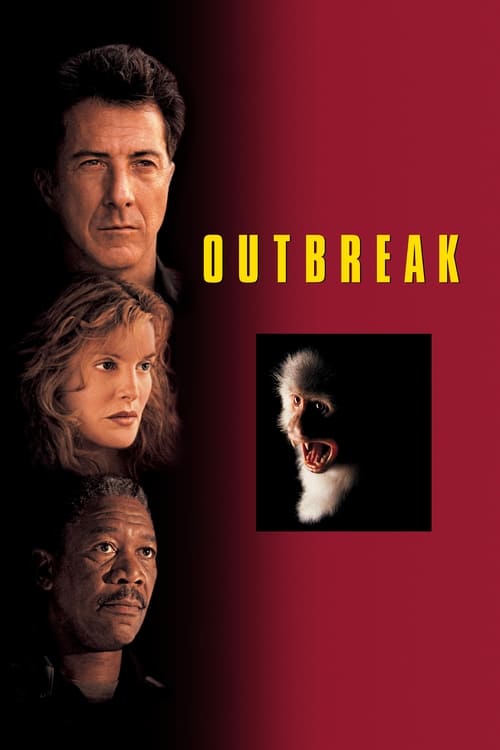
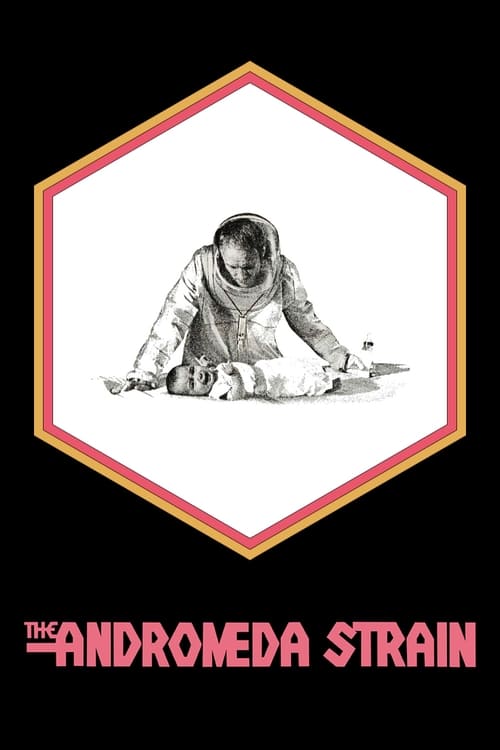
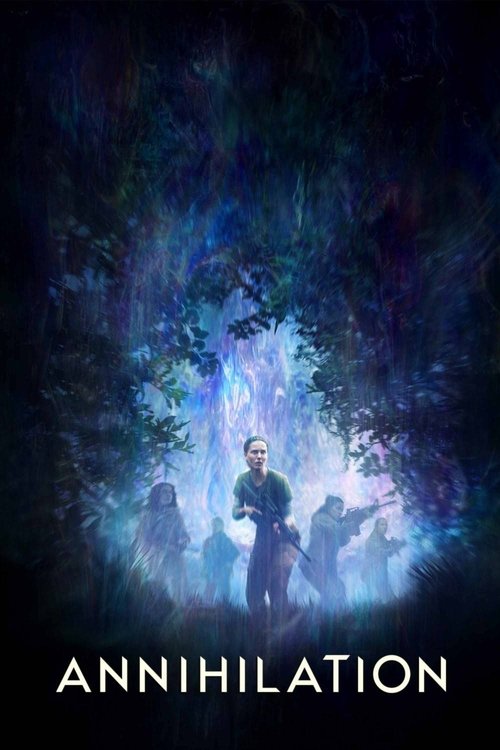
Stories where the real monster is the institution, the experiment gone wrong, or the cover-up that followed.



If You Love RE: Horror Fiction on the Page
Novels that feed the same hunger for isolation, body horror, and the dread of what science has unleashed.


RE4 Rebuilt the Language of Action-Horror
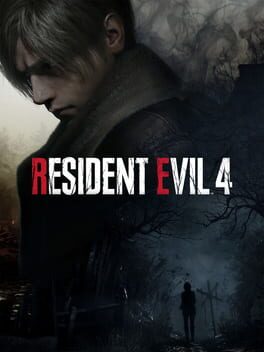
Resident Evil 4 did not just reinvent Resident Evil. It rewrote what a third-person action game could feel like. The over-the-shoulder camera, the laser sight, the attache case inventory: these ideas arrived fully formed and every action game that followed has been living in their shadow. What makes RE4 hold up is not the set-pieces but the pacing, the way each area breathes before it contracts, the way Leon moves with deliberate weight rather than superhero snap. It is a masterclass in tension architecture that survival-horror and action games still study.
RE7 Was the Bravest Pivot in the Series
When Capcom announced first-person RE7 with a disheveled protagonist in a Louisiana farmhouse, the internet was not kind. Two years of games later, the pivot looks like genius. By stripping back the mythology to one family in one building, RE7 recaptured the claustrophobic dread of the original Spencer Mansion at a scale VR could actually inhabit. Ethan Winters, deliberately bland, is a perfect horror vessel. The Baker family remains among the most effective antagonist designs in the franchise's history.
The Umbrella Corporation Is Horror's Greatest Villain
Dracula has a castle. Jason has a lake. Resident Evil has Umbrella. What makes the Umbrella Corporation so durable as a horror concept is its recognizability: a pharmaceutical conglomerate that ran weapons experiments because the quarterly targets demanded it. The T-Virus was not the product of a mad scientist in a dungeon. It was a board decision. That mundane evil, the profit motive dressed in biohazard yellow, makes every locked lab and experimental report you find in the series land harder than any jump scare.
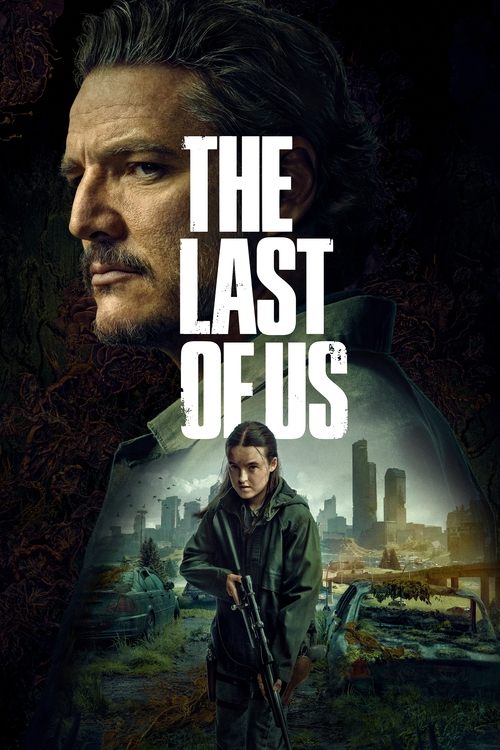
The Last of Us Proved Game-Horror Translates to Television
When The Last of Us arrived on HBO, survival-horror fans watched to see whether the medium translation would hold. It held. The series proved that the slow, deliberate pacing that makes great horror games work, the long silences, the inventory of grief, the infrastructure of a world after, can carry a prestige drama without needing to hollow out what made the source material worth adapting. For RE fans who have been waiting for something to fill the gap between games, it is the closest television has come.
A Quarter Century of Biological Terror
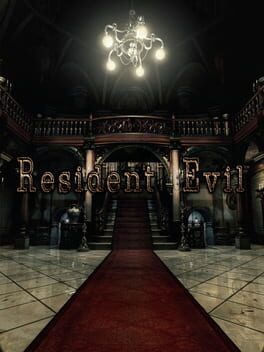
- 1996Resident Evil launches on PlayStation, establishing survival-horror as a genre. Resident Evil
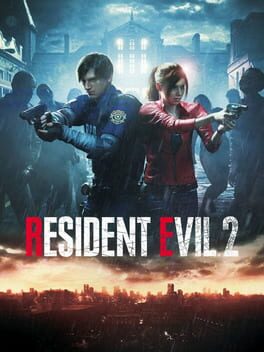
- 1998Raccoon City falls. Resident Evil 2 and 3 expand the mythology around the T-Virus outbreak. Resident Evil 2
- 2002The GameCube Remake elevates the original with pre-rendered horror redefined for a new era. Resident Evil
- 2002Paul W.S. Anderson's live-action film launches the Milla Jovovich franchise. Resident Evil
- 2005RE4 ships for GameCube and rewrites action-game design forever. Resident Evil 4
- 2009RE5 brings co-op to the franchise and deepens the Chris/Wesker mythology. Resident Evil 5
- 2012RE6 attempts blockbuster scope across three campaigns; the franchise begins reconsidering its direction. Resident Evil 6
- 2017RE7 in first-person resets the series with bayou isolation and genuine dread. Resident Evil 7: Biohazard
- 2019The RE2 Remake arrives to universal acclaim, proving remakes can surpass originals. Resident Evil 2
- 2021Village blends gothic castle horror with mercenary action and introduces the Winters family's fate. Resident Evil Village
- 2021Welcome to Raccoon City resets the film universe with a more faithful adaptation of the original games. Resident Evil: Welcome to Raccoon City
- 2024RE4 Remake ships to critical and commercial success, confirming the reboot strategy. Resident Evil 4
Survival Horror and the Undead
For Fans of Survival Horror
Explore the For Fans of Survival Horror guide →You were almost a Jorgeous sandwich.Barry Burton, Resident Evil (1996)