
The World as a Trap
Roman Polanski spent seven decades making films about one thing: the moment a person realizes the walls are closing in, and that the people around them may have planned it that way. His best work operates in the space between domestic comfort and cosmic dread, where an apartment in Paris or Manhattan becomes as hostile as any dungeon, where a neighbor's smile carries the weight of conspiracy, where the protagonist's own perception cannot be trusted.
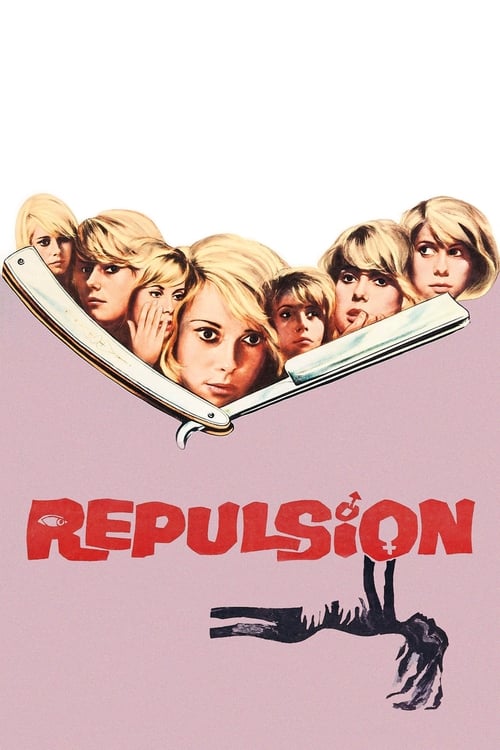
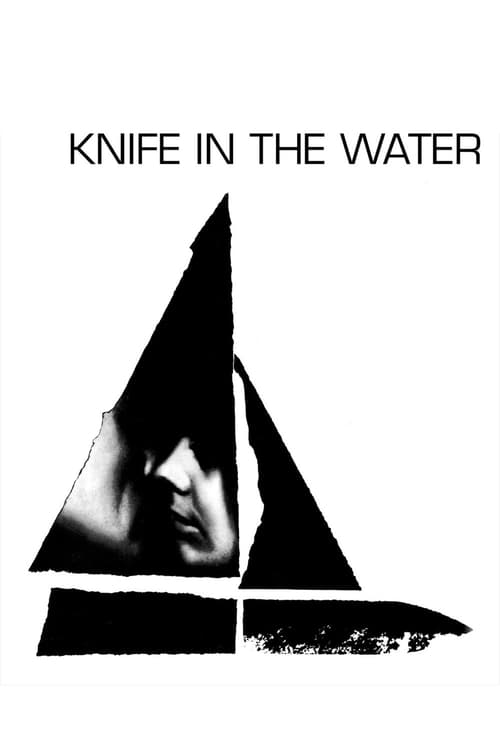
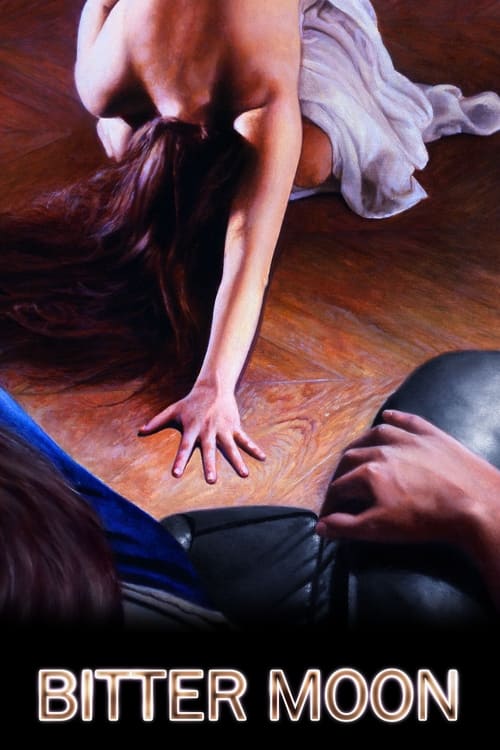
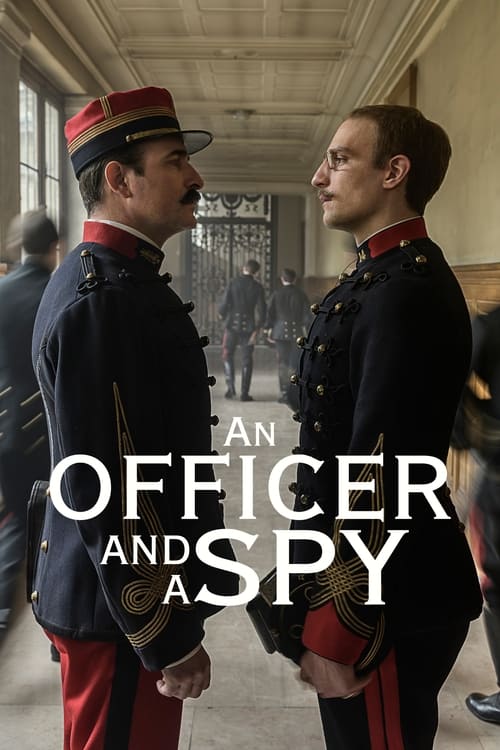
His career spans Polish arthouse (Knife in the Water, Repulsion), American genre mastery (Rosemary's Baby, Chinatown), European psychological unease (The Tenant, Bitter Moon), and late films that carry the same obsessions forward (The Pianist, The Ghost Writer, An Officer and a Spy). The through-line is consistent: a vulnerable, often isolated figure up against forces they cannot quite name, in spaces designed to disorient. The comedy is there too, dark and wry, especially in the apartment trilogy, but it never softens the knife.
Fans of Polanski respond to a specific texture: elegant formal control in service of maximum psychological pressure; performances coaxed into something raw and private; plots that reward obsessive re-reading; and endings that decline to comfort. If any of that resonates, this guide is built for you.
Essential Roman Polanski
His own films, in order of where to start

Paranoia Architecture
Films where the apartment, the house, or the city itself becomes the antagonist
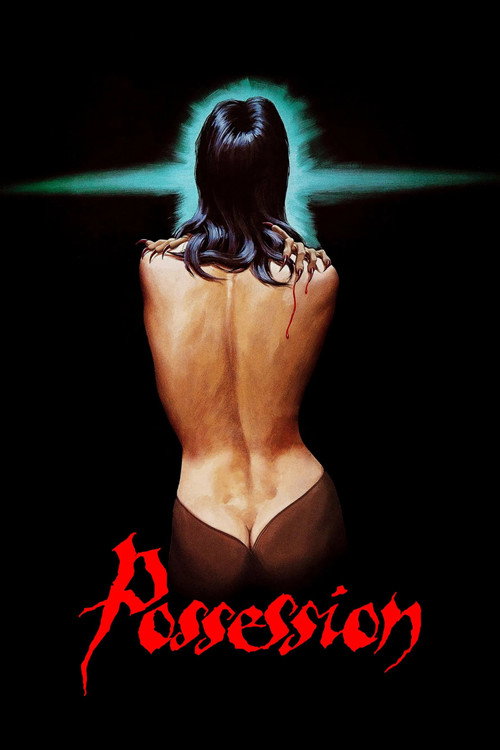

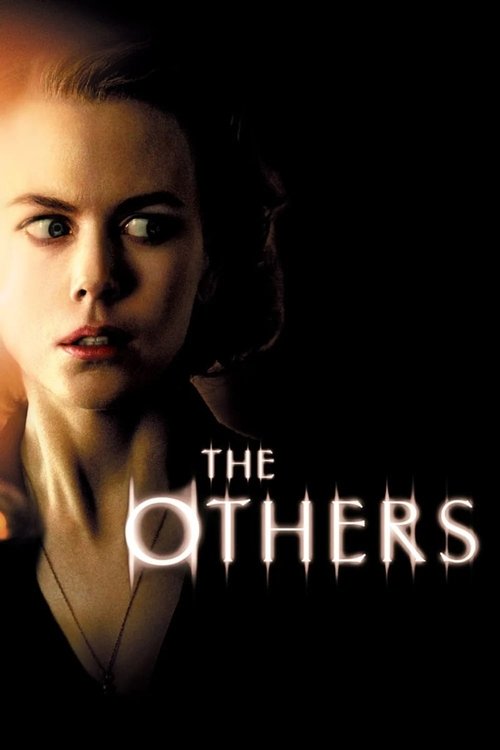
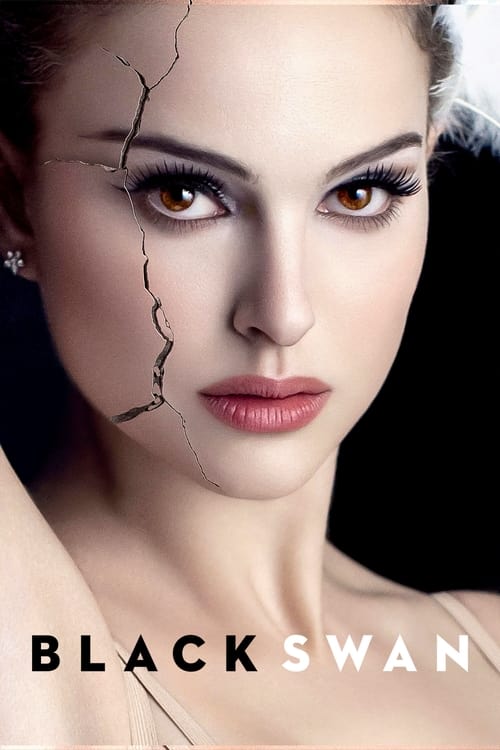
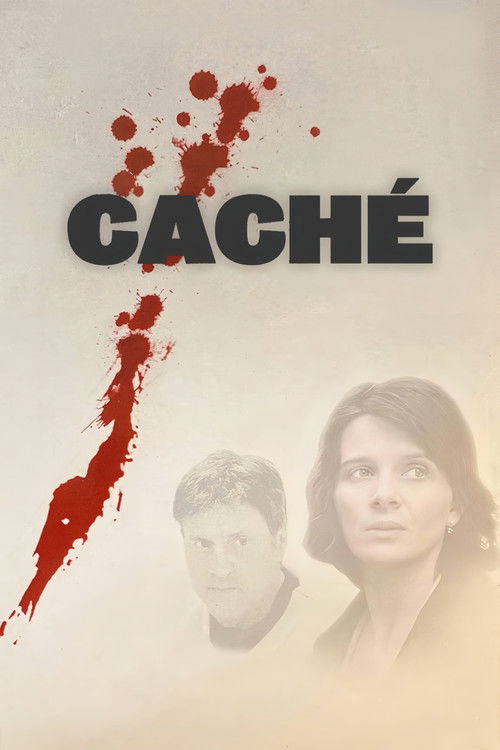
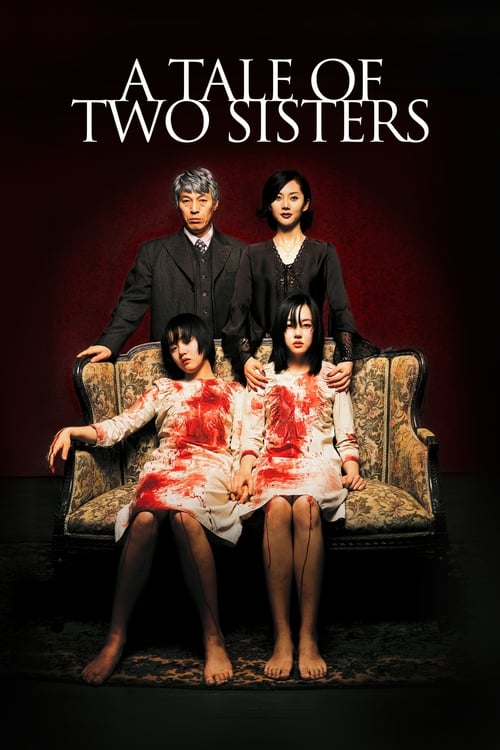
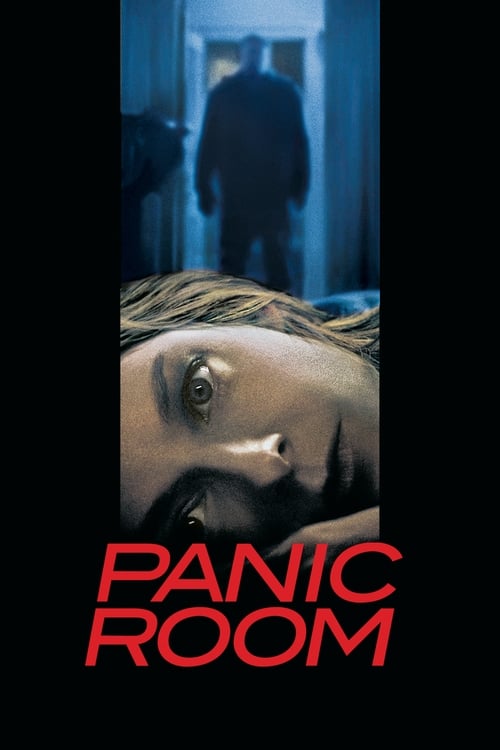
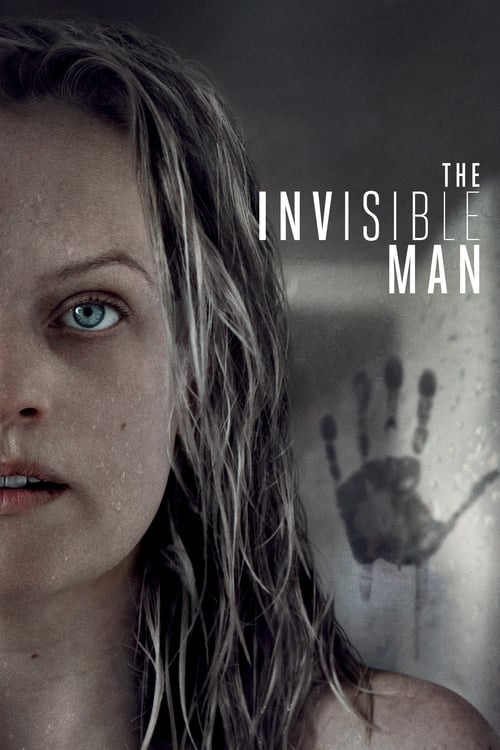

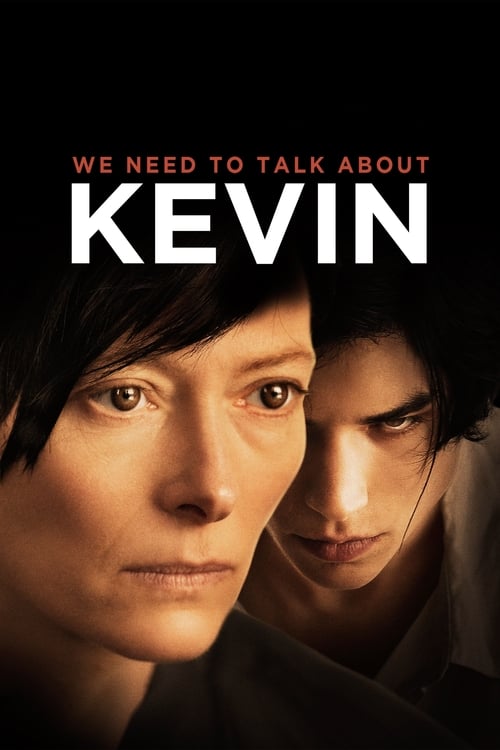
Moral Noir
Stories where everyone is compromised and the truth is worse than the lie
The Literature of Unease
Novels that sit inside the same psychological register


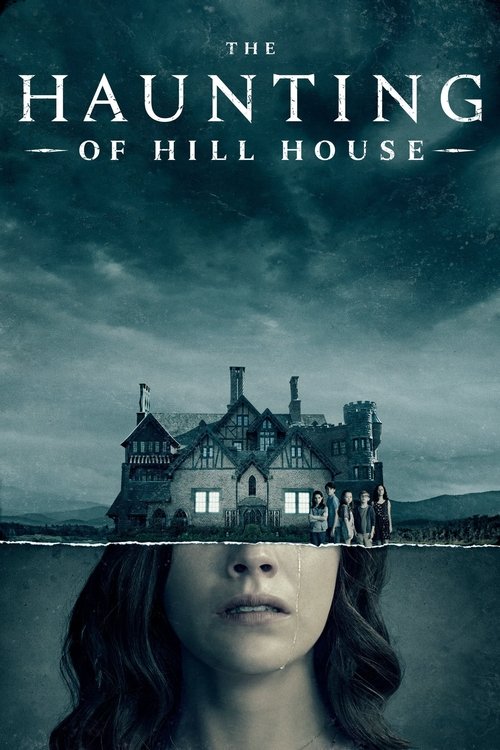
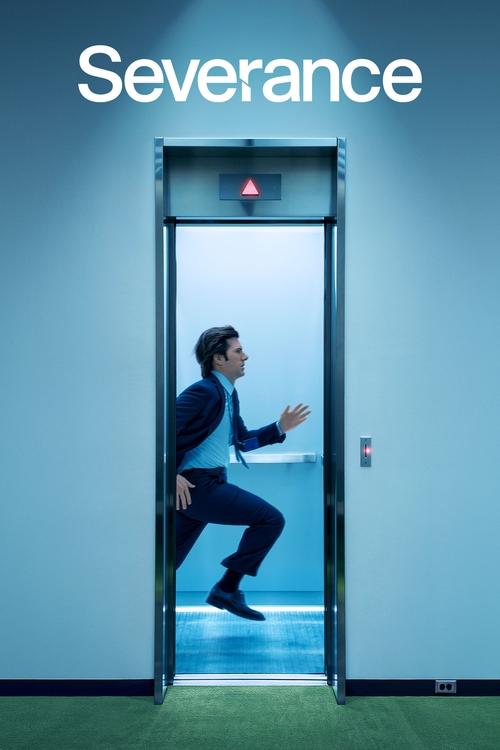
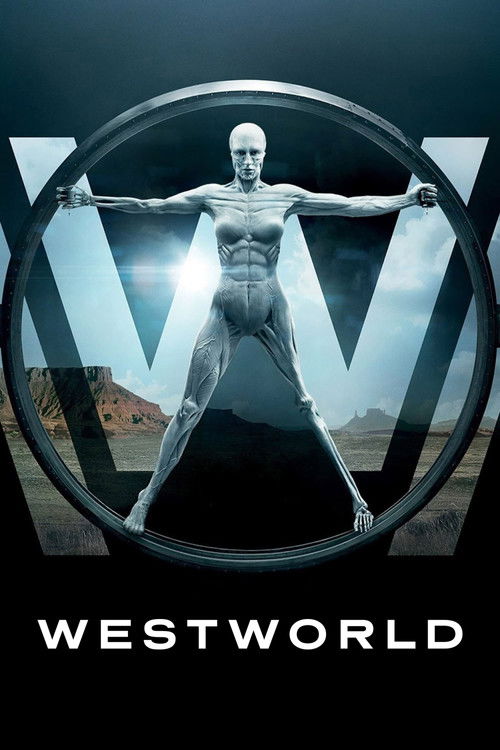
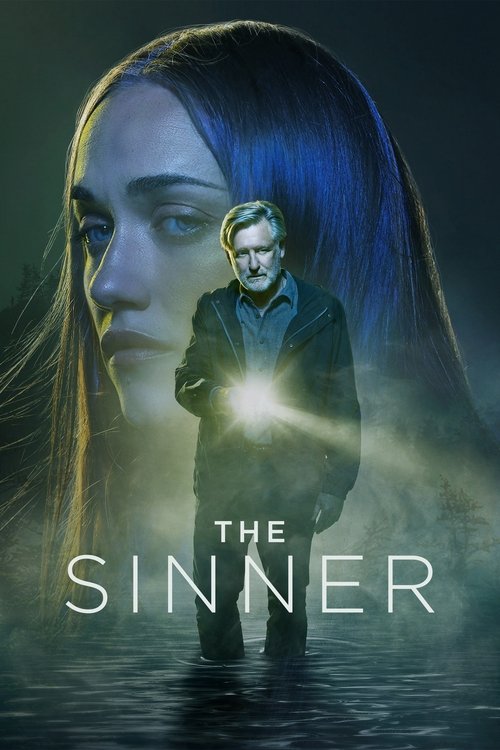
Television of Dread
Series that build the same slow, suffocating pressure

Games Where the System Is the Threat
Confined spaces, unreliable realities, and institutions that do not have your interests at heart
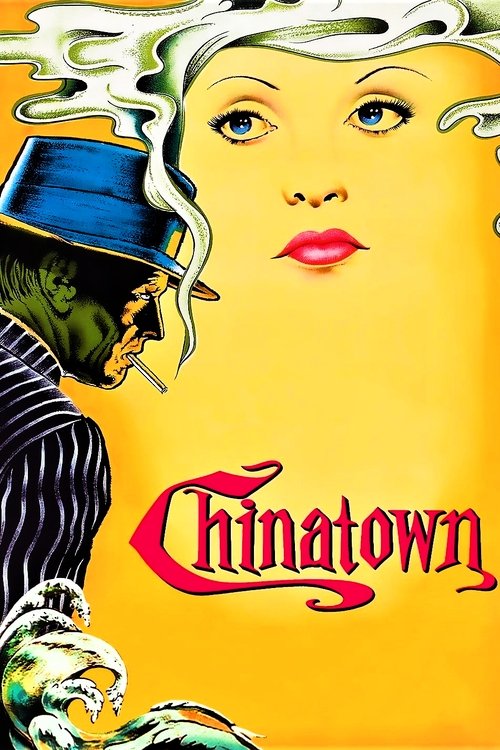
Chinatown is the perfect entry point, not the safe one
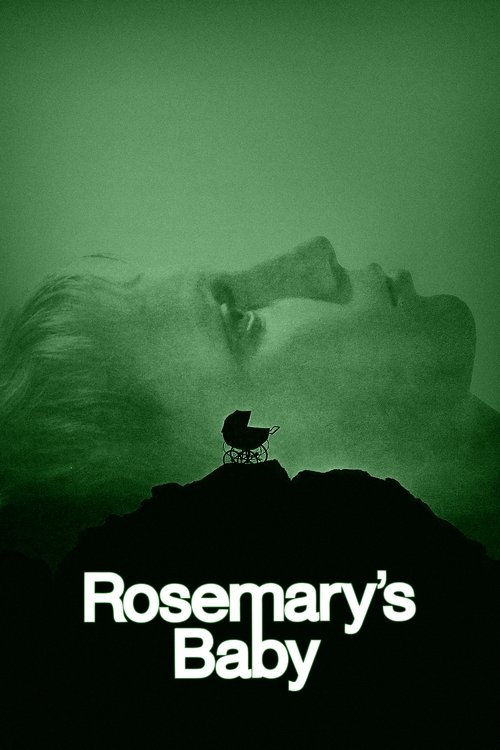
Most people would send a newcomer to Rosemary's Baby, and that is a defensible choice. Chinatown is the film that shows you everything Polanski can do in one sitting: period atmosphere built without nostalgia, the seduction of the procedural form used to deliver a genuinely devastating blow, and an ending that refuses every release the genre usually provides. Start here and you will understand why the rest of his career matters.
The Tenant is the most underrated film in the apartment trilogy
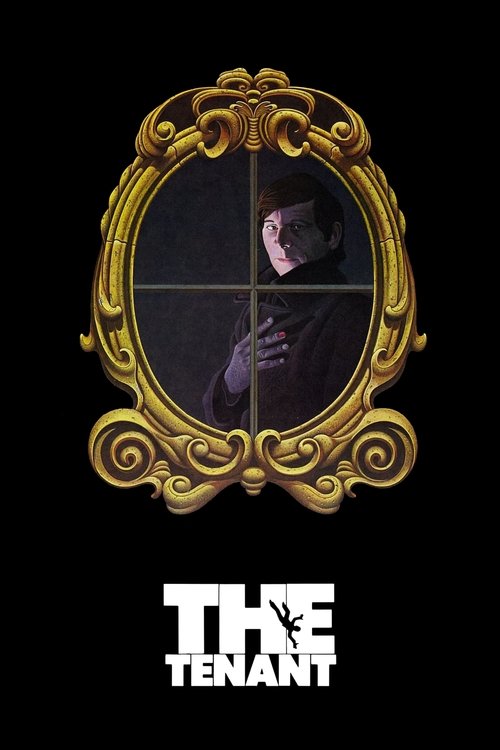
Everyone knows Repulsion and Rosemary's Baby. The Tenant, the third film in the informal apartment trilogy, is the one that gets called minor in retrospectives and the one that has aged into something genuinely strange. Polanski plays the lead himself: a meek office worker who becomes convinced his apartment's previous tenant is possessing him. The comedy and the horror are never quite separable, and the final image is one of the most vertiginous in his filmography.
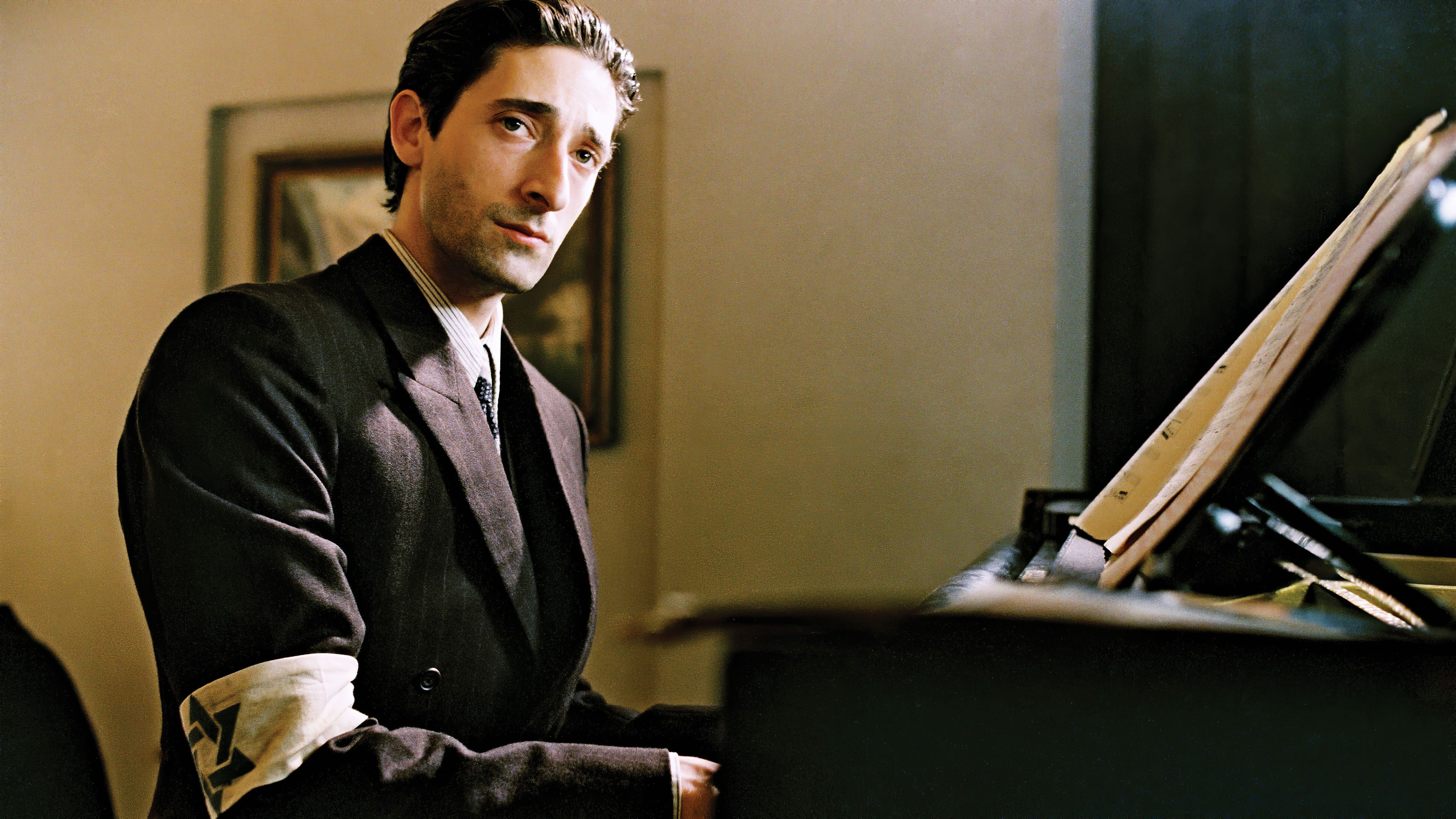
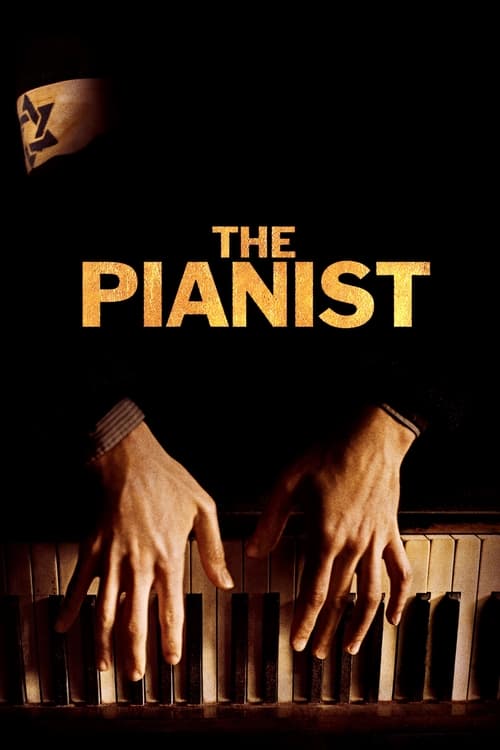
The Pianist is where the paranoia becomes history
Polanski spent decades making films about people trapped by forces they cannot fully see. The Pianist is where that obsession meets autobiography and documented history. The result is unlike anything else in his filmography: the camera stays stubbornly close to one man's survival while an entire world is annihilated just offscreen. It is quiet where his other films are claustrophobic, but the dread is no less total.
The Ghost Writer is his best late film, and it is a precise political thriller
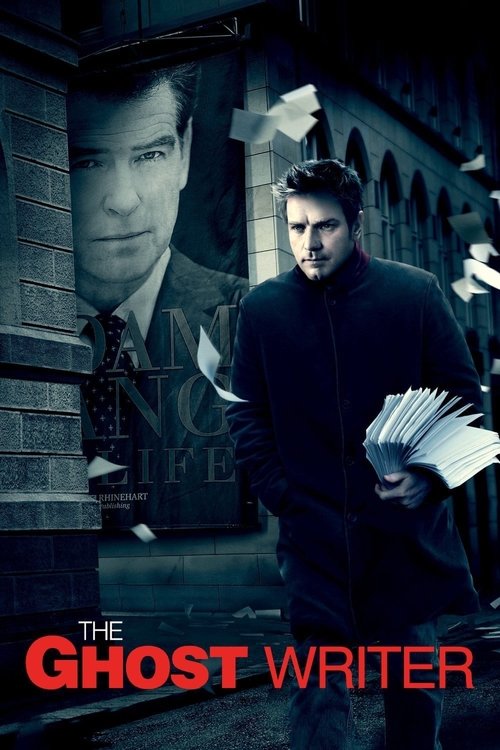
Made when Polanski was in his seventies and under house arrest in Switzerland, The Ghost Writer is fully focused: a political thriller that builds its menace through architecture, weather, and one man's slow realization that he is the latest in a line of expendable people. The Ewan McGregor performance is calibrated precisely to the role the film needs him to play, and the ending carries the particular force of something that was always going to happen.
Paranoia, dread, and closing-in horror
Psychological Horror
Explore the Psychological Horror guide →The theme that links Polanski's best films is not horror, not noir, not even paranoia. It is the specific terror of being made to feel that your own perception cannot be trusted, and that everyone around you already knows the truth you have not yet found.CrossBinge