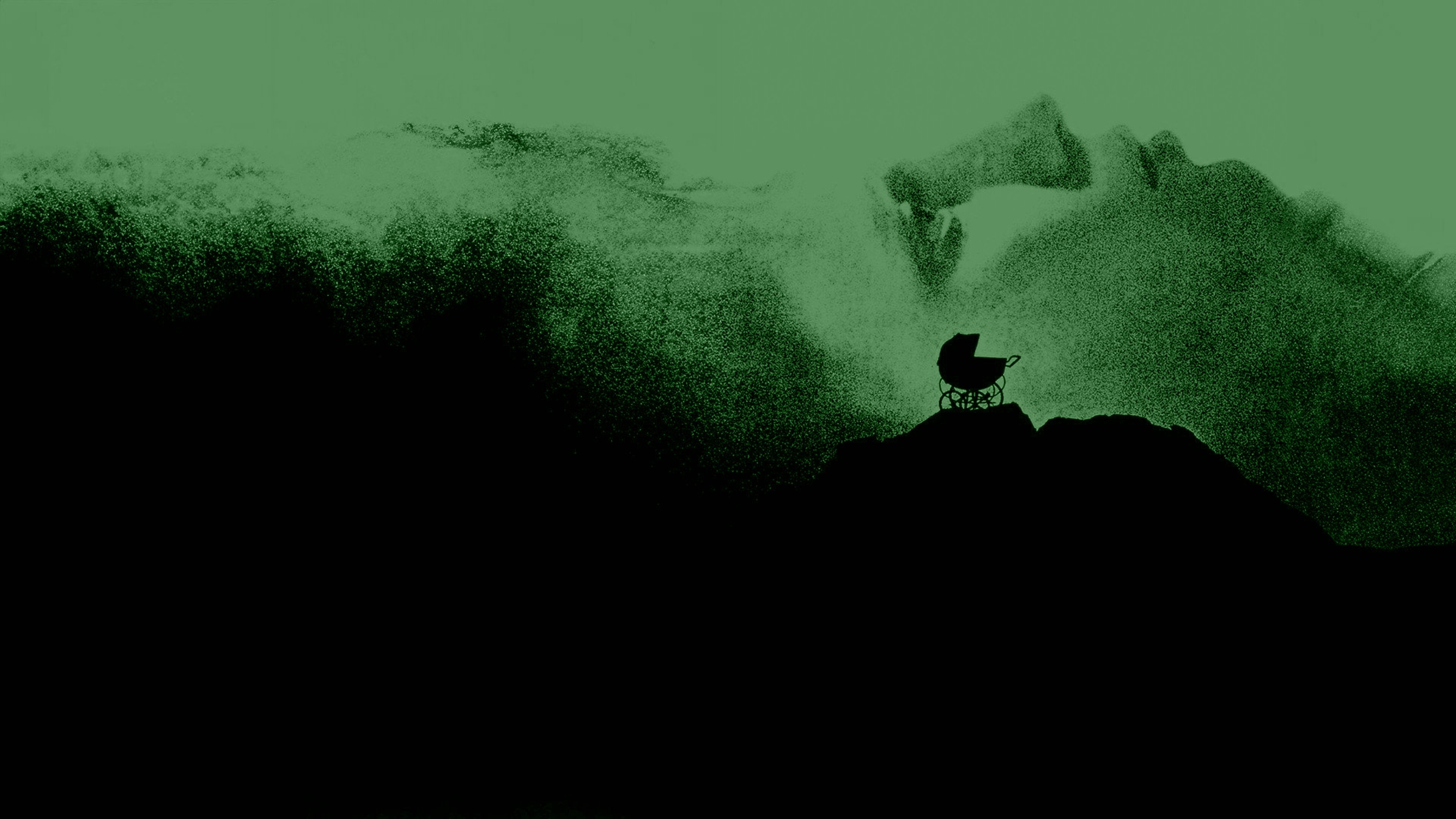

Roman Polanski's 1968 adaptation of Ira Levin's novel doesn't rely on monsters or jump scares. It relies on something more unsettling: a woman whose fears are dismissed by every person who should protect her. Rosemary Woodhouse moves into a grand old Manhattan apartment building, befriends her oddly attentive neighbors, and begins to suspect that something is very wrong with her pregnancy. Nobody believes her. That is the film's real subject, not the occult, but the systematic erasure of a woman's perception of her own body and her own reality. The horror sticks because the social dynamics are perfectly observed. Fans of Rosemary's Baby are chasing a particular flavor of dread: intimate, slow-burning, grounded in domestic space, where the most frightening thing is not a creature but a conspiracy of kind-seeming faces.
Essential Rosemary's Baby
The film itself and its closest relations in the same vein
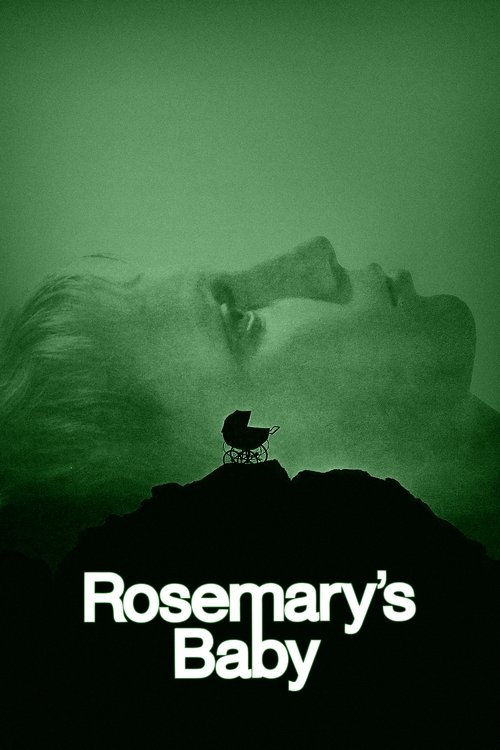
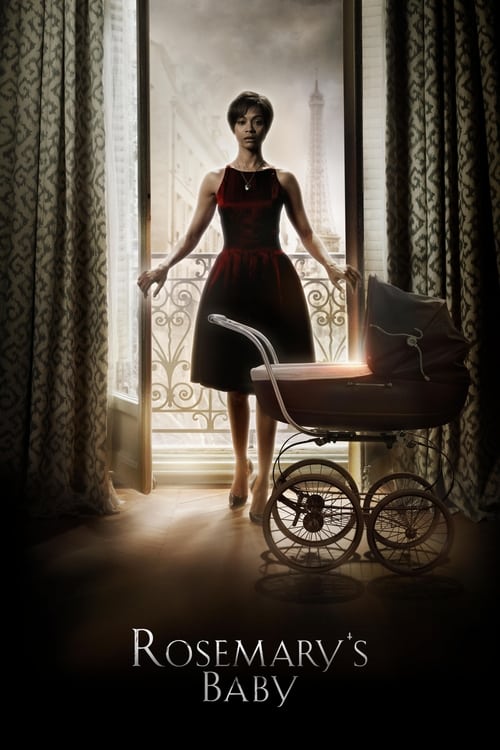


Slow Dread in Domestic Spaces
Films where the home itself becomes the source of horror
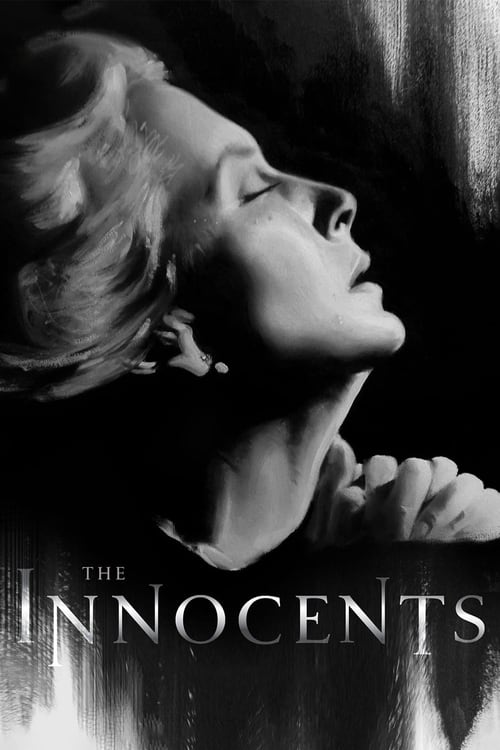

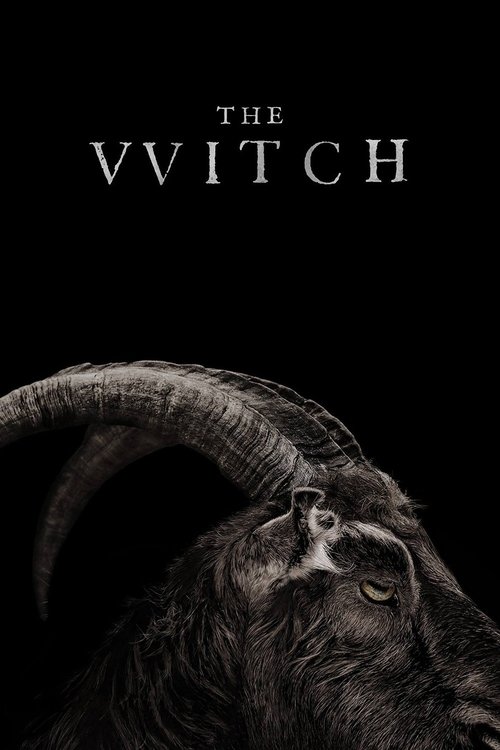


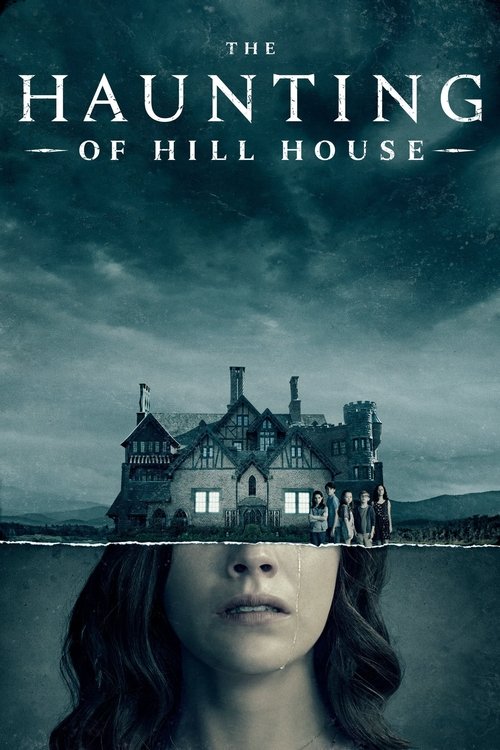
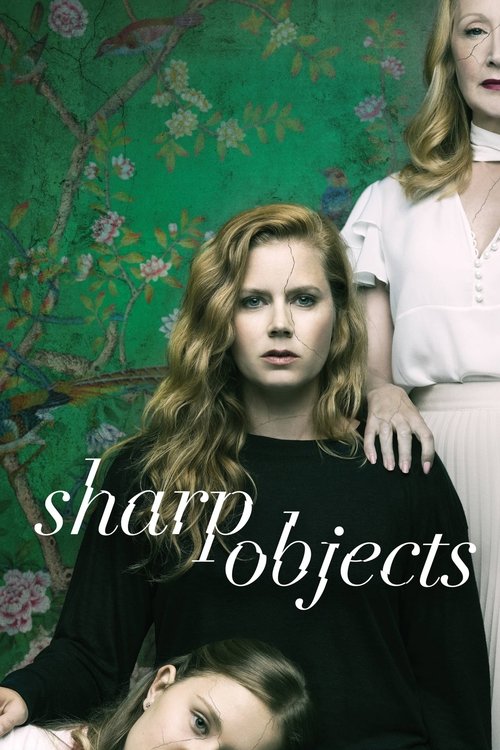
Women Doubted, Women Endangered
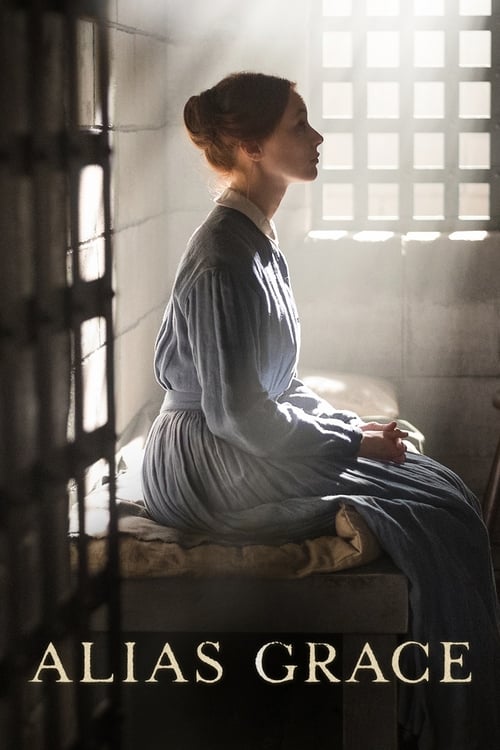
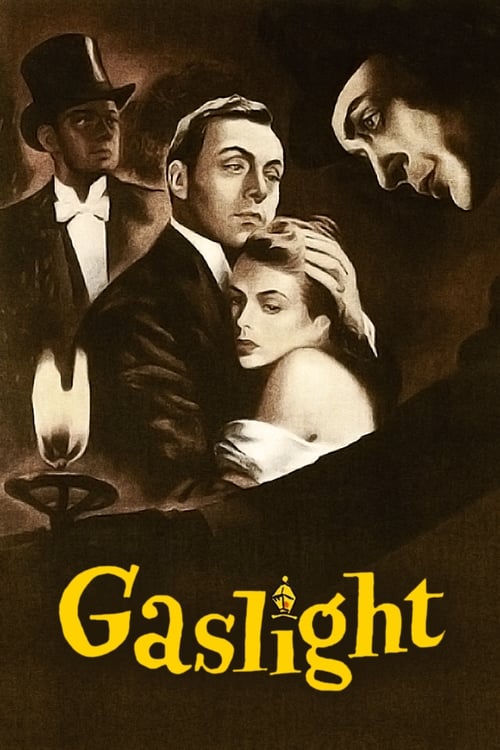
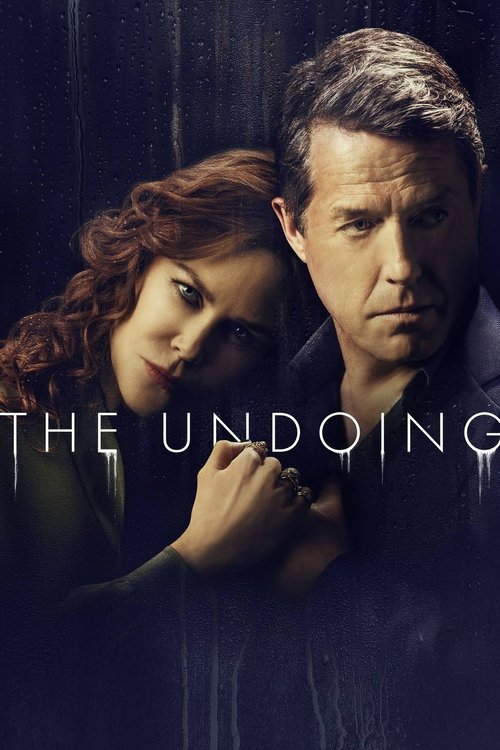
Series and films where the horror is disbelief as much as the supernatural




Games That Put You Inside the Paranoia
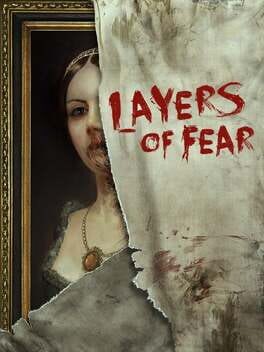
Horror and psychological games where doubt and isolation do the work




The Score and the Silence
Music that captures Rosemary's Baby's eerie, lullaby-tinged unease
The Apartment Building as Antagonist
The Bramford (the film's Dakota-inspired building) does everything a conventional monster does without ever moving. It has a history, a reputation, and a gravity that pulls the worst people toward it. Polanski treats the building as a character with intent, framing its corridors and walls to make ordinary space feel predatory. The best horror stories since have understood this: setting is not backdrop, it is participant. Whether it is Hill House, Overlook Hotel, or the Woodhouse apartment, the building knows something the tenant does not.

Polanski's Apartment Trilogy
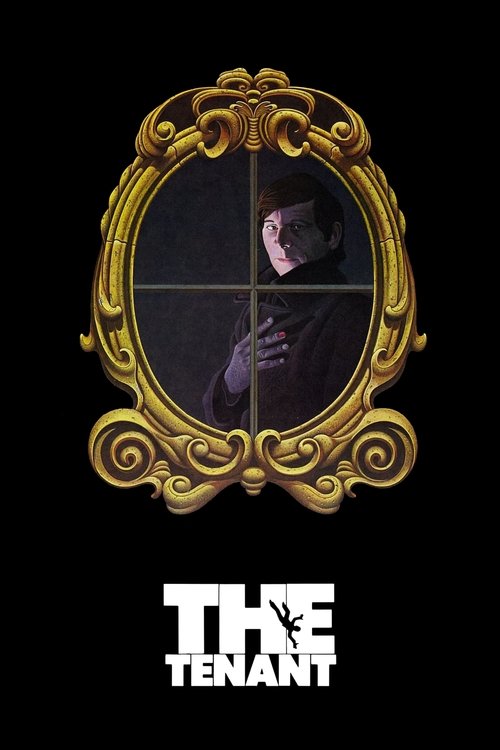
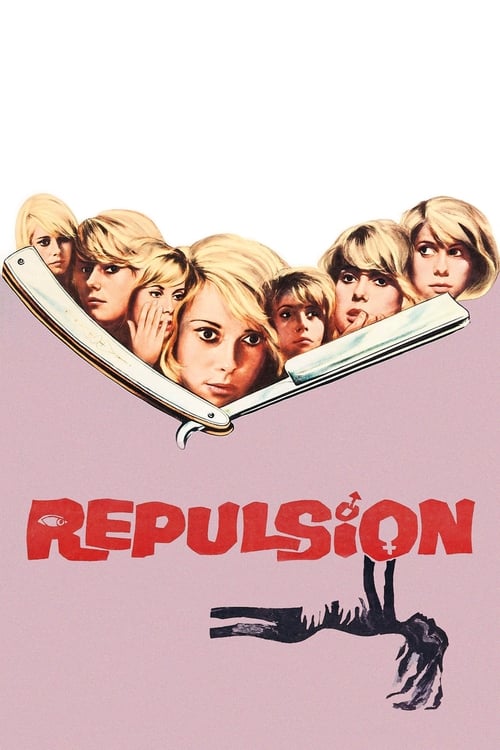
Repulsion, Rosemary's Baby, and The Tenant form an unofficial trilogy, each set almost entirely in apartments, each mapping a protagonist's fracturing sanity against the physical space they inhabit. Repulsion traps Carol in her own flat as her mind dissolves. The Tenant casts Polanski himself as a man slowly convinced he is becoming the apartment's previous (deceased) occupant. Together, the three films constitute the most sustained examination of urban isolation and domestic paranoia in cinema. Watching them in sequence is something close to essential.
Ira Levin Was Horror's Sharpest Satirist
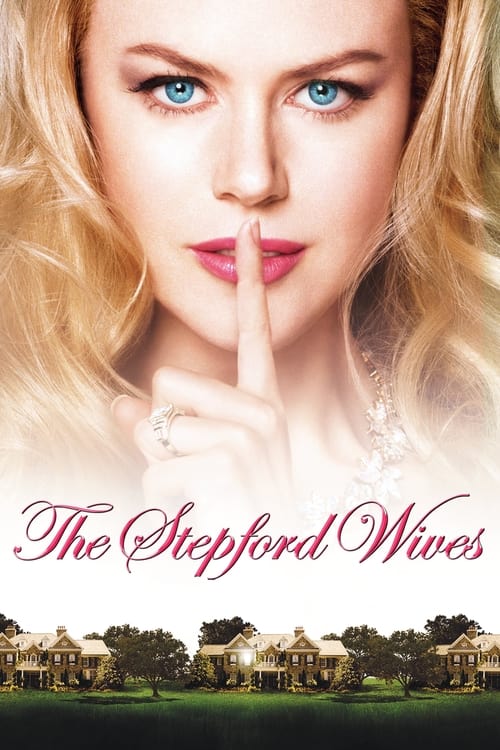
Levin's novels are never really about their supernatural premises. Rosemary's Baby is about reproductive autonomy and the way institutions fail women. The Stepford Wives is about marriage as erasure. The Boys from Brazil is about the persistence of fascism. He used genre machinery with exceptional economy, always in service of a social diagnosis. His books are short, precise, and more pointed than most of the literary fiction that shared shelf space with them in the 1960s and 70s.

The Horror of Being Believed Too Late
The most chilling moment in Rosemary's Baby is not the dream sequence or the climax. It is every scene where Rosemary tells someone what she suspects and is gently, firmly redirected. The film documents what it feels like to be right and dismissed. This is the template inherited by Get Out, Midsommar, and The Handmaid's Tale: horror stories that are structurally about the failure of others to take seriously what the protagonist is experiencing. The terror is not the unknown thing coming for you. It is the known faces standing between you and help.

A Lineage of Intimate Horror
- 1959Shirley Jackson publishes The Haunting of Hill House, establishing the haunted house as a space of psychological projection. The Haunting of Hill House
- 1965Polanski's Repulsion begins the apartment trilogy, trapping Carol Ledoux inside her own dissolving mind. Repulsion
- 1967Ira Levin's novel Rosemary's Baby is published, fusing occult horror with domestic unease and reproductive anxiety.
- 1968Polanski's film adaptation premieres, with Mia Farrow's performance setting a template for the gaslit female protagonist. Rosemary's Baby
- 1972Nicolas Roeg's Don't Look Now brings the same grief-warped paranoia to Venice, extending the European art-horror tradition. Don't Look Now
- 1975Levin's The Stepford Wives extends his suburban-horror project, this time about erasing women's identities entirely.
- 1976Polanski's The Tenant closes the apartment trilogy with the director himself as the paranoid tenant. The Tenant
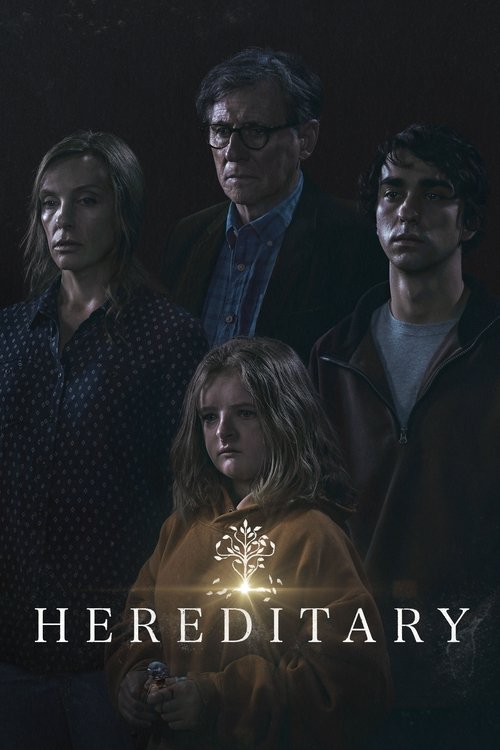
- 2018Hereditary revives the slow-burn family-horror tradition, with similar attention to grief and the domestic space as curse. Hereditary
Intimate dread, occult, demonic children
Psychological Horror
Explore the Psychological Horror guide →No one can make you feel inferior without your consent. In Rosemary's Baby, the entire plot depends on everyone around Rosemary manufacturing that consent, one small dismissal at a time.CrossBinge editorial