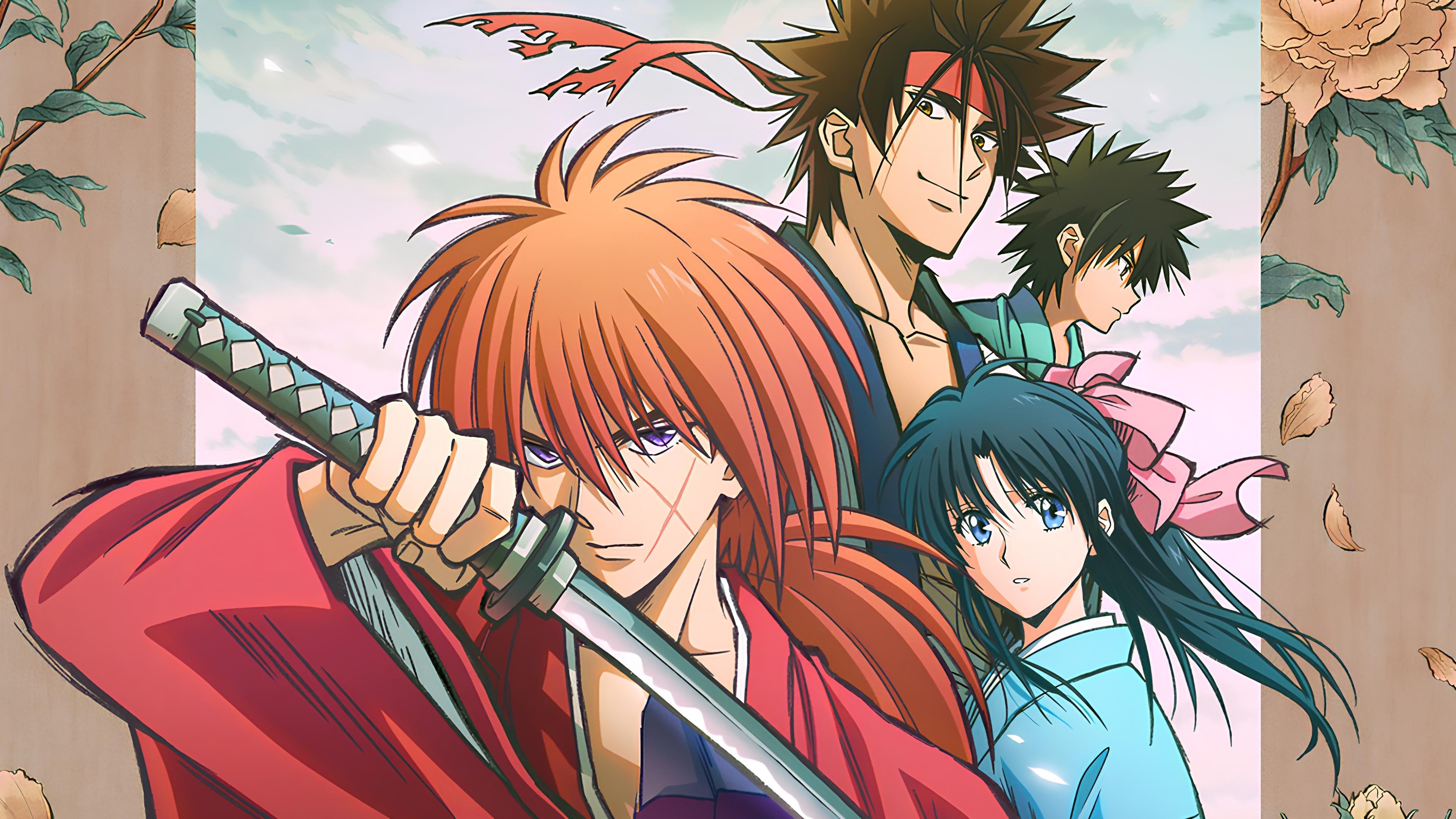

Rurouni Kenshin begins with a man who has already done the unforgivable. Himura Kenshin spent the final years of the Tokugawa shogunate as Hitokiri Battosai, an assassin whose name alone stopped hearts. When the Meiji era dawned and the killing was over, he walked away from everything and made a single private vow: his reverse-blade sword would never take another life. What Nobuhiro Watsuki built around that premise is not really a story about swordsmanship. It is a story about whether redemption is possible for someone who chose, repeatedly and skillfully, to kill, and whether peace earned through violence can ever feel clean. The 1996 anime ran for 94 episodes across the Kyoto arc and beyond; the 2023 remake (Rurouni Kenshin: Meiji Kenkaku Romantan) restarts the adaptation with modern animation fidelity. The five live-action films (2012 to 2021) are among the most kinetically accomplished action movies Japan has produced in decades. Fans tend to love the franchise for the same three things: the moral weight underneath the choreography, the ensemble of fighters who each carry their own philosophy about violence and honor, and the specific atmosphere of a Japan caught between two eras, where a samurai in hakama can walk past a man in a Western frock coat.
Essential Rurouni Kenshin
The anime, films, and manga that define the franchise


If You Love the Meiji-Era Moral Weight
Anime and manga that put philosophy inside the sword fights
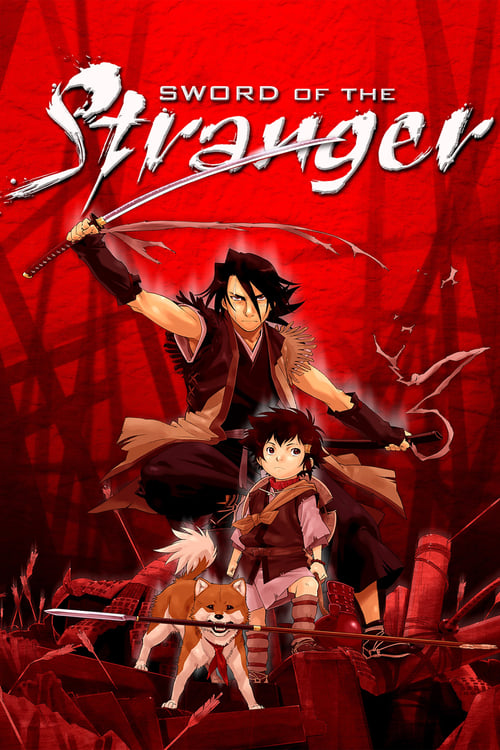
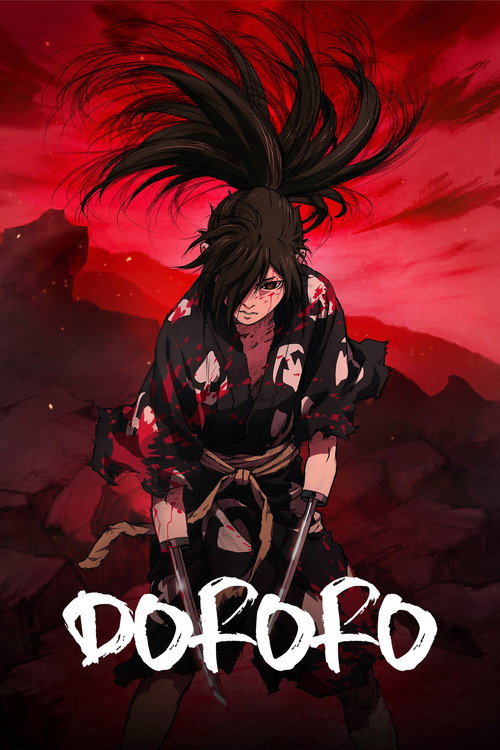
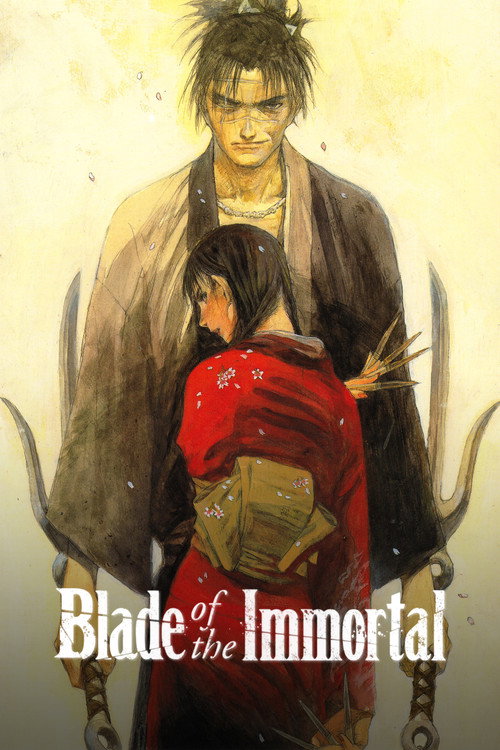
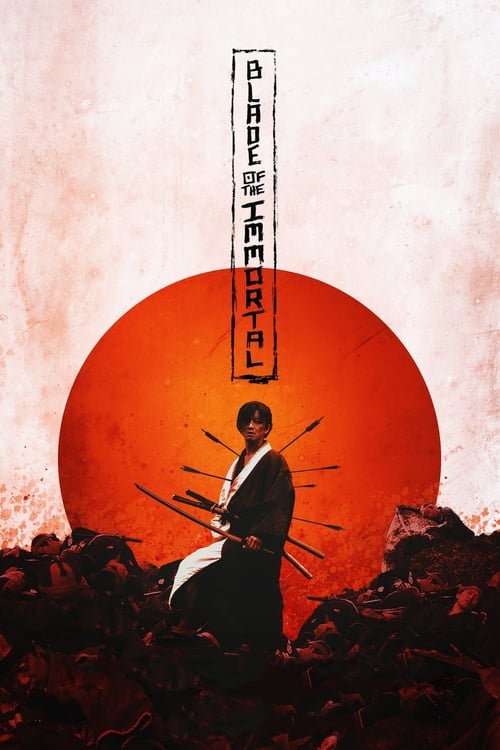
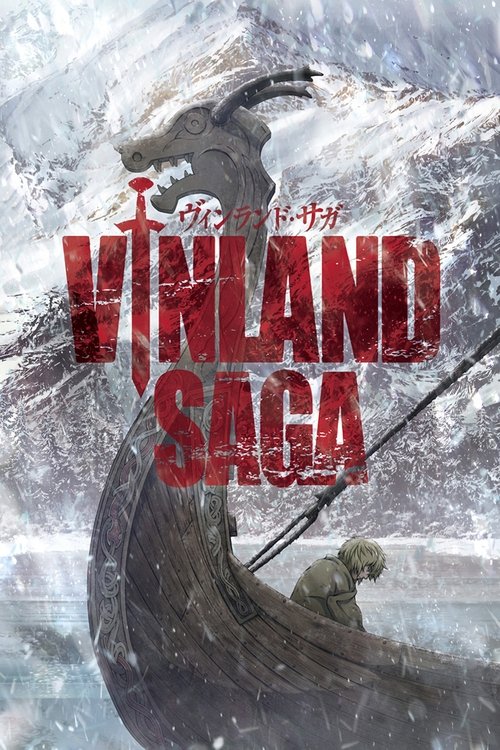
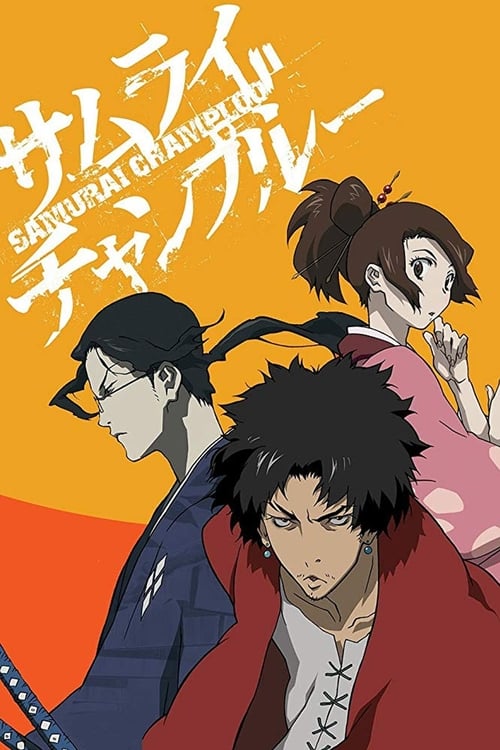
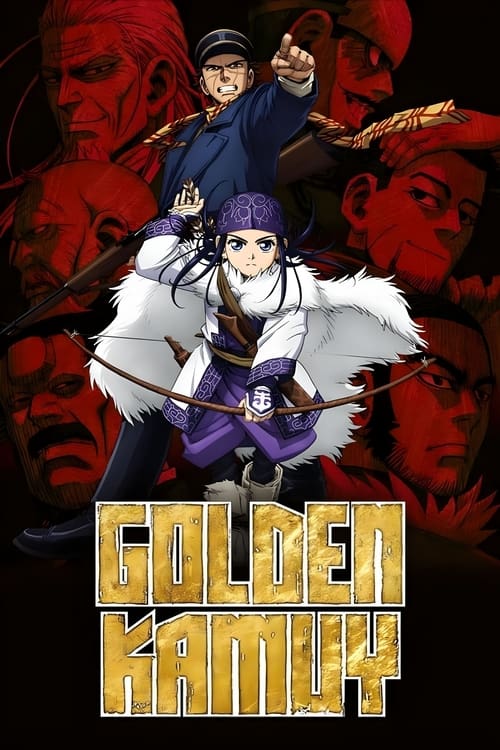
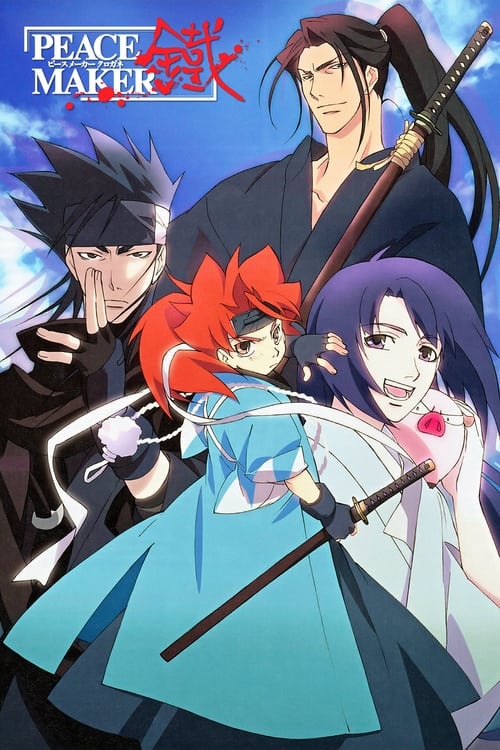
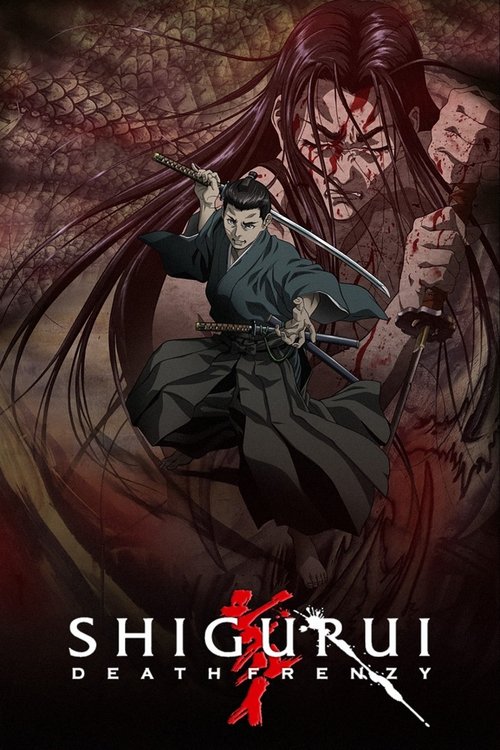
If You Love the Redemption Arc Under the Action
Stories where a violent past chases someone trying to live differently
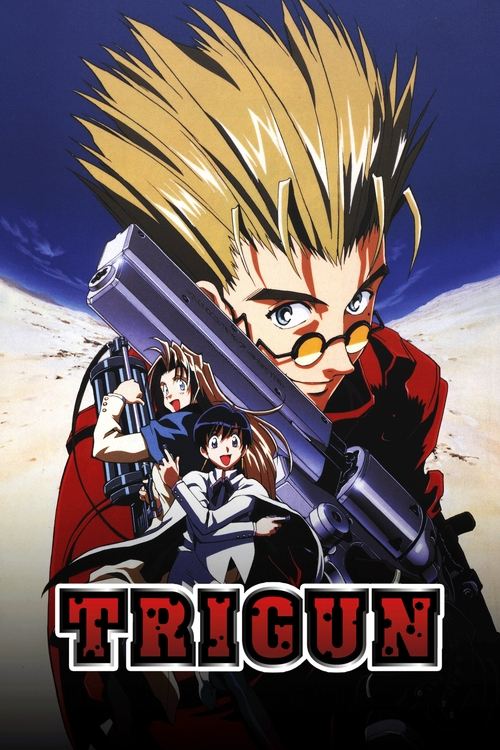
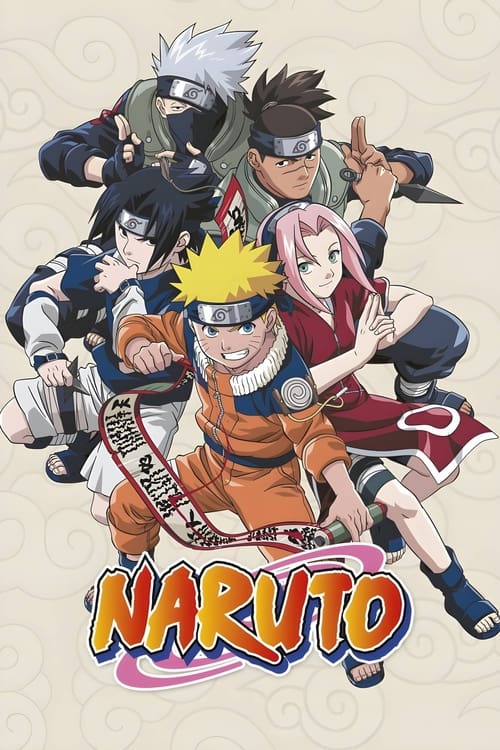
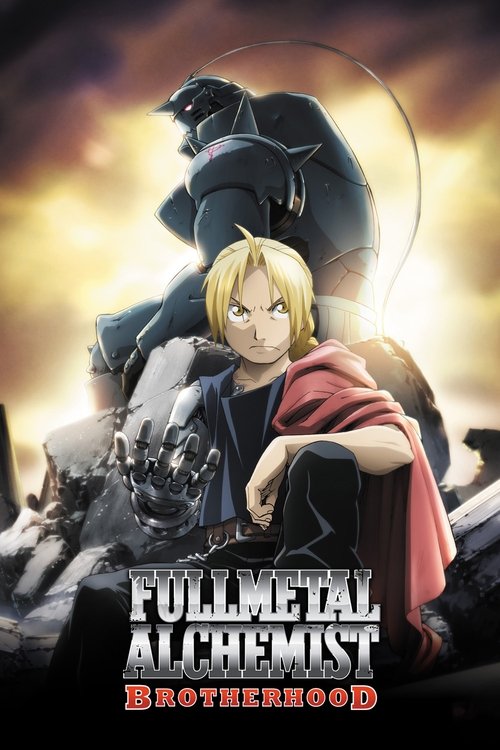

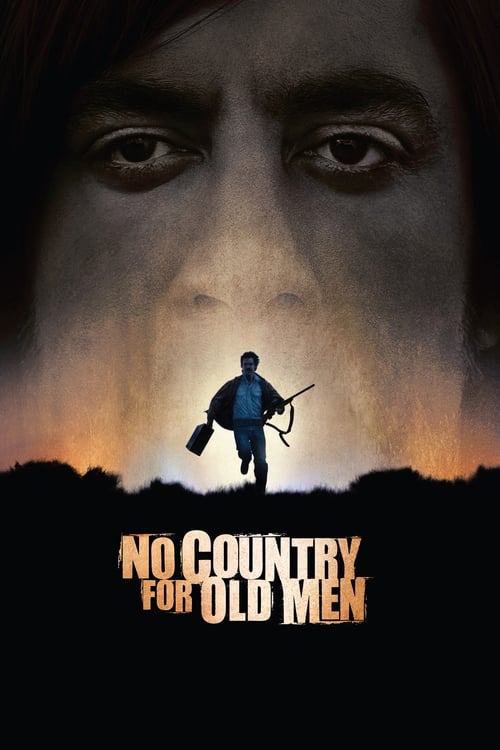

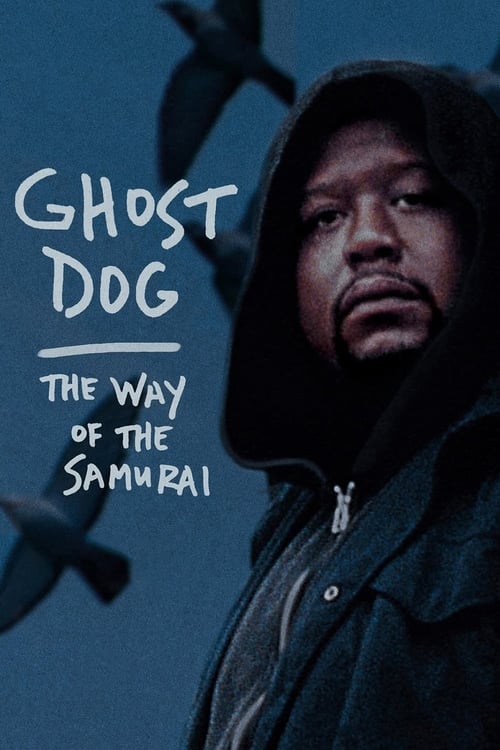
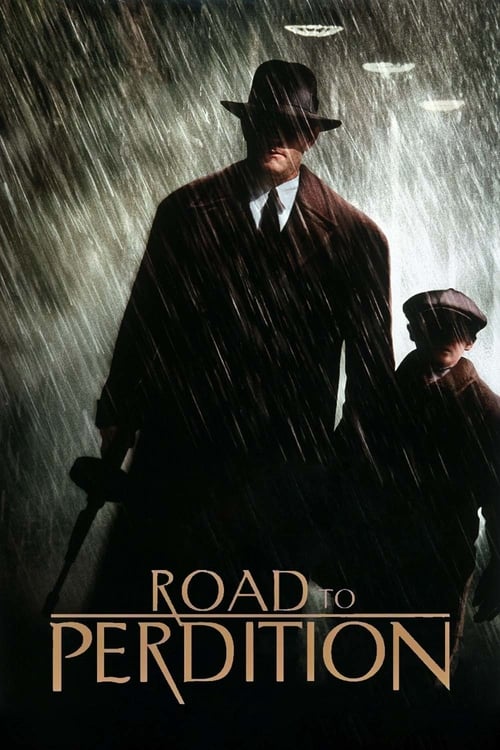
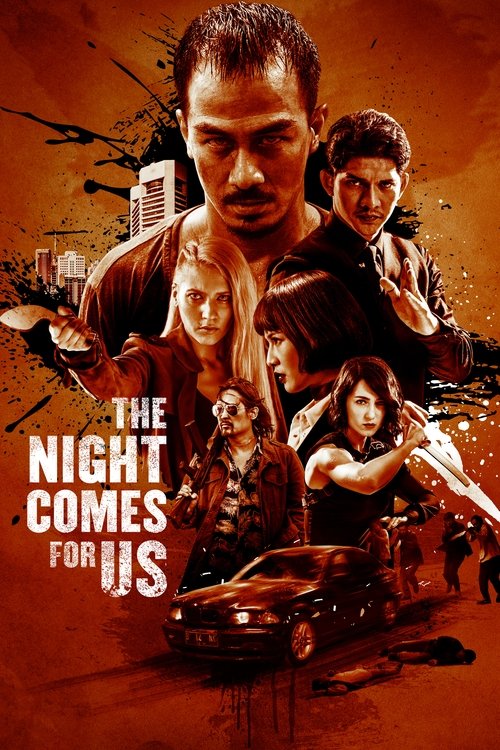
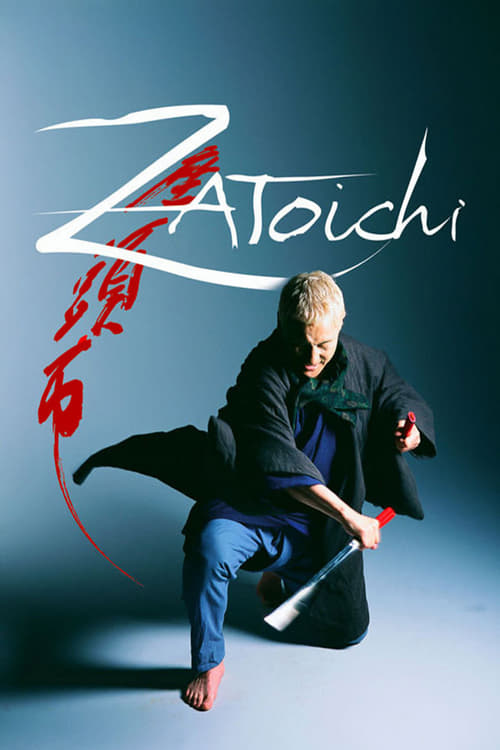
If You Love the Live-Action Fight Choreography
Films where action direction is treated as an art form
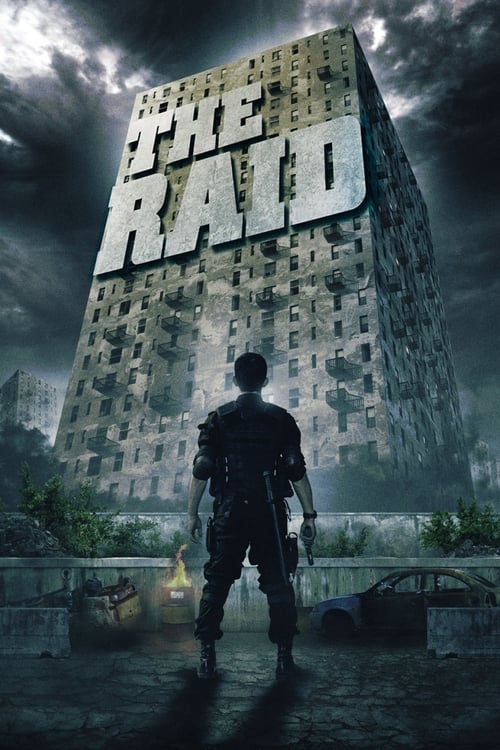
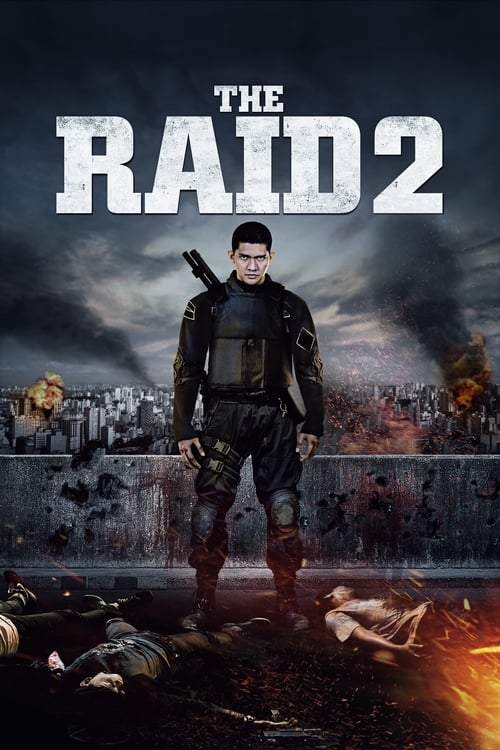
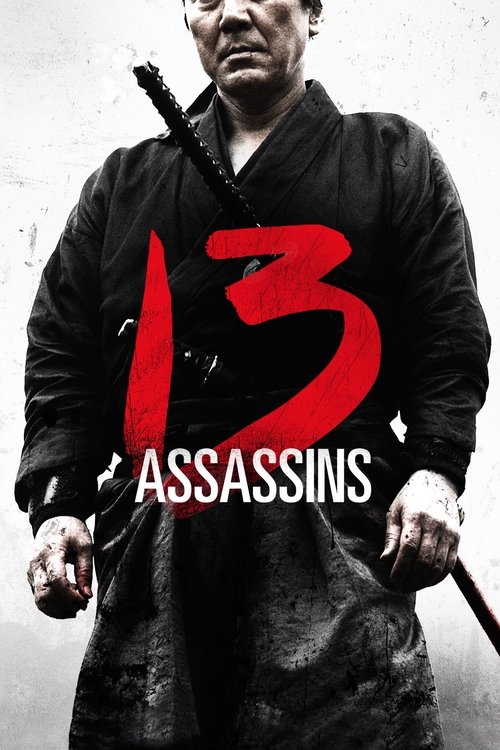
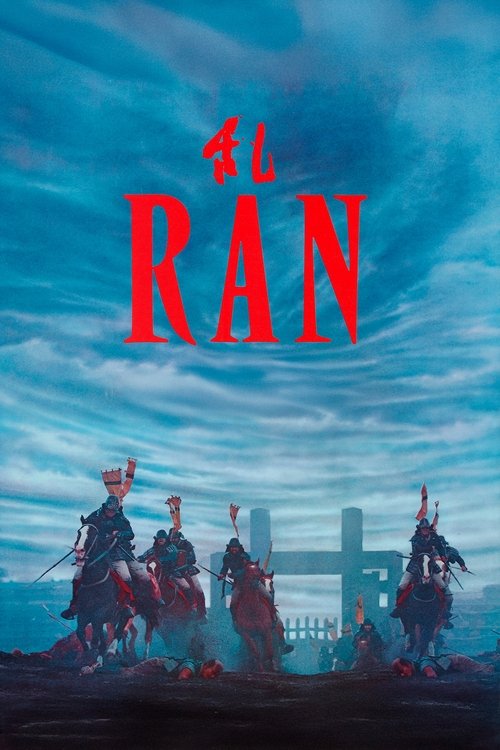

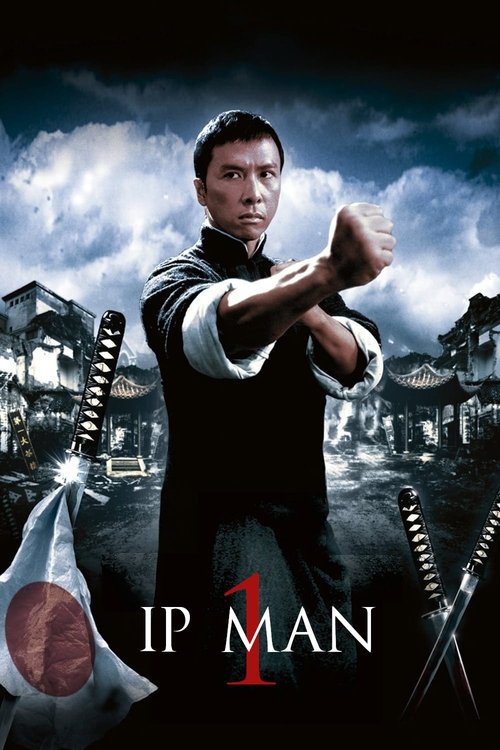

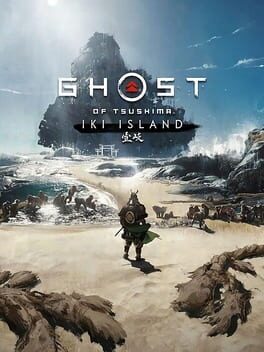
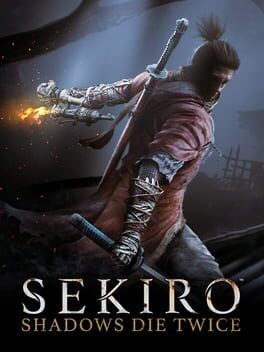
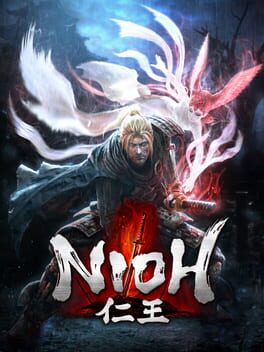
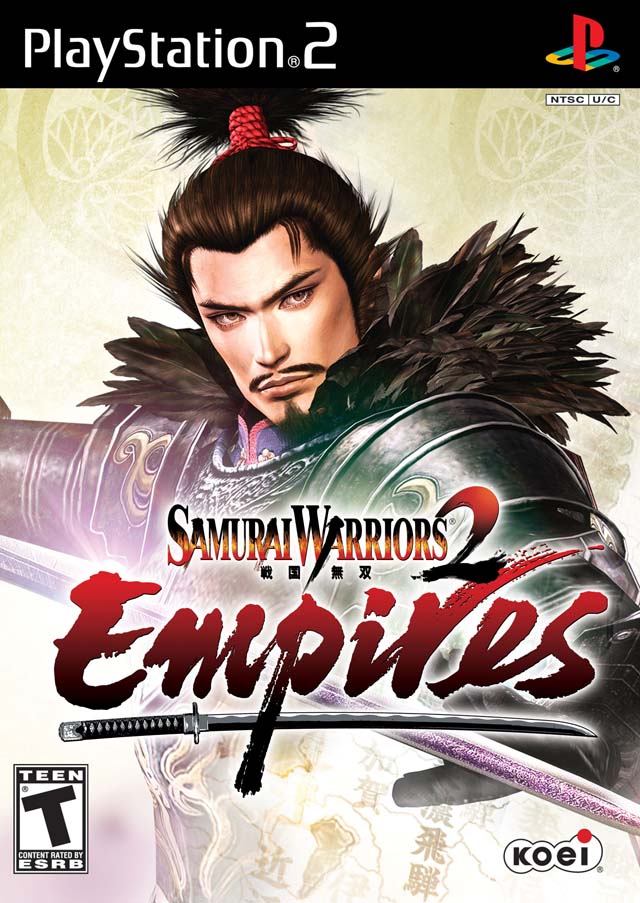
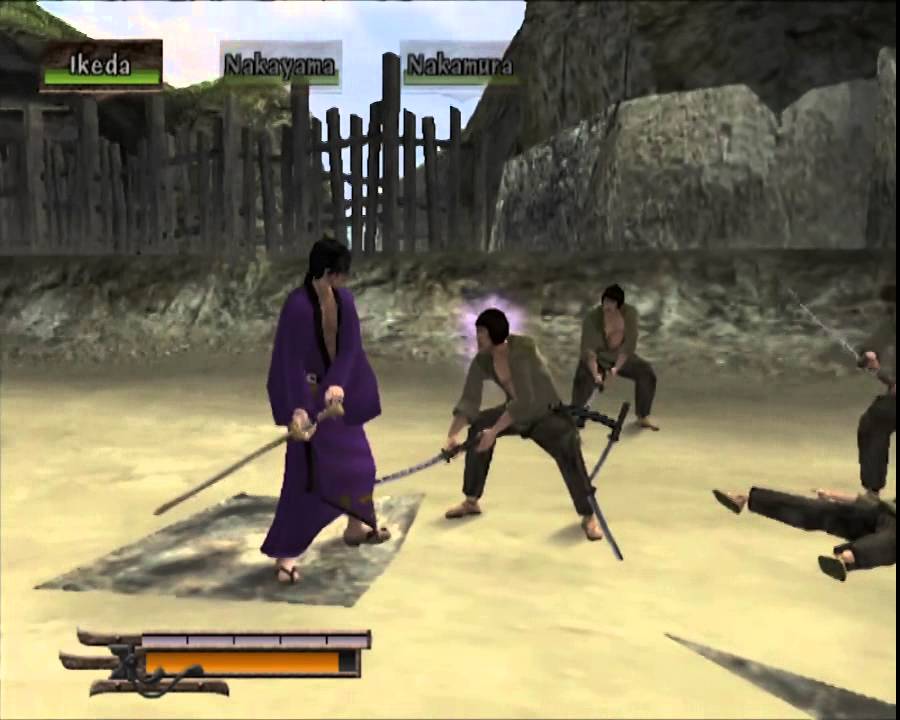
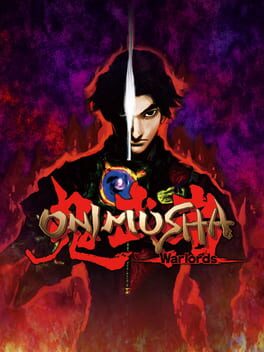
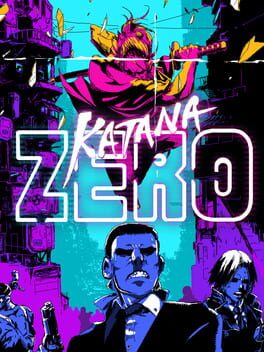
Games with the Same Edge
Swordsmanship, feudal Japan, and fighters with a code
Books for the Sword and the Era
Historical fiction and manga that inhabit feudal and Meiji Japan


The OVAs Are the Emotional Core
Trust and Betrayal (1999) is four OVA episodes that strip away everything except the origin: how Kenshin became Battosai, and who he destroyed in the process. The animation, the score, and the restraint of the direction make it one of the most affecting things the medium has produced. Watching it after the main series gives it weight; watching it before gives the main series an undertow that never fully goes away. Reflection (2001) is more divisive, but as an elegy for what the vow costs, it earns its place. If you have only seen the TV series or the live-action films, the OVAs are the piece you are missing.
Meiji Japan Is the Real Villain
The franchise is set at a specific fault line: 1878, a decade after the revolution that modernized Japan by force. The samurai class is legally abolished, the men who fought to create the new order are being discarded by it, and Kenshin is walking a country that no longer has a place for what he was. This historical tension is not decoration. It shapes every antagonist's motivation, from Shishio Makoto's fury at being used and burned by the new government to Enishi Yukishiro's grief at what the revolution took from him. The series is quietly a story about what nations do with the people who did their necessary violence once the violence is no longer useful.
Ghost of Tsushima Is the Game Equivalent
Ghost of Tsushima is not a Rurouni Kenshin adaptation, but the spiritual overlap is unusually precise: a swordsman whose identity is built around an honorable code, forced by circumstances to violate that code repeatedly, in a Japan that is under external threat and internal upheaval. The combat feels like an interactive version of Kenshin's fights, with timing and read-and-react that rewards attention rather than button mashing. The haiku system and the wind-following exploration give it the contemplative rhythm that the anime's slower scenes provide. Play it after the Kyoto arc.
Vagabond Goes Further Into the Same Territory
Takehiko Inoue's Vagabond covers similar ground to the Kenshin story: a legendary killer (here, the historical Miyamoto Musashi) trying to find meaning beyond his own lethality. Inoue's brushwork is some of the most accomplished draftsmanship in manga, and the philosophical weight is heavier and less resolved than Watsuki's. If Rurouni Kenshin asks whether a killer can become a protector, Vagabond asks whether the category of 'strongest' is worth pursuing at all. The two series read well together precisely because they answer the same question differently.
Rurouni Kenshin: Key Moments in the Franchise
- 1994Manga debut in Weekly Shonen Jump
- 1996TV anime premieres, runs 94 episodes through 1998 Rurouni Kenshin
- 1999Trust and Betrayal OVA releases, widely considered the franchise peak
- 2001Reflection OVA closes the original anime story Rurouni Kenshin
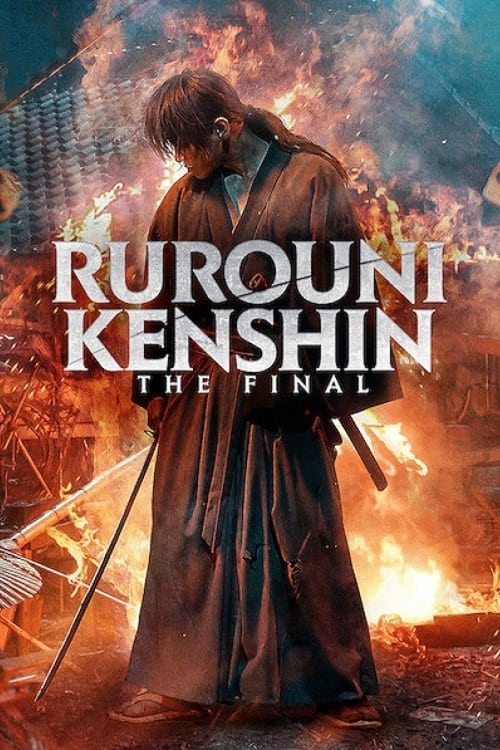
- 2012First live-action film establishes a new franchise Rurouni Kenshin: The Final
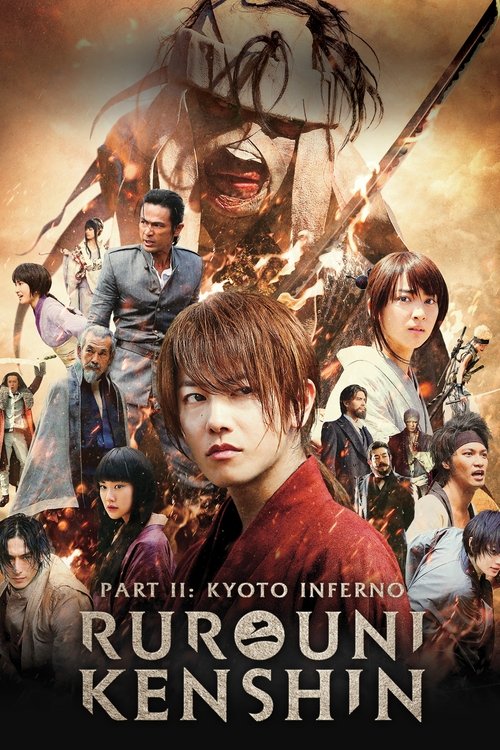
- 2014Kyoto arc split across two films, raising the bar for Japanese action cinema Rurouni Kenshin Part II: Kyoto Inferno
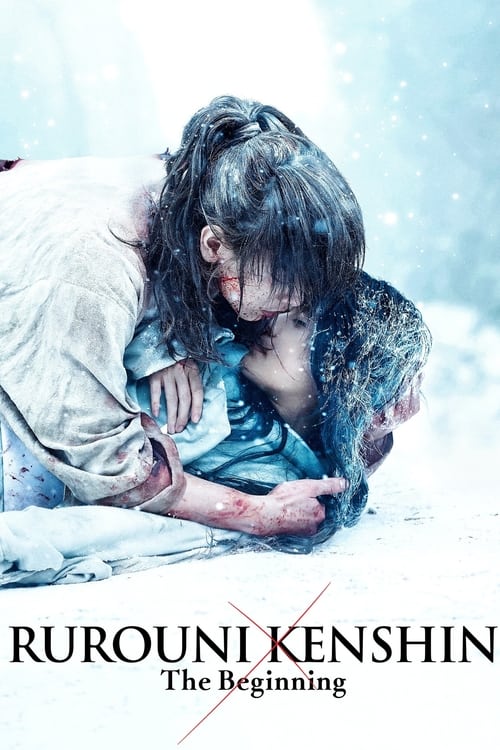
- 2021The Final and The Beginning complete the live-action saga Rurouni Kenshin: The Final
- 2023New anime remake begins, adapting the manga from the start with modern production
Wandering swordsmen, Meiji Japan, martial arts
For Fans of Feudal Japan
Explore the For Fans of Feudal Japan guide →The sword that protects is the same sword that once destroyed. Rurouni Kenshin never lets you forget which one came first.CrossBinge