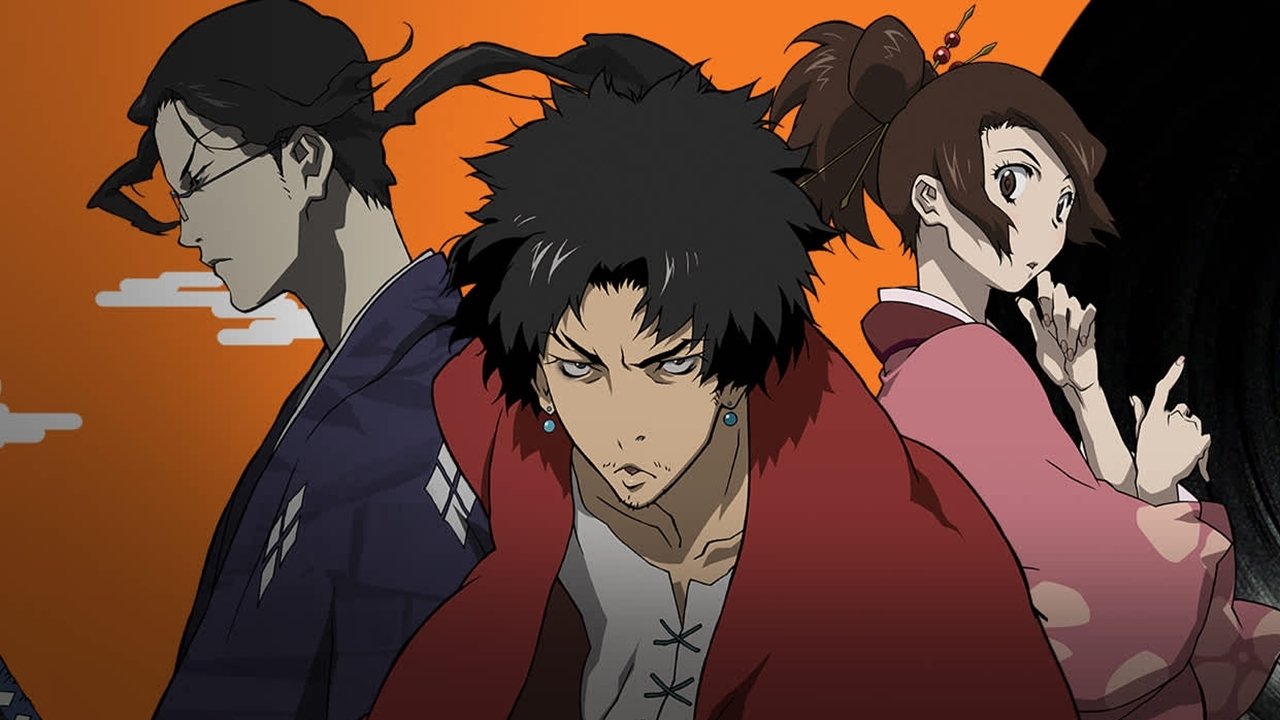

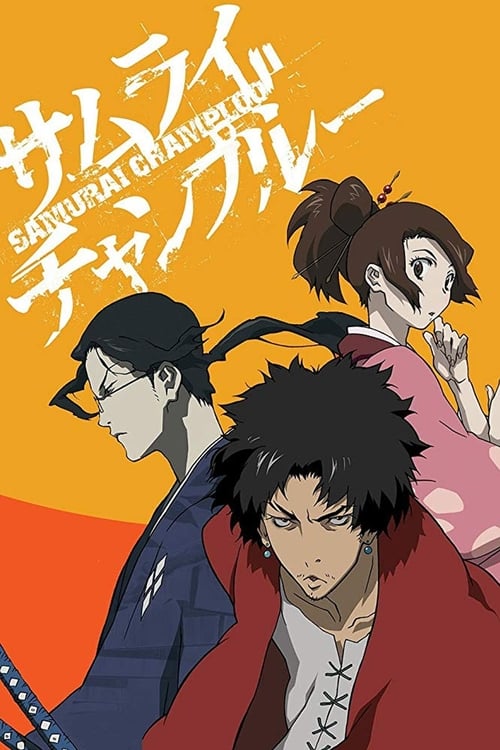
Shinichiro Watanabe's 2004 series dropped hip-hop into the Edo period and refused to apologise. Mugen's capoeira-inflected brawling, Jin's cold classical kenjutsu, and Fuu's stubborn optimism should not work together, and the show knows it. What keeps the trio moving is a search that is half MacGuffin and half excuse for a string of vignettes about class, violence, religion, and the particular loneliness of people who live outside society. The animation studio Manglobe gave it a scratchy, kinetic look that matched the urgency of the music: DJ Tsutchie, Fat Jon, Nujabes, and Force of Nature composed a score that remains one of the most influential in anime history. Champloo is not a history lesson. It is a mood, a tempo, a way of throwing elbows.
More Watanabe and Manglobe Anime
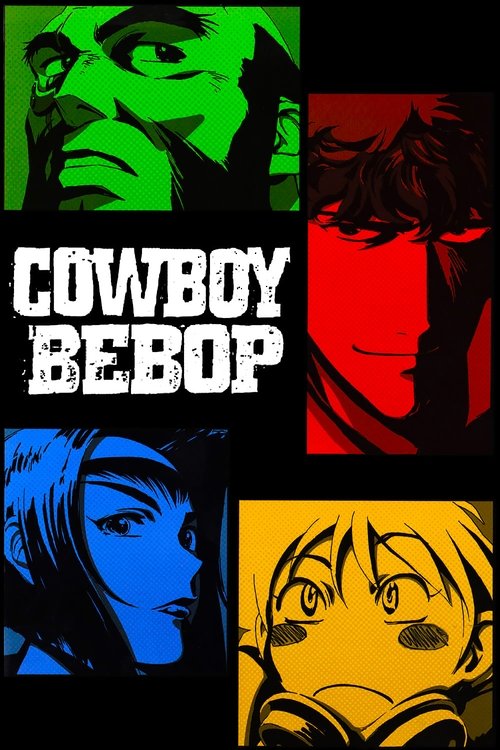
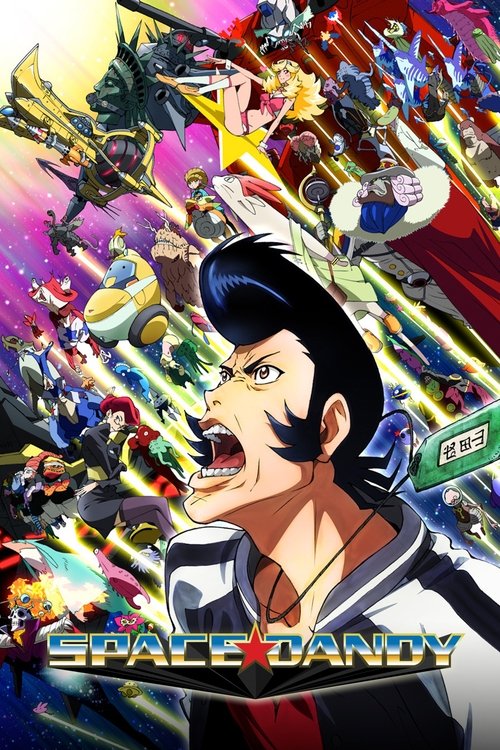
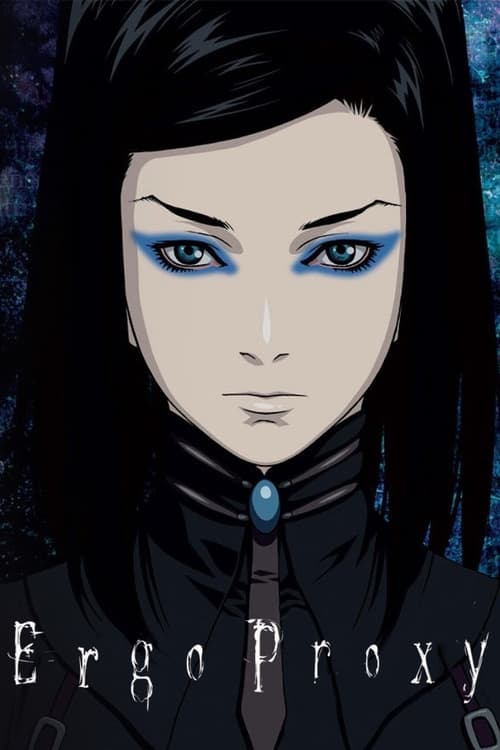
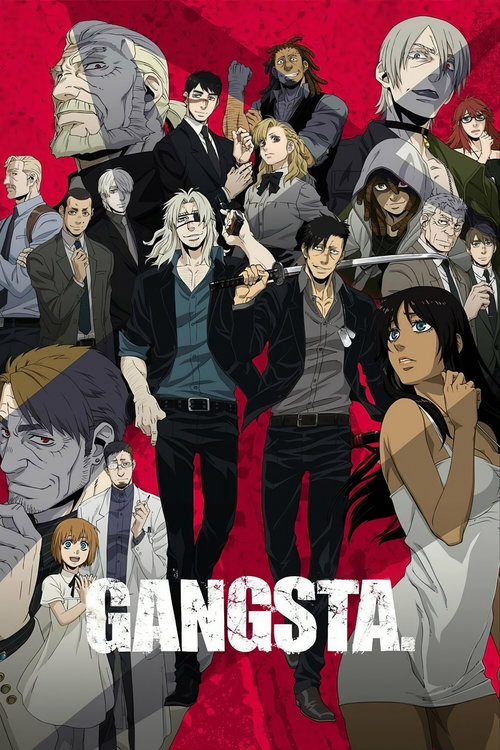
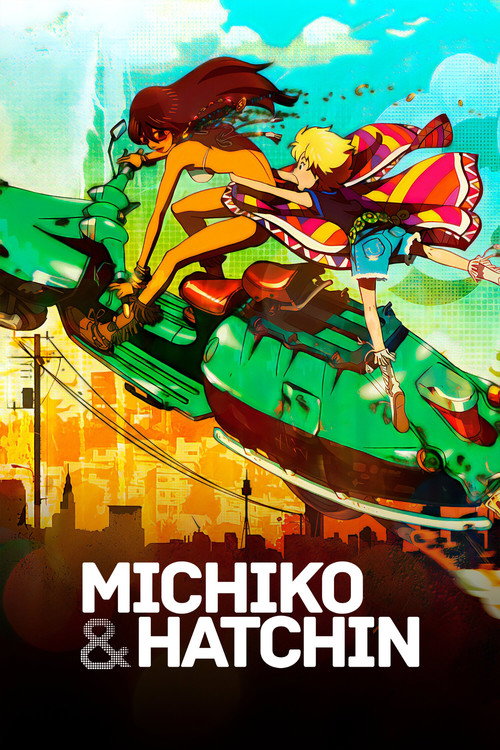
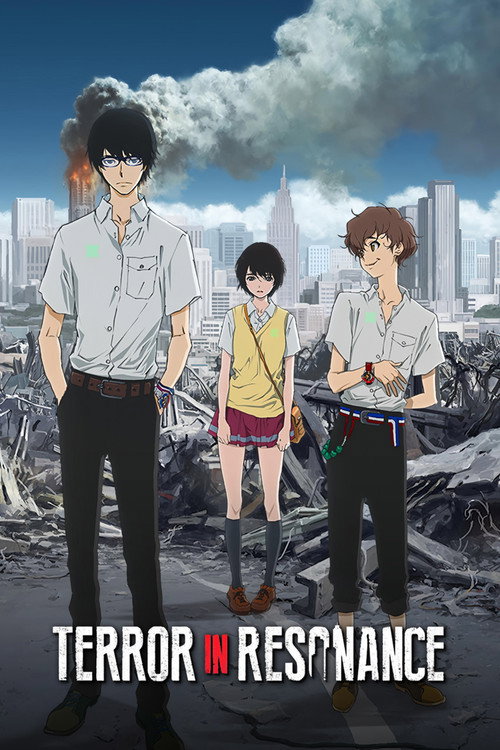
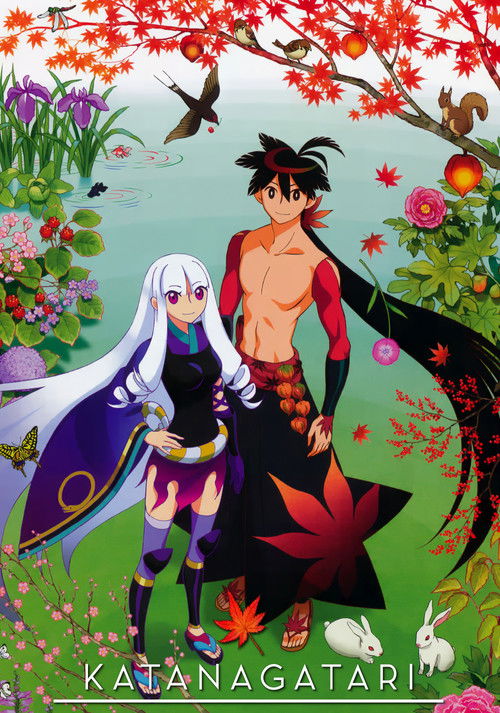
Same restless genre-mixing energy, different worlds

Manga and Light Novels in the Same Register
Ink and paper for the between-episode void


Films That Share the Blade and the Beat
Cinema with the same clash of style and steel
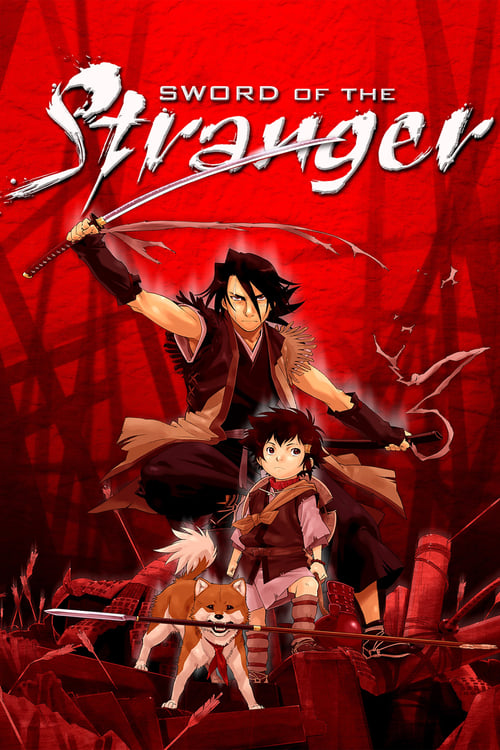
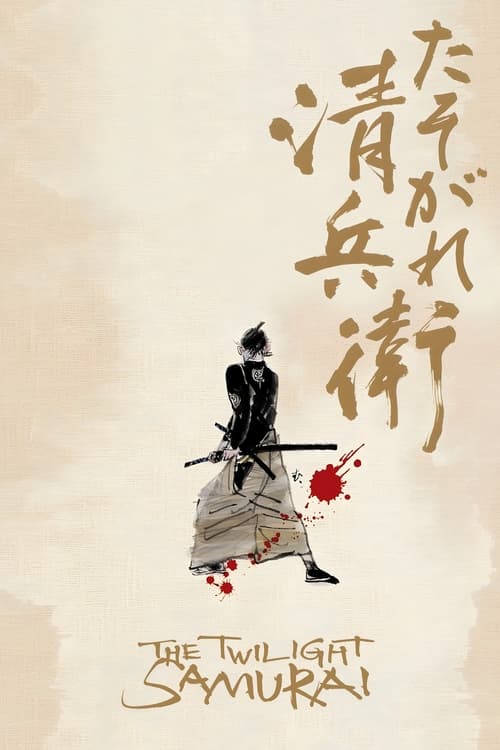
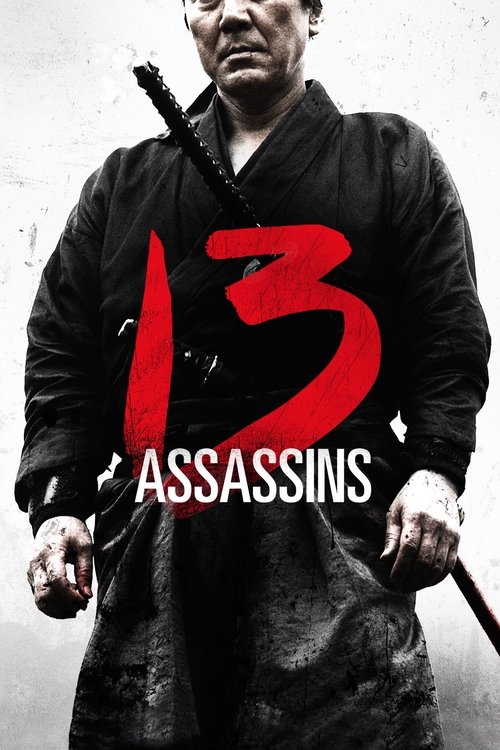

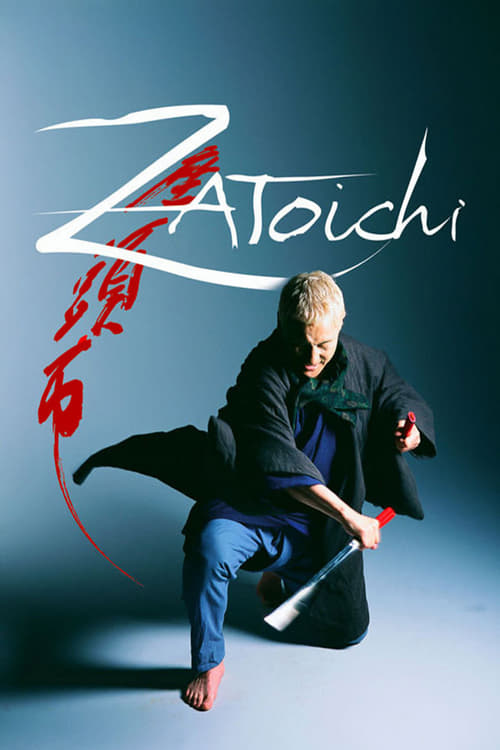

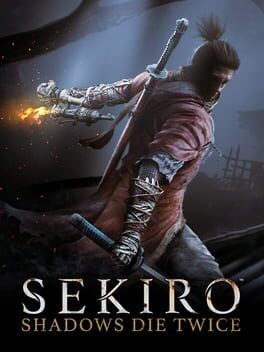
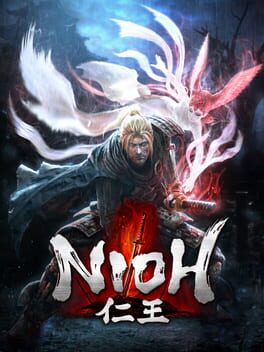
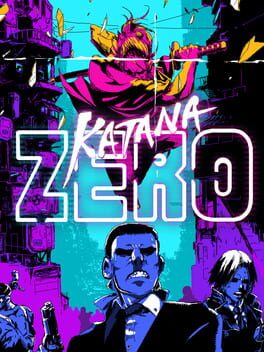
Games for the Restless Swordsman
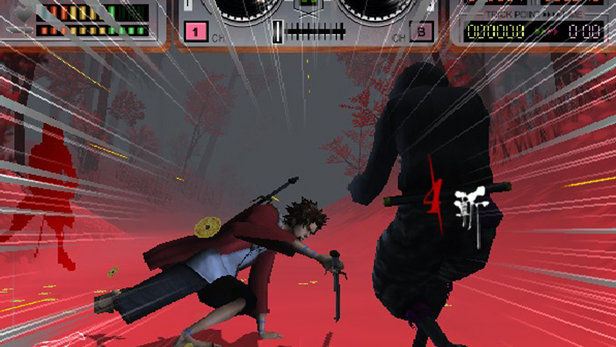
Controllers for fans who want to move like Mugen
Nujabes Changed What an Anime Soundtrack Could Be
Before Samurai Champloo, most anime scores leaned on orchestral bombast or J-pop tie-ins. Jun Seba, performing as Nujabes, built something quieter and more durable: boom-bap drums under melancholy jazz chords, with space for silence between the hits. His death in 2010 made the score feel even more elegiac, and the music's reputation has only grown since. A whole generation of lo-fi producers traces a direct line back to this soundtrack. Cowboy Bebop had Yoko Kanno; Champloo had Nujabes, and the argument over which changed the genre more has never been settled.
Mugen vs Jin: The Show Runs on That Friction
Watanabe designed Mugen and Jin as mirror images of the same question: what does strength mean when society has no use for you? Mugen fights like he has nothing to lose because he has nothing. Jin fights with the precision of a man who lost everything by following the rules. They loathe each other and cannot leave each other alone. That tension is what makes the road-trip structure work. Without it, Fuu's quest would be a polite procedural. With it, every campfire scene carries the threat of violence, and every truce feels earned.
Vagabond Is the Manga Champloo Fans Should Read Next
Takehiko Inoue's Vagabond covers Miyamoto Musashi's life with the same unhurried attention to swordfighting as a physical and spiritual act that Champloo brings to its best fight scenes. The art is some of the finest ever committed to manga pages: brushwork that makes you feel the weight of a blade. Where Champloo is episodic and irreverent, Vagabond is slow and searching. Together they frame what the samurai genre can do when it stops fetishising the kill and starts asking what a fighter is when the fight ends.
Ghost of Tsushima Is the Closest a Game Has Come to Champloo's Atmosphere
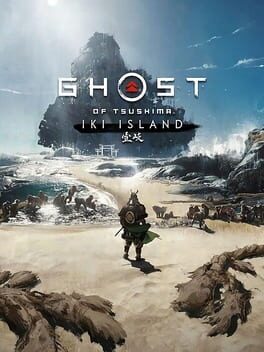
Sucker Punch's open-world game gets the visual language right: ink-and-brush aesthetics, wind-swept landscapes, duels that open with long silence before a single devastating exchange of cuts. It is more reverent toward the period than Champloo, and its combat is slower and more deliberate than Mugen's chaotic breakdancing. But the emotional core, a warrior operating outside any system that would protect him, rhymes closely. Play it with the Japanese dub and the Kurosawa mode filter on for the full effect.
Champloo's Lineage: Key Moments in Stylised Samurai Media
- 1962Harakiri redefines the chambara film, stripping the genre of its heroic myths. Harakiri
- 1970Lone Wolf and Cub begins its run, introducing the outcast swordsman as wandering protagonist. Lone Wolf
- 1993Vagabond launches in Weekly Morning, bringing literary ambition to the samurai manga. Vagabonds
- 1998Blade of the Immortal's anime adaptation brings its immortal swordsman to a wider audience. Blade of the Immortal
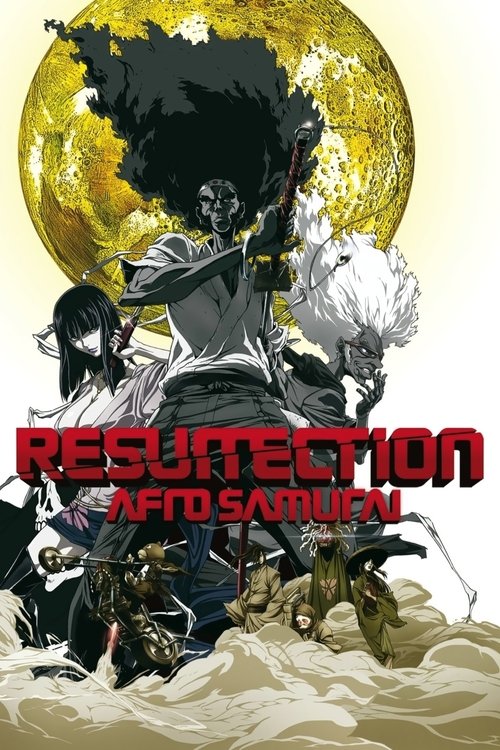
- 2001Afro Samurai manga begins, fusing feudal Japan with hip-hop aesthetics before Champloo does. Samurai
- 2004Samurai Champloo airs on Fuji TV. Nujabes, Fat Jon, and Tsutchie score it. The genre shifts. Samurai Champloo
- 2007Sword of the Stranger delivers a masterpiece of animated swordfighting in a single film. Sword of the Stranger
- 2010Jun Seba (Nujabes) dies; the Champloo soundtrack becomes a lo-fi touchstone and a eulogy. Samurai Champloo
- 2019Ghost of Tsushima announced, aiming to capture the cinematic samurai feel in open-world form. Ghost of Tsushima: Iki Island
- 2021Blade of the Immortal's definitive 2019 series reaches global streaming, introducing a new generation. Blade of the Immortal
Samurai steel and wandering swordsmen
Samurai & Feudal Japan
Explore the Samurai & Feudal Japan guide →The road has no destination. The point is how you walk it, who you argue with along the way, and whether you are still standing when the last episode ends.Samurai Champloo, recurring theme