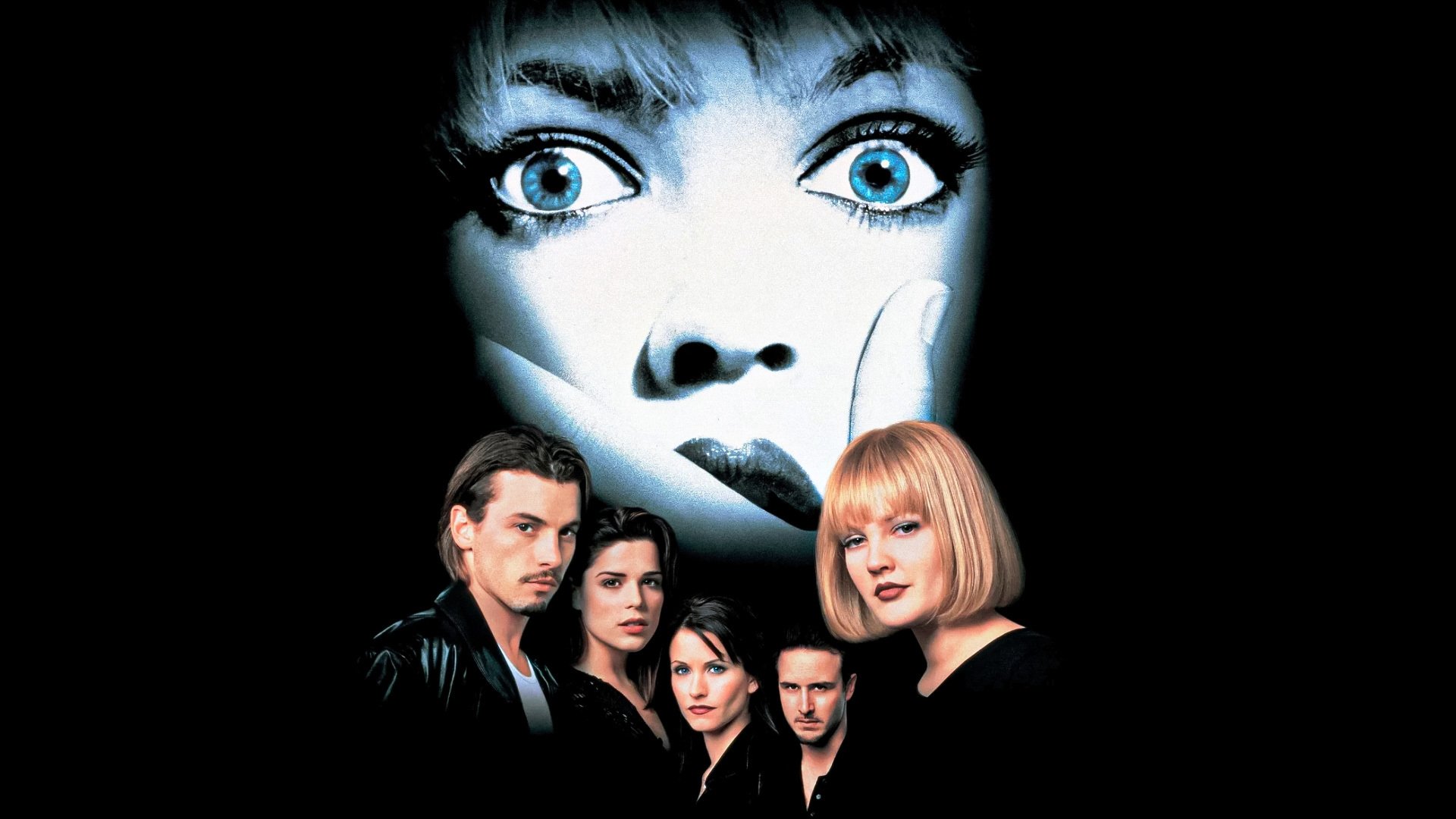

The slasher formula looks simple on paper: an isolated location, a group of victims, a relentless killer, and a final girl (or guy) who survives on nerve alone. But the best slasher stories are doing something more precise. They study the geography of fear. They make you memorize every room, every door, every dark corner of a location so that when the killer moves through it the tension is almost architectural. The through-line a true slasher fan chases is not gore for its own sake but the particular dread of being hunted somewhere that should be safe: a summer camp, a small town, a family home, a school corridor at night. That feeling crosses every medium. You will find it in games that trap you in a collapsing mansion, in novels that unfold over a single terrible night, in music that sounds like the moment before a door opens.
Essential Slasher
The films that defined and refined the genre

When the Killer Comes Back
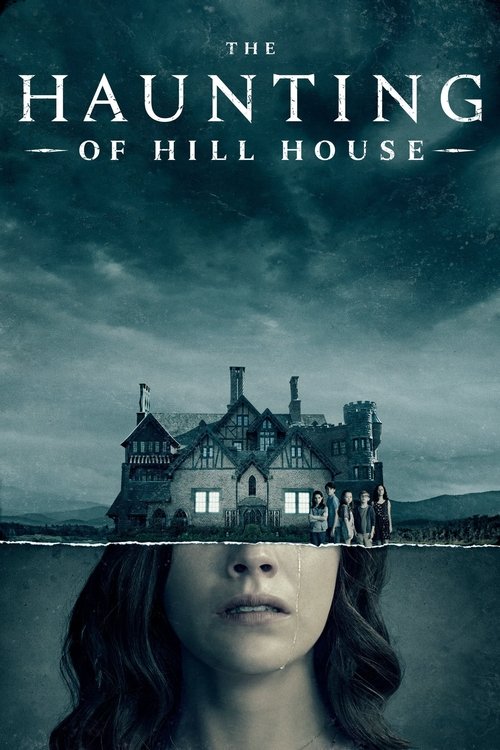
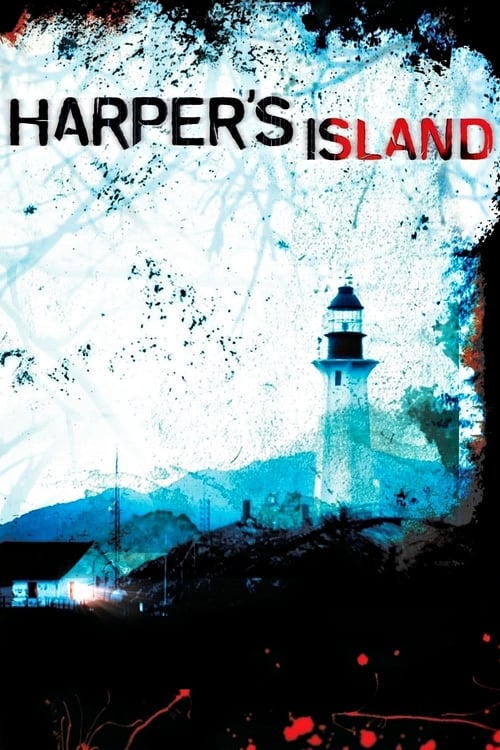
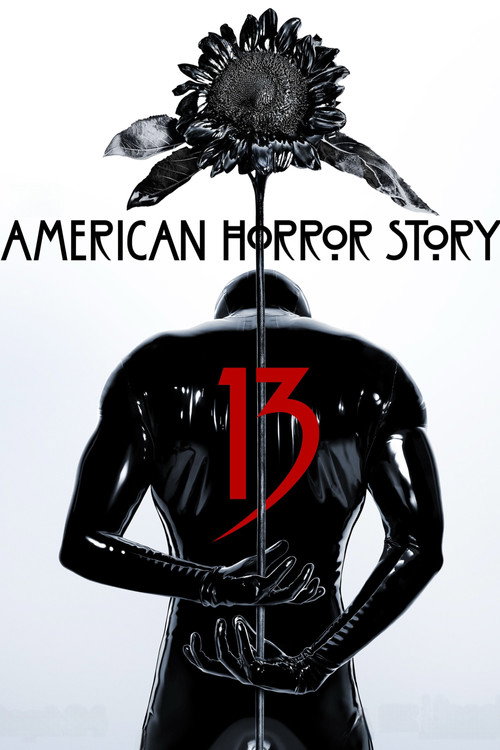
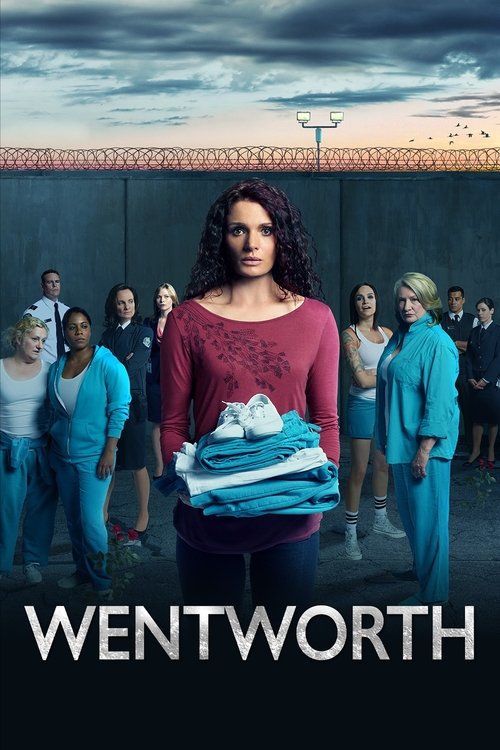
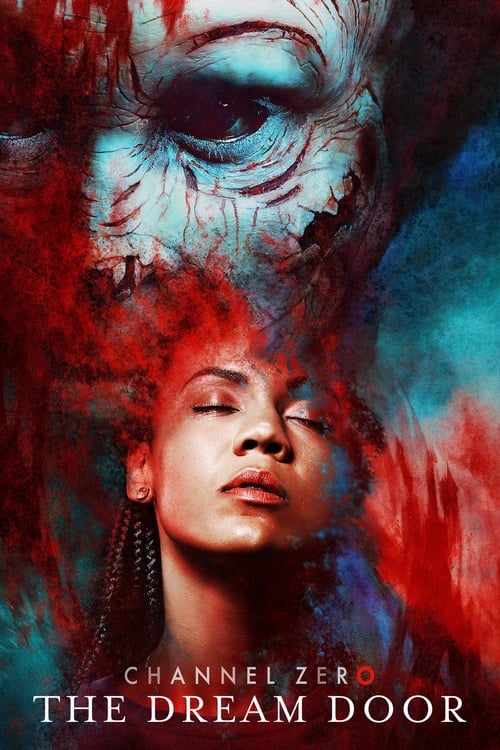
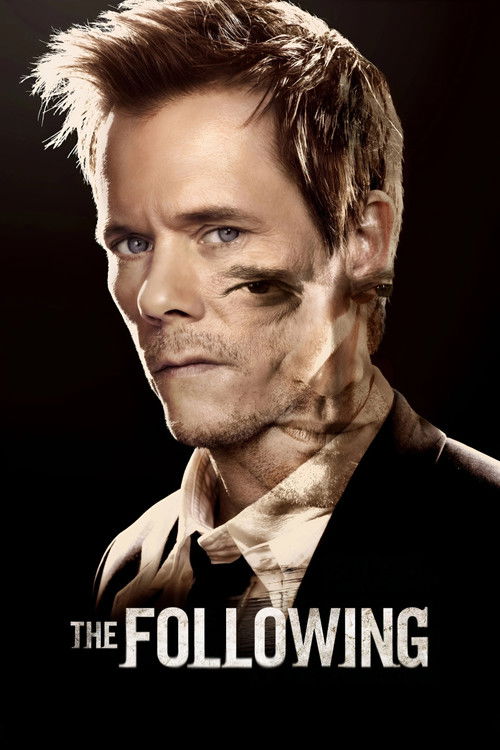
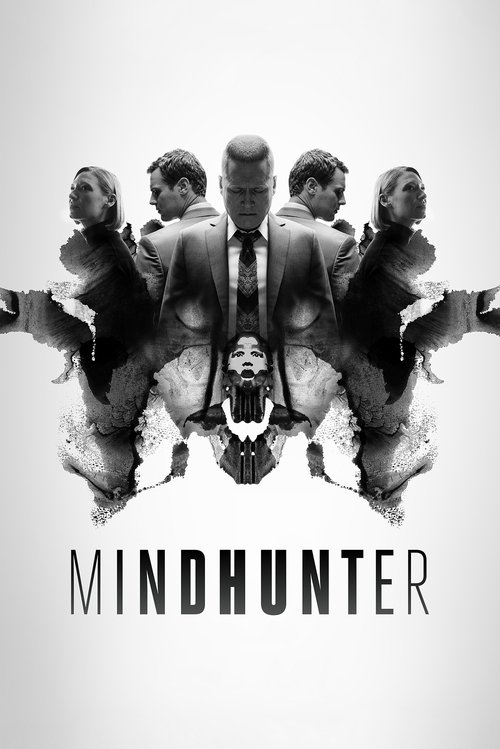
TV series that carry the slasher spirit across multiple episodes
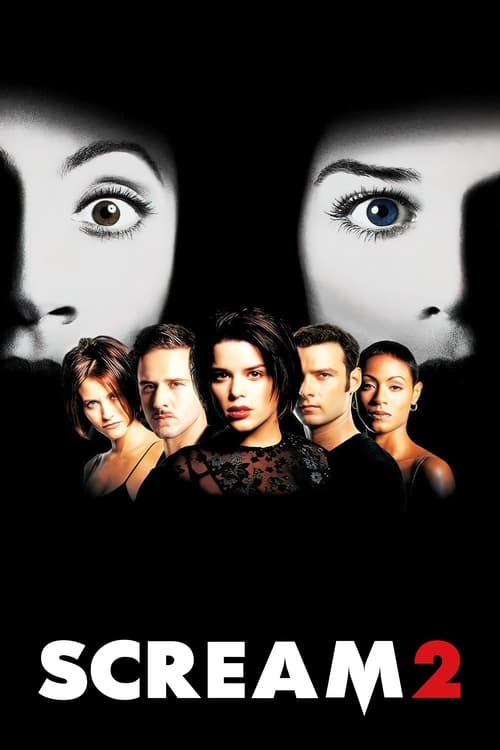
Scream Changed the Rules
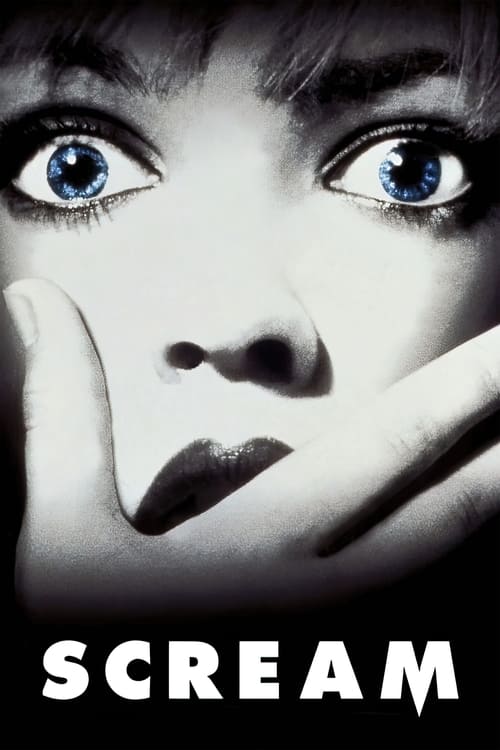
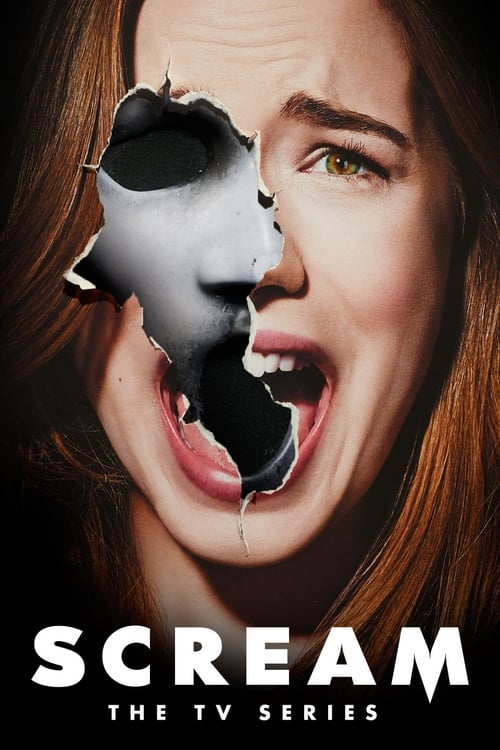
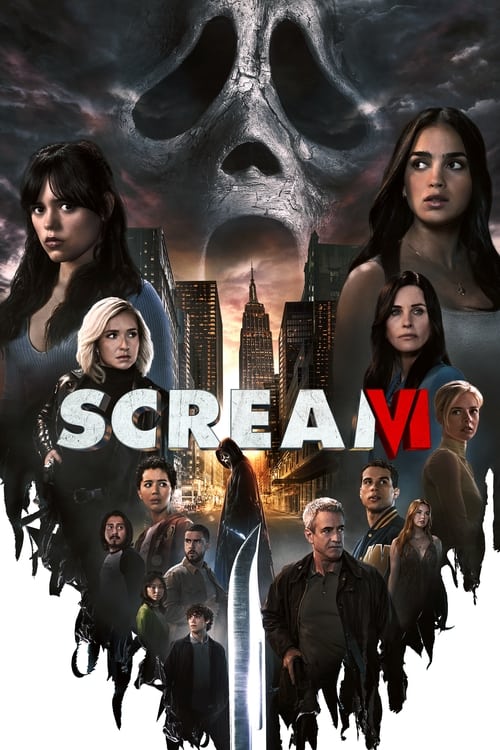
Before Wes Craven's Scream arrived in 1996, the slasher genre was in commercial freefall. What Craven and writer Kevin Williamson did was simple and devastating: they let the characters know the rules too. The result is a film that functions as both a genuine slasher and a real-time autopsy of the genre. Every killer reveal still lands because the film earns it on its own dramatic terms, not just as a twist. The sequels, the TV series, and the 2022 reboot all carry that same self-awareness without curdling into parody.
Hunt or Be Hunted
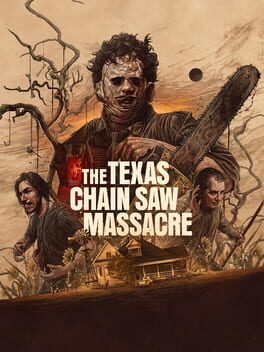
Games that put you inside the slasher dynamic, as prey or predator
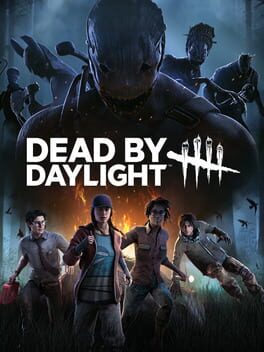
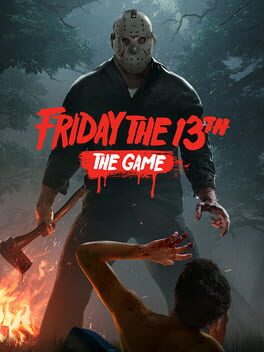
The Night in Print
Novels and novelizations that capture the dread of being hunted


The Final Girl Is a Survivor, Not a Saint
Carol Clover coined the term in her 1992 study Men, Women, and Chain Saws, but the final girl predates the label by decades. What makes her endure is not purity (that reading has aged badly) but resourcefulness. Laurie Strode, Sidney Prescott, Nancy Thompson: each one survives because she pays attention, adapts, and eventually turns the geography of the location against the killer. The best slasher stories honor that intelligence. The worst ones punish everyone equally, which is nihilism dressed up as genre.
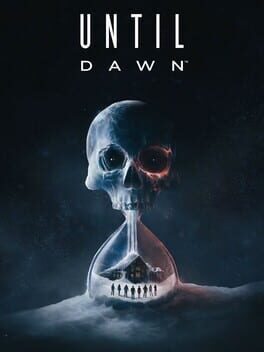
Until Dawn Proved Games Can Be Slashers Too
Supermassive Games understood that the slasher works not through randomness but through earned consequence. Until Dawn forces you to track every decision across eight playable characters across a single night, and it holds you accountable. Characters you neglected die in ways that feel logical, not arbitrary. The game also knows its genre references down to the specific chapter breaks. It treats the slasher as a formal structure to inhabit rather than a collection of clichés to parody, which is why it still holds up as one of the most satisfying horror games made.
How the Slasher Evolved
- 1960Psycho establishes the template: a killer with a psychology, a shower, and the shock of killing your protagonist early. Psycho
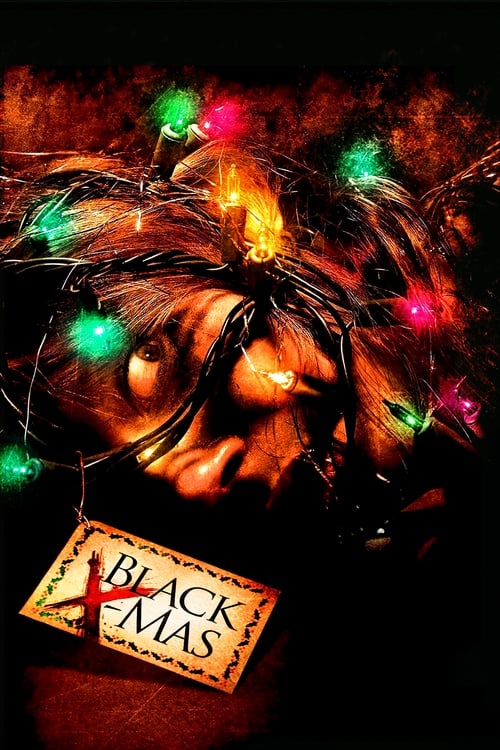
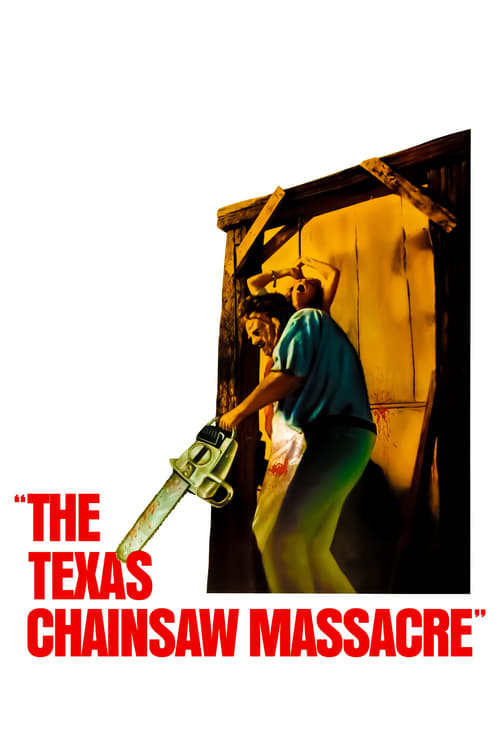
- 1974Black Christmas and The Texas Chain Saw Massacre arrive in the same year, inventing the isolated-group-vs-killer structure. Black Christmas
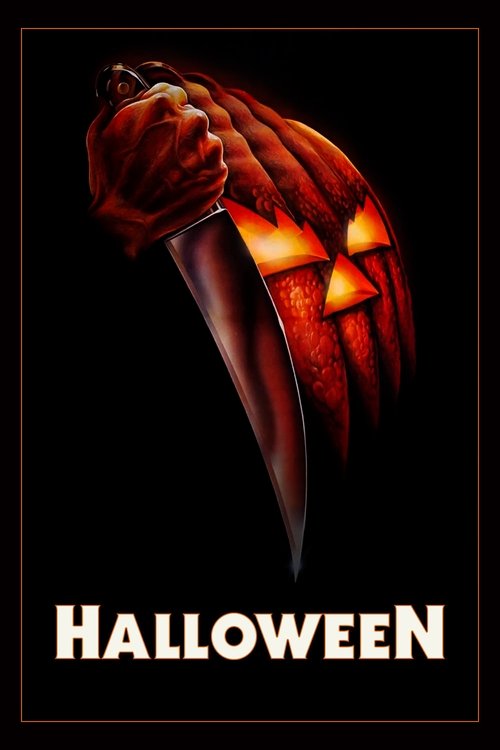
- 1978Halloween defines the masked, motive-free killer and the final girl. John Carpenter scores it himself on a synthesizer in three days. Halloween
- 1980Friday the 13th launches the summer camp subgenre. Jason Voorhees does not actually appear as the killer until the sequel. Friday the 13th
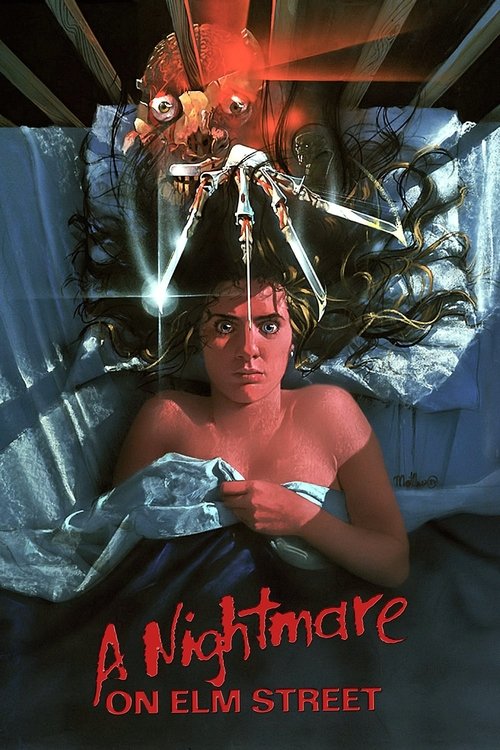
- 1984A Nightmare on Elm Street moves the kills into the dreamspace, giving the genre a new psychological logic. A Nightmare on Elm Street
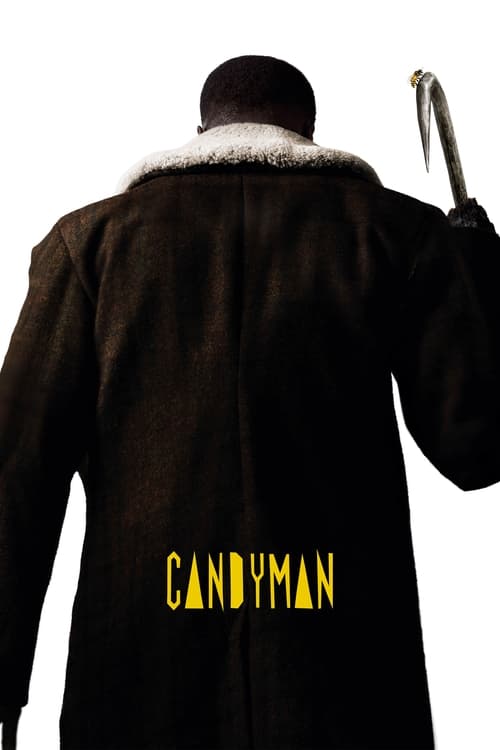
- 1992Candyman fuses the slasher with folk horror and urban mythology, expanding what the genre can hold. Candyman
- 1996Scream revives the genre by making its characters genre-literate. A new cycle of self-aware slashers follows. Scream
- 2015Dead by Daylight releases and becomes the dominant multiplayer horror game, bringing slasher mechanics to a new generation. Dead by Daylight
- 2015Until Dawn refines the slasher as a choice-based single-player game with eight protagonists and genuine stakes. Until Dawn
- 2021My Heart Is a Chainsaw by Stephen Graham Jones wins the Stoker Award and establishes literary slasher fiction as a serious category.
The slasher does not punish promiscuity or drug use. It punishes inattention. The survivor is always the one who sees the house as the killer sees it.CrossBinge
Literary Slasher Is Its Own Genre Now
Stephen Graham Jones's 2021 novel My Heart Is a Chainsaw is the inflection point: a book whose protagonist knows slasher cinema as deeply as any film scholar, written by an author who loves the genre without condescending to it. Jones proved that the slasher's formal pleasures (the isolated location, the escalating kill count, the final confrontation) translate to fiction with almost no loss. The Final Girls Support Group by Grady Hendrix arrived the same year and went a different route, asking what the psychic cost of survival actually is. Together they established literary slasher as a category with real aesthetic ambition, not just film-adjacent pulp.