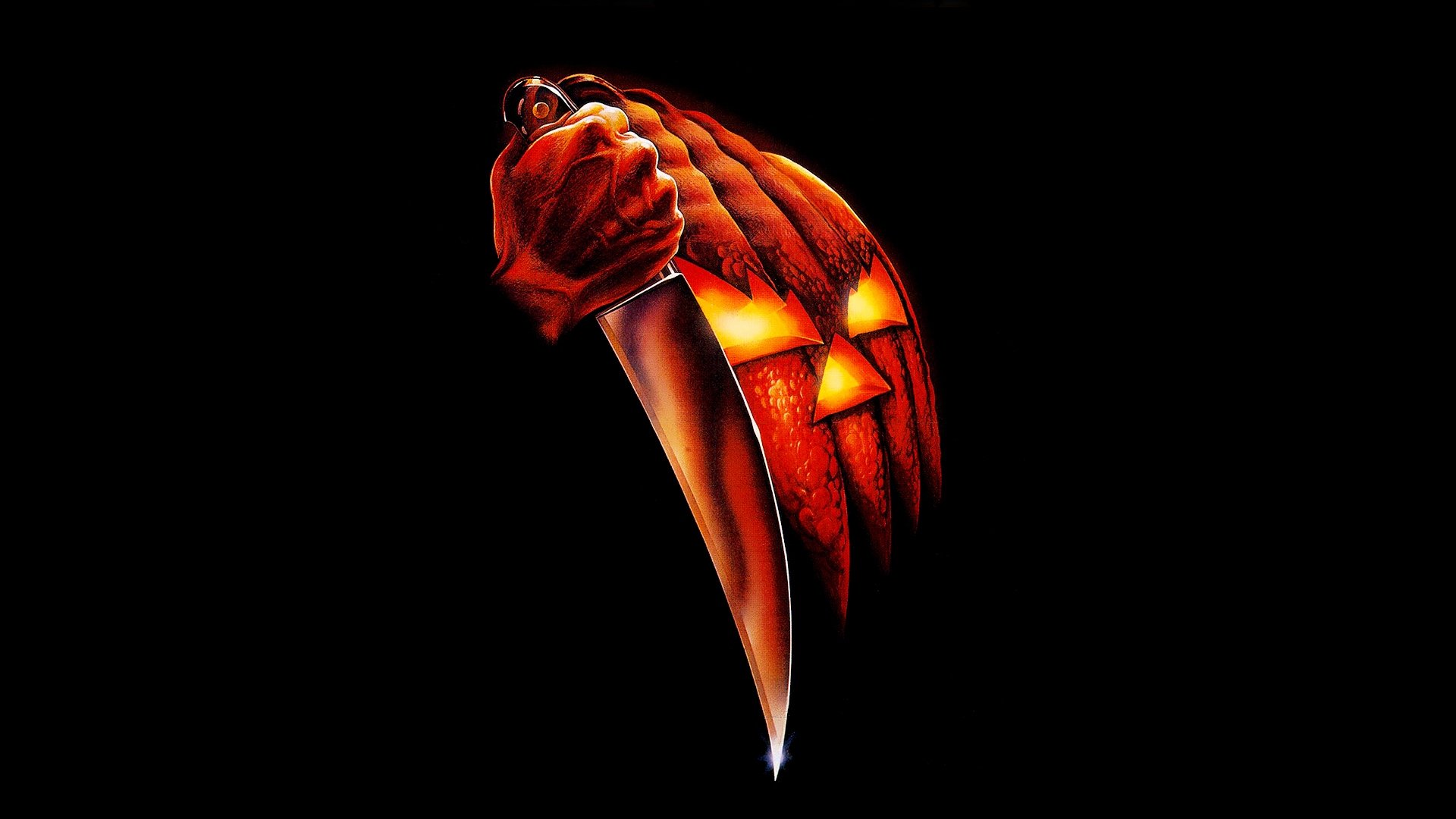

John Carpenter's 1978 original did something deceptively simple: it turned a holiday into a threat. Halloween gave slasher cinema its grammar. The Steadicam POV, the minimalist synth score, the killer as pure shape rather than character. What fans respond to is not gore but anticipation. The franchise has reinvented itself across sequels, reboots, and retcons for nearly five decades, from the original trilogy through the Rob Zombie reimaginings to David Gordon Green's legacy trilogy that brought Jamie Lee Curtis back for a proper closing chapter. At its core the appeal is consistent: safety is an illusion, evil persists, and Haddonfield is never really safe.
Essential Halloween
The franchise films, from the original to the legacy trilogy, ranked by influence
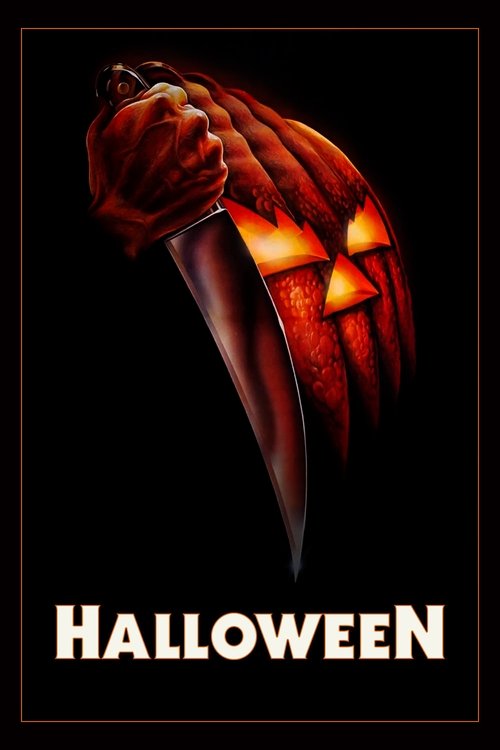
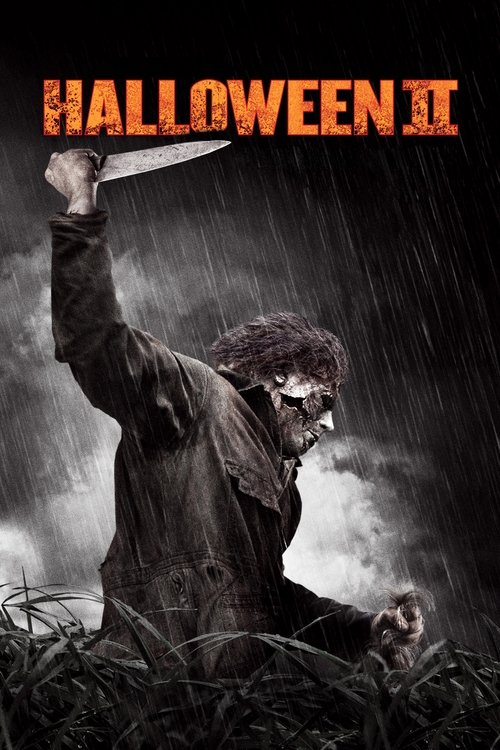
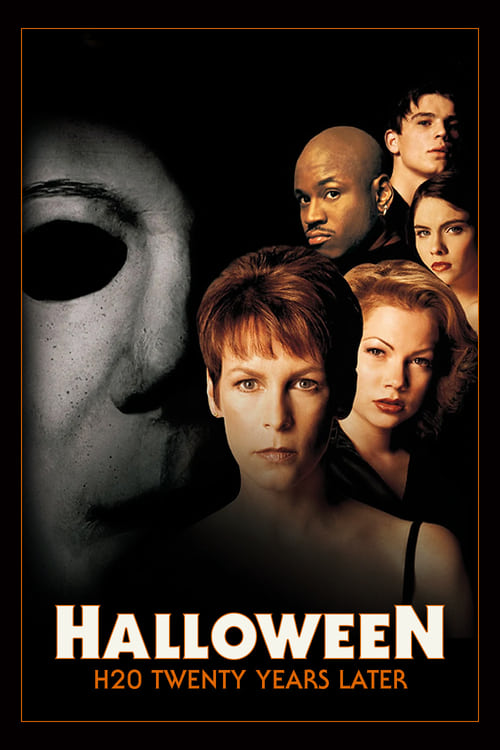
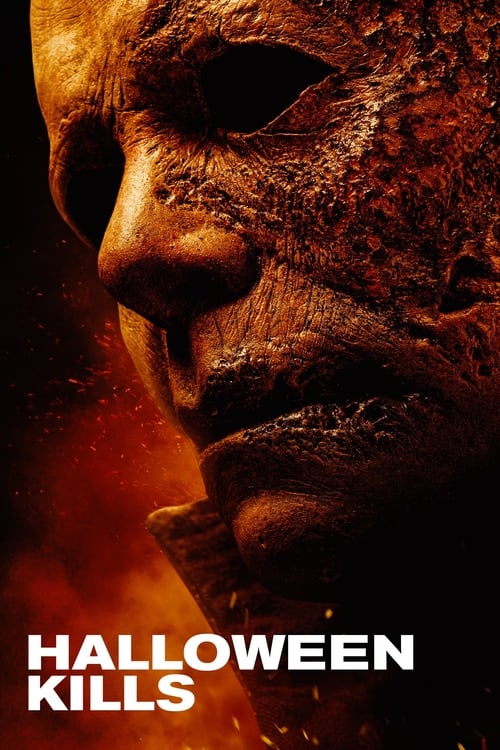
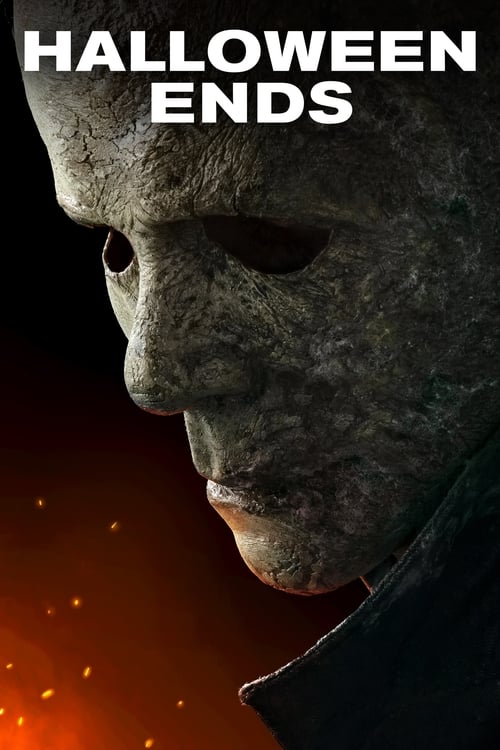

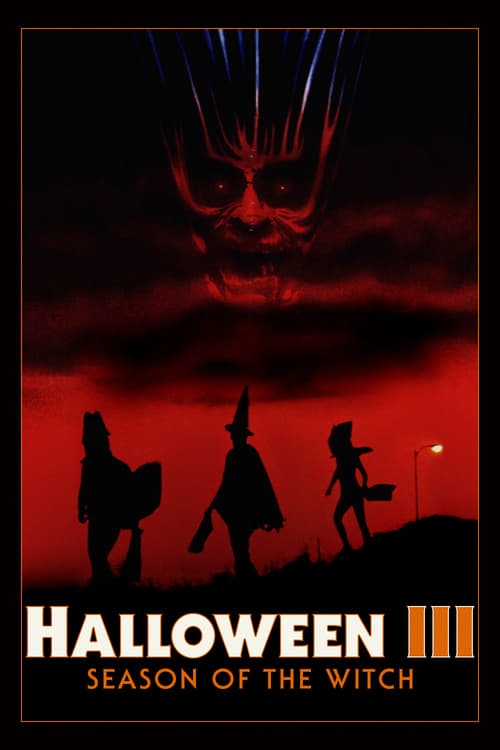
The Slasher Canon
Films that defined or refined the genre Halloween created
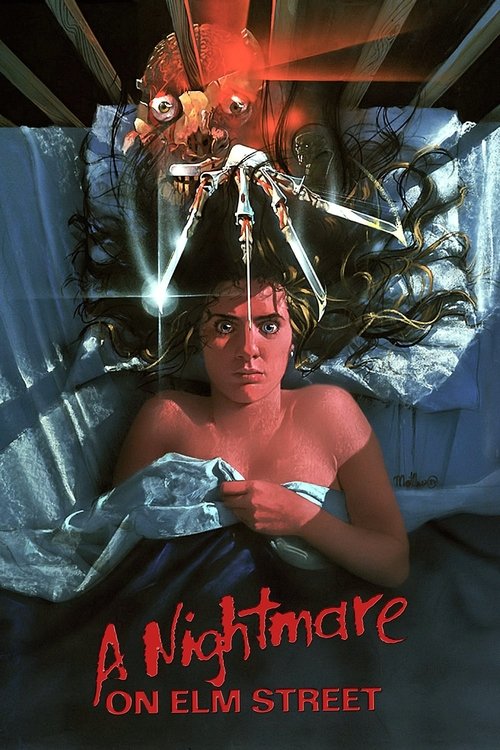

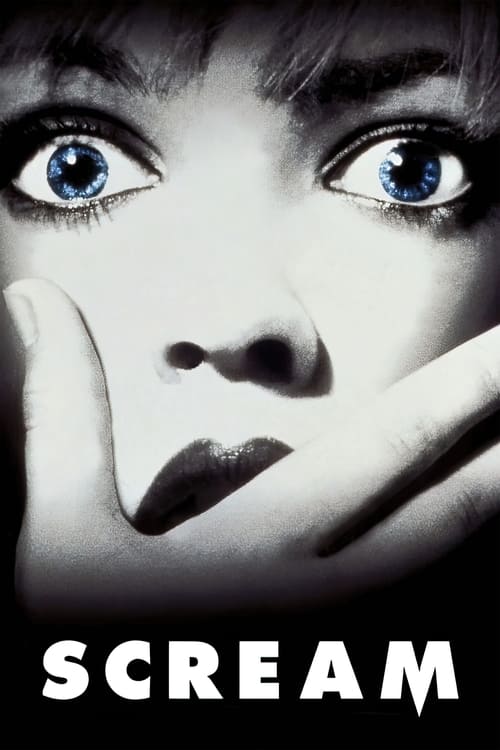
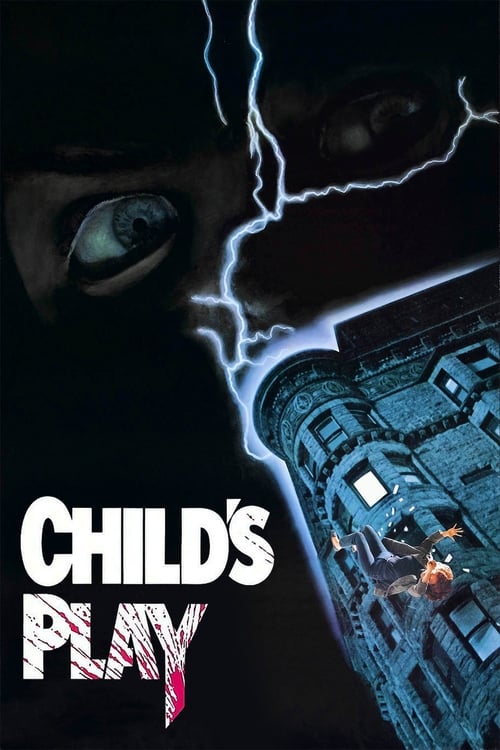
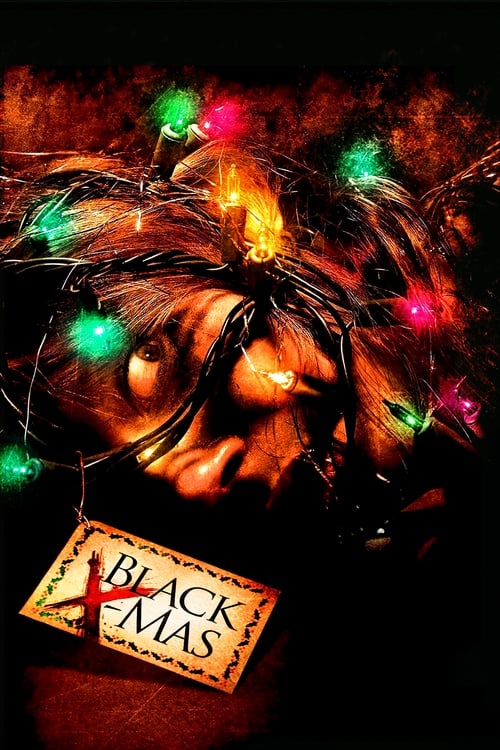
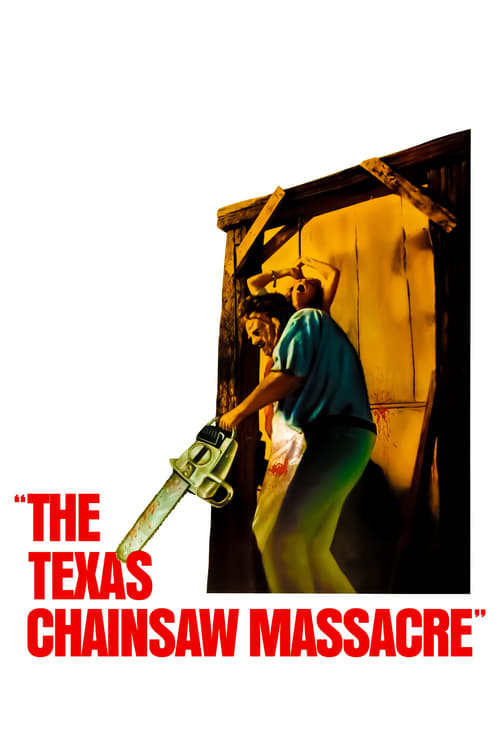
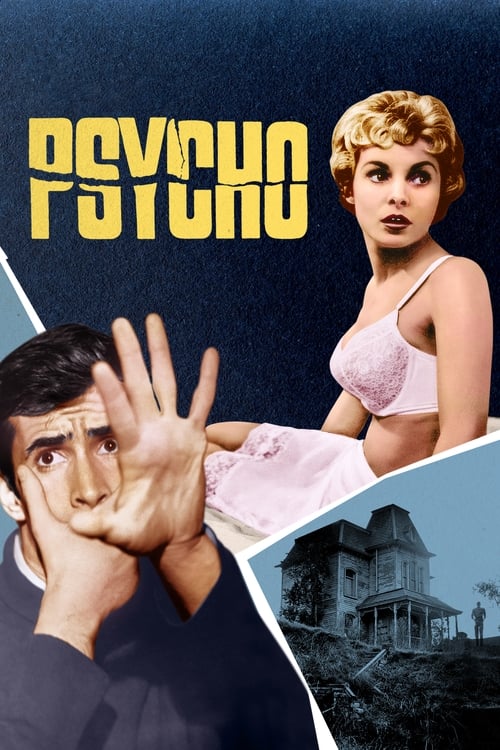
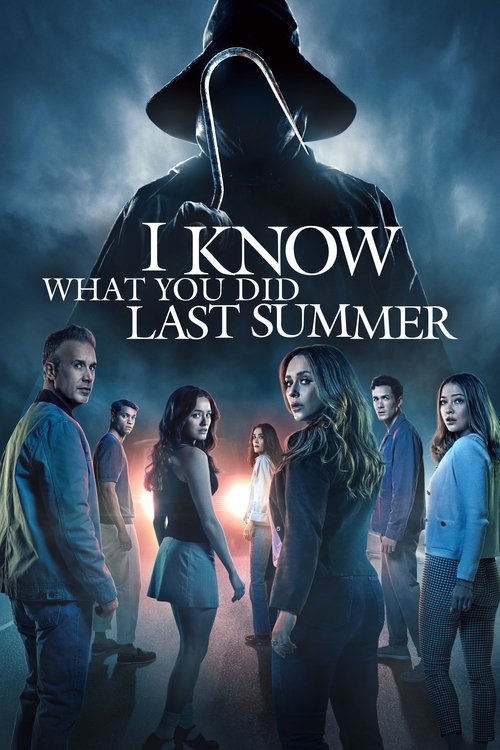
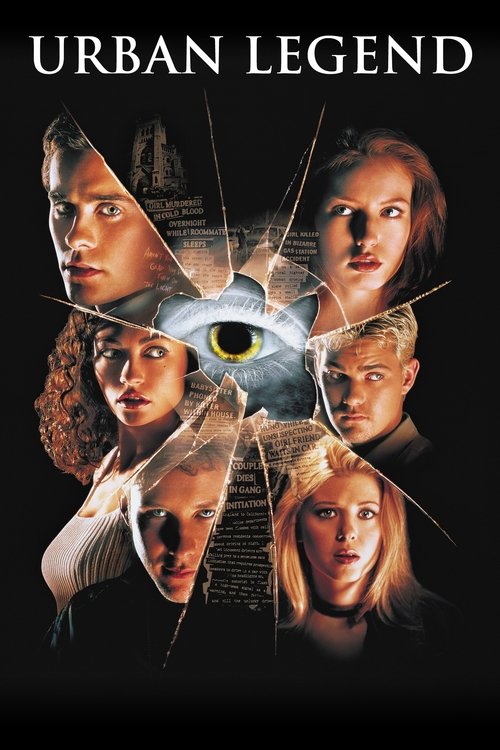
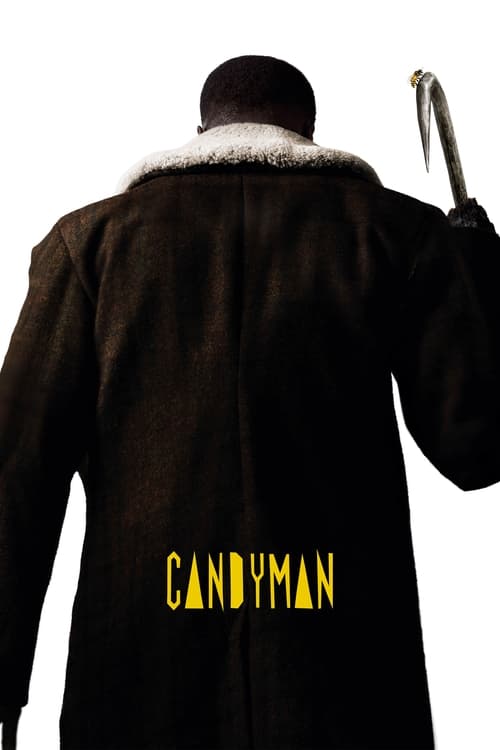
Suburban Dread on Screen
Series that weaponize the ordinary neighborhood the way Halloween did
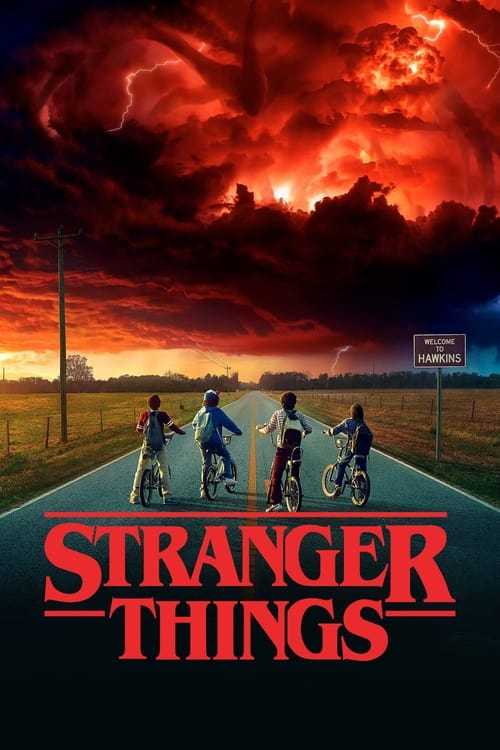
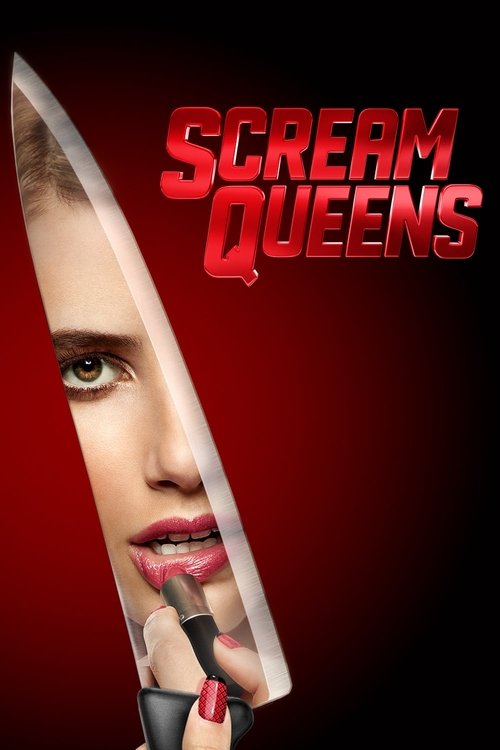
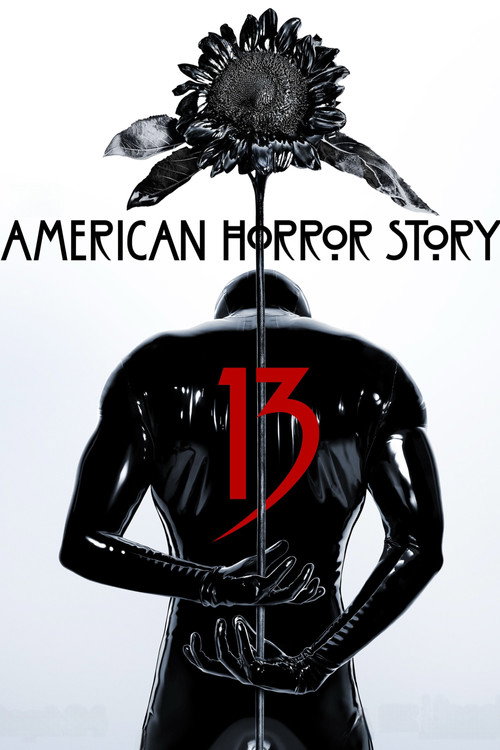
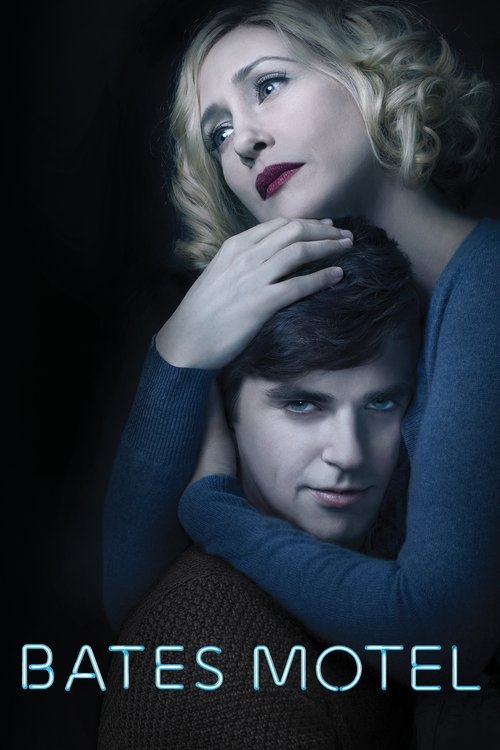
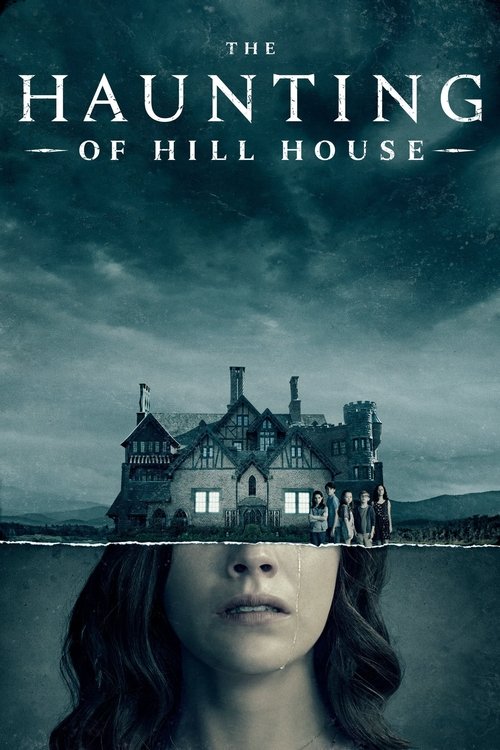
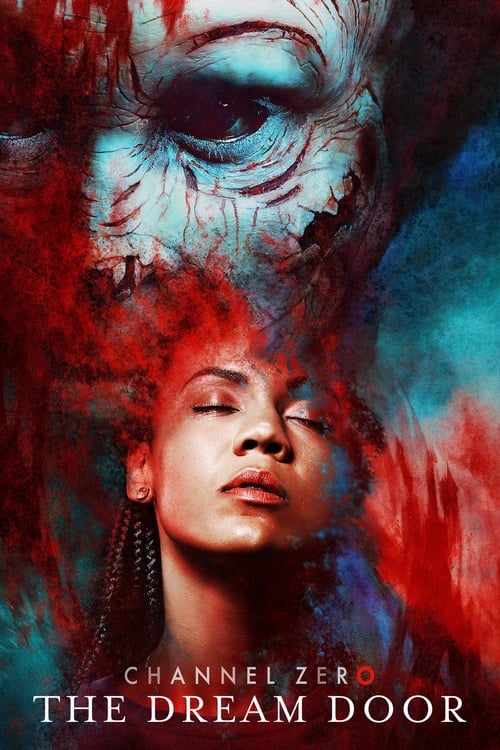
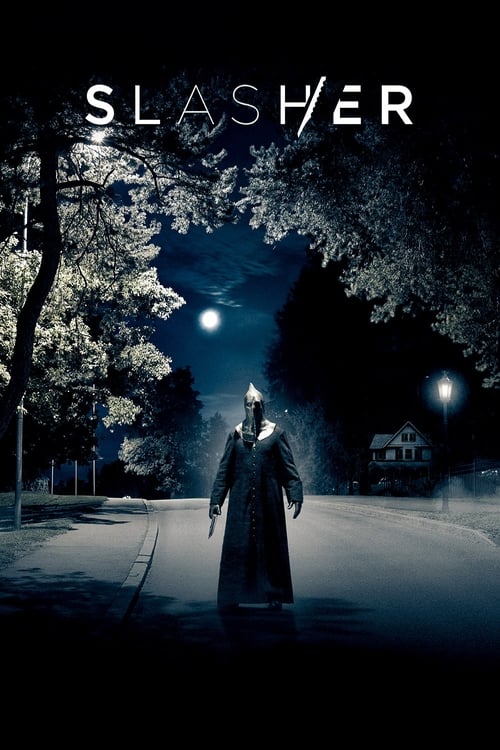
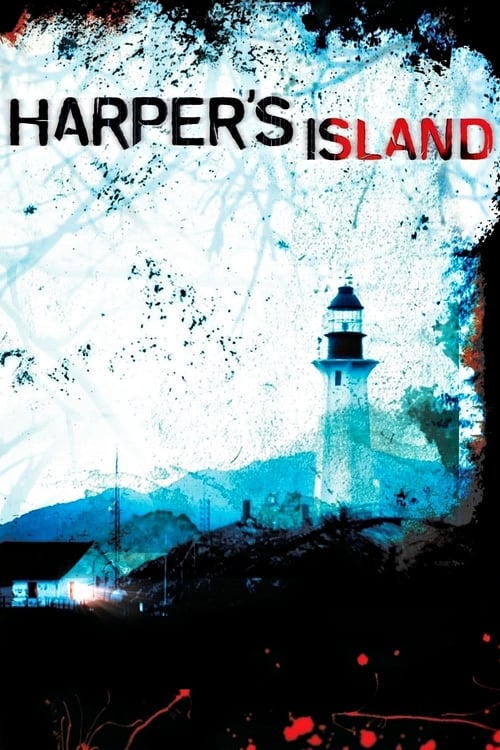
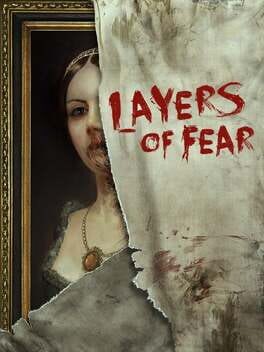
Survive the Night: Horror Games
Games built on the same loop of pursuit, hiding, and outlasting the monster
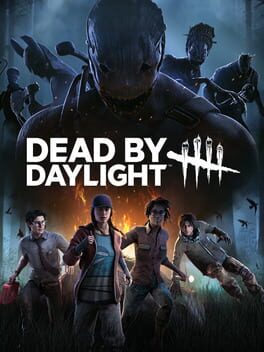
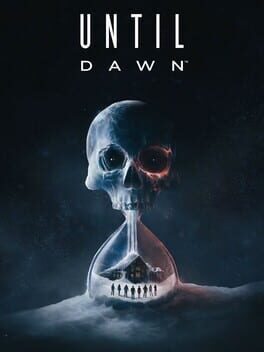
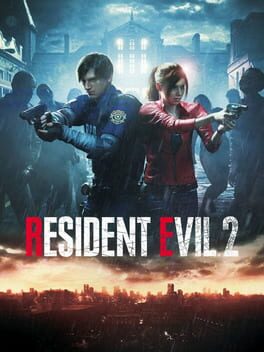
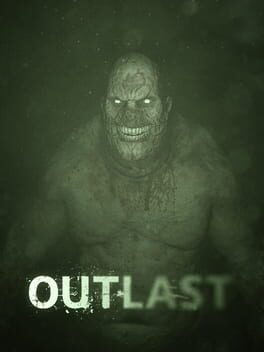
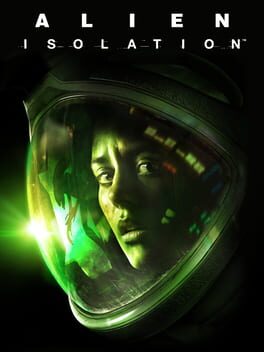
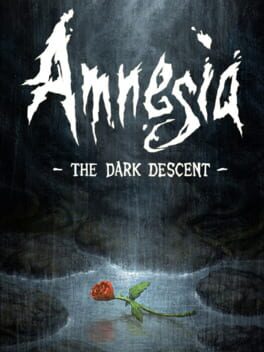
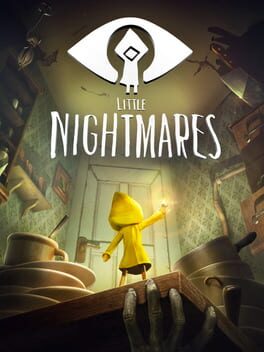
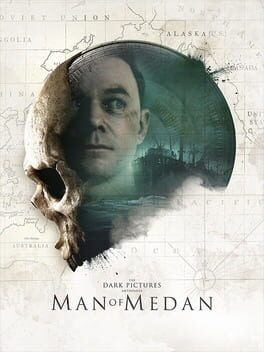
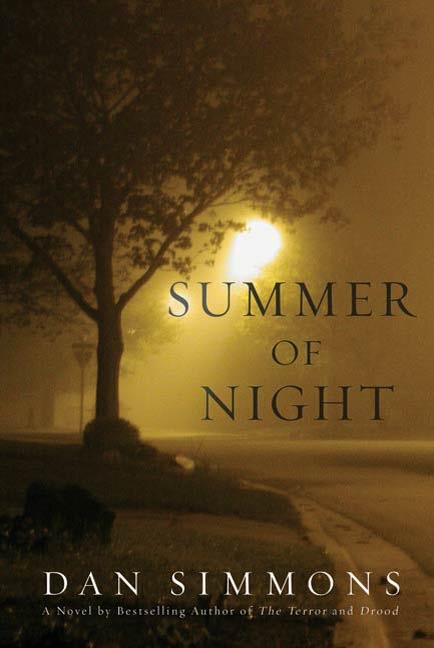
The Fear on the Page
Horror novels that share Halloween's obsession with evil that cannot be explained away



John Carpenter's Score Is the Real Monster
Strip out Michael Myers and Halloween still works as a horror experience because of what Carpenter built in five notes. The 5/4 time signature is wrong in a way the ear registers before the brain does. It is restless, slightly off-kilter, never resolving into comfort. No other franchise score has so completely become the identity of its villain. The theme is not underscore. It is the threat itself.
The Legacy Sequel Got It Right Where Remakes Get It Wrong
David Gordon Green's 2018 Halloween worked because it understood that the weight of trauma is more frightening than any body count. Giving Laurie Strode 40 years of preparation reframed the entire franchise: this was never about Michael, it was about what surviving does to a person. H20 tried something similar in 1998, but the 2018 film committed fully to that psychology. The sequels, Halloween Kills and Halloween Ends, divided audiences, but the 2018 film stands as the rare reboot that earns its existence.
Halloween III Deserved Better
Halloween III: Season of the Witch has no Michael Myers. That is why audiences in 1982 felt cheated, and that is exactly why it is now the most interesting film in the franchise. A Halloween anthology was the original plan, and Season of the Witch proves the concept had real legs: killer masks, a sinister corporation, a TV-transmitted curse timed to a children's holiday. It is weirder and more ambitious than any sequel that followed. The franchise spent decades walking away from its most creative idea.
Michael Myers Through the Decades
- 1978John Carpenter's original defines the slasher template Halloween
- 1981Direct sequel picks up the same night in Haddonfield Memorial Hospital Halloween II
- 1982The anthology pivot: no Myers, just a mask company with a very bad holiday plan Halloween III: Season of the Witch
- 1988Myers returns after a decade away; introduces niece Jamie Lloyd Halloween 4: The Return of Michael Myers
- 1998Jamie Lee Curtis returns for H20; soft-retcons the Thorn trilogy Halloween H20: 20 Years Later
- 2007Rob Zombie remakes the origin with a grittier, psychological approach Halloween
- 2018Legacy sequel erases all sequels; Laurie Strode has been preparing for decades Halloween
- 2021The town of Haddonfield itself becomes the subject Halloween Kills
- 2022The legacy trilogy closes; Ends becomes the most divisive entry in years Halloween Ends
Slashers and unstoppable killers
Slashers
Explore the Slashers guide →I met him, fifteen years ago. I was told there was nothing left. No reason, no conscience, no understanding, in even the most rudimentary sense of humanity. I met this six-year-old child with this blank, pale, emotionless face and the blackest eyes, the devil's eyes.Dr. Sam Loomis, Halloween (1978)